
Reviewed · WALKING TOURS
Tokyo Private Customized Walking Tour (Option Car Tour Available)
Tokyo is a city where a good local guide can save you hours. This private tour lets you choose the focus, from Meiji Shrine and Shibuya Crossing to old neighborhoods, markets, museums, shopping streets, and small restaurants. You can walk, or upgrade to a private car, and book anywhere from two to eight hours.
I like the personal itinerary and the practical help. Guides such as Albert, Joe, Kenta, and Fabian have helped people read shrine customs, find food, use Tokyo’s rail system, and even buy bullet train tickets. I also like the choice of a short two-hour introduction or a full day that can cover several parts of this huge city.
The main caution is that the tour depends on how well your requests reach the guide before the meeting. One customer found that planned stops were not passed along, so confirm your route directly. Food, drinks, attraction tickets, and tips are extra.
Key points to know before booking
- Your day can change shape: Choose a two-hour orientation, a half-day outing, or an eight-hour private visit.
- Hotel pickup is offered: Pickup is available within Tokyo, which helps when you are still learning the city.
- Walking or car travel: The standard experience is private walking, with a private vehicle upgrade available.
- The rail system becomes less intimidating: Several guides have taught people how to use Tokyo’s trains and subway lines.
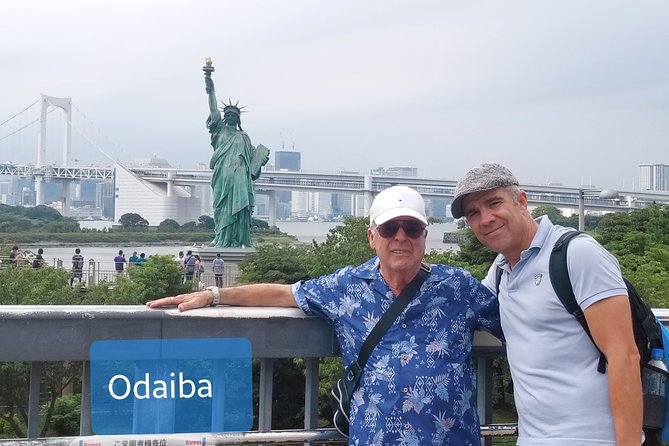
- Popular sights and local corners can mix: Your plan might include Shibuya, Sensoji, Tsukiji, Yanaka, Harajuku, or a small neighborhood restaurant.
- The advertised price is a starting point: At $52.19 per person, value depends on duration and group size, while tickets, meals, and the vehicle option cost extra.
Why a private Tokyo tour can work better than a fixed route
Tokyo is too large for one tidy sightseeing loop. The city’s famous sights are spread across districts, and a trip that looks simple on a map can involve long rail connections, crowded stations, and confusing exits.
That is where this format helps. You tell the guide what matters to you, and the day is built around it. You might want temples and traditional customs, modern neighborhoods and shopping, food, museums, photography, or a basic lesson in using public transport.
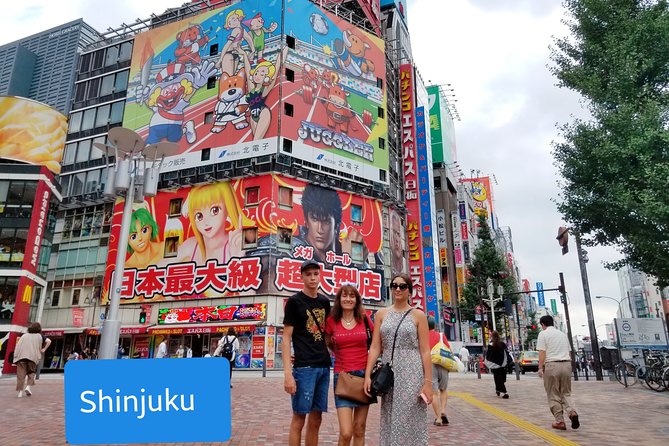
I see this as an especially useful first-day experience. A guide can help you get your bearings, explain local manners, and show you how to move around on your own afterward. Karl, for example, took one visitor through Shinjuku, Harajuku, and Shibuya while explaining the rail system. Another guide helped a visitor navigate Shinjuku Station, a place that can feel like a city underground.
The private format also keeps the pace sensible. You are not waiting for a large group to take photos or follow a preset schedule. If you want to linger at a shrine, stop for lunch, or finish early for shopping, you can discuss that with your guide.
More Custom Private Tours in Tokyo
- Tokyo Customized Private Tour (Must See Places in 1 Day)
★ 5.0 · 1,499 reviews - Private Custom Tour: Tokyo in a Day
★ 5.0 · 1,432 reviews - Tokyo Customized Private Tour: See Top Attractions in 1 Day
★ 5.0 · 1,351 reviews
Building the right itinerary from Shibuya to old Tokyo
The tour does not promise one fixed list of stops. That is a strength, but it means you should think about your priorities before booking. The clearest way to plan is by theme and location.
Meiji Shrine and Harajuku
Meiji Shrine offers a calm break from the streets of Harajuku. A guide can explain how to behave at the entrance, how to approach the shrine, and why the site matters. One visit included two traditional Japanese weddings, an unexpected moment that added real life to the sightseeing.
Harajuku then gives you a sharp contrast, with shopping and modern youth culture close by. This pairing works well for first-time visitors because you see old and new Tokyo within a short distance.
The limitation is time. If you add Meiji Shrine, Harajuku, Shibuya, and several other districts to a half-day, you may spend much of the outing moving between places. For this combination, a longer booking gives you more room to pause.
Shibuya Crossing and the modern city
Shibuya Crossing is one of Tokyo’s most recognizable sights, but the area is more useful when you connect it to your interests. You might focus on shopping, city views, photography, or simply learning how the district fits into Tokyo’s rail network.
Guides have included Shibuya in introductory routes after stops in Shinjuku and Harajuku. That order makes sense if you want a broad look at the city’s modern side.
Do not expect the tour price to cover shopping or attraction entry. The guide can help you decide where to go, but your purchases and admission costs remain your responsibility.
More Walking Tours in Tokyo
- Tokyo Tsukiji Fish Market Food and Culture Walking Tour
★ 5.0 · 3,184 reviews - Tokyo: Imperial Palace and Shogun Historical Walking Tour
★ 5.0 · 2,251 reviews - Tokyo: Shinjuku Local Bar and Izakaya Guided Walking Tour
★ 4.9 · 1,794 reviews - Tokyo: Tsukiji Fish Market Food and Walking tour
★ 5.0 · 1,724 reviews
Asakusa, Sensoji, and traditional Tokyo
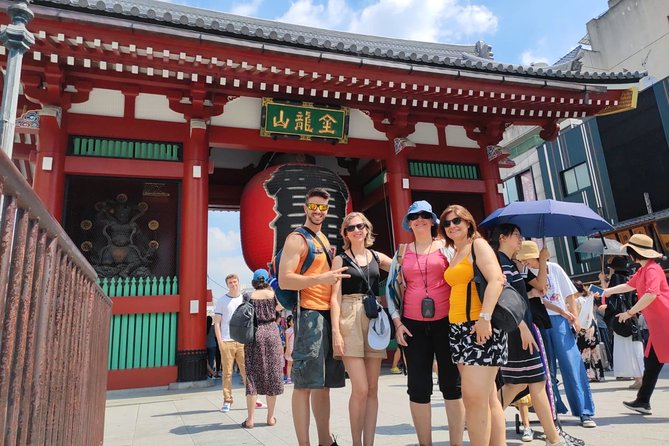
Asakusa is a natural choice if you want temples, older streets, and a look at traditional city customs. Sensoji Temple can be paired with an explanation of the gate, incense, prayer customs, and the surrounding streets.
This is one of the better areas for a guide who can explain what you are seeing instead of giving only dates and names. It is also a useful place to ask practical questions about shrine and temple etiquette.
One full-day route included Sensoji, the Imperial Palace, Tokyo Tower, Harajuku, and Shibuya Crossing. That schedule covered a lot, but it also shows why an eight-hour booking is more suitable for a broad first look than a short half-day.
Tsukiji and the food side of Tokyo
A morning visit to Tsukiji Market can be a good choice if food is central to your trip. Jenny suggested meeting at 8 a.m. to avoid the worst crowds, a useful tip for a market area that becomes harder to enjoy later in the morning.
The market can be combined with Tsukiji Temple and nearby food stops. Food and drinks are not included, so budget separately for anything you want to eat.
I would tell you to be clear about your food interests before the tour. You can ask for restaurants, markets, ramen, or a small local place, but the guide needs to know what you want. Joe once took visitors to a small Japanese restaurant filled with local diners, while another guide found a lunch spot near the Imperial Palace.
Yanaka, Ueno, and Nippori
If you have already seen the headline sights, ask about older neighborhood routes. Joe led one walk from Ueno Station through the nearby street market and onward toward Nippori, with Yanaka included for a quieter look at Tokyo.
This kind of route may suit you if you prefer neighborhood life to landmark collecting. It is also a good use of a two-hour tour when you want something more focused.
The tradeoff is that less time goes to famous monuments. Tell the guide plainly if you need first-time highlights, or if you would rather see corners that are less likely to appear on a standard city tour.
The Imperial Palace and Tokyo Tower
The Imperial Palace can be part of a car-based or walking itinerary, but access and opening conditions matter. One visit took place during the New Year holiday, when the palace was not open. The exterior area could still be included, but you should not assume every attraction will be accessible on your chosen date.
Tokyo Tower adds a recognizable city landmark to a broad route. If you want to enter a paid site, remember that admission is not included. The guide can assist with ticket arrangements, but you pay the ticket cost.
What the guide adds beyond sightseeing
The best use of this tour is not simply getting from one famous place to another. It is having someone explain how Tokyo works while you move through it.
Several guides have helped people use trains and subways with confidence. That matters because Tokyo’s rail network can seem difficult at first, especially at Shinjuku Station. A guide can show you how to find the right platform, change lines, and read the system in a real setting.
The practical help can continue beyond the scheduled route. Cyril helped one visitor choose a subway route for a later activity, and another guide assisted with bullet train tickets to Osaka. These are small services, but they can save a lot of stress during a short stay.
The cultural explanations also matter. You can ask why people behave a certain way at a shrine, how Japanese and Western daily life differ, or where to shop for a particular kind of item. Joe’s background living in Japan led to conversations about cultural differences as well as a local restaurant stop.
Language may also be part of your decision. English-speaking guides are available in the examples provided, and one guide was praised for fluent Spanish. Since guide assignments can vary, include your language needs when booking.
How much Tokyo can you cover in two to eight hours
The two-hour option is best treated as an introduction, not a complete Tokyo tour. It can cover one compact area, such as Shinjuku and Harajuku, or a focused neighborhood walk. One visitor walked about three to four kilometers in two hours, so even the shortest booking can involve steady movement.
A short tour is useful during a layover or on your first day. Francine helped make a Haneda Airport layover worthwhile by shaping the route around the available time. If you have limited energy, two hours also lets you learn the basics without committing to a full day.
A half-day gives you more choices, but you still need to keep the route sensible. Asakusa and Tsukiji can work together, especially with an early start. Shinjuku, Harajuku, and Shibuya also form a reasonable modern-city route.
The eight-hour option is the right choice if you want several districts, a long lunch stop, and time for explanations. It can also work well for families or groups with different interests, since the guide can adjust the pace. Roccio even extended one visit beyond the planned time to fit in more requested stops, though you should not assume extra time is guaranteed.
A car upgrade changes what is practical, but it does not remove Tokyo traffic or make every district close together. One visitor felt the car option was worth the extra money for a broad route covering Tokyo Tower, the Imperial Palace, Sensoji, Harajuku, and Shibuya. For a compact neighborhood walk, walking and trains may be the better value.
Price, group size, and what you still pay
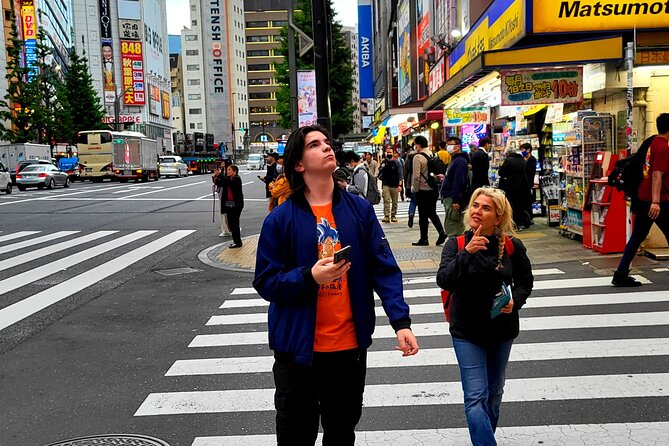
The listed starting price is $52.19 per person. That is appealing for a private experience, especially if two or more people share the guide and choose a short route. The true value depends on the duration, the number of people in your group, and whether you add a car.
The price includes a private walking tour or the option to upgrade to a private vehicle, a plan based on your interests, hotel pickup within Tokyo, and help booking attraction tickets. It does not include food, drinks, attraction admissions, or tips.
That cost structure is normal for a flexible private outing, but you should budget carefully. A day with temple donations, observation decks, museums, meals, and a vehicle can cost much more than the starting price.
The tour is private, so only your group participates. That gives you room to ask questions and adjust the pace. Group discounts are offered, which may improve the price for families or friends traveling together.
Communication before the meeting matters
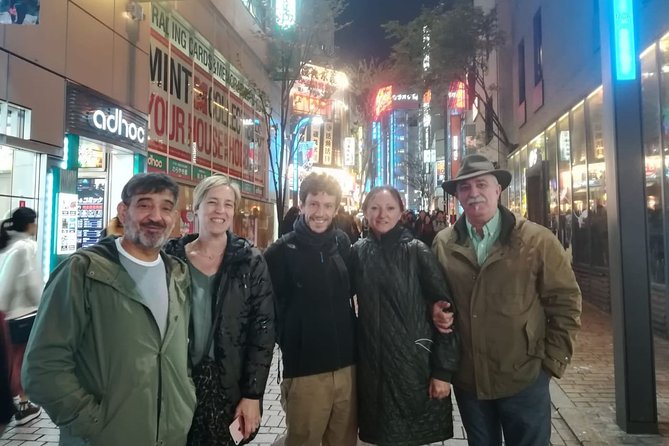
The most important practical step is to send a clear plan and then confirm it. Write down the districts, sights, food needs, walking limits, preferred start time, and any places you have already visited.
Do not assume every detail from a pre-tour questionnaire will reach the guide. One person arrived expecting a planned list of sights, only to find that the information had not been passed on. Direct confirmation can help avoid that problem.
It is also useful to name your top two or three priorities rather than asking for everything. For example, you could request Meiji Shrine, a lesson in using the subway, and a local lunch. If time allows, the guide can add more.
The tour has a 4.6 rating from 271 reviews, with repeated praise for guides including Albert, Joe, Fabian, Kenta, Maria, Cristiano, Eduardo, and others. The strongest pattern is personal attention: guides explain places, adapt routes, help with transport, and offer advice after the formal tour ends.
Still, guide quality and preparation can vary. The experience is only as customized as the communication behind it, so treat your pre-tour messages as part of the planning.
Who will get the most from this experience
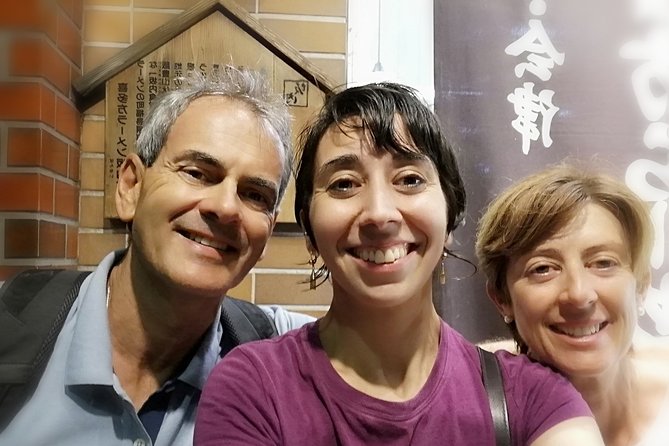
I would choose this tour if you are visiting Tokyo for the first time and want help with the basics without joining a large group. It suits people who want to combine famous sights with food, shopping, or a neighborhood walk.
It is also a strong choice for a short work trip or airport layover. A two-hour route can give you a useful first look, while a longer booking can make a limited visit feel more purposeful.
Families and mixed-interest groups may benefit from the private format. One person can care about temples, another about shopping, and another about food. A guide can help shape a day that gives each person something worthwhile.
You may prefer another type of tour if you want a fixed sightseeing route, guaranteed entry to specific attractions, or a specialist guide focused on one subject. This experience is broad and flexible rather than built around one museum, food theme, or historical period.
The tour is near public transport, service animals are allowed, and most people can participate. Because the routes include walking and sometimes several rail connections, tell the provider about any mobility concerns before you settle on a plan.
Should you book the private Tokyo tour?
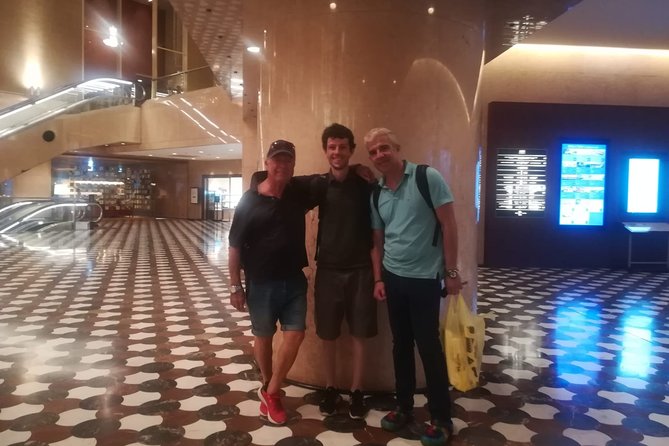
Book it if you value flexibility, practical city help, and a guide who can adjust the day to your interests. It is particularly good for a first day, a short stay, a layover, or a group that wants both famous Tokyo and local food or neighborhoods.
Choose two hours for a focused introduction, four to five hours for a balanced half-day, and up to eight hours if you want several districts or a private car. Confirm your itinerary directly, check which attractions need tickets, and set aside money for food, admissions, and tips.
For $52.19 per person to start, the strongest value comes when you use the guide for more than directions. Ask questions, learn the rail system, get local food advice, and shape the route around what you will remember.
FAQ
How long is the Tokyo private tour?
The tour can last approximately two to eight hours. Half-day and full-day options are available, depending on your schedule and interests.
Is hotel pickup included?
Yes. Hotel pickup is offered within Tokyo.
Is the tour private?
Yes. Only your group participates in the activity.
Can I choose between walking and a car?
Yes. The standard option is a private walking tour, and you can upgrade to a private vehicle.
Are attraction tickets included?
No. Attraction tickets are not included, but the guide can assist with booking them.
Are food and drinks included?
No. Food and drinks are not included in the tour price.
What is the cancellation policy?
You can cancel at least 24 hours before the start time for a full refund. Cancellations or changes made less than 24 hours before the start time are not refunded or accepted.
Just added around Tokyo
- Kawagoe Japanese Food Tour : Unagi Kaiseki and Sake near Tokyo★ 5.0 · 30 reviews
- Kawagoe 4hr Private Tour with Licensed Guide (Kawagoe Dep)★ 5.0 · 13 reviews
- Little EDO Sushi Making workshop in Kawagoe★ 5.0 · 18 reviews
- 【R34】Tokyo:Private Daikoku tour in Modified R34★ 4.9 · 92 reviews
- :Tokyo,Shibuya/ Pro Photography in Kimono / English-Friendly★ 5.0 · 26 reviews
- Tokyo:Celebrate Unique Japanese New Year Tradition Festivity★ 3.9 · 20 reviews
- Tokyo: Allstar Food Tour★ 4.7 · 29 reviews
- Tokyo: West-Side Cycling and Food Tour with Guide★ 5.0 · 37 reviews
Walking Tours, compared.

Kyoto Geisha Walking Tour: Gion District & Hidden Gems
Our verdict →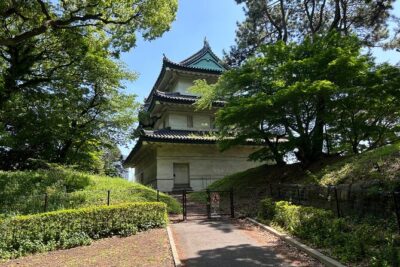
Imperial Palace and Shogun Historical Walking Tour
Our verdict →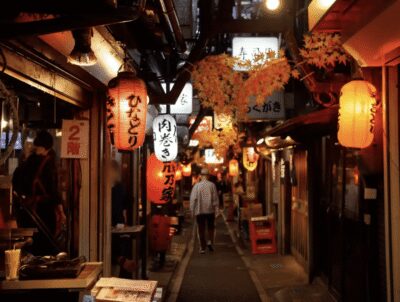
Shinjuku Local Bar and Izakaya Guided Walking Tour
Our verdict →

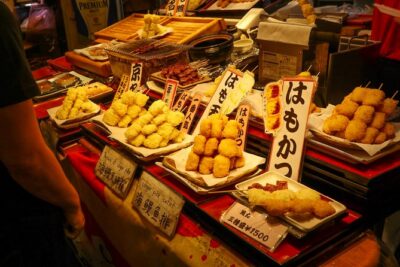
Nishiki Market Brunch Walking Tour (7 Tastings + Brunch)
Our verdict →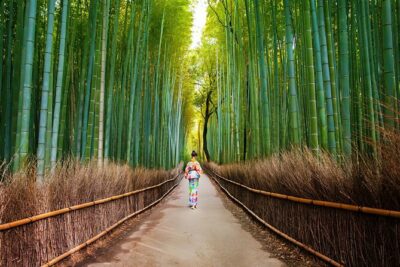
Kyoto Arashiyama Walking Tour: Bamboo, Monkeys, Gardens & Secrets
Our verdict →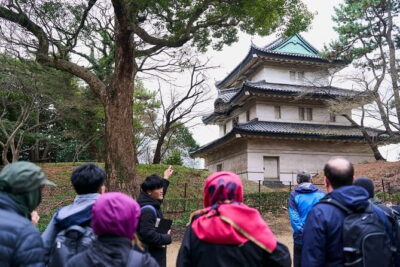
Tokyo Castle & Imperial PalaceーShogun Walking Tour
Our verdict →Browse the lists this tour appears in