
Reviewed · CUSTOM PRIVATE TOURS IN TOKYO
Tokyo Customized Private Tour: See Top Attractions in 1 Day
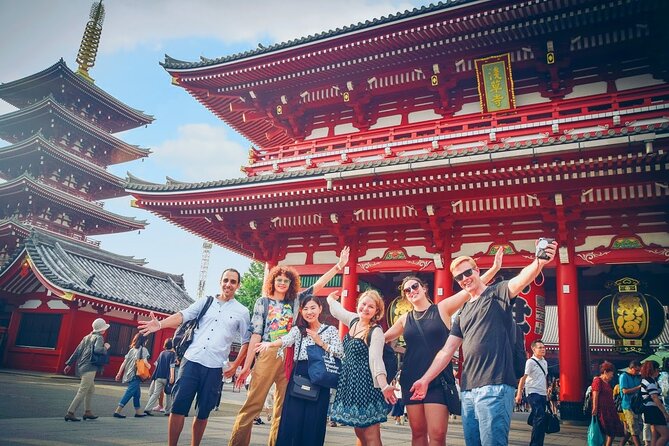
Tokyo is easier to understand when you stop treating it like one giant checklist. This private tour lets you pair old Tokyo, such as Senso-ji and Meiji Shrine, with modern neighborhoods like Harajuku and Shibuya. Your guide can also teach you how to use the subway, which may be the most useful souvenir you take home.
I like the freedom to shape the day around your interests, and I like the human help with food, customs, family needs, and train routes. Guides including Tak, Yoko, Ike, Fumi, Osamu, and Keiko have helped families adjust plans, find suitable meals, and learn how to pray at temples and shrines.
The catch is that the tour covers less ground than the long list of possible stops may suggest. A four-hour booking usually fits two or three places, while even eight hours generally allows four or five. Admission fees, meals, and public transport are extra, so the listed price is not the full day’s cost.
Key Points at a Glance
- Build your own Tokyo day: Choose from two locations on a half-day tour or four to five on an eight-hour outing.
- Learn the subway while sightseeing: Your guide can help with train routes, tickets, children’s passes, and station navigation.
- Mix old and new Tokyo: Pair Senso-ji, Meiji Shrine, or the Imperial Palace with Harajuku, Shibuya, Ginza, or Shinjuku.
- Make room for local flavor: Tsukiji’s outer market, Yanaka Ginza, and Asakusa offer food, shopping, and neighborhood life.
- Private attention for your group: The tour is limited to your own party, with hotel pickup available.
- Plan for extra costs: You pay transport fares, food, guide expenses during meals, and entrance fees for both yourself and your guide.
A Flexible First Day in Tokyo
The best use of this experience is as an introduction to Tokyo. You are not simply driven past landmarks. You walk through neighborhoods, board trains, ask questions, and learn how the city fits together.
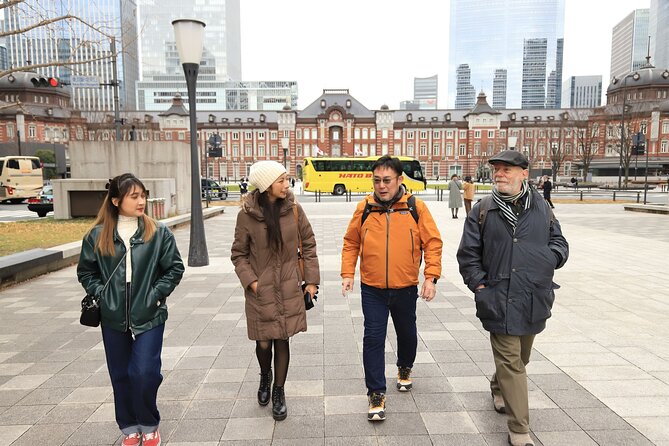
That matters in Tokyo. The city’s districts feel far apart, and the subway map can look like a bowl of colorful noodles. A local guide can turn those lines into a usable plan. Yoko has helped visitors learn the train system and local customs, while Mieko helped a family obtain a children’s pass and find its way around. Ike has also guided families between several distant districts by train.
The tour runs from four to eight hours. On a four-hour outing, plan on two or three areas. Six hours usually allows three or four stops. An eight-hour day gives you four or five, depending on distance, walking speed, lunch, and how much time you spend at each place.
That limit is important. The long menu of suggested sights is a planning tool, not a promise that you will visit them all. You will have a better day if you choose a theme rather than trying to collect every famous name in Tokyo.
More Custom Private Tours in Tokyo
- Tokyo Customized Private Tour (Must See Places in 1 Day)
★ 5.0 · 1,499 reviews - Private Custom Tour: Tokyo in a Day
★ 5.0 · 1,432 reviews - Tokyo Customized Private Walking Tour With Local Guide
★ 5.0 · 274 reviews
Senso-ji and Asakusa: Tokyo’s Traditional Starting Point
Asakusa is one of the strongest choices for a first tour. Senso-ji, Tokyo’s best-known Buddhist temple, gives you an immediate sense of older religious customs, local shopping, and neighborhood streets.
Your guide can explain how to approach a temple, where to make an offering, and how to show respect. One guide, Keiko, even provided coins and explained the process at Senso-ji. Fumi taught her group how to pray properly at temples and shrines, a small lesson that makes the visit feel more meaningful.
The advertised stop is short, around 15 minutes, but the actual pace can change on a private tour. Asakusa also includes traditional streets and shopping areas, so you may spend far longer here if you want snacks, souvenirs, or time around the temple grounds.
The nearby Asakusa Culture Tourist Information Center is another useful stop. From its upper levels, you can see across the Asakusa area and better understand how the temple district connects with the rest of the city.
I would choose Asakusa over several quick photo stops if this is your first day. It gives you something to look at, something to taste, and a chance to learn basic Japanese religious etiquette.
Tsukiji Outer Market: Come Hungry
Tsukiji is a fine choice for people who want Tokyo to make sense through food. The current fish market functions differently from the famous wholesale market that moved to Toyosu, but the outer market remains a place for food shops, small restaurants, and market browsing.
The tour lists about 30 minutes here, though your appetite may argue for more. Several guides have taken visitors through the market, offered food suggestions, and helped them find a good lunch. One practical tip is simple: do not eat a large breakfast before arriving. The market is better when you leave room for small bites.
Your guide can also help with ordering and explain what you are seeing. Keiko used the market as part of a personal four-hour outing, while Tak combined Tsukiji with Senso-ji and advice on local food. If you have allergies, tell the guide before the day begins. Ike made a point of checking that a ramen restaurant could accommodate a child’s food allergy.
Tsukiji is not a quiet museum visit. It can be crowded, and the walking surfaces may be uneven. Keep your group together and expect a food-focused stop rather than a formal historical tour.
Meiji Shrine and Harajuku: A Sharp Change of Mood
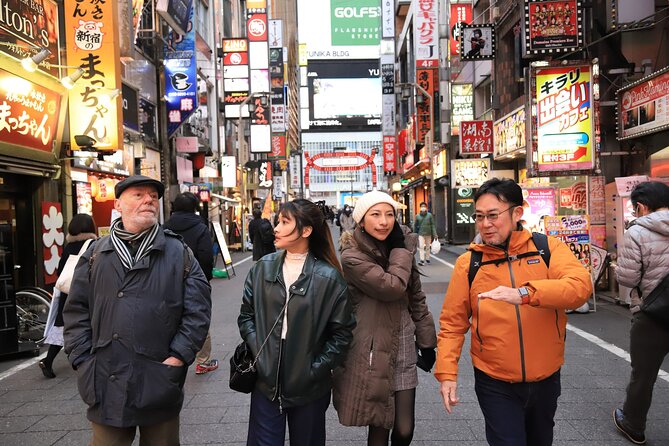
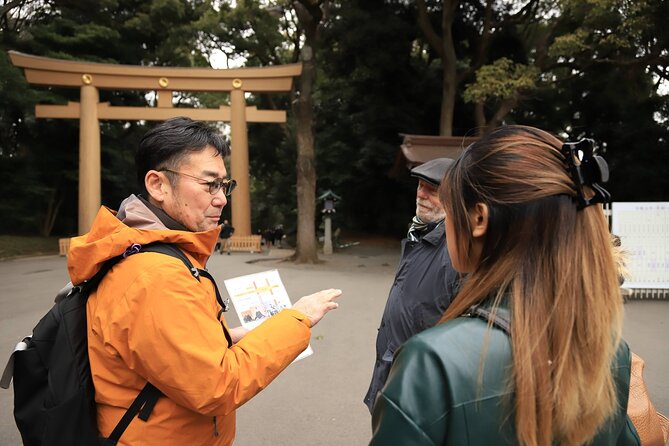
Meiji Jingu offers a calm break after city streets. It is a major Shinto shrine in a wooded setting near Harajuku, and the contrast between forest paths and Tokyo’s dense streets is part of its appeal.
The shrine visit is often paired with Harajuku and Takeshita Street. This combination gives you two very different views of the same city. At Meiji Jingu, you can learn about shrine customs and respectful behavior. In Harajuku, you see youth fashion, unusual shops, and the energy of Takeshita Street.
Osamu guided one particularly well-balanced route from Asakusa to Harajuku and then Meiji Jingu. His explanations connected the old temple district with the city’s newer fashion culture. That route makes sense if you want Tokyo’s contrasts rather than a day spent only at monuments.
Takeshita Street can be crowded and visually loud. It is not the place for a slow, peaceful stroll, but it is useful if you want a look at youth culture and pop style. If shopping is not your priority, ask your guide to keep this stop brief and give more time to the shrine or another district.
More Day Trips in Tokyo
- 1-Day Tokyo Bus Tour
★ 5.0 · 14,250 reviews - Tokyo: DisneySea 1-Day Passport
★ 4.5 · 2,726 reviews - Tokyo Disneyland 1-Day Passport
★ 4.6 · 2,512 reviews - Tokyo Panoramic 1 Day: Meiji Shrine, Asakusa, Odaiba and SKYTREE®
★ 4.5 · 1,222 reviews
Shibuya and Shinjuku: The Modern City in Motion
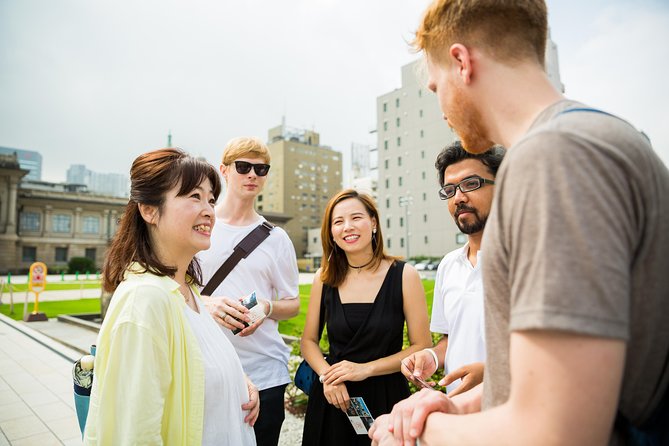
Shibuya Crossing is one of Tokyo’s most recognizable scenes. The crossing itself takes only a few minutes, but the surrounding district gives you a better sense of Tokyo’s commercial side. The suggested stop lasts about 20 minutes.
Keiko filmed a family crossing Shibuya, and guides can also help you find a good viewpoint and explain how the district fits into the city. Do not expect the crossing alone to fill an afternoon. Combine it with Harajuku, Meiji Shrine, or Shinjuku.
Shinjuku offers another modern face of Tokyo. The tour can include Shinjuku Gyoen National Garden, a large garden with an optional entrance fee, or the wider shopping and entertainment district. The garden is a better choice when you need greenery and quiet. The broader Shinjuku area makes more sense if you want department stores, neon streets, and city life.
Ike combined Shibuya, Meiji Shrine, Takeshita Street, and Shinjuku on a rainy day, showing why a private guide helps when weather changes your plans. Rain does not cancel the tour. Bring suitable shoes and clothing, since the outing runs in wet weather as well as sunshine.
Imperial Palace, Ginza, and Hama Rikyu
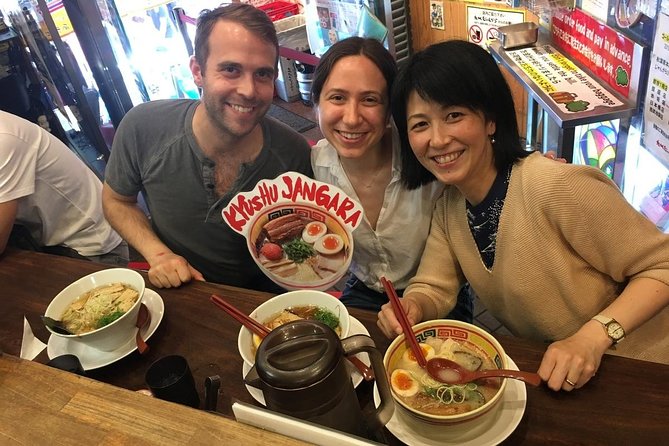
The Imperial Palace East Gardens suit visitors interested in Tokyo’s political past, gardens, and central location. The suggested visit is short, around 15 minutes, so clarify in advance whether you want a quick look or more time for the gardens.
Ginza is a strong pick for shopping and polished city streets. It is one of Tokyo’s major shopping districts, with a different feel from the informal stalls around Tsukiji or the youth shops of Harajuku. Choose Ginza if design, department stores, and upscale shopping interest you.
Hama Rikyu Gardens offer another change of pace. This Japanese garden sits in the city and requires an entrance fee. It is best paired with Tsukiji because the areas are relatively compatible in a single route, though the exact plan depends on your starting point and available time.
These stops are not the best choices if your main goal is temple culture or pop culture. They work well for repeat visitors, shoppers, garden lovers, and people who want a calmer day.
Yanaka Ginza, Ueno, and the Tokyo National Museum
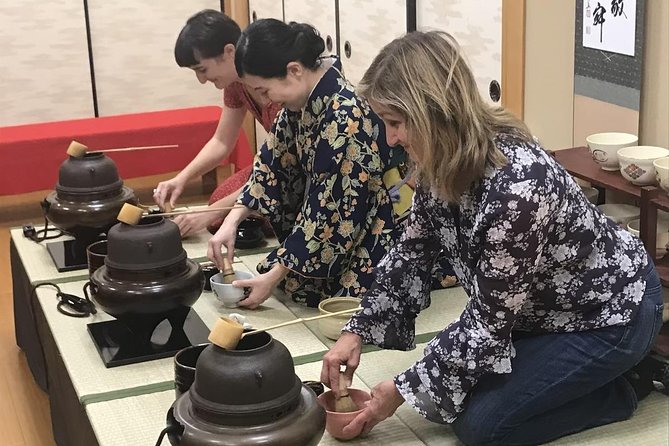
Yanaka Ginza Shopping Street gives you a more local neighborhood experience. It is a good alternative to the city’s biggest sights if you want small shops and an ordinary street setting. The tour description treats it as an optional addition, so request it early.
Nearby Ueno offers a large park and access to the Tokyo National Museum. Ueno is especially associated with cherry blossoms, while the museum provides a serious look at Japanese and Asian art and objects. Museum admission is extra, and you should not try to squeeze it into a rushed four-hour itinerary.
The Tokyo National Museum deserves time. If you choose it, I would make it the main focus of that part of the day rather than a 15-minute photo stop. A guide can help you understand what you are seeing, but the listed tour timing suggests that a full museum visit may require a longer or separately planned outing.
Tokyo Skytree and Odaiba
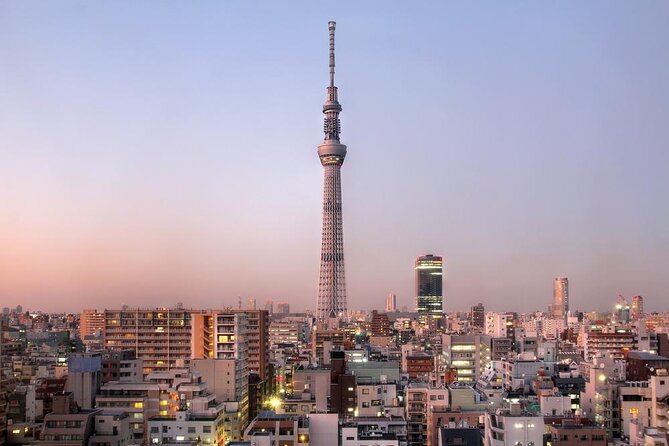
Tokyo Skytree is the tallest building in Japan and an obvious choice for city views. The observation experience requires an additional admission fee, and the tower can consume more time than the short suggested stop implies. Choose it if the view matters more to you than adding another neighborhood.
Odaiba is a waterfront district and works best for visitors who want open space and modern development. It is not an efficient addition to a route already packed with Asakusa, Harajuku, and Shibuya. The private vehicle option may make the waterfront easier to include, but it costs extra and remains limited to the Tokyo metropolitan area.
A car is not automatically better in Tokyo. The subway is often central to the experience, and learning it can help you for the rest of your trip. Consider the vehicle only if your group has mobility concerns, young children, heavy bags, or a firm wish to cover places that are awkward to connect on foot and by train.
What Your Guide Adds
The guide is the real reason to book this tour rather than simply buying a subway pass and following a map. The strongest guides adjust the day to your interests and explain small things you would otherwise miss.
Yoko has handled last-minute changes and rainy-day planning. Ike has helped with food allergies, shopping requests, and train routes. Fumi combined major sights with local areas and even brought a camera to record the day. Naoko worked well with children and used origami during lunch. These details show the practical value of a private guide: help is available when your family has needs that a standard group tour cannot easily handle.
The experience also suits people who want to ask questions. Toshi has answered questions about Japanese culture, history, and daily life while moving between sights. Tak has helped visitors understand what to eat and where to continue exploring after the tour.
English ability is specifically praised for several guides, including Tak and Yoko. Still, guide assignments can vary, so focus your booking request on your interests, walking pace, family needs, and preferred districts.
Price, Transport, and the Real Cost of the Day
The listed price is $145.91 per person. For a private experience, that can be fair value if you want help with planning, translation, train travel, and cultural context. The value increases for a family or small group that would otherwise pay for several separate activities.
You must budget beyond the headline price. Public transport fares for you and your guide are not included. Meals and drinks for both of you are also extra, and you pay admission fees for yourself and your guide where required. A private vehicle is optional and carries an additional charge.
Hotel pickup is offered, but the vehicle option does not provide pickup or drop-off at hotels in the Urayasu area, including hotels near Tokyo Disney Resort. The tour takes place within Tokyo, and a private van cannot be used to visit places outside the Tokyo metropolitan area.
Free cancellation is available if you cancel at least 24 hours before the start time. Changes made within 24 hours are not accepted, so settle your preferred districts before the deadline.
Who Should Book This Tokyo Tour
I would choose this tour for a first visit, a family group, or anyone uneasy about Tokyo’s trains. It is also a good fit if you want a local companion rather than a fixed script.
Families should explain children’s ages, food allergies, and walking limits. The guides have adapted activities for children, helped with passes, and adjusted routes for weather. Shoppers can request Ginza, Harajuku, or Shibuya. History and culture fans can focus on Senso-ji, Meiji Jingu, the Imperial Palace, Yanaka, and the Tokyo National Museum.
This is less suitable if you want a carefully timed sightseeing marathon with guaranteed entry to every major landmark. The day is flexible, but flexibility means you must make choices. Also, expect a moderate amount of walking and wear comfortable shoes.
Should You Book It?
Book this private Tokyo tour if you want to learn the subway while seeing the city, ask plenty of questions, and shape the day around your own interests. I would start with two or three districts that connect well, such as Tsukiji and Asakusa, or Harajuku, Meiji Shrine, and Shibuya.
Before booking, decide what matters most. Tell the provider if you want food, temples, shopping, gardens, museums, local streets, or family-friendly stops. Do not expect the full list of Tokyo sights in one day. With sensible choices and a flexible guide such as Yoko, Ike, Tak, Fumi, Keiko, or Osamu, this can be a practical and personal first look at a huge city.
FAQ
How long does the private Tokyo tour last?
The tour lasts approximately four to eight hours. A four-hour tour generally allows two to three spots, a six-hour tour allows three to four, and an eight-hour tour allows four to five.
Is the tour private?
Yes. Only your own group participates in the private tour or activity.
Can the itinerary be customized?
Yes. You can choose locations based on your interests. Suggested options include Asakusa, Senso-ji, Tsukiji, Meiji Shrine, Harajuku, Shibuya, Ginza, Yanaka Ginza, Ueno, Odaiba, and others.
Is hotel pickup available?
Hotel pickup is offered. If you choose the private vehicle option, pickup and drop-off are not available for hotels in the Urayasu area, including hotels near Tokyo Disney Resort.
Are transportation fares included?
No. Public transportation fares for you and your guide are not included. A private vehicle is optional and costs extra.
Are meals and entrance fees included?
No. Meals and drinks for you and your guide are not included. You and your guide also pay applicable entrance or admission fees.
Can I cancel for a full refund?
Yes, if you cancel at least 24 hours before the experience start time. Cancellations or changes made less than 24 hours before the start time are not accepted for a refund.
Just added around Tokyo
- Kawagoe Japanese Food Tour : Unagi Kaiseki and Sake near Tokyo★ 5.0 · 30 reviews
- Kawagoe 4hr Private Tour with Licensed Guide (Kawagoe Dep)★ 5.0 · 13 reviews
- Little EDO Sushi Making workshop in Kawagoe★ 5.0 · 18 reviews
- 【R34】Tokyo:Private Daikoku tour in Modified R34★ 4.9 · 92 reviews
- :Tokyo,Shibuya/ Pro Photography in Kimono / English-Friendly★ 5.0 · 26 reviews
- Tokyo:Celebrate Unique Japanese New Year Tradition Festivity★ 3.9 · 20 reviews
- Tokyo: Allstar Food Tour★ 4.7 · 29 reviews
- Tokyo: West-Side Cycling and Food Tour with Guide★ 5.0 · 37 reviews
Custom Private Tours in Tokyo, compared.
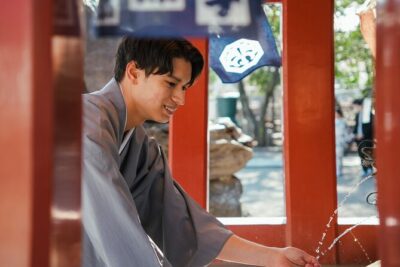
Tokyo Customized Private Tour (Must See Places in 1 Day)
Our verdict →
Browse the lists this tour appears in