
Reviewed · FOOD TOURS
Tokyo: Local Foodie Adventure near Roppongi
Azabujuban gives you a different Tokyo from the one framed by neon signs and department stores. Just beyond Roppongi, this old neighborhood packs shrines, temples, family-run shops, and snack stops into streets that still feel local. You will taste five Japanese treats, including possibilities such as yakitori, taiyaki, mame daifuku, and homemade oden, while learning how the town grew around its long-standing shops.
I like two things especially: the small group, usually only one to four people, and the personal touch brought by guides such as Ellen, who adapts the stops to your questions and appetite. The main consideration is that the food list changes with the day, and you will need comfortable shoes for a fair amount of walking.
Key points at a glance
- Five Japanese tastings: The day may include yakitori, taiyaki, mame daifuku, oden, pastries, omelettes, sushi, or other local treats.
- Azabujuban beyond Roppongi: Explore a neighborhood with more than 300 shops, many with roots reaching back almost a century.
- Shrines, temples, and folklore: Food is only half the story. You will stop at local religious sites and hear about neighborhood traditions.
- A genuinely small group: With one to four people, it is easier to ask questions and request food preferences.
- One drink included: The tour includes one alcoholic beverage. Extra food and drinks cost more.
- A Sailor Moon connection: Fans can see real-life places connected with settings that inspired manga creator Naoko Takeuchi.
Why Azabujuban makes a smart food stop
Roppongi is famous for nightlife, international dining, and tall modern buildings. Azabujuban, nearby, offers a quieter counterpoint. Its long shopping street and side lanes hold more than 300 shops, including places that have operated for almost a century.
That age matters. You are not simply moving from one fashionable restaurant to the next. The food stops connect with the neighborhood itself. A small sweet shop, an old-fashioned snack counter, or a modest restaurant can tell you more about everyday Tokyo than a polished dining room designed for visitors.
I like this tour because it uses food as a way into local life. You eat, then learn why the shop matters, what the dish means, and how the neighborhood developed. The result is more useful than a simple tasting menu, especially if this is your first visit to Japan.
The area also has a playful connection for manga fans. Azabujuban includes real places associated with the setting that inspired Sailor Moon creator Naoko Takeuchi. The tour does not turn into a dedicated anime walk, but this detail adds another layer to the neighborhood.
More Food Tours in Tokyo
- Tokyo: Shinjuku Food Tour (13 Dishes at 4 Local Eateries)
★ 5.0 · 6,603 reviews - Tokyo Tsukiji Fish Market Food and Culture Walking Tour
★ 5.0 · 3,184 reviews - Tokyo: Shinjuku Food Tour (15 Dishes and 4 Eateries)
★ 4.9 · 2,033 reviews
Meeting at Azabujuban Station Exit 4
You meet at Azabujuban Station, Exit 4, in front of Oslo Coffee. Look for the guide carrying the Japan Hopping Tours logo. This is a clear meeting point, but allow enough time to find the correct station exit, particularly if you are still learning Tokyo’s rail system.
The tour returns to the same meeting point at the end. That makes planning easier if you have dinner reservations, a theater booking, or another activity afterward. Transportation to and from the meeting point is not included, so factor your train or subway fare into the total cost.
Since the group normally has one to four people, the meeting feels more personal than a large food walk. You can ask about ingredients, neighborhood customs, or Japanese eating habits without trying to catch a guide’s attention from the back of a crowd.
Shrines, temples, and the stories between snacks
The first part of the experience is not only about eating. You visit local shrines and temples connected with good luck, local folklore, and the character of Azabujuban.
These stops give the walk some shape. Instead of wandering from shop to shop with no context, you learn how religion, neighborhood life, and small businesses fit together. Tokyo can feel like a city of constant motion, but a shrine or temple offers a pause and a chance to notice older traditions.
The exact sites and stories can vary with the route, but the focus is on local places rather than famous city icons. That is useful if you have already seen major Tokyo landmarks and want a closer look at one district.
I would keep an open mind here. The attraction is not grand architecture on the scale of Senso-ji. These are neighborhood sites, valued for their local meaning and connection to daily life. Their appeal comes from the stories you hear and the way they fit into the streets around them.
Five tastings, with the menu changing by the day
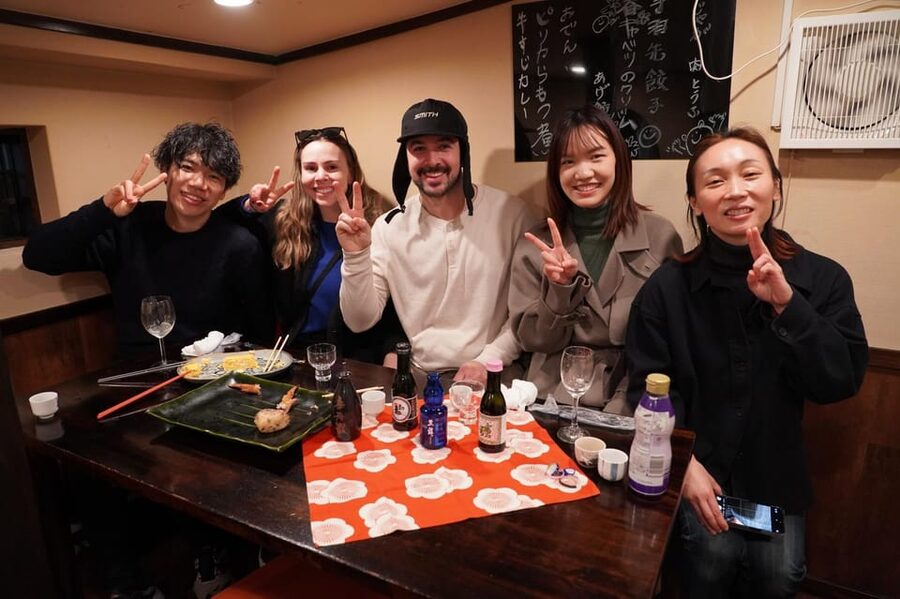
Five Japanese treats are included, along with one alcoholic beverage. The selection depends on store availability, so you should not book this expecting a fixed menu. That flexibility is part of the point: the walk uses what is fresh, open, and available in Azabujuban that day.
Possible tastings include:
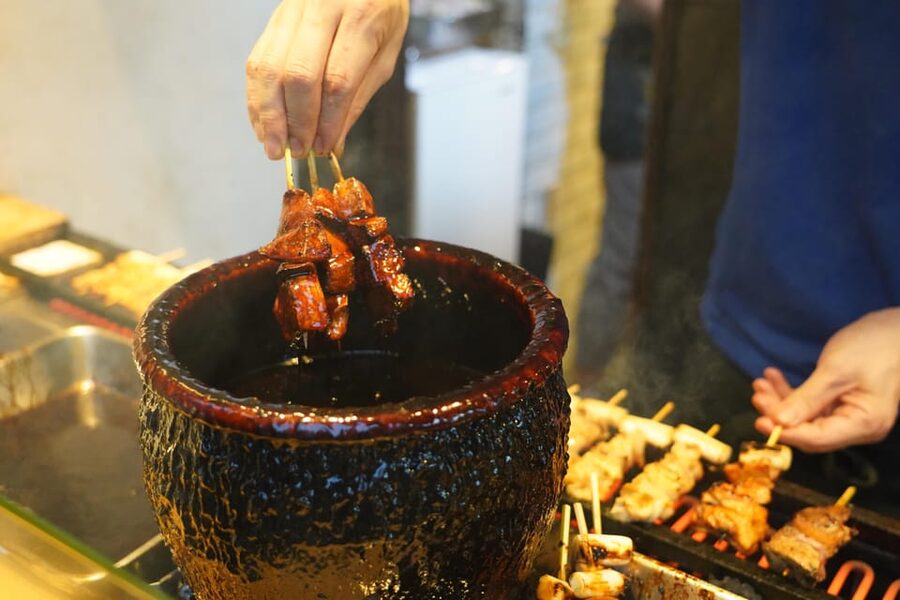
- Yakitori, grilled chicken served in small portions and seasoned for a savory, smoky bite
- Mame daifuku, a soft rice cake with sweet filling and beans
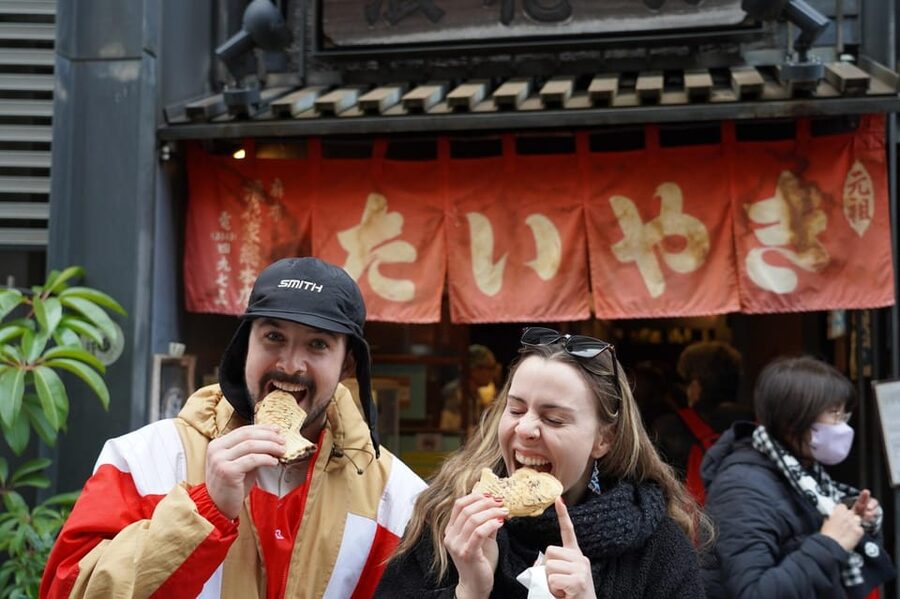
- Taiyaki, a fish-shaped cake often filled with sweet bean paste or another filling
- Homemade oden, a comforting dish of ingredients simmered in broth
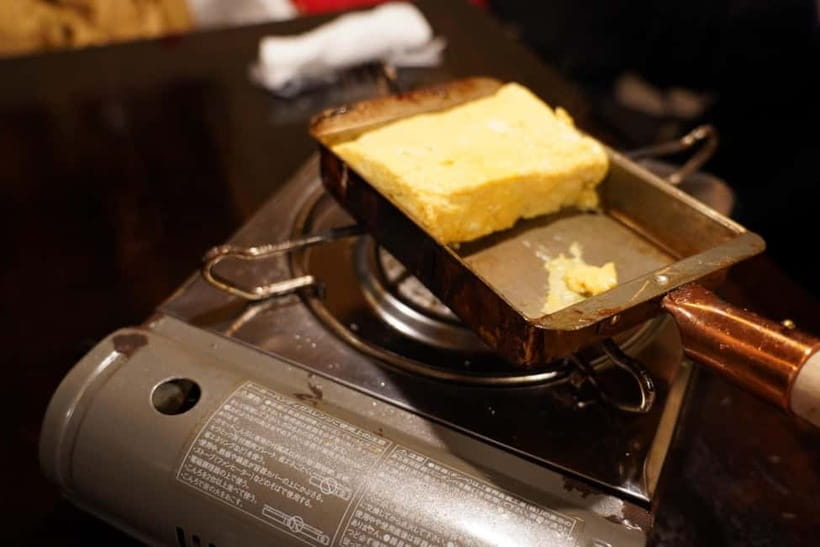
- Pastries, omelettes, sushi, and other snacks encountered along the route
The food should be enough to fill you up, but it is still best to think of the experience as a substantial tasting walk rather than a formal lunch or dinner. Extra food and drinks are not included. If you have a large appetite, bring some flexibility into your budget.
The changing menu is worth noting for anyone with firm food preferences. You may get something different from the examples above, and the food selection can change when a shop is sold out or unavailable. The upside is that your tastings reflect the neighborhood on that particular day.
Same trip, a completely different kind of day:
- 1-Day Tokyo Bus Tour
★ 5.0 · 14,250 reviews - Tokyo: TOKYO SKYTREE® Admission ticket
★ 4.5 · 11,192 reviews - Tokyo: teamLab Planets TOKYO Digital Art Museum Entry Ticket
★ 4.6 · 9,779 reviews - Tokyo: Sumo Show Experience with Chicken Hot Pot and a Photo
★ 4.8 · 6,678 reviews
What each kind of stop adds to the walk
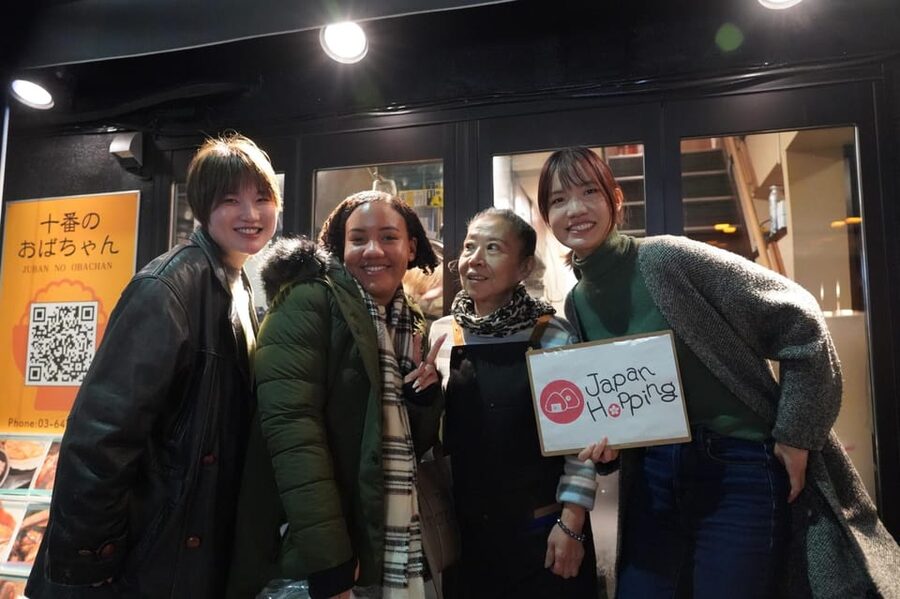
A stop for yakitori brings you into the world of casual Japanese eating. These skewers are simple, direct, and closely tied to everyday dining. They are a good introduction if you want something savory rather than sweet.
Mame daifuku shows another side of Japanese food. Its soft texture, sweet filling, and beans may be unfamiliar if you mainly know Japanese cuisine through sushi or ramen. This is the sort of small local specialty that makes a food walk worthwhile.
Taiyaki adds a fun visual touch, but it is not only a novelty. It is a familiar Japanese snack that helps explain how neighborhood sweets fit into daily life. You can expect a warm, portable treat rather than a full dessert course.
Homemade oden offers a more comforting taste. Simmered food can feel especially local because it is tied to home-style cooking rather than restaurant spectacle. If the route includes oden, take the chance to ask how it is prepared and why it matters in Japanese food culture.
The other possible tastings, including sushi, omelettes, pastries, and snacks, keep the route from feeling repetitive. You might move from sweet to savory, then from a shop counter to a small restaurant. That variety is one reason the tour works well for first-time visitors who want a broad introduction without committing to one full meal.
Meeting shopkeepers and local residents
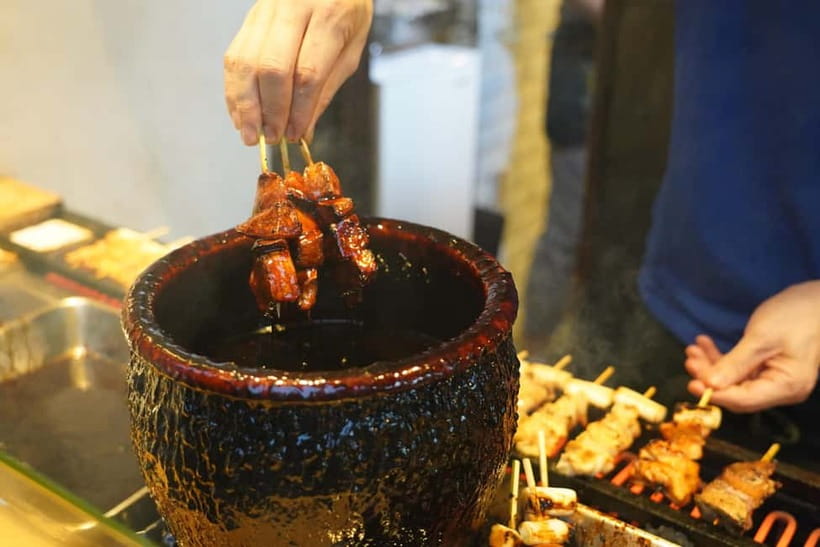
The strongest part of this experience is the human scale. You are not simply handed food and sent along. The guide helps you understand the stores, introduces the neighborhood, and creates chances to chat with local residents.
Ellen is described as warm, well prepared, and highly responsive to questions. She can adjust individual stops to suit your needs, which matters in a group of only one to four people. If you want more explanation about traditional food, local folklore, or a particular shop, this is the kind of setting where you can ask.
You should also expect a relaxed pace. The experience is built around conversation and short stops, not racing through a checklist. That makes it a good fit for couples, families with older children, or solo visitors who want company without joining a large group.
The small size does not guarantee private service every time, but it does give the guide room to respond to the people present. The downside is that the experience depends partly on the day’s shop availability and the rhythm of the neighborhood.
How much value you get for $71
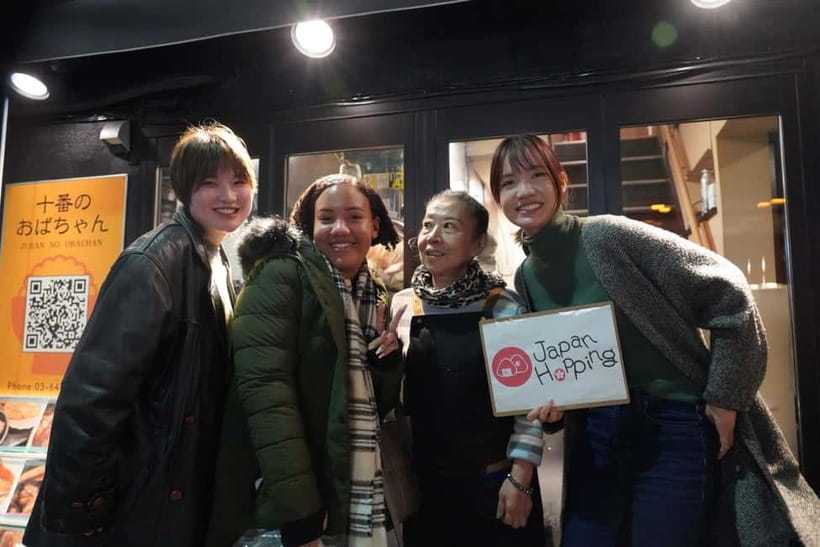
At $71 per person, the price is not just paying for five bites of food. It covers the guide, neighborhood interpretation, shrine and temple visits, help navigating Azabujuban, and one alcoholic beverage.
The value is strongest if you want context with your meal. You could buy several snacks independently for less, but you would miss the guide’s explanations, the planned route, and the introductions to places that might be easy to pass without noticing.
The price also compares well with the small group size. One to four people means you are not paying for a large, fixed-format walking tour. You have more opportunity to ask questions and discuss what you are eating.
Still, budget for extras. Additional food and drinks are not included, and transportation costs are separate. Since the tasting menu changes, you cannot know in advance exactly which dishes will fill out the five stops.
The tour is also good value for visitors who have already covered Tokyo’s headline sights. If you have limited time and want a broad, low-stress introduction to Japanese food, the included tastings make the cost easier to justify.
Walking, weather, and practical comfort
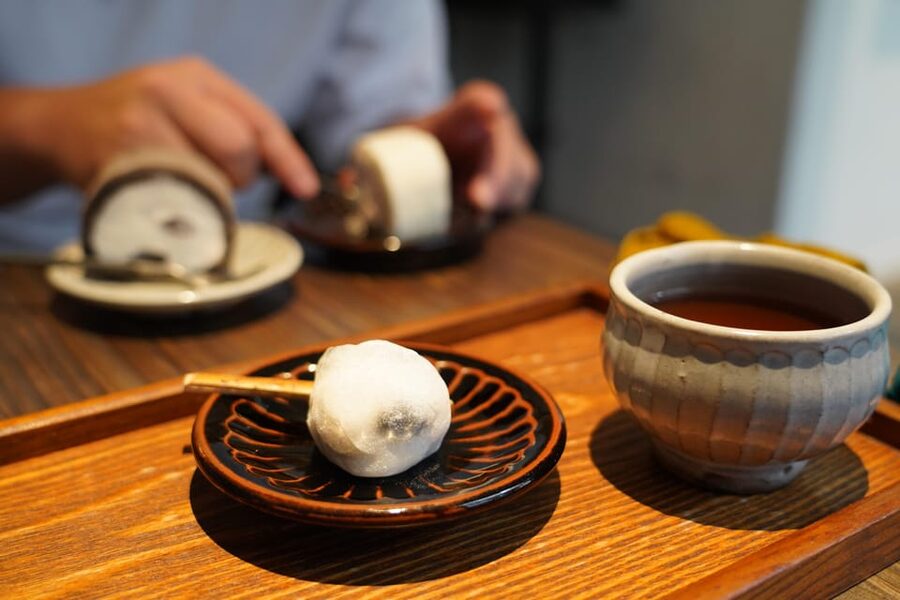
Wear comfortable shoes. The route takes you around town on foot, and a moderate level of fitness is required. You do not need an athlete’s stamina, but this is not a seated food event.
Tokyo weather can add work to the walk. One past outing took place in humid conditions, so dress for the season and carry what you normally need for a day outside. The experience continues through streets, shops, shrines, and food stops rather than staying in one climate-controlled room.
You should also arrive ready to try unfamiliar textures. The food may include sweet bean paste, rice cakes, simmered ingredients, grilled skewers, and other traditional dishes. If you have dietary restrictions, ask about them before booking, since the available information does not promise a specific alternative menu.
One alcoholic drink is included. If you do not drink alcohol, confirm how the provider handles that situation before you go, as no substitute is specified.
Who will enjoy this Azabujuban walk
I would recommend this experience to you if you:
- Want to see a less familiar side of Tokyo near Roppongi
- Enjoy trying small portions instead of ordering one large meal
- Like learning the story behind a neighborhood and its shops
- Prefer small groups and conversation with a guide
- Are interested in shrines, folklore, and local customs
- Want a possible Sailor Moon connection alongside food and sightseeing
It suits first-time Japan visitors particularly well because it combines orientation, food, and cultural background in one outing. You can also fit it into a return visit if you have already seen Tokyo’s main temples and observation decks.
It may be less suitable if you need a fixed menu, dislike walking, or want a luxury dining experience. This is a neighborhood walk with changing food stops, not a reservation at a high-end restaurant.
Booking details worth knowing
The tour is offered in English. You can reserve now and pay later, which helps if your Tokyo schedule is still changing. Cancellation is available up to 24 hours before the activity for a full refund.
The experience is not suitable for people over 95 years old. That rule is explicitly stated, while the walking requirement applies more broadly to everyone in the group.
The overall rating is 4.9 from 18 ratings, with repeated praise for the food, friendly guidance, local stories, and personal atmosphere. Ellen receives especially strong attention for her preparation, warmth, and ability to answer questions or adjust the route.
Should you book the Azabujuban food walk?
Book it if you want Tokyo at street level: five changing tastings, old neighborhood businesses, shrines, temples, and a guide who can explain what you are seeing. The small group and flexible route are the strongest reasons to choose it.
Skip it if you want a guaranteed menu, minimal walking, or a formal restaurant meal. For everyone else, $71 is a fair price for a food-and-culture outing that shows you a side of Tokyo most visitors near Roppongi can easily miss.
FAQ
Where does the tour start?
It starts at Azabujuban Station, Exit 4, in front of Oslo Coffee. The guide will be holding the Japan Hopping Tours logo.
Where does the tour end?
The tour ends back at the meeting point near Azabujuban Station.
How many people join the tour?
The activity is a small-group tour, with one to four people expected to join.
What food is included?
Five Japanese treats are included. The selection changes according to store availability and may include items such as yakitori, mame daifuku, taiyaki, oden, pastries, omelettes, or sushi.
Is a drink included?
Yes. One alcoholic beverage is included.
Are extra food and drinks included?
No. Additional food and drinks are not included.
Is transportation included?
No. Transportation costs are not included in the activity price.
What language is the tour offered in?
The tour is offered in English.
What should I bring?
Bring comfortable shoes because you will walk around Azabujuban.
Can I cancel for a full refund?
Yes. You can cancel up to 24 hours in advance for a full refund.
Just added around Tokyo
- Kawagoe Japanese Food Tour : Unagi Kaiseki and Sake near Tokyo★ 5.0 · 30 reviews
- Kawagoe 4hr Private Tour with Licensed Guide (Kawagoe Dep)★ 5.0 · 13 reviews
- Little EDO Sushi Making workshop in Kawagoe★ 5.0 · 18 reviews
- 【R34】Tokyo:Private Daikoku tour in Modified R34★ 4.9 · 92 reviews
- :Tokyo,Shibuya/ Pro Photography in Kimono / English-Friendly★ 5.0 · 26 reviews
- Tokyo:Celebrate Unique Japanese New Year Tradition Festivity★ 3.9 · 20 reviews
- Tokyo: Allstar Food Tour★ 4.7 · 29 reviews
- Tokyo: West-Side Cycling and Food Tour with Guide★ 5.0 · 37 reviews
Food Tours, compared.
Shinjuku Food Tour (13 Dishes at 4 Local Eateries)
Our verdict →
Kyoto Night Foodie Tour in Gion (9+ dishes + 6 Sake tastings)
Our verdict →
Osaka Local Foodie Walking Tour in Dotonbori and Shinsekai
Our verdict →
Food Tour in Ueno with 10+ Tastings of Japanese Classics
Our verdict →
Browse the lists this tour appears in