
Reviewed · HISTORICAL TOURS
Private car tour Let’s uncover secrets of majestic Kyoto history
Kyoto’s famous temples are wonderful, but the best moments often come when you leave the standard bus route. This private car tour pairs Fushimi Inari’s red gates with quieter temples, local sweets, neighborhood food, and places that are hard to reach efficiently by public transport. I especially like the small-group format and the way guide Takashi can shape the day around your interests. I also like having an air-conditioned vehicle between sites, a real help during Kyoto’s hot summers.
The main caution is that the advertised route lists more stops than most people can comfortably enjoy in seven hours. The final plan needs to be agreed with Takashi before departure, and the price of $108.58 per person does not include the stated ¥3,000 admission charge per person. Still, for a family or group that values comfort and local guidance, this can be a strong alternative to a crowded bus tour.
Key points at a glance
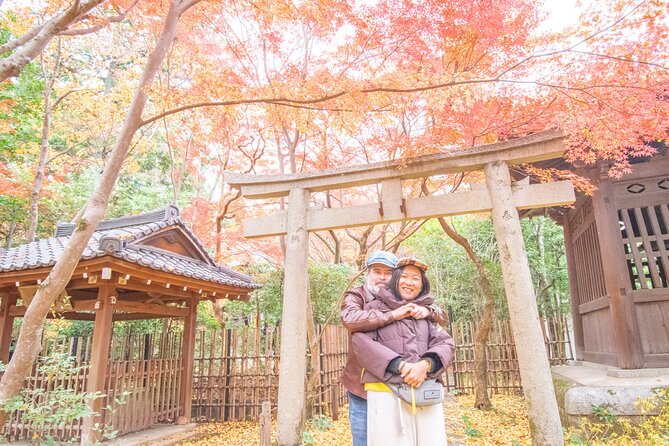
- Takashi leads a private Kyoto day: Your group travels alone, with space for up to 10 people and hotel pickup and drop-off in Kyoto.
- The route mixes icons and quieter sites: Fushimi Inari is paired with lesser-visited temples, gardens, shrines, and local shops.
- You can adjust the day: Ask to focus on Arashiyama, temples, food, photography, or a slower pace for older family members.
- A car saves time and effort: Air conditioning, parking, and fuel up to ¥3,000 per day are included.
- Food advice is part of the value: Takashi can suggest local restaurants, ramen, kaiseki-style meals, dessert shops, and traditional snacks.
- Confirm the details before booking: Admission costs are extra, and the long list of possible stops cannot all receive equal time.
A private car is the point of this Kyoto tour
This experience is less about checking off every major temple and more about handing over the day’s complicated logistics. Kyoto’s sights are spread across the city, and moving from Fushimi in the south to Arashiyama in the west, then farther north, can consume much of a day on trains and buses.
With Takashi driving a private van, you can spend that time between sites resting, asking questions, or simply watching Kyoto pass by. Several groups have also used the flexibility to include lunch, a dessert stop, local snacks, or a one-way ride on the Romantic Train. These extras are not guaranteed parts of every departure, but they show what the custom format can offer.
Takashi is described as fluent in English, friendly, and willing to adjust the plan. He has also worked with families that included older relatives and with groups that needed a slower pace. An assistant named Chika has accompanied some departures, though you should not assume she will be present on your date.
The tour is private, so you are not sharing the vehicle with strangers. That matters if you want to stop for photos, avoid a rushed schedule, or spend longer at a temple garden. It also means the day’s quality depends heavily on the communication and planning between you and the guide.
More Historical Tours in Kyoto
- Kyoto Gion: 2-Hour Geisha Culture & History Walking Tour
★ 5.0 · 1,186 reviews - Kyoto: Nijo-jo Castle and Ninomaru Palace Guided Tour
★ 4.7 · 1,020 reviews - Kyoto: Imperial Palace & Nijo Castle Guided Walking Tour
★ 4.7 · 453 reviews
Fushimi Inari: begin beneath thousands of red gates
Fushimi Inari-taisha is the most recognizable stop on the route. Its long rows of orange-red torii gates climb the wooded slopes of Mount Inari, creating a passage that feels very different from an ordinary city shrine.
The full shrine grounds cover much more than the first gate-lined section. The suggested visit allows about two hours, enough to walk beyond the busiest entrance area toward quieter paths, bamboo, and wooded sections where birdsong replaces much of the city noise.
This is likely to be the most crowded stop of the day. Go in expecting foot traffic near the lower gates, especially at popular times. The advantage of a private tour is not that the shrine will be empty, but that Takashi can help you decide how far to walk and how much time to spend before moving on.
Two hours can be tiring if you attempt a long uphill walk, particularly in summer. If your group includes young children, older adults, or anyone with limited walking stamina, discuss a shorter route in advance.
Quiet temples and the value of a local introduction
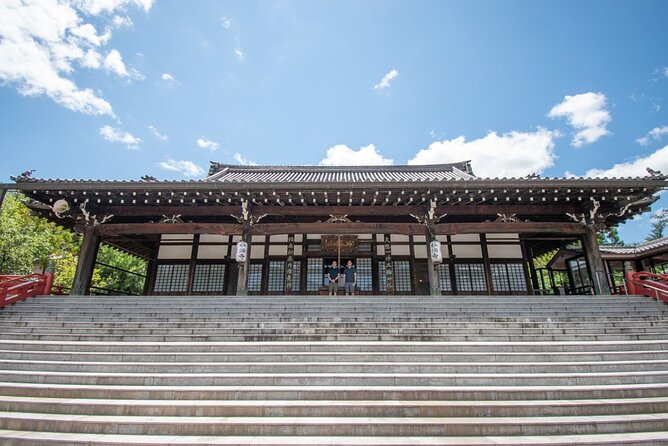
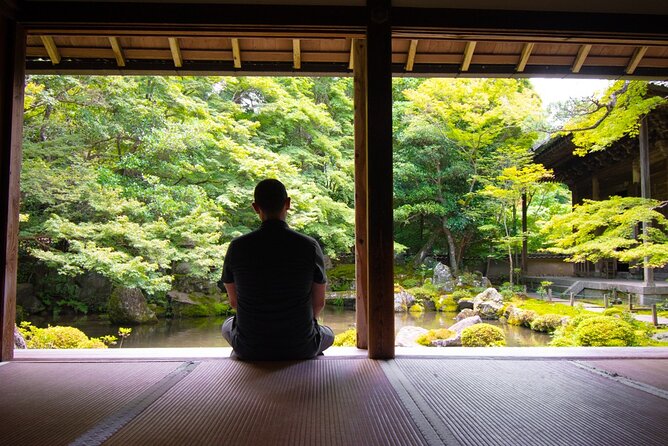
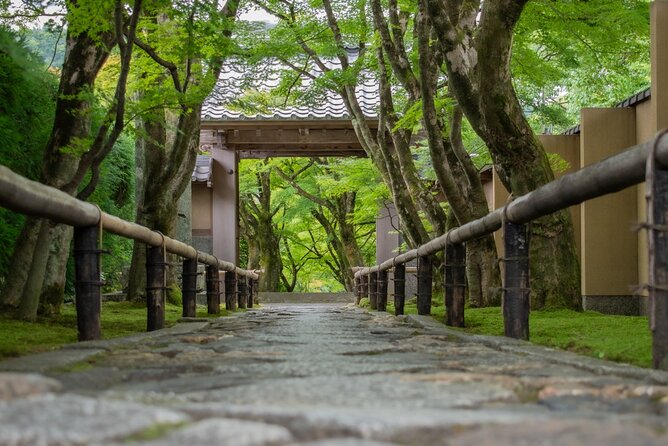
One of the tour’s most appealing ideas is a temple described as a secret stop, with its name withheld until the day. The site is known for a moss garden and for receiving fewer visitors than Kyoto’s major monuments. That surprise element can be fun, but you should also ask for the temple’s name and exact admission details before booking if those details matter to you.
A quieter temple is not automatically better than Kiyomizu-dera or Kinkaku-ji. Its value is different. You get more space to notice the garden, building details, religious objects, and the sound of the place itself. Takashi’s role is important here because a small site can be easy to pass through without context.
Kennin-ji is listed as a one-hour stop. The itinerary description emphasizes its moss garden and less convenient location. Allow time for calm observation rather than expecting a long collection of famous buildings.
Ryoan-ji, also allotted about an hour, offers one of Kyoto’s best-known dry gardens. Carefully arranged stones sit in a bed of pale gravel, with the composition changing as you move along the viewing platform. The site also offers a chance to discuss major shifts and divisions within Japanese Buddhism, though the depth of explanation can vary with the day and the guide’s pacing.
One useful tip is to read the English signs at temples and shrines as you go. They often provide background that complements what you hear on the drive and at each site.
Arashiyama’s western temples and local sweets
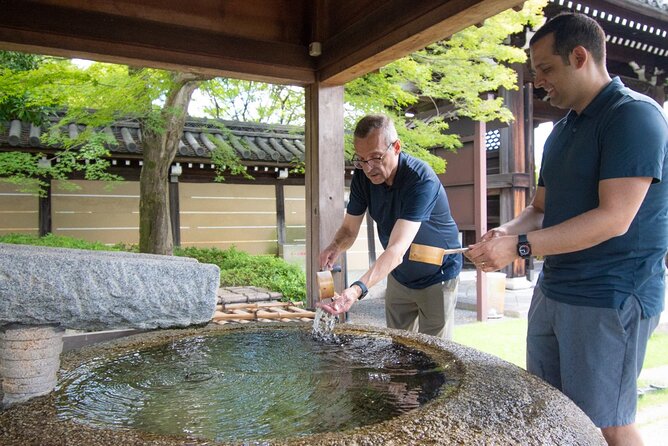
Several listed stops cluster around Arashiyama, one of Kyoto’s most attractive and popular areas. Adashino Nenbutsu-ji is a smaller temple with rows of stone figures and a more reflective atmosphere than the busiest roads near the famous bamboo grove.
The itinerary gives this stop about 30 minutes. That is enough for a brief visit, but not a slow examination of every corner. The temple’s origins are connected with the Hata people, a group described as having Korean roots and a long connection with the area. The site has also endured fire and rebuilding over the centuries.
Otagi Nenbutsu-ji is another short stop, also listed at 30 minutes. It is known for its many carved stone figures, each with a different expression. The description connects the temple with an artist and teacher associated with tea ceremony, calligraphy, and other arts. It is the kind of place that rewards a closer look, so a rushed visit would miss much of its charm.
The route also includes a stop at a local dessert shop near the Monkey Park area. Possible treats include mochifu, a rice-based sweet with a texture different from standard mochi, and shaved ice flavored with yuzu or matcha. This is a useful addition to a temple-heavy day, especially in warm weather.
Do not assume that a visit to the dessert shop means you will also hike through Iwatayama Monkey Park. The supplied itinerary names the park but describes the stop mainly as a dessert visit. Clarify this point before departure if the monkeys and hilltop view are a priority.
More Private Car Days in Kyoto:
- Private car tour in Kyoto (up to 4)
★ 5.0 · 123 reviews - Private car tour in Kyoto (up to 9)
★ 5.0 · 74 reviews - Kyoto Day Trip using Private Car with English Driver (up to 5)
★ 5.0 · 74 reviews - Kyoto: Immersive Arashiyama & Fushimi Inari by Private Car
★ 5.0 · 35 reviews
Yasakanoto and the need to confirm the day’s route
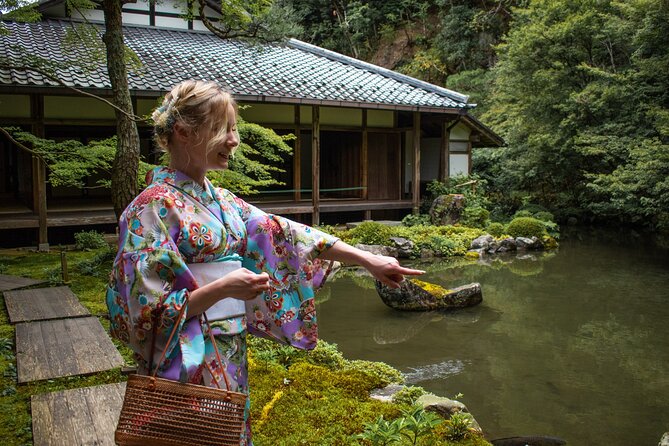
Yasakanoto is listed as another one-hour stop, but the description attached to it discusses Kinkaku-ji, Kyoto’s Golden Pavilion. Those are different places, so this is one of the tour details worth confirming directly with Takashi.
If the plan includes Kinkaku-ji, you will see the famous pavilion with gold leaf covering its upper floors. The building began as a villa for shogun Ashikaga Yoshimitsu and became a temple after his death. Its pond and carefully arranged grounds make it one of Kyoto’s most recognizable sights, though the approach can be crowded.
If the actual stop is Yasakanoto, expect a different kind of experience in the Higashiyama area, with a historic pagoda and old Kyoto streets nearby. The distinction matters because each site requires a different amount of walking and creates a different mood.
This is not a criticism of the private format. Custom tours often change with weather, opening hours, traffic, and your interests. It is simply a reminder to ask for the final route rather than relying on every name appearing in the general description.
Kibune Shrine and the northern edge of the city
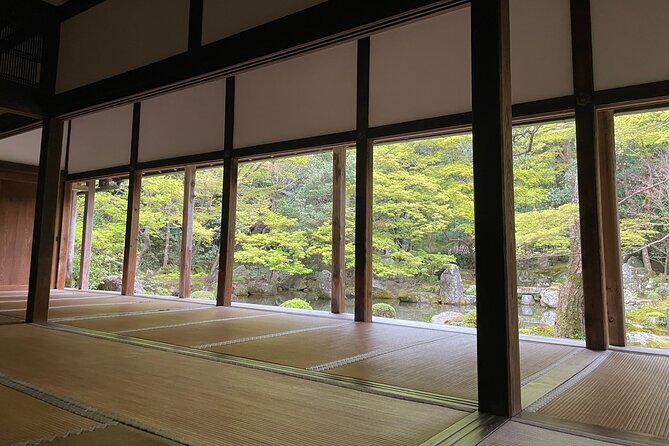
Kibune Shrine is listed as a 30-minute stop. It lies far north of central Kyoto, so reaching it by private vehicle can be much easier than arranging the journey on your own. The shrine is associated with the local area and has long connections with powerful families and neighborhood worship.
The description also mentions a koi pond where you can feed the fish. As with several itinerary details, confirm what is available on your date and how much time will be spent there. Thirty minutes is a brief visit, particularly if you want to explore beyond the main approach.
Kibune is a good choice for you if you want a less central setting and are willing to trade time at another temple for the drive. It is less useful if your priority is a concentrated day in southern Kyoto, Higashiyama, or Arashiyama.
Lunch, ramen, pickles, and the best part of the flexibility
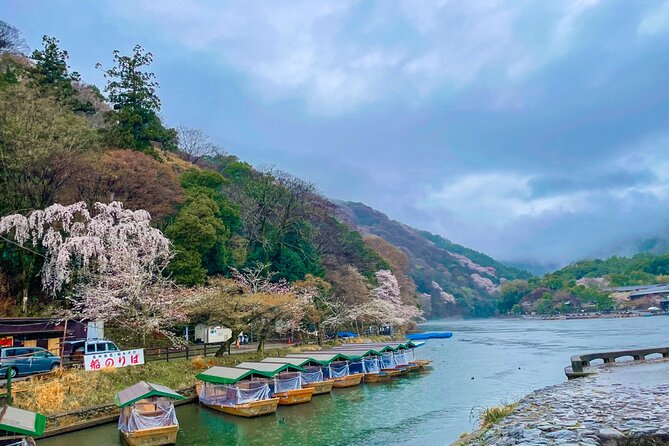
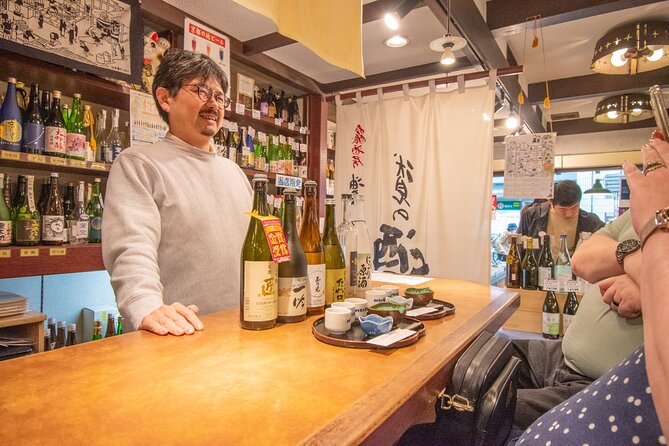
Lunch is not included, but Takashi can recommend and arrange a stop according to the group’s needs. Past itineraries have included neighborhood ramen, kaiseki-style meals, and small local restaurants. You can also ask about dessert shops and traditional snacks.
This is where the tour can feel more personal than a fixed sightseeing package. One group stopped at a long-running pickle shop and sampled pickled mushrooms and bamboo. Another enjoyed caramelized miso mochi near a shrine. These are modest encounters, but they give the day a connection to ordinary food traditions rather than only major monuments.
You should state your food preferences early. The supplied information does not promise vegetarian, allergy-sensitive, or other special menus, so ask what can be arranged before the tour. Lunch also takes time. If seeing more temples matters most, keep the meal short. If food is central to your Kyoto experience, accept fewer formal sights.
Seven hours, eight possible stops, and realistic planning
The tour lasts about seven hours. The suggested stop lengths add up to roughly six and a half hours before driving, parking, meals, and transitions are counted. That makes it unlikely that every listed place can receive the full stated time in one departure.
A sensible plan would focus on three or four areas. For example, you might combine Fushimi Inari with a few northern or western temples, or spend the day around Arashiyama with a relaxed lunch and dessert stop. Trying to include Fushimi, northern Kyoto, Arashiyama, Kibune, and several temples could leave you seeing each place too quickly.
Ask Takashi for a proposed schedule before the day begins. If you have one must-see site, name it first. Then choose two or three secondary priorities. This simple step can prevent the common private-tour mistake of paying for flexibility but ending up with an overpacked route.
The air-conditioned vehicle is a major practical advantage in July and August. One departure took place during temperatures around 36 degrees Celsius, when traveling between sites by car made a noticeable difference. You will still walk at shrines and temples, but you can recover between visits.
Price, admissions, and who gets the best value
The listed price is $108.58 per person, with group discounts available. For a full group of up to 10, that can be good value because you are sharing a private vehicle and guide rather than paying for separate taxis. For one or two people, the cost is harder to justify unless comfort, time savings, and custom planning are especially important to you.
Hotel pickup and drop-off, an air-conditioned vehicle, fuel, and parking costs up to ¥3,000 per day are included. Lunch is not included, and the tour states an additional admission cost of ¥3,000 per person. Confirm whether that figure applies to your final route, since temple fees vary and the route can be adjusted.
The tour currently carries a 4.8 rating from 45 reviews, with 93 percent recommending it. That is a strong record, but one failed pickup was linked to a booking-system communication problem. The provider said the issue was fixed and the customer was refunded, yet I would still send a confirmation message before the start time.
Free cancellation is available up to 24 hours before the scheduled start. Changes or cancellations inside that window are not refundable.
Who should book this Kyoto experience?
I would choose this tour for a family, multigenerational group, honeymoon couple, or small party that wants to see Kyoto without managing trains, buses, restaurant searches, and parking. It is also a good fit if you have already seen the main temples and want quieter religious sites, local food, and a more flexible day.
It suits you less if you prefer a tightly researched historical lecture, a guaranteed list of famous monuments, or the lowest possible price. The guide’s strongest role is practical and personal: shaping the day, getting you around efficiently, and introducing places that can be difficult to connect on your own.
Should you book it?
Book this private Kyoto tour if you value comfort, local food stops, and the freedom to change the plan. Takashi’s English, private van, and willingness to adjust the pace are the main reasons to consider it.
Before paying, send a short message with your group size, must-see sites, walking limits, food needs, and preferred lunch style. Ask which stops are realistic within seven hours, confirm the admission charge, and clarify whether your route includes Kinkaku-ji, Yasakanoto, Monkey Park, or only the nearby dessert shop.
With those details settled, this can give you a calmer and more personal day than a large bus tour. The key is to treat the long itinerary as a menu of possibilities, not a promise that every stop will receive a full visit.
FAQ
How long does the private Kyoto car tour last?
The experience lasts about seven hours.
How many people can join the private tour?
The private vehicle and guide are available exclusively for your group, with a maximum group size of 10 people.
Is hotel pickup and drop-off included?
Yes. Pickup and drop-off at Kyoto hotels are included.
Is lunch included in the price?
No. Lunch is not included, but Takashi can suggest or arrange a stop at a local restaurant based on your requests and the day’s schedule.
Are temple and shrine admission fees included?
The stated tour information lists an additional admission charge of ¥3,000 per person. Confirm the exact amount for your final route before departure.
What places may be included?
Possible stops include Fushimi Inari-taisha Shrine, Kennin-ji Temple, Ryoan-ji Temple, Adashino Nenbutsu-ji Temple, Yasakanoto, Otagi Nenbutsu-ji Temple, the Monkey Park area, and Kibune Shrine. The route can be adjusted, and not every listed place may fit into one seven-hour day.
What is the cancellation policy?
You can cancel up to 24 hours before the experience for a full refund. Cancellations or changes made less than 24 hours before the start are not refunded or accepted.
Just added around Kyoto
- Sekka Cotton Furoshiki Class★ 5.0 · 19 reviews
- Secret Eastern Kyoto Biking Adventure★ 5.0 · 44 reviews
- Kyoto Sword Experience – includes Museum Ticket/Ninja Experience★ 4.5 · 149 reviews
- Scenic Green Tea Fields of Hidden Kyoto & Local Tea Exp (Private)★ 5.0 · 32 reviews
- Private Sake Tasting in Central Kyoto with Sake Sommelier★ 5.0 · 32 reviews
- Samurai School in Kyoto: Samurai for a Day★ 5.0 · 202 reviews
- SHIRAKAWA Japanese Culture Experiences with private English staff★ 5.0 · 16 reviews
- A Privately Guided Photoshoot in Beautiful Kyoto by a Pro★ 5.0 · 18 reviews
Historical Tours, compared.
Imperial Palace and Shogun Historical Walking Tour
Our verdict →
World Heritage Kyoto & Nara Uji Authentic Matcha Experience
Our verdict →
Kyoto Gion: 2-Hour Geisha Culture & History Walking Tour
Our verdict →
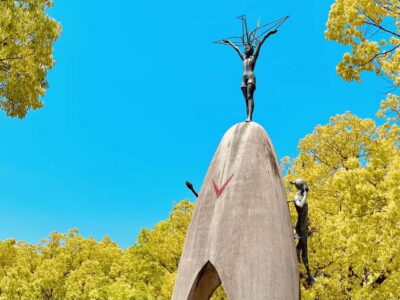
Hiroshima Historical Walking Tour – Why A-Bomb was Dropped
Our verdict →
Yanaka Walking Tour: Historic and Traditional District of Tokyo
Our verdict →
Shinjuku Historical Walking Tour & Secret Backstreets
Our verdict →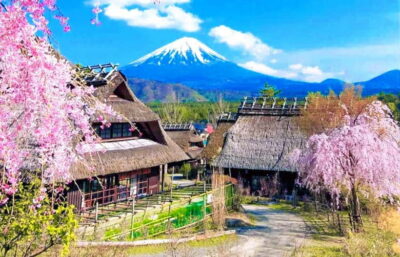
Mt. Fuji Heritage Tour: Traditional Villages, Lakes & Shrine
Our verdict →Browse the lists this tour appears in