
Reviewed · HISTORICAL TOURS
Osaka: Kyoto & Uji Historical Sites and Scenic Delights Tour
Kyoto’s famous sights are spread across the city, and this 10-hour bus tour gives you a practical way to reach several of them in one day. You’ll see the gold-covered Kinkaku-ji, the broad view from Kiyomizu-dera, and the Phoenix Hall at Byodo-in in Uji, with time for snacks and tea along the way.
I like the tour’s low $54 price, especially since air-conditioned transport, tolls, parking, taxes, and an English-speaking guide are included. I also like the choice of starting in Osaka or Kyoto and finishing in either city, a useful touch if you are arranging a busy Japan itinerary.
The main caution is pace. You cover a lot of ground, and the most popular areas can be packed. Ninenzaka, in particular, may feel more like a crowded shopping lane than a quiet old street, while temple admission fees and meals are extra.
Key points at a glance
- Three major temple visits in one day: Kinkaku-ji, Kiyomizu-dera, and Byodo-in all appear on the route.
- Uji adds a different flavor: Walk beside the Uji River, see Uji Shrine, and look for the Phoenix Hall image shown on Japan’s ten-yen coin.
- Amy is a guide to hope for: One booking specifically praises Amy’s history explanations, practical recommendations, multilingual ability, and flexible suggestions.
- Most sightseeing is self-guided: Your guide handles the route and transport, but you should expect to explore the sites independently.
- The price covers the costly logistics: Vehicle transport, fuel, parking, tolls, environmental fees, and taxes are included, but temple tickets are not.
- Plan for crowds and walking: Comfortable shoes matter, and traffic or weather may alter the schedule.
Why this Kyoto and Uji day works
This is a sightseeing-heavy day, not a slow temple tour. You begin early, at 8:00 AM from Osaka or 9:00 AM from Kyoto, then spend much of the day moving between major sites by comfortable air-conditioned vehicle.
I like this format if you are staying in Osaka and want to see Kyoto without piecing together several train rides and local buses. You also avoid the worry of finding your way from Kinkaku-ji to Kiyomizu-dera and then onward to Uji. The tradeoff is that the vehicle cannot remove Kyoto’s crowds, and a fixed group schedule gives you less freedom than an independent day.
The guide is there to keep the day moving and provide information in English. The sightseeing itself is largely self-guided. That suits you if you prefer to pause for photographs, browse shops, or choose your own route around a temple rather than follow a guide every minute.
If Amy leads your outing, you can expect a guide who has been praised for giving historical background and recommendations at each stop. The available comments also point to multilingual ability, though you should not assume Amy will be assigned to every departure.
More Historical Tours in Osaka
- Osaka: Castle History Walking Tour / Castle Tower Admission
★ 4.9 · 230 reviews - Osaka: Osaka Castle & Historical Museum Guided Tour
★ 4.8 · 28 reviews - Osaka Castle & Samurai History Walking Tour
★ 5.0 · 22 reviews
Kinkaku-ji and the first look at Kyoto
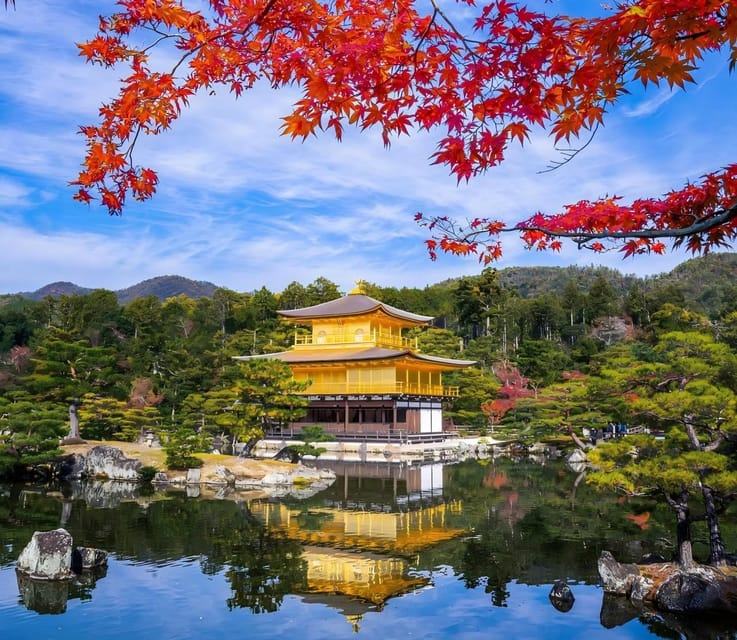
Kinkaku-ji, better known as the Golden Pavilion, is an efficient first stop because the view is immediate and memorable. The upper stories of the Shariden Hall are covered in gold leaf, and the building reflects in the pond in front of it.
The stop lasts about 40 minutes and is described as a photo stop with self-guided sightseeing. That is enough time to follow the visitor path, take photographs, and see the pavilion from its principal viewpoints. It is not enough time for a long, unhurried exploration of the wider temple grounds.
Kinkaku-ji has been a UNESCO World Heritage Site since 1994, but the label is less important than the visual impact. This is one of Kyoto’s most recognizable scenes, and the short visit lets you experience it without spending half the morning at one complex.
Admission is not included, so budget separately for Kinkaku-ji. Also expect other visitors, especially during peak seasons. The pavilion is popular for good reason, but this is not a quiet meditation stop.
Kiyomizu-dera and the view from the wooden stage
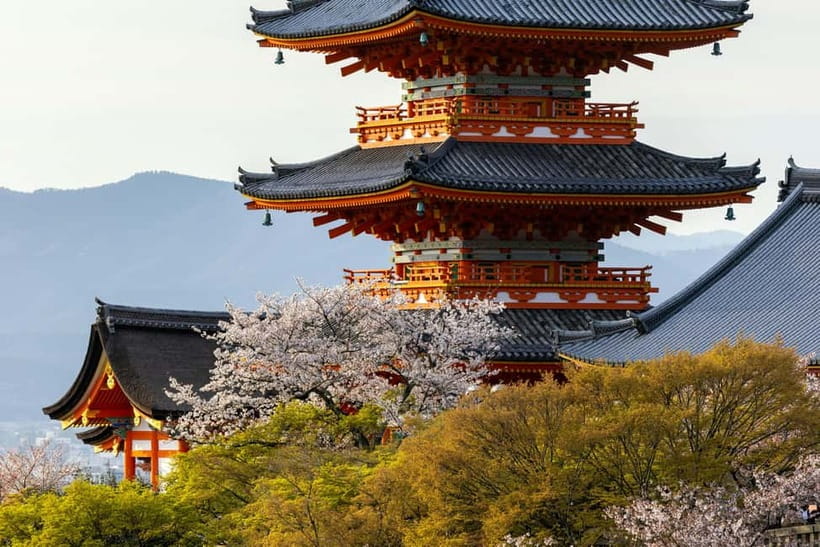
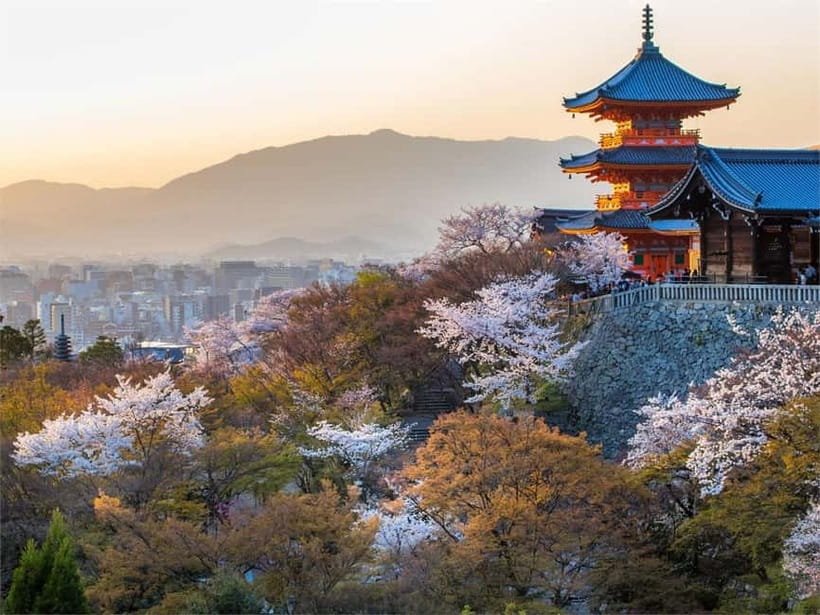
The tour then moves to Kiyomizu-dera, one of Kyoto’s oldest temples and another UNESCO-listed site. The famous Kiyomizu Stage projects from the main hall and offers wide views across Kyoto.
This is the longest major stop, listed at roughly 2 hours and 40 minutes. That extra time matters because Kiyomizu-dera is not one quick photograph. You have time to see the main temple, follow the paths, take in the city view, and make your way through the surrounding historic lanes.
The site involves walking, slopes, and crowds. Wear shoes that can handle a long stretch on foot, and do not treat this as a brief stop between bus rides. The tour information calls the walking moderate, but the total day will feel active because Kinkaku-ji, Kiyomizu-dera, Ninenzaka, Yasaka Koshindo, and Uji all require time on your feet.
Kiyomizu-dera admission is extra. That is easy to overlook when comparing the $54 headline price, so add the temple tickets and your food costs before deciding on your daily budget.
Ninenzaka, where Kyoto gets busy
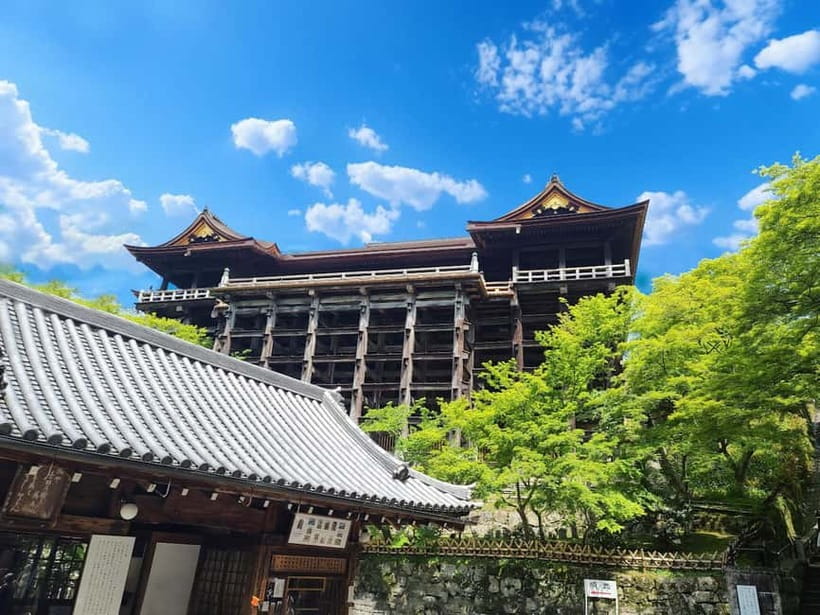
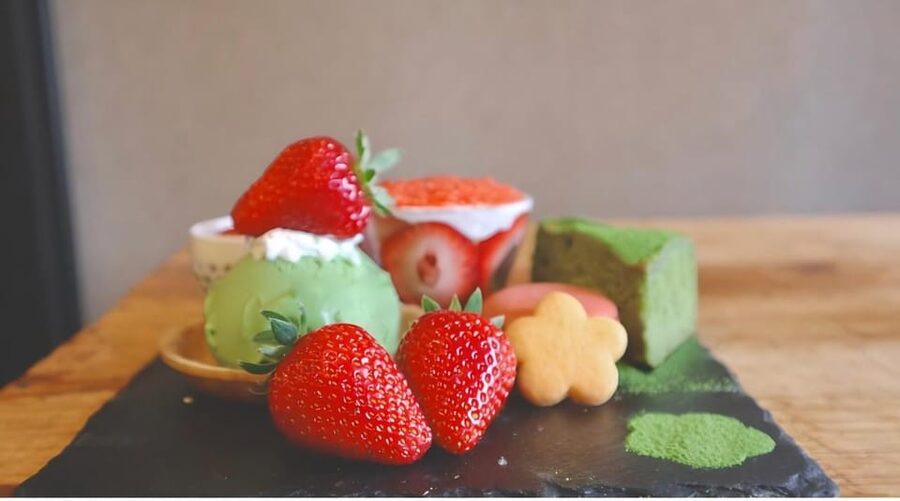
Ninenzaka is the traditional approach toward Kiyomizu-dera, lined with shops, food stalls, and old-style buildings. This is where you can pick up matcha ice cream, browse souvenirs, or stop for coffee from MASUDA Tea Shop.
I like having this section built into the temple visit because it gives the day a more ordinary, street-level side. You are not only looking at grand religious buildings. You also get a chance to taste local tea flavors and see how Kyoto’s historic setting has been turned into a popular shopping area.
Keep your expectations in check. Ninenzaka can be extremely crowded, and some of the souvenirs are expensive for what they are. If you want a calm, empty lane for photographs, this stop may frustrate you. If you treat it as a lively commercial street with traditional architecture, snacks, and useful browsing time, it makes more sense.
You should also watch your timing here. It is easy to lose track of the group while looking at shops, so note the meeting instructions and return time before wandering off.
Same trip, a completely different kind of day:
- Osaka Go Karting Tour with Funny Costume
★ 5.0 · 2,658 reviews - Osaka Castle: Museum and Tower Entry Ticket
★ 4.5 · 2,380 reviews - Osaka: Shinsekai Food Tour with 13-15 Dishes at 5 Eateries
★ 4.8 · 2,204 reviews - Osaka Food Tour: 13 Dishes at 5 Local Eateries
★ 5.0 · 2,149 reviews
Yasaka Koshindo and a quick cultural stop
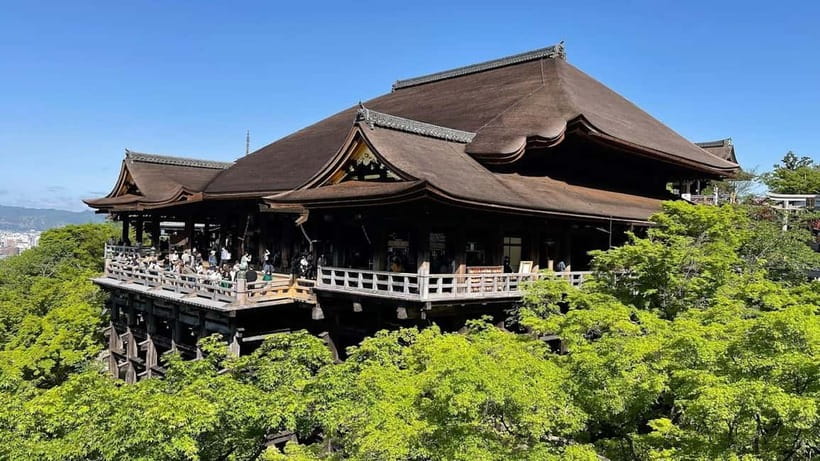
Yasaka Koshindo is a small but distinctive stop near the Kiyomizu area. Its multicolored balls make it instantly recognizable in photographs, and the temple has become popular online. It has also appeared as a backdrop connected with Detective Conan.
The stop is listed for photographs and self-guided sightseeing, so expect something brief rather than a large temple complex. The religious setting gives the visit more substance than a simple photo point, but the appeal is concentrated in the decoration, atmosphere, and location.
This is a good example of how the tour mixes famous landmarks with smaller stops. You will not spend long here, yet it breaks up the larger temple visits and gives you another view of Kyoto’s religious culture.
Uji River and the birthplace of matcha
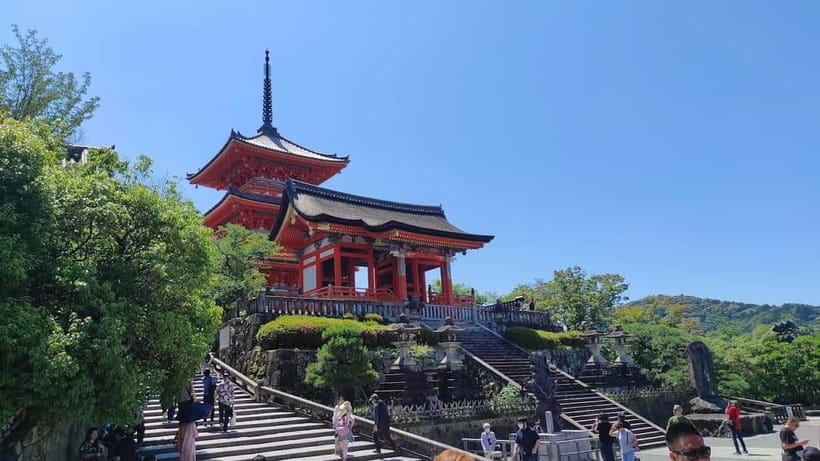
After Kyoto, the bus takes you to Uji, a town strongly associated with Japanese tea. The air around the shopping streets is often scented with tea, and the local food options give you a chance to try matcha in forms beyond a cup of green tea.
The Uji portion lasts about 100 minutes and includes the Uji River, Uji Bridge, Uji Shrine, and Byodo-in. That is a sensible amount of time for a first visit, but it is not a full day in Uji. You will need to keep moving if you want to see each listed point.
The river walk is a welcome change after the dense streets around Kiyomizu-dera. You can pause for photographs, take in the bridge, and enjoy a little more open space. Uji Shrine adds a quieter religious stop before the final major sight.
Food is not included, so this is the place to plan for a snack or light meal if the timing allows. Byodo-in Omotesando is lined with local treats and tea products, making it easy to spend money quickly if you are tempted by every matcha item.
Byodo-in and the ten-yen coin connection
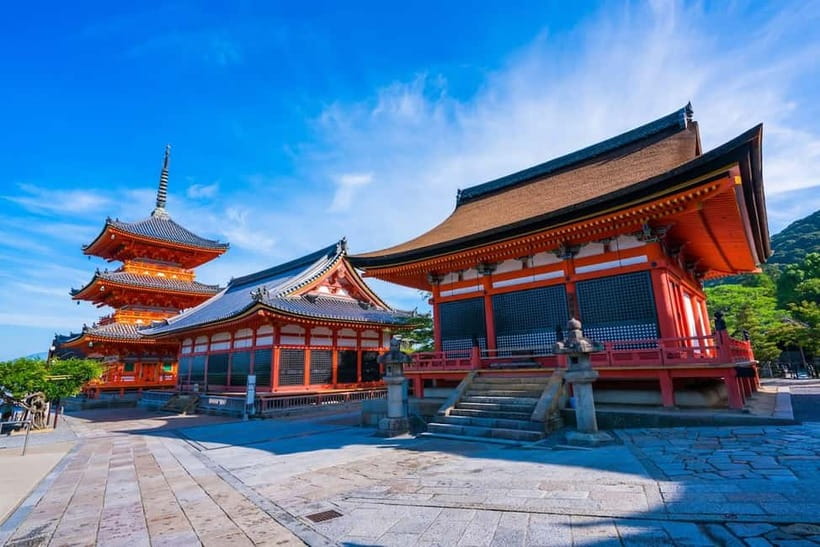
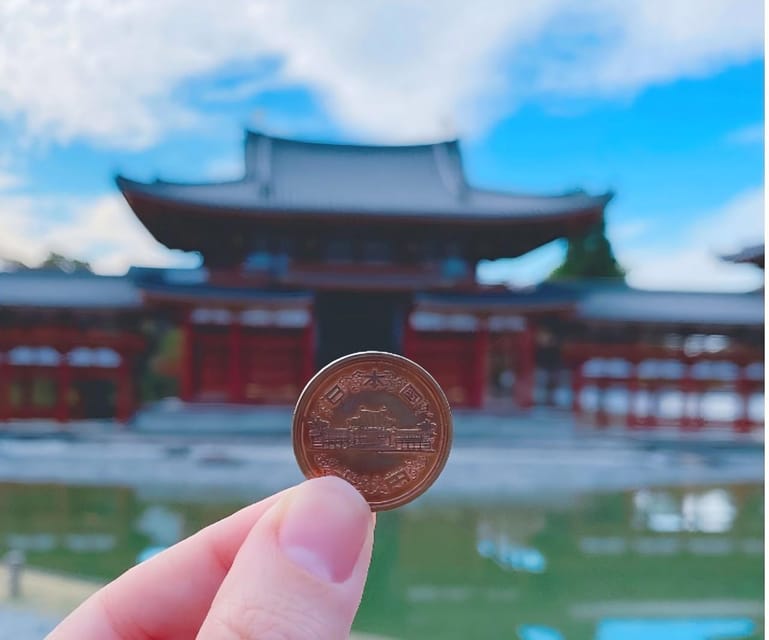
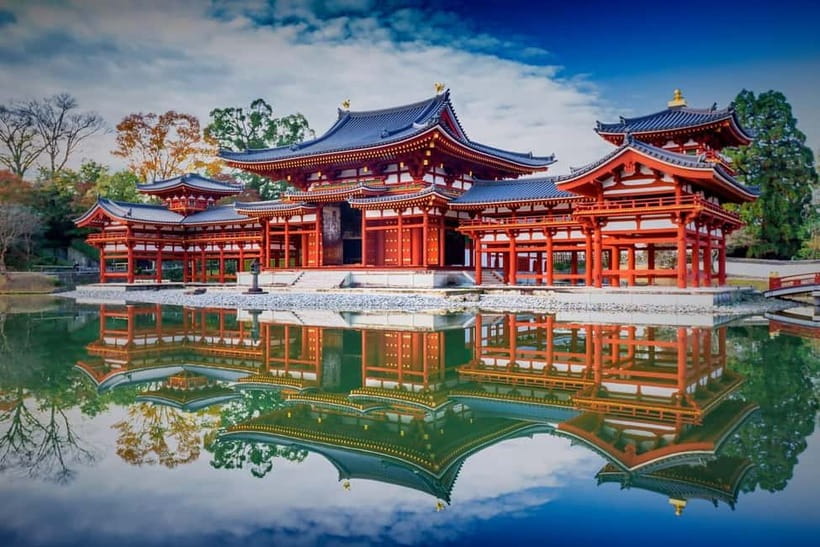
Byodo-in is the signature stop in Uji. Its Phoenix Hall is pictured on Japan’s ten-yen coin, so you may already know its symmetrical shape before you arrive. The building sits across the pond, where the reflection creates the classic view.
The temple is a UNESCO World Heritage site, and the visit connects Japanese currency, architecture, and religious history in a simple, memorable way. If you carry a ten-yen coin, compare the image with the real building. It is a small detail, but it makes the visit more personal.
Admission to Byodo-in is not included. The stop is listed for sightseeing and photographs, and you should check the timing carefully because the Uji segment also includes the river, shrine, and shopping street.
Byodo-in Omotesando runs toward the temple and offers tea-flavored sweets and other local foods. This is a better place to shop for Uji tea products than a generic souvenir area, though prices still vary and personal expenses are your responsibility.
The transport value at $54
At $54 per person, this tour is priced as a transport-and-sightseeing solution rather than a fully guided private cultural lesson. You get an air-conditioned vehicle, round-trip transfers from the meeting point, an English-speaking guide, and coverage of tolls, parking, fuel, environmental fees, and taxes.
Those included costs matter in Japan. A day crossing Osaka, Kyoto, and Uji can involve several separate fares and a fair amount of station navigation. Here, you pay one modest price for the main transport framework and leave the driving to someone else.
The value is strongest if you are based in Osaka and want to cover several distant sights in one day. It is also useful if you are short on time and care more about seeing the headline locations than lingering at one temple.
The value is weaker if you already know Kyoto well, want long visits at each site, or dislike organized schedules. Add temple tickets, food, and shopping to the base price. The tour remains reasonably priced, but $54 is not the complete cost of the day.
Timing, pickup, and the ride home
You can select a departure from Osaka at 8:00 AM or from Kyoto at 9:00 AM, depending on the option booked. Arrive at the meeting point at least 15 minutes early, since the meeting place depends on your selected departure.
The stated route includes a bus or coach segment of about two hours. Traffic can affect the timetable, and weather may also cause changes. Kyoto’s famous districts are not built for fast sightseeing by large numbers of people, so you should expect the day to feel full.
At the end, you can get off in Kyoto or continue to Osaka. The listed drop-off areas include Kyoto Station’s Hachijoguchi Ekimae Square and several Osaka districts, including Chuo, Naniwa, Fukushima, Nishi, and Nishinari. Confirm your selected option carefully, since pickup and drop-off details vary.
Who should book this day?
I would recommend it for a first visit to the Kyoto area when you are staying in Osaka and want to see the main landmarks without arranging every connection yourself. It also suits you if you enjoy taking your own time at each stop while having a guide manage the practical details.
The tour works well for people who want a strong first look at Kyoto and Uji, not for those seeking hidden lanes and long periods of silence. The famous sites are famous, and crowds are part of the deal.
It is not suitable for wheelchair users, people with mobility impairments, or people with back problems. Pregnant participants are also listed as unsuitable, and anyone aged 70 or above is respectfully asked to sign a travel waiver on arrival. Tell the operator in advance if you plan to bring a stroller or large luggage.
Bring comfortable clothes and shoes. Smoking is not allowed, and you should keep personal shopping and meals outside the tour price.
Should you book it?
Book this tour if you want maximum landmark coverage for a modest price and are comfortable with crowds, self-guided stops, and a long day. Kinkaku-ji, Kiyomizu-dera, and Byodo-in give you three major cultural sights, while Ninenzaka and Uji add food, shopping, and street life.
Skip it if you want a relaxed pace or detailed guiding inside every temple. The strongest reason to choose it is practical: transport between spread-out sights is handled for you. The main compromise is time. You will see a lot, but you will not have unlimited time to linger.
FAQ
How long does the tour last?
The tour lasts 10 hours.
Where can I start the tour?
You can depart from Osaka at 8:00 AM or from Kyoto at 9:00 AM, depending on the option you book.
Can I finish in either Osaka or Kyoto?
Yes. Regardless of where you board, you can choose to disembark in Osaka or Kyoto, based on the available drop-off option.
Is an English-speaking guide included?
Yes. The tour includes a live English-speaking guide. Amy has been specifically praised for her historical explanations, recommendations, and multilingual ability, but guide assignments can vary.
Are temple entrance fees included?
No. Admission to Kinkaku-ji, Kiyomizu-dera, and Byodo-in is not included in the tour price.
Are meals and drinks included?
No. Meals, beverages, and personal expenses are not included.
How much walking should I expect?
Expect a moderate amount of walking, including temple grounds, historic streets, the Uji River area, and shopping lanes. Comfortable shoes are recommended.
Can I bring a stroller or large luggage?
You must indicate when booking if you are traveling with a stroller or large luggage.
Is the tour accessible to wheelchair users?
No. The experience is listed as unsuitable for wheelchair users and people with mobility impairments. People with back problems and pregnant women are also listed as unsuitable.
What happens if traffic or weather affects the schedule?
The schedule may change because of traffic and weather. You should arrive at the meeting point 15 minutes before departure, and the meeting place cannot be changed on the day unless you notify the operator one day in advance.
Just added around Osaka
- Exclusive Sushi Making Experience with a Master Chef – Osaka Area★ 5.0 · 25 reviews
- Private Home-Style Cooking Class in Osaka with Local Mom Yoshiko★ 5.0 · 46 reviews
- Hidden Osaka – Yukaku Red Light Tour & Culinary Adventure★ 4.8 · 96 reviews
- Osaka: Walking Tour and Top Highlights★ 4.8 · 104 reviews
- Osaka: Private Ceramic Painting Workshop★ 5.0 · 13 reviews
- Pickleball in Osaka, Kobe & Kyoto with Locals!★ 4.7 · 80 reviews
- Eat Like a Local in Osaka – Private Custom Street Food Tour★ 4.3 · 33 reviews
- Osaka:SUMO BEATS SHOWCASE: Taiko Drum and Wagyu burger!★ 4.2 · 37 reviews
Historical Tours, compared.

Imperial Palace and Shogun Historical Walking Tour
Our verdict →
World Heritage Kyoto & Nara Uji Authentic Matcha Experience
Our verdict →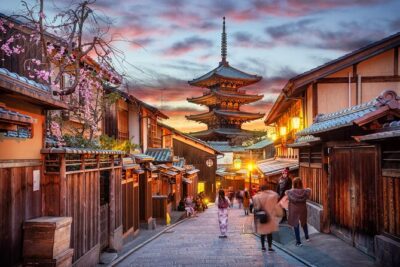
Kyoto Gion: 2-Hour Geisha Culture & History Walking Tour
Our verdict →
Hiroshima Historical Walking Tour – Why A-Bomb was Dropped
Our verdict →
Yanaka Walking Tour: Historic and Traditional District of Tokyo
Our verdict →
Shinjuku Historical Walking Tour & Secret Backstreets
Our verdict →
Mt. Fuji Heritage Tour: Traditional Villages, Lakes & Shrine
Our verdict →Browse the lists this tour appears in