
Reviewed · TEMPLES & SHRINES
Kyoto: Zen Meditation and Garden Tour at a Temple with Lunch
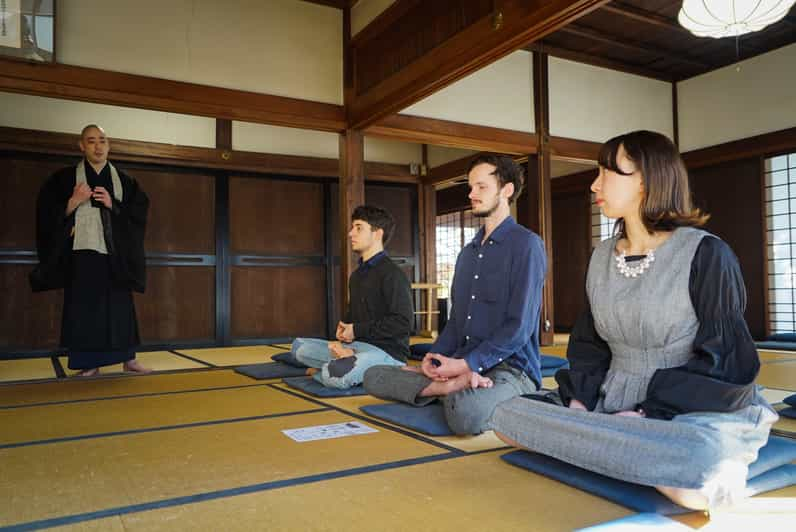
Kyoto’s best Zen experience here is not a quick photo stop. You spend an hour practicing zazen with a monk, after first learning how to read a Zen garden and how to sit, breathe, and focus. The small-group format, limited to seven people, gives the experience a calm, personal feel.
I especially like the garden-first approach, since Zen ideas make more sense when you have something concrete to observe. I also like the traditional Buddhist lunch, served after the meditation and built around vegetables, mushrooms, seaweed, and broth.
The main caution is that the meditation may not always be as private as the small tour group suggests. One session took place in a room with about 30 other people, and the monk may not speak English. You’ll use silent reading material and rely on your guide to translate questions afterward.
Key points at a glance
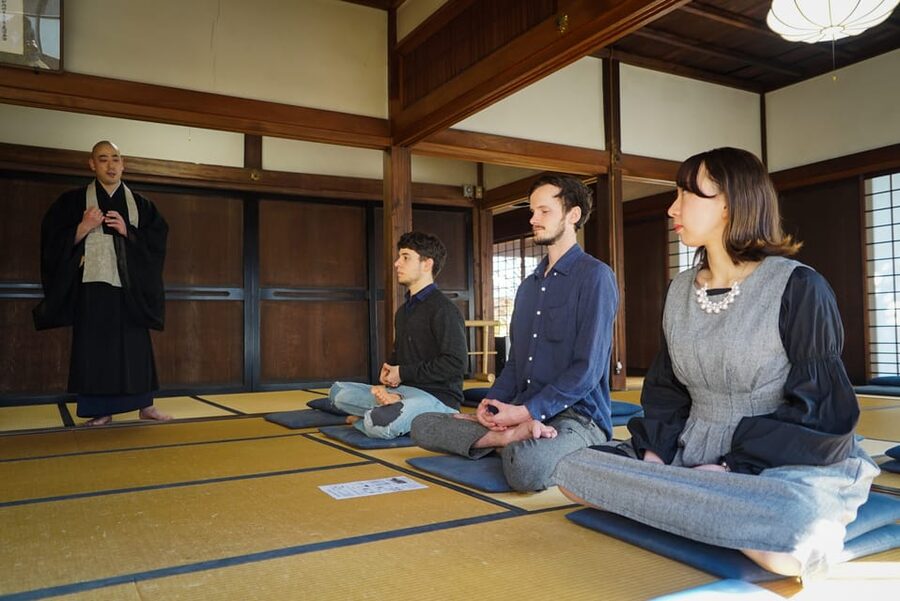
- One hour of zazen: Learn posture, breathing, and basic Zen meditation methods in a temple setting.
- Three temple stops: Visit Kōmyō-in, Tofukuji, and Shorin-ji, including gardens and historic religious buildings.
- Small English-speaking group: The tour is limited to seven participants, although the meditation room itself may be larger.
- A monk-led experience: You can discuss your impressions and ask questions through the guide after meditation.
- Shojin Ryori lunch: Eat a traditional Buddhist meal with vegetables, mushrooms, seaweed, and dashi fish broth.
- Allow 270 minutes: The listed visits total less than the full tour time because walking, explanations, meditation, and lunch fill out the morning or afternoon.
Starting at Tofukuji Station
The tour begins outside Tofukuji Station Exit 2, beside the Family Mart. This is a practical meeting point, but you need to get there early. The group leaves on time, and you cannot join later or receive a refund if you miss it.
From Kyoto Station, take the JR line to Tofukuji. Rapid and local trains both work. From Shijo Keihan, use the Keihan line, but do not take an express train. A taxi can cause confusion if you ask to go to Tofukuji Temple instead of Tofukuji Station, so show the exact station meeting point if you use one.
I would arrive at least 10 minutes early. One person had trouble after a taxi dropped them at the temple rather than the station and had to hurry to the meeting point. That is an avoidable start to a quiet morning.
The tour lasts 270 minutes, or four and a half hours. Starting times vary. If you choose the 10:45 departure, lunch is scheduled for about 2:15, so eat a proper breakfast or bring something small for the wait.
More Garden Tours in Kyoto
- Kyoto Arashiyama Walking Tour: Bamboo, Monkeys, Gardens & Secrets
★ 5.0 · 1,216 reviews - Kyoto Zen Meditation & Garden Tour at a Zen Temple with Lunch
★ 5.0 · 441 reviews - Kyoto Arashiyama Bamboo forest & Garden Half-Day Walking Tour
★ 5.0 · 413 reviews
Kōmyō-in and the first look at Zen
Your first stop is Kōmyō-in Temple, where you spend about 40 minutes. This is the right place to begin because the guide introduces Zen through the garden before asking you to sit in meditation.
Your guide explains how to look at the garden, how its arrangement reflects Zen ideas, and how silence and simplicity matter in Japanese Buddhist practice. Zen can sound abstract, even to Japanese people, so this early explanation gives you a useful frame for the rest of the visit.
I like this order. Many temple tours rush from gate to gate while you collect names and photographs. Here, you first slow down and pay attention. The garden is not just a pretty background. You are encouraged to notice its composition and connect that quiet observation to zazen.
The garden visit is also one of the tour’s calmer moments. You have time to listen, ask questions, and take photographs before the more formal meditation. Guides including Yutaka have been praised for explaining Buddhist philosophy in clear terms and for helping people who are new to the subject.
Tofukuji’s gates, paintings, and unusual details
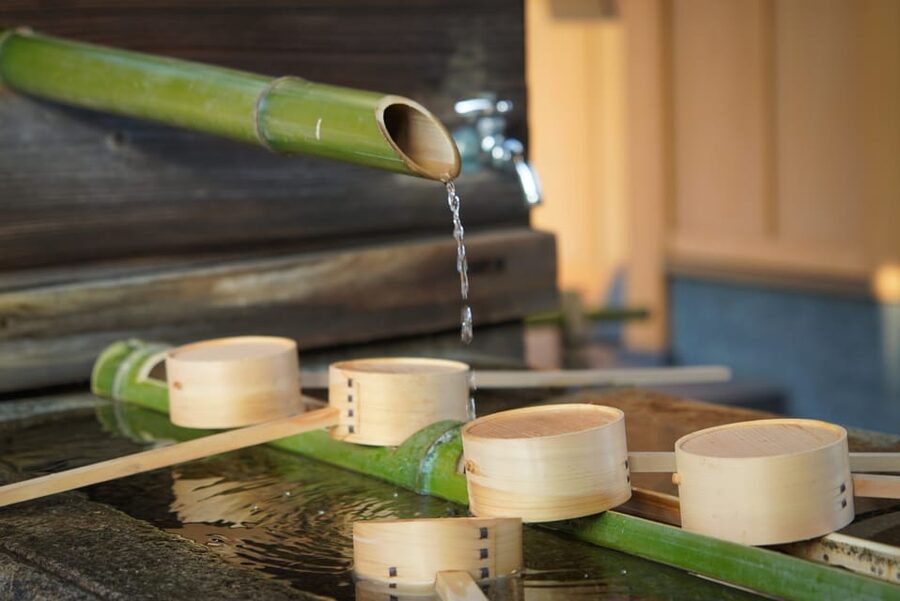
The next stop is Tofukuji Temple, one of Kyoto’s five major Zen temples. The visit is listed as about 10 minutes, so expect a focused introduction rather than a full temple tour.
You see the imposing San-mon gate, dragon paintings on a ceiling, and the oldest surviving toji, or temple toilet. The last detail may sound odd, but it shows how ordinary monastic life forms part of the site’s story. This was not only a place for ceremonies. Monks lived, trained, ate, worked, and practiced here.
Tofukuji has served as a home and training place for Zen monks since the 13th century. That long connection gives the later meditation more weight. You are not practicing a modern wellness routine in a hotel room. You are sitting in a place shaped by centuries of Buddhist discipline.
The brief stop also keeps the day from becoming a standard historical tour. The main purpose is not to cover every building. It is to move you from the public temple grounds toward the smaller place where zazen takes place.
Shorin-ji and the one-hour zazen session
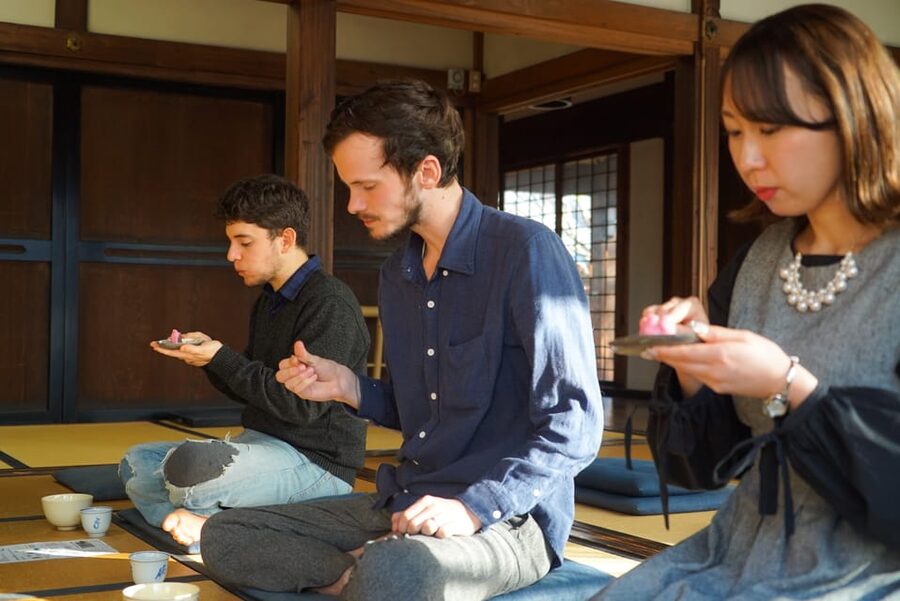
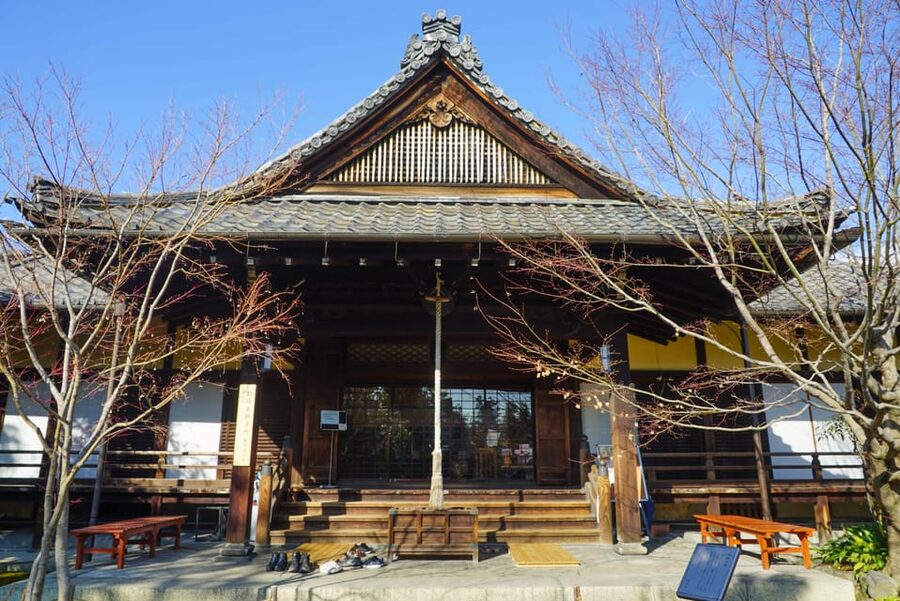
The central experience takes place at Shorin-ji, also called Bishamon-do Temple. The visit lasts about 70 minutes, including the meditation session and the surrounding explanation.
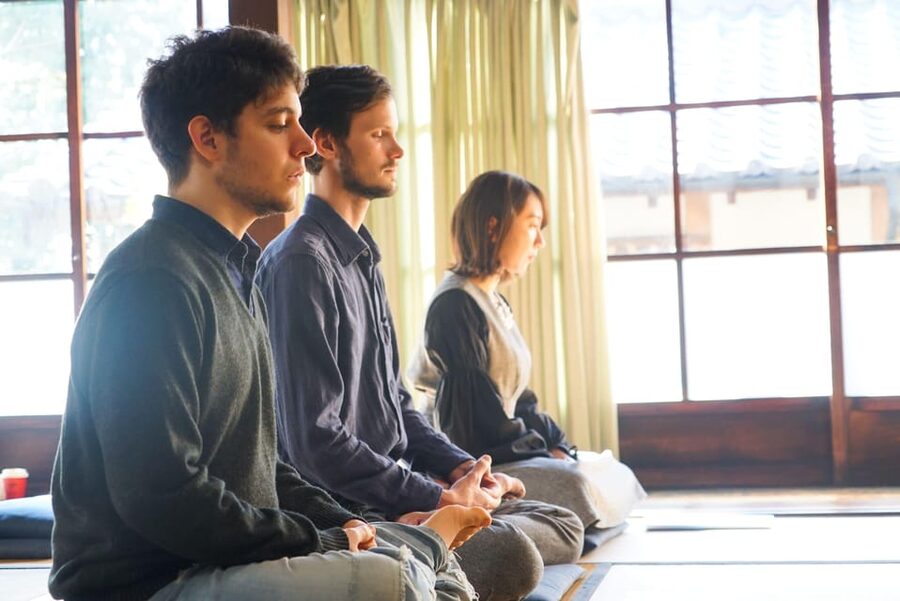
Before you sit, the guide covers the basics of zazen: posture, breathing, focus, and the ideas behind the practice. This preparation matters. Without it, a long period of sitting can feel like little more than an uncomfortable pause. With it, you have a better idea of what you are trying to do.
During zazen, the guide remains silent because other people are practicing too. You receive special reading material that can be studied quietly. Do not expect a running English explanation once the meditation begins. The stillness is part of the experience, and private conversation is generally not allowed.
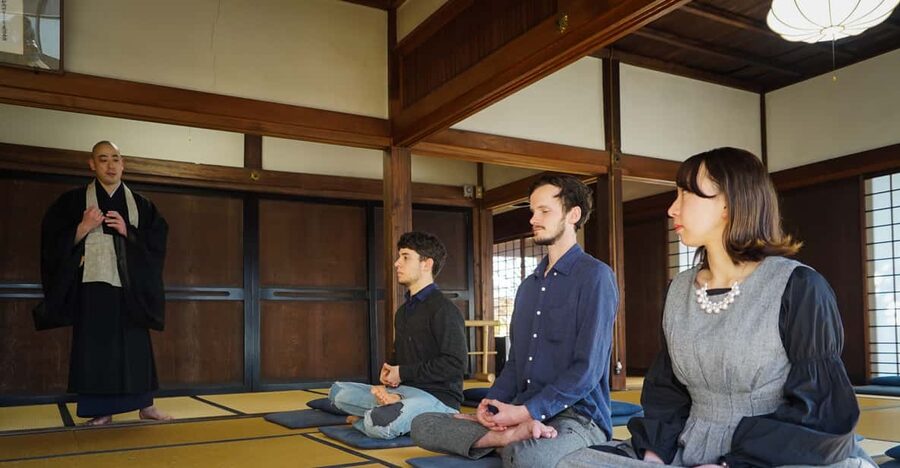
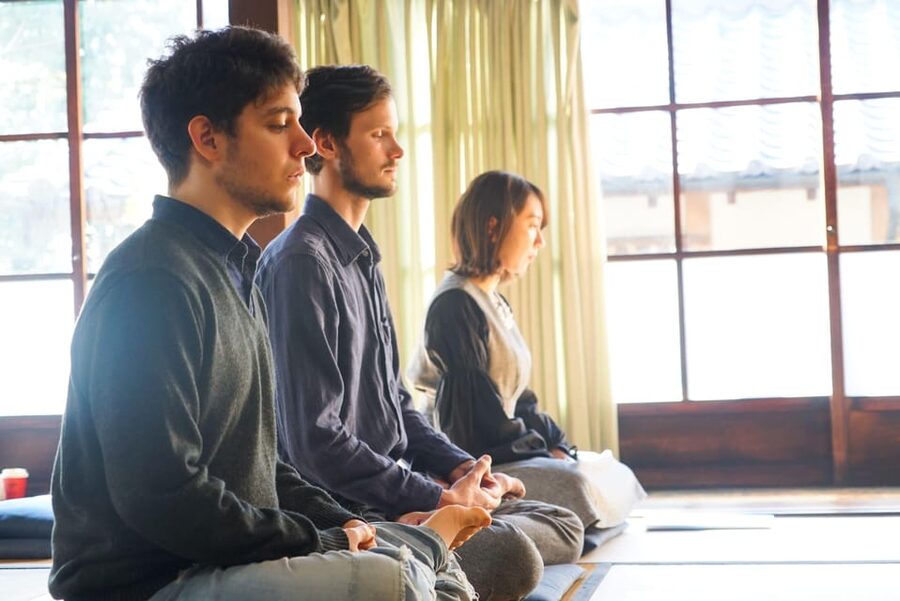
The session lasts about an hour. That is long enough to notice your posture, your breathing, and your wandering attention. It is also long enough to feel demanding if you have never meditated before. The tour is not suitable for children under 12, and I would not recommend it to anyone who strongly dislikes sitting quietly for an extended period.
The monk may not speak English. Afterward, your guide can help translate questions and discussion. That arrangement worked especially well for people who wanted to understand the practice rather than simply sit in silence. Some guides have also taken photographs with the monk afterward, although you should follow the temple’s instructions and not assume photographs are always possible.
A point to keep clear: the tour group is limited to seven, but the meditation session may include other participants. One meditation took place in a large L-shaped room with around 30 people. If you picture a tiny private room with only your group, adjust that expectation. The guide portion is small, while the zazen room can be shared.
More Temple & Shrine Tours in Kyoto
- Kyoto: Fushimi Inari, Kinkakuji, Bamboo Grove 1 Day Bus Tour
★ 4.8 · 4,316 reviews - Kyoto: Tea Ceremony in a Traditional Tea House in Kiyomizu
★ 4.9 · 3,519 reviews - Kyoto: Tea Ceremony Ju-An at Jotokuji Temple
★ 4.9 · 3,207 reviews - Fushimi Inari Hidden Hiking Tour (Private Option Available)
★ 5.0 · 1,750 reviews
What the temple visits add to meditation
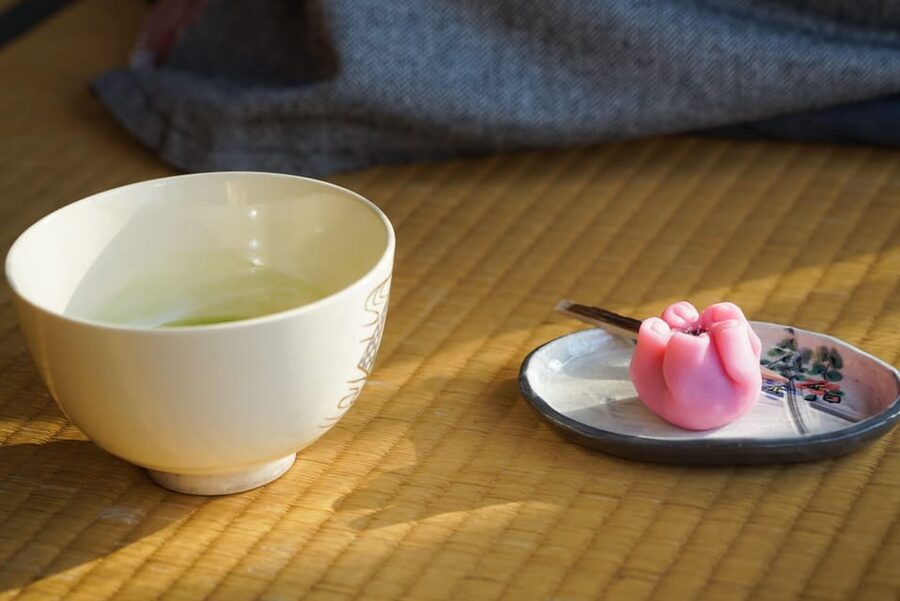
After zazen, you spend more time with the temple and garden setting and discuss what you noticed. This is useful because meditation can feel hard to interpret on your own. You can ask about Buddhist terms, symbols, and the purpose of the exercise while the experience is still fresh.
The guides are a major part of the tour’s value. Yutaka is repeatedly praised for a calm, funny, and patient style, while Eri, Louis, and Tammy are also described as clear and engaged. The guide does more than lead you between buildings. You can ask about Japanese Buddhism, religion, temple customs, and places to visit later in Kyoto.
That personal context helps if you are interested in Buddhism but do not know the vocabulary. You do not need a background in Zen. The explanations are designed for beginners, and people who already meditate can still find value in practicing in a temple with a monk.
Shojin Ryori lunch after meditation
The final part is lunch at a local restaurant, reached by a short walk. The meal is Shojin Ryori, the Buddhist cuisine traditionally associated with Japanese monks since the 13th century.
The meal centers on vegetables, mushrooms, and seaweed rather than meat. Several dishes are served, giving you a chance to notice different textures and seasonings instead of receiving one simple vegetarian plate. The meal is a fitting ending because it connects Zen practice with daily habits, not just meditation.
There is an important dietary detail. The meal includes dashi made with fish, and a small amount of dairy may be included. It is not suitable for strict vegans, and the activity is specifically not suitable for people with gluten intolerance. If you have other food restrictions, ask before booking rather than assuming that Buddhist cuisine will meet them.
Lunch also affects your timing. The 10:45 departure puts the meal at about 2:15, after meditation. You will want breakfast beforehand. The meal is included in the $107 price, along with temple and garden admission, the guide, the meditation session, and photographs during the tour.
Is $107 a fair price?
At $107 per person, this is not the cheapest way to see Tofukuji. You could visit a temple independently for much less. The price makes sense only if you want the instruction, translation, organized access to the meditation session, and a meal arranged as part of the day.
I see the strongest value in the guide. Zen gardens and temple buildings are easy to visit without help, but the meaning behind them is harder to grasp. A good guide turns details such as the dragon ceiling, San-mon gate, and monastic facilities into part of a larger picture.
The small group also helps. With no more than seven people, you can ask questions without holding up a large tour. Guides have provided Kyoto suggestions and taken photographs, which adds practical value for a first visit.
The price is less compelling if you only want a quick introduction to Zen or a quiet garden visit. You are paying for a four-and-a-half-hour experience with a fixed pace, a formal meditation, and a set lunch. It is best for someone who wants the full cultural context.
Heat, cold, clothing, and temple manners
Kyoto summers are hot and humid. Bring water and wear a hat, especially since part of the day involves walking between temples.
Temple floors can be cold in winter, so thick socks are a smart choice. You will spend time indoors and may sit on the floor, making comfort more important than polished sightseeing clothes.
Arrive early and keep your phone quiet during zazen. The meditation takes place alongside other people, so silence is expected. The tour works best when you treat it as a religious practice, not as a performance staged for photographs.
Who will enjoy this Kyoto experience?
I would choose this tour if you want to understand Zen rather than simply photograph a Zen garden. It suits first-time visitors who want a guide to explain Buddhism in plain English, as well as people who already meditate and want to practice in a traditional setting.
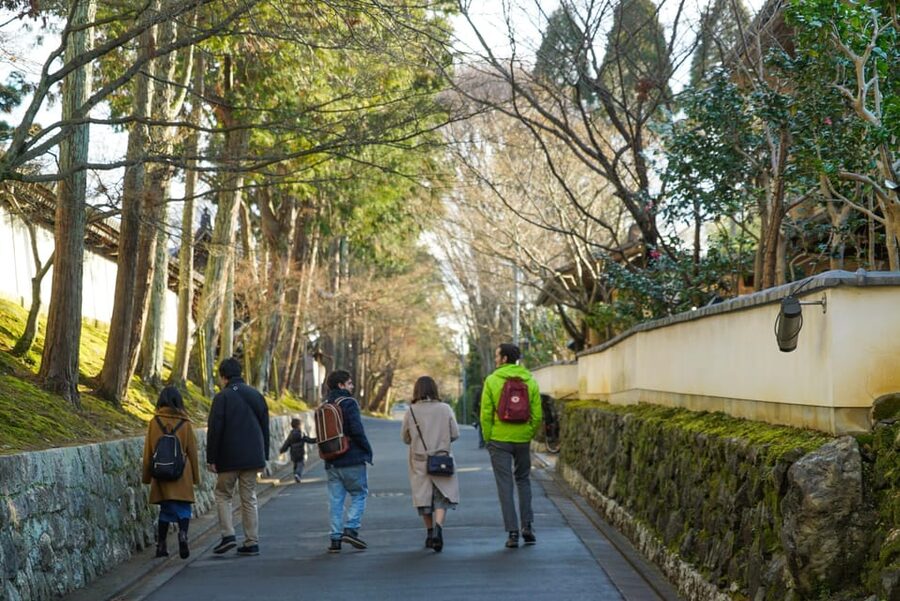
It is also a good choice if you enjoy quieter neighborhoods and smaller temples. You will visit important sites, but the day is not built around Kyoto’s largest crowds or a rapid list of famous attractions.
I would skip it if you need complete control over your diet, cannot sit quietly for an hour, dislike group schedules, or expect private meditation with one monk. The meditation room may be shared with a larger group, and the monk may communicate through your guide rather than in English.
Should you book it?
Book this experience if you want a thoughtful half-day that connects a Zen garden, temple history, meditation, and food. The strongest combination is the garden explanation followed by an hour of zazen and a traditional lunch. That sequence gives you time to look, practice, and then talk about what you experienced.
Before paying, check the start time, plan your route to Exit 2 at Tofukuji Station, and eat enough if your lunch will be at 2:15. Also confirm that fish-based dashi, dairy, and the meal’s gluten content fit your needs.
For curious adults and older teenagers, this is a practical way to meet Zen Buddhism on its own ground. Just keep your expectations realistic: the tour group is small, but the meditation room may not be, and the guide’s explanations are as important as the silent hour itself.
FAQ
Where does the tour meet?
Meet outside Tofukuji Station Exit 2, next to the Family Mart. From Kyoto Station, use the JR line. From Shijo Keihan, use the Keihan line, but do not take an express train.
How long does the experience last?
The tour lasts 270 minutes, or four and a half hours. Starting times vary, so check availability when booking.
Which temples are included?
The tour visits Kōmyō-in Temple, Tofukuji Temple, and Shorin-ji, also called Bishamon-do Temple. The meditation session takes place at Shorin-ji.
How long is the meditation?
The zazen session lasts about one hour. Your guide explains posture, breathing, methods, and basic ideas beforehand.
Is the tour conducted in English?
Yes. The live tour guide speaks English. The monk may not speak English, so your guide can help translate questions after the meditation.
Is lunch strictly vegan?
No. The lunch is Buddhist Shojin Ryori, but it includes dashi made with fish and may include a small amount of dairy. The activity is not suitable for people with gluten intolerance.
Can children join?
Children under 12 cannot join this experience.
What happens if I arrive late?
The group starts on time. If you miss the group, you cannot join the tour, receive a refund, or reschedule. Cancel or change the date at least 24 hours before the start time for the stated refund or change options.
Just added around Kyoto
- Sekka Cotton Furoshiki Class★ 5.0 · 19 reviews
- Kyoto Sword Experience – includes Museum Ticket/Ninja Experience★ 4.5 · 149 reviews
- Scenic Green Tea Fields of Hidden Kyoto & Local Tea Exp (Private)★ 5.0 · 32 reviews
- Secret Eastern Kyoto Biking Adventure★ 5.0 · 44 reviews
- Private Sake Tasting in Central Kyoto with Sake Sommelier★ 5.0 · 32 reviews
- Samurai School in Kyoto: Samurai for a Day★ 5.0 · 202 reviews
- SHIRAKAWA Japanese Culture Experiences with private English staff★ 5.0 · 16 reviews
- A Privately Guided Photoshoot in Beautiful Kyoto by a Pro★ 5.0 · 18 reviews
Temples & Shrines, compared.

Tea Ceremony in a Traditional Tea House in Kiyomizu
Our verdict →

Meiji Shrine, Asakusa, Skytree Bus Tour and Cruise
Our verdict →
Fushimi Inari Hidden Hiking Tour (Private Option Available)
Our verdict →
Osaka/Kyoto:Kinkakuji,Arashiyama,FushimiInariShrine,NaraPark
Our verdict →
Nikko: Kegon Falls, Lake Chuzenji & Toshogu Temple
Our verdict →
Kamakura & Enoshima Day Trip including Temple Tickets
Our verdict →Browse the lists this tour appears in