
Reviewed · TEMPLES & SHRINES
KYOTO: Tempio Kiyomizu Pagode Gion “Geisya” (Guida Italiana)
Kyoto’s famous sights make far more sense when someone explains what you are seeing. This five-hour route takes you from Kiyomizu-dera to Gion, following old pilgrimage streets where temple gates, sweet shops, cafés, souvenir stalls, and traditional districts sit side by side. Guide Omae leads the experience in Italian and helps connect the places to Kyoto’s religious and cultural past.
I like two things right away: transport and admission fees are included, so you do not have to sort out each ticket, and the walk links several major sights in one clear route. I also like that the guide is available for questions and practical assistance, with schedule and route changes considered when possible. The main drawback is the pace: five hours covers a lot, and the historic lanes can be crowded and uneven.
Key points at a glance
- Italian guide Omae: Get explanations of Kyoto’s history, Buddhism, customs, and local details in Italian.
- Kiyomizu-dera first: Begin with Kyoto’s best-known hillside temple and spend about an hour on a guided visit.
- Three historic streets: Walk Sannenzaka and Ninenzaka, old approaches lined with shops, cafés, sweets, and souvenirs.
- Gion and Minami-za: See Kyoto’s traditional entertainment district, then pass the famous Minami-za kabuki theater.
- Pontocho finish: End near one of Kyoto’s classic dining lanes, a useful place to continue your evening.
- Five-hour value: The $117 price includes local transport and scheduled monument entry, not just guiding.
Starting at Kyoto Station with an Italian-speaking guide
The meeting point is outside Kyoto Station at the central north entrance, also called the Karasuma-Guchi side. Look for the open space between the four escalators in front of the taxi terminal, not the bus terminal. Kyoto Tower should be visible toward the upper left from this position.
That detail matters. Kyoto Station is large, and the wrong exit can cost you precious time. You receive a confirmation message by the day before with the meeting details, but I would still arrive early enough to orient yourself. Guide Omae has been praised for being friendly, quick to answer questions, and precise in his explanations. That combination suits a first morning or early afternoon in Kyoto, when you may still be sorting out temple customs and local transport.
The tour can be private or arranged as a group experience. The supplied information does not promise a fixed group size, so ask before booking if that point matters to you. The guide speaks Italian, and the experience is designed for Italian-speaking visitors who want more than a quick photo stop.
More Temple & Shrine Tours in Kyoto
- Kyoto: Fushimi Inari, Kinkakuji, Bamboo Grove 1 Day Bus Tour
★ 4.8 · 4,316 reviews - Kyoto: Tea Ceremony in a Traditional Tea House in Kiyomizu
★ 4.9 · 3,519 reviews - Kyoto: Tea Ceremony Ju-An at Jotokuji Temple
★ 4.9 · 3,207 reviews
The 15-minute ride to Kiyomizu-dera
From Kyoto Station, the group takes public transport for about 15 minutes toward Kiyomizu-dera. The transport cost is included, which makes the $117 price easier to assess. You are paying for the guide, the planned route, entry to the scheduled monuments, and the convenience of moving between districts without handling each fare yourself.
The ride also gives the tour a useful shape. Rather than spending the opening hour inside the station area, you move quickly toward Kyoto’s historic eastern hills. Once you arrive, the walking portion begins in earnest.
The route is described as following ancient pilgrimage approaches to Kiyomizu-dera. That is an important distinction. You are not simply being driven to a temple entrance, but walking through the streets that developed around religious visits over many centuries. Shops and cafés now serve modern sightseeing, yet the route still works as a cultural approach to the temple.
One hour at Kiyomizu-dera
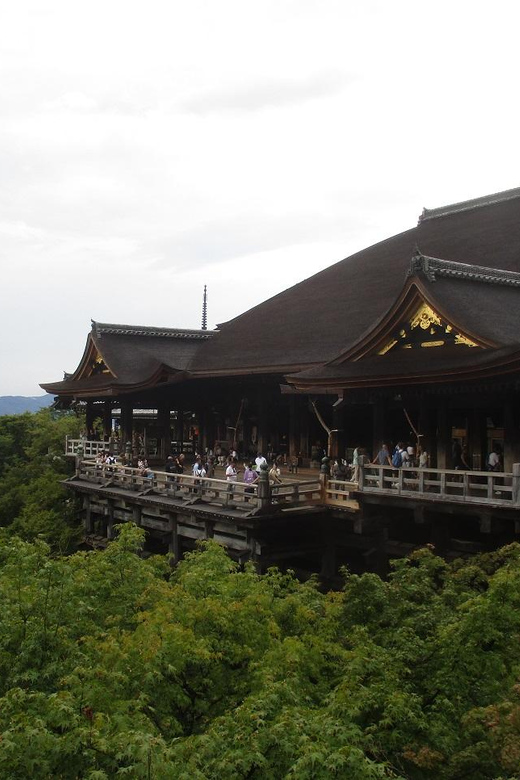
Kiyomizu-dera is the main anchor of the experience. The temple area developed from the eighth century onward and remains one of Kyoto’s essential Buddhist sites. You spend about an hour here with a guided visit and sightseeing.
An Italian explanation is especially useful at a place like this. A temple complex can look beautiful while its religious meaning remains unclear. Omae can answer your questions about the customs, symbols, and historical details that make the visit more than a walk through attractive buildings. The supplied comments repeatedly praise his preparation, attention to small details, and ability to explain Japanese culture clearly in Italian.
You should expect a visually busy stop. Kiyomizu-dera is among Kyoto’s most popular sights, and the approach streets can be crowded. The tour gives you structure, but it cannot remove the crowds or turn the temple into a quiet private visit. If you prefer to linger over every view or photograph, you may find the one-hour visit a little tight.
That time limit can also be a benefit. Kiyomizu-dera is large enough to swallow an entire morning, especially if you stop at every shop and viewpoint. A guide keeps the visit moving and makes sure you still reach Sannenzaka, Ninenzaka, and Gion.
Sannenzaka and Ninenzaka, Kyoto’s old approach streets
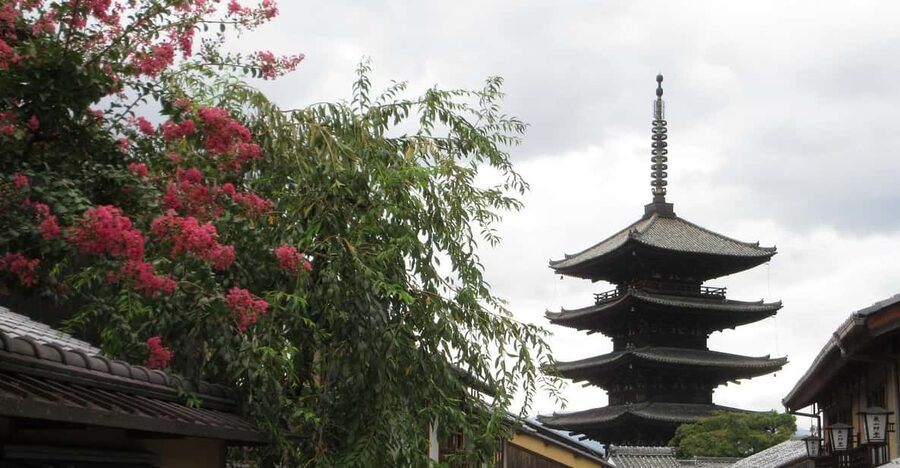
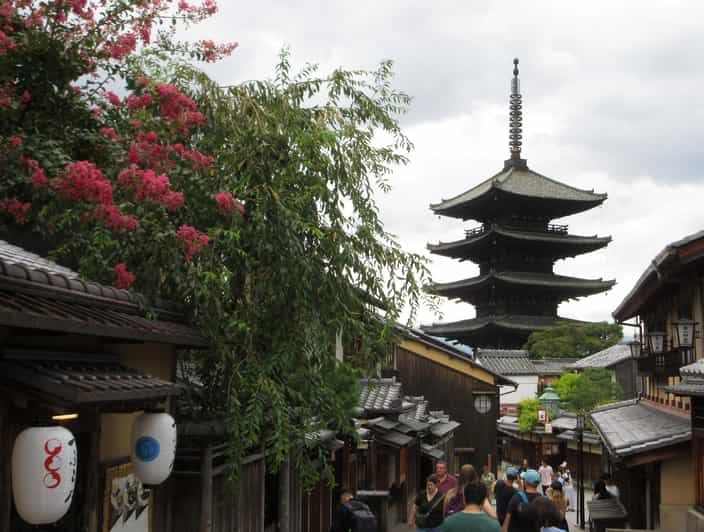
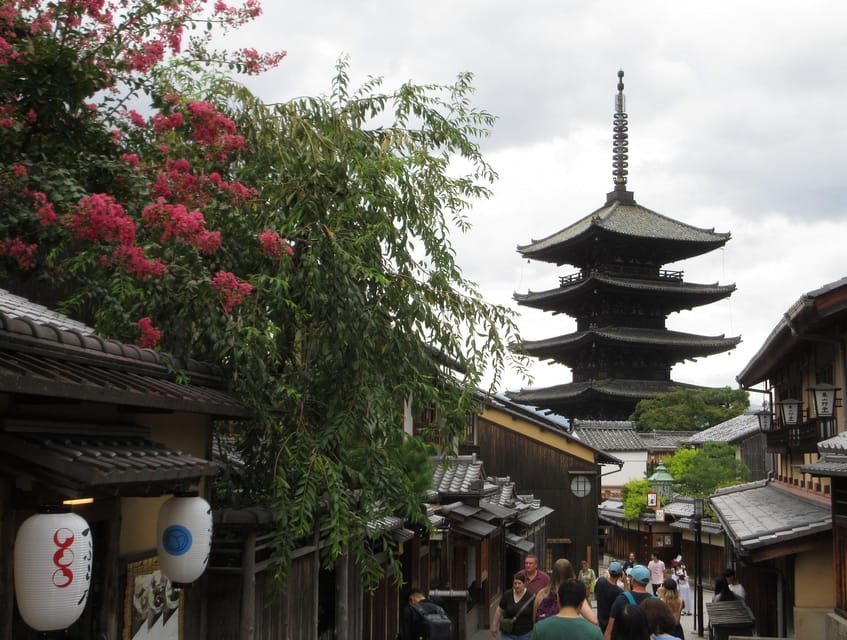
After Kiyomizu-dera, the tour continues on foot to Sannenzaka, then Ninenzaka. The individual walking sections are short, but the experience is not about covering distance. These streets are part of the old route toward the temple, now filled with sweet shops, cafés, souvenir stores, and places selling goods aimed at visitors of all ages.
Sannenzaka and Ninenzaka are easy to enjoy on your own, but a guide adds context. You can ask why these streets developed as they did, how pilgrimage shaped the neighborhood, and how religious travel became tied to food, shopping, and entertainment. Those connections help explain Kyoto better than a string of isolated temple visits.
The streets are also where the tour feels most like a walking excursion rather than a formal temple tour. You have time to notice shop fronts, traditional-looking buildings, snack displays, and the steady flow of people heading uphill and downhill. The route is short on paper, but you should wear comfortable shoes. The exact surfaces and street conditions are not detailed, so anyone with mobility concerns should discuss requirements in advance, even though the experience is listed as wheelchair accessible.
The flexibility policy is useful here. It does not promise unlimited changes, but itinerary and timing adjustments can be considered on request when possible. If you want time for a particular stop, tell the guide early rather than assuming the route can change at the last minute.
Same trip, a completely different kind of day:
- PERFECT KYOTO 1-Day Bus Tour
★ 5.0 · 13,518 reviews - Kyoto Geisha Walking Tour: Gion District & Hidden Gems
★ 4.7 · 3,273 reviews - Kyoto: Gion Magical Night Walking Tour with Geisha Trivia
★ 4.9 · 2,393 reviews - Kyoto: 45-Minute Tea Ceremony Lesson Experience
★ 4.3 · 2,378 reviews
Gion in a focused 30-minute visit
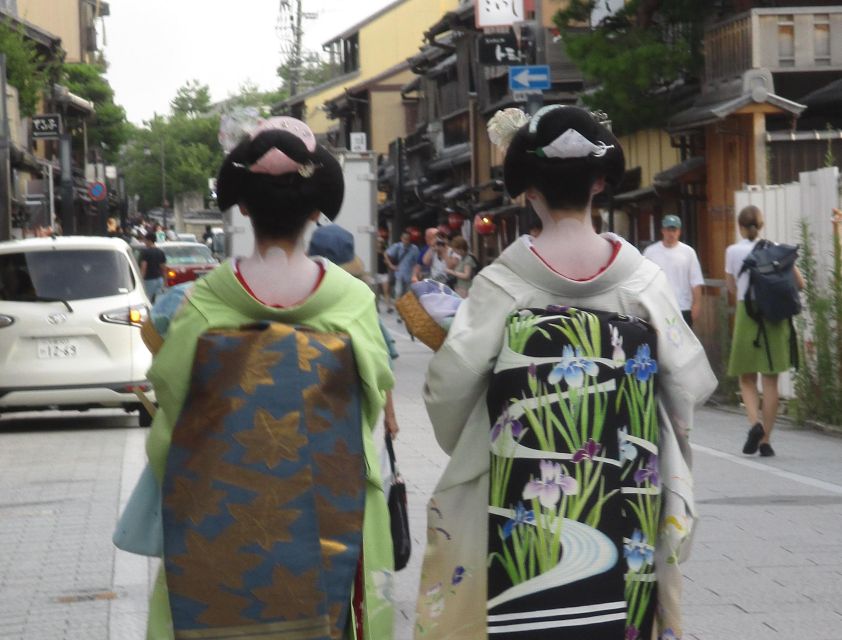
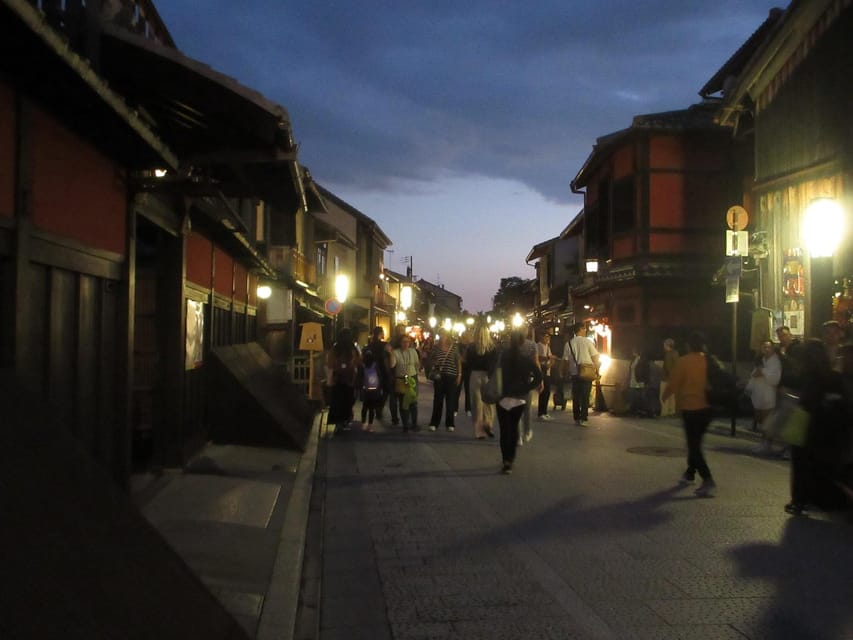
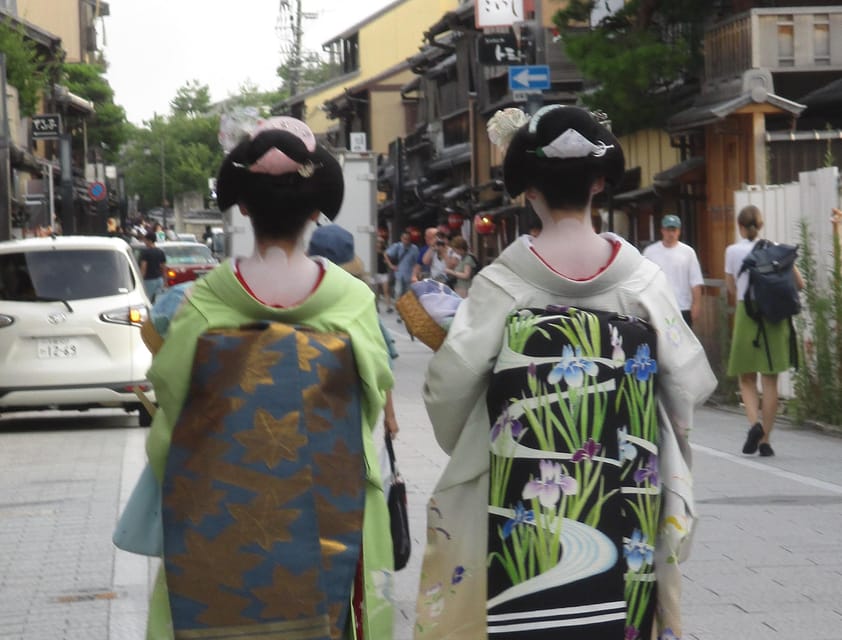
From Ninenzaka, the walk toward Gion takes about 15 minutes. Gion is one of Kyoto’s best-known traditional districts, associated with geisha culture, tea houses, and classic streetscapes. The guided sightseeing portion lasts about 30 minutes.
That is enough for orientation, basic history, and questions, but not enough for an exhaustive exploration of every lane. I see this as a strength if you want a broad introduction to Kyoto in one afternoon. It becomes a limitation if Gion is your main reason for booking and you want long photo stops or detailed neighborhood exploration.
Your guide can help you approach the district respectfully. Gion is not a stage set, and its appeal comes from the balance between working cultural spaces and public streets. The experience promises cultural and historical explanation, not a guaranteed geisha sighting or a private entertainment encounter. Keep that expectation clear.
The Italian language is valuable here because terms connected to Japanese arts, religion, etiquette, and social customs can lose meaning in a rushed translation. You can ask direct questions and receive explanations suited to your own interests. The available feedback gives particular weight to Omae’s friendly manner, accurate answers, and strong command of Italian.
Passing Minami-za before Pontocho
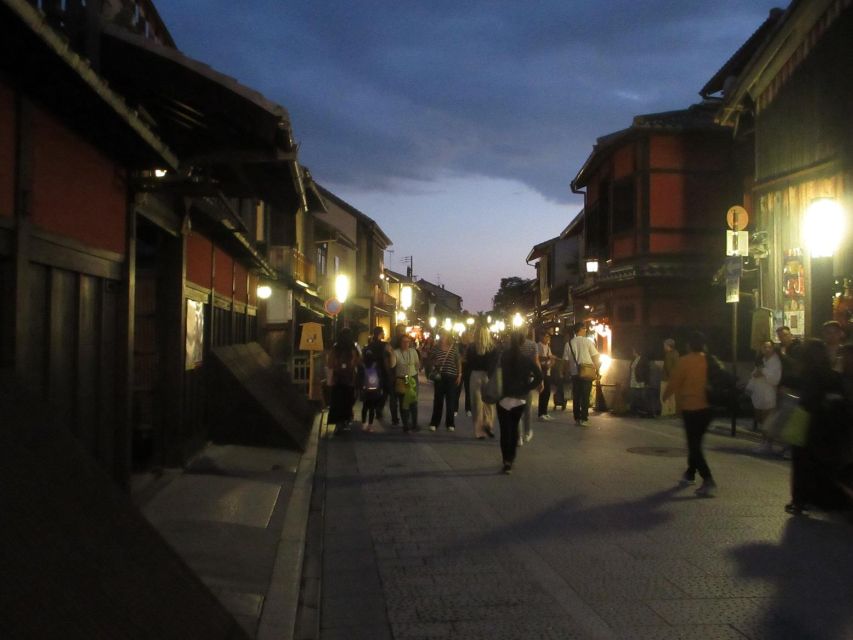
After Gion, the route passes Kyoto Minami-za, the city’s well-known kabuki theater. The stop is listed as a pass-by rather than a formal interior visit, with about three minutes allocated to it. That means you should treat it as an exterior landmark and a short cultural reference point, not as a theater tour.
Even a brief look helps place Gion within Kyoto’s wider entertainment tradition. The route then continues on foot for roughly three minutes to Pontocho, where the tour ends.
Pontocho is a practical finish. You can stop for dinner or continue exploring the central Kyoto area, though the activity does not include a meal or a restaurant reservation. Ending here also keeps the route logical: you move from temple pilgrimage streets to traditional entertainment districts and finish near a famous dining quarter.
Is $117 a fair price?
At $117 per person, this is not the cheapest way to walk through eastern Kyoto. You can reach Kiyomizu-dera independently and stroll through Gion without paying for a guide. The value comes from having an Italian-speaking expert explain the places, handling the scheduled transport, and including entry fees to the monuments on the route.
The price makes more sense if you are visiting Kyoto for the first time, do not speak Japanese, or want cultural explanations in Italian rather than relying on signs and short translations. It also helps if you prefer a planned half-day that covers several major areas without constantly checking maps and fares.
The value is less clear for independent visitors who already know Kyoto, enjoy researching temples beforehand, or want to set their own pace. You will have less freedom to linger at one shop, temple view, or Gion street because the route has several scheduled sections.
The strongest part of the price is the guide’s role. The comments about Omae are consistent: he is personable, attentive, prepared, and able to answer questions. That matters because the tour’s appeal is not just transportation between famous names. It is the explanation between those stops.
Who will get the most from this tour?
I would choose this experience for:
- Italian-speaking first-time visitors to Kyoto
- Couples or families who want a clear half-day plan
- Visitors who prefer cultural explanation to self-guided sightseeing
- People who want Kiyomizu-dera, the old approach streets, Gion, and Pontocho in one outing
- Anyone who wants help with transport and general assistance during the route
It may not suit you if you want a quiet temple visit, extensive free time, or a tour focused only on geisha culture. It is also worth checking the walking requirements if you have mobility limits. The activity is marked wheelchair accessible, but several sections take place on foot through historic streets, and the supplied details do not explain the exact accessibility arrangements for every part of the route.
The guide’s personality is part of the experience. Omae is described as sociable, prepared, and attentive to questions. That sounds useful for people who enjoy conversation and want to ask about Japanese customs along the way. If you prefer to explore silently with a map, a paid guide may feel unnecessary.
Practical details before you book
The tour lasts five hours, with starting times depending on availability. Since the route includes temple grounds, shopping streets, Gion, and a final walk to Pontocho, plan to remain on your feet for much of the experience.
The meeting point deserves special care. It is outside the central north entrance of Kyoto Station, between the four escalators and in front of the taxi terminal. It is not at the bus terminal. Kyoto Tower appears in the upper left from the meeting space, which helps confirm that you are facing the correct direction.
Transport and scheduled entrance fees are included. Food, drinks, and shopping are not specified as included, so budget separately for snacks or souvenirs along Sannenzaka and Ninenzaka.
You can cancel up to 24 hours before the start for a full refund, and the reserve-now, pay-later option lets you hold a place without paying immediately. The tour is offered in Italian, and flexible times or route changes may be possible when requested in advance.
My booking advice
Book this tour if you want Kyoto explained in Italian and prefer a well-shaped route over planning every detail yourself. The mix is strong: Kiyomizu-dera supplies the major religious site, Sannenzaka and Ninenzaka provide the street life, Gion adds traditional culture, and Pontocho gives you a useful finish for the evening.
I would be more cautious if your priority is solitude or a slow photographic study of one neighborhood. Five hours is a good introduction, not a complete exploration. For most Italian-speaking visitors who want context, assistance, and several iconic Kyoto districts in one outing, the included transport and entry fees make the $117 price reasonable.
FAQ
What language is the tour conducted in?
The tour is conducted in Italian with a live Italian-speaking guide.
Who is the guide?
The guide identified in the available tour information is Omae. The experience presents him as a Kyoto guide who explains history, culture, and religious details in Italian.
How long does the tour last?
The tour lasts five hours.
Where does the tour begin?
It begins at Kyoto Station near the central north entrance, also called Karasuma-Guchi. Meet in the space between the four escalators in front of the taxi terminal, not the bus terminal.
How can I identify the meeting area?
From the meeting space, Kyoto Tower should be visible toward the upper left. A confirmation message is sent by the day before with meeting-point details.
Is transportation included?
Yes. The scheduled transport, including the bus or coach ride from Kyoto Station, is included in the price.
Are entrance tickets included?
Yes. Entrance fees for the monuments scheduled during the itinerary are included.
Which places are visited?
The route includes Kiyomizu-dera, Sannenzaka, Ninenzaka, and Gion. It passes by Kyoto Minami-za and finishes at Pontocho.
Can I cancel the booking?
Yes. You can cancel up to 24 hours before the tour for a full refund. You can also reserve now and pay later, subject to the booking terms.
Just added around Kyoto
- Sekka Cotton Furoshiki Class★ 5.0 · 19 reviews
- Secret Eastern Kyoto Biking Adventure★ 5.0 · 44 reviews
- Kyoto Sword Experience – includes Museum Ticket/Ninja Experience★ 4.5 · 149 reviews
- Scenic Green Tea Fields of Hidden Kyoto & Local Tea Exp (Private)★ 5.0 · 32 reviews
- Private Sake Tasting in Central Kyoto with Sake Sommelier★ 5.0 · 32 reviews
- Samurai School in Kyoto: Samurai for a Day★ 5.0 · 202 reviews
- SHIRAKAWA Japanese Culture Experiences with private English staff★ 5.0 · 16 reviews
- A Privately Guided Photoshoot in Beautiful Kyoto by a Pro★ 5.0 · 18 reviews
Temples & Shrines, compared.

Tea Ceremony in a Traditional Tea House in Kiyomizu
Our verdict →
Meiji Shrine, Asakusa, Skytree Bus Tour and Cruise
Our verdict →
Fushimi Inari Hidden Hiking Tour (Private Option Available)
Our verdict →
Osaka/Kyoto:Kinkakuji,Arashiyama,FushimiInariShrine,NaraPark
Our verdict →
Nikko: Kegon Falls, Lake Chuzenji & Toshogu Temple
Our verdict →
Kamakura & Enoshima Day Trip including Temple Tickets
Our verdict →Browse the lists this tour appears in