
Reviewed · COOKING CLASSES
Kyoto: Japanese Washoku Bento Small Group Cooking Class
Kyoto’s best food lesson may be the one you can eat for lunch: this small-group bento class has you prepare four separate Japanese dishes, then arrange and eat them together. You learn more than a recipe. You see how dashi, careful knife work, light frying, and color balance shape everyday washoku cooking.
I especially like the five-person limit, which gives the chef time to correct your technique, and the fact that you cook a full meal rather than one decorative snack. The main consideration is timing: arrive more than 15 minutes late and the booking is canceled, with no same-day refund or schedule change.
Key points at a glance
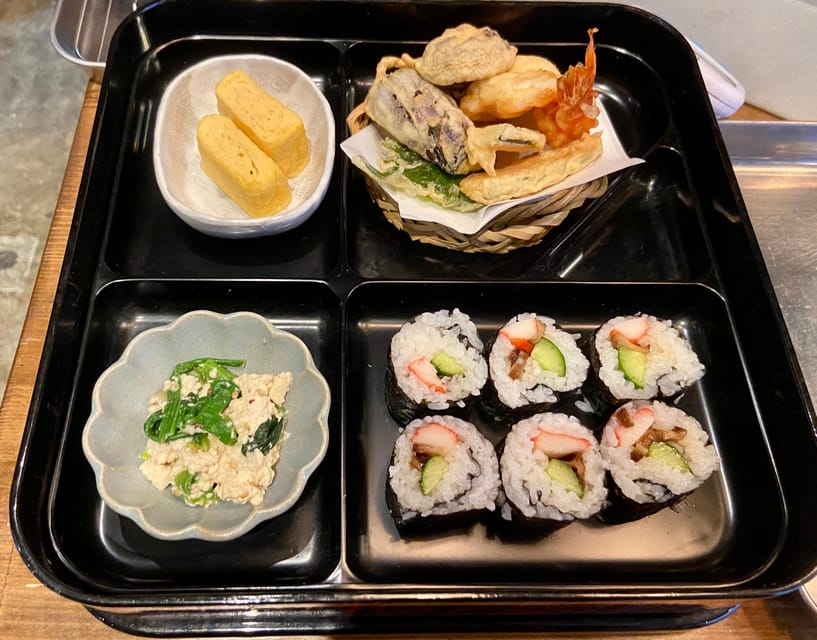
- Four classic dishes: Prepare sushi rolls, tempura, tofu salad, and Japanese rolled omelet.
- Practical washoku skills: Learn dashi stock, knife handling, frying, and the Japanese approach to balance.
- Smallest possible group: The class is limited to five participants, so you get hands-on guidance.
- Friendly English instruction: Chefs such as Ai, Rie, and Miyu explain both the cooking and the food customs behind it.
- A filling final meal: You eat the bento you made, with enough food to make arriving hungry sensible.
- Convenient Saiin location: Meet at Kyoto Laundry Cafe, about five minutes from Saiin Station on the Hankyu Railway.
What this Kyoto bento class is really about
A bento is not simply a lunchbox packed with random food. Its separate compartments hold different flavors, colors, textures, and cooking methods. That makes this class a useful introduction to washoku, the Japanese approach to food built around freshness, seasonality, and balance.
You work on several dishes at once, as you would in a home kitchen preparing a proper meal. One item may need frying, another rolling, another seasoning with stock. That variety keeps the 150 minutes active and gives you skills that are easier to remember than a lecture about Japanese cuisine.
I also like that the food is familiar enough to enjoy but varied enough to teach something new. Sushi rolls are approachable, while tempura and dashimaki tamago, the softly rolled Japanese omelet, demand more attention. Tofu salad adds a cool, gentle contrast to the fried and savory dishes.
The class is not presented as a formal restaurant meal. You prepare the food yourself, make mistakes under a chef’s guidance, and sit down with the group afterward. If you want a polished chef demonstration with little participation, this is not the right format. If you want to understand how the dishes are made, it is a much better use of your time.
More Cooking Classes in Kyoto
- Ramen Cooking Class at Ramen Factory in Kyoto
★ 5.0 · 1,937 reviews - Kyoto: Ramen Cooking Class at a Ramen Factory with Souvenir
★ 4.9 · 532 reviews - Kyoto: Ramen, Gyoza, and Onigiri Cooking Class
★ 5.0 · 445 reviews
Meeting the chef near Saiin Station
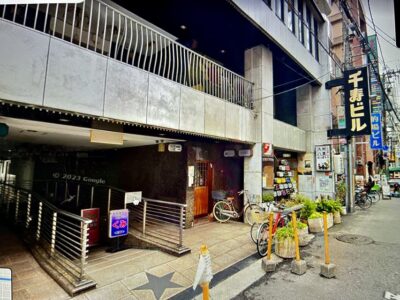
Your meeting point is Kyoto Laundry Cafe, near Saiin Station on the Hankyu Railway. The cafe is about a five-minute walk from the station, but the cafe itself is only the meeting place. On the day of the class, the chef comes to collect you there and leads you to the cooking location.
This arrangement makes punctuality important. I would arrive early, use Google Maps rather than Instagram’s map function, and allow a few extra minutes to find the cafe. The stated cutoff is strict: arriving more than 15 minutes after the scheduled meeting time results in automatic cancellation, and late arrival does not qualify for a refund or a schedule change.
That rule may feel severe, but it matters in a small cooking class. The chef has ingredients, equipment, and a timed meal ready for the group. One late arrival can disrupt every dish. Treat the meeting time as a firm appointment rather than a loose suggestion.
A 150-minute lesson with plenty to do
The class lasts two and a half hours. That is long enough to learn several methods without turning the experience into a full-day cooking course.
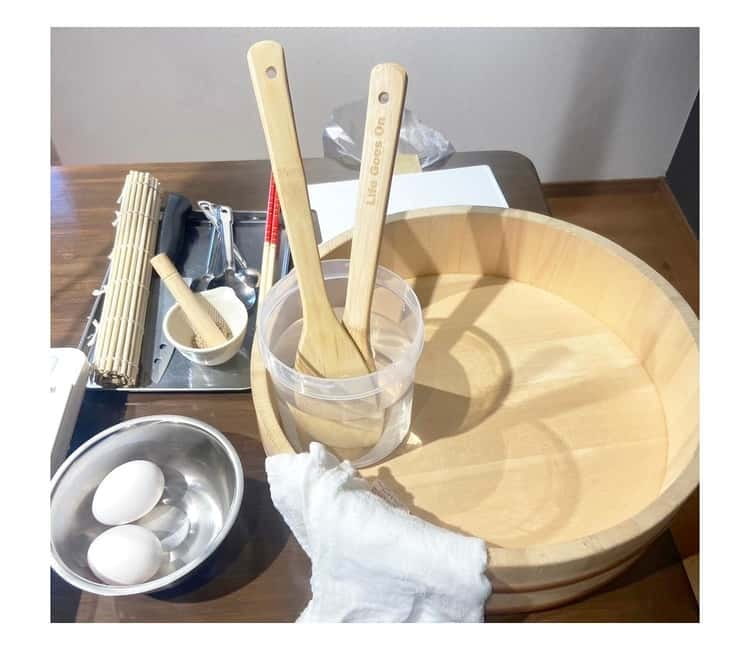
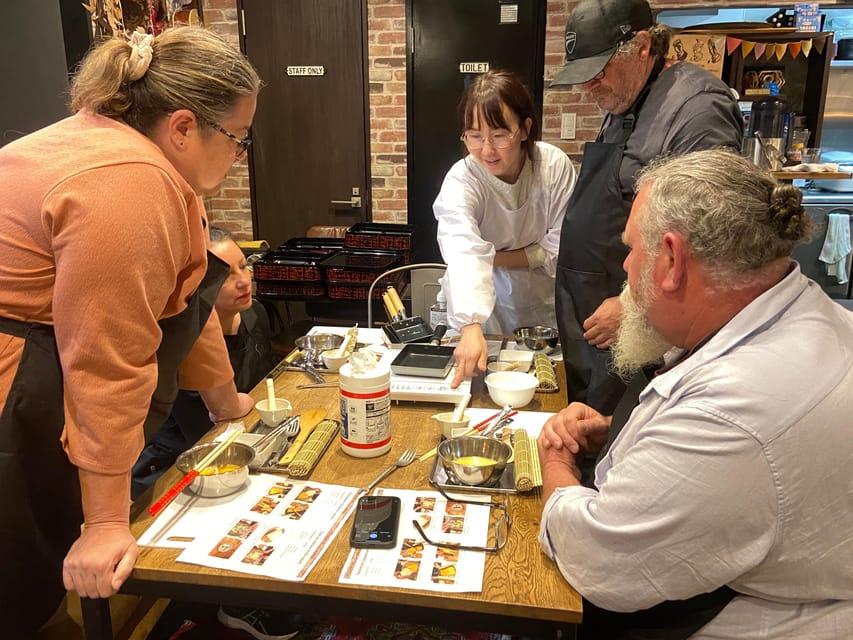
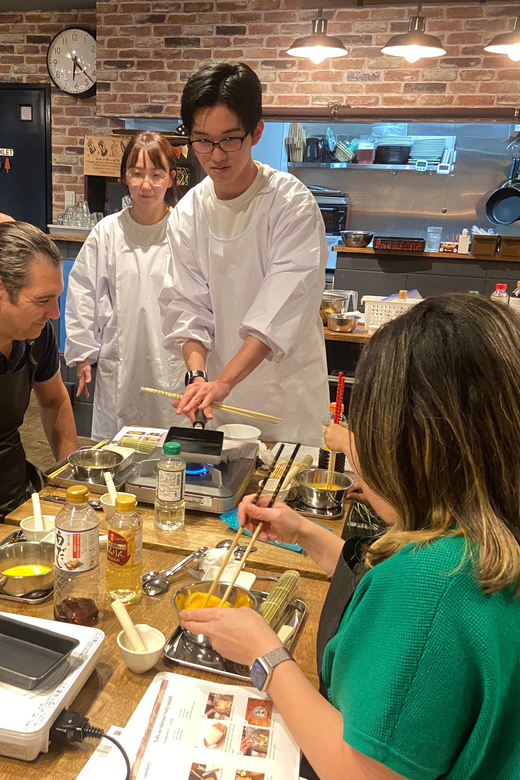
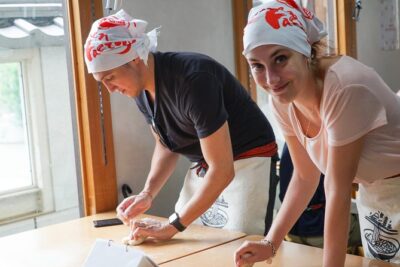
You receive an apron and use the provided equipment and ingredients. The chef explains the dishes and demonstrates the key steps before you work on them. The small group size, capped at five, should make it possible to ask questions and get help with hands-on jobs such as cutting, rolling, mixing, and frying.
The class is taught in English or Japanese. Ai, Rie, and Miyu are among the chefs associated with the experience. The teaching style can vary by instructor, but the central pattern is the same: explanation, demonstration, cooking, then a shared meal. Several people have found Ai’s explanations of bento history and Japanese food culture especially useful, while Rie is known for careful instruction and encouragement. Miyu has also led classes that combine cooking with cultural background.
The class seems well suited to beginners. You do not need to arrive with Japanese cooking experience, and the chefs explain the purpose of the ingredients as they go. Still, you should expect to participate rather than simply watch. Comfortable shoes and clothes that let you move easily are sensible, although aprons are supplied.
Making dashi, the quiet foundation of the meal
One of the most valuable parts of the class is learning how to make dashi. This Japanese stock often provides the savory base for dishes without needing a heavy sauce. The lesson shows how a few carefully chosen ingredients can give food depth while keeping the final flavors clean.
Dashi may sound less exciting than tempura, but it is the skill most likely to change how you cook at home. It appears in many Japanese dishes, and the class explains both the method and its place in washoku cooking. You also get a chance to taste how stock affects the finished food rather than treating it as an abstract technique.
The guides explain the ingredients and the role each dish plays in the bento. That context helps you understand why the meal is arranged as it is. You are not just copying a bowl of food. You are learning how Japanese home cooking uses contrast: crisp beside soft, savory beside fresh, and warm dishes alongside cooler ones.
Same trip, a completely different kind of day:
- PERFECT KYOTO 1-Day Bus Tour
★ 5.0 · 13,518 reviews - Kyoto: Fushimi Inari, Kinkakuji, Bamboo Grove 1 Day Bus Tour
★ 4.8 · 4,316 reviews - Kyoto: Tea Ceremony in a Traditional Tea House in Kiyomizu
★ 4.9 · 3,519 reviews - Kyoto Geisha Walking Tour: Gion District & Hidden Gems
★ 4.7 · 3,273 reviews
Knife work and the Japanese approach to preparation
Knife skills are another central part of the lesson. The emphasis is not on speed or flashy chopping. It is on controlled cuts, safe handling, and preparing ingredients so they cook evenly and look neat in the finished bento.
That approach matters because presentation is part of the meal. A bento is designed to look inviting before you take the first bite. Even simple ingredients seem more considered when they are cut consistently and placed with care.
The instructor demonstrates the technique and then lets you try. This is where the small class earns its keep. With no more than five people, a chef can watch your grip and guide you through a task instead of leaving you to guess. If you are already comfortable with a kitchen knife, you may find the lesson basic, but the Japanese focus on precision still adds useful detail.
Tempura, sushi rolls, tofu salad, and rolled omelet
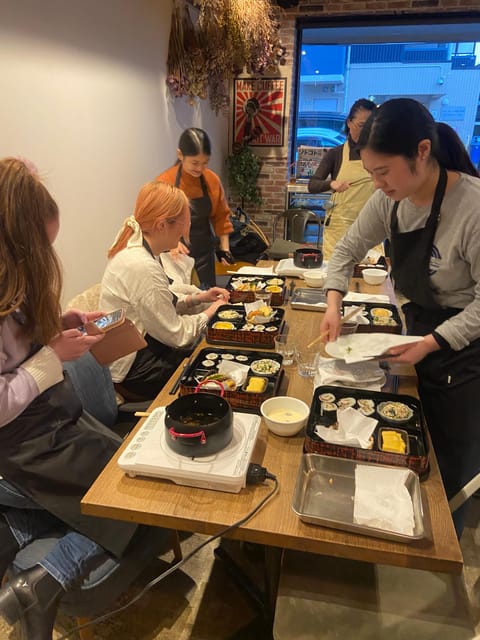
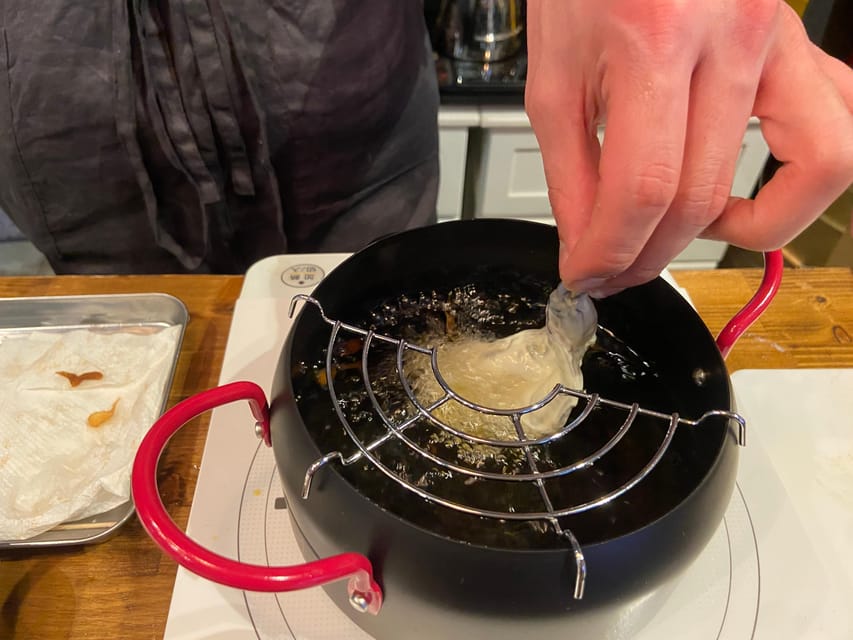
The four dishes give the class its variety. You prepare sushi rolls, fry tempura, make a tofu salad, and cook a Japanese rolled omelet. Each one uses a different technique, so the meal never feels like four versions of the same activity.
Tempura is the most hands-on cooking challenge. The aim is a light coating and a crisp result, not a thick layer of batter. The chef shows you how to handle the ingredients and fry them properly. This is useful because tempura is easy to eat in Japan and harder to reproduce well at home without guidance.
The sushi rolls offer a different lesson in neat assembly. Rolling requires a steady hand and enough pressure to keep the filling in place without crushing the rice. Your finished roll may not look exactly like a restaurant version, but that is part of the fun and part of the learning.
The tofu salad brings a softer texture and a milder flavor to the bento. It also shows how Japanese cooking can make a simple ingredient feel complete through seasoning and balance.
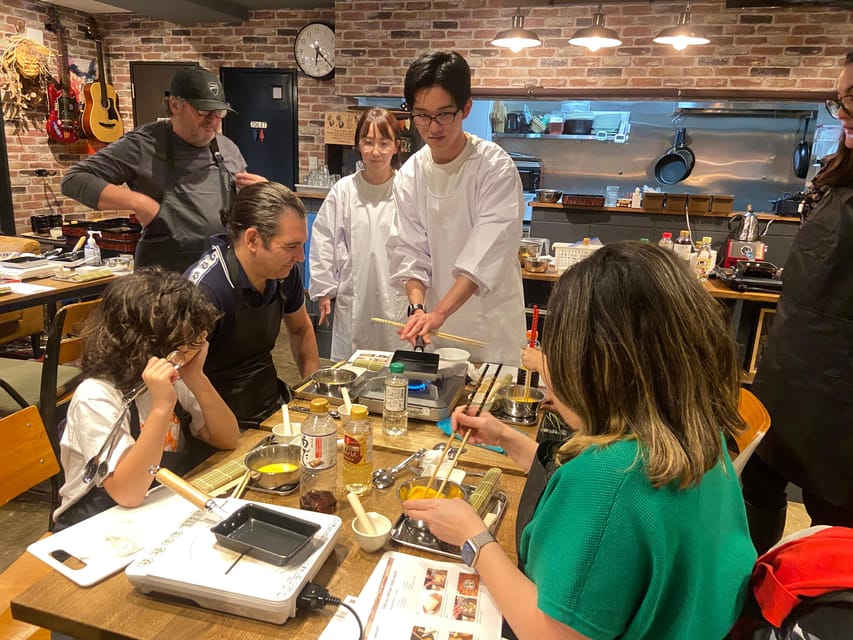
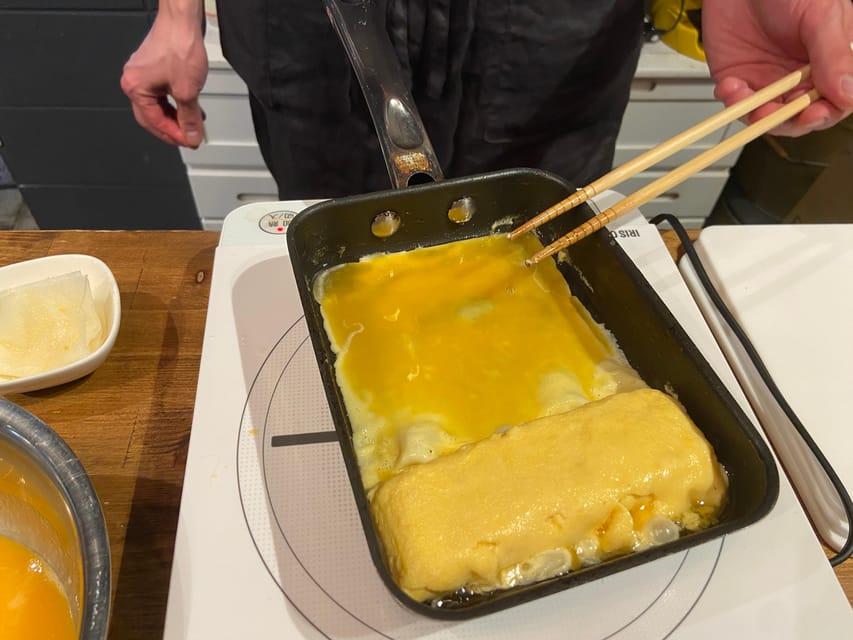
The rolled omelet, often called dashimaki tamago, may be the most revealing dish of the four. You work with a thin layer of egg, rolling it carefully as it cooks. The result depends on timing and patience, and the dashi gives the omelet its characteristic savory taste.
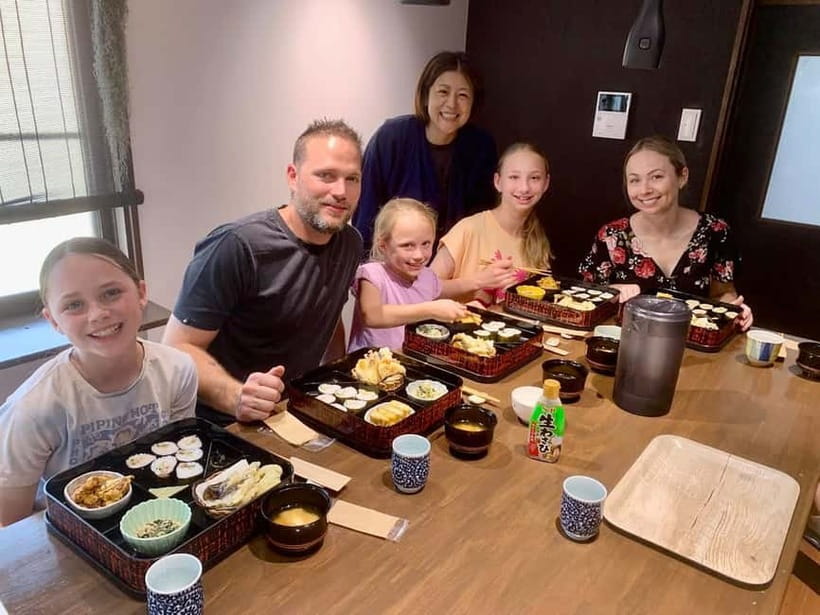
Together, the dishes create a proper meal rather than a tasting plate. You should arrive hungry. The amount of food is generous, and the final bento can be surprisingly filling.
Eating the bento you made
Once the cooking is finished, you arrange your food as a bento and eat with the other participants. This shared meal is a relaxed end to a busy class. It also gives you a chance to compare the different elements and notice how they work together.
I like this ending because it connects the technique to the result. You can taste the crispness of your tempura, the seasoning in the tofu, the texture of the sushi roll, and the softness of the omelet while the instructions are still fresh in your mind.
The meal also creates room for conversation. You are cooking beside people from different places, and the group size is small enough for the class to feel personal. Several families and couples have used the experience as a shared activity, while solo participants can expect a setting with direct contact with the chef rather than a large tour group.
Recipes may be sent after the class. That is especially helpful for dashi and dashimaki tamago, two dishes that you may want to try again at home. The class cannot guarantee that your first homemade bento will look as tidy as the chef’s, but you leave with a clear method instead of a vague memory.
How the $58 price measures up
At $58 per person, this is not the cheapest meal you will eat in Kyoto. It is also more than the cost of buying a prepared bento from a shop. The value comes from combining food, instruction, equipment, ingredients, and cultural context in one 150-minute session.
You receive four dishes, a substantial meal, an apron, and a lesson from a local chef. The small group is important here. A cheaper class with a large group might give you less time using the equipment and less personal help with rolling, cutting, and frying.
I would consider it good value if you enjoy Japanese food and want skills you can repeat at home. It is less compelling if your main goal is simply to eat bento, since Kyoto offers many easier ways to do that. The class earns its price through participation and instruction, not luxury surroundings.
The high overall rating, 5 out of 5 from 380 reviews, also points to a consistent experience. More useful than the number itself is the pattern behind it: praise centers on the chefs’ patience, the amount of food, the clear explanations, and the relaxed small-group setting.
Who should book, and who should think twice
This class suits first-time visitors who want a friendly introduction to Japanese food culture. It also works well for couples, families with older children, and anyone who enjoys learning by doing. A family of four can have a comfortable private-feeling session if no other participants fill the remaining places.
Children younger than the listed age limits should not be booked without checking first. The information gives restrictions for children under 2, under 3, and under 4, as well as babies under 1, so the safest reading is that very young children are not accepted. Wheelchair users and people with diabetes are also listed as unsuitable for this activity.
If you have a food allergy, ask before booking and tell the chef in advance. A shrimp substitution was made for one participant, but substitutions should not be assumed for every dietary need.
The class is a good choice for a rainy Kyoto day, a break from temple visits, or the first day of a trip when you want to learn what you are eating during the rest of your stay. It is less suitable if you need a fully accessible venue, dislike shared activities, or cannot commit to arriving at the meeting point on time.
Practical details before you reserve
The class costs $58 per person and lasts 150 minutes. Ingredients, the instructor, four dishes, aprons, and other equipment are included.
You can reserve now and pay later, which helps if your Kyoto schedule is still changing. Cancellation is free up to 24 hours in advance for a full refund. That flexibility does not extend to late arrival on the day itself.
The class is available in English and Japanese. Since the chef meets you at Kyoto Laundry Cafe, confirm the location carefully and use Google Maps. The meeting point is near Saiin Station, not necessarily the final cooking room.
I would avoid scheduling a major timed attraction immediately afterward. Cooking, eating, and walking back to the station can take longer than expected, especially when the group is chatting at the end.
Should you book this Kyoto bento class?
Book it if you want to do more than sample Japanese food. You will learn four dishes, practice useful kitchen techniques, eat a full meal, and gain a clearer sense of how washoku balances flavor, color, and texture.
The strongest reasons to choose it are the five-person limit, the practical dashi and knife lessons, and the chance to cook alongside chefs such as Ai, Rie, or Miyu. The main drawbacks are the firm late-arrival rule, limited suitability for some participants, and the fact that it is a hands-on class rather than a passive food tour.
For $58, I see this as a fair Kyoto activity for food-minded visitors, especially if you plan to cook Japanese dishes after returning home. Arrive early, come hungry, and book it when you want a useful memory rather than just another meal.
FAQ
Where does the Kyoto bento cooking class meet?
The meeting point is Kyoto Laundry Cafe, located about five minutes from Saiin Station on the Hankyu Railway. The chef comes to pick you up there on the day of the class.
How long does the cooking class last?
The class lasts 150 minutes, or two and a half hours.
What dishes will I make?
You prepare sushi rolls, tempura, tofu salad, and a Japanese rolled omelet. The class also teaches how to make dashi stock.
Is the class taught in English?
Yes. Instruction is available in English and Japanese. Chefs including Ai, Rie, and Miyu lead sessions.
How many people can join the class?
The class is limited to five participants, making it a small-group experience.
What is included in the price?
The price includes the instructor, cooking class, ingredients, four dishes, aprons, and other equipment.
What happens if I arrive late?
If you arrive more than 15 minutes after the scheduled meeting time, the reservation is automatically canceled. Same-day refunds and schedule changes are not available for late arrivals.
Just added around Kyoto
- Sekka Cotton Furoshiki Class★ 5.0 · 19 reviews
- Kyoto Sword Experience – includes Museum Ticket/Ninja Experience★ 4.5 · 149 reviews
- Scenic Green Tea Fields of Hidden Kyoto & Local Tea Exp (Private)★ 5.0 · 32 reviews
- Secret Eastern Kyoto Biking Adventure★ 5.0 · 44 reviews
- Private Sake Tasting in Central Kyoto with Sake Sommelier★ 5.0 · 32 reviews
- Samurai School in Kyoto: Samurai for a Day★ 5.0 · 202 reviews
- SHIRAKAWA Japanese Culture Experiences with private English staff★ 5.0 · 16 reviews
- A Privately Guided Photoshoot in Beautiful Kyoto by a Pro★ 5.0 · 18 reviews
Cooking Classes, compared.
Browse the lists this tour appears in