
Reviewed · TEMPLES & SHRINES
Kyoto: Kinkakuji, Golden Pavilion Guided Tour
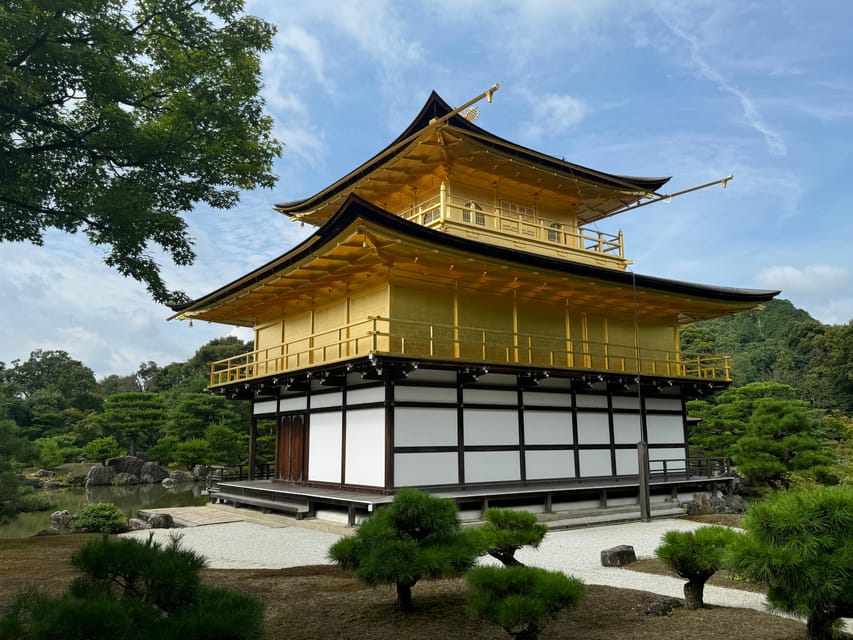
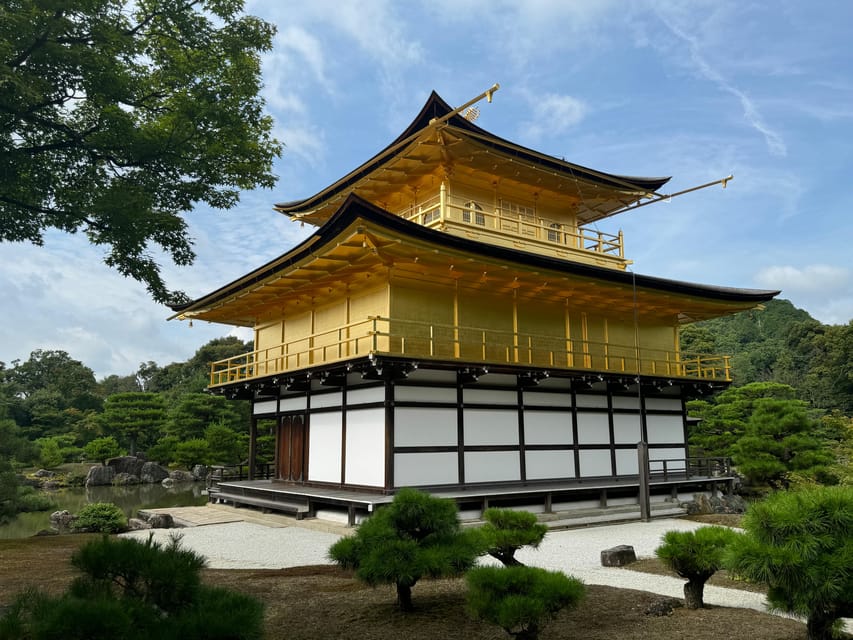
Kinkakuji is Kyoto’s great visual knockout: a gold-covered temple reflected in a quiet pond, framed by carefully kept gardens. The top two floors shimmer in the light, and you can see the best views in about 90 minutes without giving up half your day.
I like the guide-led format for two reasons. First, guides such as Teppei, Juraj, Hikari, and Tomoko add useful context about Buddhism, Shinto, architecture, and temple upkeep. Second, the small-group or private option can make a crowded place feel more personal. The main drawback is simple: Kinkakuji gets crowded, especially around midday, and the $64 price is harder to justify if you only want a quick photo.
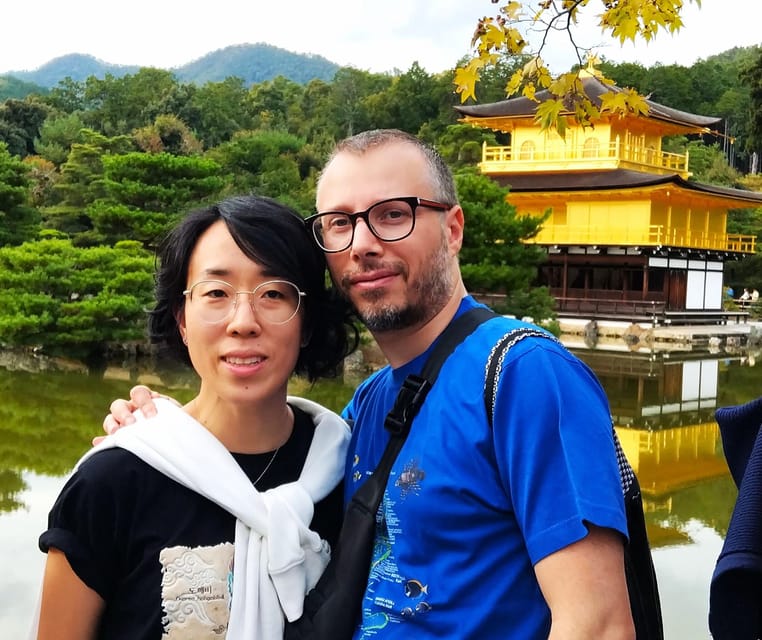
- The Golden Pavilion is viewed across a pond, giving you the classic reflection photo.
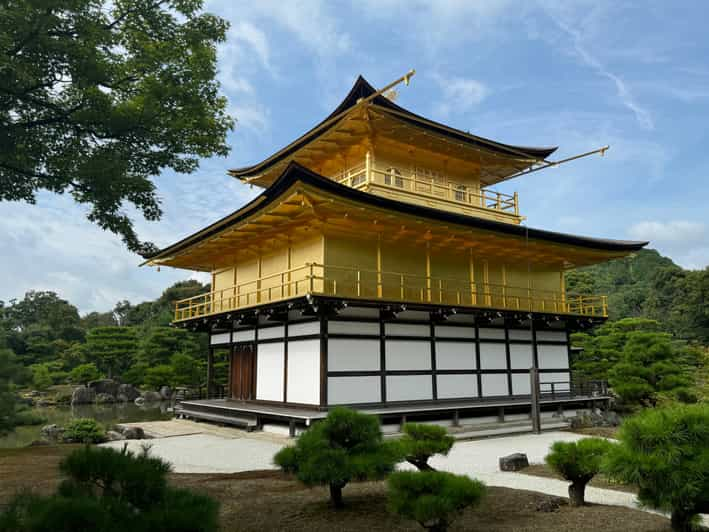
- The top two floors are covered in gold leaf, making the temple glow against the gardens.
- The tour can include Ryoanji, with a guided visit lasting about 1.5 hours.
- English and Japanese guides are available, including highly praised guides such as Teppei, Juraj, and Hikari.
- Private and small-group formats are offered, useful for families and visitors who want more time for questions.
- Kinkakuji admission and the guide fee are included, while the exact meeting point depends on the option you book.
Why Kinkakuji Works So Well With a Guide
Kinkakuji, also called the Golden Pavilion, is one of those Kyoto sights you can recognize before you even arrive. The building glitters beside its pond, and the image is so polished that it can feel almost unreal.
That beauty is only part of the visit. The grounds include gardens, paths, a pond, and a small teahouse. A guide helps turn the stop from a photo call into a clearer lesson in how the temple looks, functions, and fits into Kyoto’s religious traditions.
I especially like this approach for first-time visitors. You get the famous view quickly, then learn what you are looking at. Guides have explained the site’s history, architecture, Buddhist beliefs, Shinto connections, and even daily maintenance practices. Those are the details that can disappear if you walk in, take a picture, and leave.
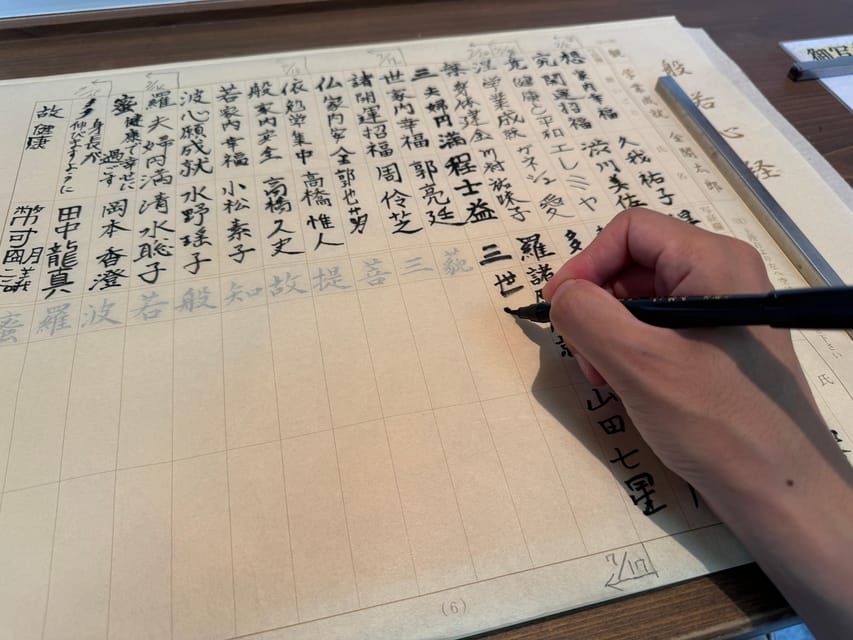
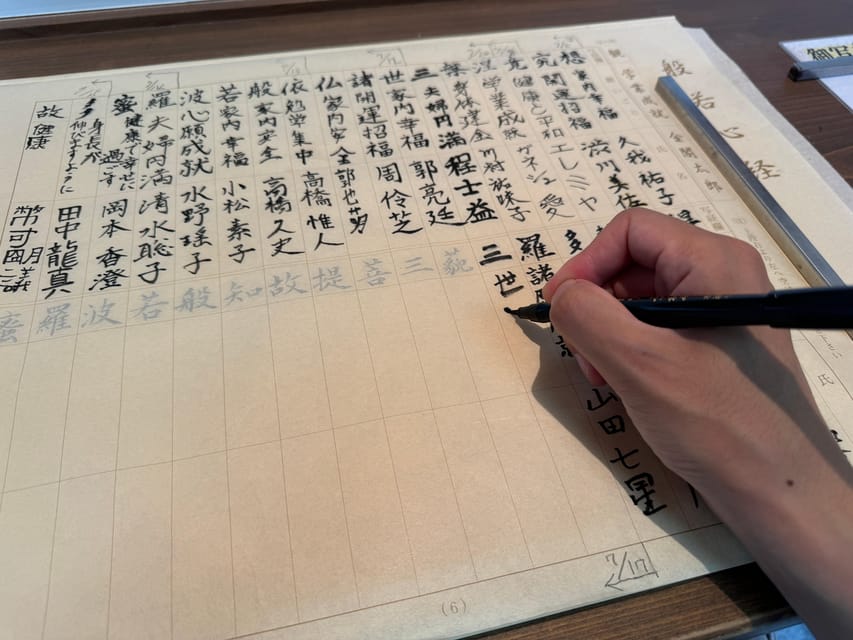
The tour is also a good choice if you want to ask questions. Several guides have been praised for patience and clear explanations, and Teppei helped one family discover how to write a wish in the traditional monk-style Japanese form. That sort of small interaction can make the visit feel less like checking off a sight.
The Golden Pavilion and Its Famous Reflection
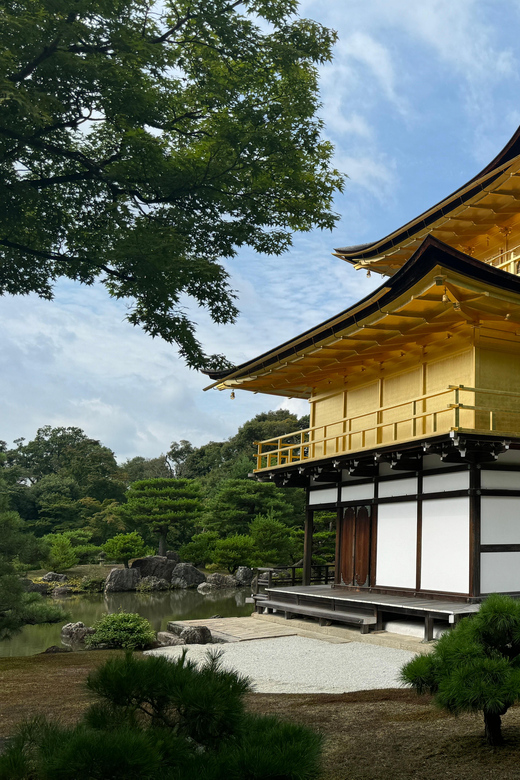
The main stop is Kinkakuji itself, where you spend about 1.5 hours on a guided visit and sightseeing. The temple’s upper two floors are coated in gold leaf, which catches the light and changes in appearance as you move around the pond.
The best-known view is across the water, where the pavilion can appear as a near-perfect reflection. Bring your camera, but give yourself time to look without it. The pond, trees, and gold building work together as one carefully arranged scene.
You do not enter the pavilion itself based on the information provided. Instead, the experience centers on viewing it from the grounds, walking through the gardens, and hearing the guide explain its design and setting.
That distinction matters. If you expect a museum-style interior visit, this is not that kind of tour. The appeal is the exterior view, the setting, and the meaning behind the site. For many people, that is enough. For others, the visit may feel brief once the main photograph is taken.
Your guide can also help with timing inside the grounds. At busy points, it may be hard to pause exactly where you want. A private or small group may give you more room to ask questions and take pictures, but it cannot remove the crowds entirely.
More Temple & Shrine Tours in Kyoto
- Kyoto: Fushimi Inari, Kinkakuji, Bamboo Grove 1 Day Bus Tour
★ 4.8 · 4,316 reviews - Kyoto: Tea Ceremony in a Traditional Tea House in Kiyomizu
★ 4.9 · 3,519 reviews - Kyoto: Tea Ceremony Ju-An at Jotokuji Temple
★ 4.9 · 3,207 reviews
Walking the Gardens Around the Pond
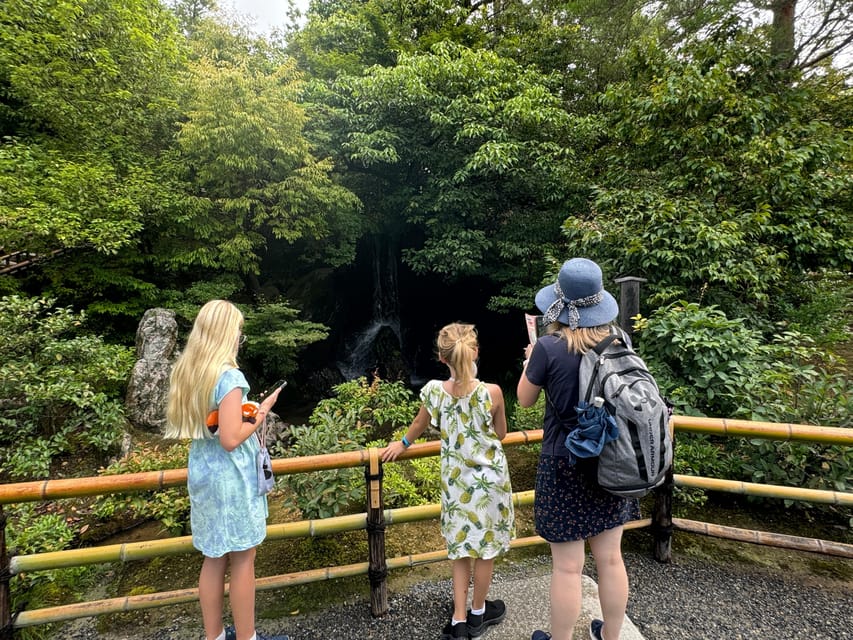
Kinkakuji’s grounds are more than a backdrop for the pavilion. The paths lead through tidy gardens and past water features, giving you changing views of the building and its reflection.
I like that the tour does not rush straight from the entrance to the photo spot. The gardens help you understand why the pavilion looks so striking. The temple is not floating in isolation. It is set within a composed garden where water, trees, paths, and buildings work together.
There is also a small teahouse on the grounds. The supplied details do not promise a tea ceremony or a stop for tea, so you should think of it as part of the setting rather than a separate activity. Still, it adds a quieter note after the bright gold of the main building.
The grounds are peaceful in feel, but the popular route can be crowded. That contrast is worth keeping in mind. You may hear plenty of voices and need to wait for a clear photo, especially during the middle of the day. The gardens still provide calmer moments, but this is not a secluded temple visit.
Adding Ryoanji to the Same Outing
The listed route also includes Ryoanji, with a guided visit of about 1.5 hours. This gives the experience a useful contrast: Kinkakuji is all shine, water, and color, while Ryoanji is associated with a far quieter visual style.
The exact booking option matters here. The headline experience focuses on Kinkakuji, while the route information names Ryoanji as another stop. The total duration ranges from 90 to 210 minutes, which suggests that the longer option includes both temple visits. Check the selected option carefully so you know if you are booking Kinkakuji alone or the combined route.
The available information does not state that Ryoanji admission is included. It specifically includes admission to Kinkakuji and the guide fee. I would confirm the details before paying if Ryoanji is important to your plans.
The drop-off may be at the main gate area or at Ryoanji’s gate, depending on the option. That can be handy if you want to continue sightseeing nearby, but the meeting and drop-off points are not identical for every booking. Read the selected route rather than assuming you will return to the place where you started.
What the Guides Add
The strongest part of this experience is the human explanation. The guides are not simply there to point at the gold building. They can help you connect the site to Japanese religious practice, architecture, and daily care.
Teppei receives particular praise for being kind, patient, and helpful with families. One family with a seven-year-old found that he adjusted the visit so the child could enjoy it too. Another private visit with Teppei lasted a little longer because he waited through a long restroom line and souvenir stops, then explained the temple’s history, beliefs, and maintenance.
Juraj is another name to look for if guide selection is available. He has been praised for clear storytelling and strong preparation, and he has also guided in German. Hikari has been appreciated for explaining the sites clearly and offering useful Kyoto suggestions beyond the tour.
Tomoko is described as a strong source of information about Kinkakuji, while Kaito has provided explanations in clear German. Other guides, including Kina and Julien, have also been praised for warmth and preparation.
Guide quality can vary from person to person, as it does on any guided activity. Still, the repeated pattern is encouraging: polite communication, patient answers, and a willingness to tailor the visit. If you have children, many questions, or a special interest in religion or architecture, the guide is likely to add more value than the admission ticket alone.
Same trip, a completely different kind of day:
- PERFECT KYOTO 1-Day Bus Tour
★ 5.0 · 13,518 reviews - Kyoto Geisha Walking Tour: Gion District & Hidden Gems
★ 4.7 · 3,273 reviews - Kyoto: Gion Magical Night Walking Tour with Geisha Trivia
★ 4.9 · 2,393 reviews - Kyoto: 45-Minute Tea Ceremony Lesson Experience
★ 4.3 · 2,378 reviews
Timing, Crowds, and the 90-Minute Format
The shortest version lasts about 90 minutes. That is enough time to see Kinkakuji, walk the main grounds, hear the key explanations, and take photographs without turning the visit into a full-day commitment.
The longer version can run up to 210 minutes and may include Ryoanji. That makes more sense if you want two major Kyoto temple stops with one guide instead of arranging each visit yourself.
Crowds are the main timing issue. Midday can be packed, and you should expect other people around the pond and on the garden paths. Your guide may help you find better moments for pictures, but no private booking can guarantee an empty view.
If you have flexibility, check the available start times and choose the one that fits your wider Kyoto plan. The activity does not promise a crowd-free visit, so the best reason to book it is not special access to the pavilion. It is the added explanation and smoother use of your time.
Is $64 a Fair Price?
At $64 per person, this is not the cheapest way to see Kinkakuji. You can visit a temple more cheaply if all you want is entry and a walk around the grounds.
The value improves if you choose a private or small-group format and use the guide actively. Ask about the temple’s architecture, the gold leaf, Buddhist and Shinto traditions, the garden design, and how the grounds are maintained. A guide who answers those questions can turn a short visit into a fuller cultural experience.
The price also includes the guide fee and Kinkakuji admission. You are paying for interpretation, not only access. For a first visit to Kyoto, that can be worthwhile, especially if you do not have time to research the site beforehand.
The calculation is less favorable for independent-minded visitors who already know the temple’s story or mainly want a fast photograph. Crowds may limit how relaxed the visit feels, and the pavilion itself is viewed from outside.
For families, the price may be easier to justify because a good guide can keep children involved. Teppei’s work with a seven-year-old shows the benefit of a flexible guide, though no particular guide can be guaranteed unless the booking allows you to select one.
Who Should Book This Kyoto Temple Tour?
I would recommend it to a first-time Kyoto visitor who wants context without spending an entire day in a museum or lecture. It also suits couples and families who prefer to ask questions as they walk rather than read signs on their own.
The tour is a good fit if you are interested in:
- Buddhist and Shinto traditions
- Japanese temple architecture
- Garden design and photography
- A short, organized Kyoto activity
- Private or small-group guiding
- Combining Kinkakuji with Ryoanji
You may want to skip it if you already know the site well, dislike fixed meeting arrangements, or only want a quick look at the pavilion. In that case, the guide fee may not add enough value.
Also pay attention to the language. English and Japanese are available, and German has been used by at least one guide, but the standard language choices shown for the activity are English and Japanese.
Booking Details Worth Checking
You can cancel up to 24 hours before the activity for a full refund, and you can reserve now while paying later. That is useful if your Kyoto schedule is still shifting.
The meeting point may be one of two locations: 総門 or やまざき庵. Drop-off may be at 総門 or 龍安寺山門. Because the points vary by option, save the exact meeting details from your booking and do not assume the Japanese names refer to the same place.
The available duration is listed as 90 to 210 minutes, with start times shown during the booking process. The shorter option centers on Kinkakuji. The longer route may include Ryoanji, so compare the inclusions before selecting.
My Recommendation
Book this tour if you want to understand Kinkakuji rather than simply photograph it. The gold pavilion and pond provide the visual payoff, but the guide’s explanations about religion, design, history, and upkeep are what give the visit lasting value.
Choose the shorter version if Kinkakuji is your priority and your Kyoto schedule is tight. Choose the longer version if you want Ryoanji included and prefer one guided outing. Just plan for crowds, confirm which temples and admissions are included, and remember that the $64 price makes the most sense when you engage with the guide.
FAQ
How long does the Kinkakuji guided tour last?
The activity lasts between 90 and 210 minutes, depending on the option and route selected. The Kinkakuji visit itself is listed as about 1.5 hours.
Is admission to Kinkakuji included?
Yes. Admission to Kinkakuji, the Golden Pavilion, and the guide fee are included.
Does the tour include Ryoanji?
Ryoanji appears in the route with a guided visit of about 1.5 hours, but the exact route depends on the option booked. Check the selected option to confirm whether it includes both temples.
Is Ryoanji admission included?
The provided details specifically list Kinkakuji admission as included. They do not confirm that Ryoanji admission is included, so check before booking.
What languages are available?
Live guiding is available in English and Japanese. German has also been used by a guide on at least one tour, but English and Japanese are the stated activity languages.
Is this a private tour?
Private and small-group options are available. The format depends on the option you choose.
Where does the tour start?
The two listed starting locations are 総門 and やまざき庵. Your exact meeting point may vary by booking option.
Where does the tour end?
The listed drop-off locations are 総門 and 龍安寺山門. The ending point depends on the option selected.
Can I cancel for a full refund?
Yes. You can cancel up to 24 hours in advance for a full refund. You can also reserve now and pay later.
Just added around Kyoto
- Sekka Cotton Furoshiki Class★ 5.0 · 19 reviews
- Kyoto Sword Experience – includes Museum Ticket/Ninja Experience★ 4.5 · 149 reviews
- Scenic Green Tea Fields of Hidden Kyoto & Local Tea Exp (Private)★ 5.0 · 32 reviews
- Secret Eastern Kyoto Biking Adventure★ 5.0 · 44 reviews
- Private Sake Tasting in Central Kyoto with Sake Sommelier★ 5.0 · 32 reviews
- Samurai School in Kyoto: Samurai for a Day★ 5.0 · 202 reviews
- Samurai Performance and Casual Experience: Kyoto Ticket★ 4.5 · 115 reviews
- SHIRAKAWA Japanese Culture Experiences with private English staff★ 5.0 · 16 reviews
Temples & Shrines, compared.

Tea Ceremony in a Traditional Tea House in Kiyomizu
Our verdict →
Meiji Shrine, Asakusa, Skytree Bus Tour and Cruise
Our verdict →
Fushimi Inari Hidden Hiking Tour (Private Option Available)
Our verdict →
Osaka/Kyoto:Kinkakuji,Arashiyama,FushimiInariShrine,NaraPark
Our verdict →
Nikko: Kegon Falls, Lake Chuzenji & Toshogu Temple
Our verdict →
Kamakura & Enoshima Day Trip including Temple Tickets
Our verdict →Browse the lists this tour appears in