
Reviewed · TEMPLES & SHRINES
Kyoto Home Cooking Class &Supermarket tour near Fushimiinari
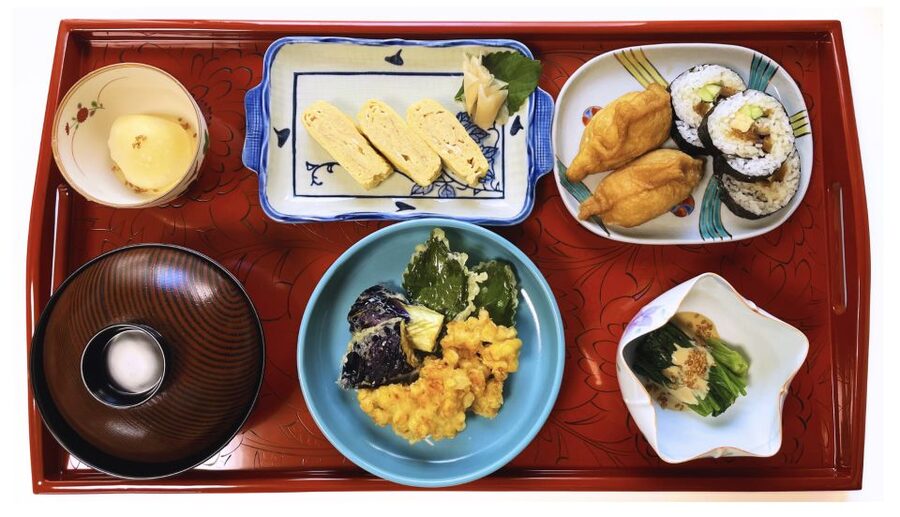
The best part of this Kyoto cooking class is that it feels less like a staged food demonstration and more like being invited into a local home. You learn about dashi, prepare several Japanese dishes with help from an English-speaking guide, then sit down for lunch in a traditional room with a garden view. I especially like the small group size, capped at six, and the supermarket visit, which turns unfamiliar labels and ingredients into things you can actually use at home.
I also like that the lesson goes beyond sushi. You may prepare soup, tempura, rolled omelet, salad, dessert, or other seasonal dishes, with the menu changing through the year. The main point to consider is the price: at $127 per person, this is not a cheap lunch. It makes better value for anyone who wants practical cooking skills, cultural context, and a meal in a Japanese home, rather than only a quick taste of local food.
Key points at a glance
- Learn dashi first: The class explains the soup stock used in much of Japanese cooking, including a vegetarian version.
- Cook several dishes: You prepare about five dishes, with past menus including sushi, tempura, miso soup, rolled egg, salad, and mochi.
- Eat in a traditional room: Lunch takes place in a Japanese-style room with views of the garden.
- Shop like a local: The supermarket walk helps you find the ingredients and seasonings used during class.
- Small English-speaking group: A maximum of six people and licensed guide interpreters make the lesson easy to follow.
- Useful for home cooks: You receive the recipes, so the class can continue in your own kitchen after Kyoto.
A Japanese home near Fushimi Inari
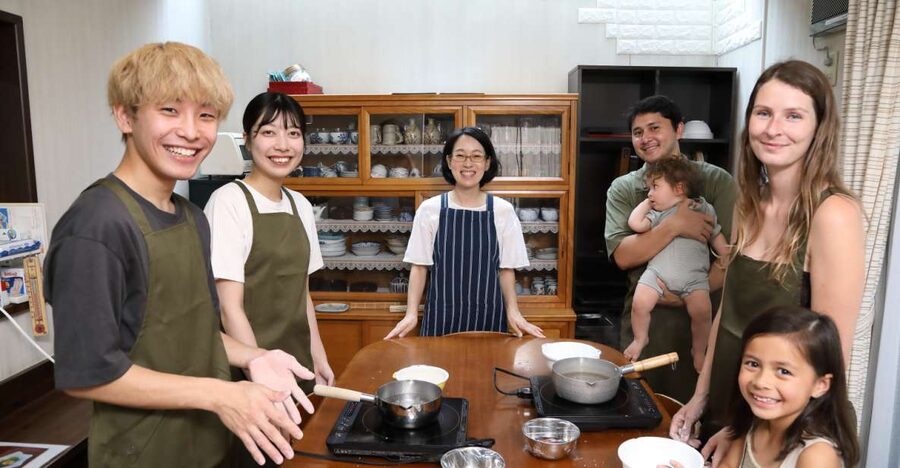
The setting does much of the work here. Instead of meeting in a commercial kitchen, you enter an authentic Japanese house near Fushimi Inari and cook in a space designed to feel like home. The traditional room and garden view give the meal a calm sense of place that a restaurant kitchen usually cannot provide.
You should bring socks. This is a small but useful detail because Japanese homes may require you to remove your shoes. Children under six cannot join, and children aged 12 or younger must participate with a guardian. The class is not suitable for wheelchair users, so check the physical setup before booking if access is important to you.
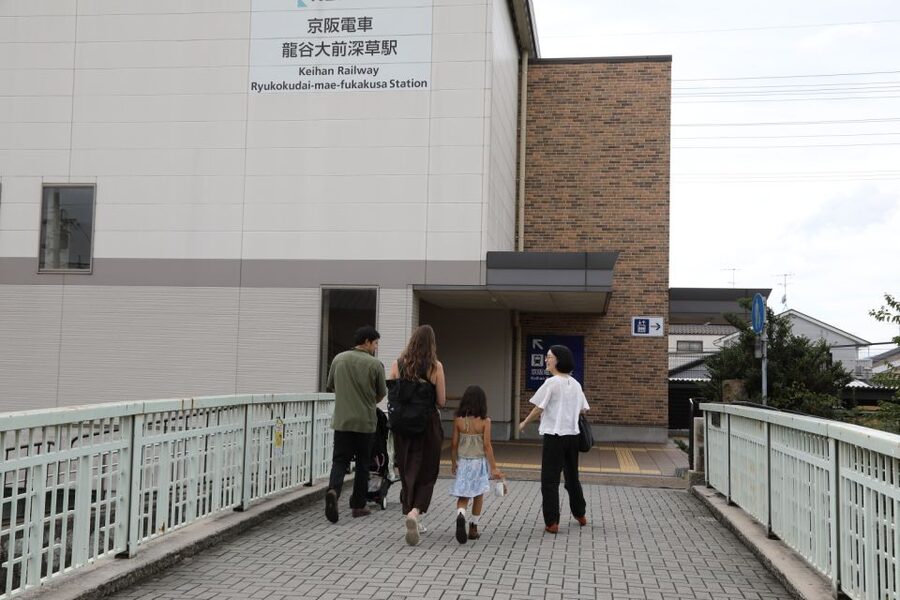
The location also works well if you are already visiting the Fushimi Inari area. Hotel pickup and drop-off are not included, so you will need to make your own way to the meeting point. The exact starting time varies, and the full experience lasts four hours.
More Cooking Classes in Kyoto
- Ramen Cooking Class at Ramen Factory in Kyoto
★ 5.0 · 1,937 reviews - Kyoto: Ramen Cooking Class at a Ramen Factory with Souvenir
★ 4.9 · 532 reviews - Kyoto: Ramen, Gyoza, and Onigiri Cooking Class
★ 5.0 · 445 reviews
Dashi gives the class a useful starting point
The lesson begins with dashi, the basic Japanese soup stock found in a wide range of Japanese dishes. This is a smart place to start because dashi is less familiar to many visitors than sushi or tempura, yet it helps explain why Japanese food can taste so savory while remaining fairly light.
The instructors use a vegetarian dashi, allowing vegetarian and vegan participants to take part. If you follow a vegetarian or vegan diet, tell the host in advance so the menu can be handled properly. The information provided confirms that these diets are welcome, but the menu may change by season.
I like this focus because it gives you a cooking principle rather than just a set of holiday recipes. Once you understand the stock, you have a better chance of making a Japanese soup or sauce at home without relying on guesswork.
Cooking five dishes with close guidance
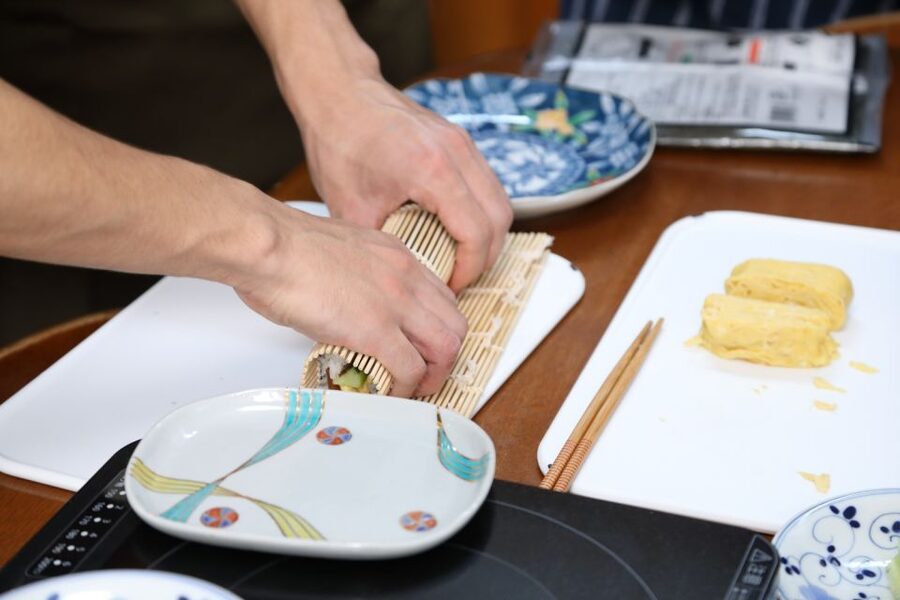
After the demonstration, you prepare about five dishes by yourself or with a partner. The instructor shows you how to handle each part before you begin, then guides you through the work. This format is useful for beginners because you are not expected to understand Japanese cooking methods before arriving.
The number of dishes can vary. One session included seven dishes, while another menu included miso soup, tempura, sushi, rolled egg, salad, and dessert. Mochi has also appeared in the menu. Do not book expecting one fixed list, since the food changes with the season.
That flexibility is a strength. Seasonal cooking is part of Japanese food culture, and the class gives you a chance to work with what is appropriate at the time of year. The trade-off is that you may not prepare the exact dish you had in mind. If making sushi or tempura is your main goal, ask about the current menu before booking.
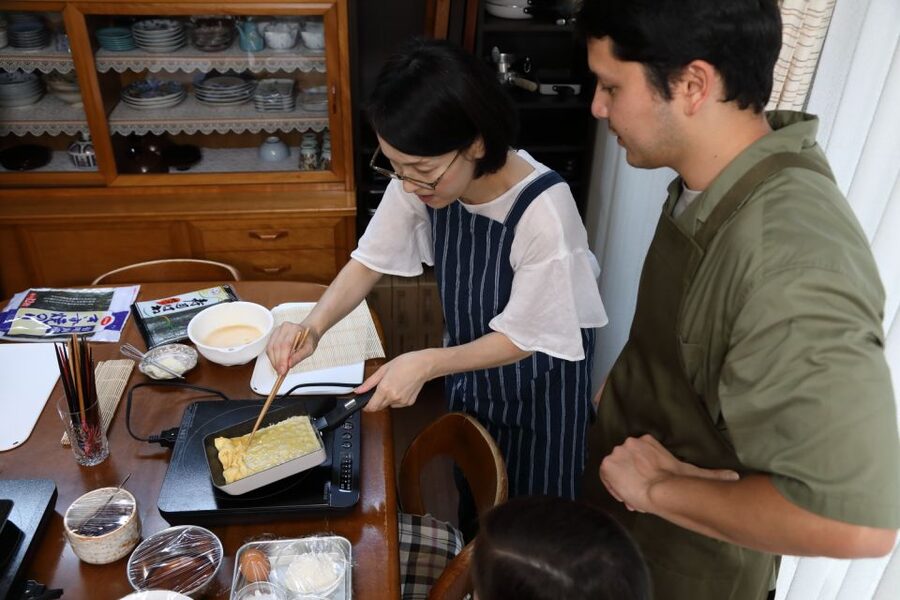
Miho has led classes described as patient, clear, friendly, and careful about technique. The experience provider, iroHa cooking studio, uses licensed guide interpreters, and the class is conducted entirely in English. That matters when a recipe depends on small details such as texture, timing, or how firmly to roll an omelet.
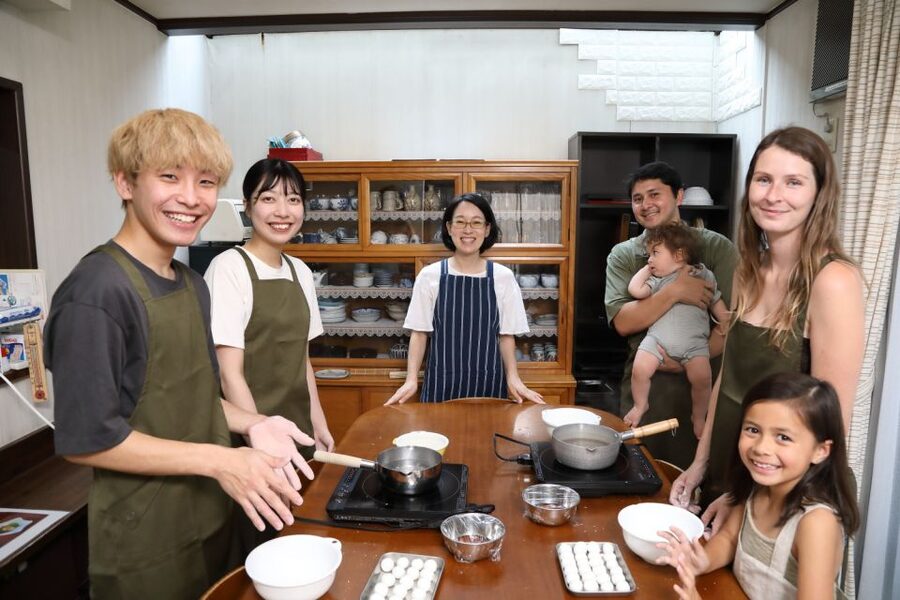
The group limit of six is another practical advantage. You should have enough room to follow the demonstration and ask questions without being lost in a crowd. Solo participants can join, and the format is designed to keep the group involved rather than leaving one person watching from the side.
Lunch with a garden view
Once you finish cooking, you sit down and eat the food you made. The meal takes place in a traditional Japanese room with a garden view, giving the class a natural pause after the hands-on work.
This is more than a pleasant backdrop. Eating your own food helps you understand the finished dish, especially when you have just handled unfamiliar ingredients or techniques. You can see how the soup, main dishes, side dishes, and dessert fit together as a Japanese meal.
The setting also gives the experience its strongest cultural element. You are not simply being served a local lunch. You are using the food, sitting in a traditional room, and sharing the table with the other participants. That makes the $127 price easier to justify for someone who values a personal setting and practical instruction.
Still, you should be clear about what you are paying for. The cost includes lunch, all seasonings, all ingredients, the cooking lesson, and the supermarket visit. It does not include gratuity or transportation. If your only goal is to eat Japanese food, a restaurant will cost less. If you want to understand how the food is made and buy ingredients for later, the class offers more lasting value.
More Temple & Shrine Tours in Kyoto
- Kyoto: Fushimi Inari, Kinkakuji, Bamboo Grove 1 Day Bus Tour
★ 4.8 · 4,316 reviews - Kyoto: Tea Ceremony in a Traditional Tea House in Kiyomizu
★ 4.9 · 3,519 reviews - Kyoto: Tea Ceremony Ju-An at Jotokuji Temple
★ 4.9 · 3,207 reviews - Fushimi Inari Hidden Hiking Tour (Private Option Available)
★ 5.0 · 1,750 reviews
The supermarket visit makes the lesson practical
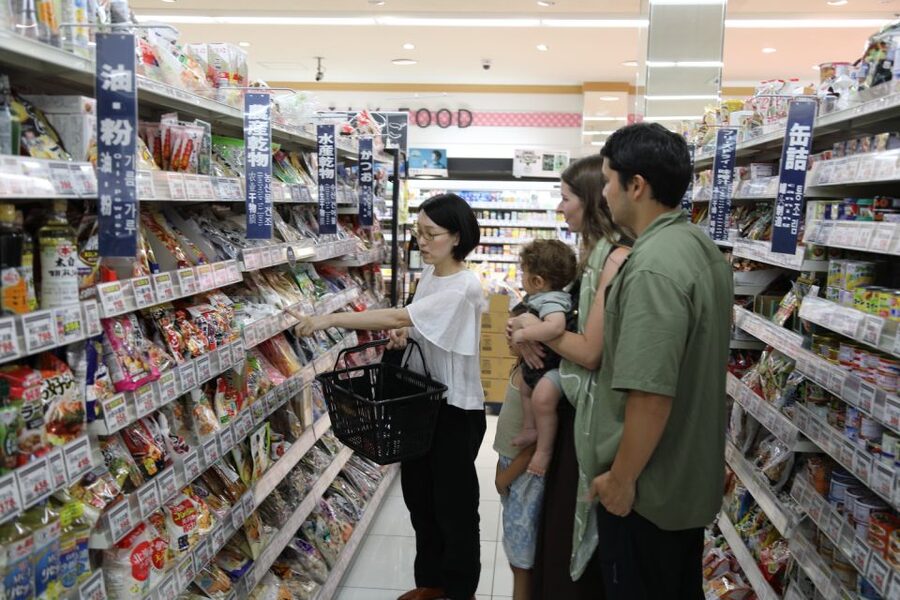
After lunch, the group visits a local supermarket. This is one of the most useful parts of the schedule because Japanese grocery stores can be hard to read at first. The instructor explains the products and helps you identify the ingredients used in the class.
The visit is not limited to pointing out one brand of soy sauce or one packet of noodles. The guidance can include fruits, vegetables, spices, seasonings, and other Japanese products used in everyday cooking. You can also buy ingredients if you want to repeat the dishes for family and friends at home.
I like this part because it closes the gap between learning a recipe and actually making it again. A cooking class can be fun but easy to forget once you leave. Seeing the ingredients on supermarket shelves, with an English-speaking guide to explain them, gives you a practical shopping plan.
You should not expect a large food market or a sightseeing stop. This is a local supermarket visit linked to the dishes you prepared. Its value comes from explanation, not spectacle. For anyone who plans to cook Japanese food after returning home, that distinction matters.
What you take home from the class
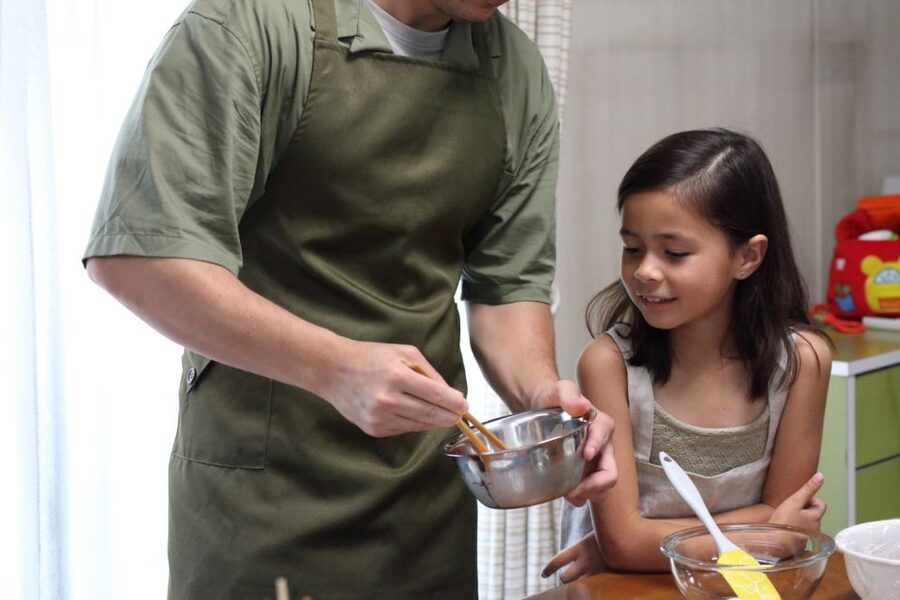
You receive the recipes for the dishes prepared during the session. That turns the experience into something more useful than a one-time meal. You can try the dishes again at home, adjust them for your own kitchen, and share them with family or friends.
The class also teaches basic ingredients and methods. You learn how dashi works, how several dishes are assembled, and how to recognize the products in a Japanese supermarket. The recipes may be especially helpful if you are new to Japanese cooking and do not yet know which ingredients are essential.
The class is conducted in English, and all instructors are licensed guide interpreters. The wording indicates that non-English speakers can also participate, but the lesson itself is in English, so you should be comfortable following an English cooking demonstration.
Who will get the most from this experience?
I would recommend this class most strongly to people who enjoy food and want to understand daily Japanese cooking. It suits first-time cooks because the instructor demonstrates each step and guides you through the process. It also suits experienced home cooks who want to learn a few Japanese techniques and ingredient combinations.
Couples and small families should find the format comfortable. A family with three young children joined a class and received a patient, child-friendly experience, but children under six are not allowed, and children aged 12 and younger need a guardian. The small group limit keeps the lesson personal, though families should still remember that four hours of cooking may feel long for a restless child.
Solo participants can join without needing to form their own group. The structure gives you a shared meal and a natural chance to cook with other people. Vegetarians and vegans are welcome with a vegetarian dashi, and advance notice is sensible.
This is less suitable if you need wheelchair access, want a fixed menu, or prefer a quick activity with little hands-on work. The class also requires time in a traditional home setting, including wearing socks. Those are minor points for many people, but they are worth knowing before you reserve.
Price, timing, and planning advice
The price is $127 per person for four hours. That includes lunch, ingredients, seasonings, instruction, recipes, and the supermarket visit. There is no hotel pickup or drop-off, and gratuity is not included.
For a simple cooking lesson, the cost may feel high. For a small group experience that combines a Japanese home, a full meal, an English-speaking guide interpreter, recipes, and grocery shopping help, the price is more reasonable. The supermarket stop adds real use beyond the day itself.
The class offers free cancellation up to 24 hours before the activity for a full refund, and you can reserve now and pay later. Starting times depend on availability, so check the schedule carefully when planning it around Fushimi Inari or other Kyoto visits.
Because the menu changes with the season, do not assume that every listed dish will appear during your visit. Ask about dietary needs and the current menu in advance. Bring socks, arrive ready to cook, and leave room in your day for the full four-hour session.
Should you book the Kyoto home cooking class?
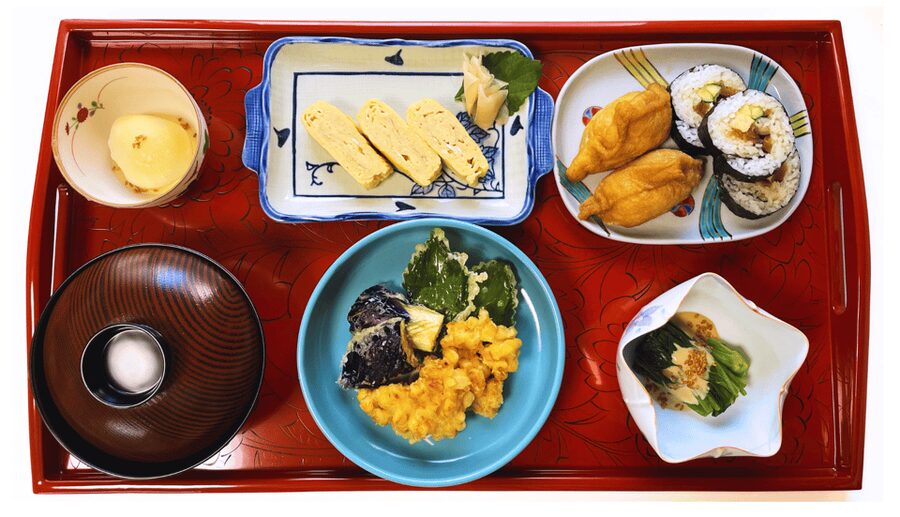
Book it if you want a personal, practical introduction to Japanese food rather than only another restaurant meal. The strongest reasons are the traditional home setting, the small group, the clear English instruction, the chance to prepare several dishes, and the supermarket visit that shows you how to repeat the experience at home.
I would be more cautious if your budget is tight, if you need wheelchair access, or if you want complete control over the menu. For most food-focused visitors near Fushimi Inari, though, this offers a useful mix of cooking, culture, and lunch. Miho and the iroHa cooking studio format appear especially well suited to beginners, solo participants, couples, and families with older children.
FAQ
How long does the Kyoto home cooking class last?
The experience lasts four hours, including the cooking lesson, lunch, and visit to a local supermarket.
Where does the class take place?
It takes place in a traditional Japanese home near Fushimi Inari on Honshu, Japan. You eat in a traditional room with a garden view.
How many people can join the class?
The group has a maximum of six participants.
Is the class taught in English?
Yes. The class is conducted in English, and the instructors are licensed guide interpreters.
Can vegetarians and vegans participate?
Yes. The class uses vegetarian dashi and welcomes vegetarian and vegan participants. It is sensible to tell the host about your diet in advance.
What should I bring, and are there age restrictions?
Bring socks. Children under six cannot participate, and children aged 12 or younger must join with a guardian. The class is not suitable for wheelchair users.
Just added around Kyoto
- Sekka Cotton Furoshiki Class★ 5.0 · 19 reviews
- Kyoto Sword Experience – includes Museum Ticket/Ninja Experience★ 4.5 · 149 reviews
- Scenic Green Tea Fields of Hidden Kyoto & Local Tea Exp (Private)★ 5.0 · 32 reviews
- Secret Eastern Kyoto Biking Adventure★ 5.0 · 44 reviews
- Private Sake Tasting in Central Kyoto with Sake Sommelier★ 5.0 · 32 reviews
- Samurai School in Kyoto: Samurai for a Day★ 5.0 · 202 reviews
- SHIRAKAWA Japanese Culture Experiences with private English staff★ 5.0 · 16 reviews
- A Privately Guided Photoshoot in Beautiful Kyoto by a Pro★ 5.0 · 18 reviews
Temples & Shrines, compared.

Tea Ceremony in a Traditional Tea House in Kiyomizu
Our verdict →

Meiji Shrine, Asakusa, Skytree Bus Tour and Cruise
Our verdict →
Fushimi Inari Hidden Hiking Tour (Private Option Available)
Our verdict →
Osaka/Kyoto:Kinkakuji,Arashiyama,FushimiInariShrine,NaraPark
Our verdict →

Nikko: Kegon Falls, Lake Chuzenji & Toshogu Temple
Our verdict →
Kamakura & Enoshima Day Trip including Temple Tickets
Our verdict →Browse the lists this tour appears in