
Reviewed · NINJA EXPERIENCES
Kyoto: Forge Your Own Ninja Weapon with Japanese Tin Casting
Kyoto has plenty of places to admire Japanese craftsmanship, but this workshop lets you make a small piece of it yourself. You shape a sand mold, pour molten tin under supervision, then file and polish the cooled metal into a real 8 to 10-centimeter ninja piece. I like the hands-on process, and I like that the finished item comes in its own box rather than being left as a half-finished craft.
The three-minute walk from Demachiyanagi Station makes this easy to fit into a Kyoto day, and the instructors offer help in English and Japanese. The main thing to weigh is time and heat: shuriken and standard projects take about two hours, while the oni mask takes around two and a half, and you need to stay focused around 230-degree molten tin.
Key points to know before booking
- Choose your design: Make a shuriken, upgrade to a kunai, or take on the more detailed oni mask.
- Work from molten tin: You handle the process from casting sand and pouring to filing, polishing, and oiling.
- Beginner-friendly instruction: Staff guide each stage, with special assistance for children and first-time crafters.
- Take home a personal souvenir: Your finished 8 to 10-centimeter piece is packed in a dedicated box.
- Easy Kyoto location: The studio is about three minutes on foot from Demachiyanagi Station.
- Allow extra time: The stated duration is about two hours for a shuriken or kunai and 2.5 hours for an oni mask.
Why this Kyoto craft workshop is different
This is not a demonstration where you watch an artisan work from a safe distance. You take part in the full casting process, with staff guiding you through the parts that require care.
The central material is tin. It melts at about 230 degrees Celsius, which makes it easier to work with than many other metals, but it is still hot molten metal. You do not simply pick up a blank and decorate it. You create the mold, pour the tin, remove the cooled piece, and improve the surface by hand.
That sequence gives the activity a satisfying sense of progress. At first, you are working with sand and a design. Then you see liquid metal fill the mold. Finally, you are holding a solid object that needs your attention with a file and grinder.
I especially like this for visitors who want a souvenir with a story attached. A shop-bought ninja star may look neat, but it does not show the rough edges, decisions, and small corrections that went into making your own.
More Ninja Experiences in Kyoto
- Skip the lines Basic Ticket at SAMURAI NINJA MUSEUM KYOTO
★ 4.5 · 632 reviews - Ninja 1-hour Hands-on Lesson by Japanese master in Kyoto -Entry
★ 5.0 · 489 reviews - Kyoto: Ninja Weapon Forging Experience
★ 4.8 · 478 reviews
Reaching the studio from Demachiyanagi Station
The studio is about a three-minute walk from Demachiyanagi Station. That is a real advantage in Kyoto, where a short, direct connection can save you from spending part of your sightseeing day searching for a workshop in an unfamiliar neighborhood.
You can pair the session with other time in the Demachiyanagi area, but the key practical point is simple: you do not need to plan a long transfer or reserve a full day around it. Check the starting time when booking, then arrive with enough margin to find the studio and settle in.
Bring a drink. Water is not included, and the activity involves steady handwork for two hours or more. Food, alcohol, smoking, and drugs are not allowed, and the studio does not permit participants to make fire.
Choosing between a shuriken, kunai, and oni mask
Your choice affects both the final look and the amount of time involved.
A shuriken, or ninja star, is the standard choice. It is a good fit if you want the shortest version of the workshop and a compact piece that is easy to display. The casting shape gives you a clear project, while the filing stage lets you improve the finish.
A kunai, or ninja knife, is an optional upgrade. The details describe it as a different design choice rather than part of the standard package, so check the price before you commit. It is a sensible pick if the classic kunai shape is the main reason you are interested in the session.
The oni mask is the largest and most involved option. It takes about 2.5 hours, and you add gold leaf for a stronger visual effect. You can also select and attach a cord, making the mask wearable or ready for display.
For a first visit, I would choose the shuriken if you want a straightforward project. Pick the mask if you enjoy decorative work and do not mind spending an extra half hour or paying for an optional upgrade. Children may find the shuriken easier to finish within the shorter time, though staff can assist young makers.
Step one: shaping the casting-sand mold
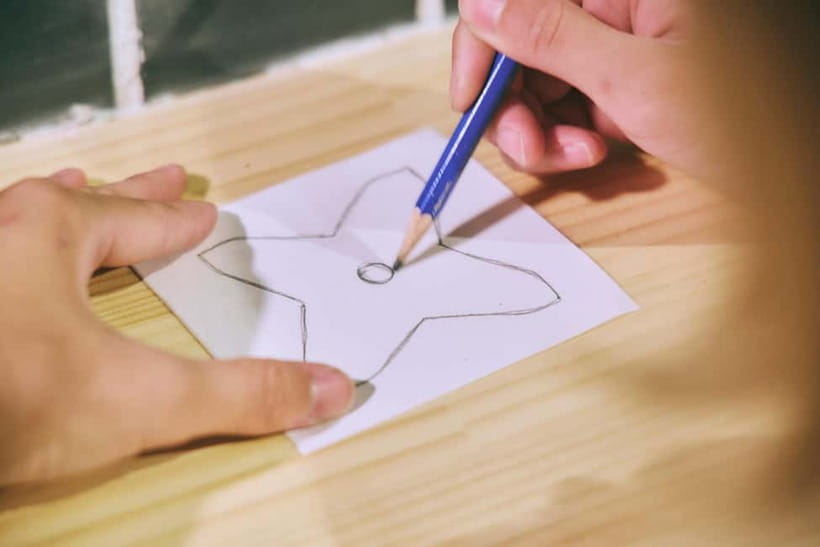
The workshop begins with your design choice and the creation of a mold from special casting sand. This is where your final shape is decided, so it is more than a quick preparation step.
The sand must define the piece clearly enough for the tin to fill the intended form. Staff show you how to work the material and help you correct the mold as needed. For beginners, this is an important part of the session because a clean mold makes the later stages easier.
The process also gives you an early chance to see how traditional metal casting works. You are not merely decorating a pre-made object. You are preparing the negative space that will become your finished ninja item.
Take your time here. The activity is designed for first-time participants, but rushing the mold can create extra work later when you are filing and smoothing the metal.
Same trip, a completely different kind of day:
- PERFECT KYOTO 1-Day Bus Tour
★ 5.0 · 13,518 reviews - Kyoto: Fushimi Inari, Kinkakuji, Bamboo Grove 1 Day Bus Tour
★ 4.8 · 4,316 reviews - Kyoto: Tea Ceremony in a Traditional Tea House in Kiyomizu
★ 4.9 · 3,519 reviews - Kyoto Geisha Walking Tour: Gion District & Hidden Gems
★ 4.7 · 3,273 reviews
Step two: melting and pouring the tin
Next comes the most dramatic part: solid tin becomes molten metal, then goes into your mold. Staff supervise this stage closely, and the material is handled as part of a controlled workshop process.
The heat is worth noting before you book. Tin melts at around 230 degrees Celsius, so this is not a casual kitchen-style craft. You should follow the instructor’s directions, keep your attention on the task, and avoid treating the workshop like a place for improvised experiments.
That said, the activity is intended for beginners. The instructors walk you through each stage, and the supplied equipment and apron mean you do not need to bring specialist gear. English and Japanese instruction is available.
The pour is the moment that makes this more memorable than a standard souvenir-making class. You see the material change state and fill the shape you prepared. It connects the design stage with the object you will later carry home.
Step three: cooling the metal in water
After the pour, the metal is cooled in water so it solidifies. This is a quick change from molten material to a workable object, but your piece will not yet look like a polished souvenir.
At this stage, you are seeing the raw result of the mold. It may have rough edges or extra metal that needs to be removed. That is normal for a casting project, and it sets up the next part of the workshop.
You should not expect a perfect, store-finish object to appear as soon as the metal cools. The character of the activity comes from the finishing work that follows.
Step four: hammering, filing, and polishing
The included process covers shaping by hammering, smoothing with a file, and using grinders to refine the surface. This is the most hands-on stretch of the session, and it is where your piece begins to look finished.
You will remove rough spots and work toward cleaner edges and surfaces. The instructors can show you how much pressure to use and where to concentrate your effort. Several people found the guidance easy to follow, and the staff are described as patient and willing to answer questions while you work.
This is also where the experience can feel slower than expected. The casting itself is exciting, but filing metal takes concentration. You may be eager to photograph the finished piece, yet the quality of the result depends on how carefully you handle this stage.
The upside is ownership. Small imperfections are not simply flaws in a factory object. They show that you made it by hand. If you like craft activities, this finishing work is likely to be as satisfying as the pour.
Step five: rust protection and the final oil finish
Once the shape and surface are ready, your piece is soaked in a rust-preventive solution and coated with a special oil. These final treatments protect the metal and improve its appearance.
This practical step matters because the object is meant to go home with you as a keepsake. You are not leaving with an unfinished casting that needs immediate care. The staff complete the process with protection and packaging, and each weapon comes with a dedicated box.
The box also makes the item easier to transport during the rest of your Japan trip. You should still pack it carefully, but the supplied container is more useful than carrying a loose metal souvenir in your luggage.
The oni mask adds gold leaf and a cord
The oni mask follows the same basic casting and finishing path, but it includes extra decorative work. You apply gold leaf for a dramatic accent, then choose and attach a cord.
That additional work explains the longer 2.5-hour duration. The mask is not simply a bigger version of the same project. It gives you more decisions to make and creates an object that can be worn or displayed.
If you are choosing the mask for photographs, allow time at the end to capture the gold detail and the completed cord. The workshop allows photos and videos of the crafting process, so you can record more than just the final result.
What the instructors add to the experience
Instruction is central here. The studio works in English and Japanese, and the teaching is aimed at people who may have no experience with casting or metalwork.
Daiki is named as one of the staff members, along with a colleague, and the guidance includes step-by-step help rather than a single opening explanation. You can ask questions as you work, which matters when you reach the mold, pouring, or finishing stages.
The workshop also suits mixed groups. Adults can make their own pieces, while children can receive assistance from staff. Participants under 15 must have a guardian with them, and the activity is not suitable for children under five.
The supplied comments repeatedly praise the friendly help, clear explanations, and easygoing conversation. One session became a relaxed one-on-one class, with the instructor also offering ideas for things to do in Kyoto and Osaka. That kind of personal attention may depend on the day and group size, but it shows the teaching style you can expect.
Is $103 a fair price?
At $103 per person, this is not a cheap souvenir stop. You are paying for a two-hour or longer guided craft class, materials for one piece, equipment use, an apron, finishing treatments, and the item you take home.
The value depends on what you want from Kyoto. If you only want a small ninja-themed object, shops offer cheaper choices. If you want the memory of making the object yourself, the price is easier to justify.
I see the strongest value for families, couples, and friends who want one planned activity that gives everyone something to do. It also works well as a break from temples and walking. The souvenir is compact, personal, and more meaningful than a generic trinket.
Check the extra cost for the kunai or oni mask before booking. The base price and optional upgrades are not the same thing, and the mask also requires more time.
Who should book this activity?
I would recommend it to you if you like practical cultural experiences, metalwork, Japanese craft, or unusual souvenirs. It is also a good choice for children old enough to follow safety instructions, especially when a guardian stays involved.
Families with children around school age have used the session successfully, including children aged seven, nine, and ten. Staff assistance helps, but this is still a workshop involving heat, tools, and focused handwork. A child who dislikes sitting still or following detailed instructions may not enjoy it as much.
It suits solo visitors, too. A one-on-one session can feel personal, though the atmosphere will depend on how many people are booked at your time. Couples and friends can compare designs and help each other during the slower finishing stages.
You may want to skip it if your Kyoto schedule is packed tight. The listed times are approximate, completion can vary, and the oni mask takes about 2.5 hours. Leave room before your next booking.
Practical details to settle before you go
The workshop is three minutes from Demachiyanagi Station. Bring water, wear something suitable for hands-on work, and plan to follow the studio rules around food, smoking, alcohol, and drugs.
The experience includes free cancellation up to 24 hours before the start time, and you can reserve now and pay later. Check available starting times because the activity duration and schedule can affect the rest of your day.
The workshop is not suitable for babies under one, children under five, or people over 95. Participants under 15 need a guardian. English and Japanese support is available.
Should you book the Kyoto ninja casting workshop?
Book it if you want to make your own souvenir rather than simply buy one. The strongest part is the complete process: sand mold, molten tin, cooling, hammering, filing, oil, and a box for the finished piece.
Choose the shuriken for the most manageable two-hour session. Pay extra for the kunai if that design matters to you, or select the oni mask if you want gold leaf, a cord, and a longer project.
At $103, this is best treated as a craft class and a Kyoto memory, not a quick attraction. If that sounds like a good use of two hours, the convenient station location, patient instruction, and personal finished piece make it a strong booking.
FAQ
Where is the ninja casting workshop located?
The studio is a three-minute walk from Demachiyanagi Station in Kyoto.
How long does the activity take?
A shuriken or kunai takes approximately two hours. The oni mask takes about 2.5 hours. Completion times can vary, so allow extra time.
What can I make?
You can make a shuriken, a kunai, or an oni-inspired metal mask. The kunai and oni mask are optional upgrades.
What metal is used?
The workshop uses tin. It melts at approximately 230 degrees Celsius.
Can beginners take part?
Yes. Staff guide you through the process and provide assistance with the tools and each stage of casting and finishing.
Can children join?
Children can take part with staff assistance, but participants under 15 must be accompanied by a guardian. The activity is not suitable for children under five.
What size is the finished weapon?
The weapon you create will be approximately 8 to 10 centimeters in size.
What does the price include?
The price includes design work, the casting mold, tin, equipment, an apron, shaping, filing, rust protection, oil finishing, and materials for one weapon.
Is water provided?
No. Bring a drink with you.
Can I take photos or videos?
Yes. You can capture photos and videos of your crafting experience, and the finished piece comes in a dedicated box.
Just added around Kyoto
- Sekka Cotton Furoshiki Class★ 5.0 · 19 reviews
- Kyoto Sword Experience – includes Museum Ticket/Ninja Experience★ 4.5 · 149 reviews
- Scenic Green Tea Fields of Hidden Kyoto & Local Tea Exp (Private)★ 5.0 · 32 reviews
- Secret Eastern Kyoto Biking Adventure★ 5.0 · 44 reviews
- Private Sake Tasting in Central Kyoto with Sake Sommelier★ 5.0 · 32 reviews
- Samurai School in Kyoto: Samurai for a Day★ 5.0 · 202 reviews
- SHIRAKAWA Japanese Culture Experiences with private English staff★ 5.0 · 16 reviews
- A Privately Guided Photoshoot in Beautiful Kyoto by a Pro★ 5.0 · 18 reviews
Ninja Experiences, compared.
Ninja 1-hour Hands-on Lesson by Japanese master in Kyoto -Entry
Our verdict →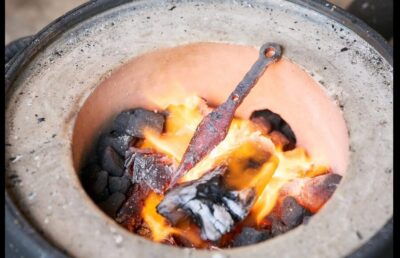

Try Mindful Calligraphy Near Kanazawa’s Ninja Temple
Our verdict →
Browse the lists this tour appears in