
Reviewed · HISTORICAL TOURS
Kamakura Historical Walking Tour with the Great Buddha
Kamakura packs centuries of Japanese history into a walkable seaside town, and this tour ties its best sights together with street food, temple lunch, and a wooded trail to the Great Buddha. You begin at Kamakura Station, then move from Komachi Street and Tsurugaoka Hachimangu to Hasedera, Kotoku-in, and Yuigahama Beach.
I like the small maximum of seven people, which gives your guide room to answer questions about customs and shrine etiquette. I also like that the entrance fees, snacks, vegetarian and vegan lunch options, and photos are included. The catch is simple: this is a real walking and hiking day, not a gentle sightseeing stroll. Bring water, a towel, and proper shoes.
Key points to know before booking
- The Great Buddha is only one part of the day: You also visit two major religious sites, a shopping street, and Kamakura’s beach.
- A 2.5-kilometer trail adds effort: Some sections can be steep and slippery, and the route may change in poor weather.
- Food is built into the experience: You sample Japanese snacks on Komachi Street and have a vegetarian temple lunch, with vegan food available.
- The group is capped at seven: Guides such as Isao, Mark, Ken, Fuji, Yoko, and Rookie have led tours praised for friendly help and strong local explanations.
- The tour begins and ends at Kamakura Station: You meet at the west exit clock tower plaza at 10:00 a.m. and return there after about five hours.
- Budget for 440 yen of transport: This fee is not included, and train travel may replace the trail in rainy weather.
Why this Kamakura route works well
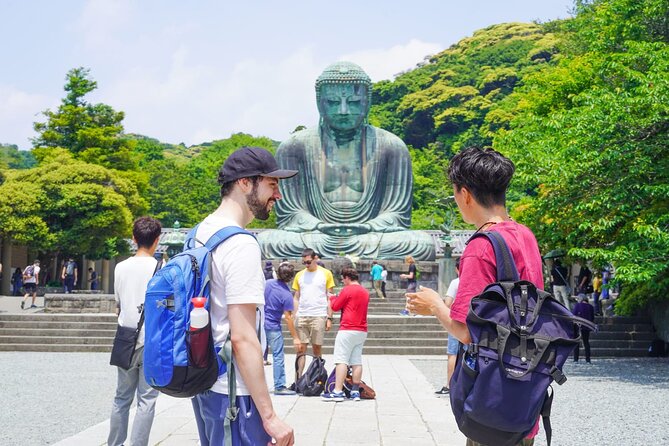
Kamakura is easy to visit from the greater Tokyo area, but its sights are spread across a busy town, wooded hills, and the coast. A first-time visitor can lose time working out which train, temple, and walking route to use. This tour gives you a clear five-hour plan and a guide to explain what you are seeing.
The experience also avoids making the Great Buddha the entire story. You get a better sense of Kamakura by starting with local food and a Shinto shrine, then moving through Buddhist temple grounds before reaching the huge bronze statue. The beach adds another side of town, one that is easy to miss if you spend the whole day around the station.
At $98.44 per person, the tour is not the cheapest way to visit Kamakura. The value comes from the number of inclusions: Great Buddha and Hasedera entrance fees, street-food samples, temple lunch, a certified guide, and photos. You still pay 440 yen for transportation, and any extra food is on you, but the price is reasonable if you want guidance rather than a self-guided day.
The small group matters here. With up to seven people, your guide can help with questions about Japanese customs, explain how to behave at a shrine, and adjust the pace more easily than on a large coach tour. Several guides, including Ken, Mark, Isao, Fuji, Yoko, and Rookie, are specifically praised for patience, friendly conversation, useful cultural explanations, and help with onward train travel.
More Walking Tours in Kamakura
- Kamakura Walking Tour – The City of Shogun
★ 5.0 · 100 reviews - Kamakura 8 hr Private Walking Tour with Licensed Guide from Tokyo
★ 5.0 · 80 reviews - Kamakura: Private Guided Walking Tour with Local Guide
★ 4.8 · 60 reviews
Starting at Kamakura Station and Komachi Street
Meet at the clock tower plaza outside the west exit of JR Kamakura Station at 10:00 a.m. Be early. The operator stresses that the tour must start on time, and the meeting area has separate east and west exits that can cause confusion if you are rushing.
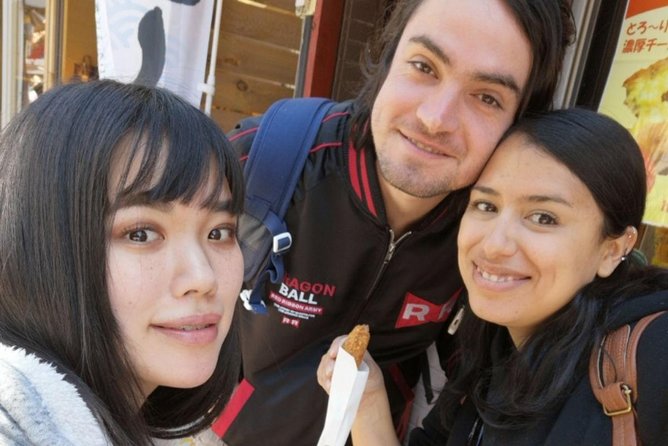
The first stop is Komachidori, the shopping street that runs parallel to Wakamiya-Oji Street from the station toward Tsurugaoka Hachimangu. You have about 20 minutes here to sample Japanese snacks and street food. That short tasting gives you fuel before the walking begins and lets you see a more everyday side of Kamakura.
Do not expect a full meal at this point. Additional food is available for purchase, but it is not included. The food sampling is also not designed to handle every allergy or dietary restriction. The kitchens belong to individual businesses, so the operator cannot guarantee an allergy-free experience or promise substitutions at every stop.
For many people, starting with food is smart. You get a quick introduction to Japanese flavors without having to choose a restaurant immediately. It also keeps the opening of the tour relaxed before the cultural sites begin.
Tsurugaoka Hachimangu and Kamakura’s samurai past
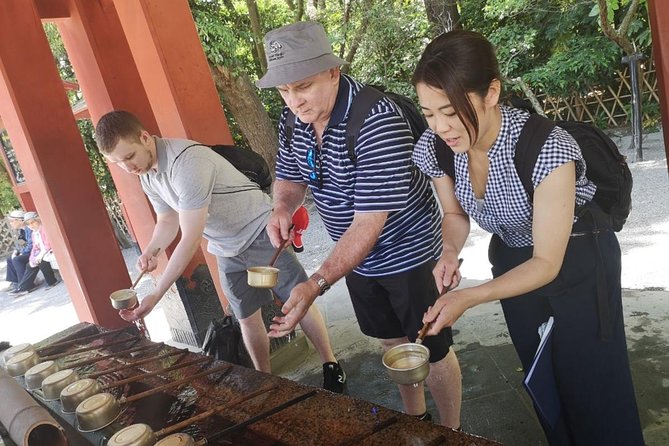
From Komachi Street, the group continues to Tsurugaoka Hachimangu Shrine, Kamakura’s best-known Shinto shrine. You have around 30 minutes to learn about Japanese culture, religious customs, and the role of the shrine in Kamakura’s past.
This stop is useful because Shinto shrines can seem unfamiliar if you are visiting Japan for the first time. Your guide can explain basic etiquette and the difference between a shrine and a Buddhist temple. The setting also helps you understand why Kamakura became such an important political and religious center.
Thirty minutes is enough for an introduction, but not enough for a slow, detailed exploration of every corner. If you are especially interested in shrine architecture or photography, you may want to return on your own after the tour. The guided schedule favors variety over lingering at one site.
That trade-off is common throughout the day. You see several major places in five hours, but you will not have unlimited time at each one. I think the arrangement works well for a first visit, especially if you want a strong overview before deciding which sites deserve a second look.
Hasedera Temple, coastal views, and a small cave
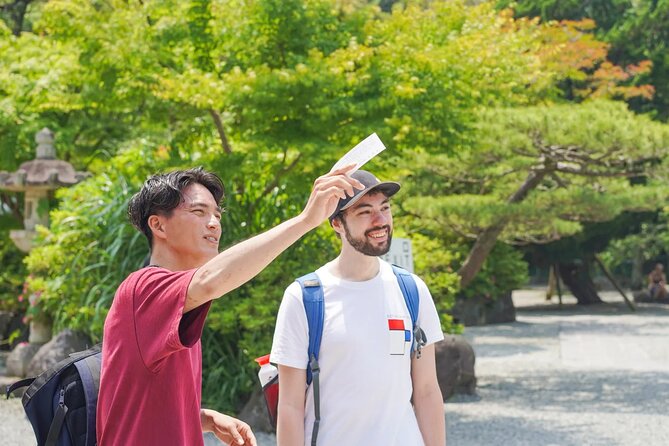
Hasedera receives about 50 minutes, making it one of the longer stops. The temple is known for its carefully maintained gardens, views toward the coast, and a small cave tucked into the grounds. The combination gives you more than a quick photo stop.
The temple’s origins are traditionally placed in 736, during Japan’s Nara period, and it is among Kamakura’s oldest temples. Your guide can place the buildings and religious traditions in context, which makes the visit more meaningful than simply walking through attractive grounds.
The coastal viewpoint is one of the day’s rewards. You see Kamakura from above before heading toward the Great Buddha and the beach. The cave adds a change of mood, though you should be ready for uneven walking and stairs around temple areas.
Temple lunch is included, with vegetarian and vegan choices available. The operator warns that vegetarian selections in Japan can be limited, and substitutions are not always possible. If you have strict dietary needs, contact the provider before booking and bring a backup snack. The meal is a useful cultural part of the day, but it should not be treated as a fully customizable restaurant experience.
More Historical Tours in Kamakura:
- World Heritage Shirakawa-go and Experience Tours from Kanazawa
★ 5.0 · 4,049 reviews - Tokyo: Imperial Palace and Shogun Historical Walking Tour
★ 5.0 · 2,251 reviews - World Heritage Kyoto & Nara Uji Authentic Matcha Experience
★ 5.0 · 1,573 reviews - Kyoto Gion: 2-Hour Geisha Culture & History Walking Tour
★ 5.0 · 1,186 reviews
Hiking toward the Great Buddha

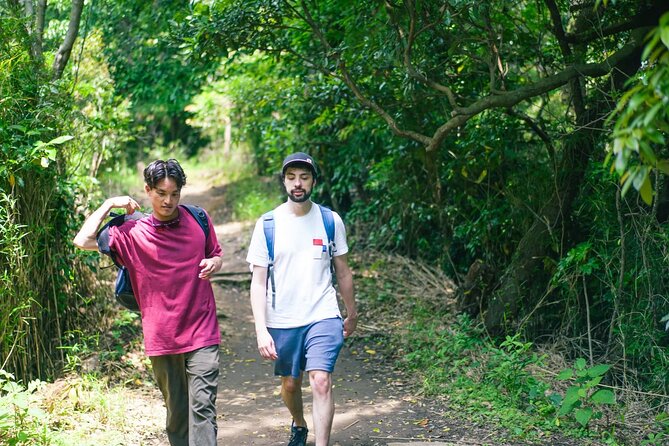
The route includes about 5 kilometers of walking overall, with a hiking trail of roughly 2.5 kilometers. This is the part that separates the tour from a standard temple bus ride. You move through a wooded route with views toward Yuigahama Beach, and you get a little exercise between the historic sites.
The trail can become steep and slippery. Wear shoes with a firm grip, not smooth-soled sneakers or dress shoes. Hiking clothes are also sensible, especially during hot or wet weather. Carry water and a towel, since summer temperatures in Japan can reach 40°C and winter temperatures can fall to -5°C.
The hiking section has received especially warm praise from people who enjoyed the views and the feeling of walking through Kamakura with a local guide. Fuji, for example, is praised for friendly conversation and clear English, while Yoko led a route that included a wooded walk with views of Yuigahama Beach, the Great Buddha, and Hasedera.
You do not need to be an expert hiker, but you should have basic comfort on a trail. If your knees, balance, or stamina are concerns, ask about the route before booking. The operator can change the path if weather makes the trail unusable. In rain, the group uses a train to reach the Great Buddha instead of taking the hiking route, with transportation costs still applying.
Meeting the Great Buddha at Kotoku-in
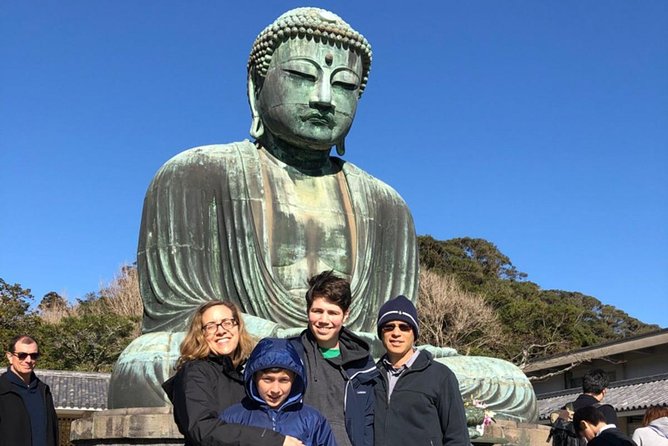
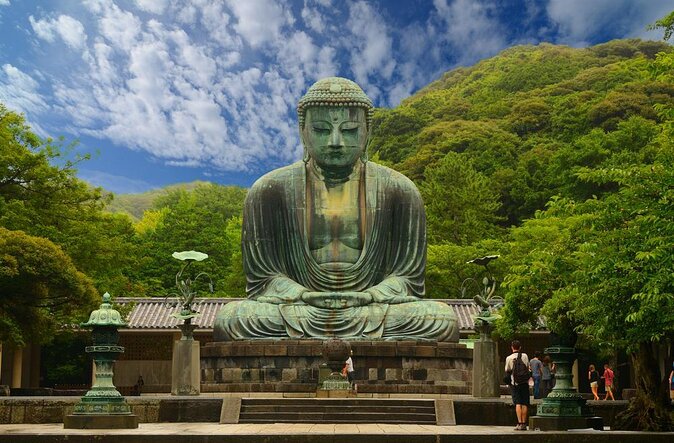
The Great Buddha of Kamakura is the visual centerpiece of the tour. At Kotoku-in Temple, you have about 40 minutes to see the bronze statue, learn about its long place in Kamakura, and take photos.
The statue has been on the temple grounds for more than 750 years. Its size is impressive, but the visit is also valuable because your guide can explain its religious setting and place it within the wider story of Kamakura. You are not simply arriving, taking a picture, and moving on.
Forty minutes gives you time to look closely and hear the main explanations without making the stop drag. It is also long enough for photographs, though the area can feel busy at popular times. The tour does not promise a private or quiet visit, so patience helps.
Entrance to the Great Buddha is included. That matters because the admission costs are already folded into the tour price, and you do not need to manage tickets while moving through the day.
Passing Enoshima and reaching Yuigahama Beach
Enoshima Island is passed during the route rather than visited as a full stop. Think of this as a glimpse, not an island excursion. If Enoshima is a major goal for your Japan trip, you will need separate time for it.
The final sightseeing stops are Yuigahama Beach and Kamakura Seaside Park’s Yuigahama Area, with about 20 minutes at each. The sandy beach has shallow water and gives you a different view of Kamakura after the temples and forest trail.
On a clear day, you may be able to photograph Mt. Fuji across the water. The view depends on conditions, so do not book this tour solely for a guaranteed Fuji sighting. Sailboats, the coast, and the open shoreline still make the beach a welcome change from the enclosed temple grounds.
Ending beside the water also gives the day a natural rhythm. You begin with snacks near the station, move through shrines and temples, walk through wooded hills, meet the Great Buddha, and finish at the coast before returning to the meeting point.
What the five-hour schedule feels like
The advertised duration is about five hours, starting at 10:00 a.m. The schedule is active from beginning to end. Even though some stops are only 20 or 30 minutes, the walking between them adds up quickly.
I would plan for comfortable clothes, sun protection in warm weather, and a small day bag. Water and a towel are specifically recommended. A portable umbrella may also be useful, but weather can alter the hiking route, so check the forecast and contact the operator if conditions look poor.
This is not the right choice if you want long café breaks, extensive shopping time, or a slow photo session at every temple. It suits you if you prefer a planned route and want to see several major places in one day.
The tour ends back at the starting point. That makes it easy to continue exploring Kamakura independently or catch a train onward. One guide, Mark, also helped a group work out which train to take back to Yokohama, a practical benefit if you are unsure about the rail system.
Food, dietary limits, and the real value
The included food gives the tour more character than a sightseeing walk that only pauses for photos. Komachi Street snacks introduce local flavors, while the temple lunch gives you a chance to eat in a setting tied to Japanese religious culture.
Still, food arrangements require realistic expectations. Vegetarian and vegan menus are available, but vegetarian choices may be limited. Allergy-free meals are not guaranteed, and substitutions may not be possible at each stop. If your diet is strict, ask detailed questions before paying and carry something suitable as insurance.
The $98.44 price works best for someone who values interpretation, convenience, and a compact route. If you are comfortable navigating trains, buying tickets, choosing your own food, and researching temple etiquette, a self-guided day will cost less. If you want a local guide, included admissions, snacks, lunch, and a small group, the package makes better financial sense.
Free cancellation is available if you cancel at least 24 hours before the start time. Changes or cancellations inside that window are not refunded. If poor weather cancels the activity, you are offered another date or a full refund.
Who should book this Kamakura walk?
I would recommend it most strongly to first-time visitors to Japan or the Tokyo area who want Kamakura explained rather than merely photographed. Families with older children, couples, solo visitors, and active adults can all fit well, provided everyone can manage five kilometers of walking and some trail sections.
It is also a good choice if you want human guidance on Japanese customs. The strongest guide feedback centers on patient explanations, friendly conversation, and help with practical matters such as finding the right train afterward.
I would hesitate if you have limited mobility, dislike uneven paths, need guaranteed dietary substitutions, or want a relaxed half-day with little exertion. The walking is central to the experience, and the weather can change the route.
FAQ
Where does the Kamakura tour meet?
The meeting point is the clock tower plaza outside the west exit of JR Kamakura Station, at 12-3 Onarimachi, Kamakura, Kanagawa 248-0012, Japan.
What time does the tour begin?
The tour starts at 10:00 a.m. You should arrive early because the group is expected to leave on time.
How much walking is involved?
The tour covers about 5 kilometers in total. The hiking trail is about 2.5 kilometers and can be steep or slippery in places.
Is lunch included?
Yes. Temple lunch is included, and vegetarian and vegan options are available. Choices may be limited, and allergy-free meals cannot be guaranteed.
Is transportation included?
Transportation is not included. The additional transportation cost is 440 yen. In rainy weather, a train may be used to reach the Great Buddha instead of the hiking trail.
What happens if bad weather cancels the tour?
If poor weather causes the experience to be canceled, you can choose a different date or receive a full refund. Routes may also change when hiking trails are unsafe.
Should you book it?
Book this tour if you want Kamakura’s main sights in one active, well-organized morning and afternoon, with a guide to explain shrines, temples, customs, and local food. The Great Buddha is the headline, but the street snacks, Hasedera views, wooded trail, and beach make the day feel much more complete.
Skip it if you want a slow temple visit, have trouble on slippery trails, or need strict control over every meal. For everyone else, the small group, included admissions, temple lunch, and practical local guidance make this a strong first Kamakura outing.
Just added around Kamakura
- First time in Kamakura? Enjoy a Tour of All Must-sees!★ 5.0 · 15 reviews
- Buddha, Bamboo & Zen – Bespoke Kamakura Private Walking Tours★ 5.0 · 25 reviews
- Your Own HANKO Name Seal Activity in Kamakura.★ 5.0 · 24 reviews
- Kamakura Tours Half Day or Full Day Tours with a local guide.★ 5.0 · 12 reviews
- Exciting Kamakura – One Day Tour from Tokyo★ 5.0 · 40 reviews
- Kamakura Bamboo Forest and Great Buddha Private Tour★ 5.0 · 12 reviews
- Tokyo Yokohama Night View Tour With Kamakura And Enoshima★ 3.5 · 14 reviews
- Tokyo: Day Trip to Kamakura in Spanish – Spanish★ 4.9 · 22 reviews
Historical Tours, compared.
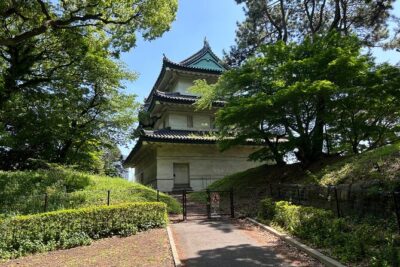
Imperial Palace and Shogun Historical Walking Tour
Our verdict →
World Heritage Kyoto & Nara Uji Authentic Matcha Experience
Our verdict →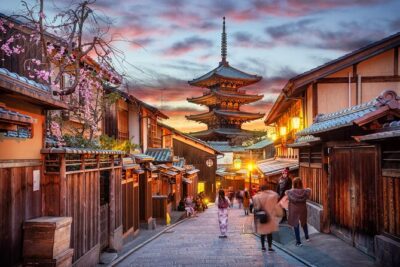
Kyoto Gion: 2-Hour Geisha Culture & History Walking Tour
Our verdict →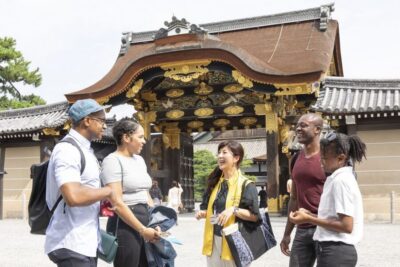
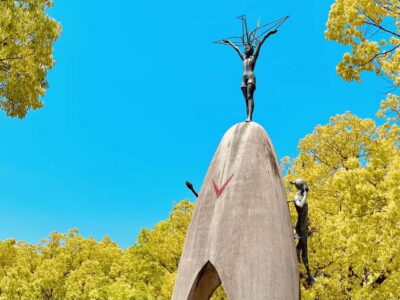
Hiroshima Historical Walking Tour – Why A-Bomb was Dropped
Our verdict →
Yanaka Walking Tour: Historic and Traditional District of Tokyo
Our verdict →
Shinjuku Historical Walking Tour & Secret Backstreets
Our verdict →
Mt. Fuji Heritage Tour: Traditional Villages, Lakes & Shrine
Our verdict →Browse the lists this tour appears in