
Reviewed · KAMAKURA TOURS
Kamakura Tours Half Day or Full Day Tours with a local guide.
Kamakura’s famous sights are spread around town, so this private tour earns its keep by taking the guesswork out of moving between them. You’ll see the Great Buddha, Hase-dera, Komachi Street, and Tsurugaoka Hachimangu, with a local guide managing the route by train and on foot.
I like the mix of major sights and ordinary pleasures, especially the chance to stop for local snacks on Komachi Street. I also like that the tour is private, so your group can ask questions, set a comfortable pace, and consider adding a kimono rental for photographs.
The main catch is that the $70 price does not cover lunch, private transport, or a kimono. You’ll also need moderate fitness for several hours of walking and public transport, and the full-day schedule may feel long if you prefer a slower temple visit.
Key points to know before booking
- Private guiding for your group: You are not placed with strangers, and your guide can answer questions in a more personal way.
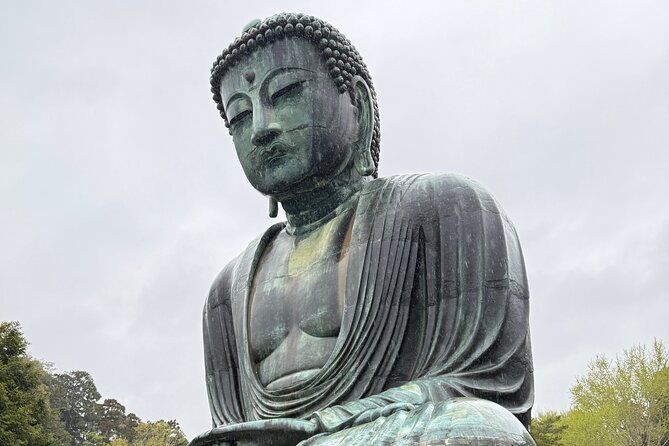
- Four major Kamakura sights: The route includes the Great Buddha, Hase-dera Temple, Komachi Street, and Tsurugaoka Hachimangu Shrine.
- Public transport is part of the plan: This is not a vehicle tour, so you should be ready to walk and use local trains or other public transport.
- A strong food and shopping break: Komachi Street gives you time for local snacks, drinks, handmade goods, and souvenirs.
- Jack is one named guide: His clear English and connection to the United States may make conversation easy for English-speaking visitors.
- Optional kimono photographs: You can rent a kimono or yukata during the tour, but the rental fee is extra.
Why this Kamakura tour works well
Kamakura is an easy day trip to underestimate. The town sits close enough to Tokyo for a quick visit, yet its temples, shrine, shopping streets, and coastal attractions are spread across different areas. A first-time visitor can lose time checking routes, finding entrances, or deciding which sights deserve attention.
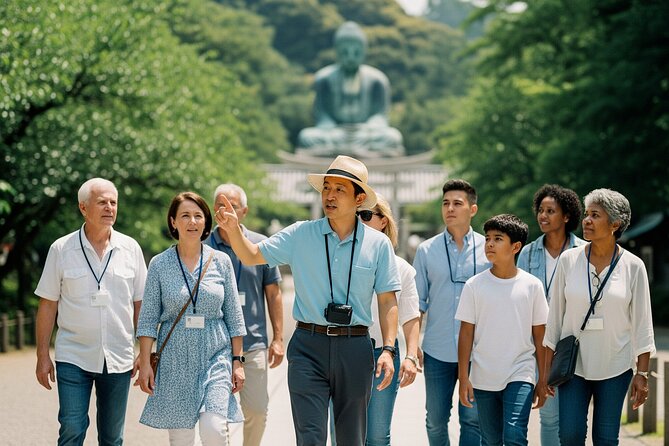
This tour gives you a local guide for about eight hours, starting and ending at Kamakura Station. That arrangement is useful because you can arrive by train, meet near the station, and finish where you began without having to find your way back from an unfamiliar neighborhood.
The guide does more than point out buildings. The plan includes explanations of Buddhist figures such as Kannon and Jizo at Hase-dera, along with the cultural role of Tsurugaoka Hachimangu. You get a better sense of how Kamakura’s religious sites fit into the town rather than simply collecting photographs.
The private format is another advantage. Only your group takes part, so you can ask about food, customs, local transport, and the meaning of the places you see. If you have a particular interest in Japanese gardens, religious art, shopping, or photography, it is worth raising that early with your guide.
Guide Jack is specifically praised for his strong English and his time living in the United States. That may make the tour especially comfortable if you want detailed conversation rather than a short script at each stop.
More Full-Day Tours in Kamakura:
- From Tokyo: Kamakura Full Day Tour with a Local Expert Guide
★ 4.6 · 43 reviews - From Tokyo: Kamakura and Enoshima Full-Day Private Trip
★ 4.7 · 17 reviews - From Tokyo: Mount Fuji Full-Day Sightseeing Trip
★ 4.5 · 4,970 reviews
Meeting the Great Buddha at Kotoku-in
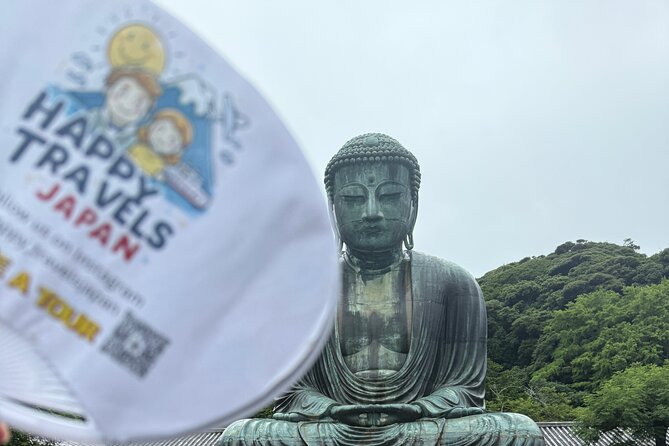
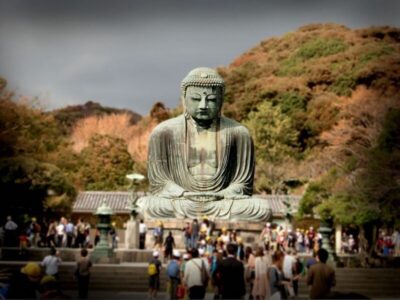
The tour begins with the Great Buddha of Kamakura at Kotoku-in, one of the city’s best-known sights. The bronze statue gives you an immediate sense of Kamakura’s scale and religious importance, and the 45-minute stop leaves time to look carefully without letting one attraction swallow the whole day.
Admission is included, which keeps the basic cost clear. Your guide can provide context, point out details, and help you understand why this statue has become such a strong symbol of Kamakura.
You’ll also have time for snacks and drinks near the temple. That small food break matters, since the day involves walking and the tour does not include lunch. There are also opportunities to buy Great Buddha souvenirs if you want a simple reminder of the visit.
The 45-minute timing is practical, but it is not designed for a long, quiet stay. If you like to photograph every angle or spend extended time studying the temple grounds, you may find this stop brisk. The guide-led format favors seeing several major places in one day.
Hase-dera, Kannon, and Jizo
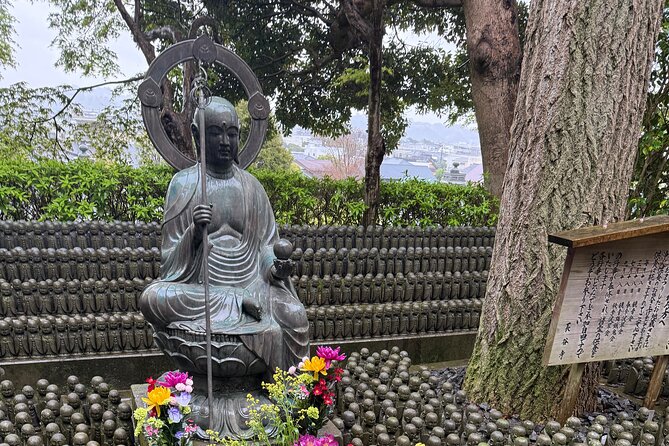
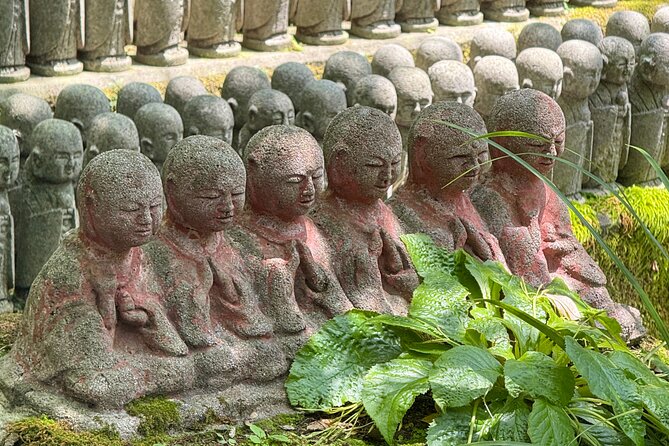
Next comes Hase-dera Temple, another 45-minute visit with admission included. The focus here is not only on the setting but also on Buddhist figures, including Kannon and the Jizo statues.
That explanation adds value. Without some context, religious statues can blur together during a busy sightseeing day. Learning who Kannon and Jizo are gives you a clearer way to look at the temple and its imagery.
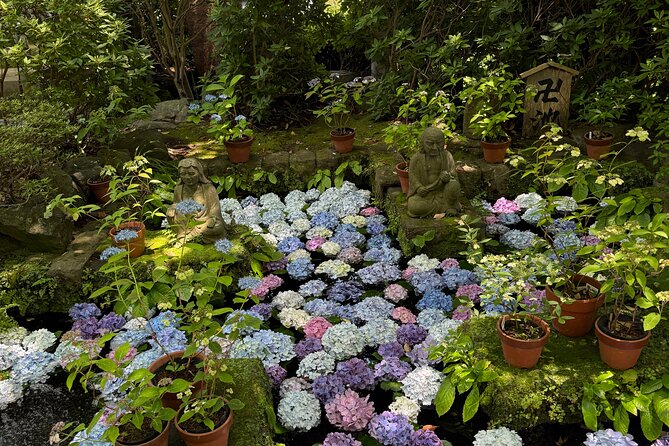
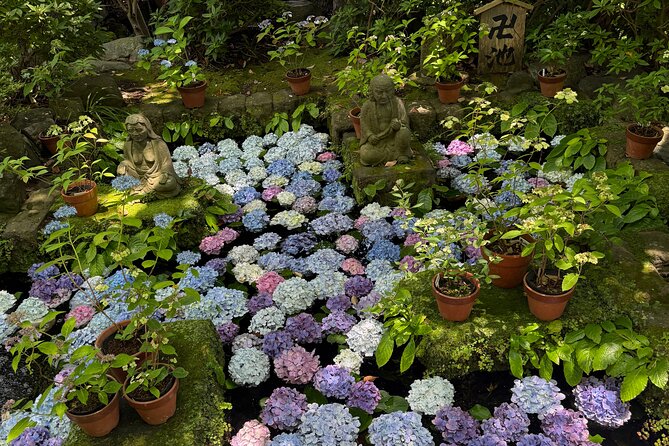
Hase-dera is also noted for its gardens and views toward the bay. You’ll want comfortable shoes, since temple visits generally involve walking across outdoor paths and changing levels. The tour requires a moderate level of physical fitness, so it is not the best choice if you need a vehicle between every stop or find extended walking difficult.
Again, 45 minutes keeps the day moving. You get an introduction rather than an unhurried study of every corner. That is a fair trade for visitors who want a broad Kamakura experience in one day, but less ideal for anyone who wants to sit quietly in one temple for a long period.
Eating and shopping along Komachi Street
Komachi Street receives the longest scheduled stop, about 90 minutes. This is where the tour shifts from temples and shrines to food, drinks, shopping, and everyday Kamakura life.
You can try local snacks and drinks, browse handmade souvenirs, and look for items made specifically in Kamakura. The guide can help you make sense of the choices and may steer you toward food that fits your interests.
This is also the natural point to think about lunch. Lunch is not included, but your guide can recommend a local restaurant and help you get there. The guide may join you if invited, though you pay for your own meal.
The time is flexible in spirit, but 90 minutes passes quickly if you want a full meal and serious shopping. Decide before you arrive whether food or souvenirs matter more to you. If you spend the whole break eating, you may have less time for browsing. If you sample small snacks instead, you can make better use of the shopping street.
Komachi Street is likely to feel the most commercial part of the day. That is not a flaw, but it is worth knowing. The street offers local products and food, yet it is also a popular shopping area. The tour balances this with quieter religious sites, so the day does not rest entirely on shops and snacks.
A few more Kamakura half-days worth comparing
- Tokyo: Kamakura & Enoshima Day Trip including Temple Tickets
★ 4.5 · 1,375 reviews - From Tokyo: Kamakura & Enoshima 1-Day Bus Tour
★ 4.5 · 189 reviews - Kamakura Historical Walking Tour with the Great Buddha
★ 5.0 · 129 reviews - Kamakura Private Tour: Temples, Nature, and the Great Buddha
★ 5.0 · 121 reviews
Tsurugaoka Hachimangu, Kamakura’s spiritual center
The route continues to Tsurugaoka Hachimangu Shrine, described as one of Japan’s oldest shrines and Kamakura’s spiritual heart. The visit lasts about 45 minutes, with time to learn about the shrine’s cultural importance and admire its design.
This stop gives the tour a different religious perspective from Hase-dera. You have already heard about Buddhist figures and temple practices. Here, the focus turns to Shinto tradition and the role of a major shrine in Kamakura.
The shrine is a strong place to ask questions. Your guide can explain what you are seeing and why the site matters, rather than leaving you to guess which areas are significant. Admission is free, so there is no extra entry charge here.
The schedule remains fairly active. You should expect to walk, stand, and move through a major public site rather than spend the whole visit in private contemplation. Visitors seeking a relaxed, unstructured shrine morning may find the guided timetable a little firm, while first-time visitors will appreciate the direction.
Adding a kimono or yukata rental
The final listed activity is an optional kimono or yukata rental at Kamakura Imakoji. The rental takes about one hour and can add a traditional visual touch to your photographs around town.
The rental fee is not included, and you should treat this as an optional extra rather than part of the $70 package. The tour description indicates that you can customize the ending with your guide, so discuss the timing before committing to the rental.
This option suits visitors who care about photographs, clothing, and a more playful cultural experience. It may be less appealing if you are already tired after several hours of walking or if you want more time at the temples.
Because clothing rental takes time, it can also affect the balance of the day. You should decide if the photographs are worth giving up some free time for food, shopping, or quiet sightseeing. A good guide can help you fit it into the route, but the extra cost remains yours.
What the $70 price really covers
At $70 per person, the value depends on how much help you want. The fee covers the guide and entrance fees to the temples and shrines included in the route. Bottled water is provided on hot summer days, though you cannot choose another drink such as soda or alcohol.
For a full day of private guiding, the price is attractive if you are traveling with people who want help with directions and local context. You are paying for planning, explanations, route management, and the convenience of having one person connect the stops.
The price does not cover a private vehicle. This is important. You will use public transportation and walk, so you should not book this expecting a chauffeured sightseeing day. You also pay separately for lunch, snacks, shopping, and kimono rental.
Group discounts are offered, but the available information does not give the discount amount or conditions. If you are booking for several people, check the final price carefully rather than assuming a fixed saving.
Walking, timing, and the shape of the day
An eight-hour tour is a serious day out. The listed stops alone include several hours, and moving between them adds walking and public transport. You should wear comfortable shoes and bring enough water for periods when you are away from shops.
The private format helps with pace, but it does not remove the physical demands. The activity calls for moderate fitness, and the route includes temples, shrine grounds, shopping streets, and transport connections.
The schedule is best for you if you want to see a lot of Kamakura in one outing. It is less suitable if your ideal day includes long café breaks, extended photography, or sitting quietly at each temple.
Weather also matters. The tour requires good weather, and a poor-weather cancellation may lead to another date or a full refund. That policy is useful, but it means you should keep some flexibility in your Kamakura plans.
Who should book this experience
I would recommend this tour to first-time Kamakura visitors who want the main sights without planning every train connection. It also fits families, couples, and small groups who prefer a private guide to a large shared tour.
English-speaking visitors may appreciate the communication style associated with Jack, whose English is described as impeccable and easy to follow. If having a guide who can explain history, culture, and local details in conversation matters to you, that is a meaningful advantage.
The tour also suits people who want a blend of famous sights and local browsing. You are not confined to temples all day. Komachi Street brings in food, drinks, shopping, and handmade souvenirs, while the optional kimono rental gives you another way to shape the outing.
I would think twice if you dislike walking, need private transport, or want lunch included in the price. I would also reconsider if you prefer to spend an entire morning at one temple rather than visit several sights on a set schedule.
Practical details before you reserve
You meet at Kamakura Station, at 1-chome-1-15 Onarimachi, and return to the same meeting point at the end. The activity is near public transportation, but private transportation is not supplied.
Service animals are allowed. Confirmation is received when you book, and the tour is private for your group.
Free cancellation is available up to 24 hours before the start time for a full refund. Changes or cancellations inside that period are not accepted and are not refunded. The cut-off uses local time, so check the clock carefully if you are arranging plans from another time zone.
Should you book the Kamakura day tour?
Book it if you want a well-planned introduction to Kamakura, value personal guidance, and are comfortable using public transport and walking for much of the day. The included temple and shrine admissions, private format, local food stop, and optional kimono experience give the day a useful range.
The strongest reason to choose it is the guide. A good local guide can turn four famous stops into a connected story, and Jack’s clear English is a specific plus for many visitors.
Skip it if you want a slow, self-directed day, a private car, or an all-inclusive price. For everyone else, $70 per person is a sensible way to cover Kamakura’s major sights while leaving room for local food and personal choices.
FAQ
How long does the Kamakura tour last?
The tour lasts approximately eight hours.
Where does the tour start and end?
It starts at Kamakura Station at 1-chome-1-15 Onarimachi, Kamakura, Kanagawa 248-0012, Japan. The activity ends back at the meeting point.
Is this a private tour?
Yes. Only your group participates in the activity.
Is transportation included?
Private transportation is not included. The tour combines walking with public transportation, which the guide helps manage.
Are temple and shrine entrance fees included?
Entrance fees to the included temples and shrines are covered. Tsurugaoka Hachimangu Shrine has no admission charge.
Is lunch included?
No. Lunch is not included. The guide can recommend a local restaurant, and may join you if invited, but you pay for your own meal.
Can I rent a kimono during the tour?
Yes. You can arrange an optional kimono or yukata rental at Kamakura Imakoji. The rental fee is not included in the tour price.
Just added around Kamakura
- First time in Kamakura? Enjoy a Tour of All Must-sees!★ 5.0 · 15 reviews
- Buddha, Bamboo & Zen – Bespoke Kamakura Private Walking Tours★ 5.0 · 25 reviews
- Your Own HANKO Name Seal Activity in Kamakura.★ 5.0 · 24 reviews
- Exciting Kamakura – One Day Tour from Tokyo★ 5.0 · 40 reviews
- Kamakura Bamboo Forest and Great Buddha Private Tour★ 5.0 · 12 reviews
- Tokyo Yokohama Night View Tour With Kamakura And Enoshima★ 3.5 · 14 reviews
- Tokyo: Day Trip to Kamakura in Spanish – Spanish★ 4.9 · 22 reviews
- Kamakura Temples Private Guided Tour from Tokyo★ 4.8 · 21 reviews
Kamakura Tours, compared.

Kamakura & Enoshima Day Trip including Temple Tickets
Our verdict →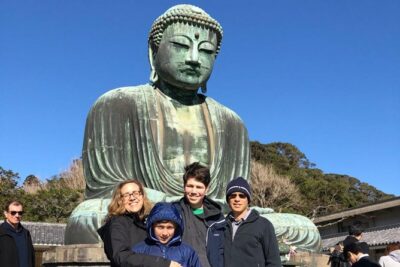
Kamakura Historical Walking Tour with the Great Buddha
Our verdict →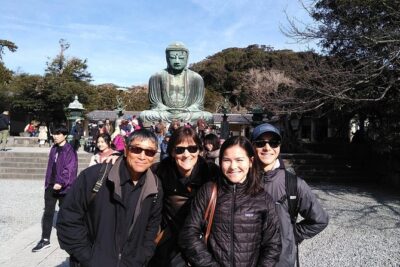
Kamakura 8 hr Private Walking Tour with Licensed Guide from Tokyo
Our verdict →
Kamakura Private & Customizable Tour – All-in-One Experience
Our verdict →
Browse the lists this tour appears in