
Reviewed · WALKING TOURS
Kamakura: Private Guided Walking Tour with Local Guide
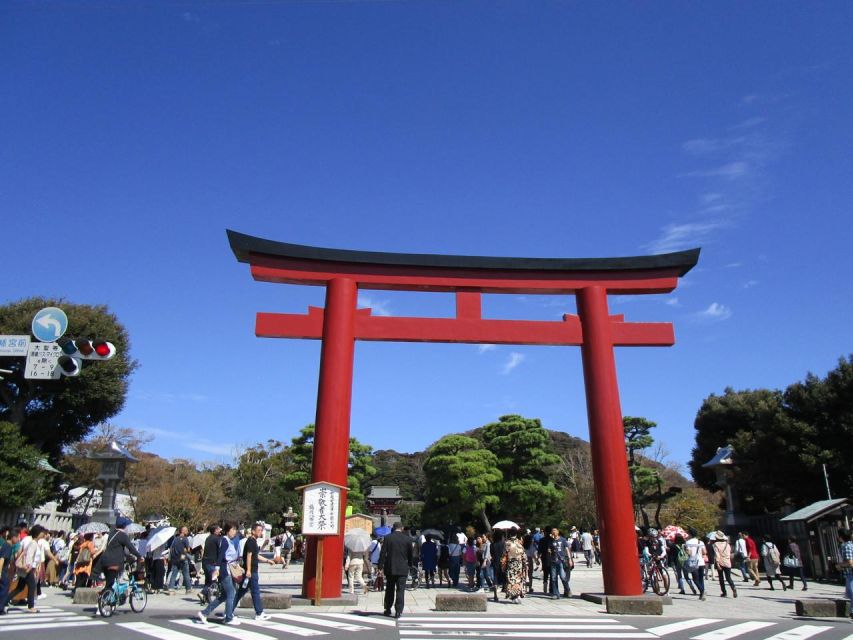
Kamakura’s best sights are spread across a small coastal city, and a private guide helps turn that jumble of temples, shrines, gardens, and lanes into a day with a clear story. You can see the Great Buddha, Hase-dera, major Zen temples, and local favorites without spending half your time deciding where to go next.
I like the personal planning and the chance to ask real questions about Japanese customs, Buddhism, samurai history, food, and daily life. I also like that guides have helped visitors fit the route to a tight schedule, find lunch, avoid crowded periods, and even adjust plans for a glimpse of Mount Fuji. The main catch is cost: at $106 per person, you also pay entrance fees, meals, and any train or taxi fares.
Key points to know before booking
- A private route shaped around you: Choose four or six hours, request specific sights, or let your guide plan the day.
- The Great Buddha from the inside: You can enter the interior of Kamakura’s famous bronze statue.
- Hase-dera in hydrangea season: Around June, about 2,500 hydrangeas in 40 varieties fill the temple grounds with color.
- A nationally licensed guide: Guides hold Japan’s government certification for tour interpreters and speak English or Japanese.
- Flexible connections: The tour is mainly on foot, but public trains or local taxis may be needed between sites.
- A strong fit for first-time Kamakura visits: Your guide can handle route choices, timing, local customs, and restaurant suggestions.
Why a private guide helps in Kamakura
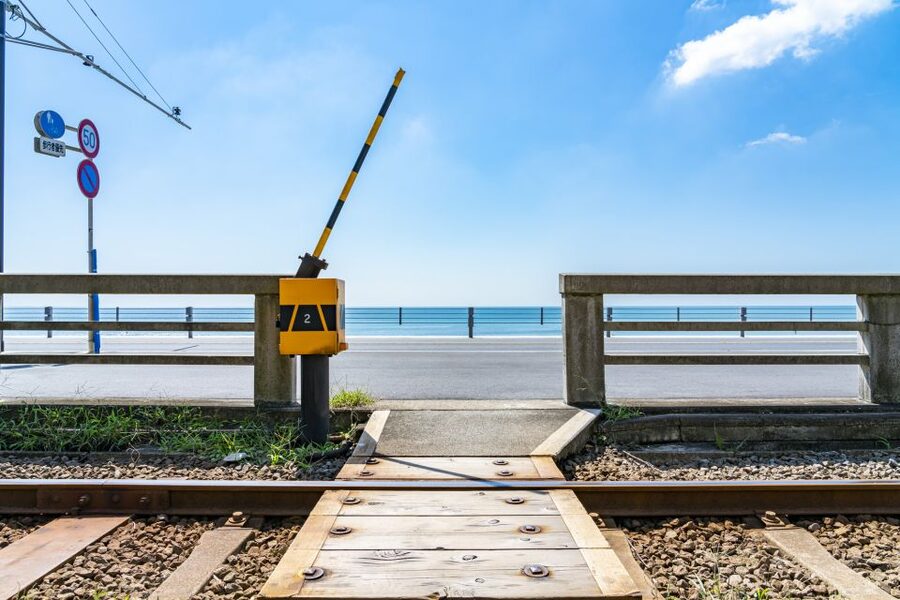
Kamakura sits about an hour from Tokyo, making it one of the easiest cultural side trips from the capital. It is also easy to underestimate. The city has important Buddhist temples, Shinto shrines, gardens, shopping streets, beaches, and nearby sights such as Enoshima. The challenge is not finding something to see. It is choosing what fits into one day.
A private guide gives you a human filter. Instead of trying to visit every famous place, you can explain what matters to you. You might want temples and gardens, food and local shops, photography, samurai history, or a brisk route that ends near your train back to Tokyo.
The four-hour option works well if you want a focused introduction. The six-hour option gives you more room for several major sites, a meal, extra questions, or a slower pace. Past itineraries have included the Great Buddha, Hase-dera, Tsurugaoka Hachimangu Shrine, Kencho-ji, and Engaku-ji. The exact mix depends on your interests, the guide, and the time available.
I would tell you to discuss your priorities before the day begins. Simon arranged his wishes with Emiko by email, while other visitors simply asked guides such as Shinji to make the choices. Both approaches make sense. If you already know what you want, send a list. If Kamakura is new to you, let the guide sort the sites into a sensible order.
More Walking Tours in Kamakura
- Kamakura Historical Walking Tour with the Great Buddha
★ 5.0 · 129 reviews - Kamakura Walking Tour – The City of Shogun
★ 5.0 · 100 reviews - Kamakura 8 hr Private Walking Tour with Licensed Guide from Tokyo
★ 5.0 · 80 reviews
Entering the Great Buddha at Kotoku-in
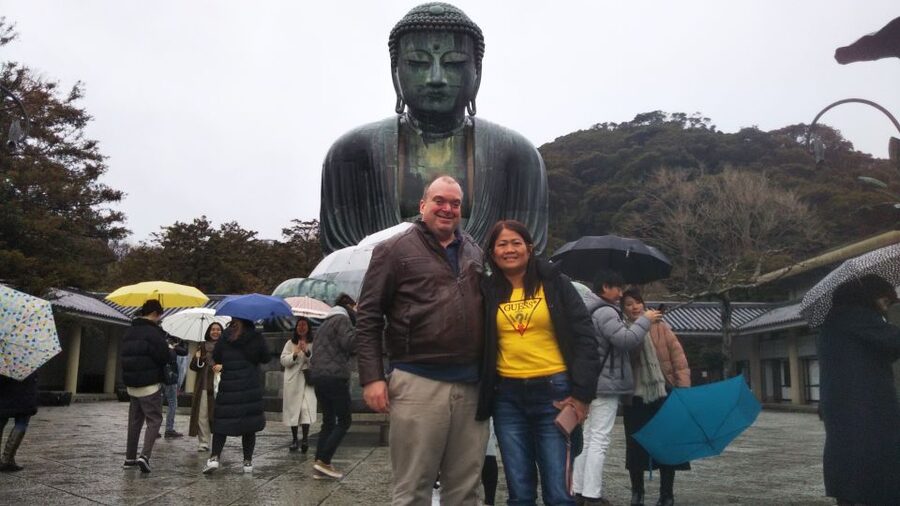
The Great Buddha is the visual anchor of a Kamakura day. This enormous bronze image at Kotoku-in is not just a quick photo stop. You can enter the interior of the statue, a small detail that gives the visit more meaning and helps you appreciate its construction.
Your guide can explain why the image matters to Kamakura and how it fits into the area’s Buddhist tradition. That context is useful because the statue can otherwise feel like an isolated monument surrounded by cameras and souvenir stalls.
The stop is especially good for first-time visitors who want one unmistakable symbol of the city. It is also a practical place to begin because it gives you a clear sense of Kamakura’s scale. From here, your route might continue toward Hase-dera or move to other temples and shrines.
Entrance fees are not included in the tour price. Bring Japanese yen, since you will also need money for any local transport and possibly food.
Hase-dera’s gardens and seasonal flowers
Hase-dera brings together temple buildings, gardens, religious statues, and views toward the coast. The grounds are best appreciated with enough time to look around rather than treating the temple as a fast stop between train connections.
June is the special month here. During the rainy season, about 2,500 hydrangeas representing 40 varieties bloom across the temple grounds. The flowers can draw crowds, so a guide may help you think about timing and how to fit Hase-dera into the rest of the day.
I like this stop for travelers who want more than grand architecture. The garden setting changes with the season, and your guide can point out details you might pass without understanding. At the same time, anyone with limited mobility should discuss the route in advance. The activity is listed as wheelchair accessible, but the full day includes walking between sites and may involve connections by public transport or taxi.
Zeniarai Benten and a playful money tradition
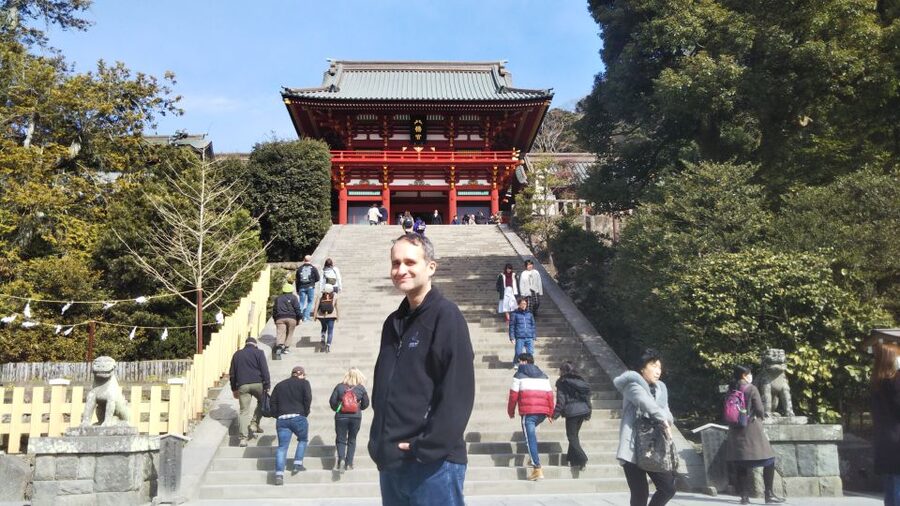
Zeniarai Benten Shrine offers a very different experience from the large temple complexes. Its famous tradition says that washing money in the shrine’s sacred spring will help you earn more money.
You do not need to treat the custom as a financial plan to enjoy it. It is a memorable example of how religious practice, local folklore, and everyday hopes can overlap in Japan. Your guide can explain how to approach the shrine respectfully and what you are seeing, rather than leaving you to guess at the ritual.
This is one of the places where a private guide adds value through explanation. A quick solo visit can be pleasant, but the meaning of the spring and the local story give the stop its character. If you have a strong interest in Japanese beliefs, be sure to request Zeniarai Benten when arranging the route.
Same trip, a completely different kind of day:
- Tokyo: Kamakura & Enoshima Day Trip including Temple Tickets
★ 4.5 · 1,375 reviews - From Tokyo: Kamakura & Enoshima 1-Day Bus Tour
★ 4.5 · 189 reviews - Kamakura Private Tour: Temples, Nature, and the Great Buddha
★ 5.0 · 121 reviews - Tokyo: Kamakura & Enoshima Day Tour with Pickup & Train Ride
★ 4.1 · 61 reviews
Hokoku-ji and the bamboo garden
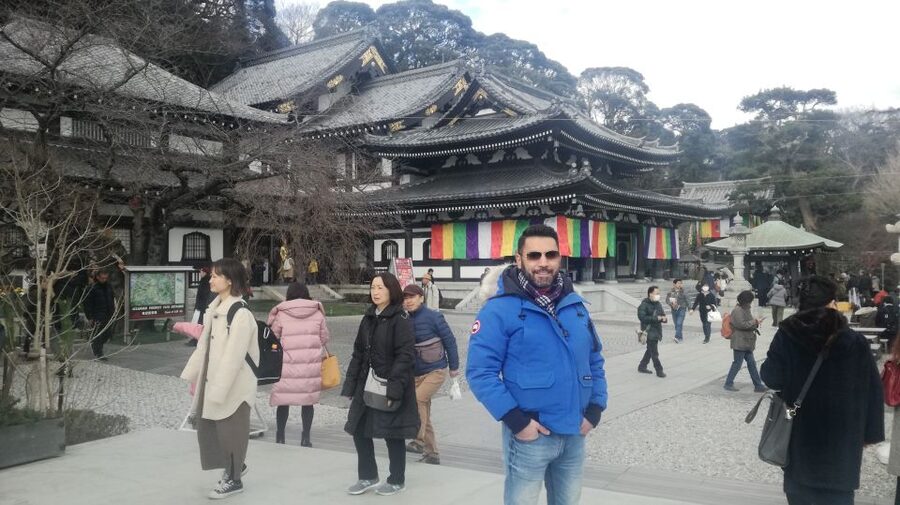
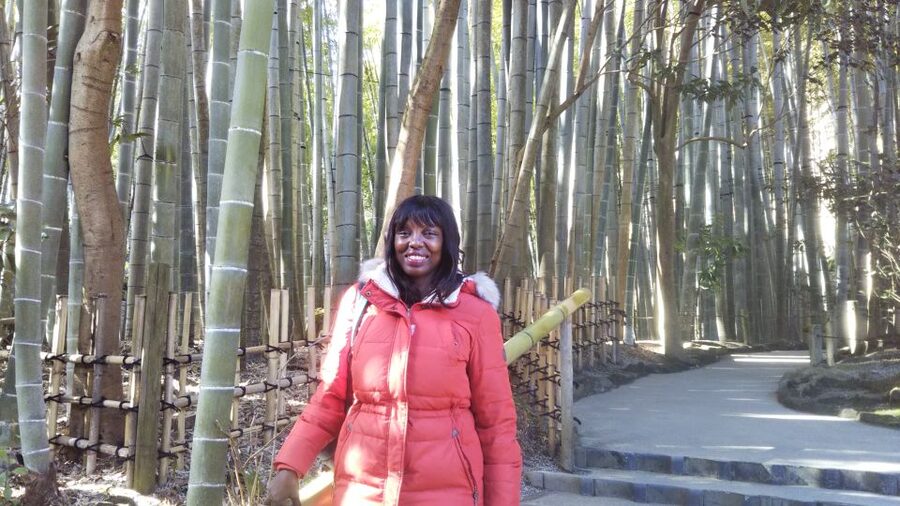
Hokoku-ji Temple is known for its bamboo forest garden and matcha tea. After walking through Kamakura’s historic center, this can be a quieter pause. You can sit with tea and look into the bamboo grove rather than simply checking another temple off a list.
The matcha is not included, and entrance fees are separate, but this is an easy extra cost to understand. You are paying for a short cultural experience as well as access to the garden. It suits anyone who enjoys calm scenery, tea, and photography.
Because Kamakura offers more temples than most visitors can reasonably see in one day, Hokoku-ji is a good example of why route planning matters. You may prefer it to another major temple, or you may decide that the Great Buddha and Hase-dera are enough. Tell your guide what kind of day you want instead of trying to collect every name.
Building a route around the main temples
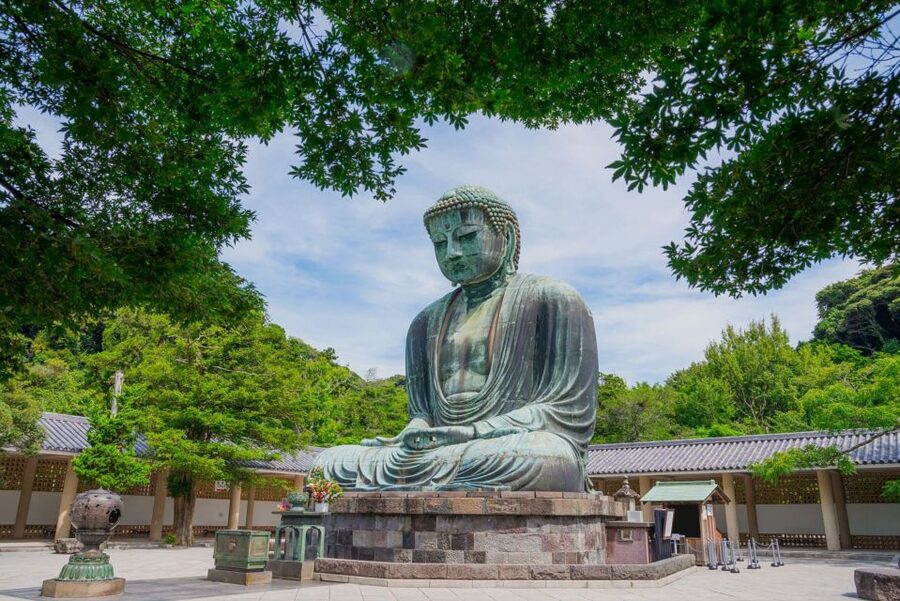
A six-hour day can cover several major sites if you keep moving. One successful route included the Great Buddha, Hase-dera, Tsurugaoka Hachimangu Shrine, Kencho-ji, and Engaku-ji, with lunch after the first three hours. That is a full schedule, but it shows what the longer option can make possible.
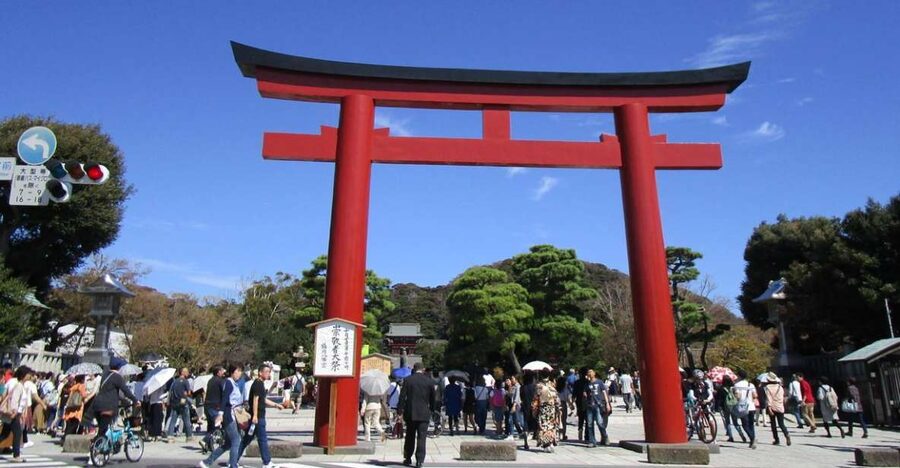
Tsurugaoka Hachimangu is one of Kamakura’s major Shinto landmarks. Kencho-ji and Engaku-ji offer a different mood, with Zen temple grounds and a stronger focus on monastic tradition. Seeing both Shinto and Buddhist sites in one day helps you understand that Kamakura is not simply a collection of old buildings. It is a place where different religious traditions remain part of ordinary cultural life.
The drawback is pace. Five major sites, lunch, and transfers can leave little time for browsing shops or lingering in gardens. If you prefer slow photography, long meals, or detailed visits inside each complex, choose fewer stops and use the six hours well.
A guide can also help with the end of the day. Shinji planned a route that left only a five-minute walk to the train station after the last sightseeing stop. That kind of timing matters when you are heading back to Tokyo and do not want to finish the day lost on an unfamiliar street.
What the guides add to the day
The guides are not one fixed person, so the tone of your experience will vary. Names associated with past tours include Shinji, An, Yuki, Taku, Emiko, Yutaka, Hirosan, Tome, Koba, Kei, and Goto.
The strongest pattern is flexibility. An adjusted one route around holiday closures and another around a request to see several shrines. Yuki met her group at the train station, kept up with a quick walking pace, and suggested a sushi restaurant. Hirosan changed the plan to help include a rare view of Mount Fuji.
Communication before the tour matters. Emiko confirmed requests by email, and Taku put together an itinerary on short notice. Tell the local team if food is important, if you want a fast or relaxed pace, or if you have particular temples in mind.
The guides hold Japan’s nationally licensed Tour Guide-Interpreter certification. That certification requires knowledge of Japanese culture and history, and it is a useful distinction for anyone who wants more than directions and photo stops. The strongest benefit is the ability to ask follow-up questions in the moment.
Lunch, shops, and local advice
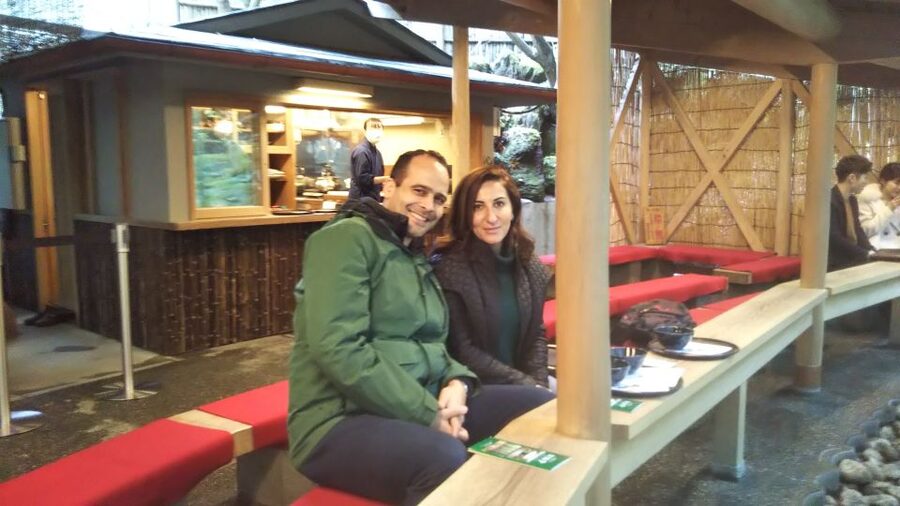
Food is not included, but a private guide can help you choose where to eat. Past routes included sushi, soba noodles, and tempura. One guide also helped make food a central part of the day rather than an afterthought.
That matters in Kamakura because a restaurant stop can affect your timing. If you spend too long searching for lunch, you lose temple time. If you eat wherever you happen to land, you may miss a chance to try something local. Your guide can suggest a place that fits your schedule and interests, though the meal remains your responsibility.
You can also ask for favorite shops or local spots. These suggestions are most useful when you explain what you want: snacks, souvenirs, tea, crafts, or a place to rest. Do not expect the tour price to cover purchases or meals.
Walking, trains, and the real cost
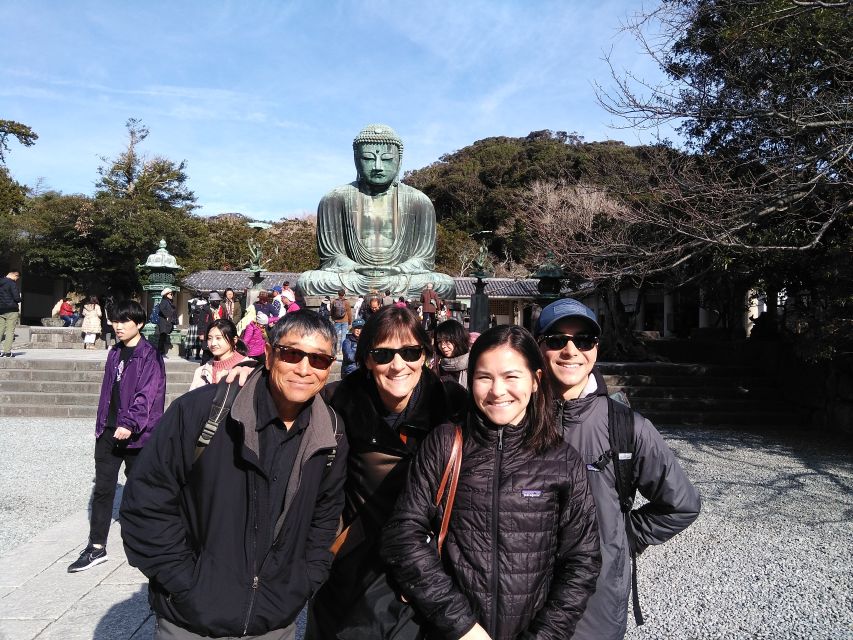
The advertised price is $106 per person, with a private group of up to seven people. That price makes more sense for a small group than for one solo visitor. Split among several people, you are paying for a private guide who handles planning and interpretation rather than joining a large, fixed route.
The tour includes pickup from your accommodation on foot if it is within a reasonable distance. It does not include a private vehicle. You may use local trains or taxis to transfer between sites, and those fares are paid separately in Japanese yen. A private vehicle can be arranged, but it must be booked at least five days ahead, and the vehicle is not part of the standard service.
Entrance fees, food, drinks, and transport all sit outside the headline price. I would budget for those before deciding that this is a bargain. The value is highest if you want personal attention, have limited time, or would otherwise pay for several separate admissions and lose time sorting out the route yourself.
The experience takes place rain or shine. Wear shoes you can walk in and carry rain protection when the forecast looks uncertain. The activity is listed as wheelchair accessible, but you should explain your needs in advance because the day may include walking routes and transfers.
Who should book this Kamakura tour
I would recommend it to first-time visitors who want Kamakura explained rather than simply photographed. It is also a good choice for families, couples, and small groups with different interests. A private guide can balance temples, gardens, food, and shopping more easily than a fixed group itinerary.
It suits people who enjoy asking questions. If you want to know why a shrine uses a certain symbol, how Buddhist and Shinto sites differ, or what local custom you are observing, the certified guide gives you someone to ask.
It is less suitable if you want a cheap, self-guided day or prefer to wander without a plan. You will still need to pay admissions and transport, and the tour requires coordination before it is confirmed. Most guides contact you within seven days, but the booking is not final until a guide accepts it. If no guide is available, updates continue until 24 hours before the tour.
Cancellation is free up to 24 hours before the start time, and you can reserve now and pay later. Those policies help if your Tokyo plans are still shifting, but they do not remove the need to confirm your guide and route.
Should you book it?
Book this tour if you want a flexible, well-explained Kamakura day and value personal planning over the lowest price. Ask for the six-hour option if you want the Great Buddha, Hase-dera, several major temples, lunch, and time for questions. Choose four hours for a sharper route built around two or three priorities.
Before booking, send your guide a short wish list and mention your pace, food interests, mobility needs, and return-train plans. If you do that, the $106 fee can buy more than sightseeing. It can save time, prevent poor route choices, and give you a clearer understanding of one of Japan’s most rewarding day trips from Tokyo.
FAQ
How long does the Kamakura private walking tour last?
You can choose a four-hour or six-hour tour. Starting times depend on availability.
What sites can I visit?
Possible stops include the Great Buddha, Hase-dera, Zeniarai Benten Shrine, Hokoku-ji Temple, Tsurugaoka Hachimangu Shrine, Kencho-ji, and Engaku-ji. Your guide can customize the route.
Can I enter the Great Buddha statue?
Yes. The experience includes the opportunity to visit the interior of the Great Buddha statue.
Is matcha tea included?
No. Matcha tea at Hokoku-ji, along with food and drinks generally, is not included in the tour price.
Are entrance fees included?
No. You pay entrance fees separately.
Is transportation included?
No private vehicle is included. Public transportation or local taxis may be used between sites, and you pay those fares separately. A private vehicle can be arranged at least five days in advance.
What languages are available?
Guides speak English or Japanese.
Is the tour wheelchair accessible?
The activity is listed as wheelchair accessible. You should still discuss your specific needs with the local team because the tour is a walking day tour and may include transfers between sites.
Just added around Kamakura
- First time in Kamakura? Enjoy a Tour of All Must-sees!★ 5.0 · 15 reviews
- Your Own HANKO Name Seal Activity in Kamakura.★ 5.0 · 24 reviews
- Kamakura Tours Half Day or Full Day Tours with a local guide.★ 5.0 · 12 reviews
- Buddha, Bamboo & Zen – Bespoke Kamakura Private Walking Tours★ 5.0 · 25 reviews
- Exciting Kamakura – One Day Tour from Tokyo★ 5.0 · 40 reviews
- Kamakura Bamboo Forest and Great Buddha Private Tour★ 5.0 · 12 reviews
- Tokyo Yokohama Night View Tour With Kamakura And Enoshima★ 3.5 · 14 reviews
- Tokyo: Day Trip to Kamakura in Spanish – Spanish★ 4.9 · 22 reviews
Walking Tours, compared.

Kyoto Geisha Walking Tour: Gion District & Hidden Gems
Our verdict →
Imperial Palace and Shogun Historical Walking Tour
Our verdict →
Shinjuku Local Bar and Izakaya Guided Walking Tour
Our verdict →

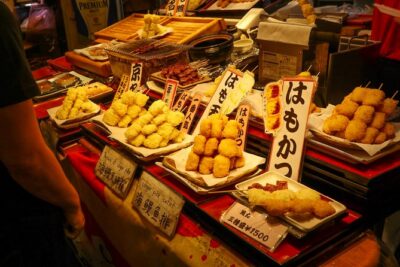
Nishiki Market Brunch Walking Tour (7 Tastings + Brunch)
Our verdict →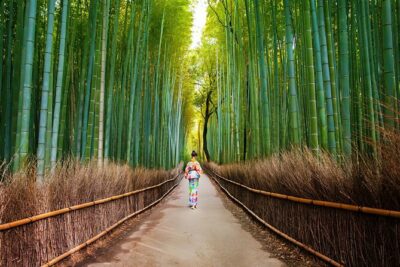
Kyoto Arashiyama Walking Tour: Bamboo, Monkeys, Gardens & Secrets
Our verdict →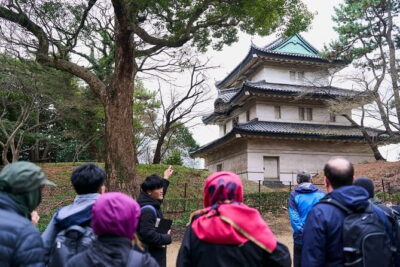
Tokyo Castle & Imperial PalaceーShogun Walking Tour
Our verdict →Browse the lists this tour appears in