
Reviewed · BAMBOO FOREST TOURS
Kamakura Bamboo Forest and Great Buddha Private Tour
Kamakura’s best sights are spread across a compact but hilly seaside city, and this private tour brings the main pieces together in one long day. You’ll see the 13.35-meter Great Buddha, sip matcha beside roughly 2,000 bamboo stalks at Hokoku-ji, and follow the city’s temple-and-shrine trail with your own guide.
I like two things right away: the private format lets your group keep a sensible pace, and the guide handles public transportation, which can be a real help on a first visit. Guides including Kono, Akira, and Yumiko have received especially warm praise for clear explanations, patience, and help with trains and local routes.
The trade-off is simple: this is a walking-heavy day. You also pay admission fees, food, drinks, and public transportation costs separately. One guide’s English made extended questions difficult, so your experience may depend on the guide assigned to your date.
Key points at a glance
- Private sightseeing from Tokyo: Pickup is offered in Tokyo’s 23 wards, and only your family or friends join the tour.
- Five major stops: The route includes Hasedera Temple, the Great Buddha, Hokoku-ji, Tsurugaoka Hachimangu Shrine, and Komachi Street.
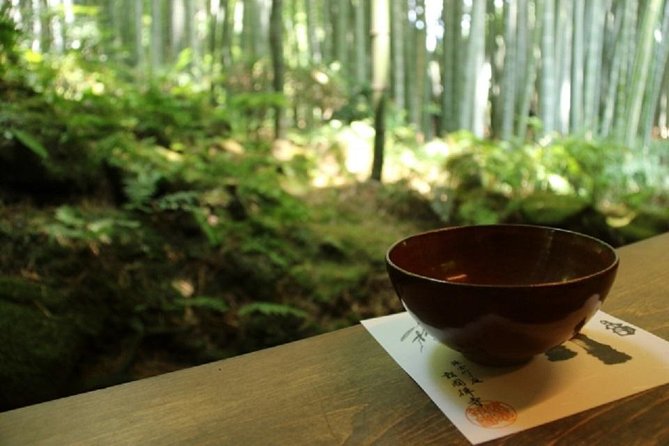
- A real bamboo garden: Hokoku-ji has about 2,000 bamboo groves and a matcha tea setting inside the temple grounds.
- Public transport is part of the day: Your guide helps you move between Tokyo and Kamakura, but fares are not included.
- Nine hours with plenty of walking: The schedule gives about an hour at each temple or shrine, plus 30 minutes on Komachi Street.
- Private value rather than a low-cost outing: At $176.37 per person, the price makes the most sense for people who want guidance, flexibility, and help with logistics.
Why this private Kamakura day works
Kamakura was Japan’s capital during the first shogunate, and its temples and shrines give the city a very different feel from central Tokyo. You can see major religious sites, a famous outdoor Buddha, gardens, and local shopping in one day without trying to build the route yourself.
The private setup is the main selling point. You are not tied to the pace of a large group, and the guide can spend more time on the sights your family cares about. One account describes seeing all the key places without feeling rushed, while another notes that a fixed departure time required shorter visits at each of the five stops. That contrast tells you something useful: the itinerary is possible, but it works best when your group walks steadily and avoids long stops.
The strongest guide experiences came from Kono and Akira. Kono helped with transportation to and from Tokyo and within Kamakura, while Akira was praised for detailed explanations and good English. Another outing with Akira had to fit around a fixed departure from Yokohama Port, so he shortened each stop and focused on the main points. That kind of time management can matter if you have a train, cruise, or evening plan to catch.
More Bamboo Forest Tours in Kamakura:
- Kyoto: Fushimi Inari, Kinkakuji, Bamboo Grove 1 Day Bus Tour
★ 4.8 · 4,316 reviews - Kyoto: Arashiyama Bamboo Forest, Monkeys, Matcha & Temple Tour
★ 5.0 · 759 reviews - Kyoto Ghost Tour: Dark Tales, Urban Legends, Bamboo Forest Night
★ 5.0 · 625 reviews
Hasedera Temple and the first hour
Hasedera is a good opening stop because it introduces the temple side of Kamakura before you reach the city’s most famous sights. It is known for seasonal flowers and has long been called a temple of flowers.
You have about an hour here. That is enough to get a sense of the grounds and hear the guide explain what you are seeing, but not enough for a slow, unhurried visit if you want to inspect every corner. Admission is not included, so keep some money ready for this and the other paid sites.
The available information does not specify which sections of Hasedera your guide visits, so you should think of this as a focused introduction rather than an exhaustive temple tour. If gardens and seasonal plantings are a priority for you, tell the guide early. A private tour gives you a better chance of shaping the emphasis.
The Great Buddha at Kotoku-in
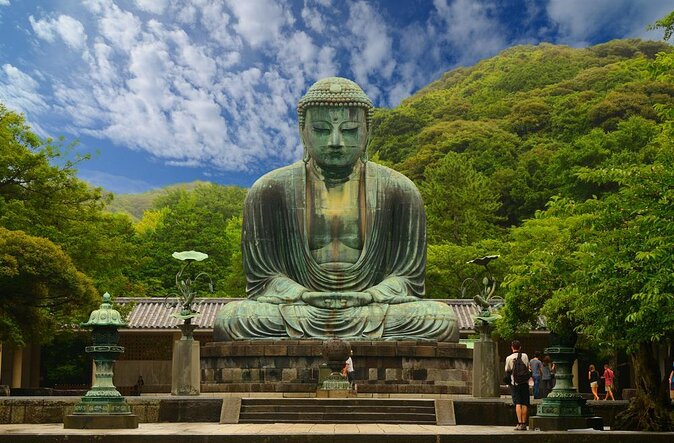
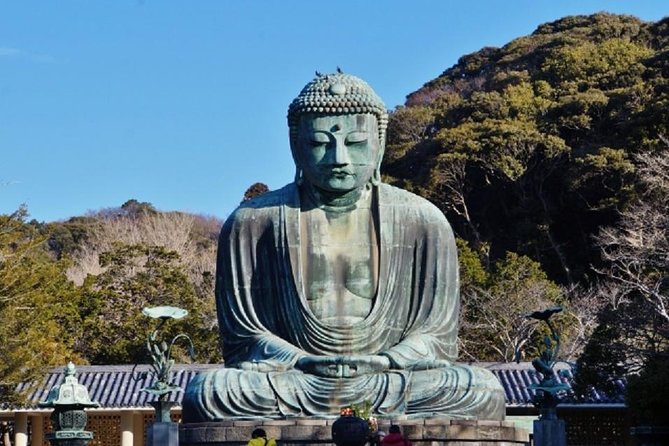
The Great Buddha is the visual anchor of the day. The outdoor bronze Amida Buddha measures about 13.35 meters high and sits within Kotoku-in Temple. Its open-air setting gives it a different character from a Buddha housed inside a dark temple hall.
You have around an hour here, including time for the guide’s explanation. This is where the guide’s background can add real value. The statue is instantly recognizable, but the meaning of Amida Buddha, the setting, and Kamakura’s religious past are not always obvious when you first arrive.
The tour information does not include admission to Kotoku-in. That is worth noting because the headline price is not the final cost of the day. You will also cover your own trains or other public transportation and any drinks or meals.
A private guide can help you avoid spending your limited time simply finding the entrance, understanding the layout, or deciding where to stand for a good view. One guide also sent photographs after the tour, a thoughtful extra mentioned in a highly positive account, though you should not assume that every guide offers the same service.
Hokoku-ji’s bamboo garden and matcha
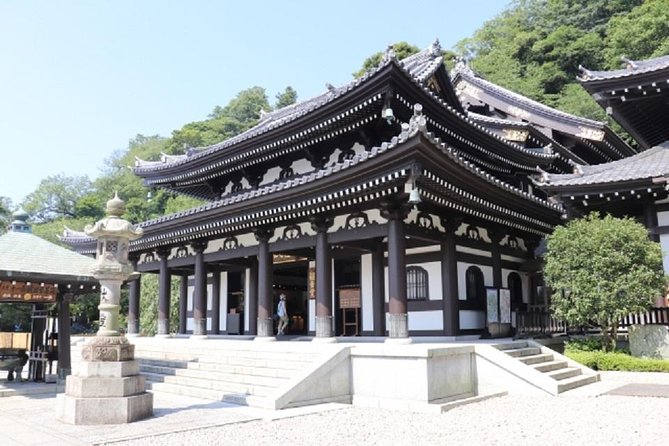
For many people, Hokoku-ji is the most distinctive stop. The temple is famous for its bamboo garden, with approximately 2,000 groves creating a cool, enclosed setting. It is also one of only two three-star Kamakura attractions in the Michelin Green Guide, according to the tour description.
The bamboo path is not a huge forest hike. Its appeal comes from the atmosphere, close views, and the change of pace after the more open Great Buddha site. You can also drink matcha while looking into the bamboo garden, an experience that gives you time to pause rather than simply take photographs and move on.
You have about an hour at Hokoku-ji. That allows time for the garden and matcha, but your drink may involve an additional cost. Admission is separate as well.
This stop is especially good for you if you want one calm, photogenic place in the middle of a busy sightseeing day. It is less ideal if you dislike walking on temple grounds or prefer a long tea ceremony. The supplied details promise matcha with a view, not a formal, extended ceremony.
A few more Kamakura half-days worth comparing
- Tokyo: Kamakura & Enoshima Day Trip including Temple Tickets
★ 4.5 · 1,375 reviews - From Tokyo: Kamakura & Enoshima 1-Day Bus Tour
★ 4.5 · 189 reviews - Kamakura Historical Walking Tour with the Great Buddha
★ 5.0 · 129 reviews - Kamakura Private Tour: Temples, Nature, and the Great Buddha
★ 5.0 · 121 reviews
Tsurugaoka Hachimangu, Kamakura’s central shrine
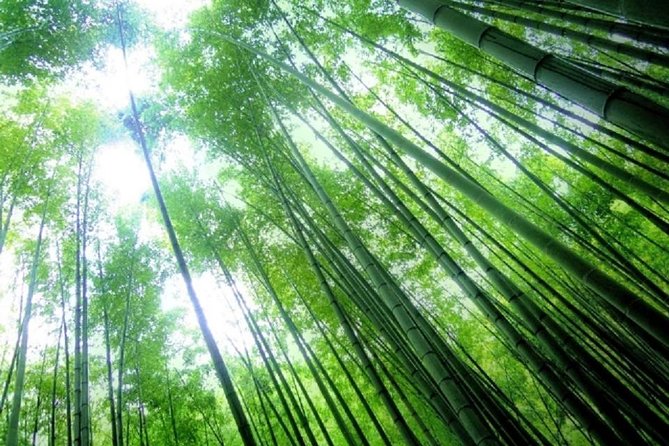
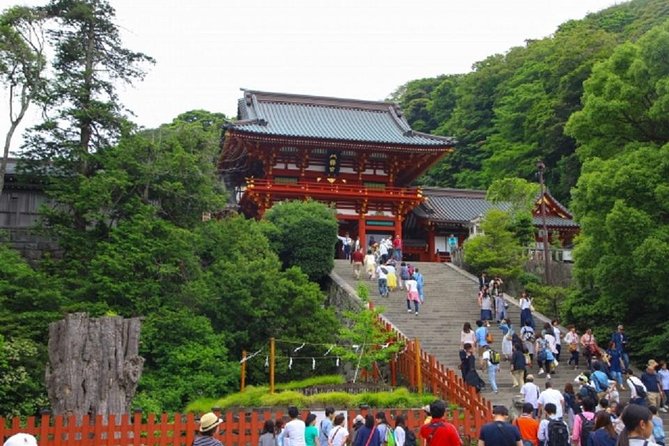
Tsurugaoka Hachimangu sits in the middle of Kamakura and was honored for centuries as the home of gods of war. It is the largest shrine stop on this route and gives you a useful counterpoint to the Buddhist temples.
The guide can explain the shrine’s rituals and historical role as you move through the grounds. One especially positive account describes learning about sacred practices and Japanese history here, along with at the temples and gardens. That is the kind of context that turns a quick photo stop into a more meaningful visit.
Again, the planned time is about an hour. Since this is a large central shrine, you may want to ask your guide to explain the main rituals as you go. The private format helps because you can ask questions in the moment, though English ability may vary. One account specifically found it hard to hold a detailed conversation with the assigned guide, while other guides were praised for speaking very good English and offering detailed information.
Komachi Street for a short local break
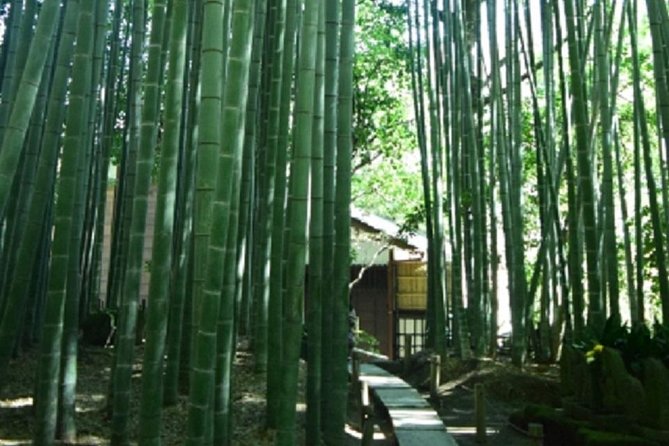
The final listed stop is Komachi Street, where you have about 30 minutes to stroll among food spots and distinctive shops. This is not enough time for a leisurely meal and serious shopping, but it gives you a taste of Kamakura’s commercial center after the temples and shrine.
I would treat this as a flexible finish. If you want to buy snacks or browse small shops, 30 minutes can pass quickly. If the group has been walking hard, it may be a welcome chance to slow down before heading back.
Food and drinks are not included. The tour does not promise a restaurant reservation or a dedicated food tasting, so plan to purchase anything you want yourself. If lunch matters to you, ask the guide about timing at the start of the day rather than assuming the schedule includes a full meal break.
Public transportation changes the feel of the day
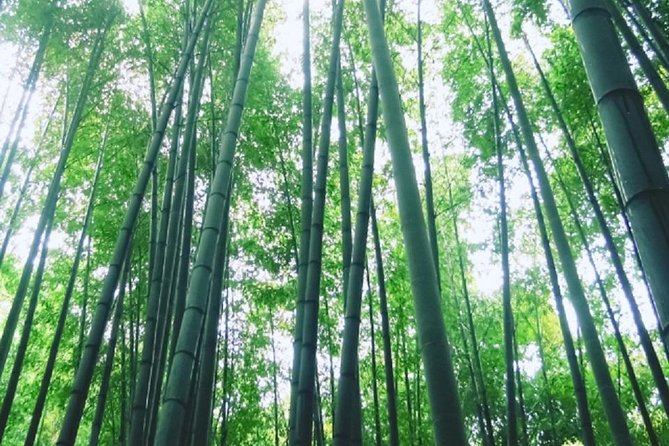
This is a tour by public transportation, not a private car. Pickup is offered in Tokyo’s 23 wards, but transportation to and from Kamakura is your responsibility financially. That means your group pays the fares, while the guide helps you navigate the system.
I see this as both a strength and a limitation. You get a more ordinary view of moving around Japan, and you avoid the stress of working out transfers alone. Several strong guide accounts specifically praise help with transportation between Tokyo and Kamakura and within the city.
On the other hand, trains and local connections take time, and the day includes plenty of walking between stations, temples, shrines, and shopping streets. If you are carrying a large bag, have knee trouble, or dislike being on your feet for long stretches, this may not be your best Kamakura plan. One account directly warns that the city is difficult for anyone who has trouble walking or has knee problems.
The nine-hour duration includes the full outing, not nine hours at the sights. You should expect the transport portions to matter when judging the pace.
What the $176.37 price really buys
At $176.37 per person, this is not a bargain sightseeing loop. Its value comes from the private guide, hotel pickup option in Tokyo’s 23 wards, route planning, and the ability to keep your group together rather than follow a large party.
The price looks more reasonable for a family or group that would otherwise pay for several separate taxis, a private interpreter, or a custom day plan. It is less compelling for a confident solo visitor who is comfortable using trains, reading maps, and researching the temples ahead of time.
Remember the extra costs:
- Temple and shrine admission fees
- Public transportation to and from Kamakura
- Food and drinks
- Matcha at Hokoku-ji, if you choose it
Group discounts are offered, so check the total for your party rather than judging the per-person figure alone. A private day can be good value when several people share the guide, especially if you want explanations rather than just transportation.
Walking, weather, and the right pace
You should be ready to walk a lot. The itinerary has five stops, and the route moves through temple grounds, shrine grounds, streets, and public transportation connections. Comfortable shoes matter more here than dressing for a polished city tour.
Rain does not necessarily ruin the day. One account describes a misty, wet outing that still worked well because the guide was patient and the group continued at a steady pace. Still, the operator requires good weather and may cancel the experience in poor conditions, offering another date or a full refund.
The schedule can feel brisk if you linger at every site. It can also feel comfortable for a strong walker who wants to see the main Kamakura sights in one day. If your group includes children, older adults, or anyone with limited mobility, talk through the walking demands before booking.
Which guide experience should you expect?
The guide is central to the quality of this tour. Kono received repeated praise for patience, historical explanations, and help with public transportation. Akira was praised for very good English, organization, and detailed information at each stop. Yumiko received praise for pleasant, dedicated guiding and strong explanations.
At the same time, one experience with Kimo was more limited. The group saw the expected sights, but communication made it hard to ask questions, and the guide could not go far beyond prepared historical points.
That does not make the tour a bad choice. It means you should book it for the private route and transport help, while understanding that conversation depth may differ by guide. If detailed history is the main reason you are paying for a guide, communicate that preference when possible.
Who should book this Kamakura tour?
I would choose this tour if you are staying in Tokyo and want Kamakura’s headline sights in one organized day. It fits families, friends, and couples who prefer a private outing and want help with trains, station changes, and the order of the sights.
It also suits you if the Great Buddha and bamboo garden are must-sees, but you want more than a single-photo stop. The inclusion of Hasedera, Tsurugaoka Hachimangu, and Komachi Street gives the day variety.
I would be cautious if you want a slow temple retreat, a formal tea ceremony, or a car-based tour. I would also compare options if your budget is tight, since admissions, transport, and meals come on top of the listed price.
Free cancellation is available up to 24 hours before the start time. Changes or cancellations inside that window are not accepted for a refund, so keep the local cut-off time in mind.
Should you book it?
Book this private Kamakura day if you value personal guidance and transport help more than the lowest possible price. The strongest experiences come from guides such as Kono and Akira, who keep the route moving while adding useful context at the temples, shrine, and Great Buddha.
Skip it if you would rather explore independently, cannot walk for much of the day, or need a guaranteed expert-level English history discussion. For everyone else, this is a well-packed way to see Kamakura’s essential sights, with the bamboo garden and outdoor Buddha providing two especially memorable anchors.
FAQ
Where does this tour take place?
The tour takes place in Kamakura, Japan, with pickup offered in Tokyo’s 23 wards.
How long does the experience last?
The tour lasts approximately nine hours.
Is this a private tour?
Yes. Only your own family, friends, or other group members participate.
Which sights are included in the route?
The route includes Hasedera Temple, Kotoku-in and the Great Buddha, Hokoku-ji Temple, Tsurugaoka Hachimangu Shrine, and Kamakura Komachidori, also known as Komachi Street.
Is public transportation included in the price?
No. Your group pays for public transportation to and from Kamakura and for transportation used during the tour.
Are admission fees included?
No. Admission fees for the attractions are paid by customers.
Is food included?
No. Food and drinks are not included.
Can I drink matcha during the tour?
Yes. At Hokoku-ji, you can drink matcha while viewing the bamboo garden. The drink is not listed as an included cost.
Is the tour suitable for people who do not walk easily?
The tour requires substantial walking, and the information specifically notes that Kamakura can be difficult for people with knee problems or limited walking ability.
What happens if the weather is poor?
If the experience is canceled because of poor weather, you can choose a different date or receive a full refund. You can also cancel up to 24 hours before the start time for a full refund.
Just added around Kamakura
- First time in Kamakura? Enjoy a Tour of All Must-sees!★ 5.0 · 15 reviews
- Your Own HANKO Name Seal Activity in Kamakura.★ 5.0 · 24 reviews
- Kamakura Tours Half Day or Full Day Tours with a local guide.★ 5.0 · 12 reviews
- Buddha, Bamboo & Zen – Bespoke Kamakura Private Walking Tours★ 5.0 · 25 reviews
- Exciting Kamakura – One Day Tour from Tokyo★ 5.0 · 40 reviews
- Tokyo Yokohama Night View Tour With Kamakura And Enoshima★ 3.5 · 14 reviews
- Tokyo: Day Trip to Kamakura in Spanish – Spanish★ 4.9 · 22 reviews
- Kamakura Temples Private Guided Tour from Tokyo★ 4.8 · 21 reviews