
Reviewed · TEMPLES & SHRINES
Fushimi Inari – Arashiyama: Torii Gates, Bamboo, Monkeys & Secret
Kyoto’s best-known sights come in one busy but rewarding half-day here: Fushimi Inari’s red torii gates in the morning, followed by Arashiyama’s bamboo, temple garden, river bridge, and macaques. The route gives you a strong first look at Kyoto’s sacred sites and natural scenery without making you plan several train trips yourself.
I like the mix of famous places and useful guidance, especially the chance to ask questions as you walk. I also like the small maximum group of 11, the photo help offered by guides such as Teri and Jay, and the fact that the tour ends at Monkey Park rather than sending you back across the city. The catch is simple: this is an active outing with a 60-minute hike at Fushimi Inari and another 20 to 30 minutes uphill to the monkeys.
Key points to know before booking
- Two major Kyoto areas in one morning: Visit Fushimi Inari first, then continue to Arashiyama.
- A guide adds context: Teri, Jay, and Janiel are named among the guides, with the tour conducted in English.
- Expect real walking: The route includes a shrine hike, temple paths, bamboo trails, and an uphill walk to Monkey Park.
- Lunch costs extra: You get about 35 minutes for lunch in Arashiyama, but food is not included.
- Transport is also extra: Public transportation costs ¥240 per person.
- The tour may not run for one person: A minimum of two booked guests is required, even though solo visitors can reserve.
Fushimi Inari’s 10,000 vermilion gates
Meet at Inari Station at 9:00 a.m. The timing is smart. Fushimi Inari is one of Kyoto’s most popular sights, and arriving early gives you a better chance of enjoying the lower section before the crowds thicken.
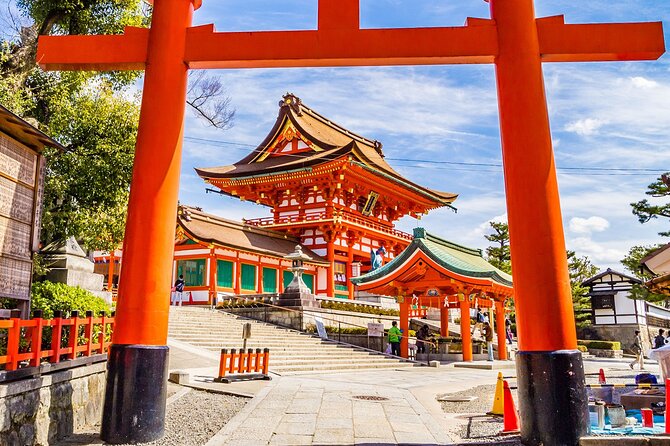
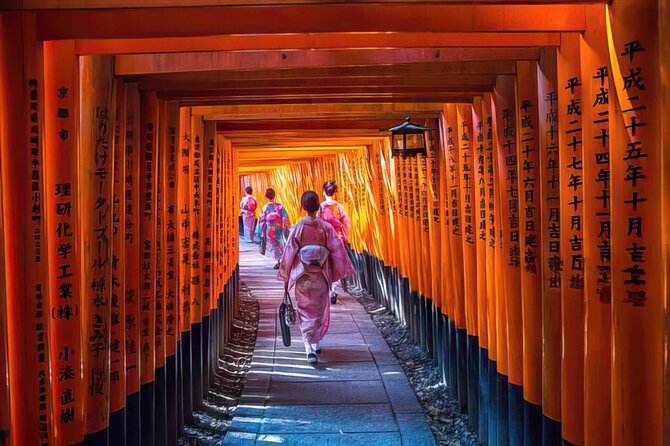
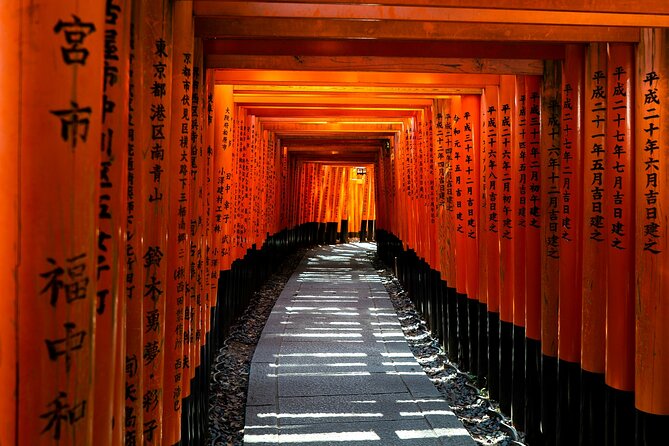
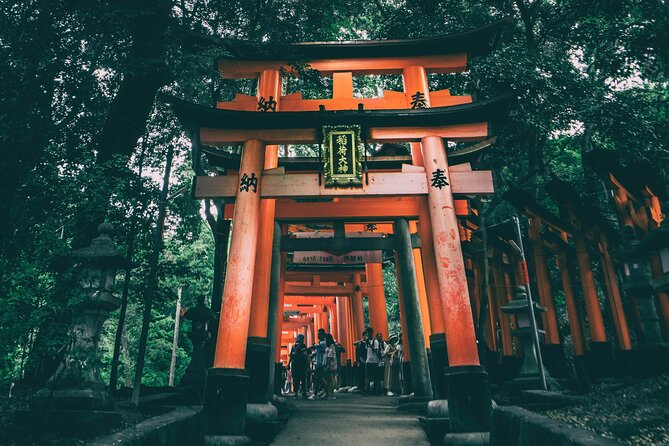
Fushimi Inari Taisha is dedicated to Inari, the Shinto deity linked with rice, business, and prosperity. Its defining feature is the long run of vermilion torii gates, donated over time by individuals and companies. The gates form shaded tunnels up Mount Inari, with smaller shrines and stone fox figures appearing along the way.
You spend about 90 minutes here, including a hike of roughly 60 minutes. This is not a flat stroll from the station to a single viewpoint. You will walk uphill and manage steps, so comfortable shoes matter. The route may be manageable for anyone with moderate fitness, but it can feel demanding in hot, wet, or humid weather.
The value of a guide is clearest here. A good explanation helps you understand the difference between the shrine buildings, the torii tradition, and the role of fox imagery in Inari worship. Teri is praised for explaining cultural details clearly and keeping the group together, while also making room for questions.
One practical point: the famous lower gates are the busiest. The higher you walk, the quieter the path can become, but you also work harder for that calmer setting. You will not have unlimited time to wander all the way to the mountain summit, so think of this stop as a focused introduction rather than a complete Fushimi Inari hike.
Recording and live streaming are not allowed during the entire tour. Put the phone away when asked and use the walking time for the guide’s explanations, then take photos during suitable pauses.
More Temple & Shrine Tours in Kyoto
- Kyoto: Fushimi Inari, Kinkakuji, Bamboo Grove 1 Day Bus Tour
★ 4.8 · 4,316 reviews - Kyoto: Tea Ceremony in a Traditional Tea House in Kiyomizu
★ 4.9 · 3,519 reviews - Kyoto: Tea Ceremony Ju-An at Jotokuji Temple
★ 4.9 · 3,207 reviews
The Bamboo Grove, where timing matters
After Fushimi Inari, the tour heads to Arashiyama by public transportation. The transport fee is not included, and the stated cost is ¥240 per person. That is a small extra charge, but you should carry some yen and understand that the tour price does not cover every movement or meal.
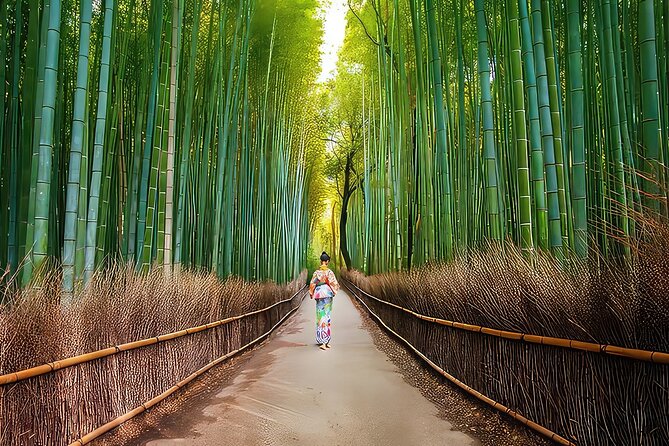
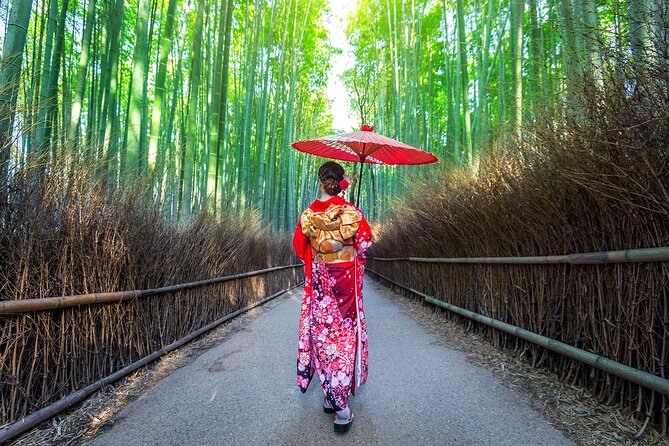
From the station, the Bamboo Grove is only a short walk. The path passes between tall bamboo stalks that filter the light and create one of Kyoto’s most recognizable scenes. The stop lasts about 30 minutes, which is enough to walk through the main section and take photos, but not enough for a long, unhurried exploration of every nearby path.
This is one of those places where expectations matter. Photos often make the grove look completely empty and silent. In real life, it can be busy, especially later in the day. The guide helps you get oriented and points out the most worthwhile section, but no tour can remove the crowds from such a famous walkway.
I like having the grove paired with Fushimi Inari rather than visiting it alone. The two places feel very different: one is a rising path through repeated red gates, the other is a flat walk beneath green bamboo. Together, they give you visual variety without asking you to spend a full day at only one major sight.
Tenryuji Garden’s calm pause
Tenryuji Temple follows the bamboo walk. You get about 35 minutes in Sogenchi Garden, with admission included.
Tenryuji is a UNESCO World Heritage Site, and its garden is often regarded as one of Japan’s finest. Here, the pace changes. Instead of climbing or squeezing along a popular photo path, you pause beside carefully arranged water, stones, trees, and mountain views. The garden is designed to make the surrounding scenery part of the composition.
The short visit works well as a reset after the bamboo grove. A guide can explain the temple’s place in Zen culture and help you notice how the garden is organized, rather than treating it as a quick photo stop. The guides are also praised for giving breaks between major sights, which matters on a route with this much walking.
Still, 35 minutes is not a long visit. If you care deeply about Japanese gardens, you may wish you had more time to sit and look. This tour is built around variety, not extended meditation at one temple. You see the key setting, hear the main context, and move on to the next part of Arashiyama.
Lunch in Arashiyama, with choices but no meal included
The tour allows about 35 minutes for a quick lunch break. Food is not included, so plan to pay separately.
That arrangement keeps the tour price down and gives you some choice, but it also makes the break feel practical rather than leisurely. You will want to choose food quickly, eat efficiently, and be ready to continue. A guide can point you toward options, and Teri is specifically praised for steering the group to a place with plenty of choices.
If you prefer a slow restaurant meal, this schedule may feel rushed. If you are happy with a quick bite between sights, it is a sensible use of time. Bring water, especially in warmer months, because the afternoon still includes the uphill walk to the monkey park.
At $70.55 per person, the price is reasonable for a guided half-day that includes Tenryuji Garden and Monkey Park admissions. The value is strongest if you want help with navigation and cultural background, since public transportation and lunch are additional costs. Independent visitors can see these places for less, but they must arrange the route, transport, timing, and explanations themselves.
Same trip, a completely different kind of day:
- PERFECT KYOTO 1-Day Bus Tour
★ 5.0 · 13,518 reviews - Kyoto Geisha Walking Tour: Gion District & Hidden Gems
★ 4.7 · 3,273 reviews - Kyoto: Gion Magical Night Walking Tour with Geisha Trivia
★ 4.9 · 2,393 reviews - Kyoto: 45-Minute Tea Ceremony Lesson Experience
★ 4.3 · 2,378 reviews
Togetsukyo Bridge and the Katsura River
The next stop is Togetsukyo Bridge, reached during the Arashiyama portion of the outing. You spend about 15 minutes here, with no admission fee.
The bridge crosses the Katsura River and is one of the area’s most recognizable views. Its name means Moon-Crossing Bridge, a fitting title for a structure framed by water and hills. The view changes with the season and weather, but the bridge remains a useful place to pause and understand Arashiyama’s layout.
Fifteen minutes is enough for photos and a quick look. It is not enough for a long riverside walk or a slow café stop. That is not a flaw if you see the bridge as a scenic interlude before Monkey Park. It would be disappointing only if you expected a full afternoon around the river.
This short stop also gives your legs a brief break before the final climb. Keep your day bag light. You will appreciate not carrying unnecessary weight when the trail rises toward Iwatayama.
Iwatayama Monkey Park, the day’s final climb
The tour finishes at Arashiyama Monkey Park Iwatayama. Admission is included, and the visit lasts about an hour.
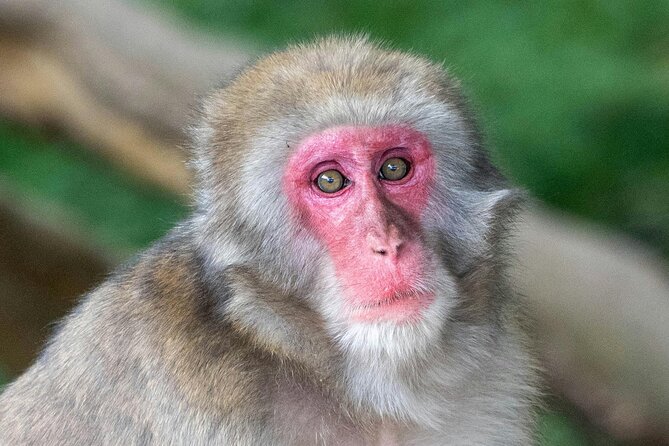
The park sits on Mount Arashiyama and is home to more than 120 wild Japanese macaques. Reaching the viewing area requires a scenic uphill hike of about 20 to 30 minutes. This is the most important physical warning for the tour. You have already walked at Fushimi Inari, so the final climb can feel tiring even if each section is reasonable on its own.
At the top, you get close views of the macaques and broad views over Kyoto. The combination makes the climb worthwhile, but remember that these are wild animals. Follow the park’s instructions and do not treat the setting like a petting zoo.
Ending here is a strong choice. You finish with something different from the shrine, garden, and bamboo stops, and you can spend time afterward shopping in Arashiyama or making your own way back to the station. The official end point is the monkey park, not your hotel or the original meeting point, so plan the rest of your day from there.
The tour’s order also helps. Fushimi Inari comes first, while the monkey park is saved for the end. If the tour began with the climb, you might spend the rest of the day feeling it. Here, the uphill walk becomes the final challenge.
What the guides add to a famous route
The main sites are easy to find. The real reason to choose a guided tour is the explanation and pacing.
The named guides include Teri, Jay, and Janiel. The most praised qualities are clear history and cultural explanations, a friendly manner, practical handling of the group, and a willingness to answer questions. Teri is also singled out for offering tips on dealing with Kyoto’s more crowded sights and for taking good photos.
That matters for solo visitors and couples who want company without joining a huge coach group. The maximum group size is 11, and the experience may be private or small-group depending on bookings. A small group is easier to keep together on narrow paths and makes it more natural to ask questions.
The tour is in English. If you need German, Italian, or another language, ask before booking rather than assuming it will be available. Solo visitors can book, but the tour requires at least two guests to proceed. If only one person reserves, the tour may be canceled, with rescheduling or a full refund offered.
Who will get the most from this tour
I would recommend this outing to a first-time Kyoto visitor who wants to cover two major areas with a guide. It suits couples, solo visitors who want some company, and small groups that prefer a planned route over studying train maps and admission details.
It is also a good fit if you value cultural explanation more than free time. You get a useful introduction to Shinto at Fushimi Inari, Zen garden design at Tenryuji, and the natural side of Arashiyama at the bridge and monkey park.
You should think twice if you dislike hills, stairs, or fixed schedules. The combined walking is substantial, and the lunch break is short. Visitors who want long photography sessions, extended temple time, or an unhurried meal may find the pace too tight.
The tour also works less well for anyone expecting hotel pickup. There is no pickup service. You meet at Inari Station and finish at the monkey park, so you need to reach the start point on your own and decide how to continue afterward.
Practical details that shape the day
The total duration is about five to six hours, beginning at 9:00 a.m. The route is designed as a half-day, but it fills that time with walking, sightseeing, transport, and one short meal break.
Wear shoes suited to uneven paths and stairs. Carry water, sunscreen, and a small amount of cash for lunch and transport. Admission to Tenryuji Garden and Monkey Park is covered, while lunch, tips, and the ¥240 public transportation cost are not.
Free cancellation is available up to 24 hours before the start time. A full refund is offered if the tour is canceled because of poor weather or because the minimum number of guests is not met. Weather matters here because much of the day takes place outdoors and the walking trails are central to the experience.
Should you book Fushimi Inari and Arashiyama together?
Book it if you want a well-organized introduction to Kyoto’s most photographed sights, plus the helpful context that makes those places more meaningful. The strongest features are the small group size, the capable guiding style associated with Teri, Jay, and Janiel, the included admissions, and the unusual combination of torii gates, bamboo, temple garden, river views, and wild macaques.
Skip it if you want a slow day or already know Kyoto’s transport system well. You can visit these areas independently and spend longer at each stop, but you will need to manage the route and explain the sights to yourself.
For most first-time visitors with moderate fitness, $70.55 is a fair price for the structure and guidance. Just arrive ready to walk, budget for lunch and transport, and remember that the tour ends with a climb, not a ride back to your hotel.
FAQ
Where does the tour begin?
The tour begins at Inari Station in Kyoto at 9:00 a.m.
Where does the tour end?
The tour ends at Arashiyama Monkey Park Iwatayama. Afterward, you can shop in the area or return to a station on your own.
How long does the tour last?
The experience lasts approximately five to six hours.
Is lunch included?
No. The tour includes a quick lunch break of about 35 minutes, but you pay for your own meal.
Is public transportation included?
No. Public transportation costs ¥240 per person and is not included in the tour price.
How much walking is involved?
You should expect a moderate level of physical activity. Fushimi Inari includes a hike of about 60 minutes, and reaching Monkey Park requires another 20 to 30 minutes of uphill walking.
Can a solo visitor book the tour?
Yes, but at least two guests must be booked for the tour to operate. If only one guest books, the tour may be canceled, with rescheduling or a full refund offered.
Just added around Kyoto
- Sekka Cotton Furoshiki Class★ 5.0 · 19 reviews
- Kyoto Sword Experience – includes Museum Ticket/Ninja Experience★ 4.5 · 149 reviews
- Scenic Green Tea Fields of Hidden Kyoto & Local Tea Exp (Private)★ 5.0 · 32 reviews
- Secret Eastern Kyoto Biking Adventure★ 5.0 · 44 reviews
- Private Sake Tasting in Central Kyoto with Sake Sommelier★ 5.0 · 32 reviews
- Samurai School in Kyoto: Samurai for a Day★ 5.0 · 202 reviews
- Samurai Performance and Casual Experience: Kyoto Ticket★ 4.5 · 115 reviews
- SHIRAKAWA Japanese Culture Experiences with private English staff★ 5.0 · 16 reviews
Temples & Shrines, compared.

Tea Ceremony in a Traditional Tea House in Kiyomizu
Our verdict →
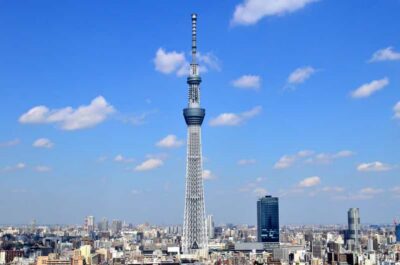
Meiji Shrine, Asakusa, Skytree Bus Tour and Cruise
Our verdict →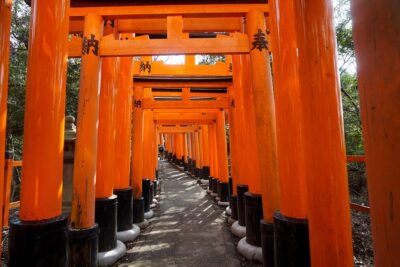
Fushimi Inari Hidden Hiking Tour (Private Option Available)
Our verdict →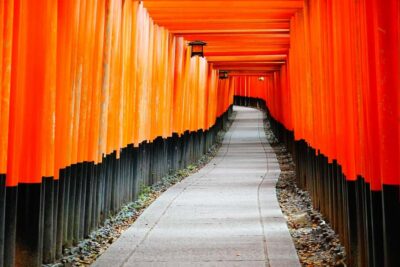
Osaka/Kyoto:Kinkakuji,Arashiyama,FushimiInariShrine,NaraPark
Our verdict →
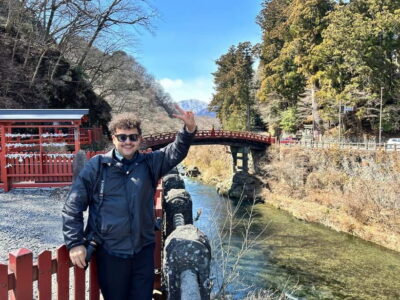
Nikko: Kegon Falls, Lake Chuzenji & Toshogu Temple
Our verdict →
Kamakura & Enoshima Day Trip including Temple Tickets
Our verdict →Browse the lists this tour appears in