
Reviewed · GEISHA & MAIKO EXPERIENCES
Asakusa: Geisha Performance and Tea House Experience
The most special part of this Asakusa experience is the chance to meet real geisha in a small tea-house setting, rather than simply watching a staged cultural show from a distance. You’ll see a graceful dance with live shamisen music, then take part in Konpira Fune Fune, an ozashiki-asobi game designed to get everyone laughing.
I like the direct conversation with the performers, and I like the way the 75-minute visit mixes polished art with good-natured fun. You may meet geiko Chizuru, maiko Tamaaki, and shamisen performer Shisa, with English help available. The main consideration is the required drink order, which costs extra beyond the $106 admission price.
Key points at a glance
- Real geisha in Asakusa: Meet performers in an intimate tea-house setting and ask questions about their lives and work.
- Live shamisen and dance: The formal performance gives the visit its quiet, graceful center.
- Konpira Fune Fune game: Join a traditional ozashiki-asobi activity that turns the room into a friendly party.
- Matcha and seasonal sweets: Freshly whisked tea and Japanese confections add a calm, flavorful pause.
- Small-group feel: One session had about 16 people, which allowed for direct interaction without making the room feel crowded.
- Extra drink required: Each person must order one alcoholic or non-alcoholic drink, separate from the complimentary matcha.
Why this Asakusa geisha experience feels different
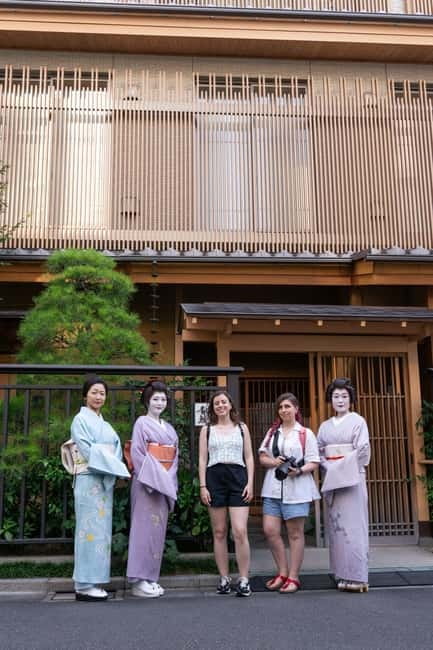
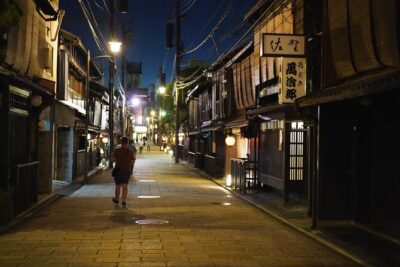
Asakusa is one of Tokyo’s best places to connect old and new Japan. Its temples, narrow streets, traditional shops, and entertainment culture make it a fitting home for an ozashiki tea-house visit. Here, you are not just looking at costumes or hearing a short explanation of geisha culture. You are invited into a social setting built around music, movement, games, tea, and conversation.
That mix matters. A formal dance alone can feel distant, especially if you do not know what to look for. A casual game alone might feel like a novelty. Put the two together, and you get a clearer sense of the geisha tradition as both disciplined performance and skilled hospitality.
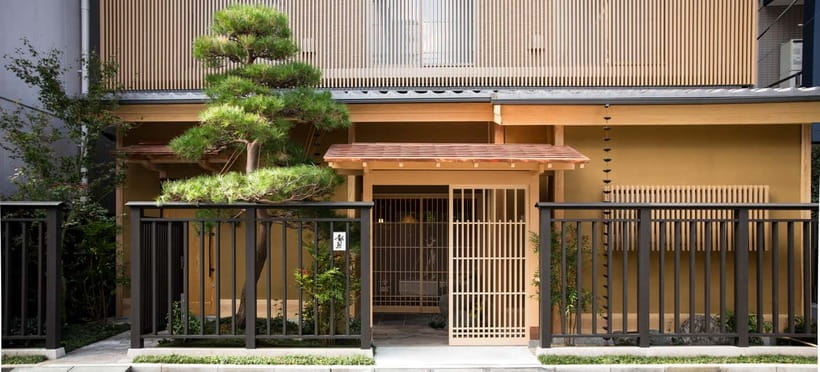
The setting is Miyakodori’s Ozashiki Tea House, operated by 料亭都鳥. The entrance may feel discreet, and one account describes entering through a hidden door before being welcomed by the owner. Once inside, you move into a banquet area and sit on low stools. That small detail gives the experience a more traditional feel, though visitors who find low seating uncomfortable should keep it in mind.
More Tea Ceremony Experiences in Tokyo
- Matcha Making Class in Tokyo with Authentic Japanese Sweets Set
★ 5.0 · 744 reviews - Tokyo: Traditional Tea Ceremony with a Tea Master
★ 5.0 · 528 reviews - Tokyo: Matcha Making Experience with Mochi Sweets in Asakusa
★ 4.9 · 388 reviews
Your first moments inside the tea house
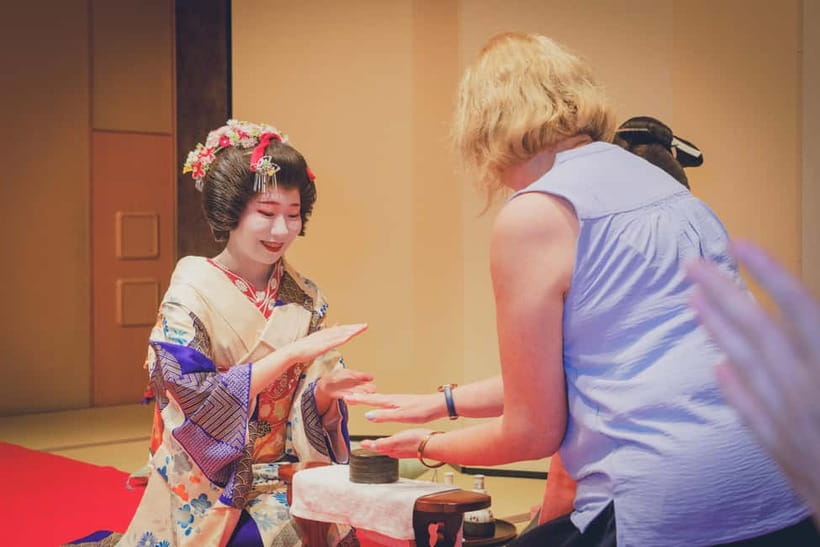
The welcome sets the tone. You are greeted by the host and shown into the room, where you can select your required drink. The drink may be alcoholic or non-alcoholic, but it is not included in the $106 price. Matcha is included later, so budget for this extra order when comparing the total cost with other Tokyo cultural activities.
The group size can affect how personal the experience feels. One session had roughly 16 people, small enough for the geisha to interact with the room and respond to questions. The exact size may vary, but this is not presented as a large bus tour with a performer far away at the front.
An English-speaking host or greeter helps make the program accessible. English support is particularly useful during the question period, since the value of this visit goes beyond watching a performance. You can ask about the performers’ lives and the world of geisha, then get answers with help from a translator.
If you want a calm start, arrive early. That gives you time to find the venue in Asakusa and settle in before the program begins. Transportation is not included, so you are responsible for reaching the tea house.
Dance, costume, and live shamisen music
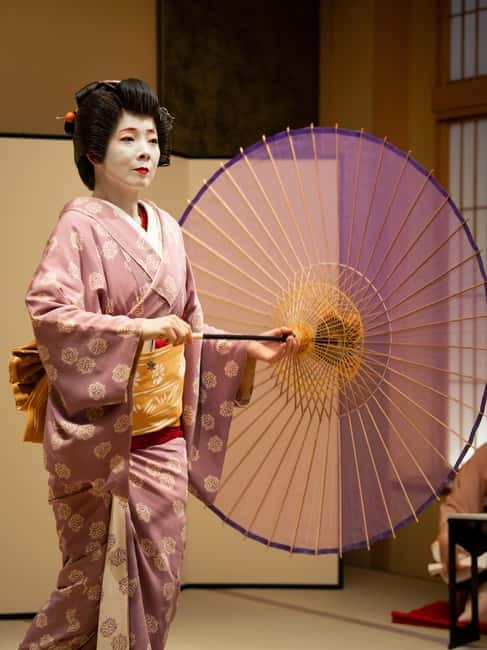
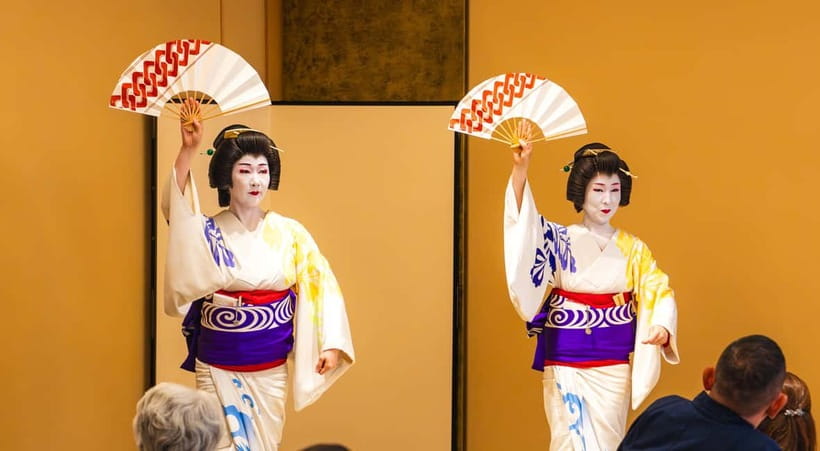
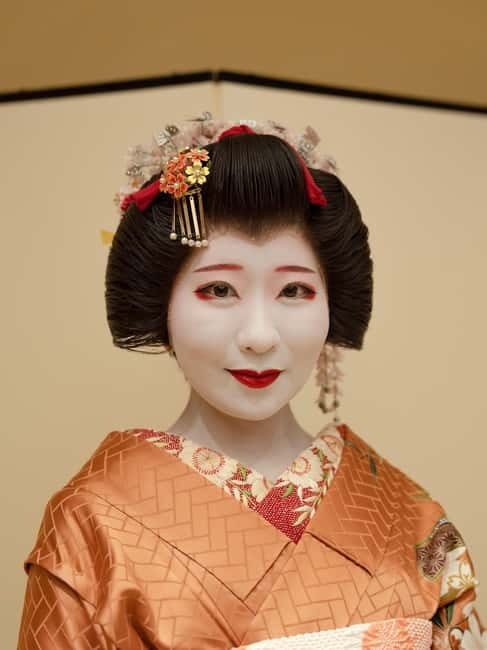
The performance begins with a graceful dance accompanied by live shamisen music. The shamisen is a traditional Japanese three-stringed instrument, and hearing it played in the same room as the dance gives the presentation a much stronger sense of place than recorded music would.
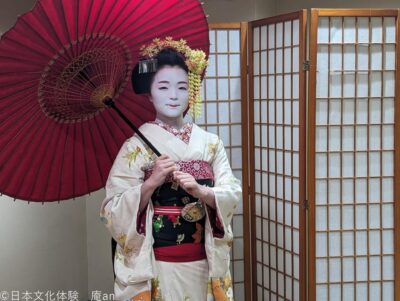
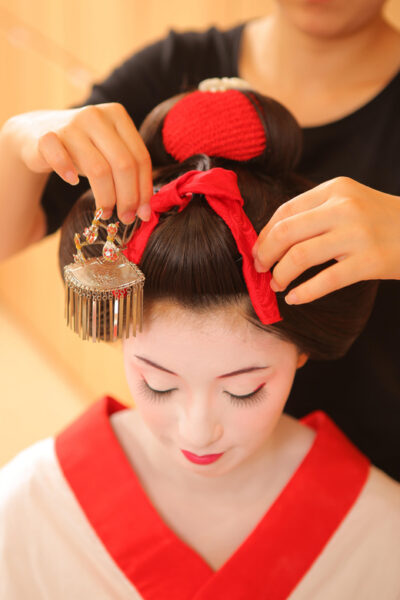
The beauty here is in control and detail. Geisha dance is not built around big gestures or fast spectacle. Movements are measured, expressive, and closely tied to music and costume. You may notice the careful use of hands, posture, fan work, and timing. Even without knowing the story behind each dance, you can appreciate the precision.
In one particularly praised combination, geiko Chizuru and maiko Tamaaki performed while Shisa played the shamisen and sang. These names may not appear at every session, but they give you an idea of the level of talent involved. The performers are not simply dressed for the occasion. They are trained artists presenting a demanding traditional form.
This part of the visit is the most formal. It asks you to watch quietly and give the music room to work. If you are looking for a high-energy show from start to finish, the restrained pace may feel slow. If you enjoy craft, costume, and live music, it is likely to be the strongest artistic section.
Meeting the geisha and asking direct questions
After the performance, the atmosphere opens up. You have a chance to speak with the geisha and ask questions about their lives, training, work, and the culture surrounding their profession. This is one of the most valuable features for first-time visitors because geisha culture can be misunderstood from films, photographs, and simplified descriptions.
The question period also helps place the performance in context. You have just watched a carefully prepared dance and heard live music. Now you can connect that artistic display with the people who practice it. The exchange is structured enough to remain respectful, but personal enough to feel like a real conversation.
English translation is available, so you do not need to speak Japanese to take part. Questions are a good reason to think ahead before you arrive. You might ask about the difference between geiko and maiko, the role of dance and shamisen music, or what daily work is like. The supplied information does not promise a fixed question list, so the exact discussion can vary.
The social skill of the performers is part of the point. Geisha hospitality is not only about being beautiful on stage. It also involves making people feel welcome, noticed, and comfortable. That becomes clearer when the performers move from formal dance to conversation and games.
More Geisha Experiences in Tokyo:
- Tokyo: Traditional Geisha Experience Show & Japanese Dinner
★ 4.2 · 59 reviews - Kyoto Geisha Walking Tour: Gion District & Hidden Gems
★ 4.7 · 3,273 reviews - Kyoto: Gion Magical Night Walking Tour with Geisha Trivia
★ 4.9 · 2,393 reviews - Kyoto: Gion Geisha District Walking Tour – Stories of Geisha
★ 4.7 · 2,187 reviews
Konpira Fune Fune brings the room to life
Konpira Fune Fune is the playful center of the experience. It is an authentic ozashiki-asobi game, a form of traditional tea-house entertainment. You are guided through the activity, so you do not need prior knowledge or Japanese language skills.
This is where the program becomes less ceremonial and more relaxed. The game encourages participation, laughter, and quick reactions. The point is not to win a serious contest. It is to take part in a shared tradition and see how geisha use timing, humor, and hospitality outside the formal performance.
The game also makes this activity a good choice for couples, solo visitors, and small groups. A solo participant does not have to sit silently while other people enjoy themselves. Couples can play together, and small groups can share the fun without needing to organize a separate activity.
Families may also find the game engaging. One group brought three children, ages 3 to 10, who remained fascinated by the performers. Still, the program includes a required drink order and takes place in a refined tea-house setting, so parents should decide if the format suits their children. The information does not specify a child age policy.
If you prefer a quiet museum-style cultural visit, this portion may feel more social than expected. That is also its advantage. You get a glimpse of how entertainment and hospitality worked together in an ozashiki setting.
Matcha, sweets, and the closing photo
The tea service brings the mood back to something calm. You receive freshly whisked matcha and seasonal Japanese sweets. The sweets are light rather than a full meal, and meals other than the sweets are not included.
Seasonal sweets are a small but meaningful detail. Japanese confectionery often reflects the time of year through shape, color, and flavor, though the specific sweets are not stated in advance. Matcha adds a gentle ritual to the visit, especially after the lively game.
Do not confuse the complimentary matcha with the required drink order. Each person must order one additional alcoholic or non-alcoholic drink. If you do not drink alcohol, you can choose a non-alcoholic option.
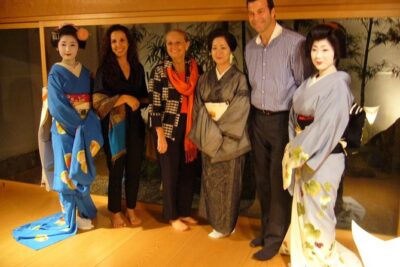
The experience ends with a commemorative photo with the geisha. This is more than a quick snapshot of the room. It gives you a concrete keepsake from a short encounter that combines music, conversation, and traditional hospitality. The details of the photo arrangement are not specified, so expect a group or individual format to depend on the session.
What $106 buys you in Tokyo
At $106 per person, this is not a bargain activity in the usual sightseeing sense. You are paying for a specialized cultural encounter, live performers, a musician, English support, tea, sweets, a traditional game, and the use of a tea-house setting over 75 minutes.
The value depends on what you want from Tokyo. If you only want to see a geisha dance, a less expensive stage show might suit you. If you want the chance to ask questions, join a game, hear live shamisen music, and have a photo with the performers, the broader program helps justify the price.
The small-group format is important here. A large performance can deliver more elaborate staging, but it cannot offer the same direct contact. This visit is designed around personal interaction. The performers come close enough for conversation, and the translator helps you take part rather than simply observe.
Remember to add the cost of one drink per person. That extra charge is clearly required and can affect the final price. You will not receive a full meal, either, so plan to eat before or after the session if you want dinner.
Who will get the most from this visit
I would recommend this experience to anyone who wants a focused introduction to traditional Japanese performance without committing an entire evening. Seventy-five minutes is long enough to include several different elements but short enough to fit around temple visits, shopping, or dinner in Asakusa.
It is especially well suited to:
- First-time visitors to Japan who want context rather than a photo opportunity alone.
- Solo visitors who would like a structured cultural activity with built-in conversation.
- Couples and honeymooners looking for a memorable shared experience.
- Small groups and families who enjoy taking part in games and asking questions.
- People interested in music and dance who want to see the shamisen performed live.
- Visitors comfortable with a traditional setting that may include low stools and a discreet entrance.
I would think twice if you want a long, detailed lecture on Japanese history, a full meal, or a completely private session. The focus is a compact blend of performance, hospitality, and play. Also, the word geisha can bring unrealistic expectations. This is not a theatrical dinner show built around mystery. It is a short cultural meeting with trained performers and a clear program.
Practical details before you reserve
The experience takes place in Asakusa, a district of Tokyo on Honshu. Transportation to the venue is not included, so allow time to reach the tea house and locate the entrance. Arriving early is a sensible choice, especially if you are unfamiliar with the area.
The duration is 75 minutes, and starting times depend on availability. The host or greeter speaks English, and English support is part of the experience. The activity is suitable for solo visitors, couples, and small groups.
The price is $106 per person. Included are the meeting with real geisha, the dance, live shamisen music, the ozashiki-asobi game, seasonal sweets, freshly whisked matcha, and a commemorative photo. A meal is not included, and one drink order is required for each person.
You can cancel up to 24 hours in advance for a full refund. A reserve-now, pay-later option is also available, which helps if your Tokyo schedule is still changing.
Should you book the Miyakodori tea-house experience?
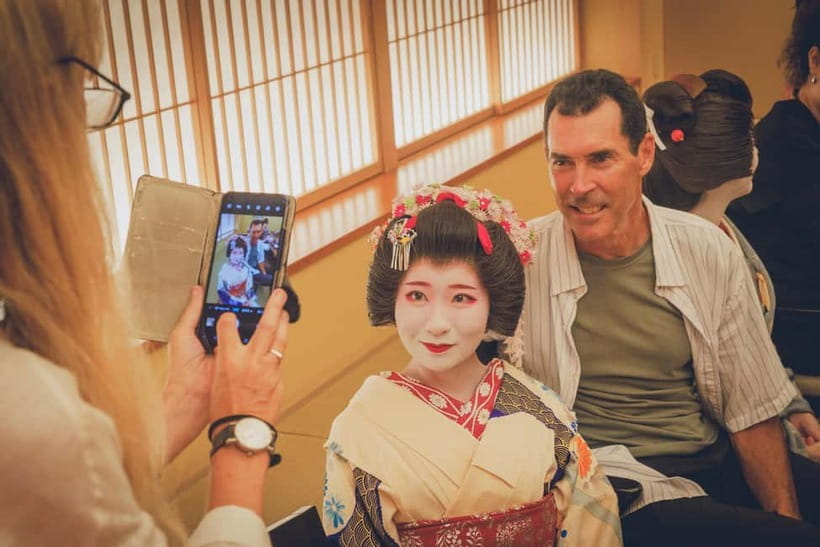
Book it if you want direct contact with living Japanese performance traditions, not just a show viewed from the back row. The strongest reasons are the live shamisen music, the chance to ask questions, and the easy shift from formal dance to the very human fun of Konpira Fune Fune.
I would book early if this is a top priority, then arrive with a few thoughtful questions and enough time to find the venue. Include the extra drink cost in your budget, and do not expect a meal.
Skip it if your budget is tight, you dislike group participation, or you want a long program with extensive historical explanation. For everyone else, this is a compact and unusually personal way to spend part of an Asakusa visit.
FAQ
Where does the geisha experience take place?
It takes place at Miyakodori’s Ozashiki Tea House in Asakusa, a district of Tokyo on Honshu.
How long does the experience last?
The cultural experience lasts 75 minutes.
How much does it cost?
The listed price is $106 per person.
Are real geisha included?
Yes. The experience includes a meeting with real geisha, along with their dance performance and interaction with the group.
Is English available?
Yes. The host or greeter speaks English, and an English translator is available to help with interaction.
What entertainment is included?
The program includes a graceful dance, live shamisen music, and the traditional ozashiki-asobi game Konpira Fune Fune.
Are tea and sweets included?
Yes. Freshly whisked matcha and seasonal Japanese sweets are included.
Do I have to order a drink?
Yes. Each person must order one alcoholic or non-alcoholic drink, separate from the complimentary matcha.
Is transportation included?
No. Transportation to the venue is not included.
Can I cancel the booking?
You can cancel up to 24 hours in advance for a full refund. A reserve-now, pay-later option is also available.
Just added around Tokyo
- Kawagoe Japanese Food Tour : Unagi Kaiseki and Sake near Tokyo★ 5.0 · 30 reviews
- Kawagoe 4hr Private Tour with Licensed Guide (Kawagoe Dep)★ 5.0 · 13 reviews
- Little EDO Sushi Making workshop in Kawagoe★ 5.0 · 18 reviews
- 【R34】Tokyo:Private Daikoku tour in Modified R34★ 4.9 · 92 reviews
- :Tokyo,Shibuya/ Pro Photography in Kimono / English-Friendly★ 5.0 · 26 reviews
- Tokyo:Celebrate Unique Japanese New Year Tradition Festivity★ 3.9 · 20 reviews
- Tokyo: Allstar Food Tour★ 4.7 · 29 reviews
- Tokyo: West-Side Cycling and Food Tour with Guide★ 5.0 · 37 reviews
Geisha & Maiko Experiences, compared.
Kyoto Geisha Walking Tour: Gion District & Hidden Gems
Our verdict →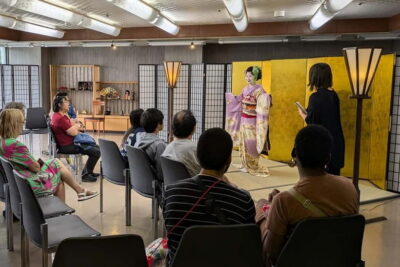
Dinner with Maiko in a Traditional Kyoto Style Restaurant Tour
Our verdict →
Browse the lists this tour appears in