
Reviewed · TEMPLES & SHRINES
Kyoto: Zen Meditation at a Private Temple with a Monk
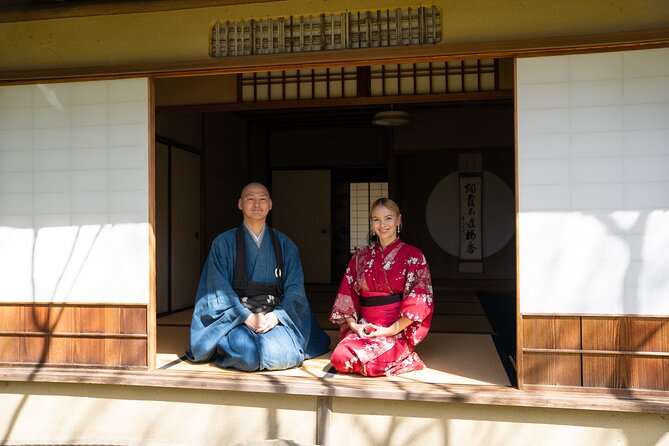
A private Kyoto temple, a Buddhist monk, and a quiet period of seated meditation make this a far more personal experience than simply walking through a famous temple gate. You meet at Kodaiji Park, walk about 10 minutes, and enter a temple that is not open to the general public.
I like the clear introduction to Zazen, especially for first-timers, and the chance to ask the monk questions after meditating. I also like the matcha, sweets, and garden time, which give the session a warm human finish. The main drawback is the price: $91 for 90 minutes is a serious spend, and the meeting point near the park toilets can be confusing.
Key points
- Private temple access: Visit a quiet temple that ordinary sightseeing routes do not include.
- Guided Zazen practice: Learn posture, breathing, and meditation technique from a monk.
- English support: Guides including Soma, Satoru, Ruko, and Kohtaro have helped interpret the session.
- Tea and conversation: Finish with matcha, sweets, garden views, and time for questions.
- Small-group feel: Private and small-group bookings are available, so the mood can be calm and personal.
- Simple route: Meet at Kodaiji Park, walk 10 minutes, and return to the park after the experience.
A quiet temple experience near Kodaiji Park
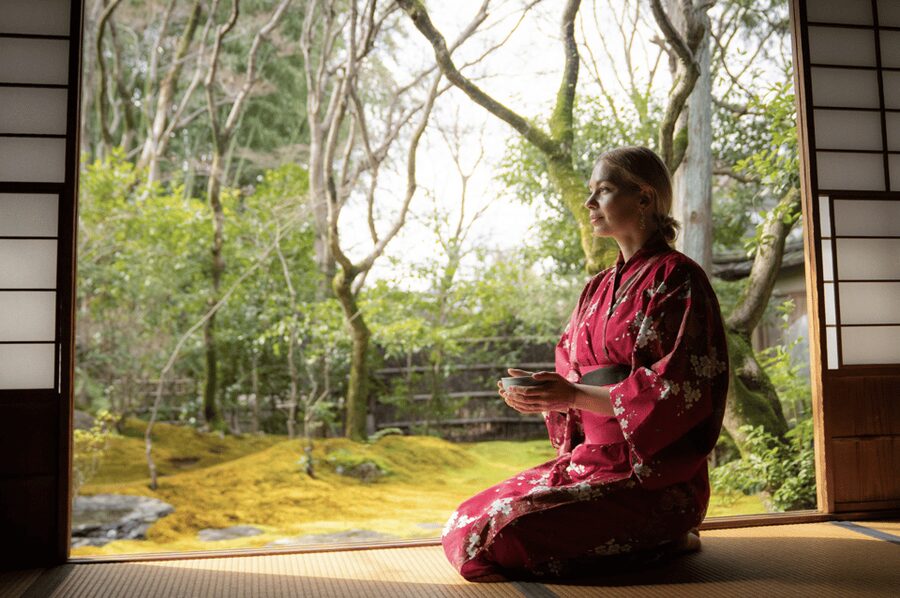
Kyoto can feel crowded, especially around the well-known temples and lanes of Higashiyama. This experience takes you only a short walk from Kodaiji Park, yet the mood changes quickly. You leave the public route and enter a private temple setting where the focus is not on checking off another sight, but on sitting still and paying attention.
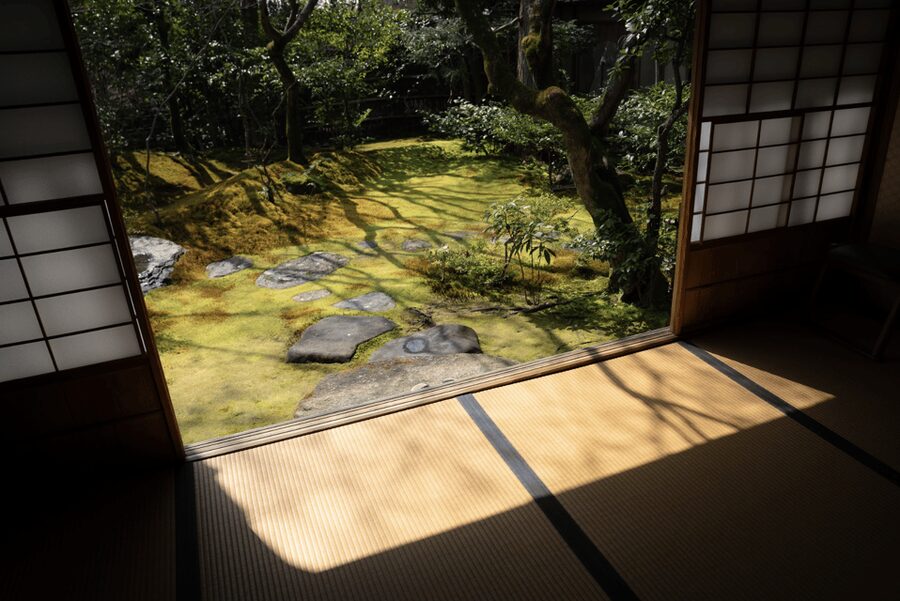
The temple is described as a hidden, private place, and one review identifies it as Korin-in. The precise setting matters because you are not meditating in a busy hall filled with passing sightseers. You have time to notice the room, the garden, the sound of the monk’s instruction, and your own breathing.
I would not book this expecting a grand temple tour with a long lesson in Japanese history. The emphasis is Zen practice, personal attention, and conversation. The cultural setting adds meaning, but the session works best when you are willing to put your phone away and accept a slower pace.
More Temple & Shrine Tours in Kyoto
- Kyoto: Fushimi Inari, Kinkakuji, Bamboo Grove 1 Day Bus Tour
★ 4.8 · 4,316 reviews - Kyoto: Tea Ceremony in a Traditional Tea House in Kiyomizu
★ 4.9 · 3,519 reviews - Kyoto: Tea Ceremony Ju-An at Jotokuji Temple
★ 4.9 · 3,207 reviews
Meeting at the park and walking to the temple
The meeting point is the toilet at Kodaiji Park. Your guide waits on the northern side of the building. This is practical, but it is also the least polished part of the arrangement. Some people have found the map location confusing because it can lead you into the park rather than directly to the toilet.
I recommend checking the guide’s message on the day of the activity and using the toilet itself as your landmark. Give yourself a little extra time. If you arrive at the middle of the park and see no guide, do not panic. Walk to the toilet and check its northern side.
From there, the group walks for about 10 minutes. Transportation is not included, but none is needed for this short transfer. Wear shoes that are easy to remove and comfortable clothing that will not distract you while seated.
The walk also helps you change gears. You are still close to one of Kyoto’s most visited areas, but the short route creates a useful pause between sightseeing and meditation.
What the monk explains about Zazen
Inside the temple, the monk introduces Zen and the purpose of Zazen, the seated meditation practice at the heart of the session. You learn about posture and breathing before trying the practice yourself, so you are not expected to arrive with meditation experience.
The instruction is especially useful if you have only tried meditation through an app or by sitting alone at home. The monk explains how to sit, how to breathe rhythmically, and how to handle the steady flow of thoughts. The point is not to force your mind to become blank. It is to notice what is happening without being pulled around by every thought.
The monk usually teaches in Japanese, with the English-speaking guide interpreting. Guides named in the feedback include Soma, Satoru, Ruko, and Kohtaro. The quality of the guide matters here because the experience depends on understanding the monk’s words, not just copying his posture.
The guide is also a bridge between cultures. You can ask about Zen, monastic life, Japanese customs, and the practical side of meditation. Several guides have been praised for warm, clear translation, and that makes the session easier for first-time visitors.
The meditation itself
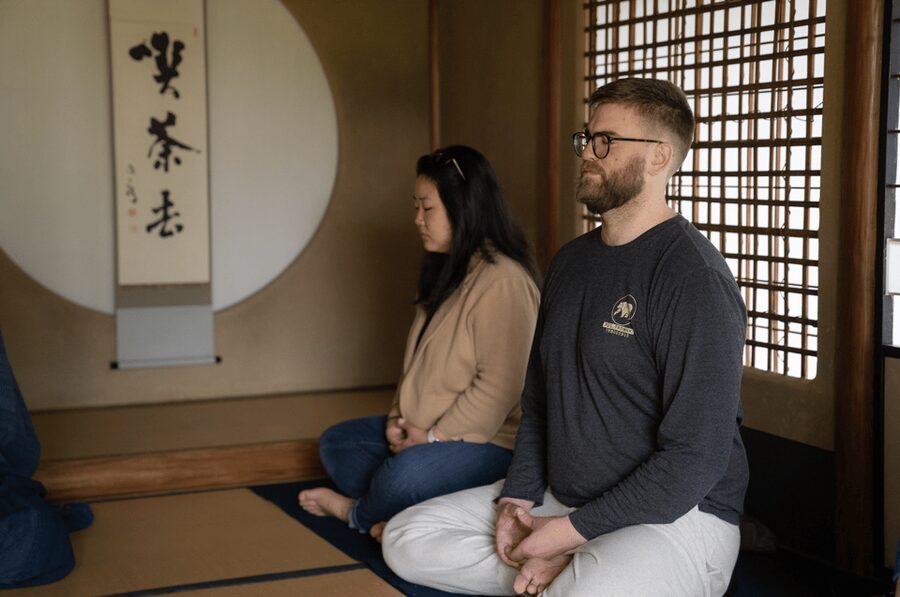
The actual Zazen practice is the quiet center of the 90-minute visit. One account describes a session of about 20 minutes in complete silence, though the exact format may vary. You should expect to sit still, breathe with attention, and work with the discomfort or restlessness that naturally appears.
This is not a theatrical performance. There is no need to produce a spiritual breakthrough. You may feel calm, distracted, uncomfortable, or simply curious. All of those reactions fit the purpose of the exercise.
The setting helps. A private temple and garden give you fewer visual distractions than a hotel room or busy city park. The monk’s presence also adds structure. You are not left wondering if you are sitting correctly or missing the point.
I like that the activity does not assume you already understand Buddhism. It presents meditation as a practice you can try, question, and possibly take home with you. Several people have found the session useful as a first formal introduction, while others with previous meditation experience have used it to refine posture and focus.
The practical caution is that sitting still may not suit everyone. The activity is not recommended for people with mobility impairments. It is also listed as unsuitable for people with claustrophobia or a fear of heights. Those last restrictions may seem unusual for a temple meditation, so check the booking conditions carefully if either concern applies to you.
Same trip, a completely different kind of day:
- PERFECT KYOTO 1-Day Bus Tour
★ 5.0 · 13,518 reviews - Kyoto Geisha Walking Tour: Gion District & Hidden Gems
★ 4.7 · 3,273 reviews - Kyoto: Gion Magical Night Walking Tour with Geisha Trivia
★ 4.9 · 2,393 reviews - Kyoto: 45-Minute Tea Ceremony Lesson Experience
★ 4.3 · 2,378 reviews
Matcha, sweets, and a conversation with the monk
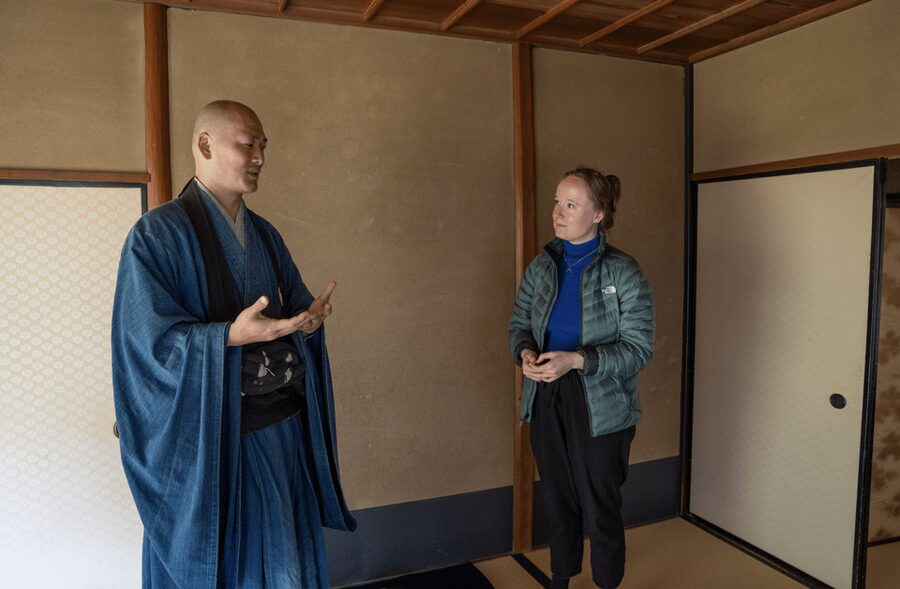
After meditation, the pace becomes more social. You share tea and sweets, often matcha, while looking out toward the temple garden. This part is not just a snack break. It gives you time to come back to ordinary conversation and ask questions that may not occur during the formal teaching.
The monk discusses his life and Buddhism, and you can ask about his daily experience, Zen ideas, or the meditation itself. The answers are interpreted into English by the guide. This informal exchange is one of the strongest reasons to choose this activity instead of a self-guided visit to a temple.
The tone is friendly rather than stiff. Some sessions have included photographs with the monk, and guides may take pictures for you. You can also photograph parts of the temple and garden, provided you follow the instructions given on site.
One especially appealing detail is that the monk’s personality comes through. This is not only an abstract lesson about Zen. You meet a person who can explain how the practice fits into his life, and that makes Japanese Buddhist culture easier to understand.
The garden and the value of a private setting
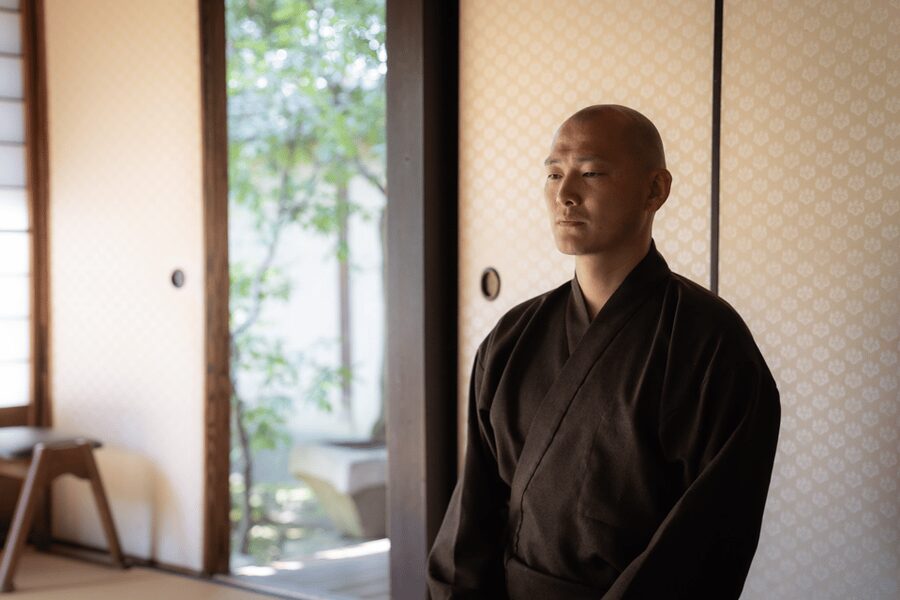
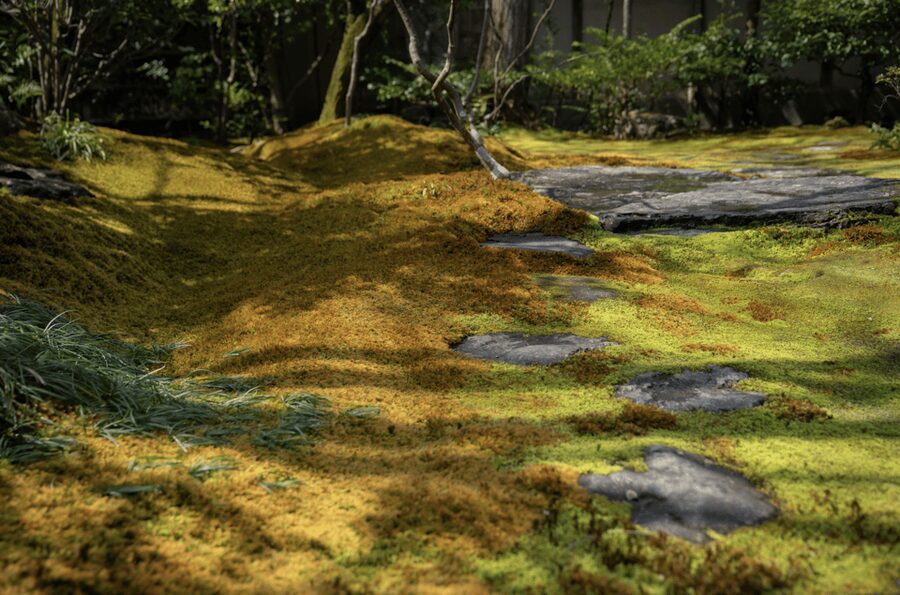
The garden is part of the experience, not merely a backdrop for photos. You have time to stroll and look around after the meditation, often in a quiet setting that is not open to general public visits.
The gardens have been described as mossy, peaceful, and especially attractive in the morning. A rainy morning may even suit the mood, with the garden offering a subdued place to sit and notice the surroundings. In warmer months, the greenery can be particularly striking, though the basic appeal is the same in any season: quiet, space, and a sense of privacy.
You should keep your expectations sensible. This is not a full garden-design lecture or an extended temple tour. The garden visit is short and connected to the meditation session. Still, being able to walk through a restricted temple garden gives the $91 price more weight than a standard group meditation class in a commercial studio.
How the guides shape the experience
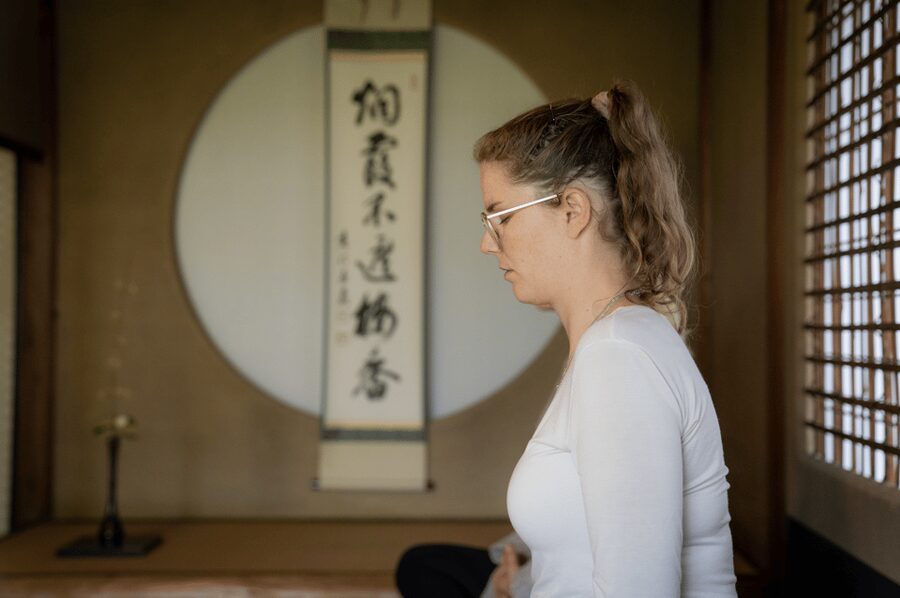
The guide does more than lead you from the park to the temple. The guide explains the setting, interprets the monk’s teaching, answers practical questions, and helps the group feel comfortable.
Soma and Satoru are named often in the available comments, while Ruko and Kohtaro are also mentioned. You may not receive one particular guide, but the repeated presence of English-speaking guides is important. The monk’s teaching is delivered in Japanese, so good interpretation is central to the activity.
A guide can also help if you are unsure about etiquette. Entering a private religious space may feel intimidating, particularly if you have never attended a meditation session in Japan. Clear instructions make it easier to participate respectfully without worrying about every small movement.
Private and small-group options are available. A small group can create a shared sense of focus without making the session feel crowded. One-on-one or very small attendance may allow more time for questions, but the exact group size depends on the booking.
Is $91 a fair price for 90 minutes?
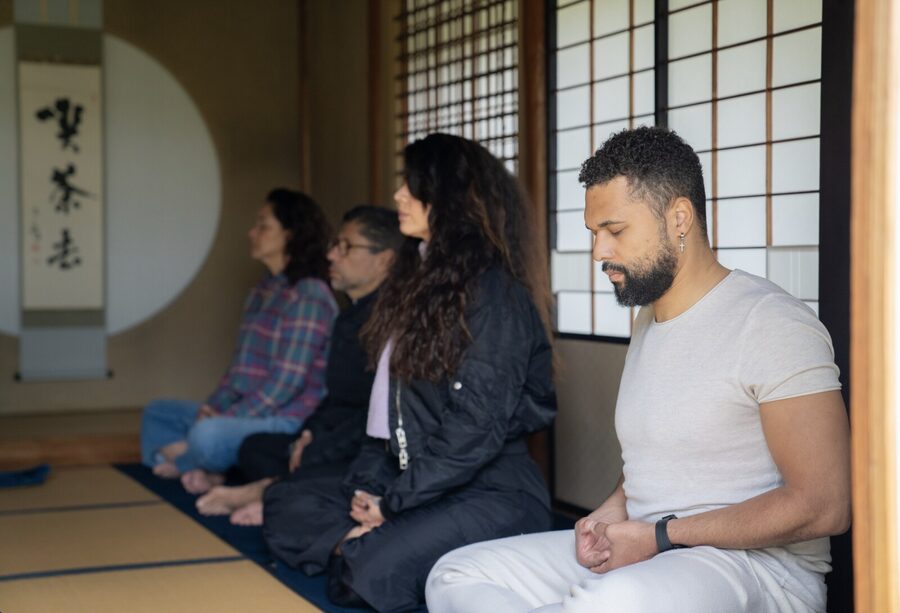
At $91 per person, this is not a budget activity. You are paying for access to a private setting, a monk-led meditation lesson, an English-speaking guide, temple entry, tea, and the chance to ask questions. You are not paying simply for a seat in a meditation room.
The value depends on what you want from Kyoto. If you only want to see famous buildings, the cost may feel high for a short visit. If you want a personal cultural encounter and a structured way to slow down, the price is easier to justify.
I see it as better value for people who will use the session fully. Ask questions. Pay attention to the explanation of posture and breathing. Take time in the garden. Think about how you might use the practice after returning home. If you treat it as a quick photo stop, it will probably feel expensive.
The 90-minute length is sensible. It is long enough to include instruction, meditation, tea, and conversation, but short enough to fit into a busy Kyoto schedule. You can place it early in your stay to reset after a long journey, or use it between sightseeing days when you want something quieter.
Who should book this experience?
This activity suits you if you are new to meditation and want a calm, guided first step. You do not need previous Zazen experience, and the monk explains the basic technique before you begin.
It also suits people already interested in Buddhism, Japanese culture, or mindful practice. The conversation after meditation gives you room to ask questions that a standard temple admission would never address.
Teenagers aged 12 and over may attend, and one account describes the experience working well for a parent and teenage son. Children under 12 are not accepted. People with mobility impairments should choose another activity, since seated meditation and temple access may be difficult.
I would also recommend it for couples, solo visitors, and small groups who want a shared experience without a loud or rushed format. It can be a thoughtful morning activity, though one session has also been offered in the evening. Check the available starting time before booking.
Practical advice before you go
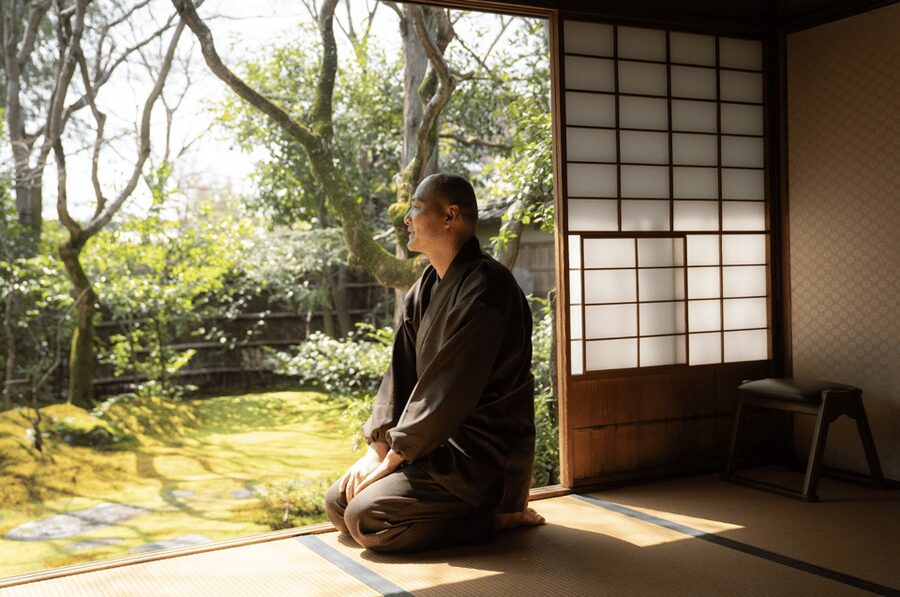
Wear comfortable clothing. You will be seated for meditation, and loose clothes will make it easier to maintain a relaxed posture.
Arrive at Kodaiji Park with the meeting instructions open on your phone. The toilet on the northern side is the key landmark, not the general center of the park. This small step can prevent a stressful start.
Plan to be respectful with photography. The experience allows photos with the monk and around the temple, but wait for the guide’s direction before taking pictures inside religious spaces.
The activity offers free cancellation up to 24 hours before the start time, and you can reserve now and pay later. Those terms are useful if your Kyoto schedule is still changing, but the main decision remains whether a short, quiet cultural experience fits your trip.
Should you book it?
Book this if you want more than a temple photograph. The strongest parts are the private setting, the monk’s direct instruction, the clear English interpretation, and the time to talk over tea afterward.
Skip it if $91 feels too high for 90 minutes, if sitting still will be physically difficult, or if you prefer independent sightseeing with no fixed schedule. Also take the meeting instructions seriously, since the park location can be unclear.
For everyone else, this is a thoughtful way to make space in a busy Kyoto visit. You leave with a practical introduction to Zazen, a closer look at Buddhist life, and time in a temple garden that most people cannot simply walk into.
FAQ
How long does the Zen meditation experience last?
The experience lasts 90 minutes, including the walk to the temple, introduction, meditation, tea, conversation, and garden time.
Where do I meet the guide?
Meet at the toilet in Kodaiji Park. The guide waits on the northern side of the toilet.
How far is the temple from the meeting point?
The route from Kodaiji Park to the temple takes about 10 minutes on foot.
Is the experience conducted in English?
The activity includes a live English-speaking guide. The monk may teach in Japanese, with the guide interpreting the instruction and discussion into English.
Do I need meditation experience?
No. The monk explains the principles, posture, breathing, and techniques of Zazen before you practice.
What is included in the price?
The price includes the Zen experience, entry to the temple, a lecture on meditation principles and techniques, and Zazen practice.
Is tea included?
Tea and sweets are provided during the time after meditation, according to the activity details and experience information.
Can I take photos?
You can take photos with the monk and of the temple and gardens, following the guide’s instructions.
Is the activity suitable for everyone?
It is not suitable for children under 12, people with mobility impairments, people with claustrophobia, or people afraid of heights.
Just added around Kyoto
- Sekka Cotton Furoshiki Class★ 5.0 · 19 reviews
- Kyoto Sword Experience – includes Museum Ticket/Ninja Experience★ 4.5 · 149 reviews
- Scenic Green Tea Fields of Hidden Kyoto & Local Tea Exp (Private)★ 5.0 · 32 reviews
- Secret Eastern Kyoto Biking Adventure★ 5.0 · 44 reviews
- Private Sake Tasting in Central Kyoto with Sake Sommelier★ 5.0 · 32 reviews
- Samurai School in Kyoto: Samurai for a Day★ 5.0 · 202 reviews
- SHIRAKAWA Japanese Culture Experiences with private English staff★ 5.0 · 16 reviews
- A Privately Guided Photoshoot in Beautiful Kyoto by a Pro★ 5.0 · 18 reviews
Temples & Shrines, compared.

Tea Ceremony in a Traditional Tea House in Kiyomizu
Our verdict →

Meiji Shrine, Asakusa, Skytree Bus Tour and Cruise
Our verdict →
Fushimi Inari Hidden Hiking Tour (Private Option Available)
Our verdict →
Osaka/Kyoto:Kinkakuji,Arashiyama,FushimiInariShrine,NaraPark
Our verdict →
Nikko: Kegon Falls, Lake Chuzenji & Toshogu Temple
Our verdict →
Kamakura & Enoshima Day Trip including Temple Tickets
Our verdict →Browse the lists this tour appears in