
Reviewed · TEMPLES & SHRINES
Kyoto: Zen Experience in a Hidden Temple
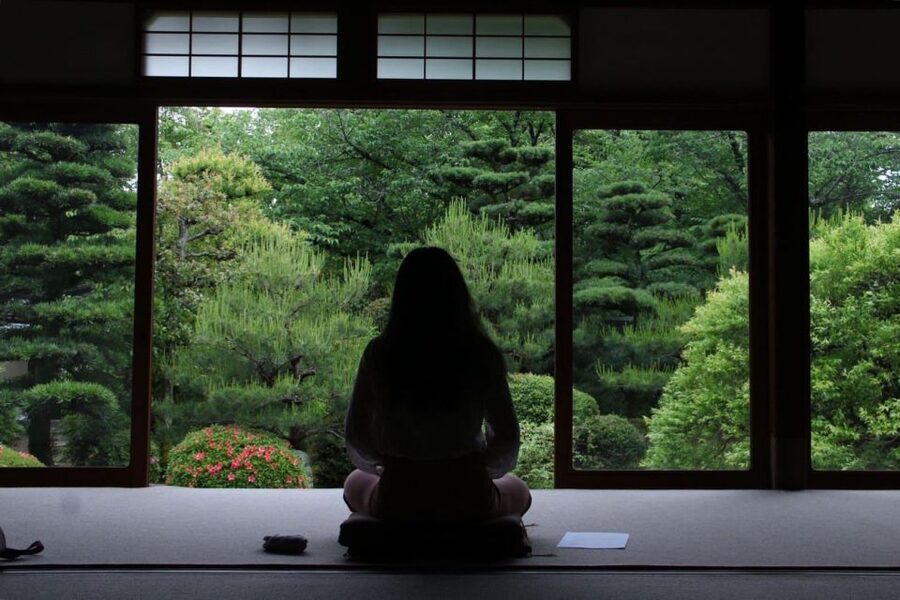
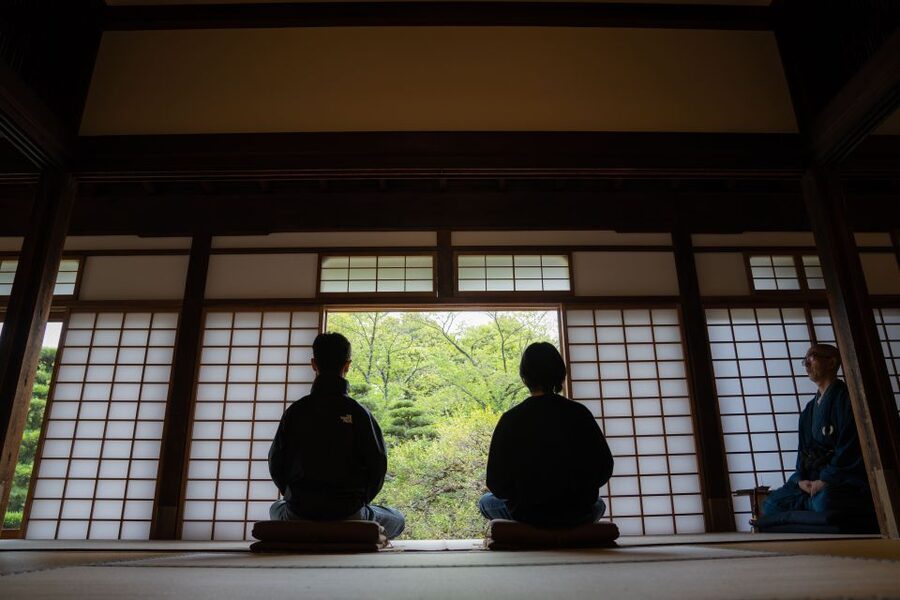
Kyoto’s Jusho-in Temple offers something many sightseeing stops cannot: quiet time with nowhere else to go. You sit before a 400-year-old garden, learn zazen from Eitetsu Nishida, the temple’s 16th-generation abbot, and share tea in a small Zen setting inside the Myoshin-ji complex.
I like the two 20-minute meditation sessions, which give you a real taste of the practice without asking you to sit still for an intimidating stretch. I also like the warm, human teaching style, with room for questions, humor, and practical help from the English-speaking team, including guides such as Ursula and Nicolas on some sessions.
The main consideration is physical comfort. Sitting upright on the floor for 20 minutes can be tough, especially in a rented kimono, and the garden-facing room may feel cold in winter. Chairs and blankets are available, but the temple is not wheelchair accessible.
What makes this Zen session worth two hours
- Meditate with a 16th-generation temple abbot: Eitetsu Nishida teaches zazen, explains Zen ideas, and sits with the group.
- Face a garden attributed to Eitoku Kano: The garden has remained unchanged since its creation around 400 years ago.
- Two manageable meditation periods: A short break separates the 20-minute sessions, allowing time to stretch and ask questions.
- Learn tea as a Zen practice: Matcha, seasonal wagashi sweets, and careful manners form the second half of the experience.
- Leave with professional photographs: A photographer records the session and sends the images within a few days.
- Step away from Kyoto’s busiest sights: Myoshin-ji is a large temple complex, yet Jusho-in feels quiet and private.
Entering Myoshin-ji and finding Jusho-in
Your meeting point is at the north gate of Myoshin-ji Temple, listed as 18 Taniguchisonomachi. The exact meeting arrangement can vary by booking, so check your confirmation before setting out.
You do not simply arrive at a front desk and begin. An English-speaking guide meets you and walks with you through the temple complex to Jusho-in. That short walk matters. Myoshin-ji is one of Japan’s largest Zen temple compounds, with 46 sub-temples, and the approach gives you time to leave the busy streets behind.
Jusho-in was founded in 1599 and has about 420 years of history. This is not a recreated cultural set built for an audience. It is a working temple with a long connection to Rinzai Zen, one of Japan’s major Zen traditions.
The experience is offered as a private or small-group activity. That makes a real difference here. Meditation requires quiet, and a crowded room would change the mood. Seating is assigned in reservation order, so booking earlier may help if you care about where you sit.
More Temple & Shrine Tours in Kyoto
- Kyoto: Fushimi Inari, Kinkakuji, Bamboo Grove 1 Day Bus Tour
★ 4.8 · 4,316 reviews - Kyoto: Tea Ceremony in a Traditional Tea House in Kiyomizu
★ 4.9 · 3,519 reviews - Kyoto: Tea Ceremony Ju-An at Jotokuji Temple
★ 4.9 · 3,207 reviews
Two 20-minute sessions with Eitetsu Nishida
The meditation begins with an explanation of zazen. You learn how to sit, where to place your attention, and what to do when your mind refuses to become quiet. That last point is important. Beginners often assume meditation means instantly thinking about nothing. It does not. The challenge is noticing your thoughts without chasing each one.
You then sit for 20 minutes. After a pause for stretching and questions, you sit for another 20 minutes. This format is kinder than one long session and gives the teaching time to settle.
Eitetsu Nishida leads the practice. Before becoming a monk, he worked for 10 years as a national public servant. He later completed three and a half years of demanding Buddhist training and became the 16th-generation abbot of Jusho-in. His background gives the session a useful balance: this is serious religious practice, but it is not presented in a stiff or distant way.
His cheerful personality and sense of humor help beginners relax. The teaching focuses on direct experience rather than a long lecture about Buddhist texts. That fits the basic aim of Zen, where sitting and paying attention matter more than collecting religious facts.
The English translation is generally handled by the guide. One practical point: Nishida’s English can be difficult to follow at times because of his strong accent. The translation support is helpful, and you should feel free to ask the guide to repeat or clarify a point.
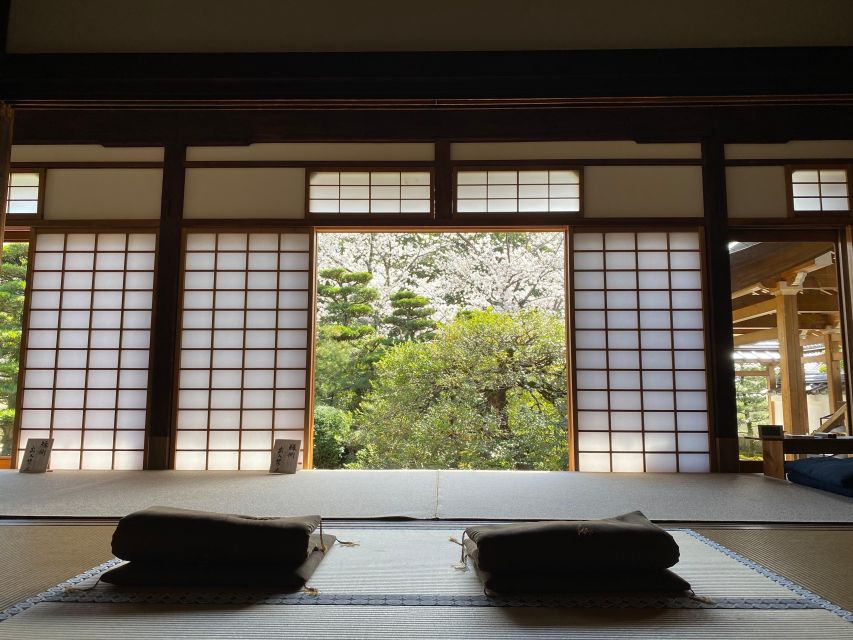
The room looks toward the temple garden. In colder weather, the doors may remain open, which lets you hear and feel the season around you. Blankets are available, but bring a layer if you tend to get cold. Chairs can be provided if kneeling or sitting cross-legged is not comfortable.
The garden is part of the meditation
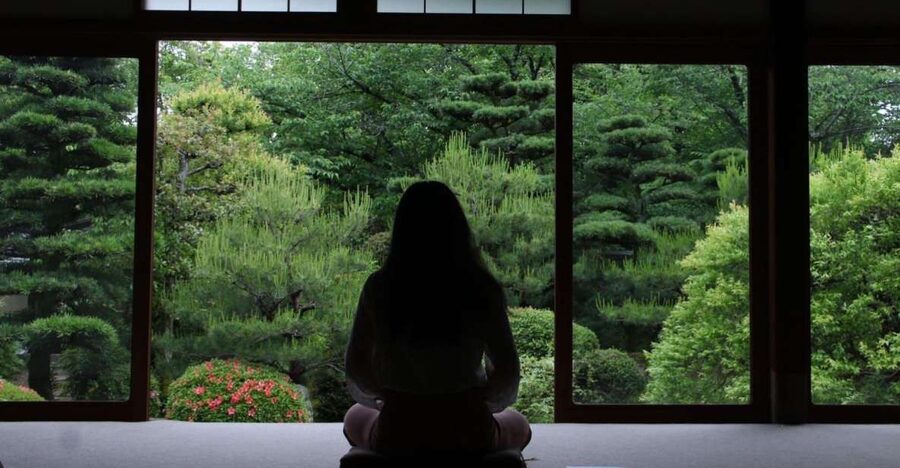
The garden is not a quick photo stop between activities. It is the visual center of the room, and the quiet view gives you something steady to notice during meditation.
It is attributed to Eitoku Kano, a celebrated 16th-century painter, and has remained unchanged since it was created. The setting shifts with the calendar: cherry blossoms in spring, fresh green growth in summer, autumn color, and snow in winter.
You should not expect a large stroll through landscaped grounds during the two-hour session. The value comes from sitting still and looking carefully. A garden that might take only a minute to photograph can hold your attention much longer when you are asked to remain quiet before it.
After the formal meditation, you have time to appreciate the garden and speak with the monk. That conversation is one of the stronger parts of the visit because it lets you ask about Zen in plain terms instead of treating it as a museum subject.
If you have extra time, consider returning to the wider Myoshin-ji complex after the session. The temple grounds contain many smaller temples, and one nearby review of the area points out the main temple’s dragon ceiling, which requires an additional admission fee and does not permit photography. That visit is separate from the Jusho-in experience.
Matcha, wagashi, and the Zen connection
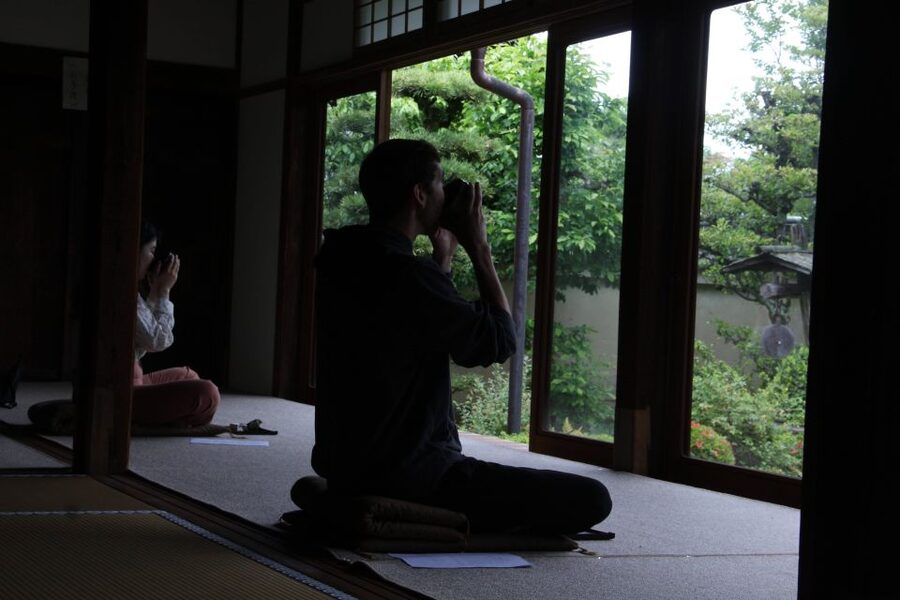
The second half shifts from sitting to tea. Eitetsu Nishida explains matcha and its history, then the tea team demonstrates how to receive and drink the powdered green tea with seasonal sweets.
The sweets are wagashi, traditional Japanese confections chosen to suit the season and the tea. They are small, refined, and usually sweet enough to balance matcha’s bitter edge. The pairing is not just a snack. It shows how tea, food, movement, attention, and hospitality work together.
You learn the manners involved in receiving the bowl and eating the sweet. The pace slows down, and each action becomes deliberate. Even if you do not drink matcha regularly, this gives you a better understanding of why tea practice has such a close relationship with Zen.
The tea portion also makes the experience accessible to family members who may not want a long meditation. Children and adults have taken part together, and the activity is open to all ages. Still, the temple remains a quiet religious setting, so young children need to be comfortable with calm instruction and periods of silence.
The matcha and sweets are included in the $109 price. I consider that reasonable for a two-hour private or small-group session that also includes temple entry, an abbot’s teaching, translation, and photography. It is more expensive than simply entering a Kyoto temple, but it provides access and personal guidance that ordinary admission does not.
Same trip, a completely different kind of day:
- PERFECT KYOTO 1-Day Bus Tour
★ 5.0 · 13,518 reviews - Kyoto Geisha Walking Tour: Gion District & Hidden Gems
★ 4.7 · 3,273 reviews - Kyoto: Gion Magical Night Walking Tour with Geisha Trivia
★ 4.9 · 2,393 reviews - Kyoto: 45-Minute Tea Ceremony Lesson Experience
★ 4.3 · 2,378 reviews
What the photography adds
A photographer works during the experience with a single-lens reflex camera. The purpose is not to turn meditation into a photo shoot. You can focus on sitting because someone else handles the pictures.
The photo data arrives within a few days after the activity. That delay is normal, so do not expect files before you leave Kyoto. The images provide a useful record of the garden, tea, and temple atmosphere, especially if you prefer to keep your phone away during meditation.
This is a thoughtful extra rather than the reason to book. If you dislike being photographed, ask the guide how the photographer will work around your preference. The included photography is most valuable for couples and families who want a shared memory without taking turns behind the camera.
Practical comfort, clothing, and timing
The experience lasts about two hours, including the explanations, meditation, tea, and questions. It takes place rain or shine, so you do not need to cancel plans simply because Kyoto’s weather turns wet.
Wear comfortable clothing that allows you to sit upright. A rented kimono looks appropriate at a temple, but it can make meditation awkward and restrict your legs. The organizers specifically do not recommend it for this activity.
You need no special equipment. Chairs are available for people who cannot sit comfortably on the floor, and bathrooms are available. The temple itself is not wheelchair accessible, so anyone with mobility concerns should check carefully before booking.
There is no hotel pickup or drop-off. Plan your route to the Myoshin-ji north gate and allow time to find the meeting point. Since the guide leads you from the gate to Jusho-in, arriving late could affect the opening instructions and the first meditation period.
Cancellations receive a full refund up to 24 hours before the start time. After that point, no refund is available. The reserve-now, pay-later option can help if your Kyoto schedule is still shifting.
Who will enjoy this most
I would choose this for you if you want more than temple photographs and sightseeing facts. It suits first-time meditators because the sessions are short, the instructions are clear, and chairs are available. It also suits people who already practice meditation and want to experience zazen in its religious setting.
Couples may especially appreciate the quiet format and the included photographs. Families can participate, since all ages are welcome, but the calm atmosphere requires some patience from younger children.
This is also a good choice after a busy day in central Kyoto. The experience gives you a fixed period without shopping, rushing, or checking an itinerary. You leave with a clearer sense of how Zen uses posture, silence, tea, and attention.
It is less suitable if you want an active tour, a long garden walk, or a broad history lecture. The focus is narrow by design: sit, listen, drink tea, and pay attention. If floor seating sounds miserable, request a chair at the start rather than trying to prove something to yourself.
Should you book the Jusho-in Zen experience?
Book it if you want a quieter and more personal side of Kyoto. The combination of two zazen sessions, direct teaching from Eitetsu Nishida, a historic garden, matcha, seasonal sweets, and photographs gives the $109 fee solid value for a two-hour experience.
I would not book it only to collect a quick temple photo. The best parts require stillness and attention, and the meditation may feel difficult at first. That difficulty is part of the point.
For most visitors, this is a memorable way to slow down without pretending to become a Zen monk in one morning. You learn enough to understand the practice, sit long enough to feel its demands, and finish with tea in one of Kyoto’s most peaceful settings.
FAQ
Where does the Zen experience meet?
The meeting point is at the north gate of Myoshin-ji Temple, listed as 18 Taniguchisonomachi. The meeting point can vary depending on the option booked, so check your booking details.
How long does the activity last?
The experience lasts about two hours, including explanations of zazen, two meditation sessions, the tea experience, questions, and the commemorative photo.
Who leads the meditation?
Eitetsu Nishida, the 16th-generation abbot of Jusho-in, leads the zazen practice and explains Zen ideas.
Is the experience conducted in English?
An English-speaking live guide provides explanations and translation. The abbot may speak some English, but the guide helps with communication.
Do I need meditation experience?
No. The activity is open to beginners, and the guide and temple team explain the basic practice before you sit.
Can I use a chair during meditation?
Yes. Chairs are available for people who need assistance sitting on the floor.
Is the temple wheelchair accessible?
No. The experience is not wheelchair accessible.
What happens if it rains?
The activity runs rain or shine. You should dress for the weather and wear comfortable clothing suitable for sitting. Full refunds are available for cancellations made at least 24 hours before the activity.
Just added around Kyoto
- Sekka Cotton Furoshiki Class★ 5.0 · 19 reviews
- Kyoto Sword Experience – includes Museum Ticket/Ninja Experience★ 4.5 · 149 reviews
- Scenic Green Tea Fields of Hidden Kyoto & Local Tea Exp (Private)★ 5.0 · 32 reviews
- Secret Eastern Kyoto Biking Adventure★ 5.0 · 44 reviews
- Private Sake Tasting in Central Kyoto with Sake Sommelier★ 5.0 · 32 reviews
- Samurai School in Kyoto: Samurai for a Day★ 5.0 · 202 reviews
- SHIRAKAWA Japanese Culture Experiences with private English staff★ 5.0 · 16 reviews
- A Privately Guided Photoshoot in Beautiful Kyoto by a Pro★ 5.0 · 18 reviews
Temples & Shrines, compared.

Tea Ceremony in a Traditional Tea House in Kiyomizu
Our verdict →
Meiji Shrine, Asakusa, Skytree Bus Tour and Cruise
Our verdict →
Fushimi Inari Hidden Hiking Tour (Private Option Available)
Our verdict →
Osaka/Kyoto:Kinkakuji,Arashiyama,FushimiInariShrine,NaraPark
Our verdict →
Nikko: Kegon Falls, Lake Chuzenji & Toshogu Temple
Our verdict →
Kamakura & Enoshima Day Trip including Temple Tickets
Our verdict →Browse the lists this tour appears in