
Reviewed · TEMPLES & SHRINES
Best of Kyoto: Red Gates of Fushimi Inari & Kiyomizu Temple
The best reason to book this Kyoto tour is simple: you see Fushimi Inari before the crowds take over. The early light slips through the red torii gates, and the shrine feels calm rather than packed. I like that the tour also includes Kiyomizu-dera, so you get two of Kyoto’s major sights in one morning, with train fares, taxi fare, and entry fees covered.
I also like the human touch. Guides such as Shanda and Diana give you time for photos while explaining the customs and stories behind each place. The drawback is the pace on foot: expect stairs and 10,000 or more steps, and remember that an early start may mean many nearby shops are still closed.
Key Points
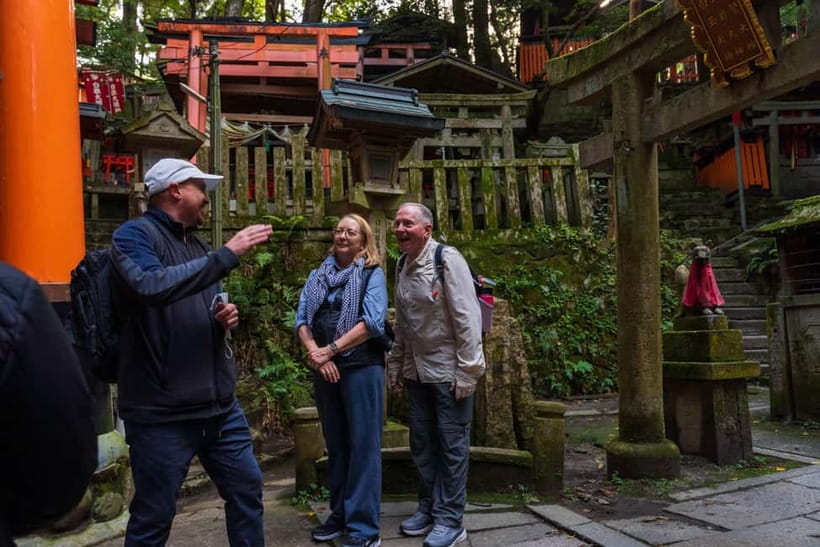
- Early access to Fushimi Inari: Arrive before the heaviest crowds for better photos and a quieter walk beneath the torii gates.
- Two major Kyoto sights in three hours: Visit Fushimi Inari Taisha and Kiyomizu-dera without arranging transport between them yourself.
- Guides who add real context: Shanda and Diana are praised for warm, clear explanations and for allowing time to take photos.
- Historic Higashiyama streets: Walk through Sannenzaka and Ninenzaka, with wooden houses, pagodas, cafes, and traditional scenery.
- Transport and entry included: Train fares, the taxi from Fushimi Inari to Kiyomizu, and admission fees are covered.
- A demanding morning walk: Stairs and more than 10,000 steps make this a poor match for anyone with mobility limitations.
Why the Early Start Matters at Fushimi Inari
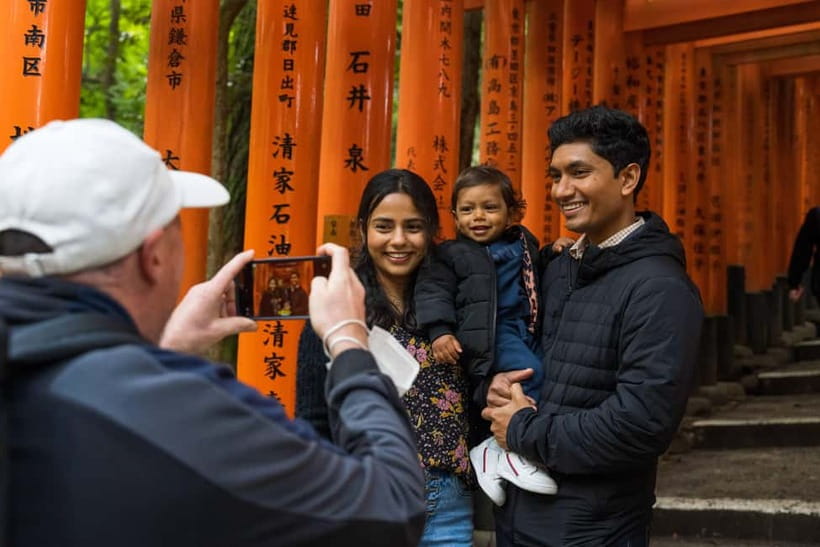
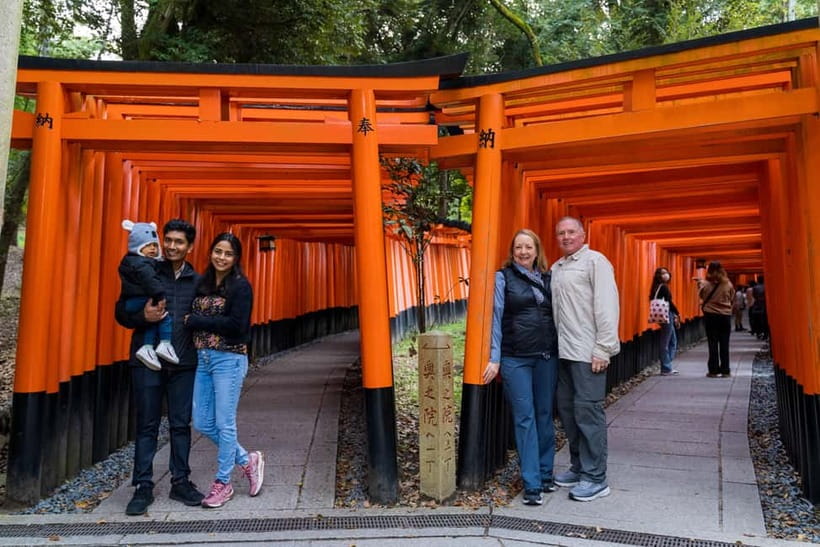
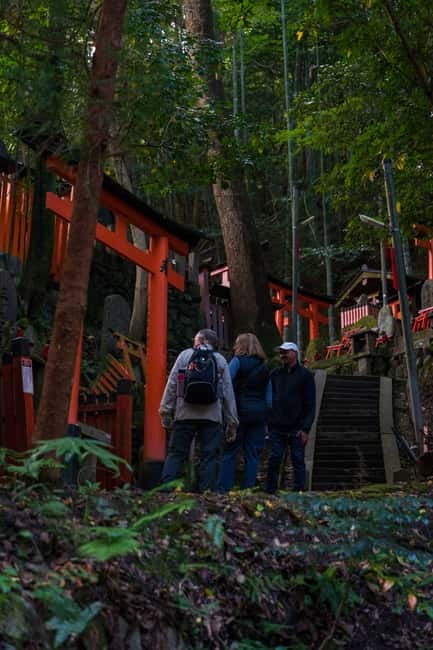
Fushimi Inari Taisha is the tour’s first major stop, and the timing is its strongest feature. The shrine is famous for its long rows of red torii gates, which climb through the wooded slopes behind the main shrine area.
Later in the day, those gates can become a slow-moving line of people. Start early, and you have a better chance to see the repeated arches with breathing room around you. Morning light also helps. It catches the painted wood and creates long shadows across the path, giving the walk a quieter, more reflective feel.
You will spend about 50 minutes here with your guide. That is enough time to see the main areas, walk beneath a section of torii, and hear why Fushimi Inari matters. It is not enough time for a full climb to the mountain summit, so set your expectations correctly. This is an introduction to the shrine, not an all-day hike.
Your guide can explain the religious setting, including the customs connected with Shinto worship. The tour also connects the morning sights to Buddhism, particularly at Kiyomizu-dera. That comparison helps you understand that Kyoto’s religious sites are not simply photo stops. They remain places of prayer, ritual, and local tradition.
For photography, the early start is a real advantage. You can take cleaner pictures of the gates and avoid spending most of the visit waiting for people to move out of the frame. Still, you should not expect complete solitude. Fushimi Inari is one of Japan’s most famous sights, and even an early visit can have other groups on the path.
More Temple & Shrine Tours in Kyoto
- Kyoto: Fushimi Inari, Kinkakuji, Bamboo Grove 1 Day Bus Tour
★ 4.8 · 4,316 reviews - Kyoto: Tea Ceremony in a Traditional Tea House in Kiyomizu
★ 4.9 · 3,519 reviews - Kyoto: Tea Ceremony Ju-An at Jotokuji Temple
★ 4.9 · 3,207 reviews
Meeting at JR Inari Station
You meet your guide in front of the entrance to JR Inari Station at the time printed on your booking voucher. Look for a small mailbox and a public phone next to each other. That detail matters because the station area has several possible meeting points, and arriving a little early will make the start less stressful.
The tour begins at Inari Station, rather than from your hotel. Hotel pickup and drop-off are not included, so you need to arrange your way to the station. Train fares during the tour are included, and taxi fare from Fushimi Inari to Kiyomizu-dera is also covered.
The meeting point is practical for the first stop. You begin close to Fushimi Inari rather than wasting the best morning hours crossing Kyoto. That efficient start is one reason the tour can fit two major sights into only three hours.
Kiyomizu-dera and Kyoto from Above
After Fushimi Inari, the tour uses a taxi to reach Kiyomizu-dera. This is a smart choice for a short tour. You avoid figuring out a transfer while tired from the first walk, and you keep the morning moving.
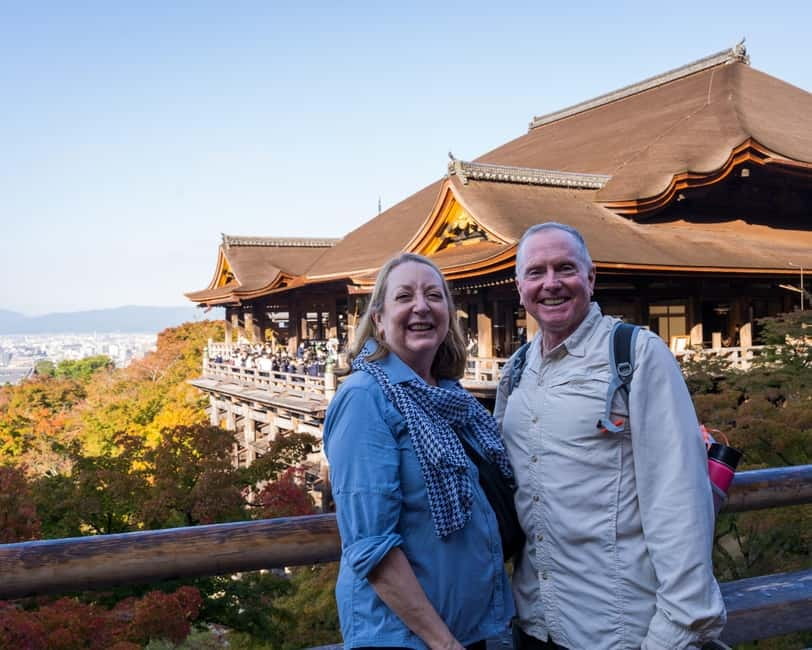
Kiyomizu-dera is the second major stop and receives about an hour of guided attention. The temple is one of Kyoto’s defining sights, with its wooden stage, hillside setting, and broad views across the city. From the temple area, you can see Kyoto spread below, with pagodas and rooftops filling the view.
The setting gives you a different experience from Fushimi Inari. Fushimi is about a repeated path through torii gates and wooded slopes. Kiyomizu-dera combines architecture, religious practice, old streets, and an open view over Kyoto. Seeing both in one morning gives you a better sense of the city’s range.
Your guide will discuss Buddhist traditions and the meaning of the temple’s features. This is where the tour’s educational side becomes most useful. Without context, it is easy to take a few pictures, admire the view, and move on. With a guide, you can better understand how the site fits into Kyoto’s religious and cultural life.
Kiyomizu-dera can be busy, even early in the day. The tour helps by arriving before the worst crowds, but it does not promise an empty temple. You will still need patience around popular viewing points and narrow paths.
Walking Sannenzaka and Ninenzaka
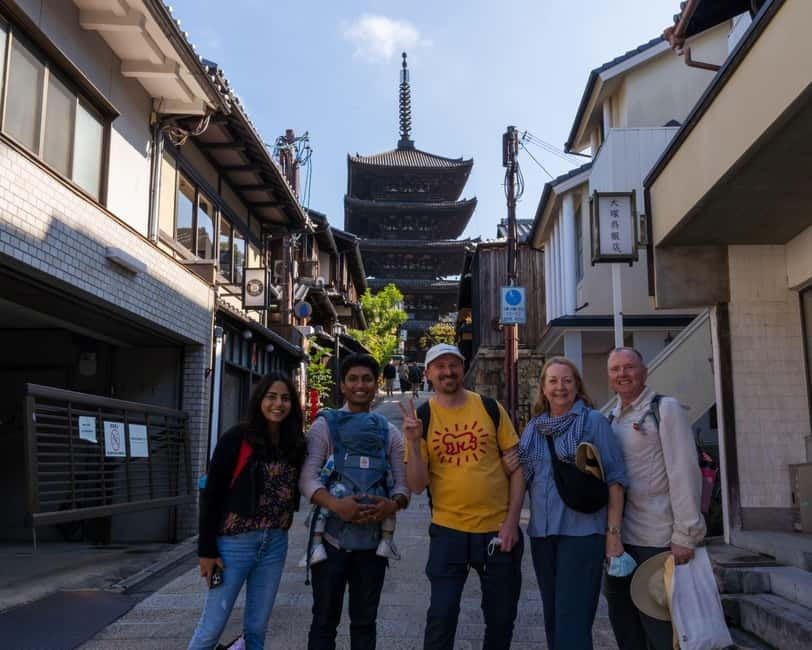
The final part of the experience takes you through Kyoto’s preserved Higashiyama area, including Sannenzaka and Ninenzaka. These streets are lined with traditional wooden buildings, small shops, cafes, and old-fashioned architectural details.
This section gives the tour a welcome change of pace. At Fushimi Inari, the focus is the shrine path. At Kiyomizu-dera, it is the temple and the view. In Higashiyama, you get a closer look at the streets that connect Kyoto’s major sights.
You will have about 30 minutes for photos and the walk through this area. That is enough to see the character of the streets and take pictures, but it is not a long shopping session. If you want to browse every shop, stop for a full meal, or spend time at several cafes, you will need to return later on your own.
There is a small tradeoff here. Because the tour begins early, some shops and food counters may not yet be open. That can feel disappointing if you hoped to browse or snack along the way. On the other hand, the quiet streets are part of the reward for getting up early. You can always come back later, when the area is more active.
The tour finishes at % ARABICA Kyoto Higashiyama. That gives you a useful place to continue your morning. You can stop for coffee, find breakfast, or use the guide’s suggestions for restaurants, cafes, and bars. Food and drinks are not included, so budget separately for that part.
Same trip, a completely different kind of day:
- PERFECT KYOTO 1-Day Bus Tour
★ 5.0 · 13,518 reviews - Kyoto Geisha Walking Tour: Gion District & Hidden Gems
★ 4.7 · 3,273 reviews - Kyoto: Gion Magical Night Walking Tour with Geisha Trivia
★ 4.9 · 2,393 reviews - Kyoto: 45-Minute Tea Ceremony Lesson Experience
★ 4.3 · 2,378 reviews
The Guides Make the Difference
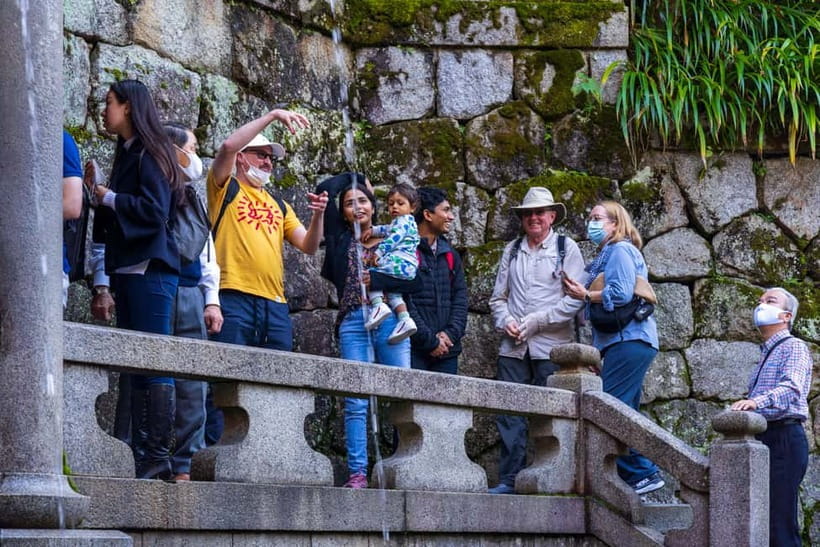
A three-hour sightseeing tour can easily become a rushed march between famous places. The guide determines whether it feels like that or like a useful introduction to Kyoto.
Shanda is specifically noted for her enthusiasm, politeness, and strong explanations. She also gives you time to take photos, which is important at places where you want both information and a few quiet minutes to look around. One especially helpful detail is that she assisted with the return journey to a hotel after the tour.
Diana also receives strong praise for making the early start worthwhile. Her explanations of Fushimi Inari and Kiyomizu-dera add meaning without turning the visit into a lecture. If you have the chance to request a guide, Shanda or Diana are names worth asking for, though availability cannot be guaranteed.
The tour is offered in English and French. You can book a private option or a small group, depending on availability. A smaller group gives you more room to ask questions and makes it easier to hear the guide in busy areas. It may also feel more personal during the walking portions.
The overall rating is 4.8 from 36 ratings, and the strongest pattern is clear: people value the guides, the early timing, and the way the tour makes the sights easier to appreciate. That does not remove the physical demands, but it does suggest the service is more than a basic point-to-point escort.
What the $58 Price Covers
At $58 per person, this tour is not the cheapest way to visit Fushimi Inari and Kiyomizu-dera. You could reach both sites independently using Kyoto’s public transport and pay the admission fees yourself.
The value comes from combining several useful pieces. You receive a live guide, train fares, the taxi from Fushimi Inari to Kiyomizu, and entry fees. You also avoid spending time deciding which route to take between the two sights. For a first morning in Kyoto, that convenience can be worth more than the small savings from doing everything alone.
The price makes the most sense if you want cultural explanation and a planned route. It is less attractive if you prefer to move slowly, linger in shops, or spend a long time photographing one place. Three hours is efficient, but it leaves little room for wandering beyond the planned stops.
Food and drinks are extra, and there is no hotel pickup or drop-off. Those are modest costs, but you should include them when planning the morning. The tour’s finish near ARABICA Kyoto Higashiyama makes breakfast or coffee easy to add afterward.
The reserve-now, pay-later option and free cancellation up to 24 hours before departure also give you some flexibility. Check the available start times before booking, since the early schedule is central to the experience.
Prepare for the Stairs and Long Walk
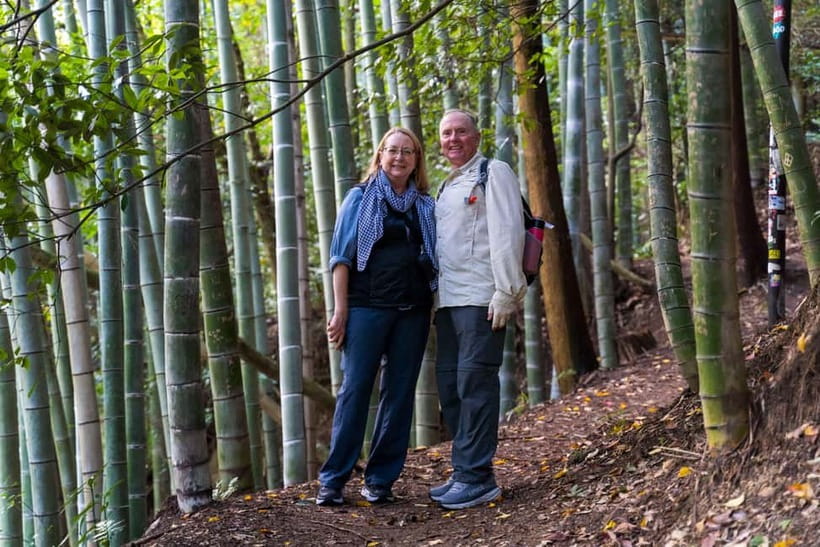
This is not a gentle sightseeing outing. You should expect stairs, uneven walking, and at least 10,000 steps across the morning. Comfortable shoes are essential, and loose, comfortable clothing will serve you better than anything formal.
The tour is not suitable for people with mobility impairments. Even if you are generally active, think about how you feel after a long morning on your feet before booking. The combination of Fushimi Inari’s uphill paths, Kiyomizu-dera’s sloping approach, and Higashiyama’s streets adds up quickly.
Bring only what you need. A small bag, water, and a phone or camera are practical choices. Food and drinks are not included, so you may want to plan a coffee or breakfast stop after the tour rather than expecting a meal during it.
The early start also affects sleep and breakfast plans. You may need to skip a hotel breakfast or eat something quickly before reaching Inari Station. In return, you get cooler, quieter streets and better odds of clear photos.
Who Will Get the Most from This Tour
I would recommend this experience to a first-time Kyoto visitor who wants to see the city’s two most famous religious sights without handling every transport detail alone. It works especially well if you have limited time and want a focused introduction before exploring more of Kyoto on your own.
It also suits you if cultural explanation matters. The guide helps connect the gates, temple buildings, Buddhist traditions, and old streets into a single story. You get more than a checklist of famous places.
Photographers will appreciate the early timing, especially at Fushimi Inari. The quieter paths and morning shadows offer better conditions than a midday visit, even though some people will still be present.
Families with older children may also find the structure useful, provided everyone can manage the steps. The clear route, short transfer by taxi, and limited three-hour duration keep the outing manageable, but the 10,000-step warning should be taken seriously.
I would skip it if you want a slow temple morning, a full climb up Mount Inari, or plenty of time for shopping in Ninenzaka and Sannenzaka. An independent visit will give you more freedom. This tour is built around efficiency, early access, and guided context.
My Booking Verdict
Book this tour if you want the essential Fushimi Inari and Kiyomizu-dera experience in one well-organized morning. The strongest reasons are the early start, included transport and admission, and guides such as Shanda and Diana who make time for both explanations and photos.
Do not book it expecting an empty shrine, a relaxed pace, or a full morning of shopping. You will walk hard, climb stairs, and finish ready for coffee or breakfast. For an active first morning in Kyoto, I think the $58 price is fair, especially when the guide and taxi transfer save you time and uncertainty.
FAQ
Where does the tour meet?
Meet your guide in front of the entrance to JR Inari Station at the time shown on your voucher. Look for a small mailbox and a public phone next to each other.
How long does the tour last?
The tour lasts three hours.
Which places does the tour visit?
The tour visits Fushimi Inari Taisha and Kiyomizu-dera, then continues through the Higashiyama area, including Sannenzaka and Ninenzaka.
What time does the tour start?
Starting times vary. You need to check availability when booking.
Are train and taxi fares included?
Yes. Train fares and taxi fares from Fushimi Inari to Kiyomizu-dera are included.
Are entrance fees included?
Yes. Entry fees for the included sights are covered.
Is hotel pickup included?
No. Hotel pickup and drop-off are not included.
Which languages are available?
The live guide service is available in English and French.
How much walking is involved?
You should expect quite a few stairs and 10,000 or more steps during the tour.
Is the tour suitable for people with mobility impairments?
No. The tour is not suitable for people with mobility impairments because of the stairs and amount of walking.
Just added around Kyoto
- Sekka Cotton Furoshiki Class★ 5.0 · 19 reviews
- Kyoto Sword Experience – includes Museum Ticket/Ninja Experience★ 4.5 · 149 reviews
- Scenic Green Tea Fields of Hidden Kyoto & Local Tea Exp (Private)★ 5.0 · 32 reviews
- Secret Eastern Kyoto Biking Adventure★ 5.0 · 44 reviews
- Private Sake Tasting in Central Kyoto with Sake Sommelier★ 5.0 · 32 reviews
- Samurai School in Kyoto: Samurai for a Day★ 5.0 · 202 reviews
- SHIRAKAWA Japanese Culture Experiences with private English staff★ 5.0 · 16 reviews
- A Privately Guided Photoshoot in Beautiful Kyoto by a Pro★ 5.0 · 18 reviews
Temples & Shrines, compared.

Tea Ceremony in a Traditional Tea House in Kiyomizu
Our verdict →
Meiji Shrine, Asakusa, Skytree Bus Tour and Cruise
Our verdict →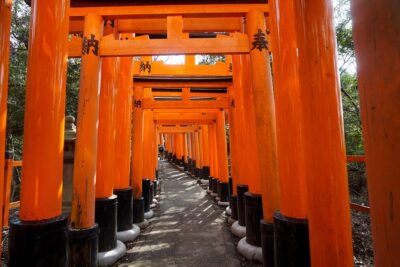
Fushimi Inari Hidden Hiking Tour (Private Option Available)
Our verdict →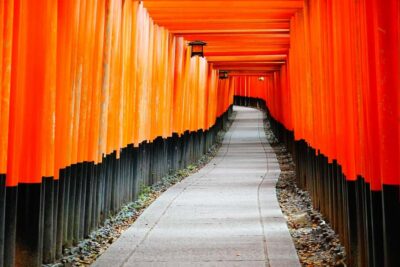
Osaka/Kyoto:Kinkakuji,Arashiyama,FushimiInariShrine,NaraPark
Our verdict →
Nikko: Kegon Falls, Lake Chuzenji & Toshogu Temple
Our verdict →
Kamakura & Enoshima Day Trip including Temple Tickets
Our verdict →Browse the lists this tour appears in