
Reviewed · TRADITIONAL CRAFTS
Become a local! A Walking Tour of Arts, Crafts&Onsen Culture
Beppu’s quieter streets tell a more revealing story than its famous hot-spring attractions. On this two-hour walk, you’ll learn how residents use onsen, watch bamboo workers shape local materials, and step into places where artists actually live and work. I especially like the 115-year-old bamboo factory and the rare visit to an artist residence, two stops that feel tied to daily life rather than staged for sightseeing.
The small group, capped at eight people, gives the guide room to answer questions. Guide Masa has been praised for clear English, patience, and a comfortable manner. The main trade-off is simple: this is not a broad Beppu sightseeing tour. You will not visit the Hells, enter an onsen building, or get a long list of major landmarks.
Key points at a glance
- Watch bamboo craft in a 1908 workshop: See artisans working with bamboo from Oita Prefecture, with time to buy finished pieces.
- Learn onsen customs without entering an onsen: The guide explains how local people enjoy hot springs in everyday life.
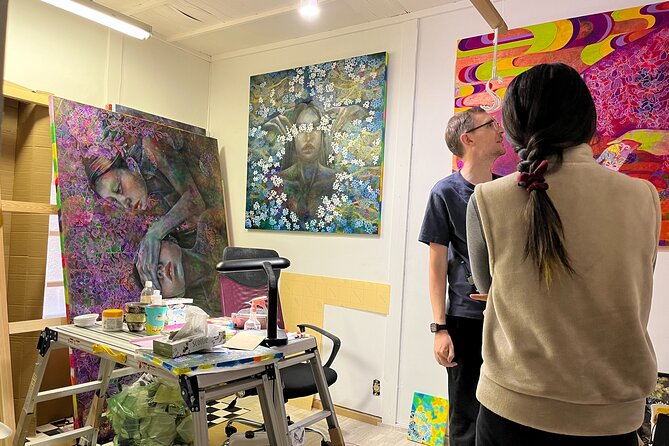
- Meet artists where they live: Kiyoshima Apartment offers a look at resident artists and their work.
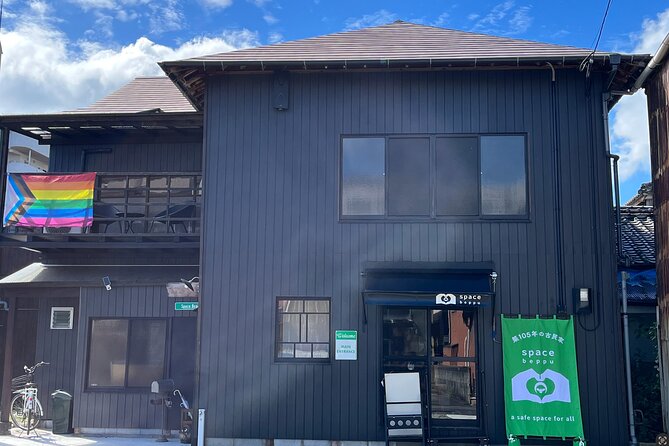
- Visit Space Beppu: See historic photographs, contemporary art, and a gift shop inside a century-old Japanese house.
- Keep the group personal: No more than eight participants join the walk, with English and Japanese guiding.
- Plan for a flexible route: Business hours can change, so the stops and order may be adjusted.
Why this Beppu walk feels different
Beppu is famous for hot springs, but the usual sightseeing route can make the city seem like a collection of thermal attractions. This tour takes another approach. You walk through downtown streets and alleys while looking at the people, trades, homes, and creative projects that give the city its character.
That focus matters if you have already seen Beppu’s main sights or if you prefer a local view over a checklist of attractions. The experience is less about grand scenery and more about understanding how Beppu functions as a living city.
You start at the tourist information center called Wander Compass, just outside the east exit of Beppu Station. Arrive five minutes early. The station is an easy meeting point, and starting here makes sense because the tour quickly moves into ordinary city life rather than collecting you by vehicle.
The walk lasts about 120 to 150 minutes, although the listed stops account for roughly 80 minutes of visits. The rest is used for walking, explanations, questions, and the transitions between places. Wear comfortable shoes, and keep your plans afterward reasonably flexible.
More Craft Workshops in Kyushu:
- Become a local! A Walking Tour of Arts, Crafts & Onsen Culture
★ 5.0 · 36 reviews - Tokyo Sumo Experience: Chanko & Mochi with a Former Pro
★ 4.8 · 567 reviews - Kintsugi Experience: Art of Golden Joinery in Tokyo
★ 5.0 · 467 reviews
Beppu Station Market: a short look at local trade
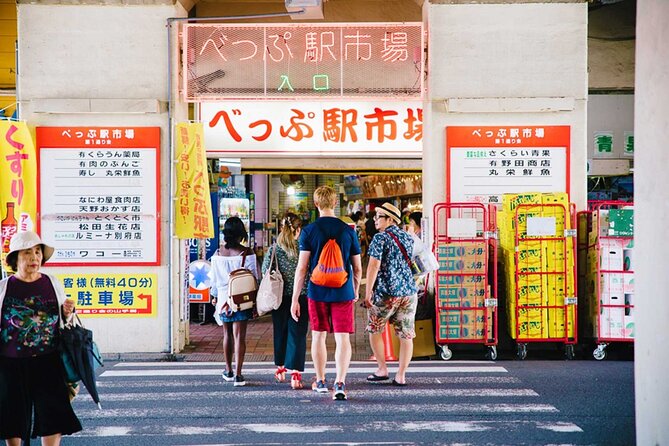
The first stop is Beppu Station Market, where you spend about 10 minutes looking at fresh fish and vegetables. This is not a major food tour, and food or drinks are not included. Instead, the market gives you a quick introduction to the people who run local businesses and the everyday commerce that supports the city.
I like this opening because it puts the tour on a human scale. Rather than starting with a formal museum, you begin by seeing products that local residents buy and by having a chance to speak with business people. Your guide can provide context about the market and help with conversation, though the amount of interaction may depend on the day and opening conditions.
The short timing is also a limitation. If you want to browse every stall or stop for a meal, this visit will feel brief. Think of it as a quick orientation, not a full market tasting experience.
Nagai Bamboo Factory: craft with a 115-year history
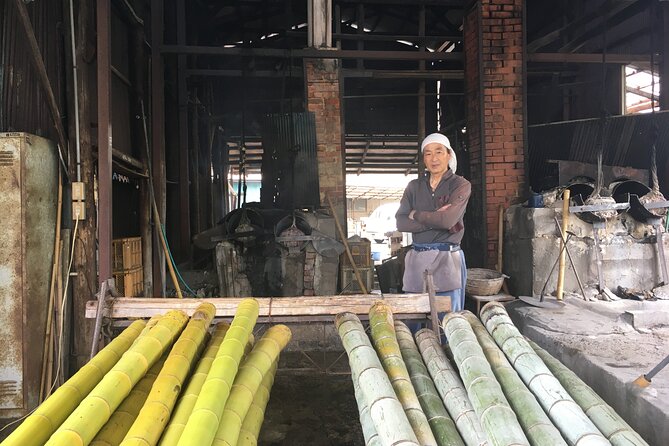
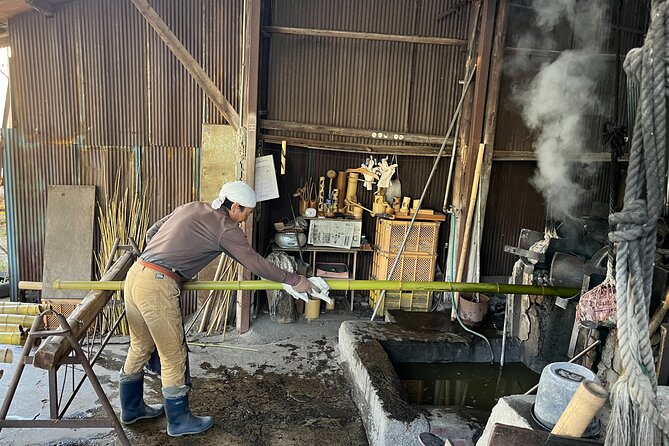
The bamboo factory is the strongest stop for many visitors. Nagai Bamboo Factory has operated since 1908, and its artisans work with bamboo from Oita Prefecture. You can see the workshop, observe the making process, and look at finished products available for purchase.
This is the kind of stop that rewards close attention. Bamboo objects can look simple when displayed in a shop, but watching skilled workers handle the material helps you understand the time and precision behind them. The factory also connects Beppu to a traditional craft that depends on local resources and specialist skill.
You are not promised a hands-on workshop, so book this tour for observation and conversation rather than for making your own basket or utensil. The visit lasts about 30 minutes, enough for a useful look but not a full technical demonstration of every stage.
The gift-buying option adds real value. Souvenirs from a working craft business tend to have a stronger connection to the place than generic tourist goods. Prices and available items are not specified, so bring a payment method that suits you and treat shopping as optional rather than part of the admission cost.
The factory may have changing opening times. The route can therefore shift, and a planned stop may be replaced or adjusted if a business is unavailable. That flexibility is worth accepting because it reflects the reality of visiting active local workplaces.
Kiyoshima Apartment: artists in a real residential setting
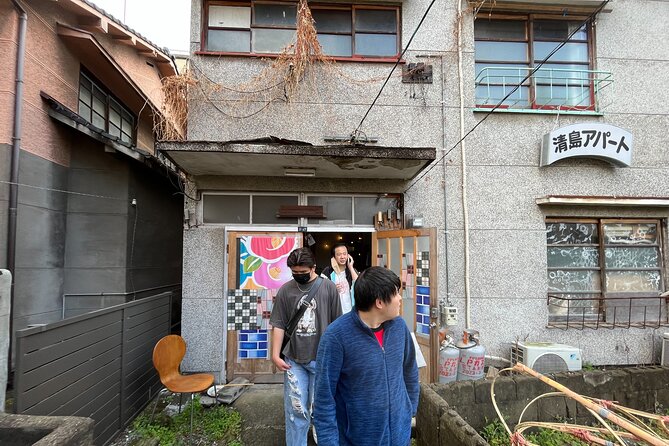
Kiyoshima Apartment is one of the tour’s most unusual stops. Artists live in the building, and you can see their work while getting a sense of the creative activity taking place there.
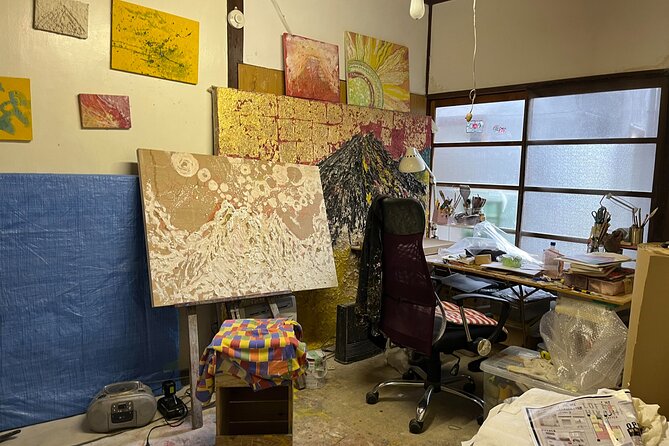
This is not simply a gallery with polished walls and a standard display. The appeal comes from the connection between the art and the place where artists live. You may meet residents and ask questions about their work or about daily life in Beppu. One especially memorable part of the experience is the chance to visit a resident’s home and speak with the person who lives there.
That access requires good manners. Keep questions respectful, follow your guide’s instructions, and remember that this is a residence as well as an art setting. The stop lasts around 20 minutes, so you will get a taste of the project rather than a long studio visit.
For me, this is the clearest reason to choose the tour over a conventional city walk. It offers contact with a creative community that you would be unlikely to find by wandering downtown on your own. The trade-off is that the experience may vary with artist availability and business hours.
More Walking Tours in Kyushu:
- Kyoto Geisha Walking Tour: Gion District & Hidden Gems
★ 4.7 · 3,273 reviews - Tokyo Tsukiji Fish Market Food and Culture Walking Tour
★ 5.0 · 3,184 reviews - Kyoto: Gion Magical Night Walking Tour with Geisha Trivia
★ 4.9 · 2,393 reviews - Tokyo: Imperial Palace and Shogun Historical Walking Tour
★ 5.0 · 2,251 reviews
Space Beppu: art, photographs, and a century-old house
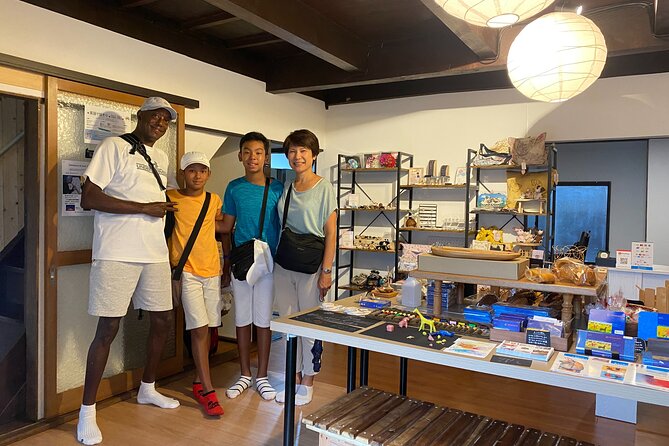
The final listed stop is Space Beppu, a century-old Japanese house containing a contemporary art gallery, gift shop, and history room. You can see work by artists connected with Kiyoshima Apartments and look through historic photographs of Beppu.
This stop brings the tour’s themes together. The bamboo factory represents a long-running craft tradition. Kiyoshima Apartment shows present-day artists at work. Space Beppu places contemporary art inside an older home while also looking back at the city’s past.
The history room is especially useful if you want some visual context for Beppu. Historic photographs can show how the city has changed, and they give the earlier street walk a clearer sense of time. You can also spend a little time relaxing with local residents, which gives the visit a less formal feel than a standard museum stop.
Space Beppu lasts about 20 minutes. That is enough to see the main areas, but not enough for a slow art study or an extended museum visit. If a particular exhibition interests you, you may want to return on your own, subject to opening hours.
What you will and will not learn about onsen
The title points to onsen culture, but expectations matter. The tour explains how local people enjoy hot springs, yet it does not take you inside an onsen building. You should not book it expecting bathing time, locker-room guidance, or a visit to a famous hot-spring facility.
Instead, the onsen material is part of the broader city story. Beppu’s hot springs affect local habits and identity, and the guide uses that subject to explain an aspect of life that is easy to miss if you only photograph the major attractions.
This approach suits you if you want cultural background before visiting an onsen independently. It will disappoint you if your main goal is to bathe during the tour. Bring your own plans for an actual onsen visit.
The famous Hells are also excluded. That is a strength for some visitors and a weakness for others. If this is your first and only activity in Beppu, you may want to schedule the Hells separately. If you have already seen the headline attractions, this walk adds a different layer to your stay.
Guide quality and group size
The group is limited to eight participants, which is a useful size for the market, factory, and artist stops. You can hear explanations more easily than in a large coach group, and there is a better chance to ask a follow-up question when something catches your interest.
Guides speak English and Japanese. Masa has received particularly strong praise for his English, patience, and relaxed way of leading the walk. The tour also uses two guides at times, which can help with questions and group movement, though the exact guiding team is not guaranteed.
The best part of a small group here is not speed. It is access. At an artist residence or working factory, a large crowd would make conversation awkward. With fewer people, the setting has a better chance of feeling like a genuine meeting rather than a performance.
Still, your experience will depend on what is open and who is available. This is a community-based walk, not a fixed museum route. The provider may change the order or places visited when businesses vary their opening times.
Is $58 a fair price?
At $58 per person, the tour costs more than a self-guided walk through central Beppu. That comparison is fair, but it misses what you are paying for. The price includes admission fees and a live English or Japanese guide, along with access to places that may be difficult to arrange independently.
The bamboo factory and artist residence are the main value points. You are not simply paying to walk past buildings. You are paying for introductions, explanations, and a chance to enter working or creative spaces.
The price is less appealing if you only want major sightseeing spots or if you are comfortable researching Beppu’s craft and art projects alone. It is also not a food tour, and food, drinks, bottled water, and souvenirs cost extra.
I would consider it good value for a culturally curious visitor who wants a compact introduction to local craft and creative life. It is a weaker value for someone focused on bathing, famous attractions, or a packed list of photo stops.
Practical details before you book
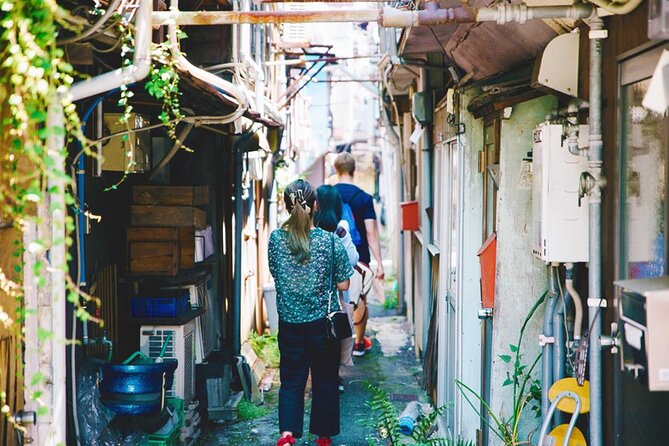
Meet in front of Wander Compass, the Beppu Station tourist information center, just outside the east exit. Arrive five minutes before departure, and use a mobile ticket.
The start time depends on availability. The tour is advertised as two hours, with the practical duration listed as 120 to 150 minutes. Since the route can change, do not schedule a tight train departure or another timed activity immediately afterward.
The walk is not suitable for wheelchair users, and it is not recommended for people with back problems. Most people can participate, and the stated age range is 0 to 80, but anyone concerned about walking should ask before booking.
Free cancellation is available up to 24 hours before the start date for a full refund. You can also reserve now and pay later, which helps if your Beppu schedule is still changing.
Who should choose this tour?
Choose this walk if you want to:
- See Beppu beyond the Hells and other major attractions.
- Learn about local onsen customs without spending the tour inside a bathing facility.
- Watch traditional bamboo work in an operating factory.
- Meet artists and see work in a residential creative project.
- Ask questions in a small group with English or Japanese guiding.
- Buy a useful, locally made bamboo souvenir.
Think twice if you want a full-day history tour, a hands-on craft class, a food-focused outing, or actual bathing. You should also reconsider if you need step-free access or have a back problem that makes walking uncomfortable.
Should you book it?
Book this tour if you value access over spectacle. The bamboo factory, artist residence, and old Japanese house offer a side of Beppu that standard sightseeing does not cover, and the small group makes conversation possible.
I would pair it with a separate visit to the Hells and an actual onsen. That way, you get both sides of Beppu: the famous hot-spring sights and the quieter creative and working neighborhoods that make the city feel lived in.
FAQ
Where does the tour meet?
Meet in front of Wander Compass, the Beppu Station tourist information center, just outside the east exit of Beppu Station.
How early should I arrive?
You should gather at the meeting point five minutes before the tour begins.
How long does the tour last?
The tour lasts about two hours, with the stated duration ranging from 120 to 150 minutes.
What languages are available?
The live guide speaks English or Japanese.
How large is the group?
The tour is limited to eight participants.
Does the tour visit the Beppu Hells?
No. The route focuses on lesser-known cultural streets and alleys rather than the popular Hells attractions.
Can I enter an onsen during the tour?
No. You learn about how locals enjoy onsen, but you are not shown inside an onsen building.
Are food and drinks included?
No. Food, beverages, bottled water, and souvenirs are not included.
Is the tour wheelchair accessible?
No. The experience is not suitable for wheelchair users.
Can I cancel for a full refund?
Yes. Cancel at least 24 hours before the experience start date for a full refund.
More Onsen & Hot Springs in Kyushu
- From Fukuoka: Mount Aso, Kurokawa Onsen, and Shrine Tour
★ 4.6 · 72 reviews - Fukuoka: Mt. Aso Volcano & Kurokawa Onsen Scenic Day Tour
★ 3.8 · 37 reviews - Kyushu: Aso Vocano, Grassland,Onsen and Aso shrine 1-Day Tour
★ 4.5 · 23 reviews - From Osaka: Himeji Castle, Arima Onsen & Mt. Rokko Day Tour
★ 4.6 · 339 reviews
Just added around Kyushu
- Kumamoto Full-Day Private Tour with Government-Licensed Guide★ 5.0 · 20 reviews
- Port Pick-Up: Kagoshima Private Tour Licensed Guide & Vehicle★ 4.5 · 22 reviews
- Kagoshima Private & Custom Tour with Licensed Guide and Vehicle★ 5.0 · 29 reviews
- Kagoshima Nature and Food Culture Private Tour★ 5.0 · 15 reviews
- Kagoshima Full-Day Private Tour with Government-Licensed Guide★ 5.0 · 21 reviews
- Kagoshima Highlights Private Tour, Sakurajima Volcano and more★ 5.0 · 20 reviews
- Kayaking in Anbo River★ 5.0 · 19 reviews
- Kyushu: Aso Vocano, Grassland,Onsen and Aso shrine 1-Day Tour★ 4.5 · 23 reviews
Traditional Crafts, compared.
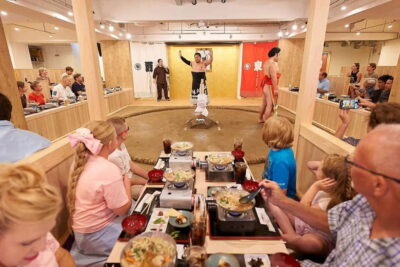
Tokyo Sumo Experience: Chanko & Mochi with a Former Pro
Our verdict →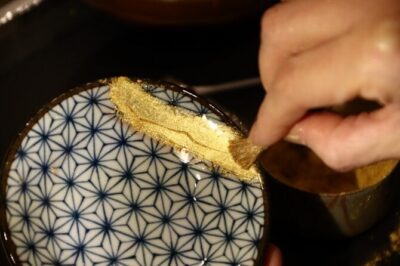
Kintsugi Experience: Art of Golden Joinery in Tokyo
Our verdict →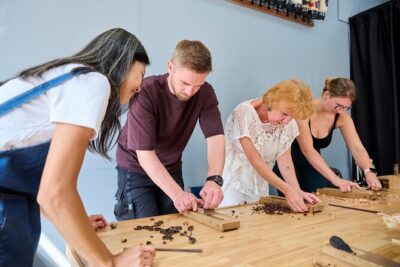

Matcha Making Experience with Mochi Sweets in Asakusa
Our verdict →
Authentic knife making experience at a blacksmith in Kyoto
Our verdict →
Roketsu dyeing experience: M course Roketsu Dyeing Experience
Our verdict →Browse the lists this tour appears in