
Reviewed · FOOD TOURS
Kagoshima Nature and Food Culture Private Tour
Kagoshima’s food culture makes most sense when you see where it starts: in volcanic soil, seawater, farm work, and the long movement of goods through southern Japan. This nine-hour private tour links Sakurajima farming, shochu production, and Satsuma pottery in one full day.
I like the chance to sit with local people over tea, sweets, or bread at the farm, and I like the hands-on shochu blending session. You are not simply looking at finished products. You get a feel for the work and natural conditions behind them.
The main drawback is the amount of time spent moving between stops. The listed visits total only about three and a half hours, with the rest used for transport. Lunch is also extra, and the day is too full for anyone seeking a slow, unstructured outing.
Key points at a glance
- Sakurajima farming at the foot of an active volcano: See how crops grow in volcanic-ash soil and learn about a local circular farming method.
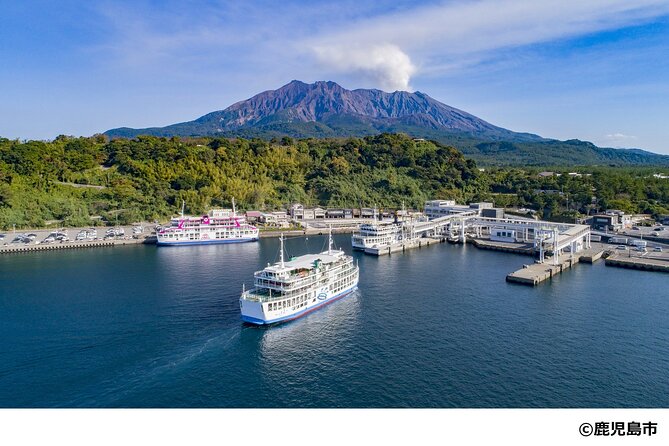
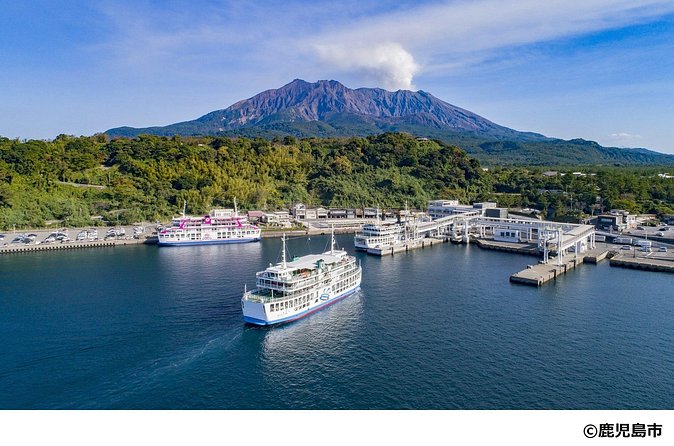
- A ferry crossing begins the day: The roughly 20-minute ride gives you an immediate sense of Kagoshima’s sea and volcanic setting.
- Shochu blending is the hands-on centerpiece: Create a personal blend at Wakashio Shuzo and take home a 720 ml bottle, subject to alcohol-import rules.
- Tarumizu provides a practical lunch stop: You choose and pay for your own meal at the roadside station, rather than eating a fixed group menu.
- Satsuma ware completes the food story: Browse tableware beside a pottery studio and see how presentation is part of Kagoshima’s dining culture.
- Private transport keeps the day manageable: Your group has a private vehicle, although some individual activities may be shared with other customers.
Why this tour connects food with place
Many food tours stay at the table. This one takes you behind it. You begin with the ground, move on to agricultural work, visit a producer of Kagoshima’s best-known spirit, and finish with the dishes and bowls used to serve a meal.
That order matters. Kagoshima has fertile areas formed from volcanic ash from Sakurajima and the Kirishima Mountains. Its surrounding waters include Kinko Bay, while its position as a maritime trade center brought outside ingredients, techniques, and customs into the region over time.
You will not get a full survey of Kagoshima cuisine in nine hours, and lunch is not included. What you do get is a useful framework for understanding why local food looks and tastes the way it does.
The tour begins at 8:50 a.m. at the tourist information center in the east exit square of Kagoshima Chuo Station. That is a convenient meeting point if you are staying in the city or arriving by train. The tour returns there at the end of the day, so plan around a complete morning-to-evening commitment.
More Food Tours in Kyushu:
- Tokyo: Shinjuku Food Tour (13 Dishes at 4 Local Eateries)
★ 5.0 · 6,603 reviews - Tokyo Tsukiji Fish Market Food and Culture Walking Tour
★ 5.0 · 3,184 reviews - Osaka: Shinsekai Food Tour with 13-15 Dishes at 5 Eateries
★ 4.8 · 2,204 reviews
Crossing to Sakurajima by ferry
The first listed stop is boarding the ferry to Sakurajima, with about 20 minutes allowed for the crossing. The ferry is more than a way to get from one side to the other. It places the volcano and the sea at the center of your day right away.
Your transport is by private vehicle for your group, but the ferry crossing itself is a public setting. The order of stops and arrival times can change with traffic, road conditions, and congestion, so you should not schedule a tight evening reservation immediately after the tour.
The crossing also explains why this is not a compact walking tour. Kagoshima’s food culture is spread across farms, production sites, and small local businesses. The private vehicle lets you connect these places without arranging your own route, but you will spend a meaningful part of the day on the road.
Farmland Sakurajima and the giant daikon
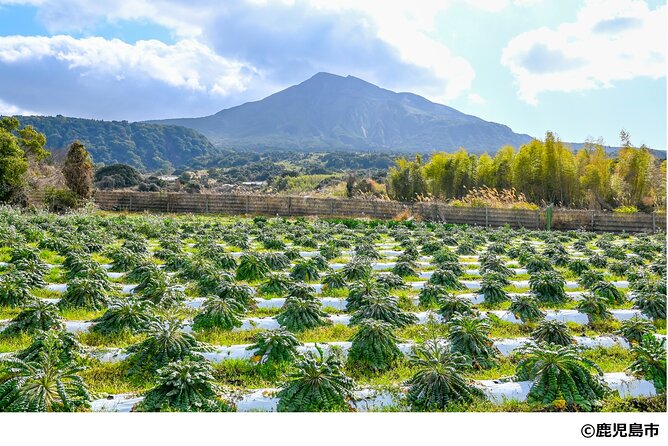
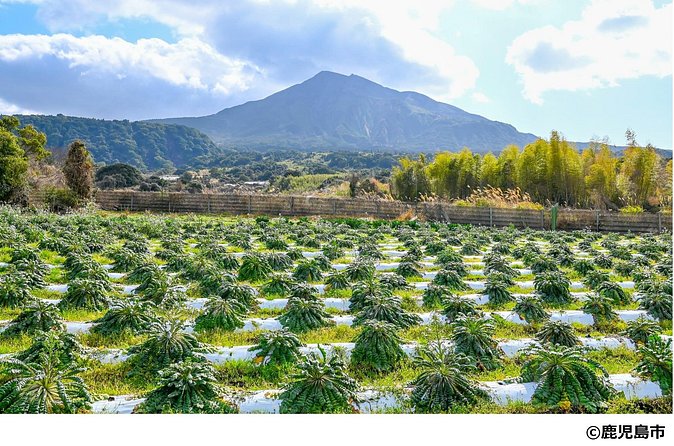
The most distinctive stop is a farm at the foot of Sakurajima. It is unusual to work farmland beside an active volcano, and the setting gives the agricultural discussion a clear local focus rather than a general talk about Japanese farming.
The farm uses a regional circular farming method that works with the natural environment. You can expect to learn about cultivation, local produce, and how farming fits into the area’s wider food system. The Sakurajima daikon is a natural talking point here. This famous local radish is known for its very large size, and the farm visit gives you a chance to see the crop in its growing environment.
The social side of this stop seems just as important as the field itself. Time may be spent sitting near the fields with warm tea, sweets, and bread while talking with people connected to the farm. Some food experiences may include local mandarins or a radish-based sweet such as radish powder cake, though exact refreshments can vary.
That informal pause is valuable. You can ask about cultivation, food uses, and the practical challenges of farming while looking at the crops rather than standing in a display room. If you have a family connection to agriculture, you may find this part especially rewarding.
Bad weather can change the format. The farm activity may move indoors to the café on the property, so the outdoor field setting is not guaranteed. That does not remove the agricultural content, but it may reduce the visual impact of working beside Sakurajima.
Tarumizu Roadside Station for lunch and local products
The next stop is Tarumizu Yuttarikan roadside station, with about 45 minutes allowed. Tarumizu became connected to Sakurajima after a major eruption, a detail that gives the stop an extra layer of local geography and history.
This is the practical break in the day. Lunch is not included, and you choose what to eat and pay for it yourself. That arrangement gives you freedom, but 45 minutes is not a long restaurant window if you need a leisurely meal.
You might use the stop to try local food, buy a small snack, or simply rest before the distillery visit. The farm discussions may have introduced you to fresh produce, and this stop lets you see how regional goods are sold to the public.
Treat this as a flexible pause rather than a major guided attraction. The value comes from the location and the chance to select your own food. If you want a substantial lunch, keep an eye on the clock and ask your guide how much time remains before departure.
More Food & Drink in Kyushu:
- Osaka Food Tour: 13 Dishes at 5 Local Eateries
★ 5.0 · 2,149 reviews - Tokyo: Shinjuku Food Tour (15 Dishes and 4 Eateries)
★ 4.9 · 2,033 reviews - Best of Shinjuku: Izakaya Food Tour (4 Stops, 14+ Tastings)
★ 5.0 · 1,863 reviews - Kyoto Night Foodie Tour in Gion (9+ dishes + 6 Sake tastings)
★ 5.0 · 1,762 reviews
Blending shochu at Wakashio Shuzo
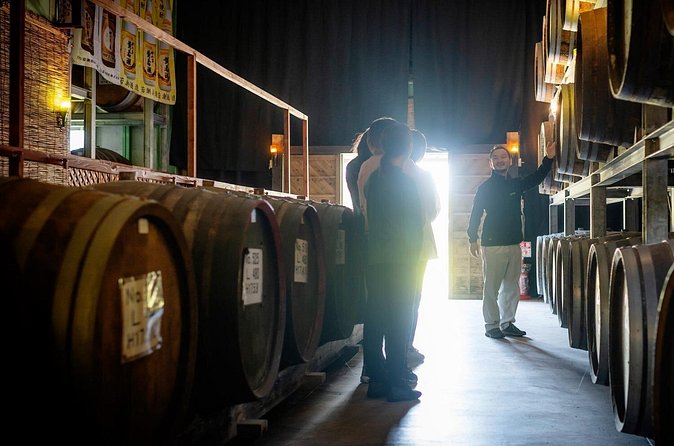
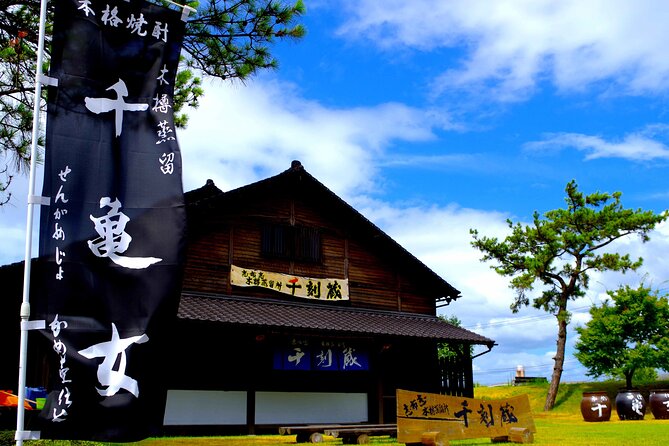
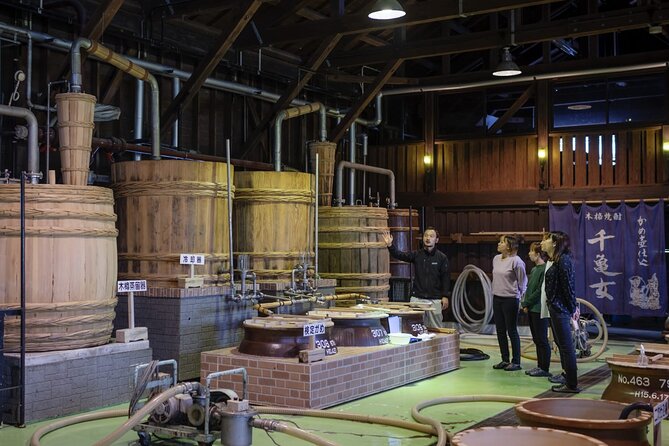
Shochu is the strongest hands-on element of the day. Kagoshima is known for having more than 100 breweries and over 2,000 shochu brands, so the visit places one local drink within a much larger regional tradition.
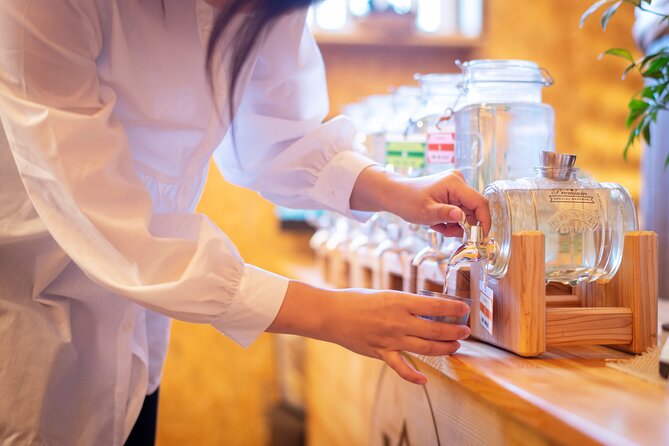
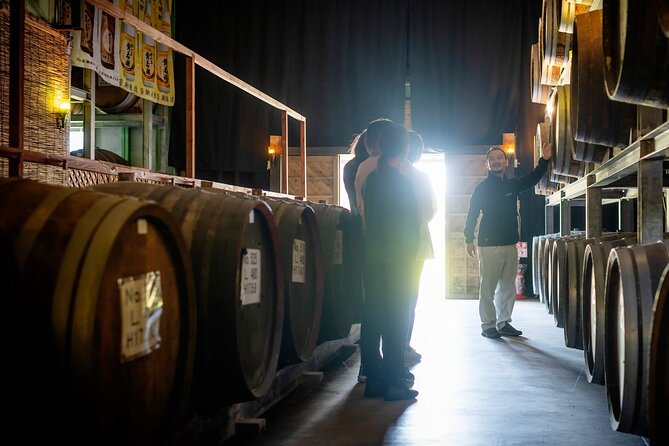
At Wakashio Shuzo, you learn about shochu production and take part in blending an original bottle. The activity gives you a better sense of how a finished drink is shaped than a basic tasting alone. You can also learn about storage and how alcohol is preserved in a distillery.
The exact blend is yours to create during the session. Each participant can take home one 720 ml bottle of the shochu made during the activity. Check the rules for bringing alcohol into your home country before you book, since customs limits differ. If you cannot carry it home, the bottle still serves as a concrete reminder of the day, but you should understand the transport rules in advance.
This stop works best if you enjoy process. You are not simply handed a drink and told its name. You get a glimpse of the choices involved in making a local spirit, along with the chance to ask questions through the English-speaking guide and distillery staff.
The alcohol portion also affects who should book. Children can join, but those aged up to five are free only without a vehicle seat or activity participation. If a young child needs either one, you must book the child rate. Families should also note that written parental permission is required for anyone under 18.
Satsuma ware beside the pottery studio
The final stop is a direct-sales shop beside a pottery studio producing Satsuma ware. This is a short visit, about 20 minutes, so you should think of it as a focused browse rather than a full pottery lesson.
Satsuma ware is closely tied to Kagoshima, and the stop completes the tour’s food chain. You start with soil and crops, move to a drink, and finish with the bowls, plates, and serving pieces that shape how food reaches the table.
The shop setting gives you a chance to see finished tableware and perhaps purchase a useful souvenir. The time is brief, so do not expect a long demonstration unless the day’s schedule allows it. If pottery is your main interest, this stop may feel too short. If you enjoy connecting food with design, it is a neat closing note.
The visit also shows why regional food culture is more than ingredients. Farming, fermentation, alcohol, cooking, and presentation all belong to the same local story. That is the main idea holding the day together.
What the private format really adds
The price is $534.77 per person, which is a serious outlay. The value depends on how many people are in your group and how much you would otherwise spend arranging transport, a guide, ferry connections, a distillery visit, and a farm stop on your own.
The fee includes a National Government Licensed English Guide Interpreter, transport, admission fees, and the listed hands-on activities. Having a private vehicle matters because the stops are spread out and the total day lasts about nine hours. You are not trying to read bus schedules or find a rural distillery independently.
The private format does not mean every moment is private. Your vehicle is reserved for your group, but an individual experience may be shared with other customers. The distinction is worth knowing before you book.
I see the best value for couples, families, or small groups that want a custom-feeling day and would rather pay for convenience. Solo visitors may find the per-person price harder to justify unless the farm and shochu activities are their main reasons for visiting Kagoshima.
Who will enjoy the day most
This tour suits you if you want to understand how a place produces and presents its food. It is especially useful for anyone interested in farming, fermentation, regional drinks, pottery, or conversations with local people.
You should also be comfortable with a full day that combines short visits and long transfers. The listed activity time is about three hours and 30 minutes, while the full tour lasts roughly nine hours. That difference is not a mistake. The remaining time is mainly travel between Kagoshima, Sakurajima, Tarumizu, the distillery, and the pottery shop.
The tour may be less suitable if you want a long hike, a dedicated volcano sightseeing day, or a restaurant-focused food tour. It also is not ideal if you need to carry luggage. Suitcases cannot be brought along, so leave them at your hotel or in a station locker before meeting the guide.
Because the day begins early and ends back at Kagoshima Chuo Station, wear comfortable clothes and plan for changing weather. The available information does not specify a dress code, but outdoor farming can be affected by rain and the field activity may be moved indoors.
Booking details worth knowing
Confirmation is provided within 48 hours of booking, subject to availability. You must join at the stated meeting point and cannot join partway through the day. That rule matters if you are arriving by train or ferry on the same morning.
The tour has a free-cancellation window until 24 hours before the local start time. A cancellation made less than 24 hours before departure is not refunded, and late changes are not accepted.
The experience is rated 4.9 from 15 ratings, with all listed recommendations positive. The strongest pattern in the feedback is clear: people value the farm conversations, the chance to learn about cultivation, the warm hospitality, the shochu activity, and the sense of gratitude for what nature provides.
Should you book the Kagoshima Nature and Food Culture Private Tour?
Book it if you want a guided explanation of Kagoshima’s food culture that reaches beyond eating. The farm visit, shochu blending, private transport, and Satsuma ware stop create a well-connected day, and the personal bottle of blended shochu gives you a lasting souvenir.
Skip it if you want a cheaper day, a longer lunch, or more time at any one attraction. The $534.77 price is easiest to defend for a small private group that values an English-speaking guide and door-to-door movement between rural stops.
For the right visitor, this is a thoughtful way to see Kagoshima through the hands that grow, make, and serve its food.
FAQ
Where does the tour start and finish?
The tour starts at 8:50 a.m. at the Kagoshima Chuo Station East Exit Station Square Tourist Information Center, at 37-1 Chūōchō, Kagoshima. It ends back at the same meeting point.
How long does the tour last?
The total duration is about nine hours. The listed visits add up to about three hours and 30 minutes, with the remaining time used for transport.
Is lunch included?
No. You can have lunch at Tarumizu Roadside Station, but you choose and pay for your own meal.
Is transportation private?
Transportation is provided by private vehicle for your group. Some individual activities may be shared with other customers.
Can I take the shochu I make home?
Yes. The shochu made during the blending activity may be taken home in one 720 ml bottle per person. Alcohol-import restrictions vary by country, so check your local rules.
What happens if the weather is bad?
The farming activity at Farmland Sakurajima may be held in the indoor café on the property in poor weather.
Can children join the tour?
Children up to five years old may join free of charge, but they do not receive a vehicle seat or experience activities unless booked at the child rate. Written parental permission is required for participants under 18. Anyone under 15 or not yet enrolled in middle school must be accompanied by a parent or guardian.
Just added around Kyushu
- Kumamoto Full-Day Private Tour with Government-Licensed Guide★ 5.0 · 20 reviews
- Port Pick-Up: Kagoshima Private Tour Licensed Guide & Vehicle★ 4.5 · 22 reviews
- Kagoshima Private & Custom Tour with Licensed Guide and Vehicle★ 5.0 · 29 reviews
- Kagoshima Full-Day Private Tour with Government-Licensed Guide★ 5.0 · 21 reviews
- Kagoshima Highlights Private Tour, Sakurajima Volcano and more★ 5.0 · 20 reviews
- Kayaking in Anbo River★ 5.0 · 19 reviews
- Kyushu: Aso Vocano, Grassland,Onsen and Aso shrine 1-Day Tour★ 4.5 · 23 reviews
- Fukuoka Takachiho Gorge, Amano Iwato and Scenic Train Tour★ 4.5 · 17 reviews
Food Tours, compared.
Shinjuku Food Tour (13 Dishes at 4 Local Eateries)
Our verdict →
Kyoto Night Foodie Tour in Gion (9+ dishes + 6 Sake tastings)
Our verdict →
Osaka Local Foodie Walking Tour in Dotonbori and Shinsekai
Our verdict →
Food Tour in Ueno with 10+ Tastings of Japanese Classics
Our verdict →
Browse the lists this tour appears in