
Reviewed · GEISHA & MAIKO EXPERIENCES
Kyoto : Geiko Maiko Dance of Kyoto & Visits of Gion Museum
The most memorable part of this experience is the 15-minute Kyomai performance, where a geiko or maiko performs two Kyoto dance pieces in the Inoue style. The movement is quiet, exact, and controlled, with graceful hands and small changes in posture doing far more than a large stage show ever could.
I like the way the museum gives the dance some context through costumes, hair ornaments, makeup tools, and photographs. I also like the compact format: you can fit it into a busy Kyoto day without giving up half an afternoon. The main drawback is simple: the performance is short, and there is no photography or audio recording during the dance.
Key points to know before you go
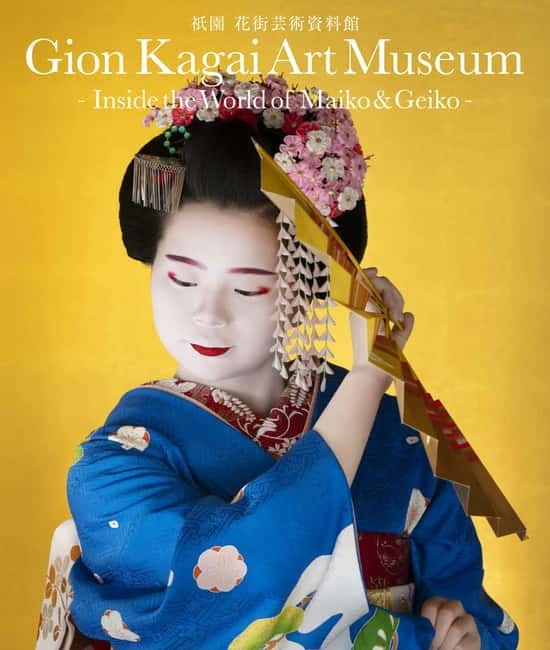
- Two dances in about 15 minutes: The performance is brief but focused, with a geiko or maiko usually appearing alone.
- Five daily start times: Sessions are scheduled at 13:30, 14:20, 15:00, 16:00, and 16:30.
- A museum visit is part of the value: You can stay and explore the exhibits after the dance rather than leaving when the performance ends.
- English help comes by QR code: Scan the museum information for translated explanations of the displays.
- Photos require a separate purchase: Photo sessions with a geiko or maiko are available only through the museum, with prices around 2,000 yen mentioned on site.
- Plan to arrive 10 minutes early: Find the museum entrance and be ready before your selected performance time.
A close look at Kyoto’s Kyomai dance
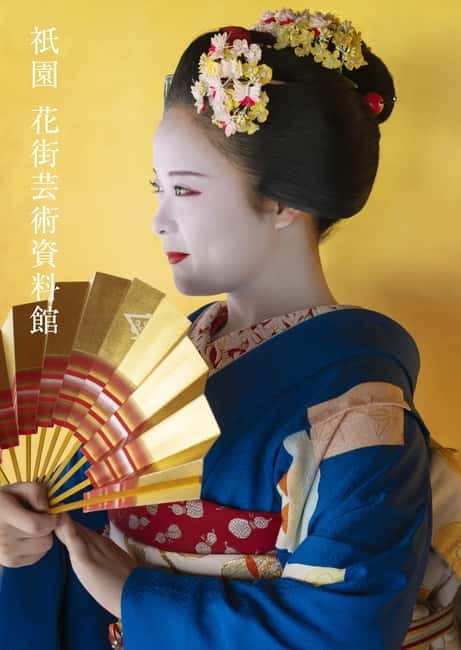
This experience begins with a traditional dance rather than a long lecture or a large theatrical production. A geiko or maiko performs two Kyomai songs, with the full presentation lasting about 15 minutes.
Kyomai is a Kyoto dance form associated with the Inoue style. Its appeal is in restraint. You will see precise hand gestures, measured steps, careful turns, and expressive facial control. The dancer does not need a large stage or a sweeping routine to hold your attention.
The performance is usually by one person. On some days, the third and fourth sessions may feature two maiko or geiko instead. That can give you a useful point of comparison, since two dancers make the relationship between timing, posture, and movement easier to notice.
You should not expect a long show with explanations between each piece. This is a short presentation designed to give you a direct look at Kyoto’s traditional performing culture. If you want a full evening of music, storytelling, and banquet entertainment, this is not that. If you want a well-presented introduction that fits neatly between temple visits and dinner, it works well.
The absence of photographs during the dance is worth taking seriously. Keep your phone away and pay attention to the details that are easy to miss on a screen: the angle of a sleeve, the placement of a fan, or the way the dancer pauses before moving again.
More Museum Tours in Kyoto
- Kyoto: Tea Museum Tickets and Matcha Grinding Experience
★ 4.9 · 739 reviews - Skip the lines Basic Ticket at SAMURAI NINJA MUSEUM KYOTO
★ 4.5 · 632 reviews - Kyoto Sword Experience – includes Museum Ticket/Ninja Experience
★ 4.5 · 149 reviews
What geiko and maiko mean in Kyoto
The museum uses the Kyoto terms geiko and maiko. In Kyoto’s kagai districts, geiko are women who perform traditional dance and music in banquet rooms and on stage while entertaining guests. Maiko are women training to become geiko.
That distinction matters because the experience is not simply a generic geisha show. It presents a specific Kyoto tradition, with its own vocabulary, clothing, training, dance style, and social setting.
The museum helps explain this world without requiring you to attend a private ozashiki banquet, which most visitors would not be able to arrange. You get a public introduction to a custom that is normally seen in more private settings.
Some English information is available through QR codes. This is useful because the meaning of a dance, costume, or hair ornament may not be obvious from appearance alone. A small English handout may also be provided, but the QR material offers more to read if you want additional detail.
One limitation is that the songs themselves are not necessarily translated during the performance. You can appreciate the movement and music, but you may not understand the story or setting behind each piece. A short introduction or question-and-answer period would make the performance easier to follow, especially for first-time visitors.
Exploring the permanent Kagai art exhibit
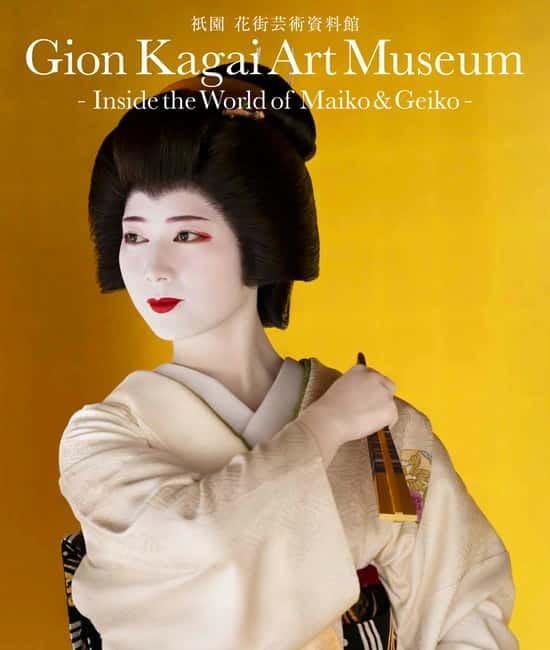
After the performance, take time with the permanent exhibition on kagai art and culture. The museum is not large, but its displays cover the practical and decorative sides of geiko and maiko life.
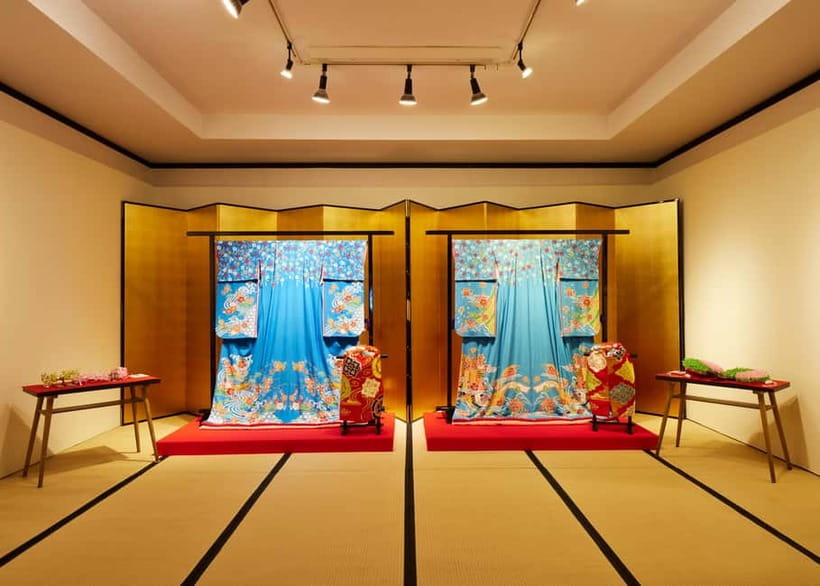
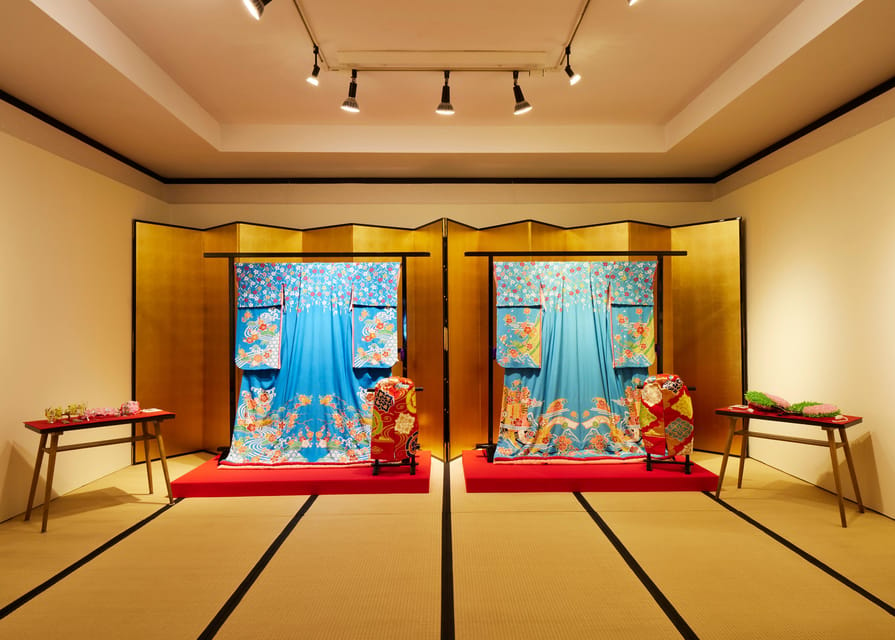
You will see hand-painted Yuzen kimono and Nishijin brocade obi sashes, two forms of clothing that help explain why appearance is such an important part of the tradition. Look closely at the colors, patterns, and fabric work rather than treating the garments as simple stage costumes.
The display also includes personal belongings and makeup used by maiko. These objects help bring the subject down to earth. A formal kimono can seem distant and ceremonial, while a makeup item or everyday possession gives you a better sense of the preparation behind the public image.
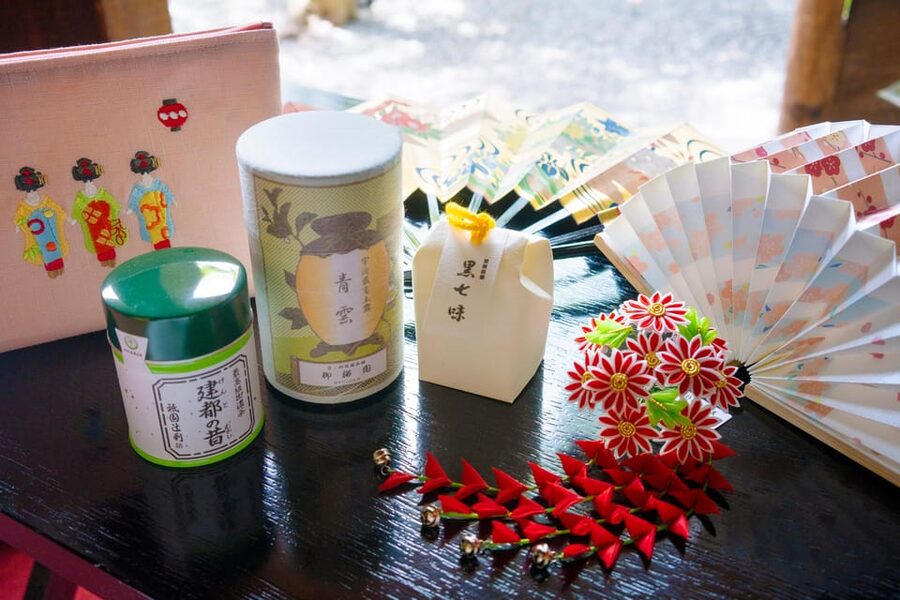
Seasonal kanzashi hair ornaments are another highlight. These hair decorations change with the time of year and add a small but important calendar to the clothing. Their size and detail make more sense once you have seen how much attention goes into the dancer’s complete appearance.
The black crested formal kimono on display is rarely seen in the Gion quarter. This is one reason the museum is useful even if you have already walked through Gion. A street stroll may show you the district’s architecture and atmosphere, but it does not give you this close look at the objects connected with its performing culture.
Photographs of the kagai districts add another layer. They help connect the costumes and tools to the streets, banquet rooms, and stages where geiko and maiko work.
The English QR translations are a practical feature, though they mean you need to use your phone to get the full explanation. If you prefer a museum where every label is printed in English beside each item, this may feel less convenient. If you are comfortable scanning a code and reading at your own pace, the system gives you more material without crowding the cases with text.
The Japanese garden, cafe, and museum shop
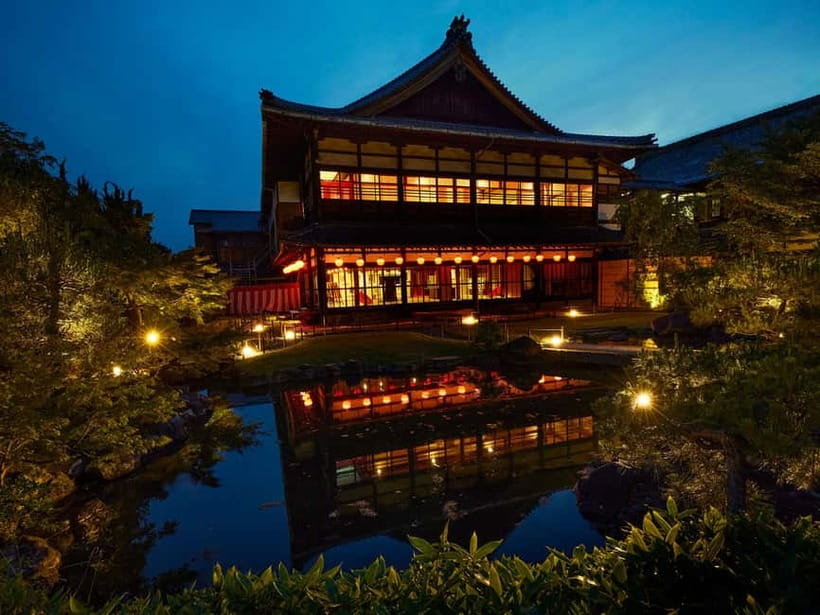
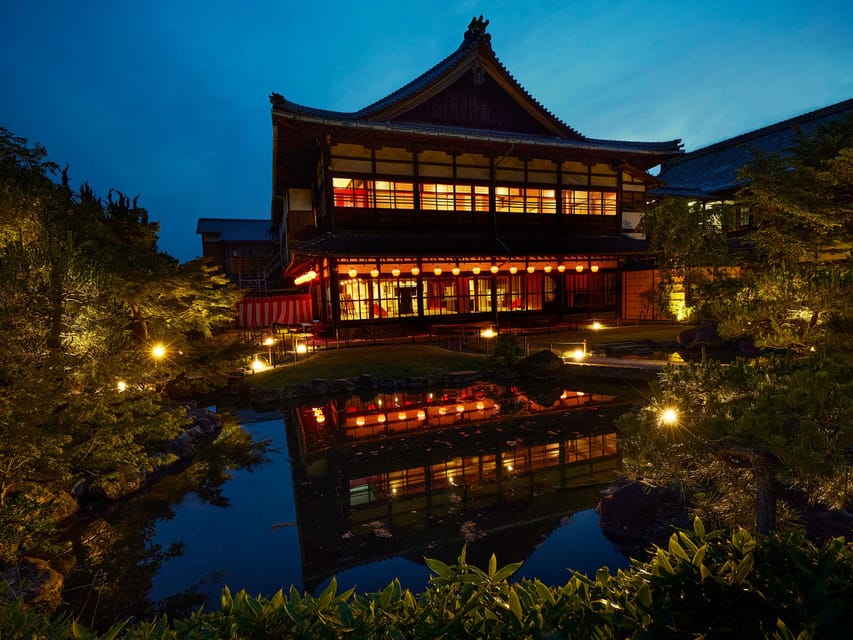
The Chisen water Japanese garden gives the visit a quiet pause. It is not the main reason to book the experience, but it helps the museum feel like more than a performance room and display area.
Plan to walk through it after the dance and before you leave. The garden was one of the most frequently praised parts of the visit, and it offers a calmer setting after the concentration of the performance.
The museum also has an art cafe and a shop. The cafe gives you a place to sit and extend the visit, while the shop offers a chance to browse small gifts connected with the museum’s subject. Neither should be treated as a major part of the booking, but both make the stop more complete.
This is especially useful if you are building a day around Gion. You can watch the performance, look through the exhibits, spend a little time in the garden, and then continue on foot to other parts of the district. The experience does not require a full day, and that is one of its strongest practical qualities.
More Geisha Experiences in Kyoto:
- Kyoto Geisha Walking Tour: Gion District & Hidden Gems
★ 4.7 · 3,273 reviews - Kyoto: Gion Magical Night Walking Tour with Geisha Trivia
★ 4.9 · 2,393 reviews - Kyoto: Gion Geisha District Walking Tour – Stories of Geisha
★ 4.7 · 2,187 reviews - Best of Kyoto: Gion, Geisha, Pagodas & Cobblestones
★ 4.9 · 2,058 reviews
Choosing the right performance time
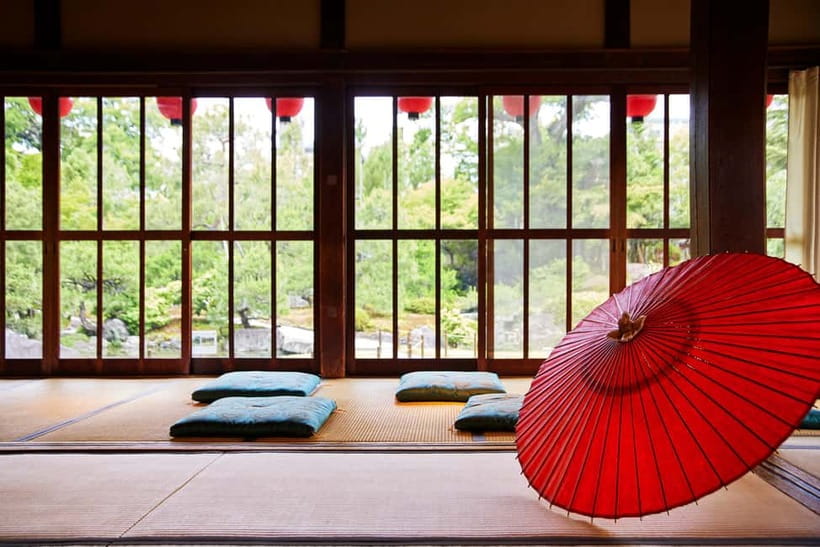
There are five listed sessions:
- 13:30
- 14:20
- 15:00
- 16:00
- 16:30
Arrive at the museum entrance 10 minutes before your performance. That gives you time to find the door, check in, and settle before the dance begins.
The early afternoon sessions may suit you if you want to visit the museum before other Gion sights. The later sessions can work well after lunch or after a morning at nearby temples. Since the dance itself lasts only about 15 minutes, the time slot is easy to place inside a larger itinerary.
Do not confuse the performance length with the total time needed. You can remain in the museum after the dance and explore the permanent exhibit, garden, cafe, and shop. Give yourself extra time if you want to read the English information and examine the clothing details carefully.
The exact performer can vary. Most sessions feature one geiko or maiko. On some days, the third and fourth performances may include two dancers. You should not book expecting a particular performer unless the museum confirms that detail.
Is the 25 dollar price good value?
At about $25 per person, this is not the cheapest short attraction in Kyoto. The dance itself lasts only 15 minutes, so the price would feel high if the ticket covered only those two songs.
The value improves because admission to the Gion Kagai Art Museum is included. You can stay after the performance and visit the permanent displays, Japanese garden, cafe, and shop. The museum gives you useful context before or after seeing the dance, rather than presenting a beautiful but unexplained spectacle.
I would consider it good value for someone who wants a focused introduction to geiko and maiko culture without arranging a private dinner or a much longer evening program. It is also a reasonable choice for a packed itinerary. You get a distinctive cultural experience in a short block of time.
The value is less clear if you are mainly looking for photography. Cameras and audio recording are not allowed during the performance, and a separate photo session must be arranged at the museum. Extra photos cost around 2,000 yen, according to practical information provided at the venue.
A photo session may include a Polaroid and phone pictures, but availability and arrangements should be confirmed directly at the museum. Do not assume the standard performance ticket includes a photograph.
What the experience does especially well
The strongest feature is the performance itself. The small setting makes the dancer’s control visible, and the short length keeps the presentation from becoming tiring. The graceful movement and quiet atmosphere can feel like a useful pause in a busy sightseeing day.
The second strength is the combination of live dance and physical objects. The kimono, obi, kanzashi, makeup, and photographs make the performance easier to place within a wider tradition. You are not just watching a costume and a dance. You are seeing some of the work and material culture behind them.
The venue also receives praise for being well cared for, with friendly staff helping people find the entrance. If you are unsure where to go, staff may guide you from outside, which is helpful when you are trying to reach a timed performance.
There are limits. The museum is small, and the dance can feel too brief if you expect a full cultural show. The lack of a spoken introduction, translated song meaning, or question-and-answer session may leave you wanting more context.
For that reason, I suggest reading the QR material before or after the performance. The more you know about geiko, maiko, costume, and Kyomai, the more you will notice in those 15 minutes.
Who should book this Kyoto experience?
This is a good fit if you want:
- A brief cultural activity between larger Kyoto sights
- A live Kyomai dance by a geiko or maiko
- A museum with English information available by QR code
- A calm garden and indoor exhibits
- A first introduction to Kyoto’s kagai districts
- A cultural stop suitable for couples, families, and solo visitors
You may want something else if you need a long performance, detailed narration in English, or guaranteed photography. The experience is also not designed as a private meeting with a geiko or maiko. The separate photo option is available only through the museum and should be handled there.
Book carefully if your schedule is tight. The performance is short, but arriving late could mean missing it. The non-refundable rule also means you should choose your time only when your plans are firm.
Final recommendation: a smart short stop in Gion
I would book this if you want to see Kyomai in person and learn more about the culture behind the performance. The show is brief, but the museum gives the ticket more substance, and the garden makes the visit feel relaxed rather than rushed.
Think of it as a focused introduction, not a complete evening of traditional entertainment. For about $25, you receive a live dance, museum admission, exhibits, a garden, and the option to stay after the performance. Arrive early, read the English QR information, and arrange photos at the museum if they matter to you.
If you have only one short window in Gion, this is a sensible way to use it. If you want a longer show with explanations and interaction, keep looking.
FAQ
How long does the Kyomai performance last?
The performance lasts about 15 minutes and includes two Kyomai songs.
How many dances are performed?
Two dances are performed during each session.
Is the performance by a geisha?
In Kyoto, the performers are called geiko or maiko. Geiko are traditional performers, while maiko are women training to become geiko.
How many performers appear?
Usually, one geiko or maiko performs. On some days, the third and fourth sessions may feature two geiko or maiko.
What time are the performances?
The listed performance times are 13:30, 14:20, 15:00, 16:00, and 16:30.
Should I arrive early?
Yes. You should arrive at the museum 10 minutes before your scheduled performance.
Can I take photos during the dance?
No. Photography and audio recording are not allowed during the dance performance.
Can I take a photo with a geiko or maiko?
Photo sessions are available through the museum, but they are separate from the standard performance ticket. Information provided for the experience lists a price of about 2,000 yen.
Is museum admission included?
Yes. Admission to the Gion Kagai Art Museum and the Kyoto Mai dance performance are included.
Can I stay in the museum after the dance?
Yes. You can continue exploring the permanent exhibit after the performance, including the garden, cafe, and museum shop.
Just added around Kyoto
- Sekka Cotton Furoshiki Class★ 5.0 · 19 reviews
- Kyoto Sword Experience – includes Museum Ticket/Ninja Experience★ 4.5 · 149 reviews
- Scenic Green Tea Fields of Hidden Kyoto & Local Tea Exp (Private)★ 5.0 · 32 reviews
- Secret Eastern Kyoto Biking Adventure★ 5.0 · 44 reviews
- Private Sake Tasting in Central Kyoto with Sake Sommelier★ 5.0 · 32 reviews
- Samurai School in Kyoto: Samurai for a Day★ 5.0 · 202 reviews
- Samurai Performance and Casual Experience: Kyoto Ticket★ 4.5 · 115 reviews
- SHIRAKAWA Japanese Culture Experiences with private English staff★ 5.0 · 16 reviews
Geisha & Maiko Experiences, compared.

Kyoto Geisha Walking Tour: Gion District & Hidden Gems
Our verdict →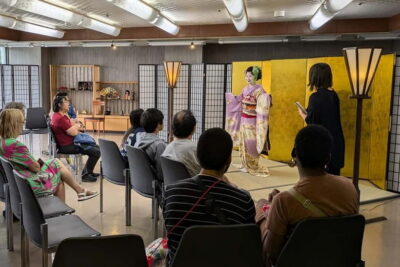
Dinner with Maiko in a Traditional Kyoto Style Restaurant Tour
Our verdict →
Browse the lists this tour appears in