
Reviewed · SAKE TASTING
Sake Tasting Masterclass in Shinjuku (8+ Varieties with a Pro)
The best part of this Shinjuku class is that it turns a confusing drink into something you can actually order. In two hours, you learn how sake is brewed, how to read a label, and how to compare styles while tasting at least six varieties with snacks.
I like the small eight-person maximum, which gives you room to ask questions. I also like the practical advice on buying bottles and ordering at restaurants, plus the chance to create a tasting chart. The catch is simple: this is a generous pour of alcohol, not a tiny ceremonial sip. Eat first, drink water, and pace yourself.
Key points at a glance
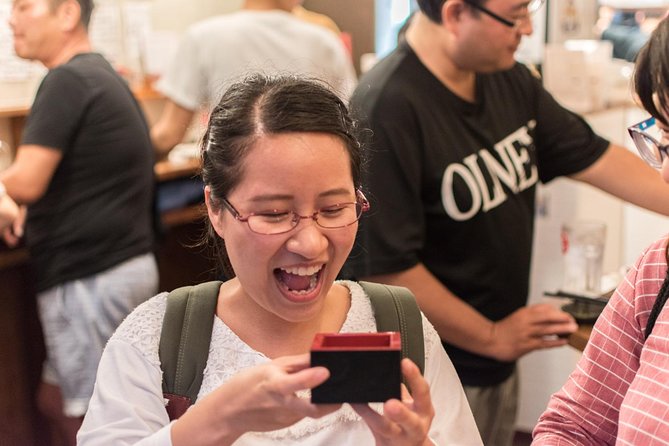
- At least six sake varieties: The session may include eight, nine, or even ten pours, depending on the day.
- Guides with real personality: Max, Joe, Tadashi, Megan, Andrea, and Hawaii Joe are among the instructors praised for making technical material easy to follow.
- Food pairing is part of the lesson: Snacks are provided, though they are not a full meal.
- Useful for beginners: You learn what to look for when buying or ordering sake, even if you start with no experience.
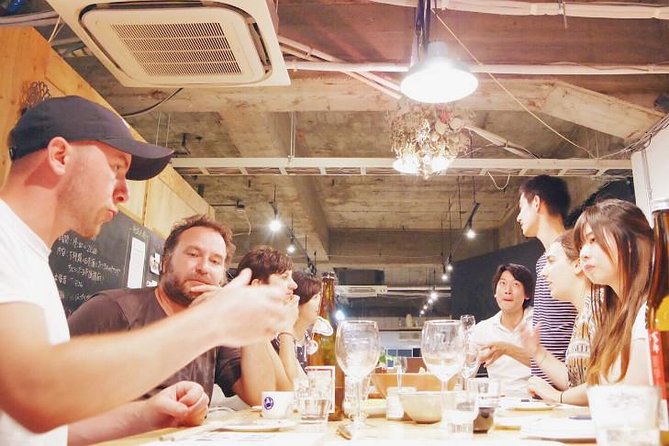
- A true small-group class: The maximum is eight people, and some sessions may be nearly private.
- Convenient Shinjuku location: Meet at Ushinobi Shinjuku in Nishishinjuku at 1 pm and finish back at the same place.
What happens during the two-hour Shinjuku class
This is a seated tasting and lesson in Nishishinjuku, one of Tokyo’s easiest areas for food, nightlife, and rail connections. Your meeting point is Ushinobi Shinjuku, Wagyu & Sake, in the NSK Building at 201, 1-chōme-22-1 Hyakuninchō, Shinjuku City.
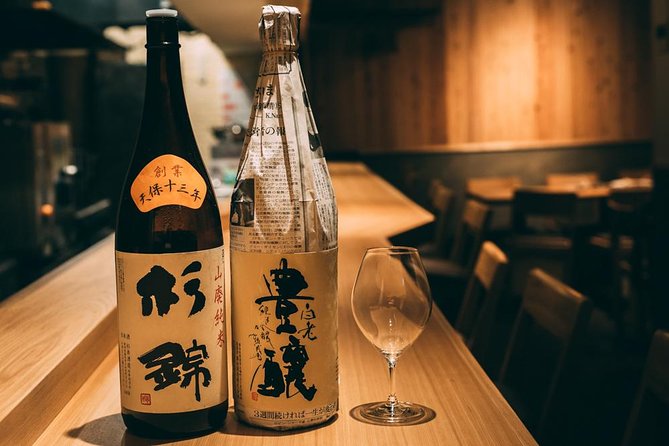
The class begins with Sake 101. You cover the drink’s history, basic brewing methods, sake terminology, and the information printed on bottles. This matters because Japanese sake labels can feel like a wall of unfamiliar words. By the end, you should have a few useful handles, such as how to think about flavor, body, sweetness, and production style.
The guide then leads you through a series of pours. The exact lineup can change, but the format is designed to show contrast rather than give you several nearly identical drinks. You may taste traditional and modern styles, lighter and fuller examples, and bottles with different flavor profiles.
The supplied information promises at least six types, while the class title refers to eight or more. Several sessions have included nine or ten. That difference is worth noting when you budget your expectations. You should receive a broad comparison, but the exact number and selection are not fixed.
You are encouraged to make your own tasting chart. That small exercise is more useful than it sounds. Instead of simply deciding that you like or dislike sake, you can note which bottles feel dry, fragrant, light, full, or suited to food. It gives you a basic record to use later in a restaurant or bottle shop.
More Drinking Tours in Tokyo
- Tokyo Bar Hopping Tour in Shinjuku (All-You-Can-Drink + Dinner)
★ 5.0 · 3,587 reviews - Best of Shinjuku: Izakaya Food Tour (4 Stops, 14+ Tastings)
★ 5.0 · 1,863 reviews - Tokyo: Shinjuku Local Bar and Izakaya Guided Walking Tour
★ 4.9 · 1,794 reviews
The guides make the technical material approachable
The instructor can shape the whole experience, and this class has a rotating group of hosts. Max is repeatedly singled out for his passion, humor, and ability to explain brewing and tasting without making the class stiff. Joe is praised for a lively teaching style and for giving practical food and restaurant suggestions for the rest of a Japan visit.
Tadashi is another strong fit if you like detailed explanations. He is described as well prepared and generous with recommendations, while Megan is noted for her warm manner and willingness to answer every question. Andrea has guided sessions featuring a wide spread of sake and clear explanations of how brewing affects body and style.
Hawaii Joe brings more energy and a casual mood. That can be helpful if you know nothing about sake and worry that a class will feel formal. You can expect the guide to adjust to the group, but you generally cannot guarantee a particular instructor unless the operator confirms that request.
The teaching style seems to favor conversation over a rigid lecture. That is good for questions, especially in a group of six or fewer. One session with a single booking even went ahead as a private tasting, though you should not assume that will happen on your date.
Why the sake comparison is useful
Many first-time drinkers approach sake as if it were one single category. This class helps correct that. The drink can vary widely in aroma, sweetness, weight, polish, and how it behaves with food.
You will learn about the brewing process and the labels that describe what is in the bottle and how it was made. The goal is not to turn you into a brewer. It is to give you enough context to make a better choice when a restaurant offers several unfamiliar options.
That practical aim comes through in the way the class is described by people who started with no sake experience. Participants have left feeling able to order a style they might enjoy, rather than pointing at a random bottle. One person even used the new vocabulary to order Junmai Daiginjo on the flight home.
The class can also help if you already like sake. You may recognize some terms but still struggle to connect them with taste. Sampling several styles side by side gives those terms a real purpose.
Snacks show how sake works with food
Snacks are included and selected to accompany the sake. They are not meant to replace lunch or dinner, but they provide a useful part of the lesson: sake changes depending on what you eat with it.
This is more than a bonus plate. Pairing helps explain why a drink that seems sharp or plain on its own can work well with savory food. It also gives your palate a break between pours.
Still, eat a proper meal before arriving. The class may offer generous tastings, and several accounts describe ten pours. Alcohol can catch up with you quickly when the food is limited. One participant specifically found the session too intoxicating and felt that ten tastings were a lot for a first introduction.
Water is also a smart idea, even though the included beverages are described as sake and the provided snacks. You want to remember the differences between the bottles, not simply leave with a pleasant blur.
More Sake Tastings in Tokyo
- Ramen and Sushi Cooking Class with Sake Pairing Set in Tokyo
★ 5.0 · 291 reviews - Sake Omakase in Tokyo: Guided Tasting by Certified Sommeliers
★ 5.0 · 239 reviews - Tasting All Types of Sake with Sommelier
★ 5.0 · 151 reviews - Wagyu & Sake Pairing in Shinjuku – Steak, Shabu-Shabu & More
★ 5.0 · 112 reviews
A small group, with one important tradeoff
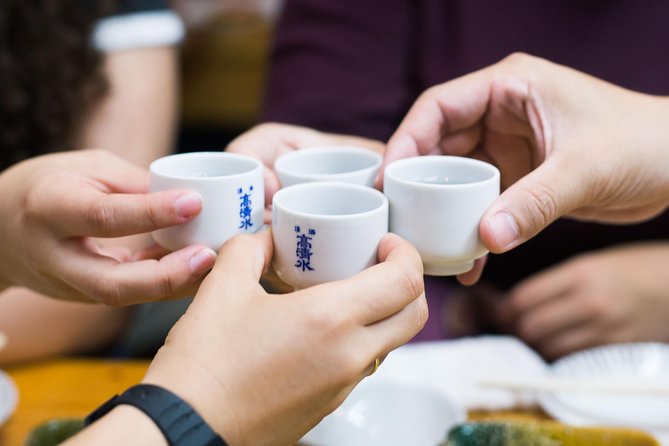
The maximum group size is eight. That is a meaningful advantage for a class built around questions and tasting. You should have a reasonable chance to ask about a label, compare your impressions with others, and get advice suited to your palate.
A group of six can feel especially comfortable. It is large enough for different opinions but small enough that the host can keep the discussion moving. If you are the only booking, the operator has sometimes still run the session, creating a highly personal class.
The tradeoff is that a small-group format can make the pace feel quick. You taste several drinks, hear production details, discuss food, and cover buying advice in about two hours. One first-time drinker found the information advanced and difficult to retain.
I would treat the class as an introduction, not a complete sake education. Take notes, use the tasting sheet if provided, and focus on two or three ideas you can remember. You do not need to master every technical term on the first afternoon.
What makes the Shinjuku meeting point practical
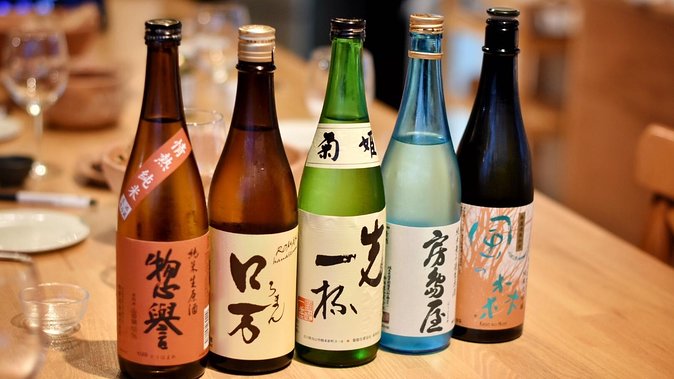
The class meets in Nishishinjuku at 1 pm and ends at the same location. Since hotel pickup and transport are not included, you need to get yourself to Ushinobi Shinjuku.
The area is near public transportation, which makes it a practical starting point before an afternoon of exploring Shinjuku. You can also use the fixed return point to plan dinner or another activity afterward. Because the tasting can leave you feeling pleasantly warm, I would avoid scheduling anything that requires intense concentration immediately afterward.
Pay close attention to the meeting details. One participant initially went to the wrong place because the location seemed different from the stated information. Confirm the current address before leaving your hotel, especially if you are relying on a map pin rather than the written venue name.
Is $72.29 a fair price?
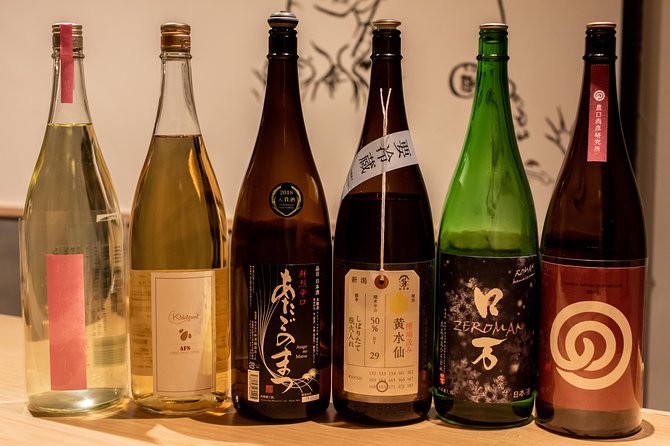
At $72.29 per person, this is not a cheap drinking stop, but it is more than a flight of sake. You are paying for instruction, guided comparison, snacks, and the chance to ask an expert how to use what you learn later.
The value is strongest if you are new to sake or expect to buy bottles during your Japan trip. A poor bottle choice can cost money, and a restaurant menu can offer little help if you do not understand the terms. A two-hour lesson can save you from ordering blindly for the rest of your visit.
The price also looks more reasonable when the session reaches nine or ten samples. Still, the guaranteed wording is at least six varieties, so do not book solely on the assumption that you will receive ten. The exact pours depend on the class.
For someone who already knows sake well, the value depends on the guide and selection. You may enjoy rare bottles, food pairings, and a relaxed afternoon, but an advanced enthusiast should not expect a specialist certification course.
Who should book this sake masterclass?
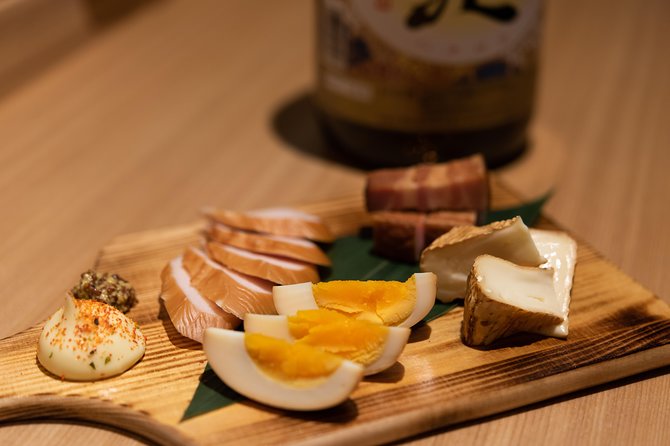
This is a strong choice for first-time sake drinkers, couples, small groups of friends, and food-focused visitors who want a useful Tokyo activity indoors. It also suits people who like learning through comparison rather than reading a long explanation before tasting anything.
It is particularly helpful early in your Japan trip. You can use the terms and buying tips at izakayas, department-store food halls, restaurants, and bottle shops during the rest of your stay.
You should think twice if you dislike alcohol, want a full meal, or prefer a very slow tasting with only a few carefully studied pours. The amount of sake can be substantial, and the information may come quickly.
The minimum drinking age is 20. If you have food restrictions, message the operator at least a week before the date. Snacks are included, but this is not presented as a full-size lunch.
How to get the most from the session
Arrive having eaten. This is the most important practical advice. A meal will help you stay comfortable and give you a better chance to notice the differences between samples.
Keep your goals simple. Try to identify the styles you prefer, ask how to order them, and note the terms that match your taste. You do not need to remember every detail about brewing.
Ask the guide for restaurant and bottle-buying advice. That is one of the strongest practical parts of the session, and guides such as Joe and Tadashi are known for offering suggestions beyond the tasting itself.
If you want a particular instructor, you can ask the operator, but do not assume a named guide is guaranteed. The available hosts include Max, Joe, Tadashi, Megan, Andrea, and Hawaii Joe, and each brings a slightly different energy.
Free cancellation is available if you cancel at least 24 hours before the 1 pm start time. Cancellations or changes within 24 hours are not refunded or accepted, so check your plans before the cutoff.
My verdict: book it if you want useful sake skills
I would book this class if you want to move beyond saying I like sake and learn what to order next. The small group, broad tasting range, food pairings, and practical label advice make it a useful two-hour stop in Shinjuku.
The main warning is alcohol and pace. Eat first, drink water, and understand that ten samples can be a lot, especially for a beginner. If you manage that part, you should leave with a clearer palate, a few favorite styles, and enough confidence to choose sake on your own.
FAQ
How long does the sake tasting masterclass last?
The experience lasts approximately two hours and starts at 1 pm.
Where does the class meet?
It starts at Ushinobi Shinjuku, Wagyu & Sake, in the NSK Building at 201, 1-chōme-22-1 Hyakuninchō, Shinjuku City, Tokyo 169-0073, Japan. The activity ends back at the meeting point.
How many sakes will I taste?
You will taste at least six different types. Depending on the session, the total may be eight, nine, or ten varieties.
Is food included?
Yes. Snacks are included and selected to pair with the sake, but they are not a full-size meal.
How old do I need to be to join?
The minimum drinking age is 20.
Can I cancel for a full refund?
Yes, if you cancel at least 24 hours before the experience start time. Cancellations or changes made within 24 hours are not refunded or accepted.
More Food & Drink in Tokyo
- Tokyo: Shinjuku Food Tour (13 Dishes at 4 Local Eateries)
★ 5.0 · 6,603 reviews - Tokyo Tsukiji Fish Market Food and Culture Walking Tour
★ 5.0 · 3,184 reviews - Tokyo: Shinjuku Food Tour (15 Dishes and 4 Eateries)
★ 4.9 · 2,033 reviews - Tokyo: Tsukiji Fish Market Food and Walking tour
★ 5.0 · 1,724 reviews
Just added around Tokyo
- Kawagoe Japanese Food Tour : Unagi Kaiseki and Sake near Tokyo★ 5.0 · 30 reviews
- Kawagoe 4hr Private Tour with Licensed Guide (Kawagoe Dep)★ 5.0 · 13 reviews
- Little EDO Sushi Making workshop in Kawagoe★ 5.0 · 18 reviews
- 【R34】Tokyo:Private Daikoku tour in Modified R34★ 4.9 · 92 reviews
- :Tokyo,Shibuya/ Pro Photography in Kimono / English-Friendly★ 5.0 · 26 reviews
- Tokyo:Celebrate Unique Japanese New Year Tradition Festivity★ 3.9 · 20 reviews
- Tokyo: Allstar Food Tour★ 4.7 · 29 reviews
- Tokyo: West-Side Cycling and Food Tour with Guide★ 5.0 · 37 reviews
Sake Tasting, compared.
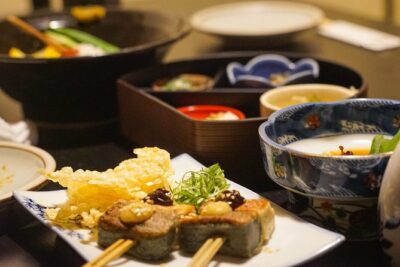
Kyoto Night Foodie Tour in Gion (9+ dishes + 6 Sake tastings)
Our verdict →
1-Day Snow Monkeys, Zenko-ji Temple & Sake in Nagano
Our verdict →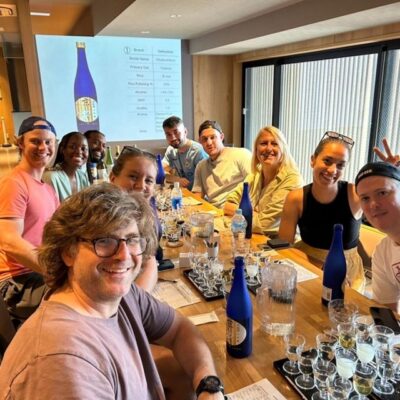
Insider Sake Brewery Tour with Sake and Food Pairing
Our verdict →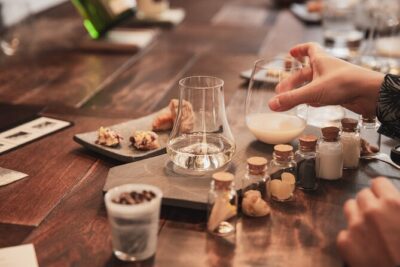
Sake Omakase in Tokyo: Guided Tasting by Certified Sommeliers
Our verdict →
Browse the lists this tour appears in