
Reviewed · SUSHI EXPERIENCES
Make Sushi and Create Unforgettable Memories in Tokyo
The best part of this Asakusa class is that you do not simply watch someone slice fish. You learn to shape nigiri and maki sushi, then sit down to eat what your own hands produced. Instructors such as Ken, Momo, Yuto, Yui, and Ayu bring different personalities to the teaching, but the format stays friendly and easy to follow in English.
I like two things right away: the location, just steps from Sensoji Temple, and the generous meal at the end. You may make about eight pieces of maki and eight pieces of nigiri, with some classes also covering hand rolls, inside-out maki, or temari sushi. The main consideration is class size. The maximum is 30 people, so this is a social cooking activity rather than an intimate chef’s lesson.
Key points to know before booking
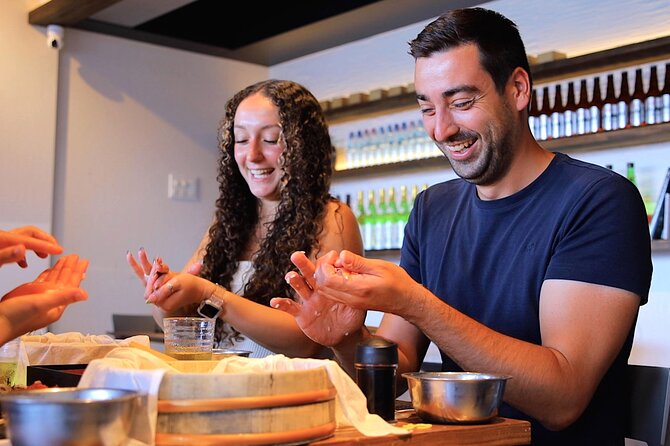
- Make sushi, then eat it: Your class includes the ingredients, instruction, and the sushi you prepare.
- Learn several styles: The lesson can cover nigiri, maki, hand rolls, inside-out rolls, and temari sushi.
- English instruction: The local staff guide you step by step, with cultural background and sushi trivia along the way.
- Easy Asakusa location: Meet at 2-chōme-17-9 Kaminarimon, a short walk from Sensoji Temple.
- Suitable for families and solo visitors: No previous cooking skill is needed, and solo participants are welcomed.
- Allow about 100 minutes: The class is long enough for instruction, hands-on practice, photos, and a filling meal.
Making sushi beside Sensoji Temple
This class begins at 2-chōme-17-9 Kaminarimon in Taito City, Tokyo. That puts you in Asakusa, one of the most useful places in Tokyo for combining a food activity with sightseeing. You can visit Sensoji Temple before or after class without building a separate cross-town trip into your day.
The meeting point is especially convenient if you are already exploring Kaminarimon and the temple grounds. The activity ends at the same location, so you do not need to arrange a ride back to your hotel or work out a second meeting point. Public transportation is nearby, though the exact route depends on where you start.
I would schedule this as part of an Asakusa half-day rather than treating it as an isolated appointment. Walk around the temple area, attend the class, and continue exploring afterward. The food lesson gives the neighborhood visit a clear purpose, while the neighborhood gives the class a stronger sense of place than a cooking school far from Tokyo’s older sights.
More Sushi Experiences in Tokyo
- Sushi Making Tokyo Roll and Authentic Japanese Sushi Class
★ 5.0 · 3,971 reviews - Tokyo: Roll and Authentic Sushi Making Class in Asakusa
★ 4.9 · 1,957 reviews - Tokyo: Sushi Making Class in a Happi Coat near a Famous Spot
★ 4.9 · 1,377 reviews
What the 1-hour-40-minute class feels like
The experience lasts about one hour and 40 minutes. That is a useful length for a Tokyo itinerary. You get more than a quick demonstration, but you are not giving up an entire afternoon.
The class opens with an introduction to sushi and some background on how different forms developed. This is not presented as a formal culinary school lecture. It is short, practical, and tied to what you are about to make. You learn the names and basic ideas behind the sushi in front of you, then move into the hands-on portion.
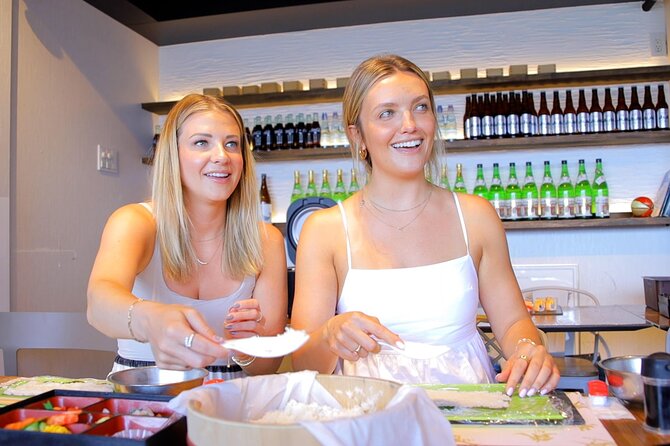
Ingredients and utensils are prepared in advance. That matters because you spend your time shaping and assembling sushi rather than waiting for every item to be chopped. The setup also helps families and first-time cooks keep pace with the instructor.
Expect the teaching to happen in clear stages. The instructor demonstrates a technique, you copy it, and staff members help when your rice, fish, or roll does not cooperate. Several participants have found nigiri harder than expected, which is useful to know. It looks simple, but getting the rice shape and topping to hold together takes some care.
You also get time to take photos. The finished sushi is part of the experience, not just lunch, so the presentation and the act of making it are both important.
Nigiri, maki, hand rolls, and temari sushi
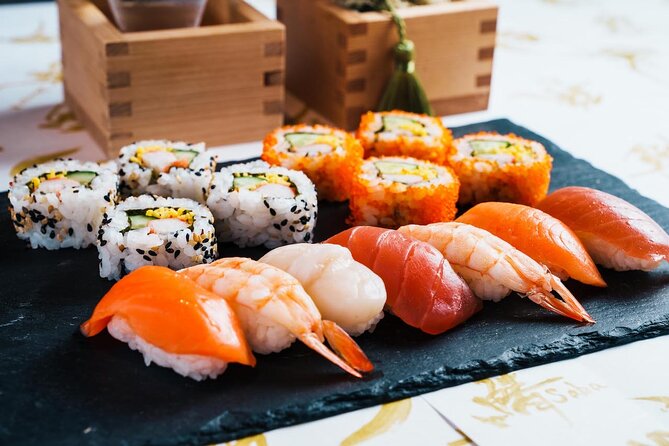
The class focuses on several forms of sushi rather than one repeated exercise. The core lesson includes nigiri and rolled sushi, with hand rolls and other styles appearing in the teaching. Some sessions also include temari sushi, the small rounded style that is especially approachable for children and first-time cooks.
Nigiri is the most technical part for many people. You shape a small portion of seasoned rice and place fish or another topping over it. The lesson breaks down the process into manageable steps, so you are not expected to have restaurant-level technique by the end.
Maki gives you a different challenge. You work with a sheet of nori and a filling, then roll and cut it into pieces. Inside-out maki may also be included, which adds another layer of handling and presentation.
Hand rolls are less formal and often easier to assemble. That makes them a good bridge between the simple first steps and the more exact work of nigiri. Temari sushi adds a playful option, with small rounded pieces that can look appealing even when your shaping is not perfect.
The class is designed for success, not professional certification. One person looking for a serious master class found the level too basic, and that is a fair warning. You will learn useful techniques and gain confidence, but you will not leave ready to work behind a sushi counter.
The food portion and what you actually eat
The meal is included in the price, along with the ingredients used in the class. The portions are not merely a tasting plate. An experience described about eight pieces of maki and eight pieces of nigiri per person, enough to make the meal a substantial lunch or early dinner.
That quantity helps explain the value of the activity. At $79.59 per person, you are paying for instruction, food, staff support, and a central location. A restaurant meal might cost less, but it would not give you the lesson or the practical memory. A private cooking session would likely offer more individual attention, but this class costs less than many private experiences.
The ingredients have been praised as fresh and good quality. You still need to keep expectations sensible. This is a group class using prepared ingredients, not a visit to a fish market followed by a chef-led tasting menu.
The food also makes the experience easier for mixed groups. People who do not want raw fish can use non-raw options, and shellfish or gluten-free needs have been accommodated in some classes. You should notify the provider about allergies or dietary requirements in advance, rather than assuming every substitution will be available on the day.
Sake and other drinks may be available at an additional charge. One useful language tip from the class is that set in Japan often means a combo meal, not a single drink. If you order a sake set, check what it includes and remember that it costs extra.
Same trip, a completely different kind of day:
- 1-Day Tokyo Bus Tour
★ 5.0 · 14,250 reviews - Tokyo: TOKYO SKYTREE® Admission ticket
★ 4.5 · 11,192 reviews - Tokyo: teamLab Planets TOKYO Digital Art Museum Entry Ticket
★ 4.6 · 9,779 reviews - Tokyo: Sumo Show Experience with Chicken Hot Pot and a Photo
★ 4.8 · 6,678 reviews
English instruction and the teaching style
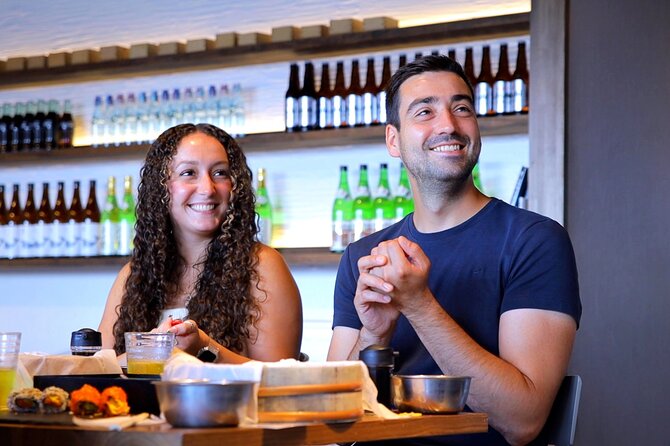
The staff teach in English, which is central to the appeal for international visitors. The explanations cover both technique and basic sushi culture, so you are not left guessing what to do next.
The teaching team can vary. Names associated with recent sessions include Ken, Sato, Momo, Kento, Matti, Yuto, Yui, Ayu, Emi, Mikoki, Madoka, Yusuke, and Yuhi. Do not book expecting one particular instructor unless the provider confirms that person for your date.
The strongest feature is the warm tone. Staff help with difficult steps, keep the pace moving, and make room for questions. Several instructors have been praised for energy, humor, and kindness, while one participant suggested that a particular instructor slow down slightly when speaking. That is a useful reminder that English ability and speaking speed may vary from person to person.
For most people, the visual demonstrations should make the lesson manageable. If you need a slower explanation, ask early. The activity is built for beginners, and the staff are there to help you produce something you can eat.
Is a group of up to 30 too large?
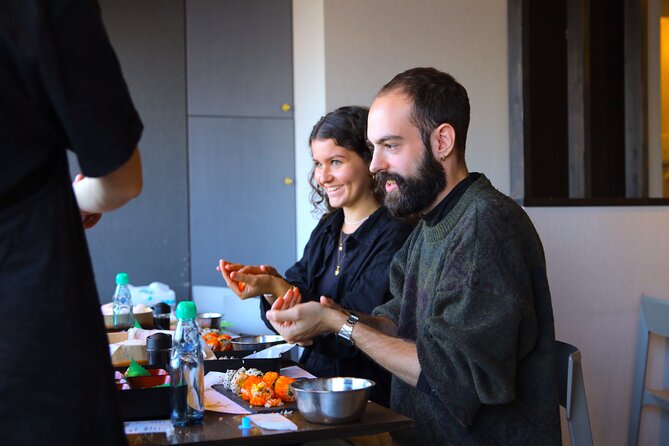
The advertised maximum is 30 people. That is not a tiny class, and you should not picture a private table with a chef focused only on you. One class had more than 30 people and divided participants into smaller subgroups, while another felt small enough for useful assistance.
Your experience may depend on the day and the way the class is arranged. A larger group gives the activity a cheerful, social feel. It also means more shared laughter when a roll splits or a piece of nigiri takes an unexpected shape.
The trade-off is individual attention. If you want detailed correction on knife skills or a quiet lesson built around fine technique, this is not the right format. If you want a relaxed activity with your family, partner, or fellow solo visitors, the group setting works well.
Solo participants are welcome. You do not need to arrive with a large party, and the shared table format gives the class a natural social element without requiring you to arrange your own group.
Why families and teenagers fit this activity well
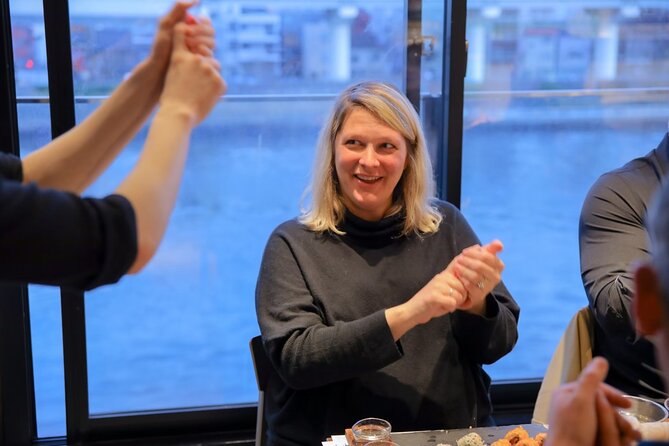
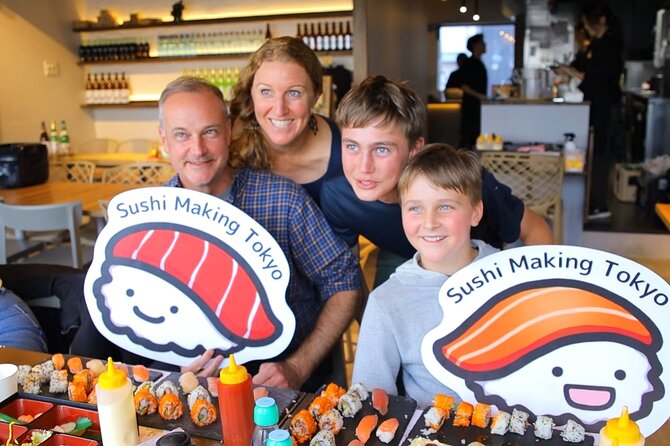
Children and teenagers can follow the class because the steps are broken down and the final result is immediate. Eleven- and 13-year-olds have managed the process comfortably, and a 10-year-old enjoyed making sushi and found the meal filling.
The activity also offers something better than another passive sightseeing stop. Everyone handles ingredients, makes decisions, and produces a plate to eat. Parents can join in rather than simply watch.
You should still consider your child’s interest in food preparation and raw fish. Non-raw choices are available in some sessions, and the class has accommodated people who prefer alternatives, but the exact menu is not specified. Ask about substitutions before booking if this is important for your family.
The cute presentation of temari sushi can also appeal to younger participants. It gives them a style that is less intimidating than trying to make a perfectly formed nigiri piece.
What makes the $79.59 price worthwhile
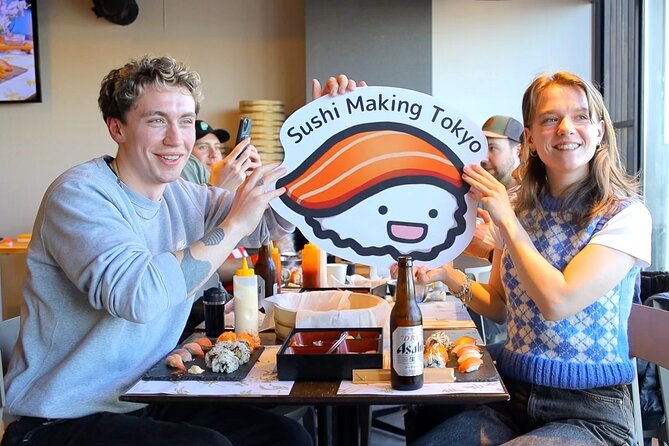
At $79.59, this is not a bargain meal. It is a short cultural activity with food included. The price makes more sense when you count the English instruction, prepared ingredients, hands-on practice, the meal, and the location near one of Tokyo’s best-known temples.
I would compare it with what you want from the afternoon. If your priority is simply eating excellent sushi at the lowest possible price, spend the money at a sushi restaurant instead. If you want to understand how sushi is put together and leave with a story you can retell at home, the class earns its cost more easily.
The generous portions improve the value. You are not paying $79.59 for three decorative bites. You make a sizeable meal, and some participants leave very full.
The activity also works well as a special trip moment. It is more personal than taking another photograph at a famous crossing, and it gives you a skill you can try again at home. One participant with a sushi-making kit already waiting at home gained enough confidence to use it afterward.
Practical details for planning your day
The experience uses a mobile ticket, and confirmation is provided when you book. It does not include hotel pickup or drop-off, so plan to reach Asakusa on your own.
The activity starts and ends at 2-chōme-17-9 Kaminarimon. Since you return to the same point, you can keep your next stop flexible. Sensoji Temple is the natural pairing, but you can also use the class as a break between other Asakusa sights.
Service animals are allowed. The maximum group size is 30 people. Free cancellation is available if you cancel at least 24 hours before the local start time. A cancellation inside that window is not refundable, and changes are not accepted inside 24 hours.
The class requires a minimum number of participants. If the provider cancels because that number is not reached, you can choose another date or experience, or receive a full refund.
Who should book this sushi class?
You should book if you want a hands-on Tokyo activity that combines food, culture, and a central sightseeing area. It suits families, teenagers, couples, solo visitors, and anyone who likes learning by doing.
It is also a good choice if you are curious about sushi but have never handled the ingredients yourself. You do not need cooking experience, and the staff explain the process in English.
You may want another experience if you are seeking advanced instruction, a quiet private lesson, or a serious examination of professional sushi technique. The class is friendly and practical, but its purpose is enjoyment and confidence, not mastery.
My verdict: book it if you want lunch with a story
I would book Sushi Making Tokyo as an Asakusa activity, especially early in a Tokyo trip. The class helps you understand familiar sushi styles, gives you a filling meal, and leaves plenty of time to explore the temple district.
The strongest reasons to go are the patient English guidance, the chance to make both nigiri and rolls, and the generous portion. The main caution is the possible 30-person group, plus the fact that instruction may feel basic if you already make sushi regularly.
For most first-timers, families, and solo visitors, the balance is good. You leave with more than a meal: you understand why nigiri is harder than it looks, you have a few techniques to try at home, and you have spent part of the day making something rather than simply looking at it.
FAQ
Where does the sushi-making class meet?
The meeting point is 2-chōme-17-9 Kaminarimon, Taito City, Tokyo 111-0034, Japan, near Sensoji Temple in Asakusa.
How long does the experience last?
The activity lasts approximately 1 hour and 40 minutes.
Is the class taught in English?
Yes. An English-speaking instructor guides you through the sushi-making steps and provides cultural information.
Do I need previous cooking experience?
No. The class is designed for beginners, and no cooking experience is required.
What sushi will I learn to make?
The class teaches sushi rolls and nigiri. Depending on the session, you may also make hand rolls, inside-out maki, or temari sushi.
Is food included?
Yes. The ingredients used in the cooking class and the meal you make are included. Drinks such as sake may cost extra.
Can I cancel for a full refund?
Yes, if you cancel at least 24 hours before the experience start time. Cancellations or changes made less than 24 hours in advance are not accepted for a refund.
Just added around Tokyo
- Kawagoe Japanese Food Tour : Unagi Kaiseki and Sake near Tokyo★ 5.0 · 30 reviews
- Kawagoe 4hr Private Tour with Licensed Guide (Kawagoe Dep)★ 5.0 · 13 reviews
- Little EDO Sushi Making workshop in Kawagoe★ 5.0 · 18 reviews
- 【R34】Tokyo:Private Daikoku tour in Modified R34★ 4.9 · 92 reviews
- :Tokyo,Shibuya/ Pro Photography in Kimono / English-Friendly★ 5.0 · 26 reviews
- Tokyo:Celebrate Unique Japanese New Year Tradition Festivity★ 3.9 · 20 reviews
- Tokyo: Allstar Food Tour★ 4.7 · 29 reviews
- Tokyo: West-Side Cycling and Food Tour with Guide★ 5.0 · 37 reviews
Sushi Experiences, compared.
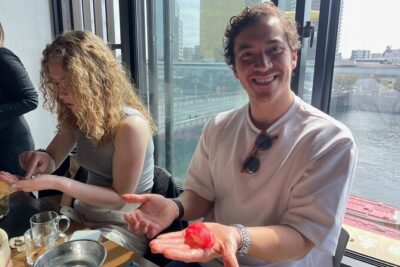
Sushi Making Tokyo Roll and Authentic Japanese Sushi Class
Our verdict →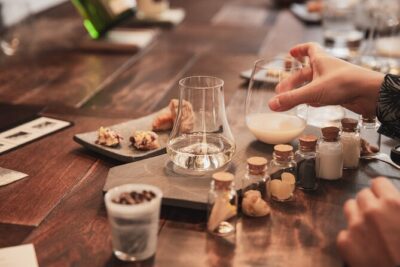
Sake Omakase in Tokyo: Guided Tasting by Certified Sommeliers
Our verdict →
Browse the lists this tour appears in