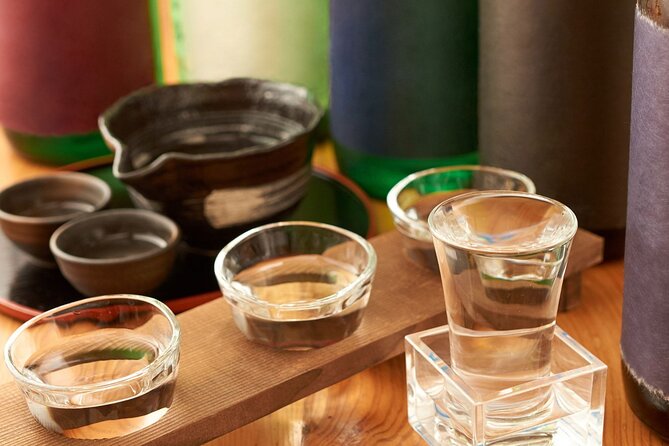
Reviewed · SUSHI EXPERIENCES
Ramen and Sushi Cooking Class with Sake Pairing Set in Tokyo
The best part of this Tokyo class is its mix of hands-on sushi making and ramen from scratch. You do not simply watch a chef work. You prepare food, learn why the steps matter, then sit down to eat what you made with sake selected to match the dishes.
I like the small maximum of eight, which gives the instructor room to correct your technique. I also like the friendly, relaxed teaching style linked with Sato, Ryushi, Alex, Taka, and Kaori. The main consideration is that the ramen section may be less hands-on than the sushi portion, with more choice in how you finish the bowl.
Key points to know before booking
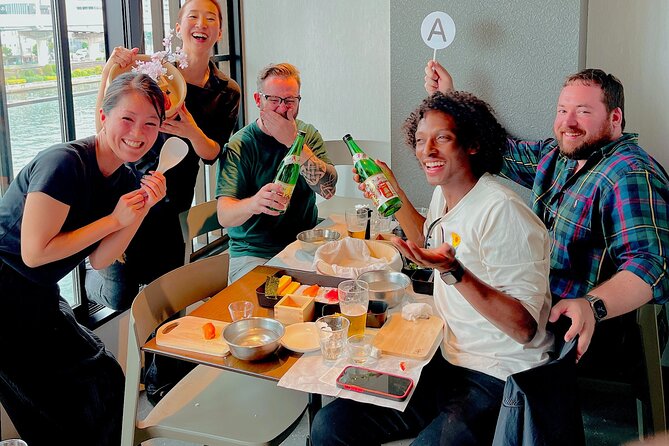
- Sushi gets the closest personal instruction: You make the sushi yourself, with step-by-step guidance rather than a distant demonstration.
- Ramen broth is prepared from scratch: The class explains the savory base, while the finished bowl can be customized.
- Sake is part of the meal: Drinks are included, with selections chosen to complement the food.
- The group is capped at eight: This is a good size for questions, help, and conversation without feeling crowded.
- The setting includes a river view: The Tsukishima location adds a pleasant backdrop to the meal.
- The class lasts about three hours: It works well as a substantial afternoon or evening activity rather than a quick stop.
What happens during the three-hour Tokyo class
This experience takes place at HAUS Tsukishima in Tsukuda, Chuo City. You meet at the listed address, and the class finishes at the same place. There is no hotel pickup, so you need to make your own way to the meeting point.
The class is built around three parts: sushi, ramen, and sake. The order may vary, but the goal is clear. You learn enough technique to prepare the dishes, hear the cultural stories behind them, and eat a full meal before leaving.
That combination matters. A short food demonstration can be fun, but it may not teach you much beyond what you saw for an hour. Here, the cooking itself is the point. You handle ingredients, follow instructions, and see how small details affect the final result.
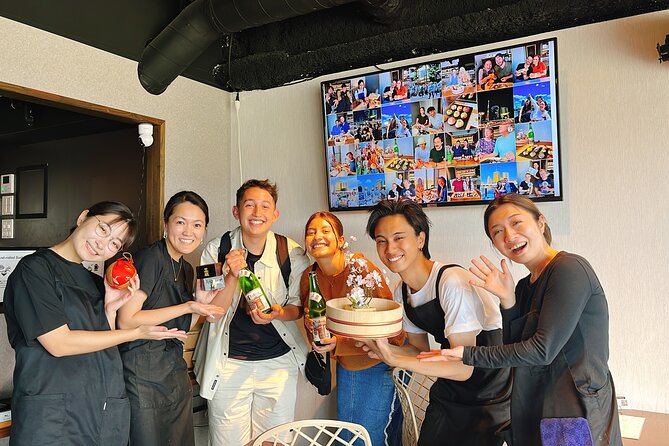
The teaching team uses a warm style rather than a stiff culinary-school approach. Sato and Ryushi are named as instructors in the experience, while Alex, Taka, and Kaori are also praised as hosts or teachers connected with the class. You may not have every instructor present at every session, but the repeated emphasis is on patient guidance, smiles, and making people feel at ease.
A quiz about sushi and ramen history and facts may also form part of the session. That is a nice touch for anyone who wants context beyond recipes. You learn not only what to do, but also why these foods matter in Japanese dining culture.
More Cooking Classes in Tokyo
- Ramen & Gyoza Cooking Class in Tokyo with Local Supermarket Visit
★ 5.0 · 823 reviews - Tokyo: Easy Ramen Cooking Experience in Kabukicho, Shinjuku
★ 4.6 · 321 reviews - Tokyo: Wagyu and 7 Japanese Dishes Cooking Class
★ 4.9 · 273 reviews
Sushi making is the most hands-on part
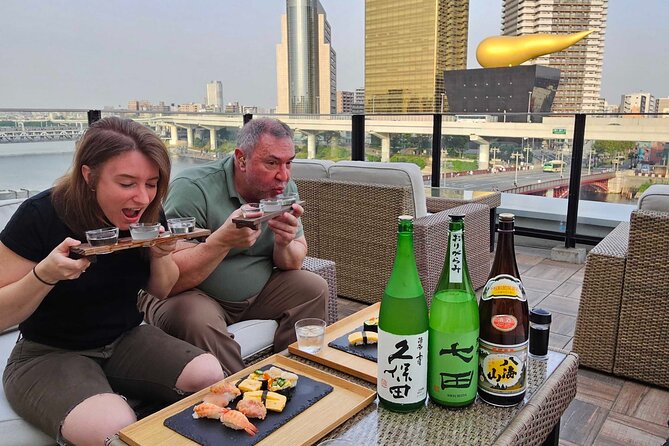
The sushi section is likely the strongest reason to book this class. You make your own sushi under close instruction, rather than watching the staff prepare everything for you.
That is useful if you have tried making sushi at home and found the process confusing. Rice texture, portion size, shaping, and rolling can all be difficult to judge from an online video. An instructor standing nearby can show you the practical details that a screen cannot.
The group size makes a real difference here. With no more than eight people, the teacher can look at your work and offer direct help. One session had only five participants, and another had just a few people, creating an especially personal setting. Group size can vary, but the stated limit is small enough to keep the class manageable.
You also get to eat the sushi you make. That gives the lesson a clear payoff and lets you judge your work immediately. The ingredients are included, and the food is described as high quality, so this is not just a craft exercise with a token snack at the end.
Expect a social atmosphere rather than a silent lesson. Couples, siblings, and small groups can enjoy the activity together, but solo participants should also have room to join the conversation. The staff’s polite, cheerful approach is a recurring strength.
Ramen brings broth, pork belly, and personal choices
The ramen portion covers savory broth prepared from scratch. That is an important detail. Instant noodles or a preassembled bowl would make for a weaker cooking lesson, but broth teaches you more about the foundation of the dish.
The ramen work is not quite as hands-on as the sushi. You may spend more time learning how the broth comes together and then choosing or adjusting elements of the finished bowl. That is not a flaw for everyone. If you want an easy, social cooking activity, some guided assembly and customization can be more enjoyable than a long technical process.
One particular detail that gets attention is the pork belly in the ramen. It adds a substantial, satisfying element to the meal and helps make the class feel like lunch or dinner rather than a tasting session.
The class also gives you practical tips for making Japanese food at home. You should not expect a complete restaurant-level ramen apprenticeship in three hours, but you can leave with a clearer sense of the steps, flavors, and balance involved.
I would think of the ramen section as a lesson in structure and flavor, while the sushi section gives you more direct practice with your hands. That balance keeps the three-hour schedule moving and prevents the class from becoming too technical.
Sake pairing adds meaning to the meal
Sake is included with the class, and the selections are intended to complement the dishes. This makes the experience more than a standard cooking lesson with drinks added at the last minute.
You get a chance to compare sake with sushi and ramen, which helps explain how Japanese drinks fit into a meal. The sake is described as smooth, and the selection is considered a strong part of the experience. Since all drinks are included, you do not need to budget separately for the tasting.
The pairing is also useful for people who know little about sake. You can ask questions in a relaxed setting and connect the drink to food you have just prepared. It is a modest but worthwhile cultural layer.
Use some judgment here. If you do not drink alcohol, the food and instruction remain the main attractions, but the included sake portion will have less value for you. The supplied information does not specify alternative drinks, so ask the provider directly if that matters.
More Drinking Tours in Tokyo
- Tokyo Bar Hopping Tour in Shinjuku (All-You-Can-Drink + Dinner)
★ 5.0 · 3,587 reviews - Best of Shinjuku: Izakaya Food Tour (4 Stops, 14+ Tastings)
★ 5.0 · 1,863 reviews - Tokyo: Shinjuku Local Bar and Izakaya Guided Walking Tour
★ 4.9 · 1,794 reviews - Shibuya Meltdown Nightlife Tour: All-You-Can-Drink Bar Hopping
★ 5.0 · 1,058 reviews
The Tsukishima setting helps the class feel special
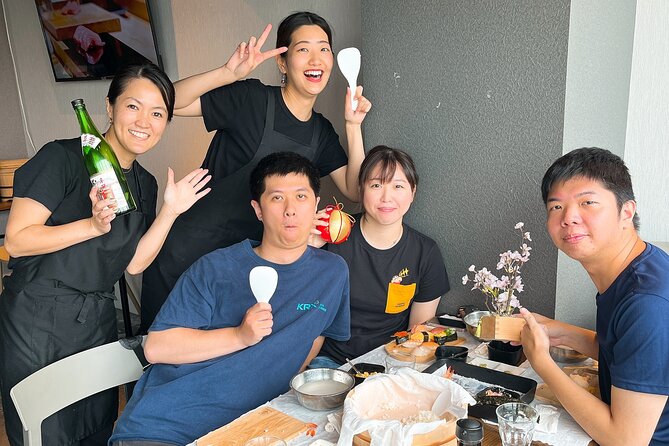
The meeting point is at HAUS Tsukishima, in Tsukuda, Chuo City, with the postal address 104-0051. The activity is near public transportation, but hotel transfers are not included. Plan to allow enough time to find the building and arrive ready for the start.
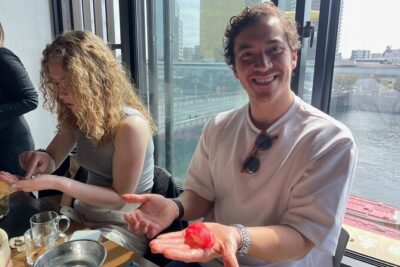
The setting has a river view, which adds a pleasant sense of place. You are not cooking in an anonymous conference room. The view gives the meal a bit more atmosphere, especially if the class is scheduled during daylight or around sunset.
Still, this is not a sightseeing tour of Tokyo. You will not be moving between famous landmarks or visiting a market as part of the class. The attraction is the food, the instructors, and the chance to spend several focused hours in one neighborhood.
That can be an advantage on a busy Tokyo itinerary. After days of changing trains and walking through crowded districts, a stationary meal-based activity gives you time to slow down. It also fits neatly into a day that includes Tsukishima or nearby parts of Chuo City.
Why the group size matters
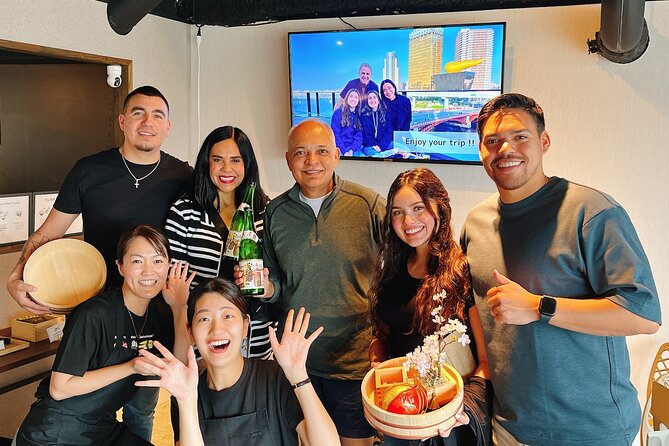
A maximum of eight people is one of the clearest advantages. Cooking classes can lose their value when a large crowd gathers around one counter and you can barely see the demonstration. That is less likely here.
Small groups also make it easier to ask basic questions without feeling self-conscious. If you are unsure how to shape sushi or adjust an ingredient, you can get help before the problem becomes frustrating.
The class can be especially good for couples and families. One sibling described attending with a brother, while other participants came as couples. You can share the work, compare results, and enjoy the meal together.
It is also suitable for solo visitors who want a social activity. The instructors’ friendly approach helps, but remember that the group may still be smaller or larger depending on the date. The guaranteed limit is eight, not a promise that every session will have only three or four people.
What the $79.59 price includes
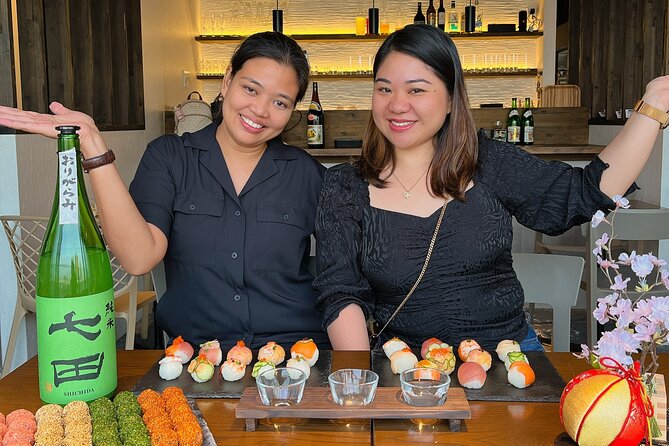
At $79.59 per person, this is not the cheapest meal in Tokyo. You can eat excellent ramen or sushi for less, especially if your only goal is to fill up.
The value comes from the instruction and the amount included in the three-hour session. Your price covers the English-speaking instructor, cooking ingredients, the meal you prepare, and all drinks. You are paying for food plus an activity, cultural explanation, personal help, and a social setting.
I consider the price reasonable for someone who wants to learn rather than simply dine. It is especially fair if you value a small group and want sake included. The class can also replace a separate lunch or dinner, which makes the total cost easier to justify.
The value is weaker if you dislike structured activities, already make sushi and ramen confidently, or do not drink and mainly want a restaurant meal. In that case, booking a favorite Tokyo restaurant may give you more food for less money.
Look at the class as a practical food experience, not a budget meal. The more you use the instructor’s advice and ask questions, the more the price works in your favor.
Who will enjoy this class most
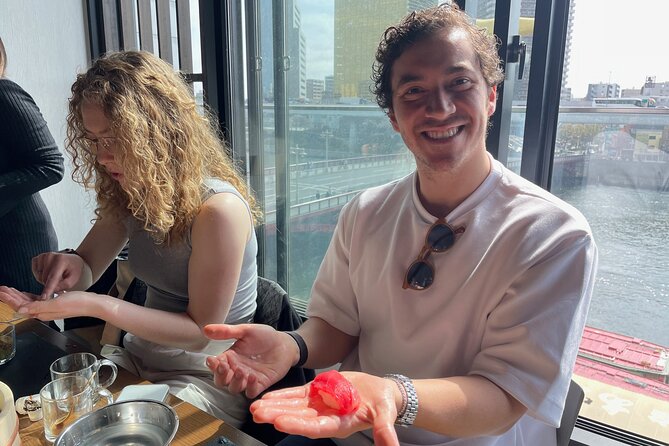
I would recommend this experience to:
- First-time visitors who want a cultural activity centered on food
- People who have tried sushi making at home and want clear, live instruction
- Couples and families looking for something more memorable than a restaurant meal
- Food lovers who want to compare sake with dishes they prepare themselves
- Visitors who prefer a small group over a large cooking demonstration
- Anyone with about three hours to spend at a relaxed indoor activity
It is less suited to anyone looking for a full Tokyo food tour, a professional chef qualification, or a highly technical ramen workshop. The sushi gets more direct attention, while the ramen section includes more guided preparation and customization.
The class also involves eating the food prepared during the session, so it is best for people comfortable with the dishes being taught. The available information does not provide a full allergen or dietary menu. If you have allergies or strict dietary needs, contact the provider before booking.
Practical details that affect your day
You receive confirmation when booking, and the experience uses a mobile ticket. Keep the ticket available on your phone and check the meeting address before leaving.
The activity begins and ends at HAUS Tsukishima. There is no hotel pickup or drop-off, so transport planning is your responsibility. The location is near public transportation, which helps, but the information provided does not give a specific station or walking time.
Service animals are allowed. The experience is conducted in English, and the maximum group size is eight. Since the class runs for about three hours and includes a meal, avoid scheduling a tight reservation immediately afterward.
The cancellation policy is simple but strict close to the start time. Cancel at least 24 hours before the experience for a full refund. Cancellations or changes made within 24 hours are not refunded or accepted, based on local time.
Should you book the ramen and sushi class?
Book it if you want to do more than order Japanese food. The strongest features are the small group, close sushi instruction, made-from-scratch ramen broth, included sake, and friendly teaching team. The river view and relaxed pace add welcome atmosphere.
I would be especially happy to recommend it to someone who has struggled with sushi at home. Live correction can save you a lot of trial and error, and you leave with practical ideas you can use later.
Skip it if you want a cheap meal, a busy sightseeing schedule, or a deep technical study of ramen. The class is social and accessible, not a professional kitchen course.
For most food-focused visitors, the $79.59 cost is justified by the meal, drinks, instruction, and small-group attention. If those are the parts that appeal to you, this is a smart three-hour use of your time in Tokyo.
FAQ
Where does the cooking class take place?
The class meets at HAUS Tsukishima, Japan, 104-0051 Tokyo, Chuo City, Tsukuda, 2-chōme135. The activity ends back at the same meeting point.
How long does the experience last?
The class lasts approximately three hours.
What foods do I learn to prepare?
You learn to make sushi and prepare savory ramen broth from scratch. The ramen can include pork belly and offers choices for customizing the finished bowl.
Is sake included?
Yes. All drinks are included, and sake is selected to complement the dishes.
How large is the group?
The experience has a maximum of eight participants.
Is the class taught in English?
Yes. An English-speaking instructor is included.
Is hotel pickup available?
No. Hotel pickup and drop-off are not included. You must arrange transportation to and from the meeting point.
Is the activity near public transportation?
Yes. The meeting location is described as being near public transportation.
What is the cancellation policy?
You can cancel at least 24 hours before the start time for a full refund. Cancellations or changes made less than 24 hours before the start time are not accepted, and the amount paid is not refunded.
More Sake Tastings in Tokyo
- Sake Tasting Masterclass in Shinjuku (8+ Varieties with a Pro)
★ 5.0 · 271 reviews - Sake Omakase in Tokyo: Guided Tasting by Certified Sommeliers
★ 5.0 · 239 reviews - Tasting All Types of Sake with Sommelier
★ 5.0 · 151 reviews - Wagyu & Sake Pairing in Shinjuku – Steak, Shabu-Shabu & More
★ 5.0 · 112 reviews
More Ramen Tours in Tokyo
- Eat and Drink Like a Local: Tokyo Ueno Food Tour-Taverns&Ramen
★ 5.0 · 957 reviews - Tokyo: Ramen Tasting Tour with 6 Mini Bowls of Ramen
★ 4.9 · 432 reviews - Professional Ramen & Gyoza with Ramen Chef in a restaurant!
★ 5.0 · 223 reviews - Shibuya: Ramen Dojo Tokyo | Make All 3 (Tonkotsu/Shoyu/Miso)
★ 5.0 · 214 reviews
Just added around Tokyo
- Kawagoe Japanese Food Tour : Unagi Kaiseki and Sake near Tokyo★ 5.0 · 30 reviews
- Kawagoe 4hr Private Tour with Licensed Guide (Kawagoe Dep)★ 5.0 · 13 reviews
- Little EDO Sushi Making workshop in Kawagoe★ 5.0 · 18 reviews
- 【R34】Tokyo:Private Daikoku tour in Modified R34★ 4.9 · 92 reviews
- :Tokyo,Shibuya/ Pro Photography in Kimono / English-Friendly★ 5.0 · 26 reviews
- Tokyo:Celebrate Unique Japanese New Year Tradition Festivity★ 3.9 · 20 reviews
- Tokyo: Allstar Food Tour★ 4.7 · 29 reviews
- Tokyo: West-Side Cycling and Food Tour with Guide★ 5.0 · 37 reviews
Sushi Experiences, compared.
Sushi Making Tokyo Roll and Authentic Japanese Sushi Class
Our verdict →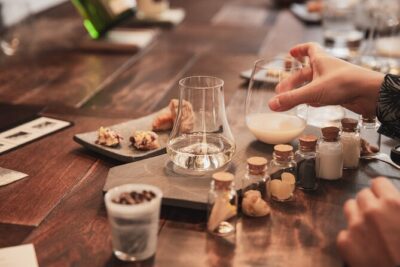
Sake Omakase in Tokyo: Guided Tasting by Certified Sommeliers
Our verdict →