
Reviewed · TRADITIONAL CRAFTS
Private Mochi Sweets Making class near Shibuya area
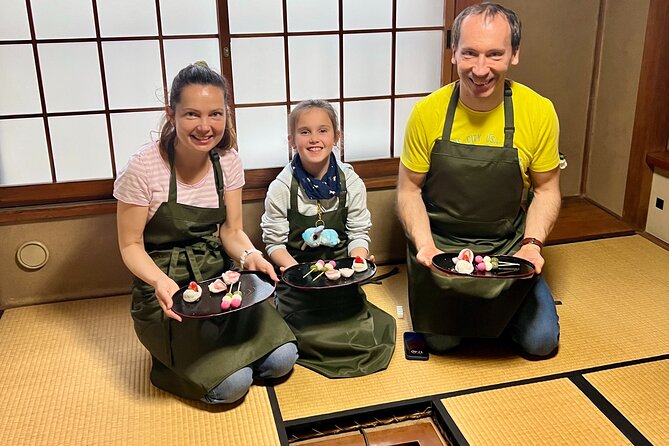
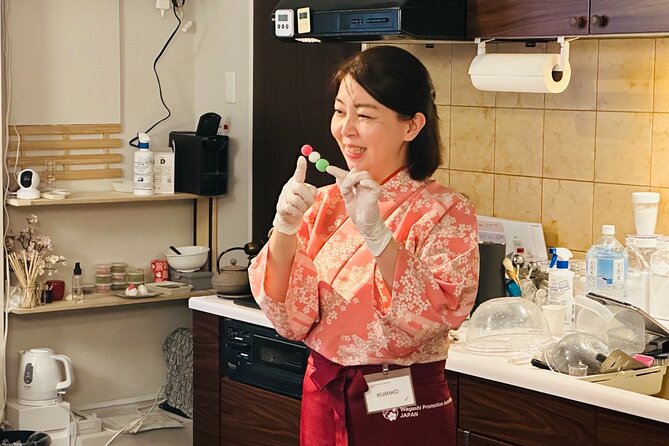
Sakura’s mochi class gives you more than a sweet snack. You enter a Japanese home in Sangenjaya, learn to shape fruit daifuku and dango by hand, and sit down with your own work over tea. Her dog, Choco, may be part of the welcome too. I like the small class size, which allows patient, individual help, and the cultural explanation that shows why mochi matters beyond its chewy texture.
I also like that you make the sweets yourself instead of watching a demonstration and posing for a photo. The price is $79.28 per person, fair for two hours of instruction, food, tea, and a personal setting, though the home venue has stairs and a dog, so it may not suit anyone with dog allergies or trouble climbing to a second floor.
Key points before you book
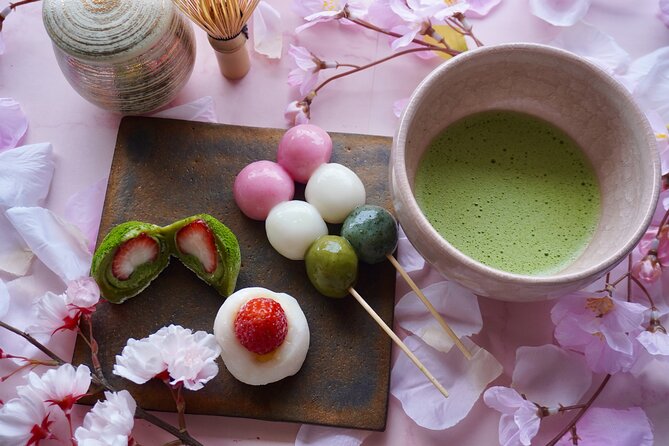
- Make fruit daifuku and dango by hand: You take part in the shaping and cooking rather than simply watching.
- Meet Sakura in her Sangenjaya home: The setting gives you a look at everyday Tokyo life near Shibuya.
- Learn the cultural side of mochi: Sakura explains when Japanese people eat these sweets and why they matter.
- Enjoy your own work with tea: Japanese green tea, matcha, or decaffeinated black tea is provided.
- Good for children and families: Sakura has taught children gently and patiently, and the class welcomes up to eight people.
- Take leftovers with you: A take-out bag lets you save sweets for later, assuming you have not eaten them all at the table.
What this Sangenjaya mochi class is really like

The appeal begins at the front door. Instead of meeting at a cooking school designed for tourists, you go to Sakura’s home at 1-chōme-11-13 Sangenjaya in Setagaya City. Sangenjaya is a local Tokyo neighborhood near the Shibuya area, with residential streets that make a pleasant change from the city’s bigger commercial zones.
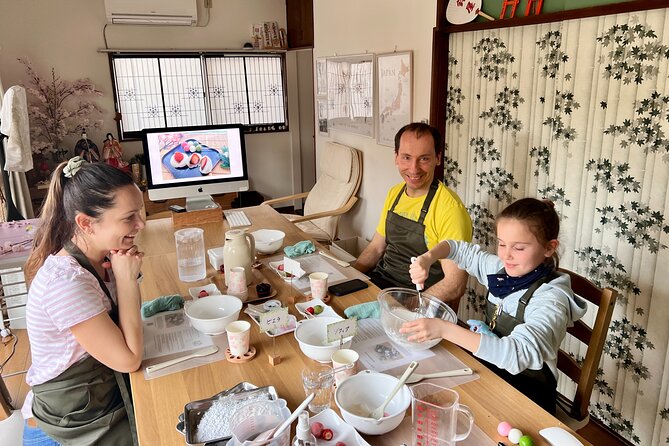
That setting matters. You are not only learning a recipe. You are sitting in someone’s home, hearing how a Japanese person thinks about traditional sweets, and seeing a quieter side of Tokyo. The class has a social feel, but it is not a loud group event. With a maximum of eight people, Sakura can watch what you are doing and step in when your dough, filling, or shaping needs help.
The class runs for about two hours. That is long enough to explain the food, complete the hands-on work, eat what you make, and still leave room for conversation. It is short enough to fit into a busy Tokyo day, perhaps before an afternoon around Shibuya or after exploring Sangenjaya.
More Craft Workshops in Tokyo
- Tokyo Sumo Experience: Chanko & Mochi with a Former Pro
★ 4.8 · 567 reviews - Kintsugi Experience: Art of Golden Joinery in Tokyo
★ 5.0 · 467 reviews - Tokyo Chopstick Making Workshop with Artisan
★ 5.0 · 466 reviews
Entering a Japanese home near Shibuya
The meeting point is in Sangenjaya, in Setagaya City. You finish at the same place, so there is no need to arrange a separate return transfer. Private transportation is not included, but the location is near public transportation.
Give yourself enough time to find the address. A home-based activity does not have the large sign or obvious reception desk you might expect at a commercial attraction. The neighborhood itself is part of the experience, and you can explore its streets before or after class.
The home is on the second floor, reached by stairs. This is an important practical detail for anyone with limited mobility. The house also has a dog, named Choco or Chico in different descriptions, so this is not a good choice if you have a dog allergy. Service animals are allowed, but you should still consider the presence of the household pet.
Aprons are available to rent. You will also receive a take-out bag, useful if you want to save your sweets for later. Bottled water, soda, alcohol, and brunch are not included, so do not book this expecting a full meal.
Sakura’s introduction to mochi culture
Sakura begins with context before you start handling ingredients. She explains the place mochi holds in Japanese culture and the occasions when people eat it. That short lesson gives the cooking more meaning. You start to see mochi not as one single dessert, but as a family of foods tied to festivals, celebrations, seasonal customs, and everyday treats.
The cultural section has also worked well for people who already live in Japan. Sakura has explained mochi to Japanese participants and to colleagues from Singapore, Korea, and Australia, adjusting her teaching so the class works for beginners from different backgrounds.
Her experience helps here. She has taught more than 1,000 people from more than 35 countries and has been invited to Switzerland as a guest instructor. You do not need prior cooking skills or a strong knowledge of Japanese food. The class is designed around doing each step with guidance.
Expect the teaching to be friendly rather than formal. Sakura has raised two children and is used to showing young learners how to work carefully without making them feel rushed. That is one reason this class suits families with children, teenagers, and adults in the same group.
Making fruit daifuku by hand
Fruit daifuku is one of the main sweets you make. The soft outer layer surrounds a filling and fruit, creating the contrast that makes daifuku so enjoyable: tender, stretchy mochi around a sweet, juicy center.
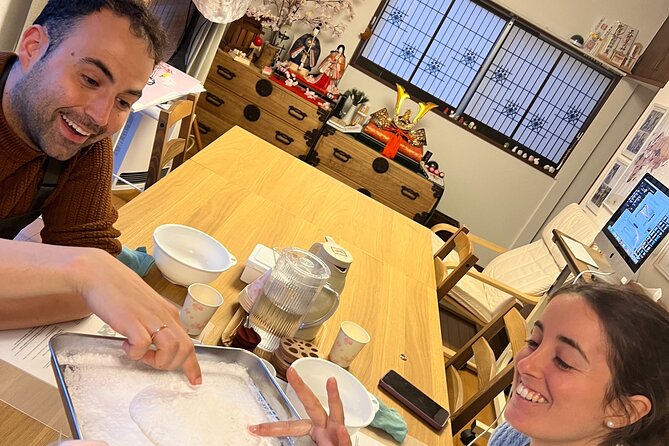
The key pleasure is the shaping. Mochi can be sticky and less cooperative than it looks, especially on a first attempt. Sakura guides you through the process, showing how to handle the dough and close it around the filling. You get to make the sweets yourself, rather than receiving a finished piece from an instructor.
Some sessions have included two types of daifuku, including strawberry daifuku. The exact selection may vary, but the central idea remains the same: you learn a traditional Japanese sweet using ingredients that can be found outside Japan. That makes the class more useful after your trip, since you can try the recipes again at home instead of treating them as a one-time souvenir.
The finished sweets are eaten during the class with tea. A take-out bag is provided for any leftovers. Families should not count on having much left, though. Children often find the final tasting as exciting as the cooking.
More Sweets & Dessert Tours in Tokyo
- Matcha Making Class in Tokyo with Authentic Japanese Sweets Set
★ 5.0 · 744 reviews - Tokyo: Matcha Making Experience with Mochi Sweets in Asakusa
★ 4.9 · 388 reviews - Make Traditional Nerikiri Sweets & Matcha experience in Shibuya
★ 5.0 · 130 reviews - Japanese Traditional Sweets making and Tea Ceremony
★ 4.7 · 50 reviews
Shaping dango and learning a second texture
Dango gives you a different lesson in Japanese sweets. While daifuku has a soft outer layer around a filling, dango is formed into small round pieces. You shape the mixture, cook it, and enjoy it with the toppings or preparation used in the class.
This is a good pairing for a two-hour lesson. You are not repeating one technique all afternoon. Instead, you compare two familiar Japanese sweets and learn how their textures and uses differ. One class description also includes two types of dango, so you may work with several versions during the session.
The work is accessible for children, but it still gives adults something to focus on. The repetitive shaping is calm and social, and Sakura can correct small mistakes before they become frustrating. If you enjoy cooking classes that leave you with a skill to practice later, this part adds real value.
The class has also been used as a team-building activity for colleagues from different countries. That makes sense: the tasks are hands-on, easy to share, and not dependent on advanced cooking ability. You can talk while you work, then compare the sweets at the end.
Green tea, matcha, and the final tasting
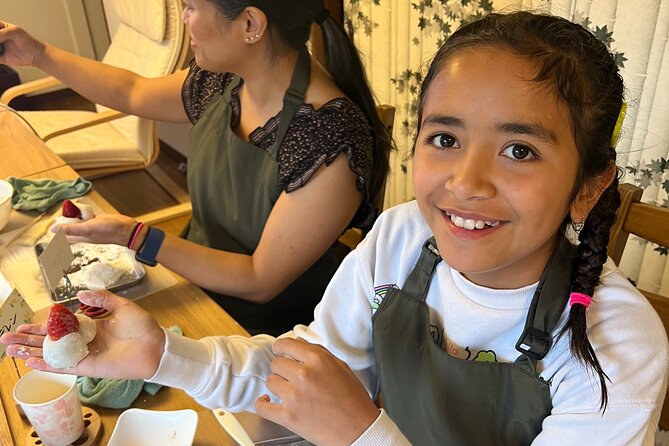
After the cooking, you sit down and eat what you made. Japanese green tea or matcha is served, and decaffeinated black tea is available if you avoid caffeine. This closing tea break slows the pace and turns the lesson into a small meal and conversation.
The tea is not just a drink added to the ticket. It helps you understand how Japanese sweets are often enjoyed. The slight bitterness of tea balances the sweetness of daifuku and dango, and the tasting gives you a chance to compare your own results.
Matcha is available, but you do not have to choose it. If you prefer ordinary tea or cannot have caffeine, tell Sakura and ask for the decaffeinated option. Bottled water is not included, so carry your own if you want water during the class.
The home atmosphere also makes this final part feel personal. You may chat with Sakura about Japan, cooking, or her experience teaching people from around the world. Her English is described as good, so communication should be manageable for English-speaking participants.
Why the $79.28 price can make sense
At $79.28 per person, this is not the cheapest way to eat mochi in Tokyo. You can buy daifuku and dango at shops for far less. The price is paying for instruction, ingredients, tea, time in a private home, and the chance to make several sweets yourself.
I consider the value strongest for families and small groups. A family of four can turn two hours into a shared activity that works for both adults and children. Couples may also prefer this to another observation-based sightseeing stop, especially if they want something relaxed and creative.
The maximum group size is eight, and group discounts are available. Since the discount amount is not specified, check the final booking price for your party rather than assuming a set reduction. A smaller group can also make the class feel more personal, since Sakura has time to guide each person.
The value is less clear if you only want to taste Japanese sweets or if you dislike cooking. You will spend much of the two hours handling ingredients, shaping food, and following instructions. For a quick food stop, a shop or café is cheaper and easier. For a cultural activity you can remember and repeat at home, the class earns its price more convincingly.
Who should take this class
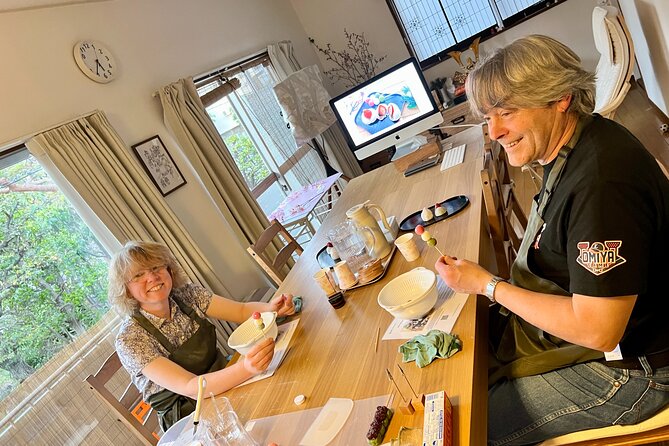
I would put this near the top of the list for families. Children around eight or nine have enjoyed the activity, and older teenagers can take part without finding it childish. Sakura’s calm teaching style helps when a child needs extra time or a little reassurance.
It also works for couples, friends, solo participants, and work groups. The maximum of eight keeps the room from becoming unwieldy, and the tasks give everyone something to do. If you are traveling alone, the home setting provides a natural way to meet a few other people without committing to a large food tour.
Mochi fans will get the most from it, but you do not need to be an expert. The class covers the basics and explains the cultural meaning along the way. It is also a useful choice if you want to take home a skill rather than another packaged souvenir.
You may want to skip it if you have a dog allergy, cannot climb stairs to a second-floor home, or want a fully private commercial kitchen. The presence of a dog is part of the setting, not an occasional possibility to ignore.
Planning the class around your Tokyo day
The activity begins and ends at the Sangenjaya meeting point. Since no private transportation is included, plan your route to the address before leaving. The location is near public transportation and close enough to the Shibuya area to combine with other plans, but this is not a hotel pick-up service.
A useful approach is to leave space before the class. Arriving early lets you get oriented in the neighborhood instead of rushing from a major Tokyo sight. Afterward, you can continue exploring Sangenjaya or head back toward Shibuya.
The class lasts about two hours, but allow extra time for getting there and finding the home. Confirmation is sent within 48 hours of booking, subject to availability. Since the activity requires a minimum number of participants, it can be canceled if that minimum is not met. In that case, you are offered another date or experience, or a full refund.
Free cancellation is available up to 24 hours before the start time. Changes or cancellations made less than 24 hours ahead are not accepted for a refund. If poor weather causes the class to be canceled, you are offered another date or a full refund.
Should you book Sakura’s mochi class?
Book it if you want a hands-on food activity with a personal Tokyo setting. The strongest reasons are Sakura’s patient instruction, the chance to make both fruit daifuku and dango, and the cultural explanation that gives the sweets a place in Japanese life.
I would especially recommend it for families, first-time visitors who want a local neighborhood experience, and anyone who likes leaving a class with something they can recreate at home. The take-out bag, tea service, and small group make the $79.28 price easier to justify.
Skip it if you only want a quick tasting, need a wheelchair-accessible venue, or have a dog allergy. For everyone else, this is a warm, practical way to spend two hours near Shibuya, with sweets you make yourself and a host who knows how to teach.
FAQ
Where does the mochi-making class take place?
The class takes place at Sakura’s home at 1-chōme-11-13 Sangenjaya, Setagaya City, Tokyo 154-0024, Japan. The activity ends back at the same meeting point.
How long does the class last?
The class lasts approximately two hours.
What sweets will I make?
You will learn to make fruit daifuku and dango by hand. Some class sessions include two types of daifuku and two types of dango.
Is tea included?
Yes. Japanese green tea or matcha is provided. Decaffeinated black tea is available if you do not want caffeine.
Is the class suitable for children?
Yes. Sakura teaches children gently and has experience helping young participants. The activity has been enjoyed by children, teenagers, and adults.
Are there any important venue restrictions?
The home is on the second floor and requires climbing stairs. A dog lives in the house, so the class is not recommended for anyone with a dog allergy.
Just added around Tokyo
- Kawagoe Japanese Food Tour : Unagi Kaiseki and Sake near Tokyo★ 5.0 · 30 reviews
- Kawagoe 4hr Private Tour with Licensed Guide (Kawagoe Dep)★ 5.0 · 13 reviews
- Little EDO Sushi Making workshop in Kawagoe★ 5.0 · 18 reviews
- 【R34】Tokyo:Private Daikoku tour in Modified R34★ 4.9 · 92 reviews
- :Tokyo,Shibuya/ Pro Photography in Kimono / English-Friendly★ 5.0 · 26 reviews
- Tokyo:Celebrate Unique Japanese New Year Tradition Festivity★ 3.9 · 20 reviews
- Tokyo: Allstar Food Tour★ 4.7 · 29 reviews
- Tokyo: West-Side Cycling and Food Tour with Guide★ 5.0 · 37 reviews
Traditional Crafts, compared.
Tokyo Sumo Experience: Chanko & Mochi with a Former Pro
Our verdict →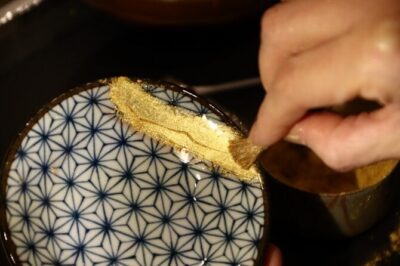
Kintsugi Experience: Art of Golden Joinery in Tokyo
Our verdict →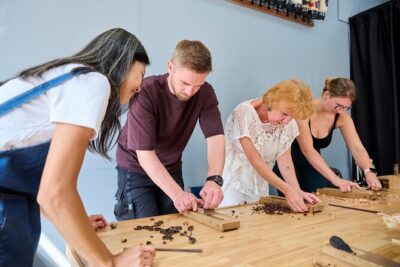

Matcha Making Experience with Mochi Sweets in Asakusa
Our verdict →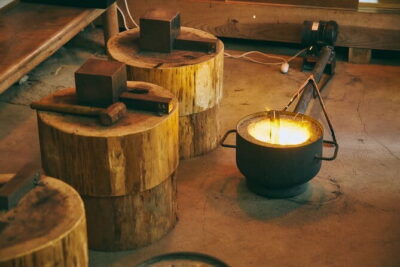
Authentic knife making experience at a blacksmith in Kyoto
Our verdict →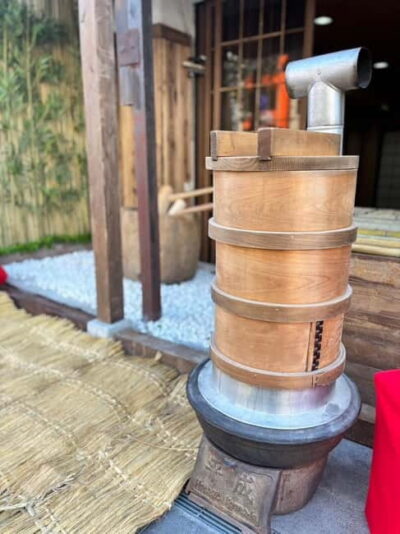
Roketsu dyeing experience: M course Roketsu Dyeing Experience
Our verdict →Browse the lists this tour appears in