
Reviewed · HISTORICAL TOURS
Hiroshima: History and Hidden Gems Tour
Hiroshima’s most important sights are easy to find, but their meaning is harder to grasp without context. This walking tour connects the Peace Memorial Museum and park with the Atomic Bomb Dome, memorials, Hiroshima Castle, and Shukkeien Garden, giving you both the painful story of 1945 and a wider view of the city today.
I like the way guide Awais builds the route around questions and conversation rather than a fixed speech. I also like the practical flexibility: he has adjusted the museum time, changed the route for people who had already visited certain sites, offered taxi options, and sheltered people during heavy rain. The main drawback is simple: three hours can feel short for so much ground, and several people found the tour ran longer.
- Awais leads in clear English, with a strong focus on Hiroshima’s wartime history and present-day culture.
- The route links major memorials, including the Children’s Peace Monument, Aioi Bridge, Korean Atomic Bomb Victims Cenotaph, and Atomic Bomb Dome.
- The museum visit comes first, helping you understand the memorial park before seeing its individual monuments.
- Shukkeien Garden adds a quieter historical counterpoint to the difficult subject matter of the Peace Park.
- Expect a lot of walking, with the pace adjusted when needed.
- The $57 price offers good value if you want explanations, route planning, and local recommendations rather than a simple list of sights.
A serious start at the Peace Memorial Museum
The tour begins at Hiroshima Peace Memorial Museum, an appropriate place to start a visit that deals directly with the atomic bombing and its human cost. The museum presents personal accounts, photographs, objects, and survivor testimony. It is not light sightseeing, and you should allow yourself some quiet time afterward.
Awais guides you through the visit and can help you focus on the main sections if your schedule is tight. That matters because the museum can absorb far more than the time available on a three-hour walk. Some people have shortened their museum visit so they could see more of the outdoor memorials, while others have needed additional time inside.
I would not book this experience expecting a quick photo stop. The subject matter is difficult, and the museum asks for attention. The benefit of beginning here is that the monuments outside become easier to understand. Instead of seeing the Peace Park as a collection of symbolic structures, you get a sense of the people and events behind them.
The activity description says the tour can skip the ticket line, but admission details are not fully clear in the listed inclusions. One person reported that museum and garden entry were covered, while the official information specifically names the guide and historical tour. I would confirm admission arrangements before booking if your budget depends on tickets being included.
Walking the Peace Memorial Park
After the museum, the tour continues through Peace Memorial Park. This broad riverside area contains Hiroshima’s central memorials, and its open paths make it possible to move between them on foot without public transport.
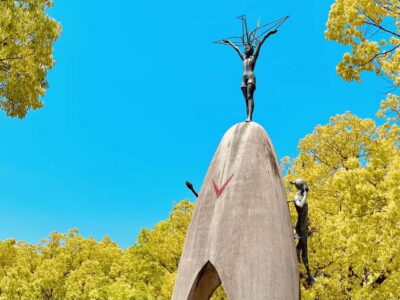
The route includes the Hiroshima National Peace Memorial, the Children’s Peace Monument, and the Atomic Bomb Memorial Burial Mound. Each location carries a different message. The Children’s Peace Monument is associated with the children affected by the bombing, while the burial mound recalls victims whose remains could not be identified or returned to families.
These are not places to rush. A guide adds value here because the meaning of a memorial is not always obvious from its design alone. Awais explains the connections between the sites and gives you room to look, ask questions, and take photographs.
The park is also where weather matters most. Much of the experience takes place outdoors, with little shelter between stops. Awais has adapted the route during heavy rain and found covered places when possible, but you should still bring comfortable shoes, a hat, sunscreen, and clothing suited to the forecast.
More Historical Tours in Hiroshima
- Hiroshima Historical Walking Tour – Why A-Bomb was Dropped
★ 4.8 · 893 reviews - Hiroshima Peace (Heiwa) Walking Tour at World Heritage Sites
★ 5.0 · 872 reviews - Miyajima Half-day Trip Historical Walking Tour
★ 5.0 · 284 reviews
The memorials that reward a slower pace
The route includes several smaller stops that can easily be missed when you explore alone. The Korean Atomic Bomb Victims Cenotaph, for example, adds an important perspective to the story of the bombing and its victims. The tour also passes Aioi Bridge, a key point in the city’s memorial geography.
The Atomic Bomb Memorial Burial Mound appears among the stops as well. Seeing it with an explanation helps connect the large public story to the practical and personal problems left behind after the bombing. Hiroshima’s memorial sites are not all grand structures. Some are quiet, modest, and easy to pass without noticing.
That is one of the strongest reasons to take this tour early in your Hiroshima stay. You will likely see the main memorials on your own, but an informed route helps you notice the smaller markers and understand why they matter.
Awais also encourages questions. This is useful when you want to discuss the war, the bombing, postwar reconstruction, or how Hiroshima presents its past today. His clear English has been particularly helpful for people who wanted detailed answers rather than a short prepared explanation.
The Atomic Bomb Dome and the shape of memory
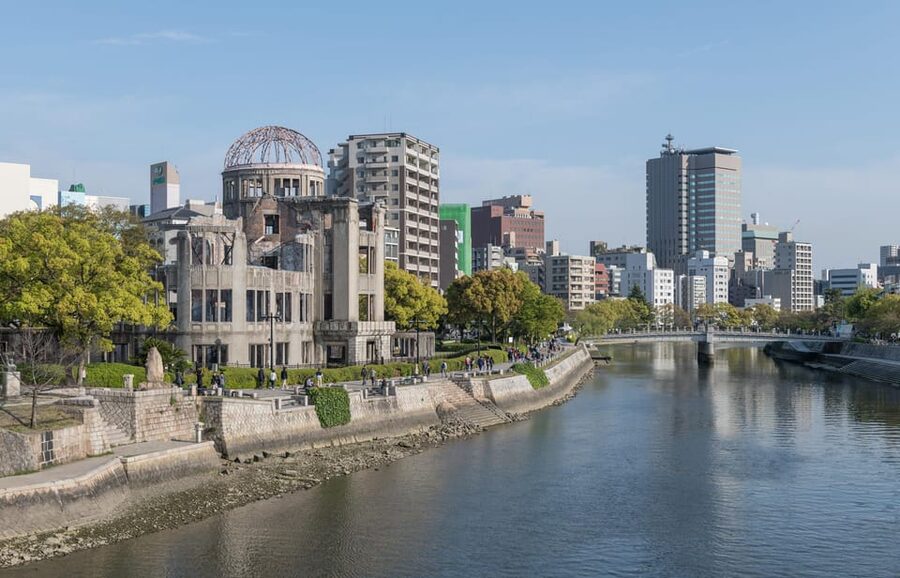
The Atomic Bomb Dome is among Hiroshima’s most familiar sights, yet it can be hard to process when viewed without background. The building survived near the center of the explosion, while much of the surrounding city was destroyed. Today, its exposed structure serves as a visible reminder of the devastation.
The tour places the Dome within the larger story of the Peace Park rather than treating it as an isolated landmark. You will have time to look at its remaining walls and frame, take photographs, and hear why it was preserved.
This stop is visually striking, but the tour’s value lies less in the photograph than in the explanation. The building’s appearance can make the bombing feel abstract if you only stop for a minute. Awais gives the site a human and historical setting, while keeping the discussion respectful and nonpartisan.
You should expect the tone to remain serious through much of this section. The experience is not designed as entertainment, though there is room for friendly conversation between stops.
Hiroshima Castle adds another chapter
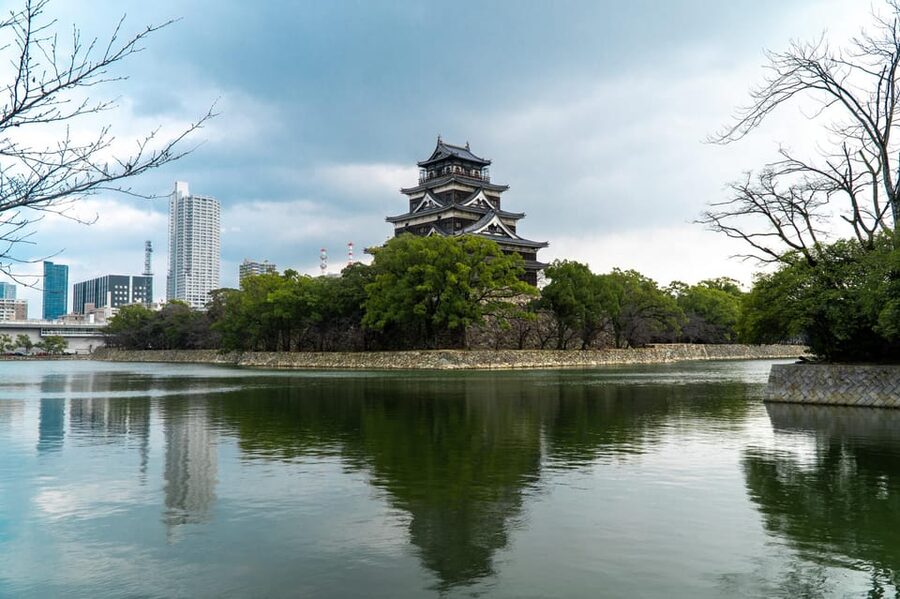
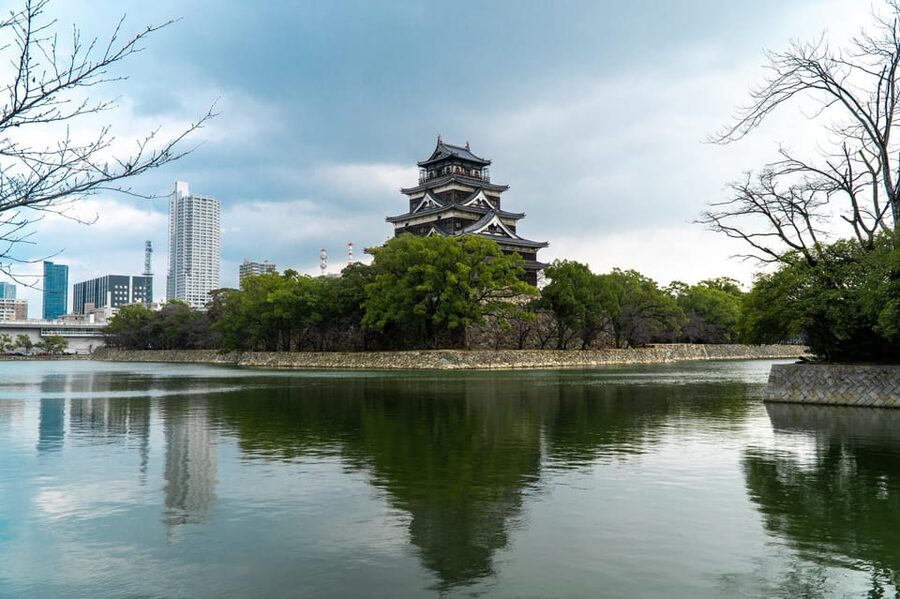
The walk then moves away from the Peace Park toward Hiroshima Castle, one of the city’s best-known historical landmarks. This change of subject is useful. Hiroshima is not only a city defined by 1945, and the castle helps place the modern city within a much longer story.
The castle area offers a look at traditional Japanese architecture and the city’s earlier political and military history. Depending on timing, you may go inside rather than simply wait outside. The supplied information describes the interior as a place to view important works, but the exact amount of time available depends on how long you spend at the museum and memorials.
This is where the three-hour schedule becomes a real consideration. If the museum visit is slow and thoughtful, the castle portion may need to be brief. If you have already seen the museum, Awais can use that time to give more attention to the castle, garden, or smaller memorial sites.
Some people have arranged a longer visit than the advertised three hours, and one person received extra time for the castle and Shukkeien Garden. Do not assume that extension is guaranteed. If you have a train, restaurant booking, or ferry connection, leave a buffer after the stated finish time.
More Hidden Gems Tours in Hiroshima:
- Hiroshima: Hidden Gems and Highlights Private Walking Tour
★ 4.8 · 27 reviews - Hiroshima Private Tour with a Local – Highlights & Hidden Gems
★ 4.5 · 24 reviews - Kyoto Geisha Walking Tour: Gion District & Hidden Gems
★ 4.7 · 3,273 reviews - Private Kyoto Tour with a Local, Highlights & Hidden Gems, Personalised
★ 5.0 · 1,543 reviews
Shukkeien Garden brings a quieter finish
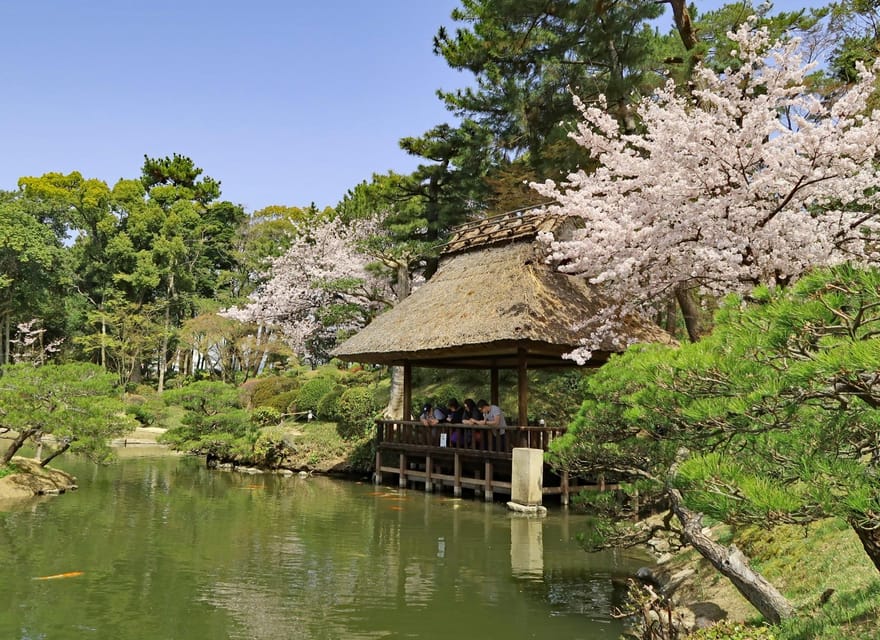
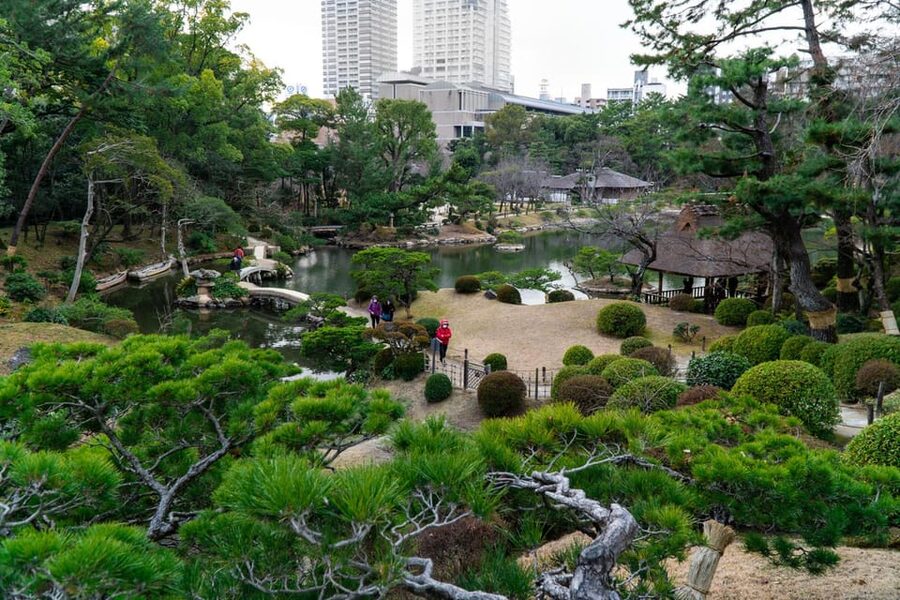
Shukkeien Garden is one of the most appealing parts of the route for people who want a change of pace. Dating to the 16th century, it offers ponds, paths, carefully arranged plantings, and traditional garden design. After the direct and painful material of the Peace Museum, its calmer setting gives you space to think.
The garden also broadens your picture of Hiroshima. It shows an older Japanese aesthetic and a part of the city that is not centered on wartime memory. The guide explains the garden’s past and points out features you might otherwise walk past without understanding.
I would pay close attention to the timing here. The garden is listed as a drop-off point, along with the Peace Memorial Museum, but the amount of time spent inside can vary. If Shukkeien is a priority, tell Awais at the beginning. Several people found the garden especially memorable, while others used the flexible route to focus more on the Peace Park.
The garden is also a good place to continue independently after the guided portion. If the official three hours have passed, you can arrange your own time there, provided your admission and closing-time plans are clear.
What Awais does well as a guide
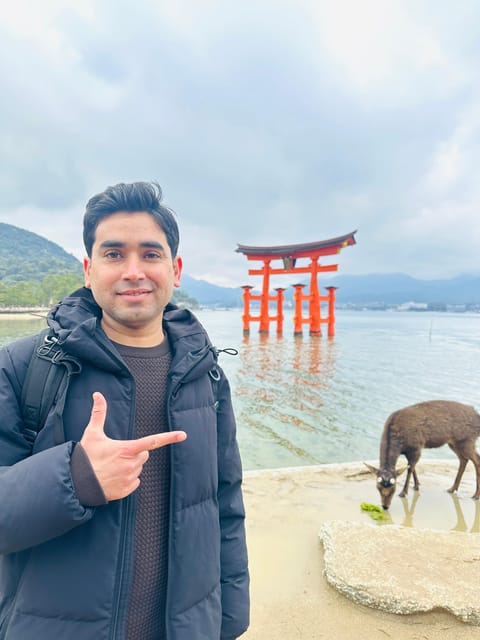
Awais is the central reason this experience feels more personal than a standard sightseeing walk. He explains difficult history in fluent, clear English and adjusts the amount of detail to the group. People have described him as patient, kind, cheerful, and attentive to walking pace.
His academic background in the area has also helped him explain the impact of the Peace Park with more depth. That does not mean you need a history degree to enjoy the tour. His approach appears suited to curious visitors who want to ask questions without feeling rushed.
The practical care is worth noting. During bad weather, he has tried to keep people under cover. He has offered his umbrella, suggested a taxi when walking became uncomfortable, and adapted the route for people with limited time or mobility concerns. The activity is marked wheelchair accessible, although the route’s outdoor walking distance still makes it sensible to discuss your needs before starting.
You may also receive suggestions for the rest of your stay in Hiroshima. These recommendations can be useful because the guide has a local sense of how to fill the hours after the memorial tour. Treat them as added help, not as part of the formal three-hour program.
Walking distance, weather, and timing
This is a walking tour, not a coach excursion. You will move between the museum, memorials, bridge, Dome, castle area, and garden. Comfortable shoes are essential, and you should expect the experience to feel more tiring in summer heat or rain.
The pace is generally adjustable. If you need a break, say so. The guide has accommodated slower walking and changed the balance between indoor and outdoor stops. Still, flexibility cannot remove the distance between the main areas, so anyone with limited stamina should ask about using a taxi for part of the route.
The tour has a stated duration of three hours, but the actual timing may vary. People have spent longer when conversations continued, when the group wanted more time at the museum, or when the guide added stops. I would avoid placing an important reservation immediately afterward.
An early start can be useful. You get the serious sights done before the rest of the day, and Awais can then suggest what to do next. Starting earlier may also help with museum queues, though the tour promises line-skipping rather than a guaranteed quiet visit.
Is $57 good value?
At $57 per person, this is not the cheapest way to walk through Hiroshima, since you can reach the public memorials without a guide. The value comes from the interpretation, route planning, English explanations, and ability to adjust the experience around your interests.
The price makes the most sense if Hiroshima is new to you and you want to understand the memorials rather than simply photograph them. It is also useful if you have only one day in the city and want an efficient introduction before exploring on your own.
The value is weaker for someone who has already spent serious time in the Peace Museum and studied Hiroshima’s history. In that case, you might prefer an independent visit to Shukkeien Garden or Hiroshima Castle. You should also clarify admission costs, since the published inclusions do not clearly list museum or garden tickets.
Free cancellation up to 24 hours before the activity and the option to reserve now and pay later make the booking less restrictive. Those policies are handy in a city where rain can change how enjoyable a long outdoor walk feels.
Who should book this Hiroshima walking tour?
I would choose this experience if you want a thoughtful first look at Hiroshima, prefer walking to a bus tour, and appreciate a guide who can answer questions. It suits couples, solo visitors, families with older children, and small groups with different interests.
It is especially useful for people who want both sides of the city: the Peace Park and its painful history, followed by the castle and Shukkeien Garden. That contrast gives the day more balance.
I would think twice if you dislike museums, find discussions of wartime suffering too difficult, or have a tight schedule after the tour. You should also be ready for outdoor walking and possible timing changes.
FAQ
Where does the Hiroshima tour begin?
The listed starting point is the Hiroshima Peace Memorial Museum. You can also request a different meeting point.
How long does the activity last?
The stated duration is three hours. The actual experience can run longer if you spend extra time at sites or continue conversations with the guide.
Which language is the tour offered in?
The tour is offered in English with a live English-speaking guide.
Does the tour visit the Peace Memorial Museum?
Yes. The museum is the starting point and includes a guided or self-guided visit as part of the route.
Which memorial sites are included?
The route includes Peace Memorial Park, Hiroshima National Peace Memorial, Children’s Peace Monument, Atomic Bomb Memorial Burial Mound, Aioi Bridge, Korean Atomic Bomb Victims Cenotaph, and the Atomic Bomb Dome.
Does the tour visit Hiroshima Castle and Shukkeien Garden?
Yes. Hiroshima Castle and Shukkeien Garden are part of the planned experience, with Shukkeien Garden listed as one of the possible drop-off locations.
What should I bring?
Bring comfortable shoes, a hat, sunscreen, and clothing suited to the weather. Expect plenty of walking and outdoor time.
Should you book it?
Book this tour if you want Hiroshima explained as a living city, not just a series of memorials. Awais brings clear English, patience, and useful flexibility to a difficult subject, while the castle and Shukkeien Garden keep the experience from feeling one-note. At $57, it is a fair choice for a first visit, provided you allow extra time and confirm which admission fees are included.
Just added around Hiroshima
- Full Day Hiroshima and Miyajima Tour by Bullet Train from Kyoto★ 4.5 · 120 reviews
- Hiroshima Saijo Sake Tasting Tour with visit to 7 Breweries★ 5.0 · 104 reviews
- The Peace Memorial to Miyajima : Icons of Peace and Beauty★ 4.5 · 31 reviews
- Shore Excursion from Hiroshima Port : Private Tour in Hiroshima★ 5.0 · 17 reviews
- Private Full Day Hiroshima Tour★ 4.5 · 29 reviews
- Okunoshima Rabbit Island Cycling Tour with Local Guide★ 4.5 · 17 reviews
- Hiroshima & Miyajima All-Inclusive Tour w/Licensed guide Pancho★ 5.0 · 54 reviews
- Hiroshima Private Tour with a Local – Highlights & Hidden Gems★ 4.5 · 24 reviews
Historical Tours, compared.
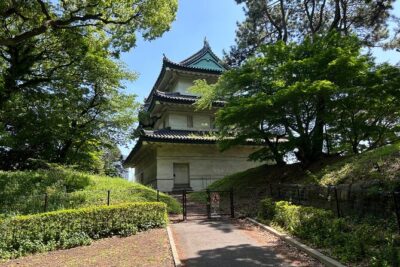
Imperial Palace and Shogun Historical Walking Tour
Our verdict →
World Heritage Kyoto & Nara Uji Authentic Matcha Experience
Our verdict →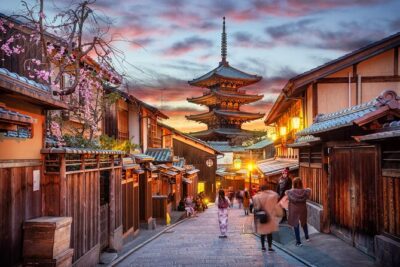
Kyoto Gion: 2-Hour Geisha Culture & History Walking Tour
Our verdict →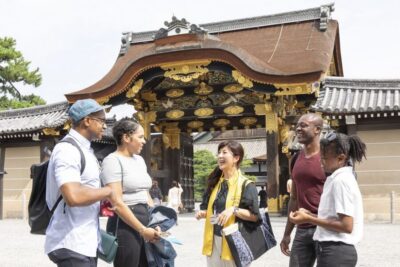
Hiroshima Historical Walking Tour – Why A-Bomb was Dropped
Our verdict →
Yanaka Walking Tour: Historic and Traditional District of Tokyo
Our verdict →
Shinjuku Historical Walking Tour & Secret Backstreets
Our verdict →
Mt. Fuji Heritage Tour: Traditional Villages, Lakes & Shrine
Our verdict →Browse the lists this tour appears in