
Reviewed · TEMPLES & SHRINES
Hiroshima & Miyajima: UNESCO A-Bomb Dome & Itsukushima
The most meaningful part of this private tour is the human view of Hiroshima. Guides such as Masa, Yuka, and Masayo are Hiroshima locals, and some share family stories connected to the atomic bombing. You see the famous sights, but you also hear how memory, loss, and recovery remain part of everyday life.
I like the private, adjustable pace, especially for families, older visitors, and anyone who wants time for questions. I also like the mix of Miyajima’s shrines, temples, deer, and food with Hiroshima’s difficult wartime history. The main drawback is the packed seven-hour schedule, which can feel rushed if you want a slow visit to both the island and the Peace Memorial Museum.
Key points to know before booking
- Family stories add a personal layer: Some Hiroshima-born guides have parents or other relatives connected to the bombing and its aftermath.
- Miyajima comes first: You visit Itsukushima Shrine, the floating torii gate, Daisho-in, Senjokaku Pavilion, and the shopping street.
- The route uses public transportation: Expect trains, ferries, trams, and walking. Transportation costs are extra.
- The afternoon is emotionally heavy: The Atomic Bomb Dome, hypocenter, Peace Memorial Park, Children’s Peace Monument, and museum require quiet attention.
- You can adjust the day: Tide times, weather, mobility, and personal interests can shape the order and pace.
- The value is in the guiding: At $177 per person, this is not the cheapest way to sightsee, but it removes much of the transport planning and gives you a local interpreter for difficult history.
Why this Hiroshima day works so well
Hiroshima is easiest to understand when you see both sides of the city. Miyajima offers sacred sites, mountain views, island food, and a slower rhythm. Hiroshima’s Peace Memorial area asks you to think about war, civilian suffering, and the work of remembering.
Trying to connect both places on your own in one day is possible, but you need to watch train and ferry times, understand which ticket covers which ride, and allow for walking between stops. A private guide takes care of that moving target while explaining what you are seeing.
The strongest part of the experience is the guide’s personal connection. Masa, who was born and raised in Hiroshima, has shared family memories about the bombing. Other guides, including Yuka and Masayo, are praised for careful planning, clear English, photography help, and attention to each person’s pace.
That personal element matters most at the Peace Memorial sites. A guide cannot make the museum easier emotionally, but a thoughtful local can help place the exhibits in context and give you room to ask questions. The tone is not only about destruction. It also includes recovery, family memory, local culture, and the city’s effort to pass its message to future generations.
More Temple & Shrine Tours in Hiroshima
- Hiroshima and Miyajima Day Trip with Itsukushima Shrine & Ferry
★ 5.0 · 378 reviews - Miyajima: Cultural Experience in Zen Temple
★ 5.0 · 258 reviews - Day Trip to Hiroshima & Miyajima with Itsukushima Shrine
★ 4.6 · 124 reviews
Miyajima by train, ferry, and foot
The day normally begins with a pickup at a central Hiroshima hotel, Hiroshima Station, the Peace Memorial Museum, or another listed meeting point. If your accommodation is elsewhere in central Hiroshima City, you can ask in advance about pickup.
You first take a train for about 40 minutes, followed by a ferry ride of about 15 minutes. Those transfers are part of the experience, not just a way to reach the next stop. The ferry gives you your first broad view of Miyajima and its famous torii gate, although the exact view depends on tide and weather.
Miyajima can be busy around the main shopping street, especially when several groups arrive at once. A private guide helps you move through the island without wasting time on basic navigation. The pace can also be adjusted if you are traveling with children, an older family member, or someone using a wheelchair.
Itsukushima Shrine and the floating torii gate
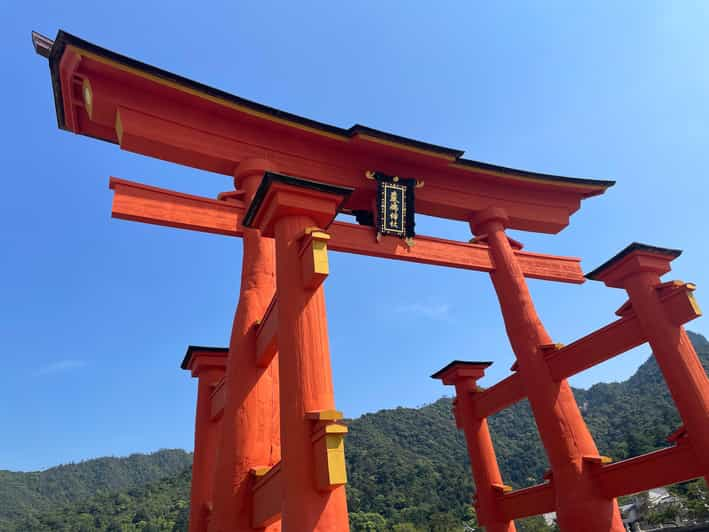
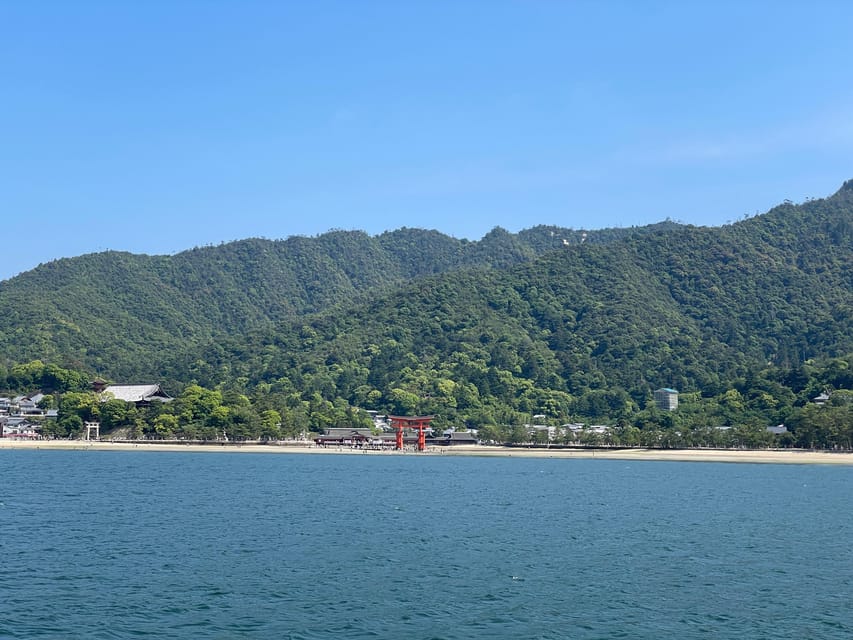
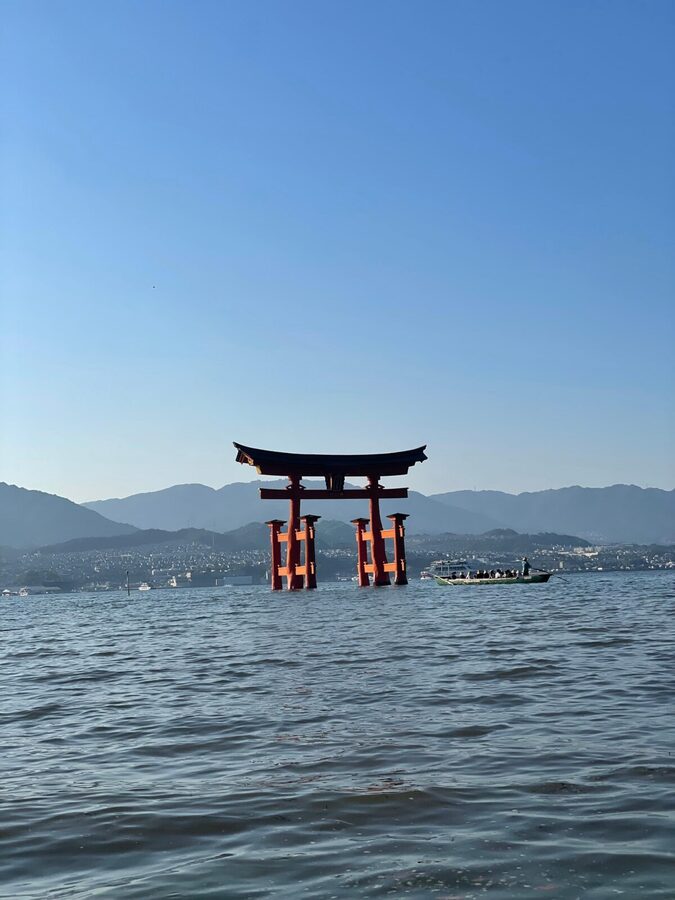
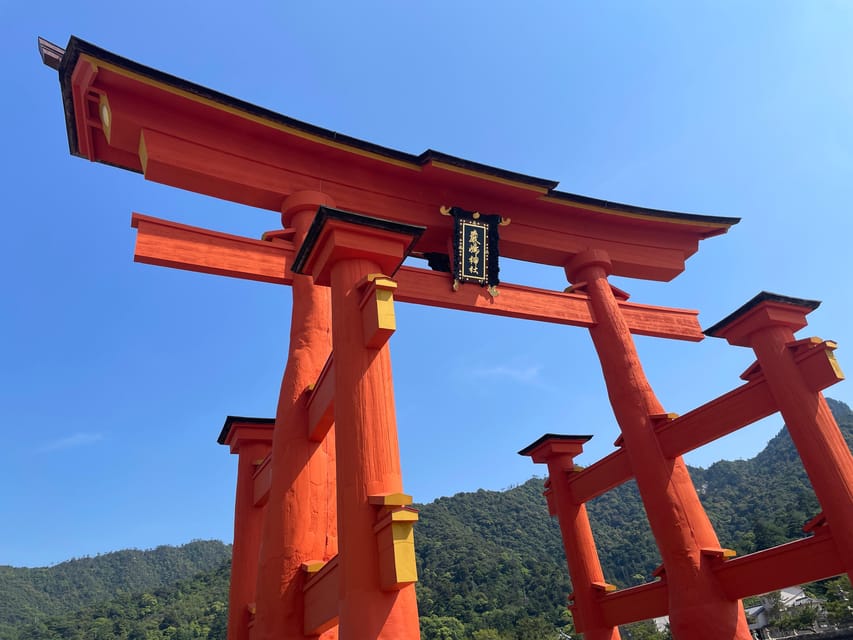
Itsukushima Shrine is the island’s main attraction and a UNESCO World Heritage Site. Its buildings sit beside the water, creating the view most people associate with Miyajima. The floating torii gate is the classic photo stop, but the tide controls how it looks.
At high tide, the gate appears to float offshore. At lower tide, you may see the exposed ground around it and get a different perspective. Your guide may change the order of the day to match the tide, which is one of the most useful benefits of booking a local person rather than following a fixed group schedule.
The shrine visit itself is fairly short in this seven-hour plan, around 20 minutes with some free time. That is enough to see the main features, but not enough for a long, unhurried study of every detail. If Itsukushima is your main reason for visiting Miyajima, tell the guide before the day begins so the schedule can favor it.
Daisho-in and the quieter side of Miyajima
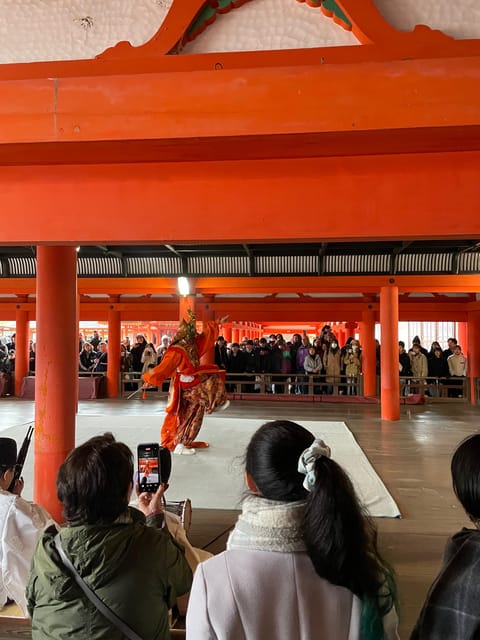
Daisho-in gives the island a different mood. This large Buddhist temple complex is associated with spiritual traditions and sits away from the most obvious waterfront views. The planned visit lasts about 30 minutes, with time for a guided look and photographs.
I would pay attention here rather than treating it as a quick stop between major sights. The guide can explain details of Japanese religious practice, temple features, and the relationship between the island’s Buddhist and Shinto sites.
The route also includes Senjokaku Pavilion, a brief photo stop and guided visit. The pavilion offers another angle on Miyajima’s religious and architectural character. You may not have time to linger, so comfortable shoes matter. This is a walking-heavy morning, with stairs and uneven surfaces possible around temple areas.
Wild deer are another part of the island experience. They are a familiar sight around Miyajima, but remember that they are animals, not photo props. Keep food and personal items secure, and follow local guidance.
More Peace Memorial Tours in Hiroshima:
- Hiroshima Historical Walking Tour – Why A-Bomb was Dropped
★ 4.8 · 893 reviews - Hiroshima: Miyajima Peace Memorial Icons of Peace and Beauty
★ 4.9 · 361 reviews - Hiroshima/Guided Virtual Tour of Peace Park/PEACE PARK TOUR VR
★ 5.0 · 157 reviews - Hiroshima: Peace Memorial Park and Atomic Bomb Dome Tour
★ 4.9 · 91 reviews
Food and shopping on Omotesando Street
The Omotesando shopping street gives you time to shift from sacred places to local food and small shops. The schedule allows about 30 minutes for a workshop or related activity, followed by roughly 90 minutes for lunch, street food, and shopping.
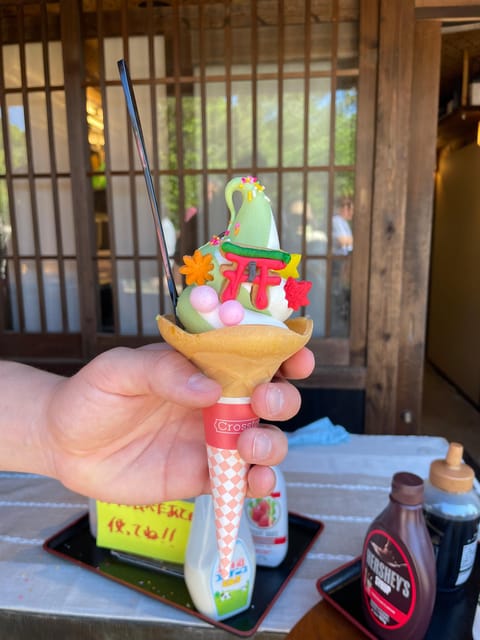
Food is not included, so plan to pay directly for your meal and drinks. This is a good chance to try local specialties. The day may include momiji manju, a small maple-leaf-shaped cake associated with Miyajima, as well as oysters and other regional dishes.
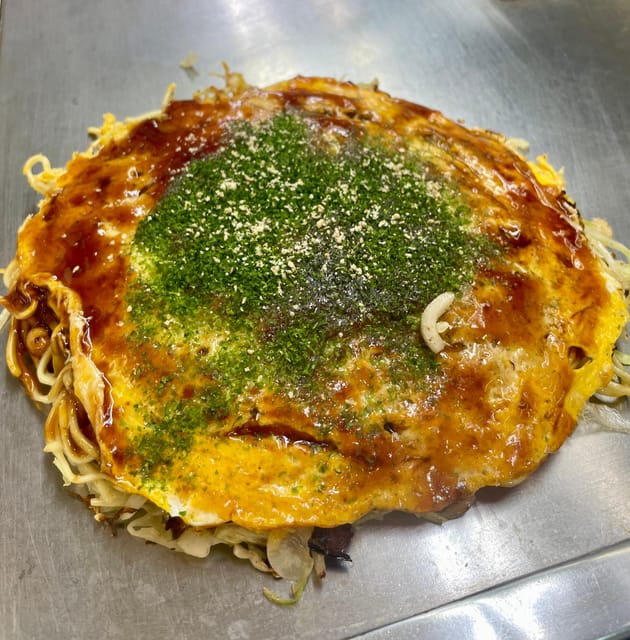
Hiroshima-style okonomiyaki is another strong choice, although the exact meal depends on where you eat and how the route develops. Guides have also helped with restaurant suggestions and, when needed, waited in line for a meal. That kind of practical help is useful when you have limited time and want to choose a place without guessing.
The optional workshop is not included either. Ask about the price before taking part. If you prefer food and quiet exploration, the guide can use this portion for shopping or a longer meal instead.
Returning to Hiroshima and seeing the city
After Miyajima, you return by ferry and then continue by tram or another public transportation option. The listed tram time is about 45 minutes, though the exact route depends on the day’s starting point and changes made for tides or personal preferences.
This is where the private format earns its keep. You are not locked into one transport choice. Some days use standard trains, ferries, and trams. In other cases, a taxi or faster boat may make sense, particularly for an older person or anyone who finds long walks difficult.
Transportation is not included in the $177 price. You are responsible for train, ferry, tram, bus, and taxi costs, as well as the visitor tax for Miyajima. Ask your guide early about the expected transport plan so you can budget properly.
The city portion may include Shukkei-en Garden, a calm historic garden with ponds and carefully arranged scenery. The scheduled visit is around 30 minutes. It provides a quiet pause before the more difficult memorial sites, though a short stop will not allow a full garden visit.
Hiroshima Castle is another possible stop. It is listed as a brief visit and photo stop, and the guide may add it when time allows or when you request it. One couple specifically arranged this addition, which shows how the private format can work for repeat visitors or anyone with a personal wish list.
The Atomic Bomb Dome and the hypocenter
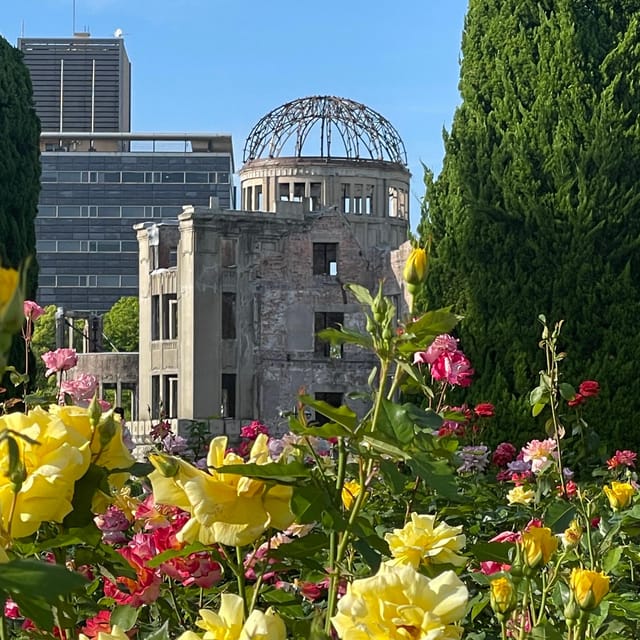
The Atomic Bomb Dome is a short photo and explanation stop, but its importance is far greater than the time suggests. The building survived the blast in damaged form and now serves as one of Hiroshima’s most recognizable memorials.
From there, the route can continue to the hypocenter, the location directly below the atomic bomb’s detonation. This is a modest, easy-to-miss city spot rather than a grand monument. That contrast can make it especially powerful. The site is part of an ordinary urban setting, yet it marks the center of an event that changed the city and the world.
Your guide’s role here is not simply to give dates. Guides can explain how the bombing affected families and how Hiroshima remembers it today. Some have direct family connections to survivors, which adds a personal voice, but the experience remains respectful rather than theatrical.
Peace Memorial Park and the Children’s Peace Monument
Peace Memorial Park gives you space to move between several memorials and reflect on what you have already seen. The route includes the Children’s Peace Monument, connected with the many young people affected by the bombing and its aftermath.
The park is open and walkable, but this part of the day can feel physically and emotionally tiring. You have already crossed the island, taken several forms of transportation, and visited multiple religious sites. Build in water and short pauses.
The guide can explain the memorials and answer questions, but you should not feel pressure to keep talking. A private tour is valuable here because you can say when you need a quiet moment or more time at one particular place.
The Peace Memorial Museum needs time and care
The Peace Memorial Museum is scheduled for about one hour and admission is included. You also receive skip-the-ticket-line access, which saves time on a tightly planned day.
The museum is intense. Exhibits address the bombing, its victims, physical suffering, and the long effects on survivors and families. I would not treat this as a quick attraction to check off. Even an hour can feel full, and some people may want to visit the museum alone after receiving an introduction from the guide.
A guide can accompany you through the museum, but crowded conditions may limit how much explanation is possible inside. If you want to read every display carefully, the full Miyajima and Hiroshima combination may not give you enough time. In that case, consider asking to shorten the island portion or arrange the museum as a separate visit.
The museum is closed from February 16 through February 21 for renewal, so check your date before booking. When it is closed, the outdoor memorial sites still offer a serious and worthwhile visit, but the day will not include the museum experience described here.
What $177 buys you
At $177 per person, this tour costs more than joining a basic shared excursion or arranging the route yourself. The price becomes easier to justify for a small private group, particularly when you value personal attention, flexible stops, and help with transport.
Included are a Hiroshima-born English or Japanese-speaking guide, pickup on foot, Peace Memorial Museum admission, Shukkei-en Garden admission, advance communication, and photography with the images provided as data.
You still pay for transportation, food, drinks, the Miyajima visitor tax, and optional workshops. The final cost therefore depends on how you travel and eat. A taxi or private boat can raise the total, but it may also save energy and protect time for the sites that matter most to you.
The strongest value is not the number of places covered. It is having someone adjust the day around tide times, weather, mobility, and your interests. That is especially useful if you have only one day in Hiroshima or are uncomfortable handling several transfers in an unfamiliar city.
Who should book this private day
I would choose this tour if you want a broad first look at Hiroshima and Miyajima without spending hours planning connections. It suits first-time visitors, families, older couples, and people who want a guide who can explain Japanese culture as well as wartime history.
It also works for repeat visitors. You can request places such as Hiroshima Castle, Fukuromachi Elementary School, or a less obvious memorial site if time allows and the guide agrees. The exact route is not guaranteed, but advance communication gives you a chance to shape the day.
The experience is wheelchair accessible with advance notice, though you should discuss your needs before booking. Public transportation and walking remain part of the plan, so ask about route changes if stairs, long distances, or crowded ferries are concerns.
This is not the best choice if you want a slow Miyajima day, a long mountain hike, or several hours alone in the museum. Seven hours is a lot to fit in. You will see more places, but each stop receives a limited amount of time.
Practical details that affect your day
The tour offers free cancellation up to 24 hours before departure and allows you to reserve now and pay later. Starting times depend on availability.
Pickup is on foot. Central Hiroshima hotels and several major stations and attractions are listed, but you should contact the provider if your accommodation is not included. Cruise passengers need to arrange their own taxi to and from the cruise port.
Wear comfortable shoes and bring water. The plan includes trains, ferries, trams, temple grounds, shopping streets, and city walking. Weather may affect the island views, while tides may change the order of stops.
If you have a cold, this activity is not considered suitable. Wheelchair users should notify the provider in advance so the route can be adjusted.
Should you book it?
Book this private tour if you want Hiroshima explained by someone who lives there, not just a sequence of famous sights. The combination of Miyajima’s spiritual places and Hiroshima’s memorial sites gives you a fuller sense of the region, while guides such as Masa, Yuka, and Masayo bring warmth, local detail, and family memory to the day.
Skip it if you prefer to spend a whole day at a single site, dislike public transportation, or need a leisurely pace at every stop. For most first-time visitors with only one day, though, the $177 price is fair if you value thoughtful guiding and an adaptable route. The day will be busy, but it can also become one of the most lasting parts of your Japan trip.
FAQ
How long does the tour last?
The experience lasts seven hours. The schedule includes train and ferry travel to Miyajima, island sightseeing, a return to Hiroshima, city landmarks, Peace Memorial Park, and the Peace Memorial Museum.
What places are included on Miyajima?
The route includes Miyajima Island, the floating Itsukushima torii gate, Itsukushima Shrine, Daisho-in, Senjokaku Pavilion, and Miyajima Omotesando Shopping Street.
Is transportation included in the price?
No. Train, ferry, tram, bus, and taxi fares are extra. You also pay the Miyajima visitor tax, food, drinks, and optional workshops.
Is the Peace Memorial Museum admission included?
Yes. Entry to the Peace Memorial Museum is included, along with entry to Shukkei-en Garden.
Can the itinerary be changed?
Yes. The private itinerary can be adjusted for your pace, interests, weather, tides, departure point, and mobility needs. Hiroshima Castle and other stops may be added when time allows.
Is the tour wheelchair accessible?
Yes, but you must notify the provider in advance. The day may use public transportation and include walking, so the route should be discussed before the tour.
Just added around Hiroshima
- Full Day Hiroshima and Miyajima Tour by Bullet Train from Kyoto★ 4.5 · 120 reviews
- Hiroshima Saijo Sake Tasting Tour with visit to 7 Breweries★ 5.0 · 104 reviews
- The Peace Memorial to Miyajima : Icons of Peace and Beauty★ 4.5 · 31 reviews
- Shore Excursion from Hiroshima Port : Private Tour in Hiroshima★ 5.0 · 17 reviews
- Okunoshima Rabbit Island Cycling Tour with Local Guide★ 4.5 · 17 reviews
- Hiroshima & Miyajima All-Inclusive Tour w/Licensed guide Pancho★ 5.0 · 54 reviews
- Private Full Day Hiroshima Tour★ 4.5 · 29 reviews
- Hiroshima Country Cycling: Explore Rural Life 1 HR from City★ 5.0 · 22 reviews
Temples & Shrines, compared.

Tea Ceremony in a Traditional Tea House in Kiyomizu
Our verdict →
Meiji Shrine, Asakusa, Skytree Bus Tour and Cruise
Our verdict →
Fushimi Inari Hidden Hiking Tour (Private Option Available)
Our verdict →
Osaka/Kyoto:Kinkakuji,Arashiyama,FushimiInariShrine,NaraPark
Our verdict →
Nikko: Kegon Falls, Lake Chuzenji & Toshogu Temple
Our verdict →
Kamakura & Enoshima Day Trip including Temple Tickets
Our verdict →Browse the lists this tour appears in