
Reviewed · CYCLING TOURS
Kyoto Shogun Cycling Tour
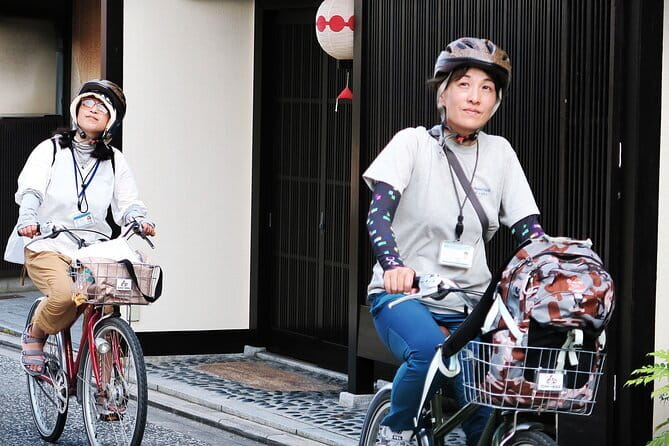
Kyoto’s shogun-era story makes more sense from a bicycle. This easy downhill route links the Golden Pavilion, Toji-in Temple, and Nijo Castle, so you get famous sights without spending the whole morning on buses. I especially like the small group size, limited to six people per guide, and the way the ride connects grand political sites with a quiet Zen temple.
I also like that rain does not automatically cancel the day. You can ride with a free poncho or switch to a walking tour using public transport. The main drawback is the price, $153.50 per person, and the firm rule that at least two people must book together.
Key points to know before you book
- Three major Kyoto sites in 3.5 hours: Kinkakuji, Toji-in Temple, and Nijo Castle each show a different side of shogun-era Japan.
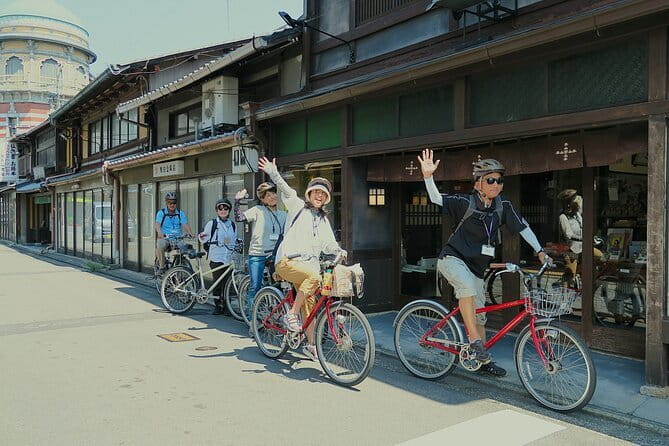
- A genuinely small private group: One guide handles two to six people, with an extra guide available for groups of seven to twelve.
- The route starts in northwest Kyoto: You meet near Wara Tenjin and finish at the Kyoto Station Cycle Terminal.
- Rain plans are practical: Ride in supplied rainwear or change to a walking tour using buses or the metro.
- Good guide support: Past tours have been led by Seiya, Makoto, Nozomi, Yasunobu Yagyu, Yutaka Kaneda, Kaz, and JJ.
- Age and size rules matter: Children must be at least 10 years old, 145 centimeters or taller, and able to ride safely on the road without help.
Why cycling works for Kyoto’s shogun story
Kyoto can feel spread out when you move between temples, palaces, and gardens by public transport. A bicycle gives you a useful middle ground. You cover more ground than on foot, yet you still pass through ordinary streets and see how the city changes from temple district to central Kyoto.
This is not a hard athletic ride. The route is described as easy and downhill, making it a reasonable choice for anyone comfortable riding a bicycle on city roads. You still need to control your bike safely and follow your guide, but you do not need the fitness of a long-distance cyclist.
The private format is a real advantage. With only your own group, the guide can set a pace that works for you and explain details without addressing a large crowd. A family can ask more questions, and a couple can keep the day moving if they prefer fewer stops.
The tradeoff is cost. At $153.50 per person, this is not a cheap way to get around Kyoto. You are paying for the bicycle, helmet, guide, admissions to the three main sites, and the convenience of a planned route. For two people, the price is easier to justify if you value personal guiding and would otherwise spend time sorting out transport between distant sights.
More Bike Tours in Kyoto
- Hidden Kyoto E-Biking tour
★ 5.0 · 1,843 reviews - Bike Tour Exploring North Kyoto plus Lunch
★ 5.0 · 1,087 reviews - Arashiyama Bamboo Forest & Hidden Gems Bike Tour (Early Bird)
★ 5.0 · 613 reviews
Kinkakuji, Kyoto’s gleaming Golden Pavilion
The first major stop is Kinkakuji, better known as the Golden Pavilion. The building is covered in gold leaf and reflected in the pond beside it, making it one of Kyoto’s most recognizable sights.
The pavilion is more than a pretty photo stop. It was linked to the Ashikaga Shoguns and once served as the center of their government. Your guide can give that political setting a place in the wider story of Kyoto, rather than leaving you with only the familiar image of a gold building beside water.
You have about an hour here, including time to walk through the gardens around the pavilion. That timing is useful because the grounds provide more than one viewpoint. You are not simply stopping, taking a picture, and getting back on the bike.
Kinkakuji is also the busiest-feeling part of this route in practical terms, even though the tour information does not promise crowd-free conditions. The pavilion is famous, and the visit follows a set path through the garden. If your priority is quiet contemplation, Toji-in later in the morning will likely suit you better.
Still, beginning here makes sense. You see the visual symbol of shogun power first, then move toward places with a quieter religious and political character.
Toji-in Temple and the quieter side of Kyoto
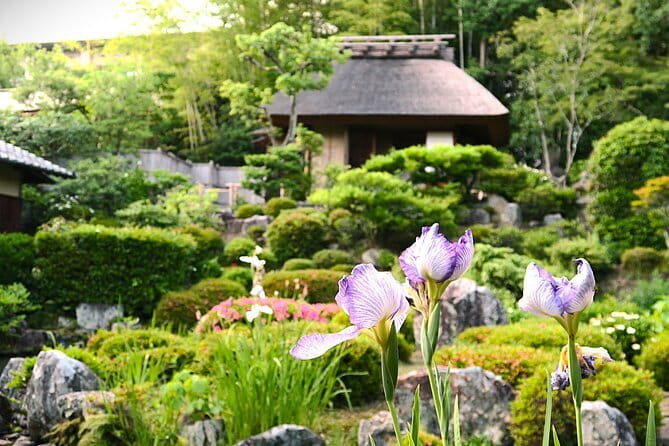
Toji-in is the change of mood. After the striking gold of Kinkakuji, this temple offers a calmer setting shaped by gardens, a historic interior, and a small tea house.
You spend about an hour here, and the guide takes you inside the temple. That matters because the appeal is not limited to an exterior view. The temple is tied to the Ashikaga family, including the resting place of the Ashikaga, and gives the tour a more personal connection to the people behind the era.
The garden reflects the Japanese idea of wabi-sabi, a preference for restraint, age, simplicity, and quiet beauty. You do not need a background in Zen to appreciate it. The useful part of having a guide is learning how to look at the groomed garden and modest tea house without expecting the bright colors or grand scale found at Kinkakuji.
This is the stop where the tour’s pace can feel most rewarding. You have time to pause in the temple hall, look toward the garden, and consider how different this setting is from a fortress or palace. The experience is not just about collecting famous buildings. It shows you two very different ways power and culture were expressed in Kyoto.
The matcha service is not included, so do not assume tea is part of the visit. The tea house is part of the setting, but the supplied information does not promise a tea ceremony or drink.
Nijo Castle and the end of the shogun era
Nijo Castle brings the story back to politics and power. It was the Kyoto residence of the final shoguns of the Tokugawa government and played a role in events that marked the end of the shogun era.
You have about 90 minutes here, the longest stop on the route. That extra time is appropriate. Nijo Castle is not a single viewpoint. Its grounds include major buildings, ornamental carvings, and spaces connected with four centuries of history.
A guided visit helps you understand why this place matters. You are not looking at an isolated palace. You are seeing the Kyoto home of the Tokugawa Shogunate and a setting tied to the transfer of political power in Japan.
The castle also gives the tour a strong finish. Kinkakuji introduces the authority and display of the Ashikaga period. Toji-in shows the quiet religious and artistic side of that world. Nijo Castle then brings you to the later Tokugawa rulers and the political changes that ended shogun rule.
The time allocation is generous enough for a proper visit, but you should still expect the tour to keep moving. This is a three-and-a-half-hour ride with three substantial stops, not a slow all-day castle study.
More Historical Tours in Kyoto
- Kyoto Gion: 2-Hour Geisha Culture & History Walking Tour
★ 5.0 · 1,186 reviews - Kyoto: Nijo-jo Castle and Ninomaru Palace Guided Tour
★ 4.7 · 1,020 reviews - Kyoto: Imperial Palace & Nijo Castle Guided Walking Tour
★ 4.7 · 453 reviews - Kyoto Gion Historical Walking Tour
★ 5.0 · 188 reviews
What the guides add to the ride
A good guide is especially useful on a bicycle tour because the day combines road safety, timing, local geography, and interpretation. Past tours have been led by guides including Seiya, Makoto, Nozomi, Yasunobu Yagyu, Yutaka Kaneda, Kaz, and JJ.
Seiya has guided groups through several Kyoto districts and kept a 12-year-old engaged. Makoto has also adjusted the day for a local festival, adding time when circumstances allowed. Nozomi has explained Shinto and Buddhist sites, along with Gion and the Imperial Palace, while Yasunobu Yagyu has been praised for local stories and cultural insight.
Those details point to an important strength: the guide is not only there to lead you from one address to the next. You can ask questions about the places you see, the people connected with them, and the difference between Buddhist and Shinto traditions.
English ability has also been a strong feature of past departures. Guides have been described as speaking clear or fluent English, which matters when the subject includes political titles, religious ideas, and Japanese aesthetics.
Guide quality can vary from one departure to another, of course. The names above are not a promise that one particular person will lead your tour. Still, the range of positive guide experiences suggests that KCTP has a capable team behind this route.
Bikes, roads, weather, and comfort
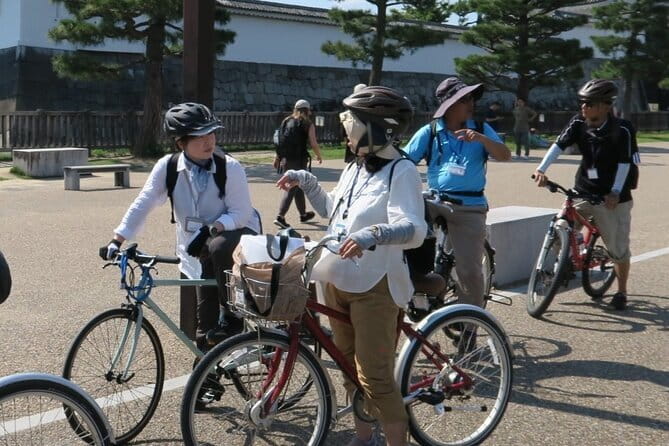
Your bicycle, helmet, and rainwear are included. That keeps the practical side simple, especially if you are packing light and do not want to arrange a rental on your own.
The supplied information describes the route as easy and downhill. Children must be at least 10 years old, at least 145 centimeters tall, and able to ride safely on the road without assistance. This is a useful rule, not a minor footnote. A child who can ride in a park but cannot manage city-road conditions may not be ready for this outing.
The tour operates in rain. You have two choices: continue by bicycle with a free rain poncho, or switch to a walking tour using public transport, with bus or metro costs included in the tour fee.
That weather policy gives you more flexibility than a tour that simply cancels at the first sign of rain. At the same time, a wet bicycle ride will not suit everyone. If you dislike cycling in rain, tell the guide you prefer the walking option.
Summer heat can also affect comfort. A past ride was described as hot but still enjoyable, so bring water and dress for the season. The provided details do not specify a water stop or luggage service, so keep your personal load manageable.
Start in northwest Kyoto, finish near Kyoto Station
The meeting point is Wara Tenjin mae, at Kinugasa Oharaicho in Kyoto’s Kita Ward. The ride ends at the Kyoto Cycling Tour Project’s Kyoto Station Cycle Terminal, at 552-13 Higashiaburanokojicho in Shimogyo Ward.
This one-way design is handy. You do not need to cycle back to the starting point, and finishing near Kyoto Station makes it easier to continue with trains or other sightseeing. It also means you should plan your morning around reaching the northwest meeting point on time.
The exact route between stops can depend on road conditions and the guide’s judgment. You should expect city streets as well as temple grounds, not a protected cycling trail from start to finish. The route’s downhill description makes it approachable, but you remain responsible for riding safely on the road.
The tour is near public transport, and the rain alternative uses Kyoto’s bus or metro system. That gives you a backup if the weather changes or if someone in your group decides cycling is no longer comfortable.
Who gets the best value from this tour
I would choose this tour if you want a focused introduction to Kyoto’s shogun-era sights and like the idea of moving between them under your own power. It is especially useful for a first visit, when the city’s geography can be confusing and a local guide can put the monuments in order.
Families with older children may also like it. The private format keeps the group together, and past guides have managed to hold a 12-year-old’s attention. The age and height requirements rule out younger children, however.
This is less suitable if you want a slow, unstructured morning or if you dislike cycling on roads. It is also not the best value for a solo visitor, since one-person bookings are not accepted. Groups of two to six make the format work best, while groups of seven to twelve require an extra guide.
The tour is a strong choice for people who care about context. If you only want quick photographs of Kinkakuji and Nijo Castle, public transport may cost less. If you want those sites explained as part of a connected story, the guide and route add real value.
Should you book the Kyoto Shogun Cycling Tour?
Book it if you want three major Kyoto sights tied together by a private guide, a manageable bicycle route, and a clear historical theme. The small group, included admissions, supplied equipment, and workable rain plan make the experience easy to use.
Think twice if $153.50 feels high for a half-day outing, if anyone in your group is an uncertain road cyclist, or if you need a fully flexible cancellation policy. The tour requires at least two people, and cancellation or changes are not refundable.
For the right group, this is a practical way to see Kyoto beyond isolated temple visits. You get the Golden Pavilion’s display, Toji-in’s quiet garden, and Nijo Castle’s political weight in one well-shaped morning.
FAQ
How long does the Kyoto Shogun Cycling Tour last?
The tour lasts approximately 3 hours and 30 minutes.
Which sites does the tour visit?
The route includes Kinkakuji Temple, Toji-in Temple, and Nijo Castle.
How many people can join one guide?
A guide can accept between two and six people. Groups of seven to twelve can join if an additional guide is arranged. One-person bookings are not accepted.
What happens if it rains?
You can continue cycling with a free rain poncho, or switch to a walking tour using buses or the metro. Public transport costs are included in the tour fee.
Are bicycles and helmets included?
Yes. The bicycle, helmet, and rainwear are included.
Can children join the tour?
Children must be at least 10 years old, at least 145 centimeters tall, and able to ride a bicycle safely on the road without assistance.
Just added around Kyoto
- Sekka Cotton Furoshiki Class★ 5.0 · 19 reviews
- Kyoto Sword Experience – includes Museum Ticket/Ninja Experience★ 4.5 · 149 reviews
- Scenic Green Tea Fields of Hidden Kyoto & Local Tea Exp (Private)★ 5.0 · 32 reviews
- Secret Eastern Kyoto Biking Adventure★ 5.0 · 44 reviews
- Private Sake Tasting in Central Kyoto with Sake Sommelier★ 5.0 · 32 reviews
- Samurai School in Kyoto: Samurai for a Day★ 5.0 · 202 reviews
- SHIRAKAWA Japanese Culture Experiences with private English staff★ 5.0 · 16 reviews
- A Privately Guided Photoshoot in Beautiful Kyoto by a Pro★ 5.0 · 18 reviews
Cycling Tours, compared.
Arashiyama Bamboo Forest & Hidden Gems Bike Tour (Early Bird)
Our verdict →
Browse the lists this tour appears in