
Reviewed · WALKING TOURS
Kyoto Early Riser Golden One-Day Walking Tour
Kyoto’s biggest challenge is not finding beautiful places. It is fitting them together without losing half the day to buses, transfers, and wrong turns. This private eight-hour tour tackles that problem with an early start and a guide who stays with only your group, taking you from Fushimi Inari to Arashiyama, Ryoanji, Kinkakuji, and Nishiki Market.
I like two things right away: you get the city’s essential sights in one carefully packed day, and your guide can adjust the pace for your group. Guides including Tomoko, Keiko, Meg, and Kazuo have been praised for arranging lunch suggestions, helping with public transportation, taking photos, and explaining customs beyond the basic sightseeing script.
The catch is simple: this is a walking-heavy day with several public transportation fares and one temple admission fee paid separately. You need moderate fitness, and the schedule leaves limited room for lingering at every stop.
Key points at a glance
- Five major Kyoto sights in one day: Fushimi Inari, Arashiyama, Ryoanji, Kinkakuji, and Nishiki Market.
- Private guiding: Only your own group participates, so the day can be adjusted to your interests and walking pace.
- Public transportation included in the experience, not the price: Budget ¥1,670 per person for trains, buses, and other local rides.
- Food advice adds value: Guides have helped arrange sushi lunches, suggested local restaurants, and assisted with ordering.
- Early timing helps: Meeting at Kyoto Station Building at 8 a.m. gives you a useful start before a long day of sightseeing.
- Extra costs are modest but real: Ryoanji admission is ¥1,100 per person, while meals are not included.
Why this private Kyoto day works
I see this tour as a practical answer for a first visit when your Kyoto wish list is longer than your map skills. The route reaches the city’s eastern, western, northern, and central sights, areas that are not naturally grouped together for a casual walk.
You meet at Kyoto Station Building, a handy starting point with strong transport links. The tour ends back at the same meeting point, which gives you a clear finish and avoids the guesswork of finding your way back from an unfamiliar neighborhood.
The private format matters here. Kyoto’s temples and shrines can feel crowded, and the route involves trains, buses, and plenty of walking. A private guide can slow down for a tired parent, find a lift or escalator when needed, or spend more time on the sites that interest you most. One guide, Meg, was specifically praised for helping with a knee injury and checking for easier access.
You should not expect a lazy sightseeing day. The listed visits add up to about four hours and forty minutes, before transit, lunch, rest stops, and walking between stations and entrances. That is why the full experience takes about eight hours. The schedule is efficient rather than leisurely.
More Walking Tours in Kyoto
- Kyoto Geisha Walking Tour: Gion District & Hidden Gems
★ 4.7 · 3,273 reviews - Kyoto: Gion Magical Night Walking Tour with Geisha Trivia
★ 4.9 · 2,393 reviews - Kyoto: Gion Geisha District Walking Tour – Stories of Geisha
★ 4.7 · 2,187 reviews
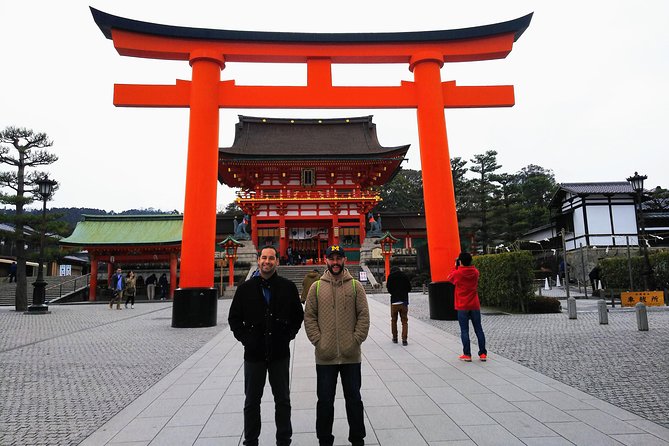
Fushimi Inari and its red gate tunnel
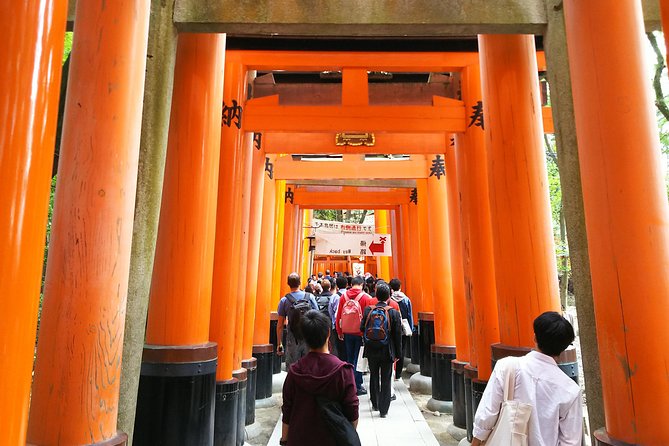
The day begins at Fushimi Inari-taisha, one of Kyoto’s most recognizable sights. The shrine is famous for its long corridors of vermilion torii gates, donated by worshippers in thanks for good fortune connected with the deity enshrined here.
You have about one hour at the shrine. That is enough to walk through the most famous gate-lined sections, take photographs, and hear the basic story of the shrine. It is not enough for a full climb through every section of the mountain trails, so you should set your expectations accordingly.
I like starting here because the gates provide an immediate sense of place. The narrow passages, changing light, and bright orange-red paint create a very different mood from Kyoto’s spacious temple grounds. Your guide can also explain why there are so many gates and how the shrine fits into Japanese religious life.
The free admission is a small advantage, especially since other stops require payment. Still, this is one of the day’s more active walks. Wear shoes with good grip, bring water, and avoid assuming that the first dramatic gate tunnel is the whole shrine.
Arashiyama’s bamboo grove and western Kyoto
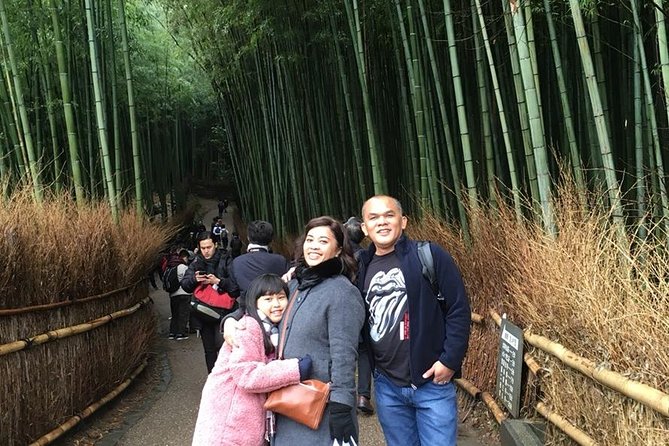
The route then crosses the city to Arashiyama, where you get around an hour and ten minutes. The bamboo forest is the main draw. Tall stalks crowd the path, filtering the daylight into soft green shades while the leaves rustle overhead.
The grove is photogenic, but it is not a quiet private trail. You might find plenty of people along the main path, especially at popular times. The guide helps by keeping the visit focused and by giving context to what you are seeing rather than leaving you to stop, photograph, and move on without explanation.
This is also a good place to pay attention to pacing. The walk itself is manageable, but the day has only just begun, and more temples are ahead. If you are traveling with older family members or anyone who tires easily, tell your guide early. The private setup makes that conversation much easier than it would be in a large group.
Arashiyama is free to enter on this itinerary. You are paying for the guide’s time and the transport between districts, not for a packaged attraction ticket. That keeps the cost structure fairly clear, though the long transfer is one reason the day feels full.
Ryoanji and the famous rock garden
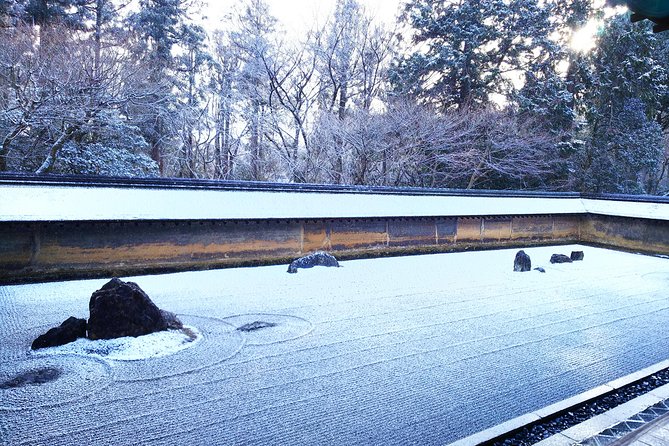
Ryoanji offers a change of pace after the bright torii gates and bamboo. This UNESCO-listed temple is home to Kyoto’s celebrated Zen rock garden, a spare arrangement of rocks set in white gravel.
You have about fifty minutes here. The garden is not large, and its appeal is based on quiet observation rather than a long list of features. I appreciate having a guide at this stop because the simplicity can be puzzling at first. A good explanation of Zen design, viewing habits, and the garden’s reputation gives you more to think about than the rocks alone.
The temple admission is not included. The listed fee is ¥1,100 per person, so add it to the tour price before comparing this experience with other Kyoto day tours. You will also pay the local transportation fare separately.
Ryoanji can be one of the more restful stops, but do not confuse restfulness with a full break. You are still moving through a packed day, and the temple grounds add more walking. If your main goal is meditation or quiet time, fifty minutes will feel short. If your goal is to see Kyoto’s major sights in one day, the visit earns its place.
Same trip, a completely different kind of day:
- PERFECT KYOTO 1-Day Bus Tour
★ 5.0 · 13,518 reviews - Kyoto: Fushimi Inari, Kinkakuji, Bamboo Grove 1 Day Bus Tour
★ 4.8 · 4,316 reviews - Kyoto: Tea Ceremony in a Traditional Tea House in Kiyomizu
★ 4.9 · 3,519 reviews - Kyoto: Tea Ceremony Ju-An at Jotokuji Temple
★ 4.9 · 3,207 reviews
Kinkakuji, Kyoto’s Golden Pavilion
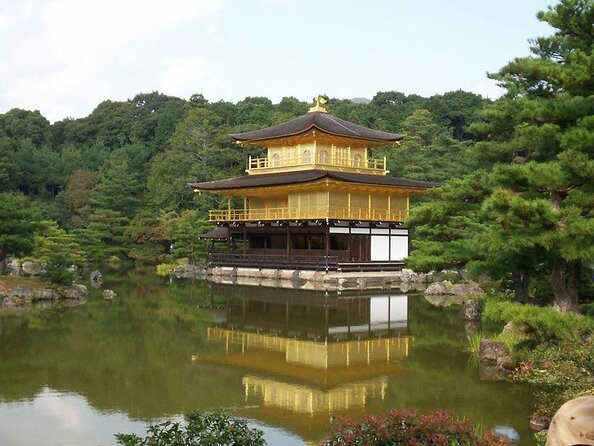
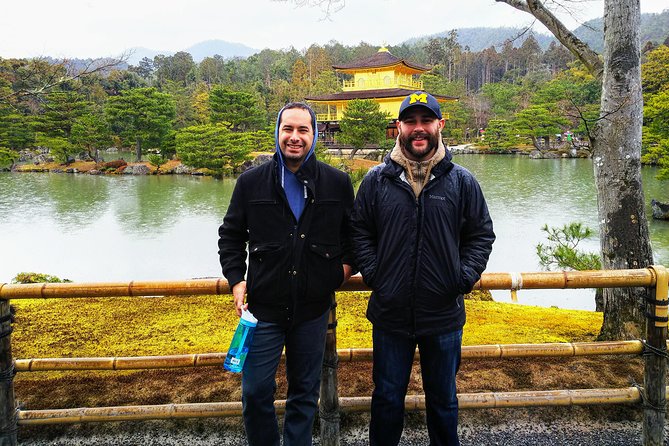
Kinkakuji, also known as the Golden Pavilion, is likely to be the visual centerpiece of the day. The pavilion’s gilded exterior reflects in the surrounding pond, creating the classic Kyoto scene found in guidebooks, calendars, and countless photographs.
You spend about fifty minutes here. The grounds offer more than a quick look at the building, with garden paths and views that help you understand why the setting matters. The pavilion itself is the star, but the surrounding greenery keeps the stop from feeling like a single photo opportunity.
This is a popular site, so do not expect solitude. The attraction is still worth seeing, especially if it is your first Kyoto visit, but the route through the grounds can feel busy. Your guide can help you focus on the best views and explain the temple’s connection with Zen and samurai-era culture.
Kinkakuji admission is not included in the supplied price details, so confirm the current entrance arrangement when booking. The information provided specifically lists the Ryoanji fee, while the tour description treats Kinkakuji as part of the sightseeing route. Set aside some extra yen for site admissions in general.
The Golden Pavilion is also where this tour’s broad coverage pays off. After Fushimi Inari’s religious symbolism, Arashiyama’s bamboo, and Ryoanji’s plain rock garden, Kinkakuji gives you a more decorative and immediately recognizable face of Kyoto.
Nishiki Market and the edible side of Kyoto
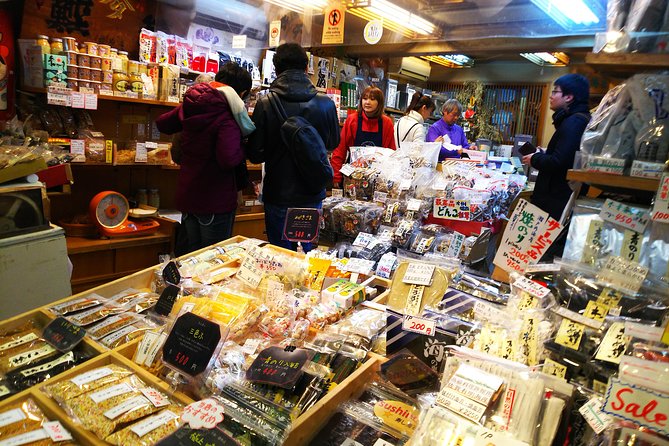
The final listed stop is Nishiki Market, a covered shopping street with a 400-year connection to everyday Kyoto life. The market runs for about 390 meters and includes roughly 126 shops selling food, vegetables, pickles, and local specialties.
You have about forty minutes here, which is enough for a taste of the atmosphere and a few samples, but not a long meal. The tour does not include food, so carry some spending money if you want to try items along the way.
This is one of my favorite parts of the route because it shifts the focus from monuments to daily food culture. Kyoto is not only temples and gardens. Its local produce, pickles, prepared foods, and small shops give you a better sense of how the city eats.
A guide can be especially useful here. The market may present unfamiliar foods, and you may not know which stalls are suited to tasting, shopping, or a proper meal. Guides have also recommended sushi restaurants and helped with the practical side of ordering. One private tour included a conveyor-belt sushi lunch, while another guide arranged a sushi bar experience. Those meals were separate from the tour, but this is the kind of local help that can make the day easier.
Be respectful with photography and eating etiquette. Nishiki is a working shopping street as well as a sightseeing stop, and a short visit works best when you treat it as a place where people shop, not simply as a food display.
What the guide adds to the day
The strongest part of this experience is the human element. A route like this can be copied from a map, but moving through Kyoto’s transit system while hearing why each place matters is harder to reproduce on your own.
The guides named in the feedback include Sumiko Yoshikawa, Tomoko, Toshi, Hiro, Satomi, Masa, Chie, Hironori, Fujihara, Keiko, Kazuo, Tohru Shimigaki, Naoko, Meg, Michiko, Matsumoto, Yuka, and Nozomi. Their strengths vary, but the repeated themes are clear: good organization, historical explanation, kindness, patience, humor, and help with transport.
Keiko was praised for taking photos and giving restaurant suggestions. Kazuo, a retired English teacher, helped with translation and made public transportation feel manageable. Tohru used trains, subways, buses, a trolley, and a taxi during the day, which gave the group practice for getting around independently later.
Those details show what you should ask for from your guide. Do not settle for only a list of dates and names. Tell the guide if you care about food, religious customs, photography, architecture, or learning to use Kyoto’s transit system. The private format gives you room to shape the conversation.
Guide assignments can vary, so you should not assume you will receive a particular person. If a named guide matters to you, ask the provider if requests can be accommodated, but treat that as a request rather than a promise.
Price, transport, and overall value
The listed price is $119.30 per person. For a private full-day experience covering five major areas, that can be good value, especially for a small family or couple who would otherwise spend hours planning connections and entrance stops.
The price is not all-inclusive. You also need to budget:
- ¥1,670 per person for public transportation
- ¥1,100 per person for Ryoanji Temple
- Meals and snacks
- Any additional admission charges that apply at the time of your visit
The transit cost is not a flaw. Using trains and buses lets you see how Kyoto works beyond the taxi window, and several people found the experience useful for learning to move around independently. Still, you should know that the day involves transfers and walking rather than private transport.
Group discounts are available, and the activity uses a mobile ticket. Confirmation is provided at booking. Since the tour is often reserved well in advance, with an average booking lead time of 84 days, reserve early if your Kyoto dates are fixed.
Free cancellation is available until 24 hours before the start time. Changes or cancellations inside that window are not accepted for a refund. The experience requires good weather, and if poor weather forces cancellation, you are offered another date or a full refund.
Who should book this Kyoto itinerary?
I would recommend it most strongly to first-time Kyoto visitors with one full day and a clear list of must-see sights. It also suits families, couples, and small groups who want a private guide without paying for a fully private vehicle.
You will get the most from it if you:
- Want cultural explanations instead of only photographs
- Are comfortable walking for much of the day
- Like using trains and buses with local guidance
- Want restaurant and food-market help
- Prefer a flexible private group to a fixed large tour
- Need to make the most of a short Kyoto stay
I would hesitate if you want long, quiet visits at each temple, dislike public transportation, or have serious mobility limits. The guides can adjust breaks and access needs, but the route itself remains ambitious. August heat, heavy rain, and crowded sites can also make the day harder, even though guides have handled those conditions with care.
Should you book the Golden One-Day Walking Tour?
Book it if your priority is seeing Kyoto’s headline sights efficiently while learning how the city fits together. The route is packed, but it is not random: Fushimi Inari, Arashiyama, Ryoanji, Kinkakuji, and Nishiki Market show different sides of Kyoto, from shrine worship and Zen gardens to bamboo, royal-looking architecture, and everyday food.
I especially like the private format, the early start, and the chance to get practical help with transit and lunch. Just budget for the extra fares and fees, wear comfortable shoes, and be honest about your walking ability. If you have only one full day in Kyoto, this tour gives you a strong first look without leaving all the planning to you.
FAQ
Where does the tour start and end?
The tour starts at Kyoto Station Building, 901 Higashishiokōjichō, Shimogyo Ward, Kyoto. It ends back at the same meeting point.
How long does the tour last?
The experience lasts approximately eight hours.
Is this a private tour?
Yes. Only your own group participates in the activity.
Are transportation costs included?
No. Public transportation costs are listed separately at ¥1,670 per person.
Is the Ryoanji Temple entrance fee included?
No. The listed Ryoanji admission fee is ¥1,100 per person.
Is cancellation free?
You can cancel for a full refund up to 24 hours before the experience starts. If poor weather cancels the tour, you are offered another date or a full refund.
Just added around Kyoto
- Sekka Cotton Furoshiki Class★ 5.0 · 19 reviews
- Kyoto Sword Experience – includes Museum Ticket/Ninja Experience★ 4.5 · 149 reviews
- Scenic Green Tea Fields of Hidden Kyoto & Local Tea Exp (Private)★ 5.0 · 32 reviews
- Secret Eastern Kyoto Biking Adventure★ 5.0 · 44 reviews
- Private Sake Tasting in Central Kyoto with Sake Sommelier★ 5.0 · 32 reviews
- Samurai School in Kyoto: Samurai for a Day★ 5.0 · 202 reviews
- SHIRAKAWA Japanese Culture Experiences with private English staff★ 5.0 · 16 reviews
- A Privately Guided Photoshoot in Beautiful Kyoto by a Pro★ 5.0 · 18 reviews
Walking Tours, compared.
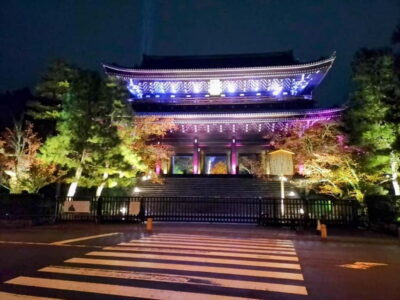
Kyoto Geisha Walking Tour: Gion District & Hidden Gems
Our verdict →
Imperial Palace and Shogun Historical Walking Tour
Our verdict →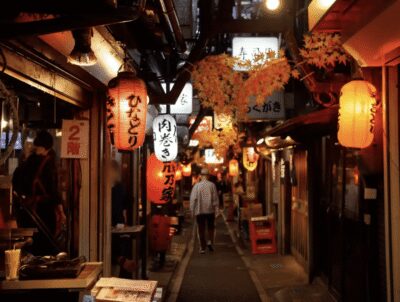
Shinjuku Local Bar and Izakaya Guided Walking Tour
Our verdict →

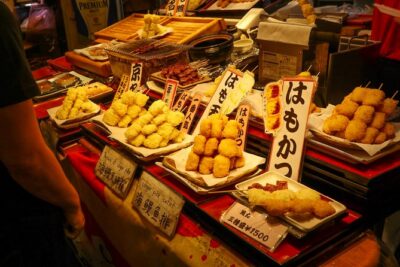
Nishiki Market Brunch Walking Tour (7 Tastings + Brunch)
Our verdict →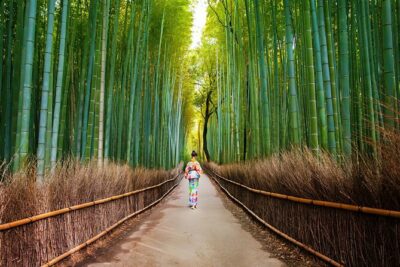
Kyoto Arashiyama Walking Tour: Bamboo, Monkeys, Gardens & Secrets
Our verdict →
Tokyo Castle & Imperial PalaceーShogun Walking Tour
Our verdict →Browse the lists this tour appears in