
Reviewed · TEMPLES & SHRINES
Kyoto: Fushimi Inari Shrine Walking Tour
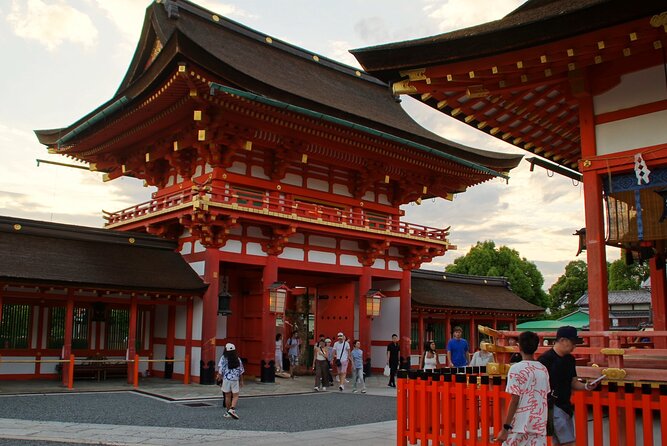
Fushimi Inari-taisha is more than a tunnel of orange-red gates. This two-hour walk explains the shrine’s fox deity, the meaning of its rituals, and the small details that are easy to miss when you explore alone. The evening setting also gives you a chance to reach quieter forest paths above the busiest entrance area.
I like the small group limit of 10, since it makes it easier to hear the guide and ask questions. I also like the mix of culture and walking: you get stories about Inari worship, then follow mountain trails toward scenic views instead of stopping at the first famous gate.
The main consideration is the climb. The route includes an uphill walk, and Fushimi Inari can remain crowded even in the evening. If you want a gentle, flat shrine visit, this is not the right pick.
Key points to know before booking
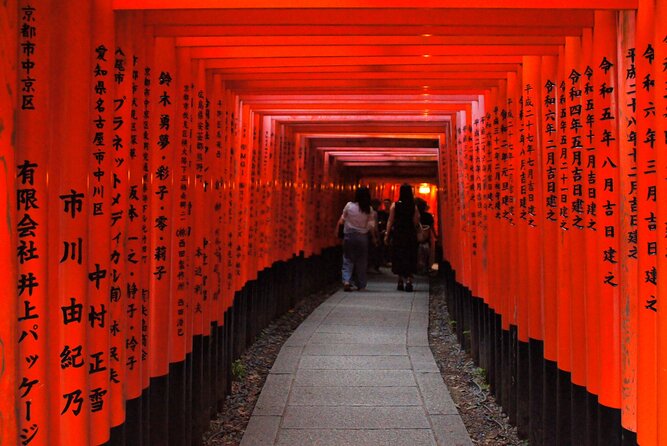
- A two-hour walk through Fushimi Inari-taisha: You visit the shrine’s main areas, torii gates, forest paths, and mountain viewpoints.
- Fox worship is part of the story: The guide explains why fox statues appear throughout the complex and how they relate to Inari.
- Small groups make the walk more personal: The maximum group size is 10 people.
- The tour begins at 6:00 pm: This gives you an evening visit, though the shrine may still be very busy.
- Expect some uphill walking: The scenic trails lead into the mountain and require a reasonable level of mobility.
- Admission is included: Food, drinks, and optional tips are not included.
Why Fushimi Inari makes a strong guided walk
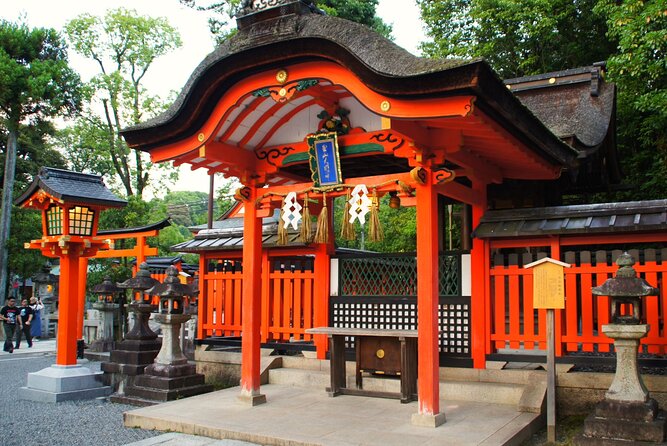
Fushimi Inari-taisha is one of Kyoto’s most recognizable sights, but its fame can work against it. The first torii gates and shrine buildings often draw a steady stream of people. If you only take a few photos near the entrance, you may leave without understanding why the place matters.
A guide gives the visit a clear thread. You learn about Inari, the deity associated with the shrine, and the fox figures connected with that worship. You also hear about the customs taking place around you, including traditional practices and shrine rituals.
I find this especially useful in Japan, where a shrine can look simple at first glance. A gate, offering area, fox statue, or ritual gesture may carry meaning that is not obvious to someone seeing it for the first time. The guide’s explanations help turn a string of attractive sights into a place with purpose.
The tour also helps you keep moving. Fushimi Inari covers a large area on Mount Inari, and the orange-red gates continue far beyond the main shrine. A local guide can point out where to go next rather than leaving you to study a map while trying not to lose your way.
More Temple & Shrine Tours in Kyoto
- Kyoto: Fushimi Inari, Kinkakuji, Bamboo Grove 1 Day Bus Tour
★ 4.8 · 4,316 reviews - Kyoto: Tea Ceremony in a Traditional Tea House in Kiyomizu
★ 4.9 · 3,519 reviews - Kyoto: Tea Ceremony Ju-An at Jotokuji Temple
★ 4.9 · 3,207 reviews
Starting at 6:00 pm near the shrine
The meeting point is Daily Yamazaki Fushimi Inari Shrine at 93 Fukakusa Inarionmaecho in Fushimi Ward. The location is near public transportation, which makes it practical to reach from other parts of Kyoto.
The start time is fixed at 6:00 pm. That timing shapes the whole experience. You are not getting a bright midday visit, but you may enjoy a different mood as the walk moves from the entrance toward the wooded mountain trails.
Do not assume the evening guarantees an empty shrine. One person specifically found the evening tour busy, while still considering the guided visit worthwhile. The lower entrance area can attract many people, and popular torii sections may remain crowded.
The useful point is that the guide can help you move through the busy sections and show you places where the setting feels calmer. Several comments praised the quiet spots, reflection areas, and paths that many people miss. Those moments are likely to matter more than trying to have every gate completely to yourself.
The tour ends back at the starting point. That makes the outing easy to fit into an evening plan, since you do not need to arrange a separate pickup or figure out an unfamiliar ending location.
Entering the shrine and learning the basic customs
The first part of the walk introduces the shrine itself. Your guide explains the role of Fushimi Inari-taisha and the religious customs connected with the site. This opening is important because it gives you a way to read the space before you head farther into the mountain.
You can expect to learn about shrine rituals as they appear around you. The guide explains what you are seeing rather than offering a general lecture disconnected from the surroundings. That makes the cultural information easier to remember.
The tour also covers the fox deity Inari. Fox statues appear throughout the shrine, and their presence is not simply decorative. The stories shared on the walk help explain why the statues matter and give you a better sense of the shrine’s religious character.
I like this part of the experience because it avoids reducing Fushimi Inari to a photo stop. The famous gates are striking, but the worship, offerings, statues, and repeated rituals are what make the place more than a scenic corridor.
The guide speaks English, and the maximum group size is 10. That is a useful balance for a site where you may need to stop briefly, listen, then continue without blocking the path.
Walking beneath the orange-red torii gates
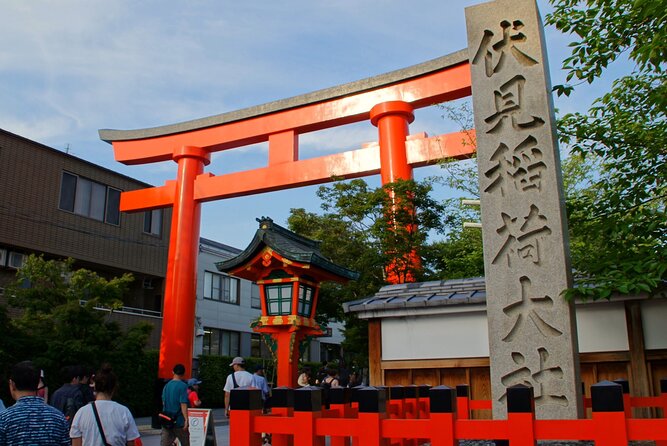
The torii gates are the visual center of the visit. They form long passages through the trees, with the color and repeated shapes changing as you move uphill. The route lets you see the gates as part of a mountain shrine rather than as one isolated photo backdrop.
Your guide explains the symbolism behind them and why they are important to the shrine. This added context is one of the strongest reasons to choose a tour instead of walking through alone. Without explanation, it is easy to notice only the color, pattern, and crowds.
The gates also create a strange contrast. The lower sections can feel busy and highly photographed, while the path farther up may become quieter and more reflective. The experience is not uniformly peaceful, so it helps to have realistic expectations.
The walk is described as approximately two hours. That gives enough time for cultural explanations and a meaningful stretch of the trail, but it is not a full-day mountain hike. You should expect a focused visit rather than an exhaustive exploration of every path at Fushimi Inari.
Wear shoes suitable for uphill walking. The tour is not described as technically difficult, but the climb is real, and one person called out the combination of crowds and a fairly substantial ascent. If you are comfortable with a moderate walk and occasional pauses, the route should be manageable. If hills are a concern, ask about the pace before setting out.
More Walking Tours in Kyoto
- Kyoto Geisha Walking Tour: Gion District & Hidden Gems
★ 4.7 · 3,273 reviews - Kyoto: Gion Magical Night Walking Tour with Geisha Trivia
★ 4.9 · 2,393 reviews - Kyoto: Gion Geisha District Walking Tour – Stories of Geisha
★ 4.7 · 2,187 reviews - Night Walk in Gion: Kyoto’s Geisha District
★ 4.5 · 2,003 reviews
The forest trails and Kyoto viewpoints
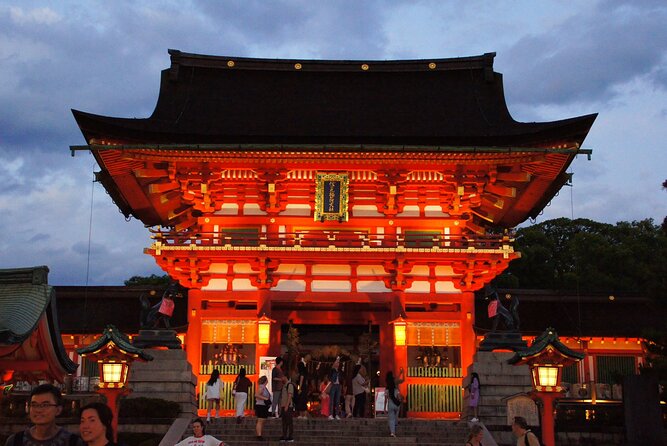
The most rewarding part of the route may come after you leave the busiest entrance areas. The trail enters a forested setting and continues up the mountain, with viewpoints over Kyoto along the way.
The view is only one part of the appeal. The forest changes the tone of the visit. The repeated gates guide you forward, while the trees and mountain setting create space for a slower pace. Several comments praised the quiet paths and places suited to reflection.
Your guide also points out photo locations and less obvious areas. This does not mean every stop will be empty or secret. It means you have someone directing your attention beyond the most famous first section.
The route is especially good for people who want their sightseeing to include some movement. You are not simply standing in front of a landmark while receiving facts. You are walking through the setting, pausing at points of interest, and gaining views as you climb.
At the same time, the mountain setting means you should plan for effort. The tour lasts two hours, and the trail portion is a real feature, not a minor add-on. Bring water for yourself, since food and drinks are not included, and allow enough time afterward to recover if you have a full evening planned.
What the guide adds to the experience
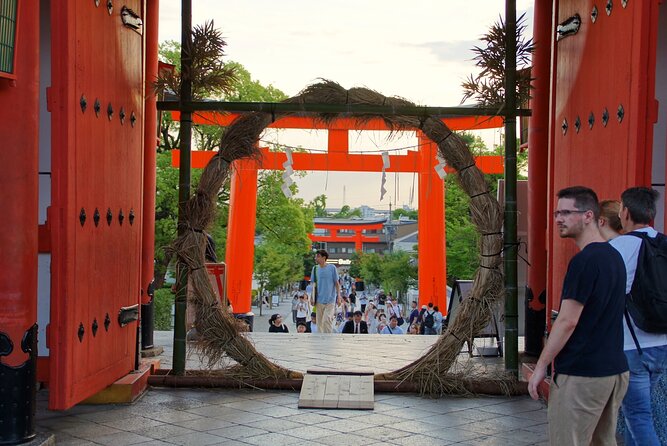
The strongest praise centers on the guide’s explanations and personal attention. The guide is described as friendly, clear, and able to answer questions about Japanese spirituality and local customs.
You can expect stories about Inari worship, fox folklore, torii symbolism, and the rituals taking place around the shrine. The guide also explains how to understand the spaces you pass, including areas used for reflection and meditation.
The small group format matters here. With no more than 10 people, the guide can stop to explain a statue or practice without speaking to a large crowd. You also have a better chance to ask about something you have noticed.
No guide names are provided for this experience, so I would not book it expecting a particular individual. The important practical details are the English-language guiding, the small group size, and the focus on cultural meaning rather than sightseeing alone.
This is also a good choice if you prefer not to manage the route yourself. Fushimi Inari is easy to recognize, but the mountain paths continue well beyond the entrance. Having someone else handle navigation lets you pay attention to the gates, forest, rituals, and views.
Is $39.64 a fair price?
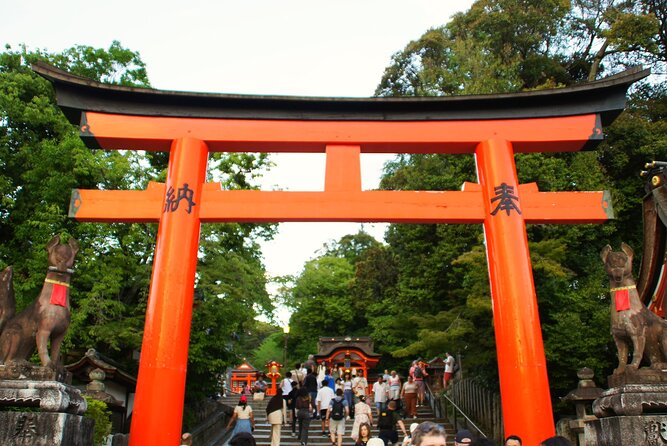
At $39.64 per person, this is not the cheapest way to see Fushimi Inari. The shrine itself is listed with free admission, so you are mainly paying for the English-speaking guide, route planning, historical context, and the structure of a small-group visit.
That can be good value if you want to understand what you are seeing. A self-guided visit costs less, but you would need to research Inari worship, shrine customs, fox symbolism, and the mountain route on your own. You would also need to decide how far to walk and which areas deserve your time.
The value is strongest for a first visit to Kyoto, a visitor who wants cultural explanation, or anyone who dislikes navigating busy sights alone. It is weaker if you already know the shrine well or mainly want a quick photo stop.
The admission detail needs a little clarification: entry is included, and the shrine is listed as free admission. In practical terms, you should not expect a separate ticket charge as part of this tour. Food and drinks are not included, and tips are optional.
Who should book this evening walk?
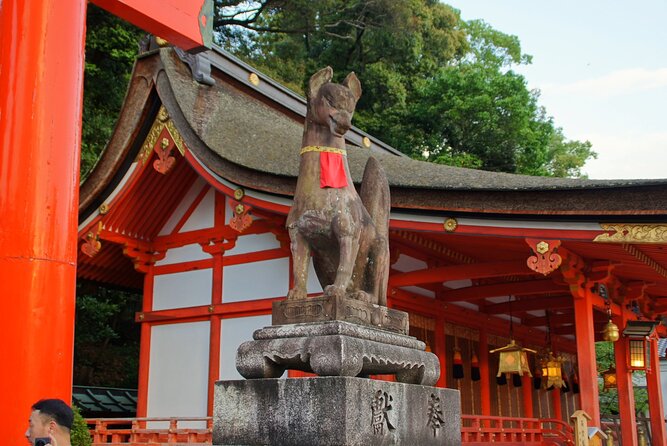
I would recommend it to you if you want more than the classic torii-gate photograph. The tour suits curious visitors who want the fox stories, shrine customs, and religious background explained in plain English.
It also fits people who enjoy walking through a place rather than being driven between stops. The route combines a major cultural sight with forest paths and Kyoto views, giving the experience more variety than a short visit near the entrance.
The tour is a good match for solo visitors and couples who want a social setting without a large crowd. The 10-person maximum keeps the group small enough for questions and makes it less likely that you will lose sight of the guide.
You may want to skip it if you want a completely quiet shrine visit, since Fushimi Inari can be busy even at 6:00 pm. You should also reconsider if you are uncomfortable with uphill walking or want a flat, highly flexible schedule.
Confirmation is provided when you book, and the mobile ticket is convenient for an evening meeting. Most people can participate, but the supplied details do not promise a fully accessible route, so anyone with mobility concerns should confirm the walking conditions before booking.
Cancellation and planning details
You can cancel for a full refund up to 24 hours before the 6:00 pm start time. Changes or cancellations made less than 24 hours before the experience are not accepted for a refund, and the cut-off follows local Kyoto time.
Plan to arrive with enough time to find Daily Yamazaki Fushimi Inari Shrine at 93 Fukakusa Inarionmaecho. Since the tour returns to the same meeting point, you can keep the rest of your evening simple.
I would also avoid scheduling a tight dinner reservation immediately after the walk. The tour is approximately two hours, but crowds and the uphill route can affect the pace.
Should you book the Fushimi Inari walking tour?
Book it if you want the famous gates placed in their religious and cultural setting. The guide adds the most value through explanations of Inari, fox worship, shrine rituals, and the meaning behind the torii gates.
The best reasons to choose it are the small group of up to 10, the English-language guidance, and the chance to reach forest paths and viewpoints beyond the busiest entrance area. The main tradeoff is the climb and the fact that evening crowds may still be heavy.
For a first visit to Fushimi Inari, I think the $39.64 price is reasonable if cultural context matters to you. If you only want a short, inexpensive look at the gates, visit independently. If you want the place to make more sense, this focused evening walk is the better choice.
FAQ
How long does the Fushimi Inari walking tour last?
The tour lasts approximately two hours.
What time does the tour begin?
The tour starts daily at 6:00 pm.
Where does the tour meet?
The meeting point is Daily Yamazaki Fushimi Inari Shrine, 93 Fukakusa Inarionmaecho, Fushimi Ward, Kyoto, 612-0881, Japan.
Where does the tour end?
The activity ends back at the meeting point.
What is included in the tour?
The tour includes an English-speaking guide, historical insights into the district, and entry or admission to Fushimi Inari-taisha Shrine.
What is the cancellation policy?
You can cancel at least 24 hours before the start time for a full refund. Cancellations or changes made less than 24 hours before the start time are not accepted for a refund.
Just added around Kyoto
- Sekka Cotton Furoshiki Class★ 5.0 · 19 reviews
- Kyoto Sword Experience – includes Museum Ticket/Ninja Experience★ 4.5 · 149 reviews
- Scenic Green Tea Fields of Hidden Kyoto & Local Tea Exp (Private)★ 5.0 · 32 reviews
- Secret Eastern Kyoto Biking Adventure★ 5.0 · 44 reviews
- Private Sake Tasting in Central Kyoto with Sake Sommelier★ 5.0 · 32 reviews
- Samurai School in Kyoto: Samurai for a Day★ 5.0 · 202 reviews
- Samurai Performance and Casual Experience: Kyoto Ticket★ 4.5 · 115 reviews
- SHIRAKAWA Japanese Culture Experiences with private English staff★ 5.0 · 16 reviews
Temples & Shrines, compared.

Tea Ceremony in a Traditional Tea House in Kiyomizu
Our verdict →

Meiji Shrine, Asakusa, Skytree Bus Tour and Cruise
Our verdict →
Fushimi Inari Hidden Hiking Tour (Private Option Available)
Our verdict →
Osaka/Kyoto:Kinkakuji,Arashiyama,FushimiInariShrine,NaraPark
Our verdict →
Nikko: Kegon Falls, Lake Chuzenji & Toshogu Temple
Our verdict →
Kamakura & Enoshima Day Trip including Temple Tickets
Our verdict →Browse the lists this tour appears in