
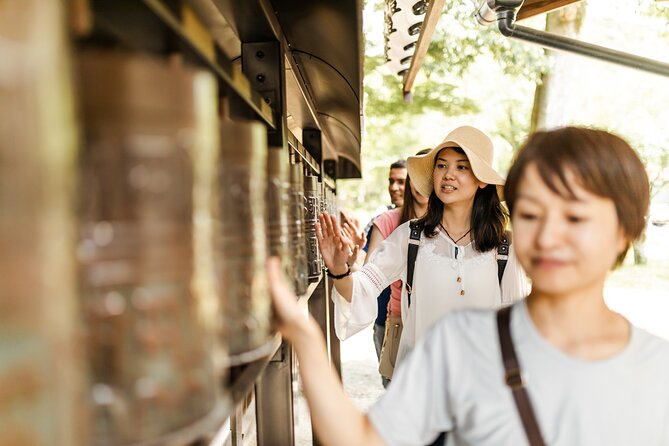
Reviewed · WALKING TOURS
Kyoto Private & Personalized Half-Day Walking Tour with a Local
Kyoto is easier to understand when someone local helps you connect the dots. This private walking tour lets you choose your interests, pace, and one or two neighborhoods, then follow a route with a local host who can explain customs, history, and daily life along the way.
I like the personal planning before you arrive, and I like the practical help once you are there. Guides such as Woohee, Mai, Andy, and Ada have shaped routes around temples, markets, artisan shops, family needs, and less crowded streets. The main drawback is its short length: 3 to 4 hours can introduce Kyoto, but it cannot cover the whole city.
Key points to know
- Your route is built around your priorities: Choose history, food, markets, shrines, temples, shopping, artisans, or quieter areas.
- You get a private guide: Only your own group takes part, so the pace can suit children, grandparents, or travelers on a tight schedule.
- Sanjo, Gion, and the Kamogawa River fit naturally together: This area offers shops, traditional streets, bridges, shrines, and plenty of local context.
- Admission and transport cost extra: The walking route may use public transport or taxis, but those fares and attraction tickets are not included.
- The meeting point is central: Begin at Starbucks near Sanjo-ohashi Bridge, with the activity ending back at the same meeting point.
- The best value is orientation: You are paying for local judgment, navigation, and a plan that can save time during a first Kyoto visit.
What this Kyoto tour actually gives you
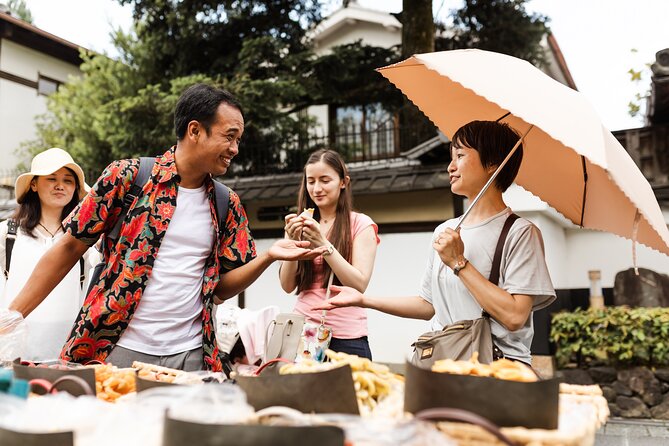
This is not a fixed sightseeing march. It is a private introduction to Kyoto, built after you complete a short questionnaire and communicate directly with your host.
You can ask for a history-heavy route, a food-focused walk, traditional neighborhoods, shopping, temples, gardens, or places away from the busiest visitor paths. You may also combine several interests, though the 3 to 4-hour schedule means you should keep your wish list realistic.
The tour is designed for one group only. That matters in Kyoto, where a rigid group schedule can feel awkward on narrow lanes, at crowded stations, or around busy shrines. Your guide can slow down for photographs, adjust the route for children and older family members, or move faster if you have only one free morning.
I would treat this as a city orientation rather than a complete Kyoto tour. You will see and understand more by choosing a focused area than by trying to tick off every famous sight.
More Custom Private Tours in Kyoto
- Kyoto: Arashiyama Customized Rickshaw Tour & Bamboo Forest
★ 5.0 · 432 reviews - Kyoto: Private Customized Walking Tour with a Local Insider
★ 4.8 · 383 reviews - Kyoto Customized Private Tour: See Top Attractions in 1 Day
★ 5.0 · 342 reviews
Meeting your host near Sanjo-ohashi Bridge
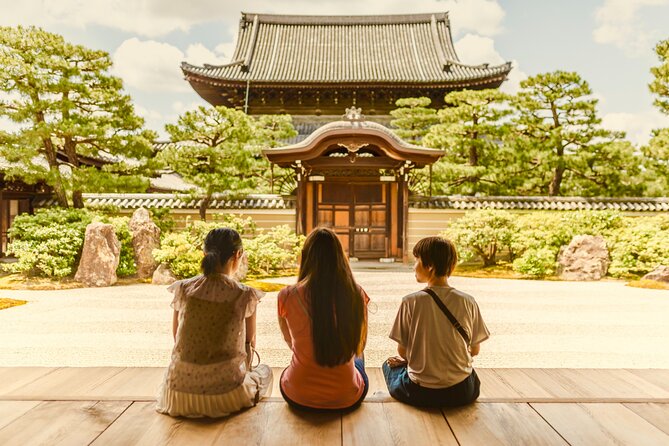
The listed starting point is Starbucks Coffee at Sanjo-ohashi Bridge in Nakagyo Ward. This is a useful place to begin because Sanjo sits close to several major parts of central Kyoto, including the Kamogawa River, Gion, Yasaka Shrine, and traditional shopping streets.
Your exact route depends on the questionnaire and your conversation with the host. The tour may remain mostly on foot, but public transportation or a local taxi can be used to transfer between sites at an additional cost.
The start time is flexible when booking. That gives you room to fit the walk around a temple visit, a meal, or a train arrival. Confirm the meeting details with your host, especially if you are using a pickup option, since the stated meeting point is the Starbucks location and the activity ends there.
Sanjo and the Kamogawa River
Sanjo is a good opening chapter because it shows Kyoto as a living city, not only as a collection of monuments. You can walk past family-run shops and specialty stores while your host explains local traditions and the way the area developed around commerce and the river.
The Kamogawa River adds an easy change of pace. A walk beside the water gives you space to look around and ask questions before moving into denser streets. Your guide can also help you make sense of Kyoto’s layout, which is useful if you plan to explore independently afterward.
This section suits first-time visitors who want practical orientation. You can ask where to return for shopping, how the central districts connect, or which areas deserve more time later in your stay.
The limitation is that shops and streets are part of the experience rather than included attractions. Food, drinks, and purchases are your responsibility, and a stop at a specialty shop does not mean a tasting or retail visit is included.
Gion and Tatsumi Bridge
The route may continue into Kyoto’s traditional entertainment district. Here, narrow lanes lined with wooden townhouses, teahouses, and refined restaurants create the atmosphere many people picture when they imagine old Kyoto.
Tatsumi Bridge is one of the more scenic points in this area. Your host can explain the difference between Kyoto’s historic entertainment districts and the assumptions visitors sometimes bring with them. That local context is valuable, since Gion is a working neighborhood, not a stage set.
This is also an area where a guide can help you walk with more awareness. You may learn how to behave around private homes, restaurants, and traditional establishments. The tour does not promise entry into teahouses or private venues, so think of this part as a guided street walk and cultural explanation.
If Gion is a must-see, tell your host before the tour. The schedule may include only one or two neighborhoods, and a personalized walk works best when your top priorities are clear.
More Walking Tours in Kyoto
- Kyoto Geisha Walking Tour: Gion District & Hidden Gems
★ 4.7 · 3,273 reviews - Kyoto: Gion Magical Night Walking Tour with Geisha Trivia
★ 4.9 · 2,393 reviews - Kyoto: Gion Geisha District Walking Tour – Stories of Geisha
★ 4.7 · 2,187 reviews - Night Walk in Gion: Kyoto’s Geisha District
★ 4.5 · 2,003 reviews
Yasaka Shrine and Kyoto’s festival tradition
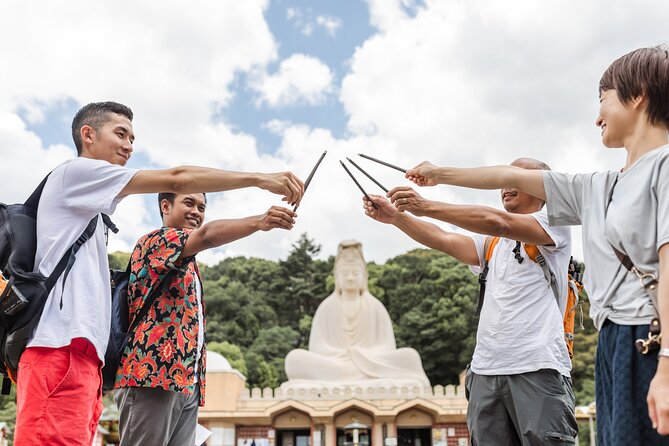
Yasaka Shrine has served as Kyoto’s guardian shrine for more than 1,350 years. Its architecture gives the walk a clear cultural focus, while the shrine’s connection to Gion Matsuri adds a way to understand one of Japan’s best-known festivals.
A local host can explain Shinto customs in plain terms and help you notice details you might pass without recognizing. The value here is not simply reaching the shrine. It is understanding why the site matters to Kyoto and how religious traditions remain part of the city’s public life.
Yasaka also pairs well with Gion because the two areas can be explored together on foot. That makes this a sensible choice if you want traditional streets and a major shrine without spending the whole half-day in transit.
There is no attraction admission included in the tour price. The supplied information does not promise special access, ceremonies, or a festival-day visit, so you should view Yasaka as an exterior and grounds visit unless your host confirms more.
Heian Shrine and its broad approach
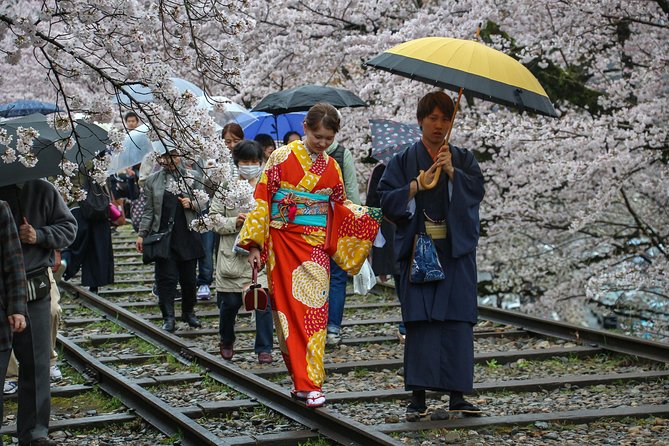
Another possible stop is Heian Shrine, marked by its large torii gate and wide approach. Built in 1895, it is much newer than many of Kyoto’s famous religious sites, which makes it useful for correcting the idea that every important Kyoto monument is ancient.
The shrine is linked to Kyoto’s founding and to the spirits of emperors. Your host can place its design and purpose in that larger story, giving you a better sense of how Kyoto has used architecture and ritual to connect its modern identity with its imperial past.
The broad approach creates a different experience from Gion’s tight lanes. It feels more open and formal, so it works well for people who want grand scale as well as traditional detail.
Because the tour can cover one or two neighborhoods, Heian Shrine may compete with other priorities. If you want it included along with Gion, Nijo Castle, and several markets, the time may become too compressed. Ask your host to rank the stops rather than promising everything.
Nijo Castle and the samurai era
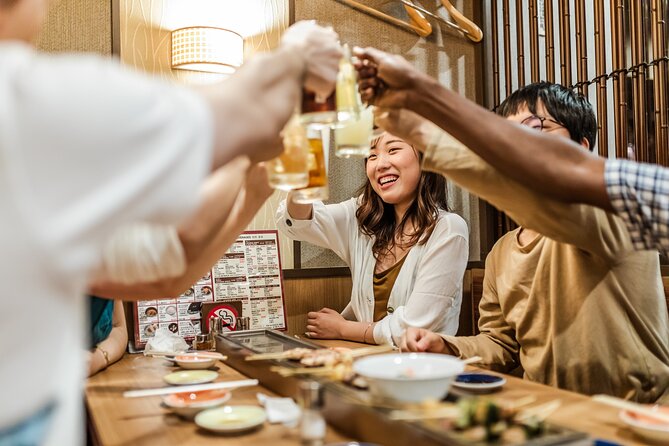
Nijo Castle brings a political and military chapter into the walk. Built to display the power of Tokugawa Ieyasu, the Edo-period fortress offers grounds and architecture tied to the shoguns and samurai.
A guide can make this stop more than a quick photo opportunity by explaining how the castle fits into Kyoto’s dramatic political past. The setting also contrasts with shrines and entertainment districts, so it helps create a broader picture of the city.
The catch is time and admission. Castle tickets are not included, and touring the grounds can take a meaningful part of a 3 to 4-hour experience. If Nijo Castle is your priority, say so early and accept that you may see less of Gion or Sanjo.
This is a good example of why the pre-tour planning matters. The private format gives you a better chance of matching the route to your interests, but it does not add extra hours to the day.
What the guides add to the experience
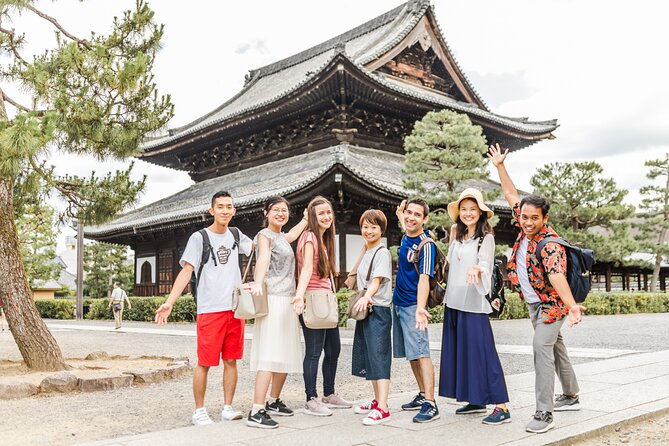
The most useful part of this tour is the human help. You are not just receiving facts. You can ask where to go next, how to handle a practical problem, and which parts of Kyoto fit your limited time.
The guide names connected with this experience include Woohee, Mai, Andy, Ada, Cici, Taiga, Kenya, Nehal, and Alexi Tsubasa. Guide quality can vary from person to person, as it does with any host-based tour, but the format gives you a direct way to explain what you need before the walk begins.
Mai has helped visitors move through busy train stations, taken photographs, and continued offering suggestions after the tour. Ada has helped with phone calls in Japanese, a small service that can matter when language creates a real obstacle.
Alexi Tsubasa prepared a map before one visit and helped plan a walk focused on Kyoto artisans and local shops. That kind of preparation is especially useful if you want to buy crafts rather than simply browse souvenir stores.
Other guides have adjusted the pace for young children and grandparents, found quieter places, and built an accelerated introduction for a tight schedule. Cici has been noted for setting a comfortable pace, while Andy has focused on less crowded areas.
These details point to the tour’s strongest quality: practical, personal assistance. Still, you should not assume every host will offer the same specialty. State your needs clearly in the questionnaire and direct messages.
Is $137.74 per person a fair price?
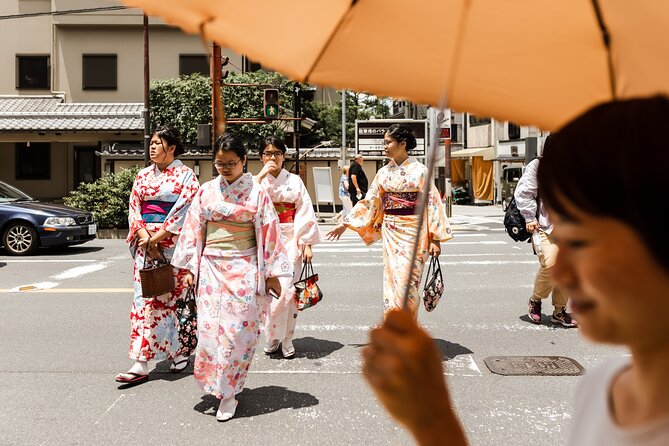
At $137.74 per person, this is not a cheap way to walk around Kyoto. The value depends heavily on your group size and your goals.
For a solo visitor or couple, the price can make sense if you want help with language, navigation, and planning. You are paying for a private 3 to 4-hour experience, not just admission to a single sight. A host who saves you from a wrong train, points you toward useful areas, and shapes the route around your interests may save valuable vacation time.
For a larger private group, the cost may feel easier to justify if everyone shares the same priorities. Group discounts are offered, but the supplied details do not state the discount amount, so check the final booking price.
The price does not include meals, drinks, attraction tickets, public transport, taxis, or tips. Build those costs into your budget. If you mainly want to see a single shrine from the outside, you can explore more cheaply on your own. If you want local guidance and a flexible plan, the private format offers more value.
The tour is booked, on average, 36 days ahead. That suggests planning early if you have fixed dates, though availability can change.
Who should book this walk?
I would recommend it most strongly for a first Kyoto visit, especially if you feel uneasy about navigation or language. The guide can help you get oriented before you tackle other parts of the city alone.
It also fits:
- Families with children and grandparents who need a flexible pace
- Couples who want a private route rather than a group schedule
- Visitors with only half a day in Kyoto
- People interested in food, markets, artisans, shrines, or neighborhood life
- Anyone who wants quieter streets alongside major sights
- Repeat visitors who prefer local shops and lesser-known areas over a standard checklist
You may get less value if you already know Kyoto well, speak Japanese comfortably, and have a detailed route prepared. You should also reconsider it if you want a private vehicle. This is primarily a walking experience, and no private car is provided.
Wear weather-appropriate clothing and comfortable shoes. One person had an enjoyable temple walk despite an unexpectedly cold day, but the experience would have been easier with better preparation. Kyoto weather can make a long outdoor walk feel very different from the same route on a mild day.
Practical details before you reserve
Confirmation arrives at booking, and most people can participate. Service animals are allowed, and the start point is near public transportation.
You receive a short questionnaire after booking. Take it seriously. List your must-see places, walking pace, food interests, shopping goals, mobility needs, and any family considerations. The more specific you are, the easier it is for the host to build a useful route.
The tour is private, so only your group participates. Pickup is offered, but the stated meeting point is Starbucks Coffee near Sanjo-ohashi Bridge, and the activity ends back at the meeting point. Ask the host to confirm the exact arrangement.
Free cancellation is available up to 24 hours before the local start time. Canceling or changing the booking within 24 hours does not qualify for a refund.
Should you book the Kyoto private walking tour?
Book it if you want a flexible Kyoto orientation led by one local person who can adjust the route, explain customs, and help you make sensible choices with limited time.
The strongest reasons are the private format, advance planning, and practical help with navigation. The main limits are the price, extra costs, and the fact that a short walk cannot cover all of Kyoto. Choose two or three priorities, not ten.
For a first visit, I would use this tour early in your stay and ask for the neighborhoods you most want to understand. For a return visit, I would focus on artisans, food, quieter streets, or a specific district rather than repeating the standard sights.
FAQ
How long does the Kyoto private walking tour last?
The experience lasts approximately 3 to 4 hours.
Is this a private tour?
Yes. Only your own group participates in the activity.
Where does the tour begin?
The stated meeting point is Starbucks Coffee at Kyoto Sanjo-ohashi Bridge, in Nakagyo Ward.
Where does the tour end?
The activity ends back at the meeting point.
Can I choose the tour start time?
Yes. Flexible start times are available, and you can select your preferred time when booking.
Can I customize the itinerary?
Yes. After booking, you receive a questionnaire about your interests, preferences, and must-see places. You can also communicate directly with your host about the route.
What areas might the tour visit?
Possible areas and sights include Sanjo, the Kamogawa River, Gion, Tatsumi Bridge, Yasaka Shrine, Heian Shrine, and Nijo Castle. The exact route depends on your interests and the available time.
Are attraction tickets included?
No. Tickets for attractions are not included in the tour price.
Is transportation included?
No. This is primarily a walking experience. Public transportation or local taxis may be used, but those costs are additional.
Can I cancel for a full refund?
Yes, if you cancel at least 24 hours before the experience start time. Cancellations within 24 hours are not refunded.
More Half-Day Tours in Kyoto
- Kyoto Arashiyama Bamboo forest & Garden Half-Day Walking Tour
★ 5.0 · 413 reviews - Half-Day Private Walking Tour in Kyoto
★ 5.0 · 57 reviews - Kyoto: Half-day Guided Bike Tour with Fushimi Inari
★ 4.9 · 21 reviews - Miyajima Half-day Trip Historical Walking Tour
★ 5.0 · 284 reviews
Just added around Kyoto
- Sekka Cotton Furoshiki Class★ 5.0 · 19 reviews
- Secret Eastern Kyoto Biking Adventure★ 5.0 · 44 reviews
- Kyoto Sword Experience – includes Museum Ticket/Ninja Experience★ 4.5 · 149 reviews
- Scenic Green Tea Fields of Hidden Kyoto & Local Tea Exp (Private)★ 5.0 · 32 reviews
- Private Sake Tasting in Central Kyoto with Sake Sommelier★ 5.0 · 32 reviews
- Samurai School in Kyoto: Samurai for a Day★ 5.0 · 202 reviews
- SHIRAKAWA Japanese Culture Experiences with private English staff★ 5.0 · 16 reviews
- A Privately Guided Photoshoot in Beautiful Kyoto by a Pro★ 5.0 · 18 reviews
Walking Tours, compared.

Kyoto Geisha Walking Tour: Gion District & Hidden Gems
Our verdict →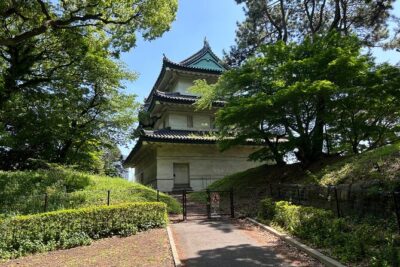
Imperial Palace and Shogun Historical Walking Tour
Our verdict →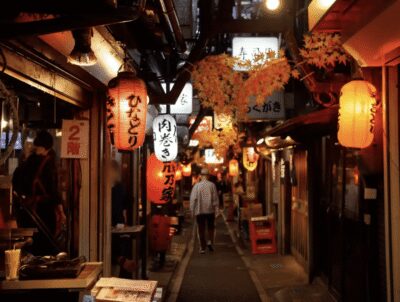
Shinjuku Local Bar and Izakaya Guided Walking Tour
Our verdict →

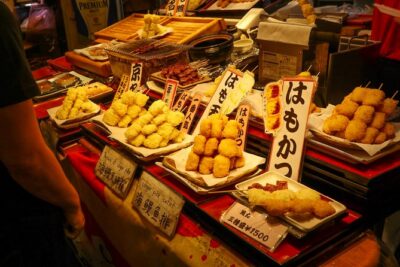
Nishiki Market Brunch Walking Tour (7 Tastings + Brunch)
Our verdict →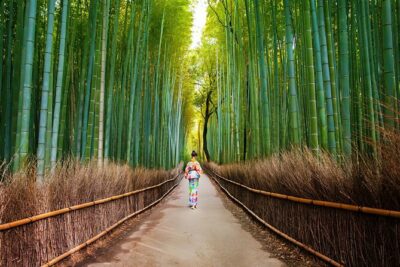
Kyoto Arashiyama Walking Tour: Bamboo, Monkeys, Gardens & Secrets
Our verdict →
Tokyo Castle & Imperial PalaceーShogun Walking Tour
Our verdict →Browse the lists this tour appears in