
Reviewed · TEMPLES & SHRINES
Near Fushimiinari: Kyoto Home Cooking Class & Supermarket tour
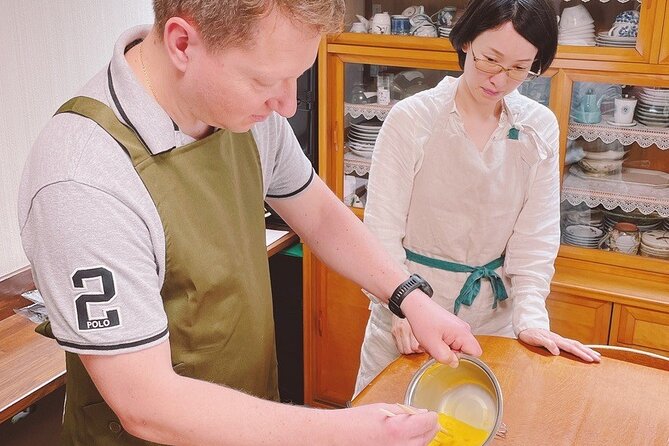
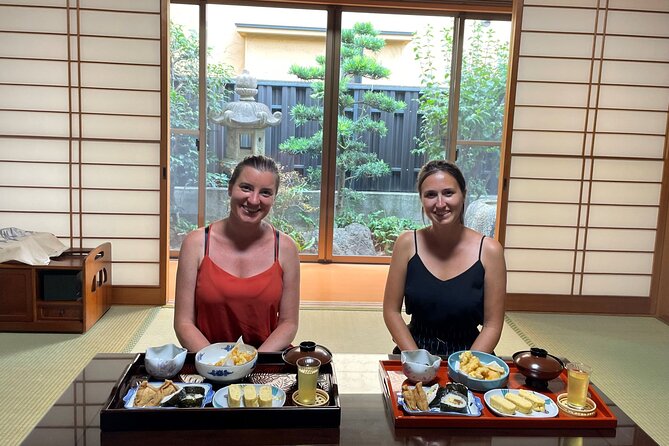
The best part of this Kyoto experience is the setting: you cook in a traditional Japanese home, then eat your own meal in a tatami room with a garden view. Miho guides you through dashi, the soup stock behind much of Japanese cooking, before you prepare about five dishes yourself or with a partner. I like the small class size and the useful supermarket visit, where Japanese labels and unfamiliar ingredients become much easier to understand.
I also like that you leave with recipes rather than just a full stomach. The main consideration is the price, $118.92 per person, which is a serious spend for a four-hour activity, and drinks are not included. Still, the meal, instruction, ingredients, taxes, and supermarket walk are all covered, making this more than a standard cooking demonstration.
Key points about this Kyoto cooking class
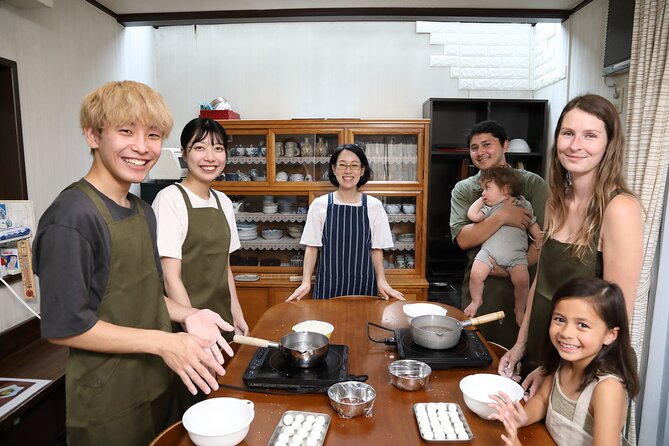
- Cook about five dishes hands-on: You watch demonstrations, then prepare the food yourself or with a partner.
- Start with dashi: Learn about several types of Japanese soup stock and how they shape everyday cooking.
- Eat in a tatami room: Lunch is served in a traditional room with a view of a Japanese garden.
- Shop after cooking: A roughly 30-minute supermarket visit helps you find the same ingredients back home.
- Small English-language class: The group is capped at six people, and the instructors are licensed guide interpreters.
- Convenient Fushimi Inari location: The class begins at 9:30 a.m. near public transportation and returns to the same meeting point.
Cooking in a real Kyoto home near Fushimi Inari
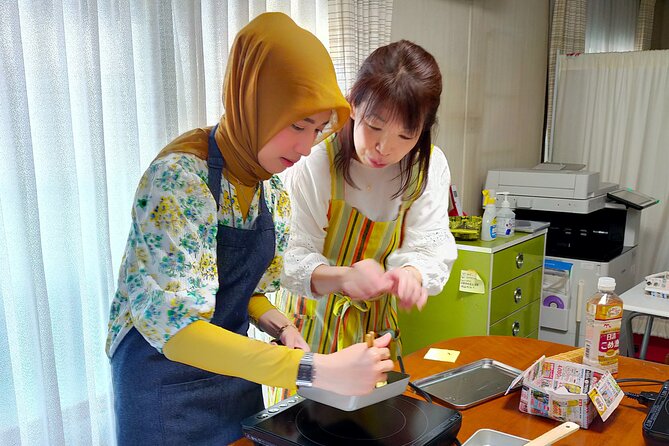
This is not a class in a large culinary studio with rows of identical workstations. You meet at 38-4 Fukakusa Watamoricho in Fushimi Ward, in a residential setting near Fushimi Inari Shrine, and cook in a Japanese home.
That setting matters. The experience includes time in a traditional room with tatami flooring, a tokonoma display area, and a garden view. You are not simply learning how to slice vegetables. You are also seeing how a home meal fits into Japanese domestic life.
I would allow a little extra time to find the address, especially if you are carrying luggage or arriving from another part of Kyoto. The meeting point is near public transportation, but the activity does not include hotel pickup or drop-off. The class begins at 9:30 a.m., so plan your route the night before rather than trying to navigate Kyoto at the last minute.
The group limit of six is one of the most useful details here. You should have a reasonable chance to ask questions, watch the demonstrations clearly, and get corrections while you cook. It also makes the meal feel more like a shared lunch than a formal lesson.
More Cooking Classes in Kyoto
- Ramen Cooking Class at Ramen Factory in Kyoto
★ 5.0 · 1,937 reviews - Kyoto: Ramen Cooking Class at a Ramen Factory with Souvenir
★ 4.9 · 532 reviews - Kyoto: Ramen, Gyoza, and Onigiri Cooking Class
★ 5.0 · 445 reviews
Understanding dashi before you start cooking
The class begins with dashi, the Japanese stock used in many soups, sauces, and simmered dishes. This is a smart place to start because dashi is less familiar to many first-time Japanese cooks than soy sauce or rice.
You learn about various types of dashi and see why the base of a dish matters. Even if you do not remember every detail, you will leave with a better sense of why Japanese food can taste light yet full of flavor.
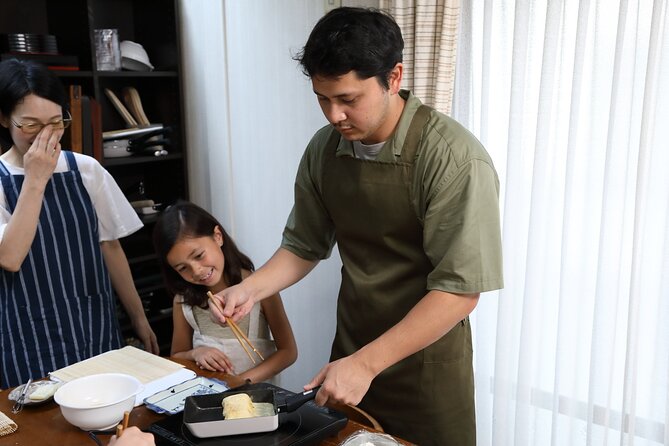
Miho demonstrates techniques before you begin. That structure should suit you if you want guidance but still prefer to do the work yourself. The class is not described as a chef-led show where you sit and watch. You prepare the dishes on your own or with a partner, which gives you a better chance of remembering the steps later.
The lessons are conducted in English, and the instructors are licensed guide interpreters. That is especially useful during the supermarket visit, where the names of ingredients, package labels, and cooking terms can otherwise become confusing. The class also welcomes English and non-English speakers, according to the activity details, but the instruction itself is in English.
Preparing five Japanese dishes by hand
The exact menu can vary, but the class has included miso soup, matcha, sushi, spinach salad, tempura, and mochi. Those dishes give you a useful mix of techniques rather than one narrow recipe.
Miso soup introduces you to the stock and seasoning side of Japanese cooking. Sushi adds preparation and presentation. Tempura helps you work with batter and frying, while a spinach salad shows how a simple vegetable dish can fit into a larger meal. Mochi adds a playful finish, and one class included mochi ice cream.
The menu sounds broad, but you should not expect a professional culinary certificate or highly advanced knife training in four hours. The value is practical familiarity. You get to handle ingredients, follow a demonstration, and ask why a method is used.
The class can cater to vegetarians, which is worth mentioning when you book or confirm your needs. The available information does not spell out every dietary option, so you should not assume that all restrictions can be covered without advance notice.
Miho is the named instructor in several of the strongest comments about the experience. Her style comes across as friendly, patient, and clear, with plenty of time for questions. That personal attention is a major reason the six-person limit matters.
Lunch in a tatami room with a garden view
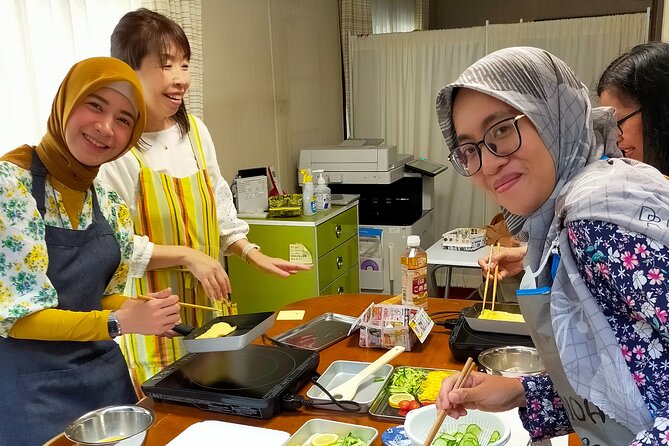
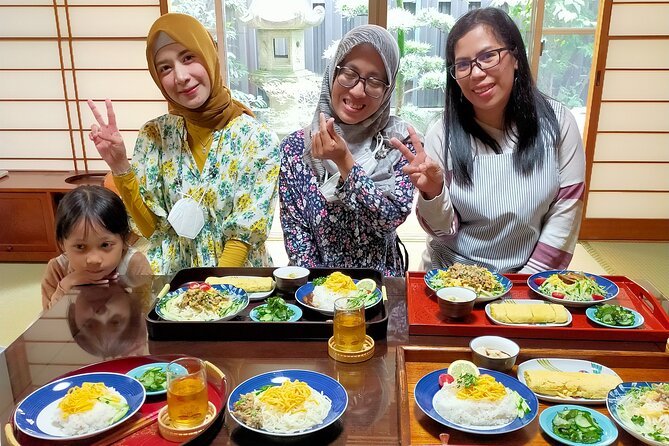
After cooking, you sit together and eat the dishes you prepared. The meal takes place in a traditional Japanese room with tatami flooring, a tokonoma display area, and a garden view.
This part gives the class its sense of place. You are not just carrying a container of food out the door. You sit down with the people from the class and see how the dishes work together as a meal.
Lunch is included in the price, along with the ingredients, seasonings, and taxes. Drinks are not included, so bring money if you want something beyond what is provided. Gratuity is also not included.
The meal is listed as lunch, although some descriptions refer to cooking an amazing Japanese dinner. Since the start time is 9:30 a.m. and the experience lasts about four hours, you should plan on a late-morning or midday meal rather than an evening dinner.
I like the fact that the food is made by you. That does mean the experience depends partly on your own participation. If you want a polished restaurant meal with no work, this is the wrong choice. If you want to understand the food and eat what you helped prepare, it is a much better fit.
More Temple & Shrine Tours in Kyoto
- Kyoto: Fushimi Inari, Kinkakuji, Bamboo Grove 1 Day Bus Tour
★ 4.8 · 4,316 reviews - Kyoto: Tea Ceremony in a Traditional Tea House in Kiyomizu
★ 4.9 · 3,519 reviews - Kyoto: Tea Ceremony Ju-An at Jotokuji Temple
★ 4.9 · 3,207 reviews - Fushimi Inari Hidden Hiking Tour (Private Option Available)
★ 5.0 · 1,750 reviews
A 30-minute supermarket lesson after lunch
The supermarket visit is a small part of the schedule, but it may be the most useful feature for cooking at home. After the meal, you explore a local supermarket for about 30 minutes and look for the ingredients used in class.
Japanese supermarkets can be difficult to read at first. Packaging often uses Japanese script, similar items may sit together, and an ingredient that seems obvious in a recipe may not be easy to identify on a shelf. Having an instructor explain what you are seeing turns the store into a practical lesson.
You can also buy ingredients for your family and friends if you wish. This gives you a chance to try the recipes again while the class is still fresh in your mind.
Do not expect a long food market tour. Thirty minutes is enough to point out key products and explain what you need, but not enough for a full survey of Japanese groceries. I see that as a fair trade because the main purpose is to connect the supermarket to the recipes you have just cooked.
The supermarket visit also helps you judge what can realistically be recreated outside Japan. Some items may be easy to find in your local Asian market, while others may need substitutions. The instructor can help you identify products, but the class does not promise that every ingredient will be available in your home country.
What the $118.92 price includes
At $118.92 per person, this is not a budget activity. I would compare it with the cost of a restaurant lunch, a guided food tour, and a private lesson rather than with the price of buying ingredients for one meal.
You are paying for roughly four hours of activity, hands-on instruction, lunch, all cooking ingredients and seasonings, taxes, an English-speaking instructor, and the supermarket visit. You also get the home setting, the small group, and recipes to use later.
The price makes the most sense if you value personal instruction. With a maximum of six people, you should have more access to the instructor than you would in a large group. It also works well for solo visitors, since the cooking and shared meal create a natural way to meet other people without needing to organize anything yourself.
The value is weaker if you are mainly seeking a cheap meal or a quick food tasting. The activity takes most of a morning and early afternoon, and you need to do the cooking. For many visitors, though, the recipes and supermarket skills are worth more than a one-time restaurant lunch.
Who will enjoy this experience most
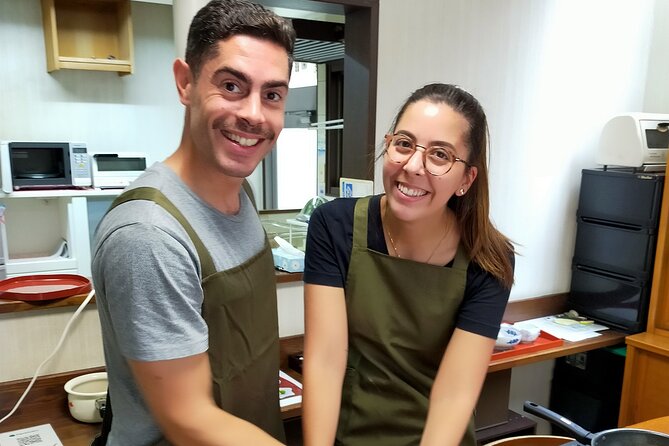
I would recommend this class to you if you want a personal look at Japanese food and home life, not just a list of famous dishes. It suits solo visitors, couples, and small groups who enjoy doing something together.
It is also a good choice for people who want to recreate Japanese dishes at home. The recipes, ingredient explanations, and supermarket walk give you practical help that a restaurant meal cannot provide.
Families may enjoy it as well, especially if children or grandparents like hands-on activities. One class included a granddaughter making mochi ice cream, showing how the experience can work across generations. The cooking does require attention, so very young children may not enjoy every stage.
Vegetarians can be accommodated, but you should raise the issue ahead of time. The class is in English, which makes it suitable for English-speaking visitors who want detailed explanations rather than silent demonstrations.
I would be less likely to choose it if you have a packed Kyoto schedule and only want to see the shrine. The class lasts about four hours, and the cooking is the main event. It is also not the best match if you dislike group meals or prefer to observe rather than participate.
Timing, meeting point, and practical details
The class starts at 9:30 a.m. and ends back at the meeting point after the supermarket visit. The total duration is approximately four hours.
You receive a mobile ticket, and confirmation is provided when you book. The experience is near public transportation, but hotel transfers are not included. Since the class begins at a fixed time, check your route carefully and arrive with enough margin to find the home.
The activity requires good weather. If poor weather causes a cancellation, you are offered another date or a full refund. You can cancel for a full refund up to 24 hours before the start time, but cancellations or changes made inside that window are not accepted.
The class has a perfect five-star rating from 100 published ratings and is recommended by 100 percent of participants. I would treat that as a strong sign of consistent satisfaction, especially because the same qualities keep coming through: Miho’s warm teaching style, clear English, the traditional home, useful cooking guidance, and the supermarket explanations.
Still, no cooking class is entirely predictable. Menus may vary, group cooking means sharing some tasks, and the food you produce depends partly on your own effort. Those are normal tradeoffs, not reasons to expect a poor experience.
Should you book this Kyoto cooking class?
Book it if you want to learn Japanese cooking in a home, eat what you prepare, and understand how to find the ingredients afterward. The combination of dashi instruction, about five dishes, a tatami-room lunch, recipes, and a supermarket visit gives the four hours a clear purpose.
I especially recommend it to solo visitors, home cooks, and anyone who wants a slower, more personal Kyoto activity near Fushimi Inari. At $118.92, it is a splurge, but the small group and take-home recipes help justify the cost.
Skip it if you want a low-cost food stop, a short activity, or a fully served meal with no kitchen work. For everyone else, Miho’s class offers a useful and friendly way to leave Kyoto with more than photographs. You leave with techniques, ingredient knowledge, and a meal you helped create.
FAQ
Where does the Kyoto cooking class meet?
The meeting point is 38-4 Fukakusa Watamoricho, Fushimi Ward, Kyoto, 612-0022, Japan. It is near Fushimi Inari Shrine and public transportation.
What time does the class start and how long does it last?
The class starts at 9:30 a.m. and lasts approximately four hours. It ends back at the meeting point after the supermarket visit.
How many people can join the class?
The class has a maximum of six participants.
Is the cooking class taught in English?
Yes. The class is conducted entirely in English, and the instructors are licensed guide interpreters.
What is included in the price?
The price includes lunch, all fees and taxes, cooking ingredients and seasonings, an English-speaking instructor, and a local supermarket tour lasting about 30 minutes. Drinks, gratuity, and hotel transfers are not included.
Can I cancel the booking for a full refund?
Yes, if you cancel at least 24 hours before the experience start time. Cancellations or changes made less than 24 hours in advance are not accepted for a refund. If poor weather causes the activity to be canceled, you are offered another date or a full refund.
Just added around Kyoto
- Sekka Cotton Furoshiki Class★ 5.0 · 19 reviews
- Kyoto Sword Experience – includes Museum Ticket/Ninja Experience★ 4.5 · 149 reviews
- Scenic Green Tea Fields of Hidden Kyoto & Local Tea Exp (Private)★ 5.0 · 32 reviews
- Secret Eastern Kyoto Biking Adventure★ 5.0 · 44 reviews
- Private Sake Tasting in Central Kyoto with Sake Sommelier★ 5.0 · 32 reviews
- Samurai School in Kyoto: Samurai for a Day★ 5.0 · 202 reviews
- SHIRAKAWA Japanese Culture Experiences with private English staff★ 5.0 · 16 reviews
- A Privately Guided Photoshoot in Beautiful Kyoto by a Pro★ 5.0 · 18 reviews
Temples & Shrines, compared.

Tea Ceremony in a Traditional Tea House in Kiyomizu
Our verdict →

Meiji Shrine, Asakusa, Skytree Bus Tour and Cruise
Our verdict →
Fushimi Inari Hidden Hiking Tour (Private Option Available)
Our verdict →
Osaka/Kyoto:Kinkakuji,Arashiyama,FushimiInariShrine,NaraPark
Our verdict →
Nikko: Kegon Falls, Lake Chuzenji & Toshogu Temple
Our verdict →
Kamakura & Enoshima Day Trip including Temple Tickets
Our verdict →Browse the lists this tour appears in