
Reviewed · IZAKAYA TOURS
Izakaya Style Cooking Class
Kyoto’s izakaya cooking class teaches you the food people actually eat at casual Japanese restaurants and home kitchens, not just sushi and teriyaki. You will learn to make dashi, work with Japanese seasonings, prepare several small dishes, and eat the results for dinner.
I like the hands-on format and the way the class covers several recipes in one afternoon. I also like that you leave with recipes you can repeat at home. The main drawback is that the menu changes with the season, so you cannot count on making a particular dish. Sake may also cost extra if you accept a glass without checking first.
Key points to know
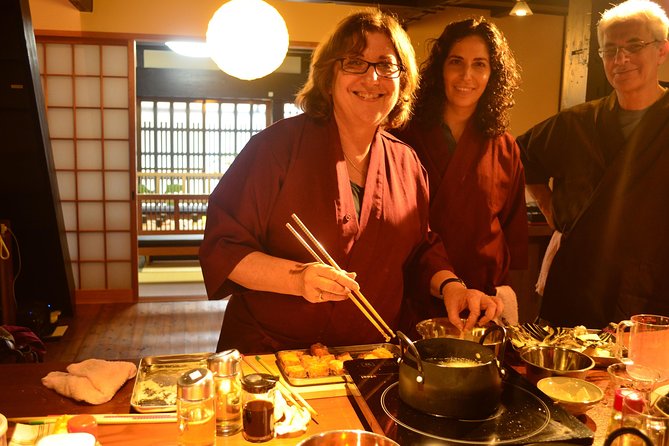
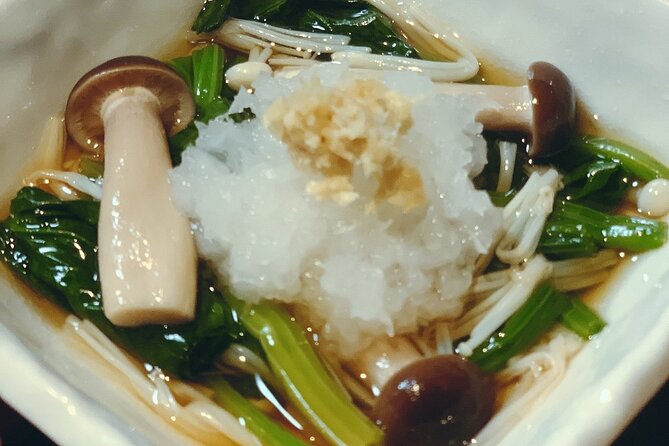
- Six dishes may be prepared in one class: Past menus have included spinach with sesame sauce, pumpkin soup, cucumber salad, mushroom tempura, teriyaki yellowtail, vegetable pasta, rice dishes, and mochi dessert.
- Dashi is part of the lesson: You learn the Japanese stock that gives many soups and sauces their savory base.
- Small-group instruction: The class takes up to eight people, allowing the instructors to help with chopping, sauces, and cooking technique.
- Dinner is included: After cooking, you sit down and eat the meal you prepared.
- Dietary needs should be reported early: Vegetarian, allergy, and celiac requirements have been accommodated, but you should state them at booking.
- The class starts at 2 p.m.: Allow about three hours at Cooking Sun, at 679 Funayacho in Kyoto’s Shimogyo Ward.
Why izakaya food is a smart way to learn Japanese cooking
Izakaya is Japan’s answer to the small-plate pub meal. The dishes are ordered with drinks, shared around the table, and designed to offer variety without a large bill. This makes the style a useful introduction to Japanese food because you are not tied to one main course.
The class also gives you a better feel for everyday Japanese cooking. You may work with vegetables, fish, mushrooms, sesame, soy sauce, rice, and seasonal produce in combinations that are simple but carefully balanced. The lesson is less about making a showpiece and more about learning how a few basic seasonings can change a dish.
The tradition developed from sake shops that began serving food to encourage customers to stay longer. Over time, these places became casual meeting spots for people of all ages. That background helps explain the menu: izakaya cooking is social, practical, and built around several modest dishes rather than one formal meal.
At about $71.63 per person, the price is fair if you value instruction as much as dinner. Your fee covers the ingredients, apron, English-speaking instructor, and the meal you prepare. You are also paying for a three-hour activity and recipes that can continue to earn their keep in your own kitchen.
More Cooking Classes in Kyoto
- Ramen Cooking Class at Ramen Factory in Kyoto
★ 5.0 · 1,937 reviews - Kyoto: Ramen Cooking Class at a Ramen Factory with Souvenir
★ 4.9 · 532 reviews - Kyoto: Ramen, Gyoza, and Onigiri Cooking Class
★ 5.0 · 445 reviews
Arriving at Cooking Sun Kyoto
The class begins at 2 p.m. at Cooking Sun, 679 Funayacho, Shimogyo Ward, Kyoto, 600-8466. The school is in a traditional wooden house, which gives the afternoon a more personal setting than a large hotel kitchen.
The exact meeting details should be checked carefully when you book. The information says the location is provided at booking, while the stated meeting point is Cooking Sun itself. The activity begins and ends at the meeting point, and hotel pickup is not included.
You should arrive ready to cook rather than treat this as a demonstration. An apron is supplied, and all ingredients are included. The venue is near public transportation, so you can fit the class into a day of sightseeing without arranging a private transfer.
The timing works well for a Kyoto itinerary. You can visit a temple or market in the morning, attend the 2 p.m. class, and finish with an early dinner. Since the activity lasts about three hours, do not schedule a distant evening reservation immediately afterward.
The opening lesson: izakaya, dashi, and Japanese flavor
The first part introduces the izakaya tradition and the ingredients used in the kitchen. This is where the class earns its value for anyone who has eaten Japanese food but has never understood how the flavors are built.
Dashi is a central topic. This Japanese soup stock provides a savory foundation for soups, sauces, and other dishes. Learning it matters because it is one of the quiet building blocks behind Japanese cooking. Once you understand the stock, you can better understand why a dish tastes rounded instead of simply salty.
The chef also explains seasoning methods and the differences among sauces and condiments. This practical detail is more useful than a long lecture. You begin to see how Japanese cooks balance salty, sweet, tangy, and savory notes.
English instruction is provided, and the cooking team is used to teaching people with different levels of experience. The class has included complete beginners, keen home cooks, and families with children. The recipes are explained at a level that lets everyone follow along, while more experienced cooks can pay attention to flavor combinations and technique.
Chopping, stirring, and making several dishes
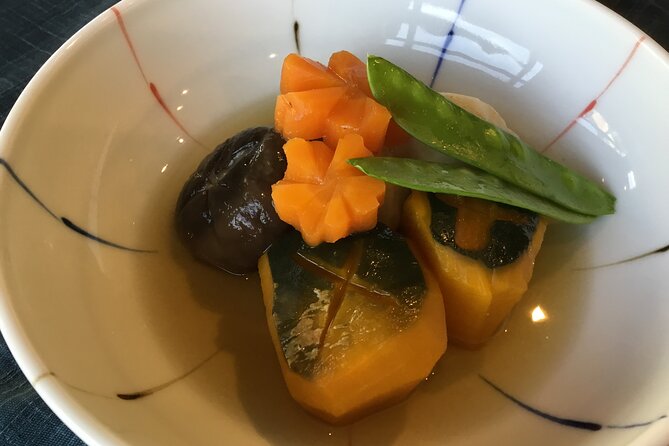
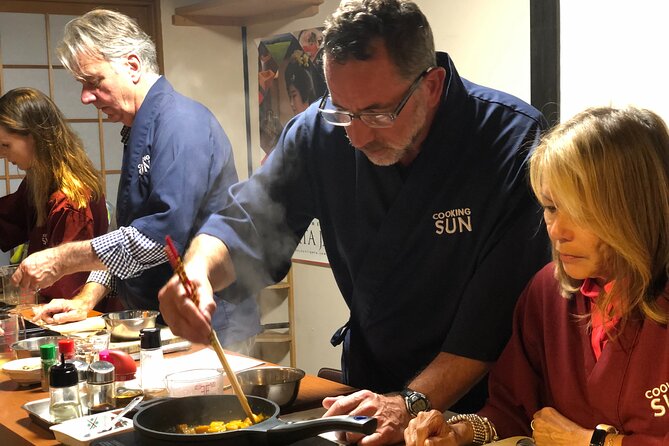
After the demonstration, you work at your own station or within the class group, depending on the setup that day. You may chop vegetables, prepare sauces, handle fish, make soup, fry tempura, or assemble rice and side dishes.
One strength of the format is its variety. Past menus have included spinach with sesame sauce, teriyaki yellowtail, vegetable chowder, mushroom tempura, and vegetable rice. Other sessions have featured cucumber salad, pumpkin soup, pasta, and mochi dessert.
The menu is seasonal, so you should not book expecting one exact set of dishes. That is a small trade-off. You lose control over the menu, but you gain food selected for current availability. The changing menu also gives you a reason to return if you take another Cooking Sun class.
The instructors prepare some ingredients in advance. That may sound less hands-on, but it allows the class to cover more dishes in three hours. You spend your time learning decisions that matter, such as how to season, cook, combine, and finish the food, rather than waiting for every onion to be peeled.
The pace is active but organized. The teaching team may clean a work area, bring ingredients, and move the group to the next recipe while you are still enjoying the first courses. This keeps the afternoon moving and helps prevent a long pause between cooking and eating.
More Drinking Tours in Kyoto
- Kyoto Night Foodie Tour in Gion (9+ dishes + 6 Sake tastings)
★ 5.0 · 1,762 reviews - 3-Hour Kyoto Insider Sake Brewery Tour with Tastings & Pairings
★ 5.0 · 917 reviews - Arashiyama Bamboo, Temple, Monkeys, or Secret Sake Brewery
★ 4.8 · 886 reviews - Kyoto: Izakaya Bars Guided Walking Tour
★ 4.9 · 815 reviews
The instructors and the feel of the class
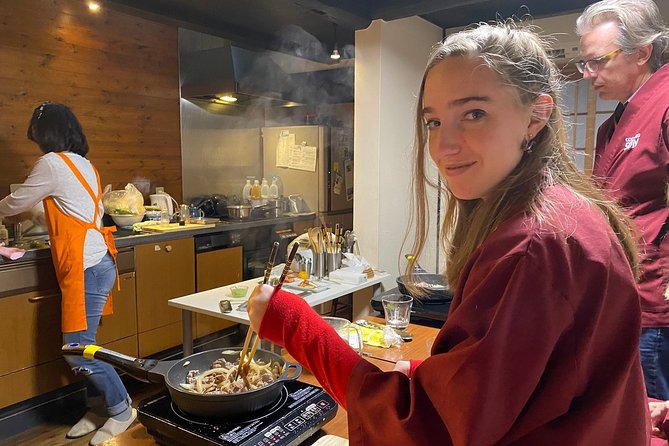
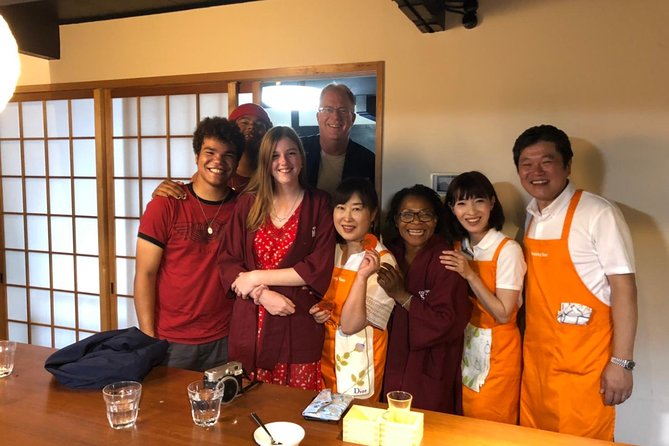
The teaching team, including Keiko, is known for a friendly and structured approach. Clear demonstrations matter here because Japanese cooking uses ingredients and utensils that may be unfamiliar to you. The instructors explain how to use them without assuming that you already know the basics.
The maximum group size is eight people per booking, and the activity itself is capped at eight participants. That is small enough for personal help, although one especially busy session may feel larger than expected. The teaching team works together so questions do not have to wait for one instructor to finish with another student.
This setup is particularly helpful if you are unsure with knives or unfamiliar with Japanese sauces. The instructors can guide you through the steps and adjust their help to your ability. At the same time, an experienced cook will not be limited to watching a chef do everything.
Families can also make good use of the class. Children aged 10 and 12 have followed the lesson successfully, and the recipes are accessible enough for mixed-age groups. You should still consider your own child’s comfort with kitchen work, since this is a working class rather than a passive food tour.
Sitting down to eat what you made
The cooking ends with a shared dinner at the school. This is not just a reward at the end. Eating together lets you compare the dishes, taste the balance of the seasonings, and see how separate small plates work as one meal.
You can expect a generous amount of food. One family found that the group ate a lot, so arriving extremely full would be a mistake. The meal can include several savory dishes and, depending on the menu, soup, rice, noodles, or a sweet such as mochi.
Dinner is included in the advertised price, but the inclusion wording deserves a little care. The tour details list dinner and all cooking ingredients as included, while food and drinks are otherwise listed as not included unless specified. A glass of sake was offered during one class and later charged at 600 yen. Ask the price before accepting any optional drink.
The meal also gives you a chance to ask for Kyoto recommendations. The guide can offer tips for what to do after the class, which is useful if you have not planned your evening. Since the class ends back at the cooking school, you can continue independently from there.
Dietary needs and practical planning
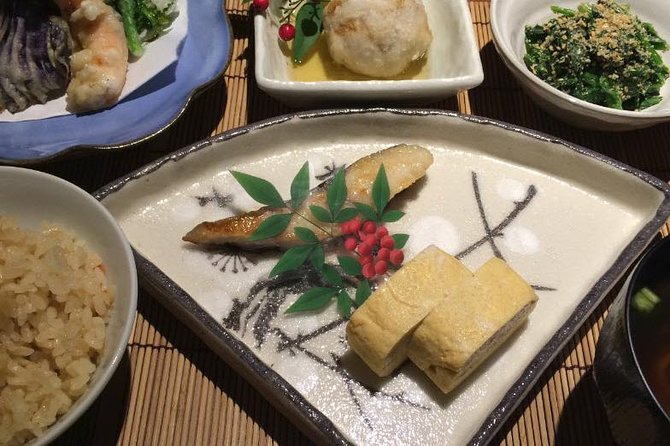
You should provide dietary requirements when booking. The cooking team has accommodated vegetarians, food allergies, and celiac needs, including making substitutions without disrupting the rest of the lesson.
That said, accommodation should never be left to chance. State the restriction clearly and early, then remind the instructor when you arrive. Japanese sauces and stocks can contain ingredients that are not obvious, so specific communication is important.
Service animals are allowed, and the venue is near public transportation. Hotel transfers are not provided. The activity is not presented as a private class, so you should expect to cook with other people unless your booking arrangements say otherwise.
The class offers mobile ticketing, and confirmation is received at booking. Free cancellation is available if you cancel at least 24 hours before the 2 p.m. start time. Within 24 hours, you will not receive a refund, and changes are not accepted.
How the class compares with an ordinary food tour
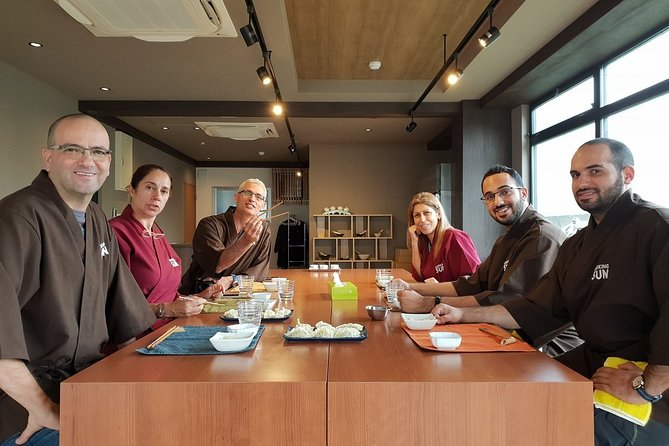
A food tour lets you taste more places and usually gives you a wider look at a neighborhood. This class gives you fewer locations but much more involvement. You learn how the food is made, then sit down to eat it.
I would choose this activity if you want to bring part of Kyoto home with you. The recipes are designed to be repeated, and the class explains ingredients and methods rather than simply handing you a finished plate.
It is also a good choice if your group has mixed interests. One person can focus on technique, another on Japanese food culture, and a child can take part in simple preparation. The shared meal gives everyone a common activity without requiring a full day.
An avid cook may want more technical depth than the class provides. The focus is friendly and practical, not advanced culinary training. You may also find that some dishes use familiar methods, especially if you already cook often. The value then comes from Japanese ingredients, seasonings, and combinations.
The menu can include pasta or other dishes that are not strictly traditional Japanese staples. One past participant would have preferred noodles, while another enjoyed the pasta. If you want a tightly traditional menu, ask what is planned before booking, knowing that seasonal changes remain possible.
Is the $71.63 price good value?
For a three-hour cooking lesson with an English-speaking chef, ingredients, apron, dinner, and recipes, the price is reasonable. You are not paying only for a meal. You are paying for instruction, preparation, kitchen use, and the chance to make several dishes yourself.
The value improves if you actually cook at home after Kyoto. Dashi, sesame sauce, Japanese seasoning, and simple vegetable dishes can become useful additions to your regular meals. If the recipes stay in a suitcase, the price feels closer to an expensive dinner with a lesson attached.
Group discounts may be available, which can make the class more attractive for families or friends. The group limit keeps the activity from becoming a large cooking demonstration, but you should still expect the energy and timing of a shared class.
The 4.9 rating from 219 reviews and 99 percent recommendation rate point to strong satisfaction, especially with the instructors, organization, food, and hands-on format. One clear caution concerns optional sake pricing. Ask before ordering extras, and the cost should be easier to judge.
Who should book this Kyoto cooking class?
Book it if you want practical Japanese recipes, enjoy working with your hands, or would like a social afternoon that ends with dinner. It suits beginners, home cooks, families, couples, and solo visitors who like meeting people through food.
It is especially useful for anyone who has eaten at izakayas but cannot identify the seasonings or techniques. You will leave with a better sense of how Japanese home dishes are built.
You may want another type of activity if your main goal is restaurant hopping, advanced chef training, or a fixed menu. The class changes with the season and includes several dishes, so it favors variety and participation over specialization.
For most people, I would book this as a Kyoto afternoon rather than squeeze it between two distant attractions. Arrive hungry, report dietary needs early, ask about optional drinks, and plan a relaxed evening afterward. The strongest reason to choose it is simple: you eat the food, understand the process, and can make it again.
FAQ
Where does the izakaya cooking class take place?
The class takes place at Cooking Sun, 679 Funayacho, Shimogyo Ward, Kyoto, 600-8466, Japan. The venue is a traditional wooden house near public transportation.
What time does the class start?
The class starts at 2 p.m. and lasts approximately three hours.
What is included in the price?
The price includes dinner, all cooking ingredients, an English-speaking cooking instructor, and an apron.
Is hotel pickup provided?
No. Hotel pickup and drop-off are not included. The activity begins and ends at the cooking school.
How many people can join the class?
The activity has a maximum of eight participants, and a booking can include up to eight people.
Can dietary requirements be accommodated?
You should provide dietary requirements when booking. Vegetarian, allergy, and celiac needs have been accommodated, but you should discuss your specific requirements with the class team.
Can I cancel for a refund?
You can cancel at least 24 hours before the start time for a full refund. Cancellations or changes made less than 24 hours before the activity are not accepted and are not refunded.
More Izakaya Tours in Kyoto
- Kyoto: Afternoon Japanese Izakaya Cooking Class
★ 4.9 · 241 reviews - Best of Shinjuku: Izakaya Food Tour (4 Stops, 14+ Tastings)
★ 5.0 · 1,863 reviews - Tokyo: Shinjuku Local Bar and Izakaya Guided Walking Tour
★ 4.9 · 1,794 reviews - Tokyo: Shinjuku Local Bar & Izakaya Crawl Tour
★ 5.0 · 890 reviews
Just added around Kyoto
- Sekka Cotton Furoshiki Class★ 5.0 · 19 reviews
- Kyoto Sword Experience – includes Museum Ticket/Ninja Experience★ 4.5 · 149 reviews
- Scenic Green Tea Fields of Hidden Kyoto & Local Tea Exp (Private)★ 5.0 · 32 reviews
- Secret Eastern Kyoto Biking Adventure★ 5.0 · 44 reviews
- Private Sake Tasting in Central Kyoto with Sake Sommelier★ 5.0 · 32 reviews
- Samurai School in Kyoto: Samurai for a Day★ 5.0 · 202 reviews
- SHIRAKAWA Japanese Culture Experiences with private English staff★ 5.0 · 16 reviews
- A Privately Guided Photoshoot in Beautiful Kyoto by a Pro★ 5.0 · 18 reviews
Izakaya Tours, compared.
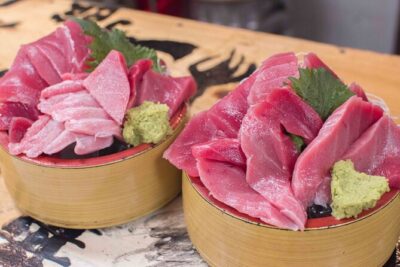
Best of Shinjuku: Izakaya Food Tour (4 Stops, 14+ Tastings)
Our verdict →

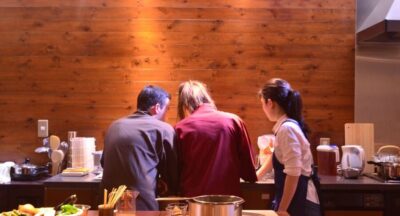
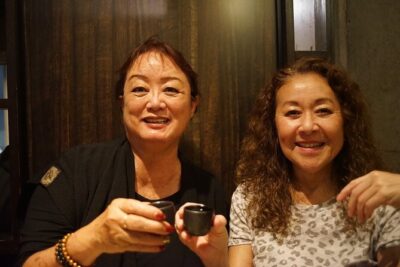
In Fukuoka! Guide to an izakaya only 100% locals know/Bar Hopping
Our verdict →Browse the lists this tour appears in