
Reviewed · IZAKAYA TOURS
Kyoto: Afternoon Japanese Izakaya Cooking Class
Kyoto’s best food lesson may be the one that skips sushi and gets straight to the everyday dishes people cook and order with a drink. This three-hour izakaya class at Cooking Sun has you prepare several savory dishes, and sometimes a dessert, then sit down and eat what you made.
I like the two-part format, which keeps you cooking instead of watching a long demonstration. I also like that the recipes use practical techniques and ingredients such as dashi and mirin, so you can repeat the dishes at home. The main consideration is pace: several dishes fit into one afternoon, so you need to stay involved.
Key Points at a Glance
- Two cooking rounds: Prepare two or three dishes, eat them, then return to the kitchen for another two or three.
- More than sushi: Learn home-style and izakaya food, including dishes that are less familiar to many visitors.
- English instruction: Yumi, Yumiko, and other English-speaking chefs guide the class with clear, step-by-step help.
- Recipes for home: Take written recipes with you, making the class useful after your Japan trip.
- A full meal included: You eat the dishes you prepare during both parts of the lesson.
- Flexible booking: The class costs $67 per person, lasts three hours, and allows free cancellation up to 24 hours before the start.
Why Izakaya Cooking Makes a Good Kyoto Afternoon
An izakaya is a Japanese drinking and dining place built around small dishes shared at the counter or table. The food is often simple in appearance but depends on good timing, balanced seasoning, and basic Japanese ingredients.
That makes this class a smart choice if you want more than a quick food demonstration. You are not only watching a chef prepare something polished. You are chopping, mixing, seasoning, cooking, and eating in the same session.
I especially like the focus on dishes eaten at home and in local restaurants. Sushi classes are easy to find, but they do not always explain the everyday foundations of Japanese cooking. Here, you may work with dashi broth, mirin, soy sauce, vegetables, meat, seafood, or other familiar Japanese staples, depending on the menu offered that day.
The exact dishes can vary. Past sessions have included as many as six dishes, including dessert, while the formal plan describes two or three dishes in each of two cooking rounds. That is a useful distinction. You should expect a generous amount of food and instruction, but not assume a fixed menu.
More Cooking Classes in Kyoto
- Ramen Cooking Class at Ramen Factory in Kyoto
★ 5.0 · 1,937 reviews - Kyoto: Ramen Cooking Class at a Ramen Factory with Souvenir
★ 4.9 · 532 reviews - Kyoto: Ramen, Gyoza, and Onigiri Cooking Class
★ 5.0 · 445 reviews
Arriving at Cooking Sun in Funayacho
The meeting point is Cooking Sun at Funayacho, in Kyoto’s Shimogyo Ward. The class takes place indoors, which makes it a useful break from temple visits, shopping, or a rainy afternoon in the city.
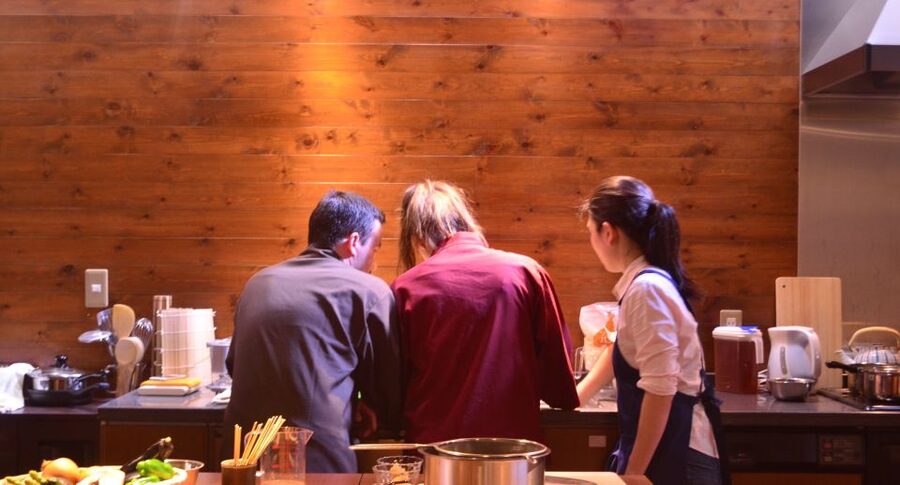
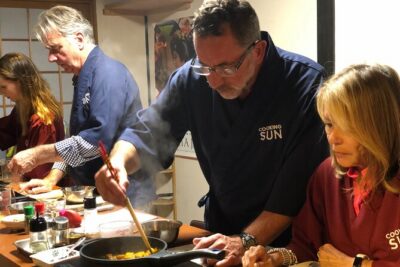
The setting is designed for hands-on work. Ingredients, cookware, cutlery, an apron, and utensils are provided, so you do not need to bring cooking equipment. One particularly useful feature is that the instruction is practical rather than showy. The chefs explain what to do, then help you complete the task yourself.
English is the teaching language. The instructors are described as friendly, patient, and clear, with Yumi and Yumiko named in particular. Other sessions have included several chefs helping at once. That can matter if you are a beginner, because you can ask for help while the rest of the class continues.
The class is wheelchair accessible. If you have allergies, dietary restrictions, or other food requirements, tell the local supplier when you book. Do not wait until you arrive, since the kitchen may need time to prepare suitable ingredients or separate equipment.
First Cooking Round: From Ingredients to the Table
The class begins with a cooking session guided by the chef. You work on two or three dishes together, with the instructor explaining the ingredients, methods, and order of work.
This first section is where the class earns its value. You learn not just what to add, but why a dish uses a particular Japanese ingredient or technique. One past participant highlighted making dashi from the basics, which is the sort of detail that can change how you understand Japanese food at home.
The format is active. You should expect to follow directions, handle ingredients, and keep an eye on several small tasks. The instructors are there to correct mistakes and keep the cooking moving, but this is not a private lesson built around one person’s every move.
That said, the teaching is suited to a wide range of skill levels. People with little cooking experience have found the instructions easy to follow, while an experienced chef taking part said the class still offered useful lessons. You do not need to be confident in the kitchen to enjoy it.
The izakaya style also shapes the atmosphere. You are encouraged to talk with the chef while you cook and eat, much as you would at an over-the-counter restaurant. This gives the class a social feel and makes room for questions about Japanese food customs, ingredients, and everyday meals.
Eating What You Cooked
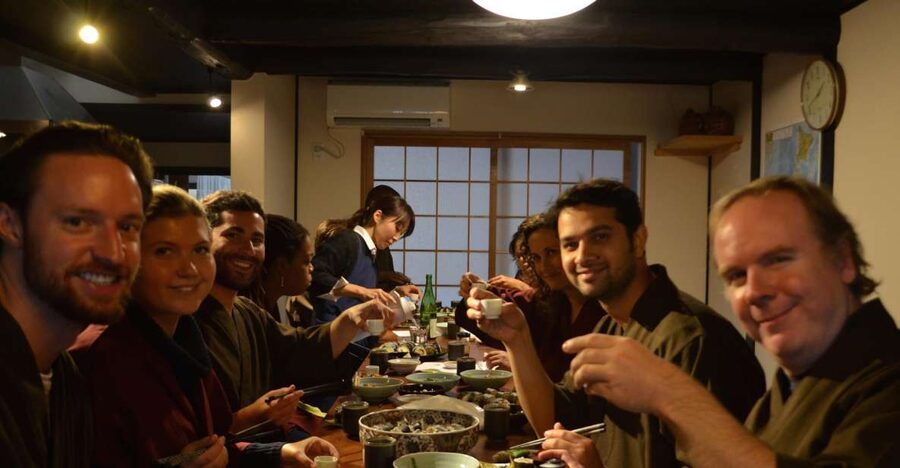
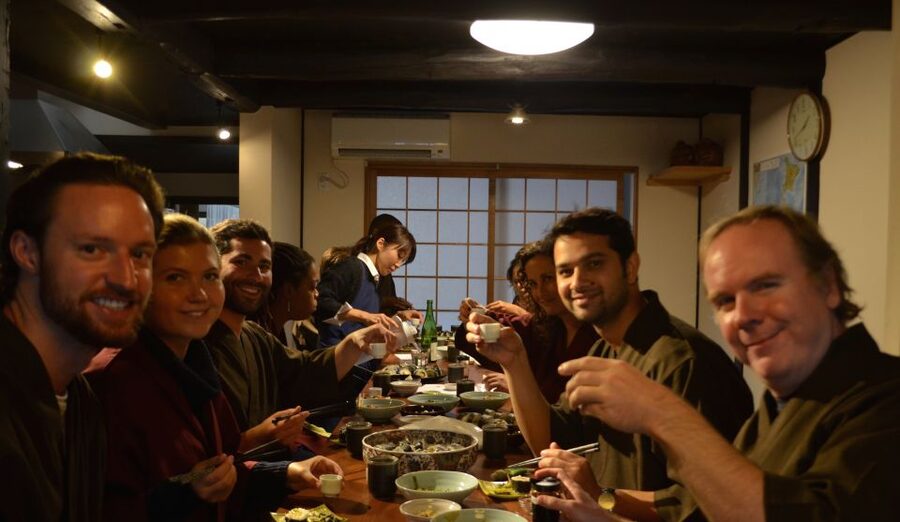
After the first round, you sit down and eat the dishes you have prepared. This is not a token tasting. The food forms part of a proper shared meal, and the cooking process makes it easier to notice how each ingredient works.
I like this pause because it gives you time to ask questions while the food is fresh. You can compare flavors, think about what you would change at home, and learn how the dish fits into Japanese dining culture.
It also gives the afternoon a natural rhythm. You are not standing at a counter for three straight hours. You cook, eat, talk, and then return to the kitchen.
The food has earned some of the strongest praise attached to this class. One participant called the okonomiyaki the best they had eaten, while others singled out the taste of every dish. Another useful point is that the recipes are not only delicious, but also manageable for home cooks.
More Drinking Tours in Kyoto
- Kyoto Night Foodie Tour in Gion (9+ dishes + 6 Sake tastings)
★ 5.0 · 1,762 reviews - 3-Hour Kyoto Insider Sake Brewery Tour with Tastings & Pairings
★ 5.0 · 917 reviews - Arashiyama Bamboo, Temple, Monkeys, or Secret Sake Brewery
★ 4.8 · 886 reviews - Kyoto: Izakaya Bars Guided Walking Tour
★ 4.9 · 815 reviews
Second Round: More Dishes and More Useful Techniques
After eating, you return to the kitchen for another two or three dishes. This second section expands the lesson and helps prevent the class from feeling like a single recipe demonstration.
Some sessions have produced five savory dishes and one dessert. Others have focused on six traditional Japanese dishes. Since the menu can change, the best expectation is variety rather than a guaranteed list of recipes.
The class can move quickly at this stage. That is not necessarily a flaw. Several dishes must be prepared within three hours, and the instructors need to keep the food moving toward the table. Still, if you prefer a slow, leisurely cooking lesson, the pace may feel brisk.
For most people, the speed is balanced by the clear instructions. Written recipes use simple steps, and the chefs demonstrate techniques before asking you to try them. The strongest benefit is that you leave with a set of methods rather than a single meal.
Once the second round is complete, you eat again. This means the class works well as an afternoon meal, not just a snack before dinner. You may want to keep your evening plans flexible if you prefer not to schedule another substantial meal right away.
What You Actually Take Home
The most useful souvenir is the recipe set. The instructions are written so you can make the dishes again without relying on memory or a translation app.
That matters because Japanese cooking can seem difficult at first glance. Ingredients such as dashi, mirin, and other seasonings may be unfamiliar, but the class introduces them in context. You learn how they are used, not simply what they are called.
The recipes also make this class a better value than an activity that ends when you leave the building. At $67 per person, you receive three hours of instruction, ingredients, equipment, an apron, several dishes, and recipes for future meals.
You may still need to buy Japanese pantry ingredients at home. One participant joked about suddenly needing mirin and dashi in the cupboard. That is a fair warning: the class can leave you inspired, but recreating the flavors may require a trip to an Asian grocery store.
Still, the dishes are designed to be approachable. You are not being trained for restaurant service. You are learning food that can fit into a home kitchen, with techniques that beginners can repeat.
The Social Side of the Kitchen
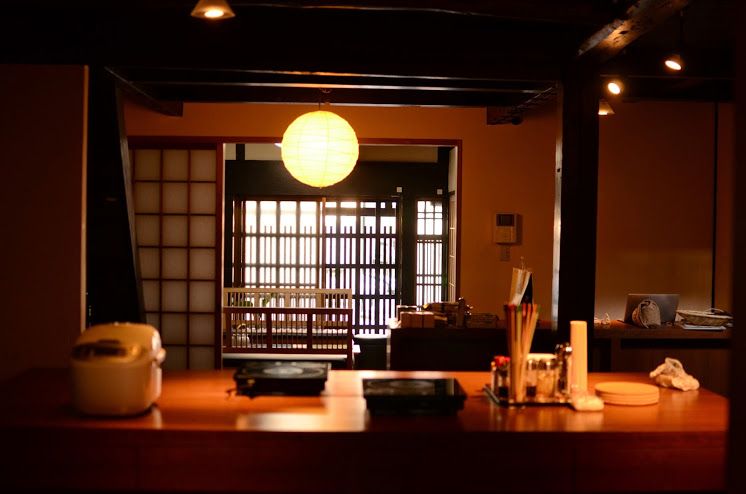
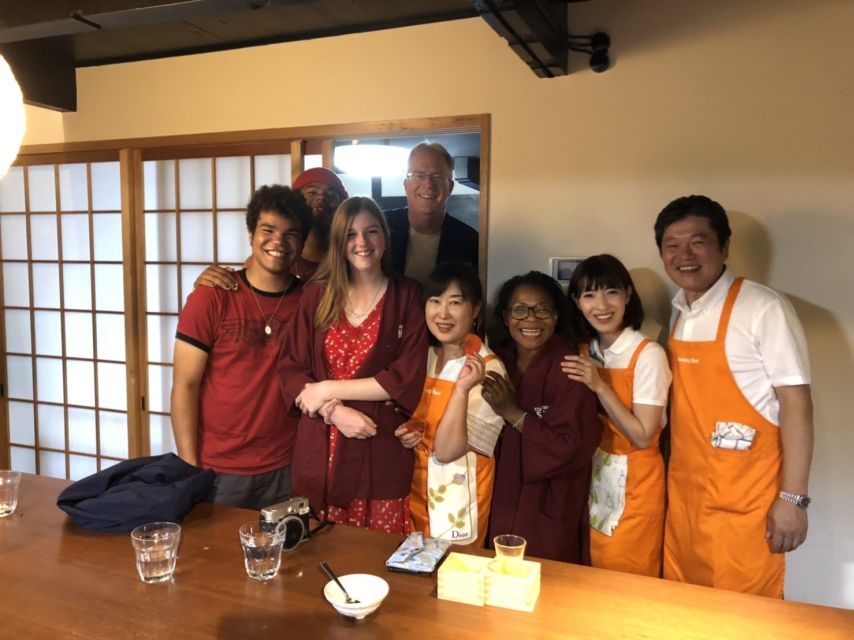
Cooking classes work best when the group atmosphere is relaxed, and this one is built around conversation. You cook and eat alongside other people, often from different countries, while the instructors keep the session moving.
The chefs receive consistent praise for warmth, patience, and encouragement. Their English makes it possible to ask detailed questions, and their role is not limited to reading instructions from a sheet. They explain, demonstrate, and help when a task goes wrong.
The class can suit couples, families, solo participants, and people who do not normally cook. Families have taken part with teenagers, and even reluctant cooks have enjoyed the activity. It is also a good indoor option during hot, wet, or chilly weather.
A small caution: the social format means you should be comfortable sharing the room and the meal with other people. The class is not designed as a quiet private dinner. If you prefer a private lesson, check the available session details before booking.
Is $67 a Fair Price?
At $67, this is not the cheapest food activity in Kyoto. It is also more than a short market tasting or a single-dish demonstration.
The value comes from the amount packed into the afternoon. You receive a full three-hour lesson, ingredients, utensils, an apron, several dishes, time to eat twice, English instruction, and recipes to use later. The class may cover four to six dishes, depending on the menu and pace.
The recipe set is important to the calculation. A meal disappears quickly, but written instructions give the activity a longer life. If you make even two or three dishes at home, the cost begins to look reasonable compared with a one-time food tour.
I would choose this class over a generic sushi lesson if your goal is to understand Japanese home cooking. It offers a wider look at seasonings, broth, cooking methods, and small dishes served in ordinary dining settings.
The value is weaker if you only want to watch a chef or if you are unlikely to cook again. In that case, a restaurant meal may be simpler. But if you enjoy practical souvenirs and hands-on activities, the price is justified.
Who Should Book This Class?
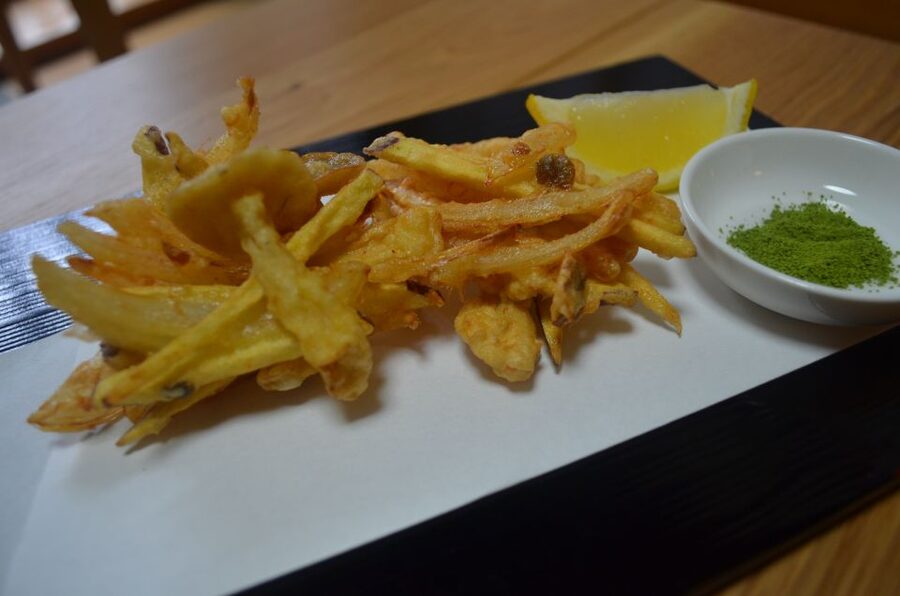
Book it if you want an active food experience rather than another sightseeing stop. It suits beginners especially well, since the recipes are explained in plain steps and the instructors help you through each task.
It also works for experienced cooks. The focus on dashi, seasoning, and Japanese ingredients can add something new even if you already know your way around a kitchen.
Families with older children and teenagers can enjoy the format, provided everyone is ready to participate. Couples may like the shared meal and the chance to take home recipes they can make together.
This is less suitable for someone with strict dietary needs unless those needs are arranged in advance. It is also not ideal if you want a fixed menu, since the exact dishes may vary.
The class is wheelchair accessible, and the English instruction removes much of the language barrier. The best time to book is early in your Kyoto stay if you want to shop for Japanese ingredients afterward and try the recipes while the lesson is still fresh.
Practical Details Before You Book
The class costs $67 per person and lasts three hours. Starting times vary, so check the available afternoon session when booking.
You meet at Cooking Sun, Funayacho, Shimogyo Ward, Kyoto, Kyoto 600-8466. Ingredients, cooking equipment, an apron, and utensils are included.
Free cancellation is available up to 24 hours before the activity for a full refund. You can also reserve now and pay later, which helps if your Kyoto plans are still changing.
The class is taught in English. Tell the supplier about dietary requirements at the time of booking. The menu is likely to include several dishes, but no fixed list is provided.
Should You Book the Izakaya Cooking Class?
I would book this if you want to understand Japanese food beyond sushi and ramen. The two cooking rounds, shared meals, friendly English-speaking chefs, and take-home recipes make it both enjoyable and useful.
The strongest reason to choose it is repeat value. You learn dishes that are simple enough to make again, not just food that looks impressive for one photograph. The only real caution is the pace and the changing menu.
For $67, Cooking Sun gives you a substantial afternoon of food, instruction, culture, and practical skills. It is a particularly good choice for food-minded visitors, families, and anyone looking for a welcome indoor break from Kyoto’s temples and streets.
FAQ
Where does the Kyoto izakaya cooking class take place?
The class takes place at Cooking Sun, Funayacho, Shimogyo Ward, Kyoto, Kyoto 600-8466.
How long does the cooking class last?
The class lasts three hours.
How much does the class cost?
The price is $67 per person.
What language is used during the class?
The class is taught in English.
How many dishes will I prepare?
The class is described as two or three dishes in the first cooking round and another two or three dishes in the second. Some sessions have included five savory dishes and a dessert, or six dishes in total.
Do I eat the food I prepare?
Yes. You cook and eat after the first round, then cook and eat again after the second round.
Are ingredients and cooking equipment included?
Yes. Ingredients, an apron, and utensils are included with the cooking class.
Can I take recipes home?
Yes. Written recipes are provided so you can try making the dishes again at home.
Can I request dietary adjustments?
You should tell the local supplier about dietary requirements when booking.
Is the class wheelchair accessible?
Yes, the activity is listed as wheelchair accessible.
More Izakaya Tours in Kyoto
- Izakaya Style Cooking Class
★ 5.0 · 219 reviews - Best of Shinjuku: Izakaya Food Tour (4 Stops, 14+ Tastings)
★ 5.0 · 1,863 reviews - Tokyo: Shinjuku Local Bar and Izakaya Guided Walking Tour
★ 4.9 · 1,794 reviews - Tokyo: Shinjuku Local Bar & Izakaya Crawl Tour
★ 5.0 · 890 reviews
Just added around Kyoto
- Sekka Cotton Furoshiki Class★ 5.0 · 19 reviews
- Secret Eastern Kyoto Biking Adventure★ 5.0 · 44 reviews
- Kyoto Sword Experience – includes Museum Ticket/Ninja Experience★ 4.5 · 149 reviews
- Scenic Green Tea Fields of Hidden Kyoto & Local Tea Exp (Private)★ 5.0 · 32 reviews
- Private Sake Tasting in Central Kyoto with Sake Sommelier★ 5.0 · 32 reviews
- Samurai School in Kyoto: Samurai for a Day★ 5.0 · 202 reviews
- SHIRAKAWA Japanese Culture Experiences with private English staff★ 5.0 · 16 reviews
- A Privately Guided Photoshoot in Beautiful Kyoto by a Pro★ 5.0 · 18 reviews
Izakaya Tours, compared.
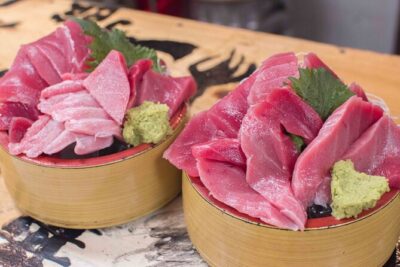
Best of Shinjuku: Izakaya Food Tour (4 Stops, 14+ Tastings)
Our verdict →
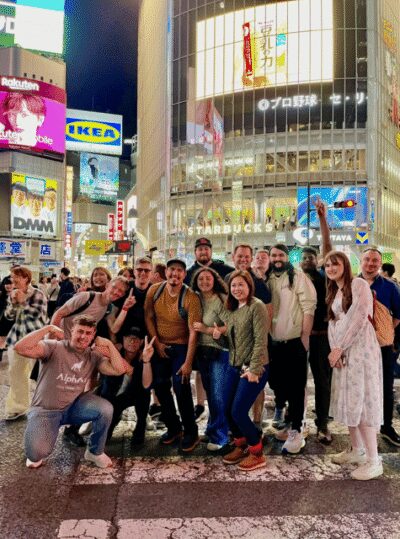
In Fukuoka! Guide to an izakaya only 100% locals know/Bar Hopping
Our verdict →Browse the lists this tour appears in