
Reviewed · WORKSHOPS
Fish Cutting workshop in Kyoto Japan
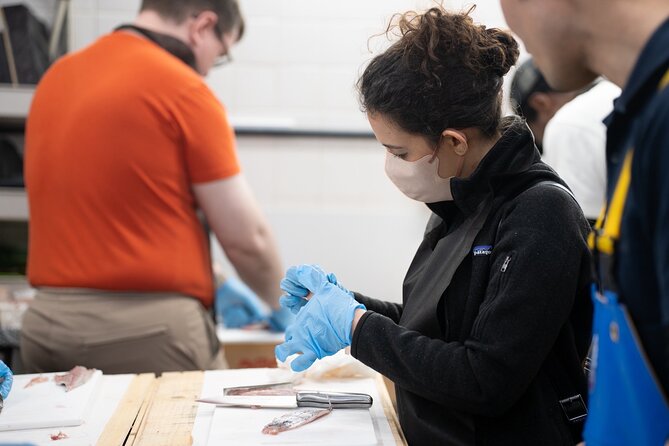
Kyoto’s fish culture makes more sense when you are holding the knife yourself. At Kimura Fresh Fish, a fishmonger with a 400-year history teaches you how to break down raw fish, cut sashimi, and arrange the food you prepared for lunch. This is not a quick sushi demonstration. You do the work.
I like the small group of six or fewer, since fish cutting demands close attention and plenty of questions. I also like that lunch is made from your own preparation, not handed to you as a separate meal. The main consideration is simple: you must be comfortable handling knives and raw fish, and children under eight are not permitted.
Key points to know before you book
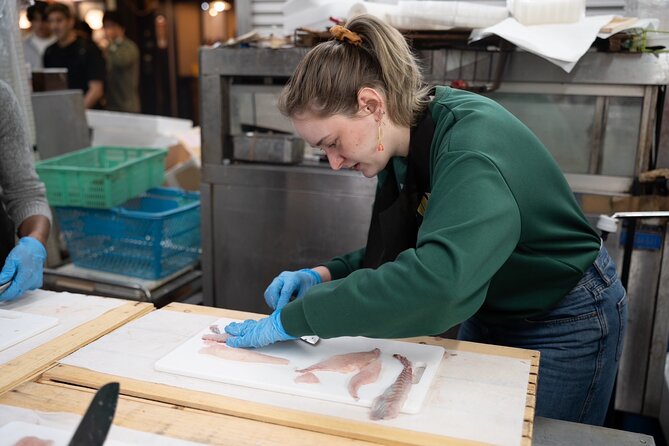
- You cut the fish yourself: The lesson includes breaking fish into three pieces, with careful instruction before you begin.
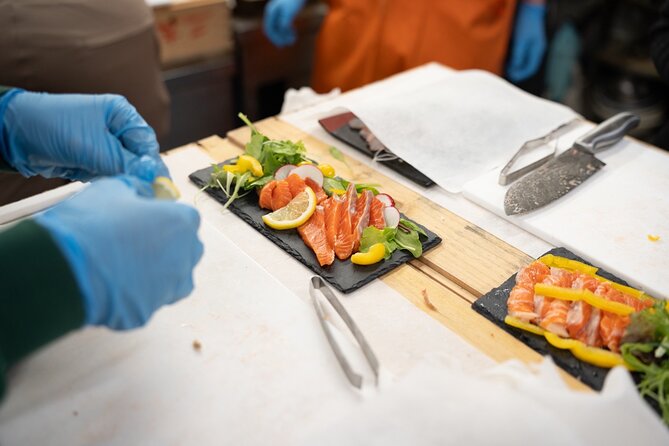
- Lunch uses your own work: After preparing the fish, you eat it as sashimi.
- The class takes place at Kimura Fresh Fish: The shop has a 400-year history and sits in a historic market building.
- The group is capped at six: That keeps the lesson personal and gives you time to ask about fish, knives, and Japanese food.
- The session lasts about 2.5 hours: It begins at 10:00 am and ends back at the meeting point.
- The price is $98.53 per person: For a hands-on lesson, fresh fish, lunch, and close supervision, the cost is fair for visitors who value learning over simply eating.
Why this Kyoto fish class feels different
Many food activities in Japan focus on eating. This one asks you to slow down and learn what happens before the sashimi reaches the plate.
You begin with raw fish and the basic handling techniques needed to prepare it properly. The instructors first show you how to work safely and carefully. Only then do you take the knife yourself. That order matters, especially if your fish experience is limited to cooking fillets at home.
The class is taught by people connected to a fish shop with 400 years of history. That does not mean you are watching a museum presentation. You are learning practical fish processing from instructors who have spent years working with fish, including one with more than 20 years in a fish shop.
The lesson also gives you a better sense of Japanese food culture. Sashimi can look simple on a plate, but the final result depends on clean cuts, proper handling, and respect for the fish. You see that process from the inside out.
A few more Kyoto half-days worth comparing
- PERFECT KYOTO 1-Day Bus Tour
★ 5.0 · 13,518 reviews - Kyoto: Fushimi Inari, Kinkakuji, Bamboo Grove 1 Day Bus Tour
★ 4.8 · 4,316 reviews - Kyoto: Tea Ceremony in a Traditional Tea House in Kiyomizu
★ 4.9 · 3,519 reviews
Meeting Kimura Fresh Fish at 10:00 am
The meeting point is Kimura Fresh Fish, at 483 Nakauoyacho in Nakagyo Ward. The shop is near public transportation, and the experience begins at 10:00 am. The activity ends at the same location, so you do not need to arrange a separate ride back.
That fixed start time makes this an easy morning plan. You can take the class, eat lunch, and still have much of the afternoon for Kyoto sightseeing. Give yourself enough time to reach the shop, since the class starts at a specific hour and late arrival could cut into your instruction.
The setting is part of the appeal. You are not in a generic cooking studio removed from daily food trade. You meet at a long-established fishmonger in a market building, where the subject of the lesson fits the place.
Transportation is not included, so you make your own way there. The meeting point is near public transportation, but private transportation is not part of the price.
The first lesson: handling raw fish safely
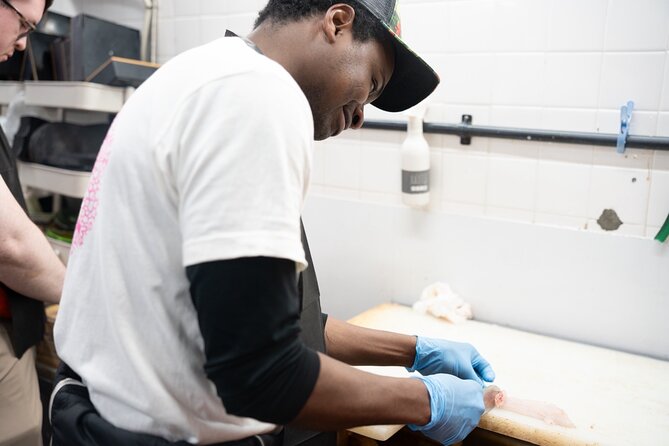
Before you start cutting, the instructors explain how to handle the fish and the knife. This opening is especially useful if you are new to fish preparation.
You can expect close supervision throughout the hands-on work. The teaching style is careful and relaxed, with step-by-step demonstrations followed by your own turn. The instructors watch your cuts and help correct your technique as you go.
That personal attention is one of the strongest reasons to choose this class over a large cooking demonstration. With no more than six people, you have room to ask questions right away. You can also ask about the fish itself, the cuts, the inside of the fish, or other concerns that come up during preparation.
The knife work is real, but the class is designed for beginners. You do not need to arrive with professional skills. You do need to listen carefully and handle the knife with respect.
Cutting the fish into three pieces
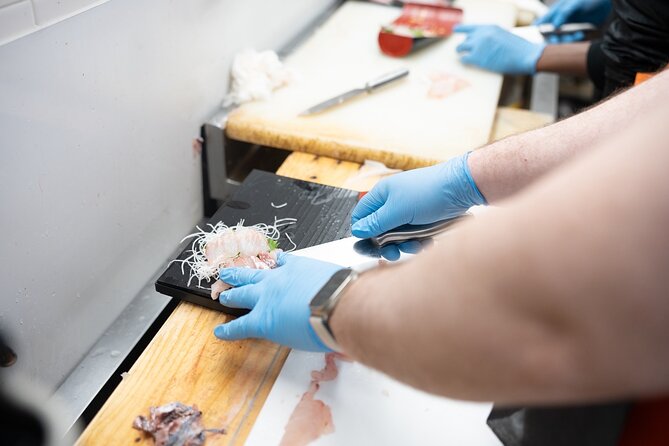
The central task is cutting the fish into three pieces. You watch the instructor demonstrate the process, then repeat it yourself under supervision.
This is the part that demands the most focus. Fish cutting is not just a matter of pressing a blade through the meat. The angle, pressure, and direction of the cut affect the final texture and appearance. The instructors show you how to work through the fish in an orderly way rather than rushing.
Several detailed accounts of the class describe preparing three types of fish. The exact fish can vary, so do not book this expecting a fixed menu of species. The important point is that you work with fresh fish and learn how preparation changes from one fish to another.
You may also see more of the fish than you normally would in a restaurant. One class participant described learning about the fish interiors as part of the process. That can be useful if you want a fuller understanding of fish preparation, though it may not suit anyone uncomfortable with raw fish or the less familiar parts of processing.
The instructors remain close while you work. You are not left alone with a knife and told to copy the demonstration from across the room. That makes the class approachable, but it also means you should expect a lesson rather than free-form cooking time.
More Hands-On Experiences in Kyoto:
- Kyoto: 45-Minute Tea Ceremony Lesson Experience
★ 4.3 · 2,378 reviews - Ramen Cooking Class at Ramen Factory in Kyoto
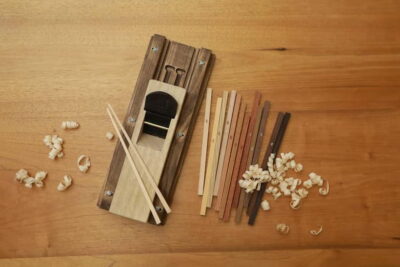
★ 5.0 · 1,937 reviews - Kyoto : Chopsticks Making Workshop in Gion with Engraving Option
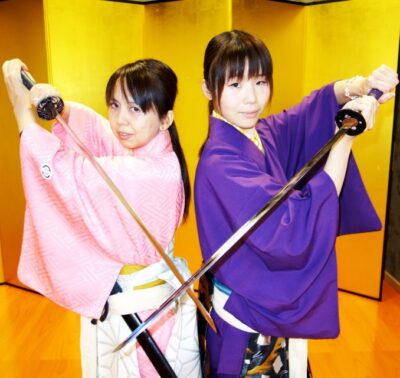
★ 5.0 · 958 reviews - Kyoto: Samurai Sword Class by Experts in Traditional Arts
★ 4.9 · 657 reviews
From knife practice to a sashimi lunch
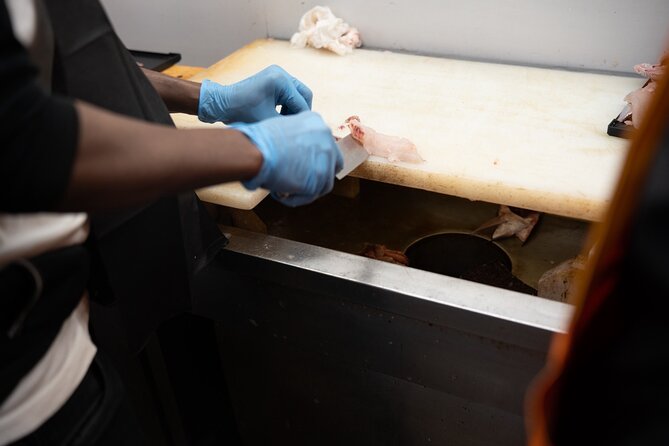
Once the fish has been prepared, you arrange it and sit down to eat. The lunch is included, and it uses the fish you handled yourself.
That connection gives the meal more meaning. You can taste the effect of your own cuts and see how careful preparation shapes the finished sashimi. The food is not simply a reward after class. It is the final step in the lesson.
The lunch also keeps the experience practical. You are not paying nearly $100 only to watch a demonstration and leave hungry. The prepared sashimi becomes the meal, so you get instruction and food in one sitting.
Come ready to eat. The fish is described as fresh and high quality, and the class centers on sashimi. If raw fish is not part of your diet, this is not the right food activity for you. The experience is built around handling and eating raw fish, not offering a cooked alternative.
The lunch also creates time for conversation. The instructors have been described as friendly and interactive, and the meal provides a natural chance to talk about Japanese food, knives, Kyoto, and cooking at home.
What the small group changes
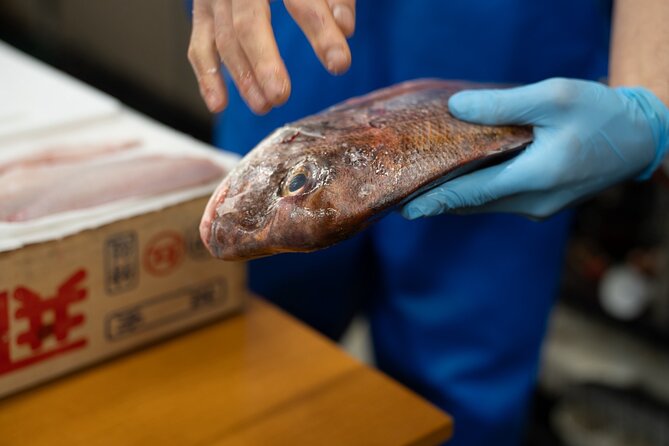
A maximum of six people is a major practical advantage. Fish cutting is a skill where you learn by watching, asking, and trying. A large group would make it harder to see each demonstration or receive help at the right moment.
In this format, you can ask questions as soon as something is unclear. You can also get direct correction while your hand position and knife angle are still fresh.
The group size does not mean the class is private. You will share the lesson with other people, and the pace may depend partly on how quickly the group works. Still, six is small enough to keep the class personal.
The social side is another plus. The instructors have made conversation part of the experience, not just a short introduction before the food work begins. You may exchange stories with people from different countries while eating the sashimi you prepared.
What you learn beyond the basic cut
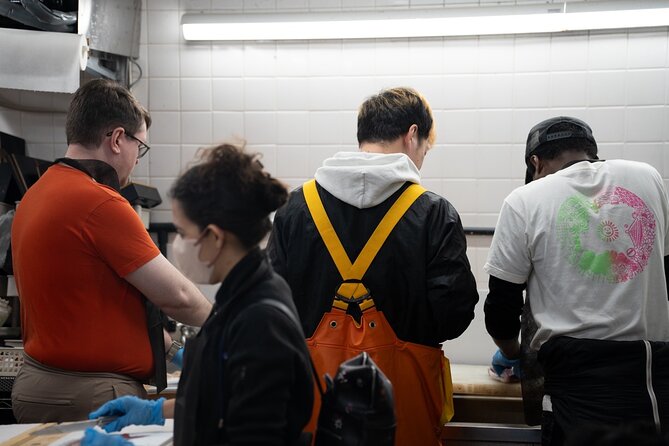
The lesson is useful even if you never plan to prepare sashimi at home. You gain a clearer understanding of how fish moves from market counter to plate.
You learn basic fish handling, how to process the fish into usable pieces, and how to cut it for sashimi. You also see the care needed to make clean portions. The class can improve your general knife awareness, even if your home cooking is focused on vegetables, meat, or cooked seafood.
People who already enjoy cooking may get the most from the workshop. The lesson gives you a skill to practice, rather than a passive tasting experience. If you have an interest in Japanese knives, fish, or sushi culture, the class offers plenty to think about.
You should not expect a full professional fishmonger qualification in 2.5 hours. The class teaches basic techniques, not every aspect of commercial fish processing. Think of it as a serious introduction with direct practice.
Is $98.53 a fair price?
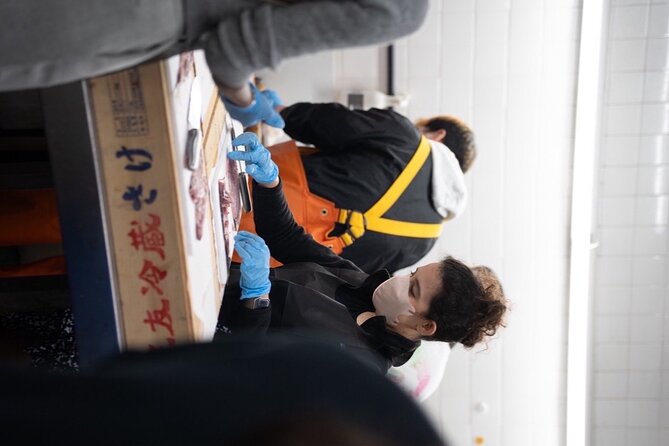
At $98.53 per person, this is not a budget lunch. You are paying for the fresh fish, instruction, use of the work area, hands-on supervision, and the meal at the end.
The value is strongest if you would otherwise book both a food tour and a cooking class. Here, the meal and the lesson are combined. You also get a more unusual subject than standard sushi rolling, since the focus is on preparing raw fish from the start.
The 400-year history of the fishmonger adds context, but the price is not justified by the setting alone. The real value comes from the amount of personal instruction you receive. A group capped at six means your fee supports a proper hands-on class rather than a brief demonstration for a crowd.
If you mainly want to eat excellent sashimi, you can likely spend less at a restaurant. If you want to understand how that sashimi is prepared and take part in the process, the price is easier to defend.
Who should book this experience
I would recommend this workshop to:
- Home cooks who want to improve knife skills
- People curious about Japanese fish preparation
- Sashimi fans who want to understand the work behind the plate
- Visitors looking for a small, local food experience
- Anyone interested in traditional fish shops and food culture
- Couples, friends, or solo visitors who enjoy practical classes
It is also a good choice for people who prefer learning by doing. You will not simply watch someone prepare fish while you take photographs.
The class is less suitable if you dislike raw fish, feel uneasy around knives, or want a relaxed meal with no hands-on work. It is also not designed for children under eight, who are asked not to attend because of the knives.
Timing, booking, and cancellation
The experience lasts approximately 2 hours and 30 minutes, beginning at 10:00 am. It is often booked about 48 days ahead, so reserve early if your Kyoto dates are fixed.
Your confirmation is provided at booking, and the ticket is mobile. You need to arrange your own transportation to Kimura Fresh Fish, but the activity ends at the starting point.
Free cancellation is available if you cancel at least 24 hours before the local start time. Cancellations or changes made less than 24 hours before the experience are not accepted for a refund.
Should you book the Kyoto fish cutting workshop?
Book it if you want more than a meal and are willing to handle a knife and raw fish. The small group, close instruction, historic fishmonger setting, and included sashimi lunch make this one of Kyoto’s more hands-on food activities.
I especially like the fact that you eat the fish you prepared. That simple detail turns the class into a complete experience, from market-style fish handling to the final plate.
Skip it if you want cooked food, a short demonstration, or a low-cost way to eat sashimi. For curious cooks and food-minded visitors, though, the workshop offers a useful skill, a personal lesson, and a meal with a story behind it.
FAQ
Where does the fish cutting workshop take place?
The class takes place at Kimura Fresh Fish, located at 483 Nakauyacho in Nakagyo Ward, Kyoto, Japan.
What time does the activity start?
The workshop starts at 10:00 am.
How long does the experience last?
The activity lasts approximately 2 hours and 30 minutes.
How many people can join the class?
The maximum group size is six people.
Is lunch included?
Yes. Lunch is included, and you eat the sashimi prepared during the workshop.
Do I need experience handling fish?
No. The instructors first explain how to handle the fish and guide beginners through the process.
Will I use a knife during the class?
Yes. You cut the fish into three pieces yourself under instruction and supervision.
Can children attend?
Children under eight years old should not attend because the class involves knives.
Is transportation included?
No. Private transportation is not included, though the meeting point is near public transportation.
Just added around Kyoto
- Sekka Cotton Furoshiki Class★ 5.0 · 19 reviews
- Kyoto Sword Experience – includes Museum Ticket/Ninja Experience★ 4.5 · 149 reviews
- Scenic Green Tea Fields of Hidden Kyoto & Local Tea Exp (Private)★ 5.0 · 32 reviews
- Secret Eastern Kyoto Biking Adventure★ 5.0 · 44 reviews
- Private Sake Tasting in Central Kyoto with Sake Sommelier★ 5.0 · 32 reviews
- Samurai School in Kyoto: Samurai for a Day★ 5.0 · 202 reviews
- SHIRAKAWA Japanese Culture Experiences with private English staff★ 5.0 · 16 reviews
- A Privately Guided Photoshoot in Beautiful Kyoto by a Pro★ 5.0 · 18 reviews
Workshops, compared.
Sushi Making Tokyo Roll and Authentic Japanese Sushi Class
Our verdict →
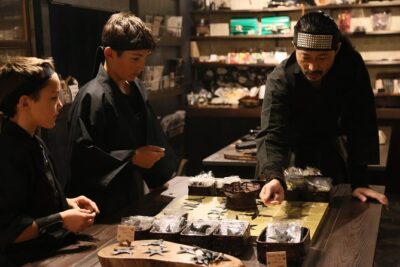
Ninja 1-hour Hands-on Lesson by Japanese master in Kyoto -Entry
Our verdict →
Browse the lists this tour appears in