
Reviewed · WORKSHOPS
Kyoto : Chopsticks Making Workshop in Gion with Engraving Option
Making chopsticks from raw wood is a fine way to slow down in Kyoto. At Zen Chopsticks Making Workshop, you use a traditional kanna, or Japanese hand plane, to shape two simple wooden blanks into something you can actually use at home. The work is quiet, tactile, and easy to follow.
I like the choice of wood and the full hands-on process. You select the color and grain, then plane, sand, and oil the chopsticks yourself. I also like the optional name engraving, which turns a modest souvenir into a personal keepsake. The main consideration is the workshop’s maximum group size of 32, and one wood choice may not always be available.
Key points to know
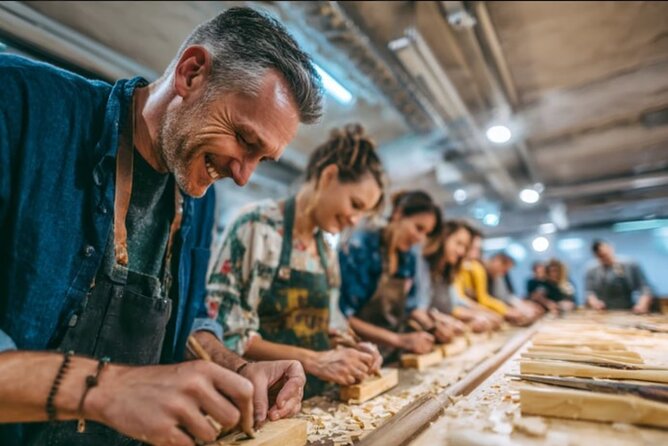
- Traditional kanna shaping: Use a Japanese hand plane to form the chopsticks from raw wooden blanks.
- Two wood types included: Choose from the available Japanese woods, with premium options offered for an added fee.
- Beginner-friendly instruction: English-speaking staff explain each step and help you as needed.
- Engraving option: Add your name in Japanese or your own language for a more personal finish.
- One-hour Gion activity: The workshop starts and ends at the same location near public transportation.
Why making chopsticks works so well in Kyoto
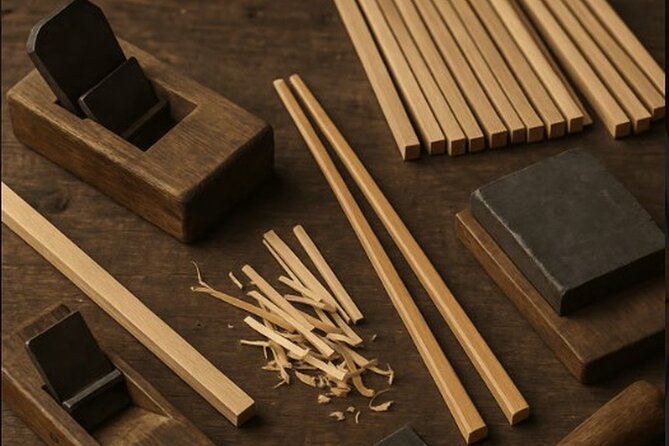
Kyoto offers no shortage of souvenirs, but many are finished products you simply buy and pack. This activity gives you a hand in making yours. You begin with plain wood and leave with a pair of chopsticks shaped, smoothed, oiled, and ready to carry home.
That difference matters. The finished pair is not a museum-quality work of art made by someone else. It is your own small piece of craft. The unevenness, if there is any, becomes part of the story.
I especially like the pace. The process has several simple stages, and none requires prior woodworking experience. You can focus on the grain of the wood, the pressure of the plane, and the feel of the surface under the sandpaper. It is a useful break from sightseeing, especially after a morning of temples and crowded lanes.
The session lasts about one hour, so it fits neatly into a day in Gion. You can place it between other activities rather than giving up half a day. It also works well when the weather is poor, since the activity takes place indoors.
A few more Kyoto half-days worth comparing
- PERFECT KYOTO 1-Day Bus Tour
★ 5.0 · 13,518 reviews - Kyoto: Fushimi Inari, Kinkakuji, Bamboo Grove 1 Day Bus Tour
★ 4.8 · 4,316 reviews - Kyoto: Tea Ceremony in a Traditional Tea House in Kiyomizu
★ 4.9 · 3,519 reviews
Entering the Gion workshop
The meeting point is Zen Chopsticks Making Workshop at Yasaka Koji South, machi-71-13 Tamamizu, in Kyoto’s Higashiyama Ward. The workshop is in Gion, one of Kyoto’s most convenient areas for combining a craft activity with nearby sightseeing.
You start and finish at the same place. That is helpful if you have a timed temple visit, a restaurant reservation, or luggage plans later in the day. The location is near public transportation, though the supplied information does not specify a particular station or walking time, so check your route before setting out.
Your mobile ticket is accepted for the activity. Confirmation arrives at the time of booking, which makes this a simple addition to a Kyoto day plan.
The group limit is 32 people. That is not an intimate private lesson, and you should keep that in mind if you are hoping for long one-to-one instruction. Still, the activity is designed for beginners, and English-speaking staff are available to guide you through the work.
Choosing the wood for your pair
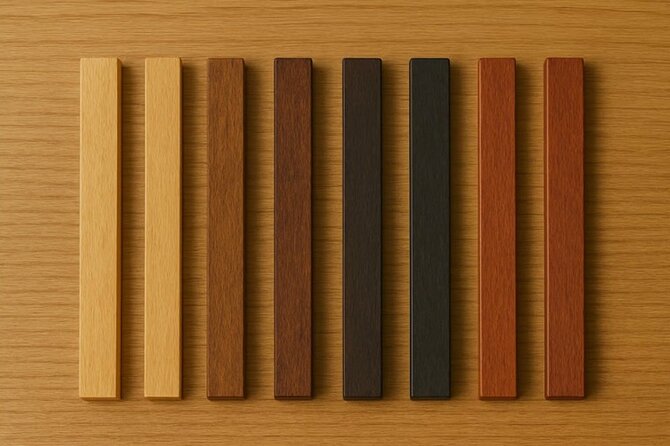
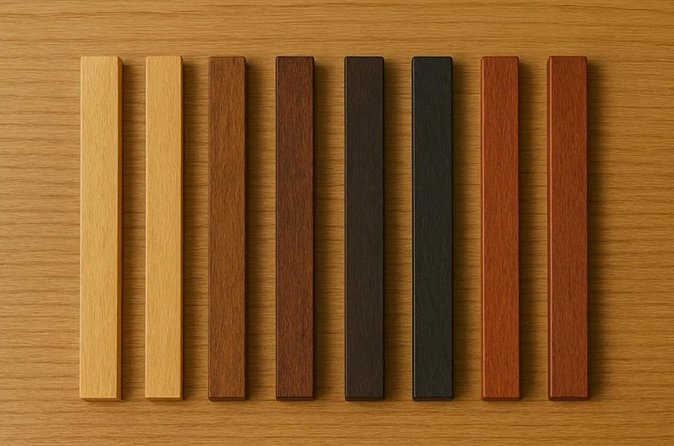
The first hands-on decision is the wood. You choose from several Japanese woods with different natural colors, textures, aromas, and grain patterns.
The basic price includes two wood types. Premium woods are available as an optional upgrade if you want a more unusual finish or a special material. The exact selection can vary, so I would avoid arriving with one particular species in mind.
This is one point where flexibility helps. You might prefer a pale, clean look, or you may want a darker pair with more visible grain. The wood becomes the main visual feature of the finished chopsticks, since the process uses a natural oil finish rather than a heavy coating.
A practical tip: take a moment to compare the blanks before choosing. You are not selecting a factory-perfect set. Natural wood has variation, and that is part of the appeal. Look for the grain and color that you will enjoy seeing each time you use the chopsticks.
One customer found that only one of the advertised two wood choices was available during the visit. That is a useful warning. The workshop includes wood selection, but the full range may not always be on hand. If having a particular wood matters to you, ask about availability before booking or at the start of the session.
Shaping the blanks with a kanna
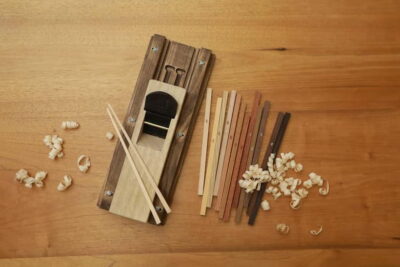
Once you choose the wood, you place the blanks on a stand and use a kanna to remove thin layers. The tool is a traditional Japanese hand plane, and it gives the activity its strongest connection to local craft.
You are not hacking away at the wood. The aim is controlled shaping. The instructor shows you how to position the chopsticks and guide the plane. As you work, you begin to feel the grain and learn how small changes in pressure affect the surface.
This is the part that makes the workshop more than a souvenir-painting session. You handle a real woodworking tool and watch a rough blank change shape. The work is straightforward, but it still asks you to pay attention.
The instruction is intended for first-timers. You do not need woodworking experience, and the English-speaking staff can help if your first passes with the plane are not smooth. A patient teacher is especially useful here because the correct technique is easier to understand by watching it than by reading instructions.
The process is also suitable for families. Children may need closer help from an accompanying adult and the staff, but the activity itself is described as accessible to most people. The exact age suitability is not provided, so families with very young children should confirm before booking.
More Hands-On Experiences in Kyoto:
- Kyoto: 45-Minute Tea Ceremony Lesson Experience
★ 4.3 · 2,378 reviews - Ramen Cooking Class at Ramen Factory in Kyoto
★ 5.0 · 1,937 reviews - Kyoto: Samurai Sword Class by Experts in Traditional Arts
★ 4.9 · 657 reviews - Kyoto: Ramen Cooking Class at a Ramen Factory with Souvenir
★ 4.9 · 532 reviews
Sanding for comfort and balance
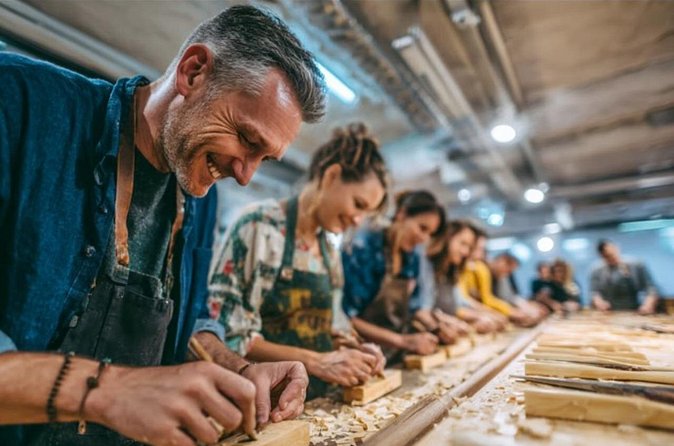
After the rough shaping, you use sandpaper to smooth the surface and edges. This step may sound basic, but it changes the feel of the chopsticks in your hand.
A good pair needs comfortable edges. Sanding removes rough spots and softens the transition from one section to the next. It also lets you refine the shape after the hand plane has done the heavier work.
This is a slower stage, and that is a good thing. You can check the surface with your fingers and make small corrections. The workshop is not asking you to produce identical chopsticks in a factory style. It gives you room to notice the material and finish the pair to your own taste.
The work can feel calming, but do not expect a silent meditation session. With a possible group of up to 32 people, there may be a production-line quality at busy times. One assessment specifically found the setup and instruction good but felt the overall experience had that organized, repeated-flow feel.
I see that as a fair trade-off at this price. You get a structured activity that fits into one hour, rather than a long private apprenticeship. If your priority is personal guidance from one craftsperson for the entire session, this may feel too streamlined. If your priority is making something yourself without a large time commitment, the format works well.
Finishing with natural oil
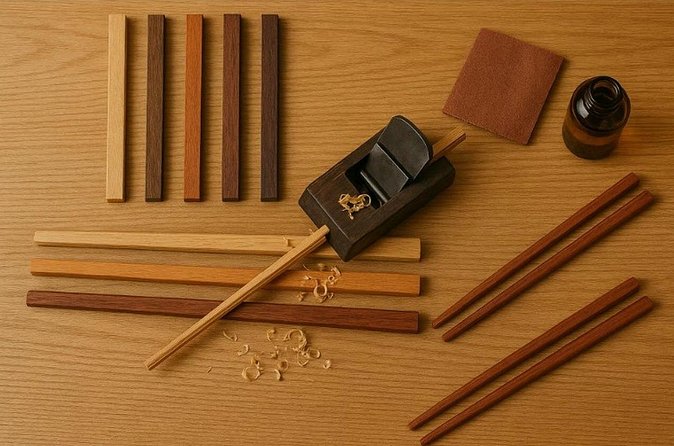
The last main step is applying natural oil. The oil protects the wood and brings out its color and grain, giving the chopsticks a soft, polished look.
This finish is important because it helps the completed pair feel like a usable object, not just a craft project. The wood remains visible, and the natural character you selected at the beginning becomes clearer.
You also get a satisfying sense of completion. The process moves from rough blank to shaped wood, then from dull surface to smooth finish. Each stage has a clear purpose, which makes the one-hour session feel full without being rushed.
The information provided does not specify care instructions, washing restrictions, or the exact oil used. For that reason, ask the staff how to maintain your pair before leaving. A quick care explanation can help protect the finish once you begin using the chopsticks at home.
Adding your name in Japanese or your own language
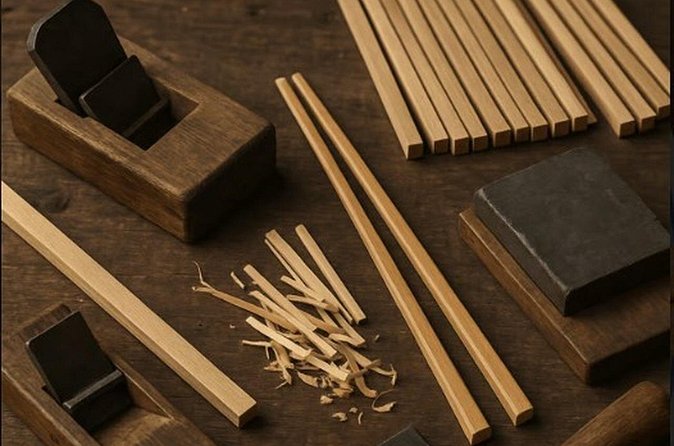
Engraving is optional, but I think it is the most useful extra for many people. You can have your name engraved in Japanese or in your native language, creating a souvenir that is clearly tied to your visit.
The engraving is not part of the basic price, so expect an additional charge if you choose it. The exact upgrade price is not provided. Ask about the cost before confirming the option.
This small detail also makes the activity work well for families, couples, and friends. Each person can leave with a pair that is easy to identify. It can also turn the chopsticks into a thoughtful gift rather than another item that sits unused in a drawer.
One practical point: engraving makes the pair more personal, but it may also make the finished item less suitable as a generic gift if you are buying for someone else. Decide whose name you want before the final step.
What the $15.25 price really gives you
At $15.25 per person, this is an inexpensive Kyoto activity. The value is not only in the pair of chopsticks. You are paying for access to the wood, tools, instruction, finishing materials, and the time to make the object yourself.
The price is especially reasonable if you want a short activity in central Kyoto. You do not need to commit to a full-day class, and the session can fit around Gion sightseeing. The included wood selection keeps the starting cost clear, while premium woods and engraving let you add extras only if they matter to you.
You should also compare this with the cost of a finished souvenir. A shop-bought pair may be cheaper or more elaborate, depending on the material. The advantage here is the process and the memory attached to the result.
The main value limit is the group format. At a maximum of 32 people, you are buying a guided public workshop rather than a private craft lesson. If you want a rare wood, detailed instruction, or a long finishing session, the basic price may not cover everything you want.
For most people, though, the low entry price makes this a sensible choice. You can try a traditional tool, make a practical object, and add personalization without spending much.
Who should book this workshop
I would recommend it to first-time visitors who want a craft activity with a clear beginning and end. You do not need previous experience, and the staff are ready to help in English.
It suits families looking for an activity that is more hands-on than another sightseeing stop. It also fits couples and friends who want matching or personalized souvenirs. The engraving option gives each person a simple way to make the result distinct.
It is a good pick for anyone who likes practical souvenirs. You can use chopsticks every day, and the finished pair carries the memory of making them in Kyoto.
You may want to choose something else if you dislike organized group activities or want a highly private lesson. The group can be large, and the workshop follows a set sequence. You should also be prepared for some limits in wood availability.
The activity is not described as fully accessible for every mobility or sensory need. The available information says most people can participate, but it does not provide detailed accessibility notes. If you have specific requirements, contact the provider before booking.
Planning this into a Gion day
Because the activity lasts about one hour and returns to the meeting point, it is easy to pair with other plans in Higashiyama. Leave enough time for finding the workshop, choosing your wood, and moving on afterward.
Do not book it at the far end of a tight schedule if you need to reach a train or reservation immediately. The stated duration is approximate, and a busy session or engraving option could affect your timing.
The central location also helps you build a simple day around it. You can visit nearby Gion sights, eat in the area, and treat the workshop as the quiet middle section of your day. Keep your plans flexible enough that the craft does not feel like another race against the clock.
Free cancellation is available if you cancel at least 24 hours before the start time. Cancellations made less than 24 hours ahead are not refunded, and changes inside that same window are not accepted. The cut-off uses Kyoto local time.
Should you book it?
Book this workshop if you want an affordable, beginner-friendly craft activity and a souvenir you helped create. The best parts are the traditional kanna, the choice of natural Japanese wood, the simple step-by-step process, and the optional name engraving.
Go in knowing that the workshop may feel organized rather than private, the group can reach 32 people, and the full wood selection may not always be available. Those limits are reasonable at this price, but they matter if you want a quiet master-class experience.
For most visitors, I think it is a smart one-hour addition to a Gion itinerary. Choose your wood carefully, ask about engraving and care, and leave with something more meaningful than a standard souvenir.
FAQ
How long does the chopsticks workshop last?
The activity lasts approximately one hour.
Where does the workshop start and finish?
It starts and ends at Zen Chopsticks Making Workshop, Gion Kyoto Yasaka Koji South, machi-71-13 Tamamizu, Higashiyama Ward, Kyoto, 605-0851, Japan.
Is the workshop suitable for beginners?
Yes. The activity is designed for first-timers, no woodworking experience is required, and English-speaking staff provide guidance.
What wood choices are included?
Two wood types are included at no extra cost. Premium woods may be available for an optional upgrade, though the exact selection can vary.
Can I have my name engraved on the chopsticks?
Yes. Engraving is optional, and you can request your name in Japanese or in your native language. The engraving price is not specified in the available information.
What is the cancellation policy?
You can cancel at least 24 hours before the local start time for a full refund. Cancellations or changes made less than 24 hours before the experience are not accepted for a refund.
Just added around Kyoto
- Sekka Cotton Furoshiki Class★ 5.0 · 19 reviews
- Kyoto Sword Experience – includes Museum Ticket/Ninja Experience★ 4.5 · 149 reviews
- Scenic Green Tea Fields of Hidden Kyoto & Local Tea Exp (Private)★ 5.0 · 32 reviews
- Secret Eastern Kyoto Biking Adventure★ 5.0 · 44 reviews
- Private Sake Tasting in Central Kyoto with Sake Sommelier★ 5.0 · 32 reviews
- Samurai School in Kyoto: Samurai for a Day★ 5.0 · 202 reviews
- SHIRAKAWA Japanese Culture Experiences with private English staff★ 5.0 · 16 reviews
- A Privately Guided Photoshoot in Beautiful Kyoto by a Pro★ 5.0 · 18 reviews
Workshops, compared.
Sushi Making Tokyo Roll and Authentic Japanese Sushi Class
Our verdict →
Ninja 1-hour Hands-on Lesson by Japanese master in Kyoto -Entry
Our verdict →
Browse the lists this tour appears in