
Reviewed · NINJA EXPERIENCES
Authentic Ninja Weapon Forging Experience in Kyoto
Creating a real steel ninja tool is the point here. You put on a black samue uniform, heat metal in an 800°C furnace, hammer it while sparks fly, then sand, blacken, polish, and engrave the finished piece. It is far more hands-on than a museum display, though the final shaping is guided closely by the staff.
I like the unusual souvenir and the chance to learn a practical craft with no prior experience. I also like the workshop’s friendly energy, especially the help offered by Taka and the other instructors. The main catch is value: at $151.92 per person, this is expensive if you expect to do every stage alone, and one piece of feedback felt that some of the hammering was mainly for photographs.
The studio sits outside central Kyoto, and the directions can be vague. Plan your route before you go, allow time for the trip, and consider using a taxi app if public transportation does not line up well with your schedule.
Key points to know before booking
- Forge steel at 800°C: You heat the metal, hammer it, and take part in the central blacksmithing process.
- Choose your weapon: Pick from three shuriken styles or a kunai, with a reported 3,000-yen kunai surcharge in at least one booking experience.
- Personalize the finish: Add a kanji character, apply a dark protective coating, and polish the metal before packing it in a box.
- No experience needed: The instructors provide the tools, uniforms, demonstrations, and hands-on help.
- Expect some physical work: Hammering, filing, sanding, and shaping require moderate fitness, though easier sharpening options are available.
- Allow extra transport time: The studio at Yasenosechō is off the main sightseeing route, and the activity returns to the same meeting point.
Making a Ninja Weapon in Kyoto
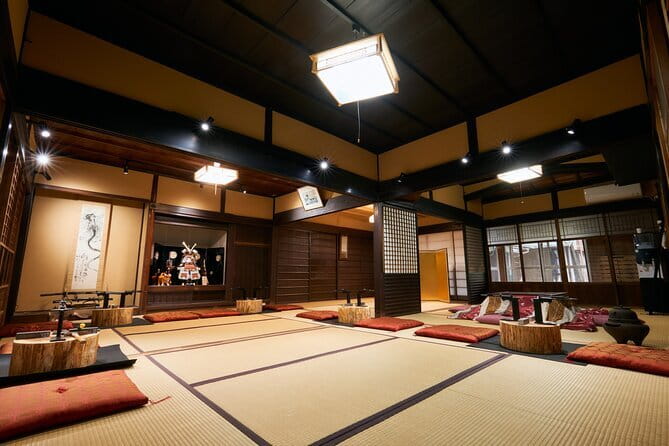
Kyoto is packed with polished sights, from temple gardens to formal tea ceremonies. This workshop gives you something different: a chance to work with steel and leave with an object you helped make.
The focus is not simply on dressing up or posing with props. You handle the tools, heat the metal, shape the edges, and work through several finishing stages. The process has a clear rhythm, and each stage makes the final piece feel more personal.
The experience lasts about two and a half hours. That is long enough to feel like a real activity rather than a quick photo stop, but short enough to fit into a full day in Kyoto if you plan transportation carefully.
You do not need blacksmithing experience. The staff rent out the hammers and files, provide the work clothes, and guide you through the steps. You should still arrive ready to work with your hands. This is not a sit-back demonstration.
More Ninja Experiences in Kyoto
- Skip the lines Basic Ticket at SAMURAI NINJA MUSEUM KYOTO
★ 4.5 · 632 reviews - Ninja 1-hour Hands-on Lesson by Japanese master in Kyoto -Entry
★ 5.0 · 489 reviews - Kyoto: Ninja Weapon Forging Experience
★ 4.8 · 478 reviews
Suiting Up at Atelier NIN
The session begins at Atelier NIN, located at 168-1 Yasenosechō in Sakyo Ward, Kyoto. The address is in the Yase area, away from the usual central Kyoto circuit, so check the route before leaving your hotel.
Once you arrive, you change into a samue, the traditional blacksmith-style work uniform. You also wrap a tenugui around your head. The clothing is practical, but it also helps shift the mood from ordinary sightseeing to workshop time.
This opening is more than a costume change. It signals that you are expected to take part. You are not merely watching an instructor make a shuriken while you stand behind a barrier.
The studio can accept up to 25 people. That is a fairly large maximum for a hands-on craft session, so the amount of individual attention may depend on the size and pace of your group. The instructors are described as energetic and helpful, and several experiences point to staff stepping in to correct shapes or make the work easier.
Picking a Shuriken or Kunai
You choose from three shuriken designs or one kunai. The shuriken options give you some choice in shape and feel, while the kunai offers a different profile and a slightly more substantial project.
Check the current price of each option before committing. The advertised cost is $151.92 per person, but one account specifically paid an additional 3,000 yen for a kunai. Since the base description presents the weapon selection differently, I would confirm the kunai charge at booking.
This choice matters because it affects both the final souvenir and the amount of work involved. A small shuriken is easy to display and pack. A kunai may appeal more if you want a larger, more recognizable ninja tool, but it could cost extra.
The instructors also explain what the weapons were used for and how they fit into ninja culture. That context gives the craft a clearer purpose. You are not just shaping a random piece of metal into a fantasy object.
Hammering Steel at 800°C
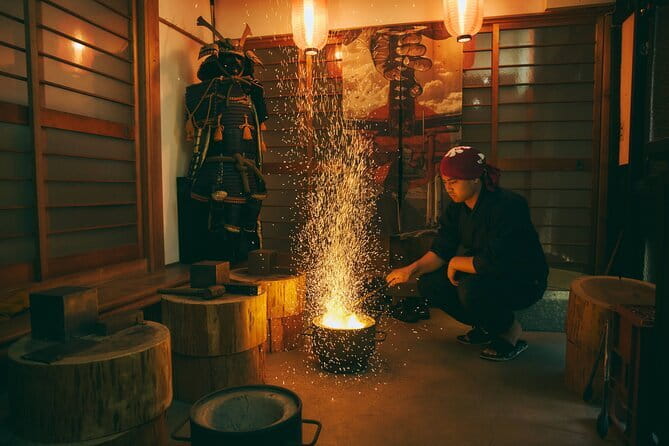
The most dramatic part is heating the metal in a furnace at about 800°C. Once it is hot, you hammer the glowing steel to shape it. Sparks, sound, heat, and the weight of the hammer make this the workshop’s big moment.
The staff control the dangerous parts and show you how to work safely. You should follow their timing and instructions closely. This is not the place to improvise with hot metal.
The amount of personal work is worth understanding. The activity description says you learn to heat, hammer, and shape the weapon, and many people enjoyed taking part in the full sequence. At least one person felt the piece was already mostly prepared and that the participant’s hammering amounted to about five hits for a photograph.
That criticism does not make the activity worthless, but it does set a realistic expectation. You are taking part in a guided craft session, not producing a blade entirely from an unworked bar of steel. The staff help control quality and safety, and they may complete or correct steps that require more skill.
If you want a structured, approachable introduction to forging, that arrangement works well. If you want a long independent blacksmithing lesson, the price may feel high.
Same trip, a completely different kind of day:
- PERFECT KYOTO 1-Day Bus Tour
★ 5.0 · 13,518 reviews - Kyoto: Fushimi Inari, Kinkakuji, Bamboo Grove 1 Day Bus Tour
★ 4.8 · 4,316 reviews - Kyoto: Tea Ceremony in a Traditional Tea House in Kiyomizu
★ 4.9 · 3,519 reviews - Kyoto Geisha Walking Tour: Gion District & Hidden Gems
★ 4.7 · 3,273 reviews
Filing, Sanding, and Shaping the Blade
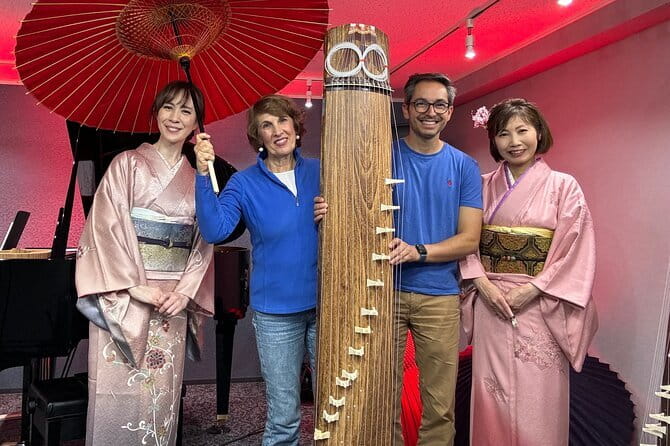
After the hot forging, you refine the metal. Files help sharpen and shape the steel, and a professional belt sander gives the edges a cleaner finish.
This stage is less theatrical than the furnace, but it may be where your effort shows most clearly. Small adjustments affect symmetry and the overall look of the weapon. One participant specifically appreciated help making a kunai more symmetrical, which is a useful reminder that beginners should expect the staff to correct uneven work.
You need moderate physical fitness for the session. Filing, hammering, and sanding are not extreme, but they involve standing and repeated hand movements. The workshop does offer easier sharpening methods for people with less stamina, so you do not need to be a strong athlete.
Still, do not book this expecting a relaxed seated craft class. Wear the provided uniform, listen carefully around the machinery, and be prepared to spend much of the session on your feet and using your hands.
Adding Kanji and a Dark Finish
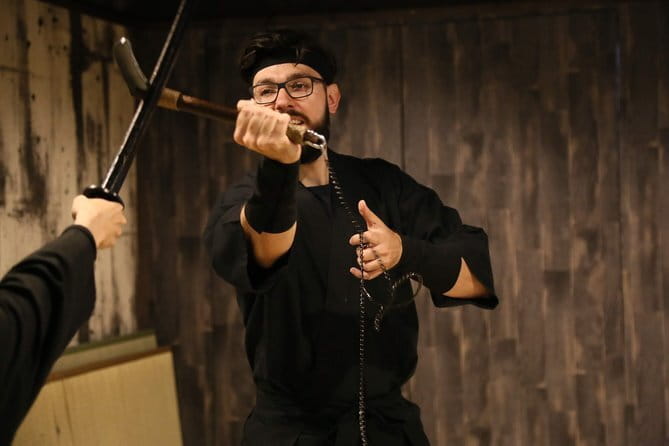
Once the shape is ready, you choose a kanji character. A staff member engraves it onto the weapon, giving you a simple way to personalize the finished piece.
Because the engraving is done by the staff, you are not responsible for making a difficult character look neat. Your main decision is choosing the character you want. If you have a particular meaning in mind, it is worth thinking about it before the activity so you do not make a rushed choice.
The metal then receives a special solution that protects it and gives it a dark, traditional-looking finish. This blackening stage changes the appearance of the steel and helps the piece look more like a finished tool than a workshop blank.
Finally, the weapon is polished. The contrast between the darkened surface and polished areas brings the process to a clear finish. You then receive a clean box and bag for taking it home.
The packaging is a practical benefit. It gives you a safer way to carry the souvenir through the rest of your trip. One family specifically managed to place the boxed weapon in checked baggage for the flight home. Airline and airport rules can vary, so you should confirm your own carrier’s requirements rather than assume the same arrangement will work for you.
The Ninja History and Technique Session
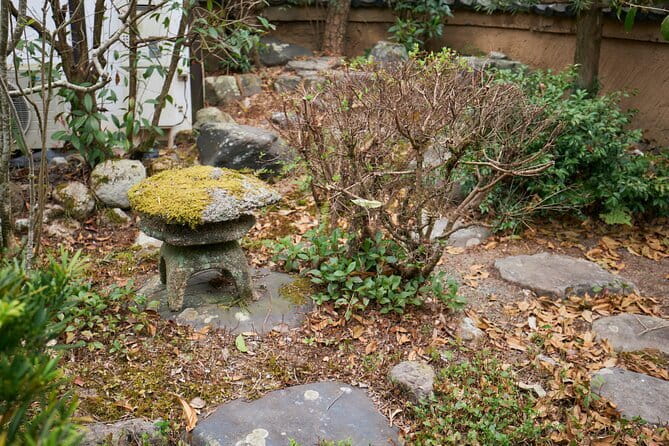
The workshop also includes an explanation of ninja history, weapons, and secret techniques. This portion helps connect the physical work to the subject that brought you there.
The strongest version of this experience is the combination of information and action. You hear why a weapon mattered, then handle a related object and learn how its shape developed. That gives the session more substance than a themed souvenir-making class.
The amount of explanation may vary with the group and the instructors’ pace. Most descriptions of the session emphasize clear instruction, friendly staff, and an educational element. One person felt the directions could sometimes be vague and was unsure if the work was being done correctly. If you need repeated demonstrations, speak up early.
Taka is mentioned by name in several accounts, with particular praise for his help during kunai-making. The workshop team is described as high-energy, social, and willing to guide people through difficult parts. That style will suit you if you enjoy an upbeat class. If you prefer a quiet, formal lesson, the atmosphere may feel a little loud or fast.
Is $151.92 a Fair Price?
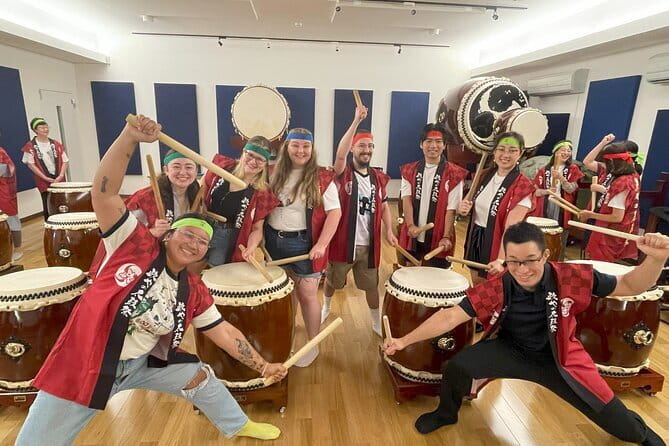
At $151.92, this is not a cheap souvenir activity. The price makes sense only if you value the full package: a 2.5-hour session, instruction, rented tools, a uniform, materials, the engraving, the finishing work, and a boxed item to take home.
I see it as better value for someone who wants a memorable activity rather than simply a finished object. You are paying for the setting, staff guidance, the tools, the chance to work with hot steel, and the story attached to the souvenir.
The value is weaker if your main goal is to purchase a kunai or shuriken. You could likely find ninja-themed objects elsewhere for much less, though they would not carry the same personal connection.
The price also requires realistic expectations about authorship. You help make the weapon, but the instructors remain closely involved. They may prepare, refine, or correct parts of the piece. If your idea of handmade means completing every stage without assistance, ask how much of the shaping you will personally do.
For families, the activity can justify the cost because it creates a shared project. It has worked well for adults, teenagers, and older children, provided they can follow safety instructions and manage the physical work. For a solo participant, the social atmosphere and staff interaction can make the workshop easier to enjoy.
Getting to the Studio and Planning Your Day
The meeting point is the studio itself, and the activity ends there. Private transportation is not included. The site is near public transportation, but the location is off the main route and directions have been described as vague.
I would not leave navigation until the last minute. Save the address, check the route, and allow a cushion before the start time. A taxi app may be useful if the public transport connection is awkward or if you are traveling with children and luggage.
Because the activity lasts about two and a half hours, avoid placing it too close to a timed reservation in central Kyoto. The session returns to the same meeting point, but getting back into the main sightseeing areas still takes planning.
The maximum group size is 25. That is manageable, but it is not an intimate private lesson. If personal instruction is important to you, choose a time when the group may be smaller, if booking options allow, and tell the staff when you need help with a step.
Confirmation is provided when you book. The ticket is mobile, so keep it ready on your phone.
Who Will Enjoy This Most?
I would recommend this for you if you:
- Want a hands-on Kyoto activity beyond temples and food
- Have an interest in ninja culture, Japanese tools, or metalwork
- Like taking home a souvenir with a personal story
- Are comfortable with heat, noise, hammering, filing, and sanding
- Are traveling with teenagers or family members who enjoy making things
- Do not mind paying more for an organized, guided experience
It may not suit you if you want a quiet cultural lecture, dislike workshop noise, or have limited stamina for standing and repeated hand movements. It is also not ideal if you expect to forge an entire weapon independently from start to finish.
The activity has a strong family and group appeal. Friends can compare the different shuriken styles, and parents can share the process with older children. Adults without any craft background can take part because the instructors demonstrate each stage and assist when needed.
Should You Book the Ninja Weapon Workshop?
Book it if you want an unusual Kyoto memory and enjoy being involved in the making of your souvenir. The strongest reasons are the hot-steel forging, the kanji engraving, the finished box for transport, and the staff’s friendly energy.
Before paying, confirm the exact weapon options and any kunai surcharge. Also plan the route to Yase carefully. If you accept that this is a supervised workshop rather than a fully independent blacksmith course, the price can feel justified.
I would skip it if you are mainly shopping for an inexpensive ninja prop or if you dislike physical activities. For everyone else, this offers a rare chance to leave Kyoto with something you shaped, finished, and can explain when you show it to friends at home.
FAQ
How long does the ninja weapon-making activity last?
The experience lasts approximately 2 hours and 30 minutes.
Where does the activity take place?
It begins and ends at studio NIN, located at 168-1 Yasenosechō, Sakyo Ward, Kyoto, 601-1254, Japan.
Do I need previous blacksmithing experience?
No. The activity is designed for people without prior experience, and skilled instructors guide you through the steps.
Which weapons can I choose?
You can choose from three shuriken styles or a kunai. One experience reported an additional 3,000-yen charge for the kunai, so confirm the current price when booking.
What is included in the activity?
Tools such as hammers and files are provided for use, along with a traditional blacksmith uniform. A box and bag are also provided for taking the finished weapon home.
Do I need to be physically fit?
You should have a moderate level of physical fitness because the session includes hammering, filing, sanding, and shaping steel. Easier sharpening options are available for people with less stamina.
Can I cancel for a full refund?
Yes. You can cancel at least 24 hours before the local start time for a full refund. Cancellations or changes made within 24 hours are not refunded or accepted.
Just added around Kyoto
- Sekka Cotton Furoshiki Class★ 5.0 · 19 reviews
- Kyoto Sword Experience – includes Museum Ticket/Ninja Experience★ 4.5 · 149 reviews
- Scenic Green Tea Fields of Hidden Kyoto & Local Tea Exp (Private)★ 5.0 · 32 reviews
- Secret Eastern Kyoto Biking Adventure★ 5.0 · 44 reviews
- Private Sake Tasting in Central Kyoto with Sake Sommelier★ 5.0 · 32 reviews
- Samurai School in Kyoto: Samurai for a Day★ 5.0 · 202 reviews
- SHIRAKAWA Japanese Culture Experiences with private English staff★ 5.0 · 16 reviews
- A Privately Guided Photoshoot in Beautiful Kyoto by a Pro★ 5.0 · 18 reviews
Ninja Experiences, compared.
Ninja 1-hour Hands-on Lesson by Japanese master in Kyoto -Entry
Our verdict →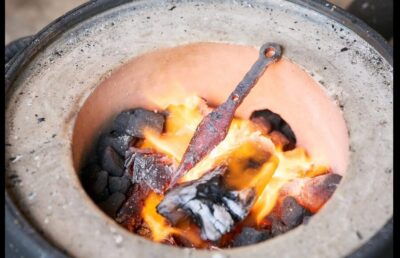
Try Mindful Calligraphy Near Kanazawa’s Ninja Temple
Our verdict →
Browse the lists this tour appears in