
Reviewed · TEMPLES & SHRINES
Hiroshima & Miyajima: UNESCO A-Bomb Dome & Itsukushima with Local
The most meaningful feature here is the connection between two very different places: sacred Miyajima, with its sea-level shrine and old temples, and Hiroshima, where the A-Bomb Dome and Peace Memorial Museum ask you to face painful modern history. A private guide can help you move between those subjects without treating either as a quick photo stop.
I like the flexible private format, especially for families or couples who need a slower pace. I also like the chance to hear family stories about loss, recovery, and hope rather than getting only dates and facts. The main consideration is stamina: this is a seven-hour walking day using ferries, trains, and other public transportation, and lunch is not included.
Key points to know before booking
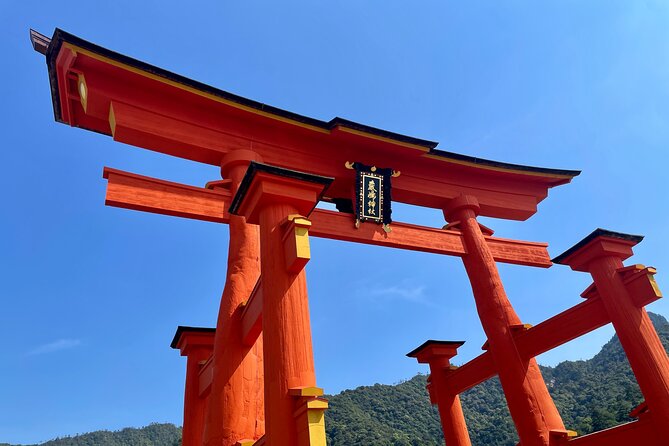
- The tide matters: The Itsukushima torii looks most like it is floating around high tide, so ask about timing before the day begins.
- Your guide shapes the day: Yuka, Massa, Masa, and Ally are among the guides associated with this experience, and the pace and order can be adjusted.
- Public transit keeps the cost down: Basic transportation is about ¥1,340 to ¥1,380 per person, paid separately.
- Miyajima gets more than a quick shrine stop: You visit Itsukushima Shrine, Daishoin Temple, Senjokaku, and Omotesando shopping street.
- The Hiroshima portion is serious: The A-Bomb Dome, Hypocenter, Peace Memorial Park, museum, and Children’s Peace Monument require time and emotional attention.
- The private price buys time and focus: At $181.19 per person, the value is strongest for small groups that want direct questions and a custom pace.
Why this pairing works so well
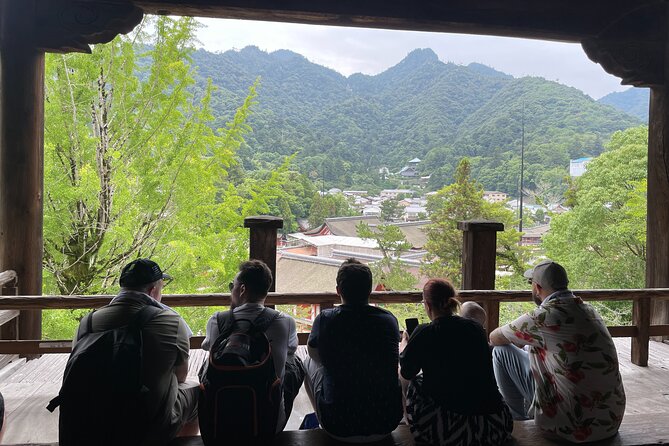
Miyajima and Hiroshima are often combined because they sit close enough for a day trip, but the contrast can feel abrupt. Miyajima is linked with Shinto worship, Buddhist temples, forested slopes, deer, oysters, and the famous torii in the sea. Hiroshima’s Peace Memorial Park is quiet in another way, asking you to think about war, radiation, grief, and rebuilding.
A good guide gives the day a human scale. Instead of rushing through two headline attractions, you can ask why a shrine was built over the water, how the tide changes the view, or how Hiroshima’s people rebuilt after 1945. The guides connected with this tour include Yuka, Massa, Masa, and Ally. Feedback about them places particular weight on clear English, friendly conversation, useful local knowledge, and an ability to adjust the walking speed.
That flexibility matters. Seven hours is enough to see a great deal, but not enough to linger everywhere. You can discuss your priorities during the advance planning period, then decide if the day should give more time to Miyajima’s temples, the museum, food, or the main monuments.
More Temple & Shrine Tours in Hiroshima
- Hiroshima and Miyajima Day Trip with Itsukushima Shrine & Ferry
★ 5.0 · 378 reviews - Miyajima: Cultural Experience in Zen Temple
★ 5.0 · 258 reviews - Day Trip to Hiroshima & Miyajima with Itsukushima Shrine
★ 4.6 · 124 reviews
Starting in Hiroshima and heading to Miyajima
Pickup is offered on foot from a hotel or train station in Hiroshima City. The exact meeting point matters, since this is not a private car tour. You will use public transportation, usually a combination of ferry, JR, or train.
The order can change. Some days begin with Miyajima and finish in Peace Memorial Park. On other days, the Hiroshima sights come first. The guide can consider the tide, your interests, and the most sensible travel sequence. If seeing the torii surrounded by water is your top goal, discuss the tide before you set off.
The trip between Miyajima Port and Peace Memorial Park takes about an hour by normal public transportation. A direct boat can cut that to about 45 minutes, but it costs extra. Taxis and other private options are also available, with one-way prices listed from roughly ¥2,300 to ¥8,000 depending on the choice.
That travel time is part of the day, not a flaw in the tour. You need it to connect the island and city, and a local guide can help you use the time well. Still, anyone hoping for a relaxed island visit and a leisurely museum visit should understand the schedule. The day covers a lot.
Miyajima, the sacred island
Miyajima, formally Itsukushima, has long been treated as a sacred island. Its name is often associated with the idea of an island of the gods, and that spiritual identity is easy to sense as you approach the shrine area.
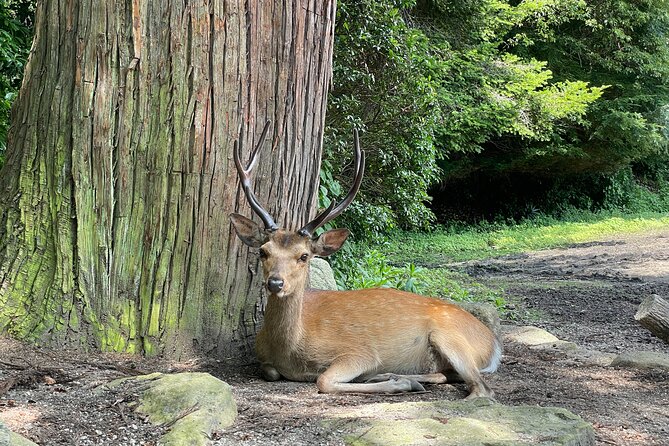
The island also has a lively public side. Deer wander through the streets, and the Omotesando shopping area sells local foods and souvenirs. The mix can surprise you: one moment you are looking at an old religious building, and the next you are choosing between oysters, conger eel rice, momiji manju, and other treats.
The tour gives you about an hour in the shopping street. Lunch is not included, so this is the natural place to buy food if you want it. You can ask your guide for help choosing local specialties, but your food and drinks are your own expense.
The floating torii and Itsukushima Shrine
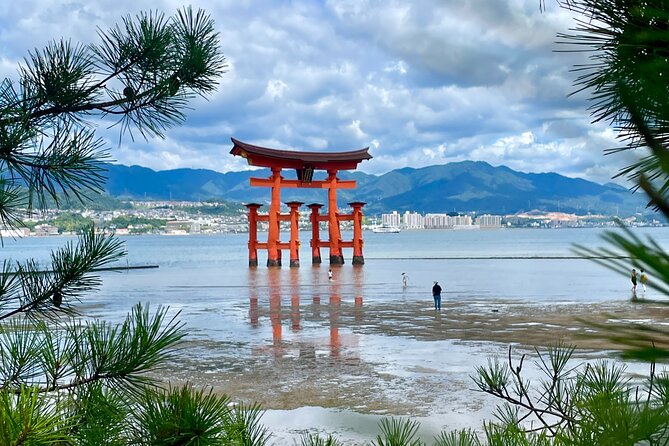
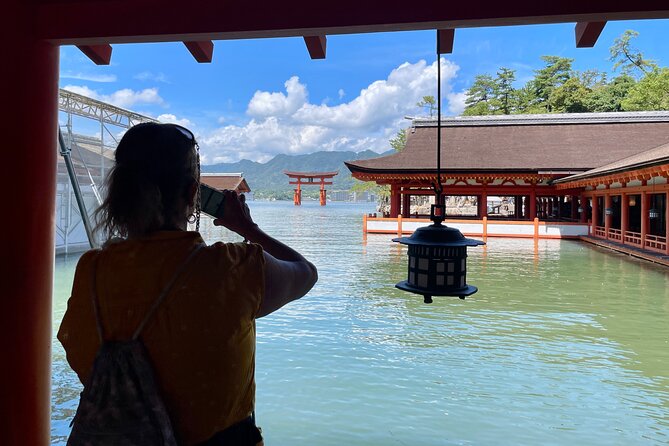
The Itsukushima torii is the image most people associate with Miyajima. Built at the water’s edge, it appears to float when the tide is high. At low tide, the view changes greatly, and you may be able to see the exposed ground around it.
The torii stop is brief, listed at about 15 minutes, so plan your expectations. This is a key viewpoint, not a long photography session. Tide timing can make a real difference, and the tour specifically advises planning around high tide.
Itsukushima Shrine itself receives about 20 minutes, with admission included. The shrine is a UNESCO World Heritage Site and a Japanese national treasure. Its buildings, raised over the water, make the setting unusual even when the torii is not at its most dramatic.
A guide adds value here by explaining how the shrine, sea, island, and religious traditions fit together. Without context, you might simply see a beautiful red structure over the water. With context, the arrangement becomes easier to understand as a sacred approach rather than decoration alone.
More Peace Memorial Tours in Hiroshima:
- Hiroshima Historical Walking Tour – Why A-Bomb was Dropped
★ 4.8 · 893 reviews - Hiroshima: Miyajima Peace Memorial Icons of Peace and Beauty
★ 4.9 · 361 reviews - Hiroshima/Guided Virtual Tour of Peace Park/PEACE PARK TOUR VR
★ 5.0 · 157 reviews - Hiroshima: Peace Memorial Park and Atomic Bomb Dome Tour
★ 4.9 · 91 reviews
Daishoin Temple and Senjokaku
Daishoin Temple is one of the strongest parts of the Miyajima visit for anyone who wants more than the famous torii. It is described as the island’s oldest temple, with more than 1,200 years of history, and the visit allows about 40 minutes.
The temple is Buddhist, giving you a useful contrast with the Shinto shrine. It has many details to notice, and the longer stop gives the guide room to explain what you are seeing. This is also the point where the tour can feel less like a checklist and more like a conversation about religious life on the island.
Senjokaku, another part of the Itsukushima area, was built in the 16th century at the order of Toyotomi Hideyoshi. Its large, open halls and wall-less spaces create a calm pause. The visit is short, about 15 minutes, and admission is not included, so confirm the current entry cost with your guide.
The combination of shrine, temple, and Senjokaku is useful because it shows three different sides of Miyajima. The island is not only a place for one famous gate. It has layers of worship, architecture, and quiet spaces that reward looking closely.
Hiroshima’s A-Bomb Dome and the Hypocenter
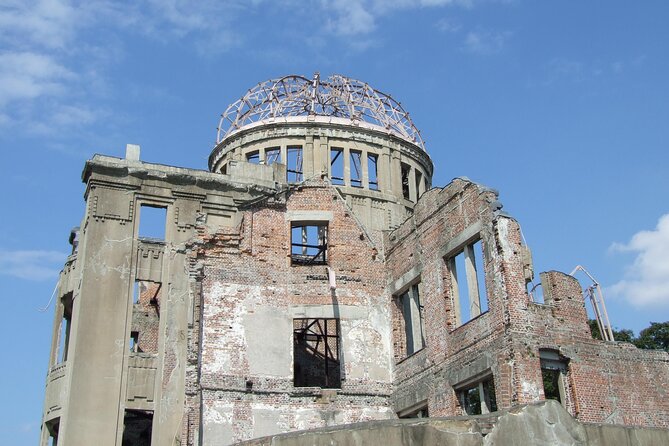
After Miyajima, the tour turns to Hiroshima’s wartime history. The Atomic Bomb Dome is a UNESCO World Heritage Site and one of the most direct reminders of the atomic bombing. Its preserved remains communicate the force of the event without needing much decoration.
You get about 15 minutes at the dome. That sounds short, but the building is best approached slowly and thoughtfully. You can walk around it, look at the surviving structure, and ask your guide about its place in Hiroshima’s memory.
The Hypocenter monument is another brief but powerful stop. The bomb exploded about 600 meters above the hospital at this location. The monument marks the point directly below the explosion, bringing the event into physical focus.
These stops can be emotionally heavy. The tour is not designed as light sightseeing, and you should leave room in your day for a serious change of mood. A private guide helps because you can ask questions quietly and spend a little longer at a place that affects you.
Peace Memorial Park and the museum
Peace Memorial Park connects the main monuments. The tour allows about 20 minutes to visit several memorials and consider Hiroshima’s destruction and reconstruction.
The park includes many reminders of the people affected by the bombing. Your guide can help you understand how the separate monuments relate to each other, rather than leaving you to read each one in isolation.
The Hiroshima Peace Memorial Museum receives about an hour, and admission is included. The museum uses photographs, documents, and material about radiation exposure to show the human effects of the bombing. This is the most demanding section of the day, both emotionally and mentally.
An hour gives you a useful introduction, but it is not enough for every display. If the museum is your main reason for booking, tell the guide in advance. You may need to shorten another stop, since the standard plan also includes Miyajima and several city monuments.
The museum also raises difficult questions about why the bomb was dropped and what happened afterward. Masa has been specifically praised for offering thoughtful explanations around those issues. The strength of a private visit is that you can ask for historical context without holding up a group.
Sadako and the Children’s Peace Monument
The Children’s Peace Monument is tied to the story of Sadako Sasaki, a girl associated with the many origami cranes placed at the memorial. The tour allows about ten minutes here.
This is a small stop, but it gives the day a personal focus. The museum presents broad facts and many victims, while the monument helps you think about one child and the wider meaning of peace education. The cranes also connect the site to an ongoing act of remembrance rather than a single historical moment.
You may find this stop especially moving after the museum. It is another reason not to schedule a demanding activity immediately afterward.
The private format and guide quality
The strongest reason to choose this tour is the guide relationship. You are not placed in a large group, so you can stop to ask questions, adjust the pace, or change priorities. A couple may want more time at the museum. A family may need shorter stretches of walking. Someone interested in architecture may prefer Daishoin and Senjokaku.
Yuka has been singled out for answering questions carefully and speaking clear English. Massa has been praised for meeting a group at the station, helping with tickets, and keeping the day on track while matching the group’s pace. Ally is associated with thoughtful conversation about Miyajima’s spiritual side, and Masa has received particular praise for handling the Peace Memorial Museum.
Those details point to the tour’s main strength: personal attention. The experience is not just private in name. The guide can discuss your interests before the tour, then shape the day around them.
Still, a private guide cannot remove the physical demands. You will walk, board public transportation, manage stations and ferries, and stay active for much of the day. The experience is not recommended for anyone who cannot walk long distances.
Is $181.19 a fair price?
The advertised price is $181.19 per person. That is not the cheapest way to see Hiroshima and Miyajima, especially since public transportation, meals, and optional private transport are extra.
Basic transportation costs about ¥1,340 to ¥1,380 per person. JR Pass users may pay as little as ¥0 to ¥270 for some transport, while direct boats can cost around ¥4,500 and taxis or other private options may reach ¥8,000 one way. You should budget for those costs before comparing the total price.
The value comes from the private guide, advance customization, hotel or station pickup on foot, and the amount of ground covered in one day. If you are a small group, the price may feel reasonable because you are sharing the guide rather than paying for separate tours. It is also useful for a first Hiroshima visit when you want the major places explained in a clear order.
You may find better value by traveling independently if you are comfortable reading maps, managing ferry and train connections, and researching the history in advance. Choose this tour for help with meaning, timing, and personal questions, not simply for transportation.
Who should book this tour?
I would choose it for couples, families, and small groups who want both Miyajima and Hiroshima in one day without a large tour group. It suits you especially well if you value conversation, have specific interests, or want a guide who can slow down when a place deserves more time.
It is also a strong option for a first visit. The route covers the main island sights and the essential Hiroshima memorials, giving you a clear foundation for a longer stay.
I would hesitate if you dislike public transportation, want a leisurely lunch, or prefer to spend a full day at only one place. The schedule is full, the walking is substantial, and the museum section can feel rushed if you want to read every display.
The experience requires good weather and may be rescheduled or refunded if poor weather causes cancellation. You can cancel for a full refund up to 24 hours before the start time. Service animals are allowed, and most people can participate, but the long walking day remains the main practical limit.
Should you book it?
Book this tour if you want Hiroshima and Miyajima explained by a local guide who can adjust the pace and connect famous sights with family memory and lived experience. The private format, guide flexibility, and included shrine and museum admissions make the price easier to justify for a small group.
Skip it if you are happy traveling independently or want to linger at the museum for several hours. For everyone else, this is a thoughtful, well-planned way to see the floating torii, the island’s older temples, and Hiroshima’s most important memorials in one demanding but meaningful day.
FAQ
How long does the tour last?
The tour lasts approximately seven hours.
Is hotel pickup included?
Yes. Pickup is offered on foot from a hotel or train station in Hiroshima City.
Is this a private tour?
Yes. Only your group participates in the activity.
How do you travel between Hiroshima and Miyajima?
The tour mainly uses public transportation, including ferries, JR, or trains. The journey between Miyajima Port and Peace Memorial Park generally takes about one hour.
Are transportation costs included?
No. Basic public transportation costs about ¥1,340 to ¥1,380 per person. Optional direct boats, fast boats, or taxis cost extra.
Is lunch included?
No. Food and drinks are not included.
Are Itsukushima Shrine and the Peace Memorial Museum included?
Yes. Entrance fees for Itsukushima Shrine and the Hiroshima Peace Memorial Museum are included.
Can the tour order be changed?
Yes. The order can be changed between Miyajima and Peace Memorial Park. The schedule may be adjusted to suit your interests and to help with viewing the torii around high tide.
Can I cancel for a refund?
You can cancel up to 24 hours before the experience starts for a full refund. Changes or cancellations made less than 24 hours in advance are not accepted for a refund.
Just added around Hiroshima
- Full Day Hiroshima and Miyajima Tour by Bullet Train from Kyoto★ 4.5 · 120 reviews
- The Peace Memorial to Miyajima : Icons of Peace and Beauty★ 4.5 · 31 reviews
- Hiroshima Saijo Sake Tasting Tour with visit to 7 Breweries★ 5.0 · 104 reviews
- Shore Excursion from Hiroshima Port : Private Tour in Hiroshima★ 5.0 · 17 reviews
- Okunoshima Rabbit Island Cycling Tour with Local Guide★ 4.5 · 17 reviews
- Hiroshima & Miyajima All-Inclusive Tour w/Licensed guide Pancho★ 5.0 · 54 reviews
- Private Full Day Hiroshima Tour★ 4.5 · 29 reviews
- Hiroshima Private Tour with a Local – Highlights & Hidden Gems★ 4.5 · 24 reviews
Temples & Shrines, compared.

Tea Ceremony in a Traditional Tea House in Kiyomizu
Our verdict →
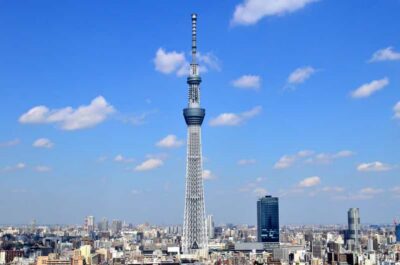
Meiji Shrine, Asakusa, Skytree Bus Tour and Cruise
Our verdict →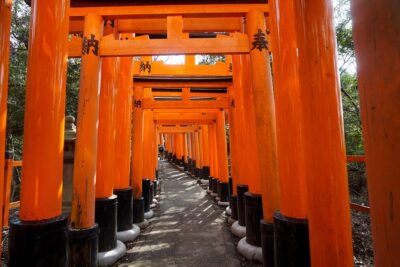
Fushimi Inari Hidden Hiking Tour (Private Option Available)
Our verdict →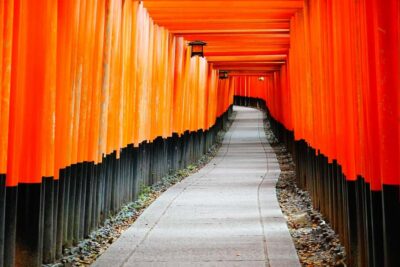
Osaka/Kyoto:Kinkakuji,Arashiyama,FushimiInariShrine,NaraPark
Our verdict →
Nikko: Kegon Falls, Lake Chuzenji & Toshogu Temple
Our verdict →
Kamakura & Enoshima Day Trip including Temple Tickets
Our verdict →Browse the lists this tour appears in