
Reviewed · BUS TOURS
Tokyo: Morning Sightseeing Bus Tour
Tokyo is so large that a morning coach tour can be a smart first move. In 210 minutes, you’ll reach Meiji Shrine, the Imperial Palace, and Asakusa, while also passing Harajuku, Akihabara, Ueno, and the National Diet Building. I like the efficient route and the chance to finish in Asakusa, where you can keep exploring on your own.
I also like the matcha stop and the practical English commentary. Guides such as Aoi and Taka have been singled out for clear explanations, humor, and warm service. The tradeoff is simple: heavy traffic can shorten time at some sights, and this is a highlights tour rather than a slow, in-depth visit.
Tokyo in a Morning: Key Points
- Meiji Shrine begins the day with a forested walk and a lesson in traditional Shinto customs.
- The coach saves time between distant districts, including Harajuku, Akihabara, Ueno, and Kappa-Bashi.
- The Imperial Palace stop varies between the East Garden and Niju-bashi Bridge.
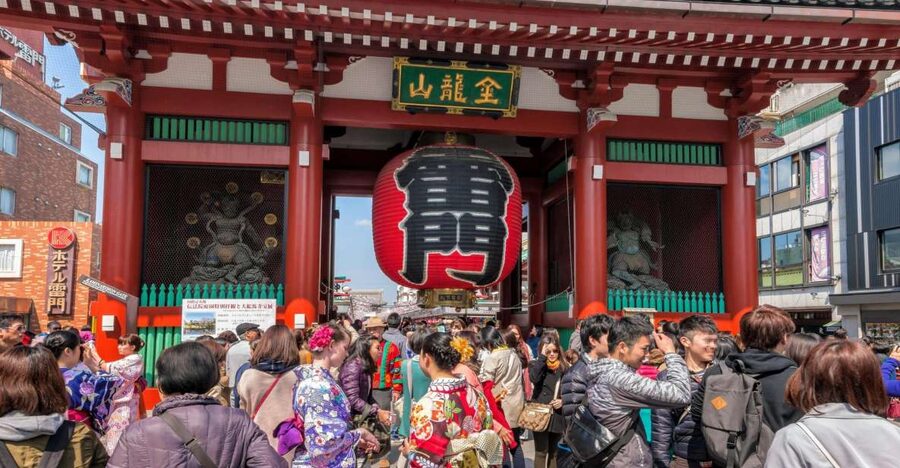
- Asakusa is the main finale, with Nakamise shopping street, Senso-ji, and the Kaminarimon Gate.
- Uji matcha is included, with matcha gelato or matcha beer available as options.
- The tour ends at Asakusa, so plan your afternoon from there rather than expecting a ride back to your hotel.
Why This Half-Day Route Works in Tokyo
Tokyo rewards planning, but it can punish overplanning. The city’s sights are spread across separate districts, and moving from Shinjuku or Ginza to Asakusa by public transport takes time and attention. This route handles the long transfers by coach, leaving you to look out the window and listen to the guide.
The tour lasts three and a half hours and begins at 8 a.m. The listed meeting point is at the Robert Indiana LOVE sculpture in Ginza, though the exact meeting point can vary with the option you book. Confirm it carefully, and arrive ready to walk.
The coach is air-conditioned, has Wi-Fi, and receives regular ventilation and antibacterial treatment. That makes the ride useful in Tokyo’s hot or rainy months. Still, this is not a sightseeing bus where you remain seated all morning. You’ll get out at key stops, so wear comfortable shoes.
The price is $90 per person. I see the value mainly in the transport, the live English guide, the included matcha experience, and the time saved crossing the city. If you already know Tokyo well, you may prefer using trains and spending longer at one or two places. If you have only one full day, a first morning in Tokyo, or a short stopover, the route gives you a quick map of the city.
More Bus Tours in Tokyo
- 1-Day Tokyo Bus Tour
★ 5.0 · 14,250 reviews - Tokyo: Hop-On Hop-Off Sightseeing Bus Ticket
★ 3.9 · 4,207 reviews - Tokyo: Meiji Shrine, Asakusa, Skytree Bus Tour and Cruise
★ 4.7 · 1,986 reviews
Meiji Shrine: A Quiet Start Among the Trees
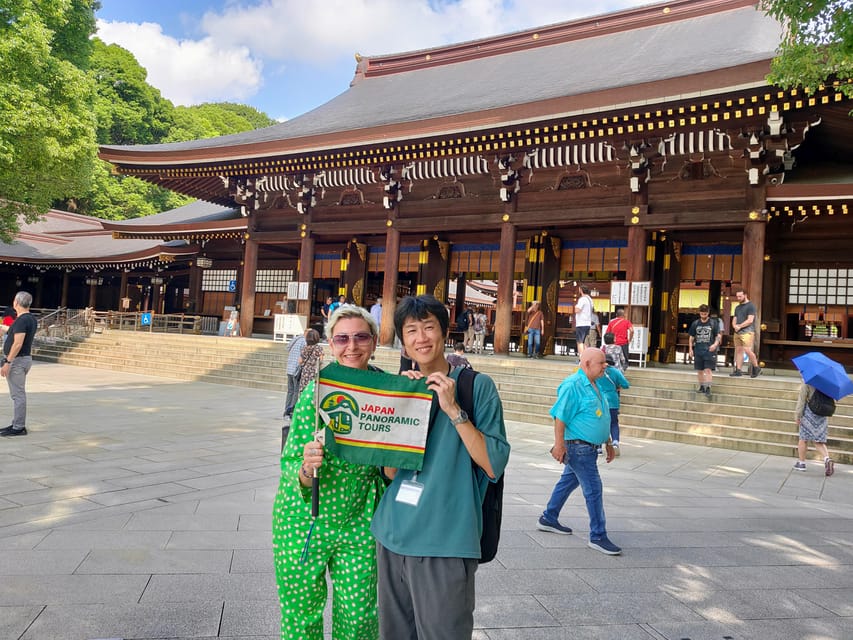
The first substantial stop is Meiji Jingu, one of Tokyo’s best-known Shinto shrines. It was built in 1921 for Emperor Meiji and Empress Shoken. Its wooded grounds create a sharp change from the city streets, even though the shrine sits in central Tokyo.
This is a good place to learn the basic customs of a Shinto visit. Your guide explains how to approach the shrine, purify yourself, bow, and offer a prayer. You are not simply looking at a building. You are learning how the space is used.
Take a moment to notice the mood of the grounds. The forest is the main feature here, not ornate decoration or a long list of museum displays. A deep breath and a quiet walk help you understand why the shrine matters to Tokyo residents.
The time available is limited, so do not expect a full tour of every path and structure. Stay close to the guide and listen for instructions about where to meet again. The forest walk may also feel long if you have mobility concerns or are carrying heavy luggage.
Harajuku, Omotesando, and the National Diet Building
After Meiji Shrine, the coach passes Takeshita Avenue, the narrow Harajuku street linked with Japanese youth fashion and pop culture. You will also pass Omotesando, a broad shopping district known for major stores and contemporary architecture.
These are mainly drive-by sights, not long shopping stops. That distinction matters. You get a quick sense of how Tokyo shifts from sacred woodland to youth culture and polished retail streets, but you will not have time to browse Takeshita Avenue during this section.
The route also passes the National Diet Building, Japan’s parliament. Its symmetrical appearance and formal design make it easy to recognize from the coach. Your guide can give context as you pass, but you should think of this part as city orientation rather than a full visit.
This changing scenery is one of the better reasons to take the bus. In less than an hour, you move through several sides of Tokyo without repeatedly finding train platforms or changing lines.
The Imperial Palace: Choose Your Main View
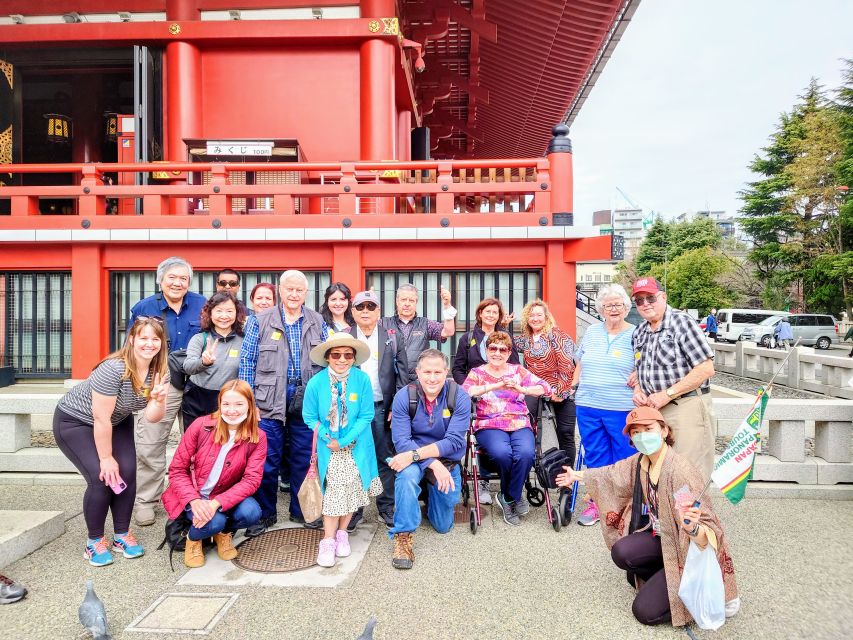
The Imperial Palace area is another key stop. The grounds occupy the site of Edo Castle, connecting present-day Tokyo with the city’s shogun-era past. The current Imperial family lives here, although the tour does not offer a full palace interior visit.
Depending on operations, you visit either the East Garden or the Outer Garden and Niju-bashi Bridge. The East Garden gives you traditional Japanese garden scenery and castle-site history. Niju-bashi offers a classic photo opportunity with one of the palace area’s best-known structures.
Because the exact choice can vary, do not book this tour expecting one fixed palace experience. Both options provide useful context, but they are different in character. The garden is better for strolling and old castle remains. The bridge is better for a quick landmark photo and an introduction from the guide.
The palace stop has received particular praise in the tour feedback, and I can see why. It gives the morning a historical center rather than making it only a string of modern districts. The downside is that traffic and timing can affect how long you have here. One past booking described rushing at several sightseeing points because of heavy traffic, so keep your expectations realistic.
Same trip, a completely different kind of day:
- Tokyo: TOKYO SKYTREE® Admission ticket
★ 4.5 · 11,192 reviews - Tokyo: teamLab Planets TOKYO Digital Art Museum Entry Ticket
★ 4.6 · 9,779 reviews - Tokyo: Sumo Show Experience with Chicken Hot Pot and a Photo
★ 4.8 · 6,678 reviews - Tokyo: Shinjuku Food Tour (13 Dishes at 4 Local Eateries)
★ 5.0 · 6,603 reviews
Akihabara, Ueno, and Kappa-Bashi from the Coach
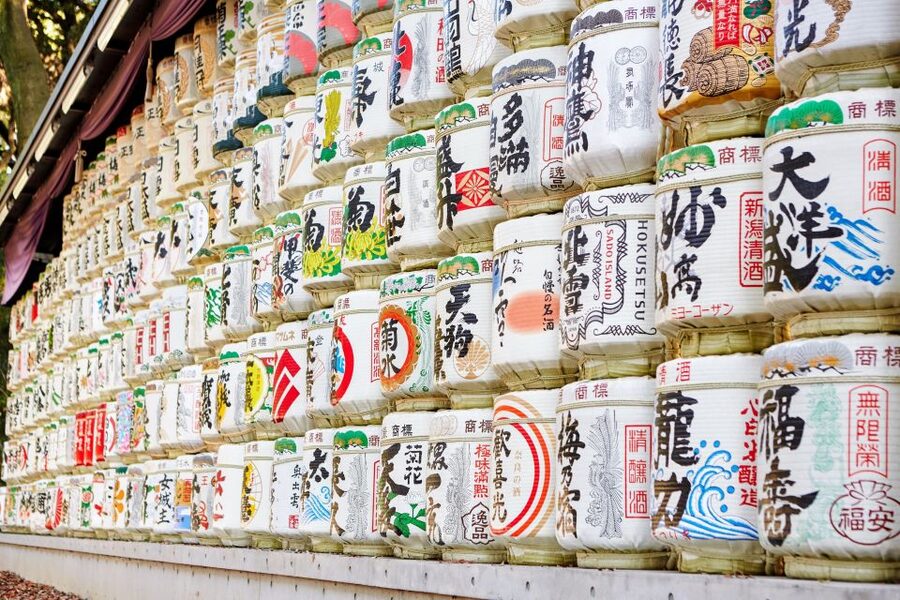
The route continues through Akihabara, Tokyo’s famous center for anime, manga, electronics, and otaku culture. Unless your chosen schedule includes an unexpected change, this is a pass-by view rather than a shopping stop.
That is still useful for a first look. Akihabara feels very different from Meiji Shrine and the palace district. You’ll see how quickly Tokyo moves between old customs, government buildings, and modern entertainment culture.
The bus also passes Ueno, known for Japan’s oldest park, and Kappa-Bashi market street. Kappa-Bashi is especially interesting because its shops sell kitchen goods, Japanese dishes, knives, and highly realistic plastic food models.
These drive-by sections help you place Asakusa within the wider city. They are not a substitute for time on foot, but they make the ride more than a simple transfer. Listen to the guide during these stretches. One older comment praised a guide for providing plenty of interesting information, while another wished for more commentary during the bus travel. The quality and amount of explanation can depend on your guide, so the multilingual audio system is a useful backup.
Asakusa and the Kaminarimon Lantern
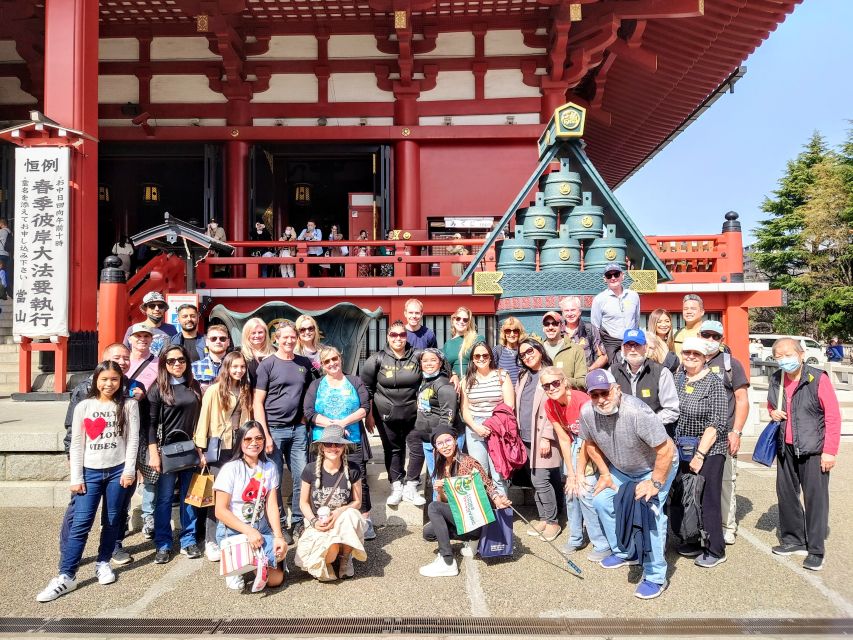
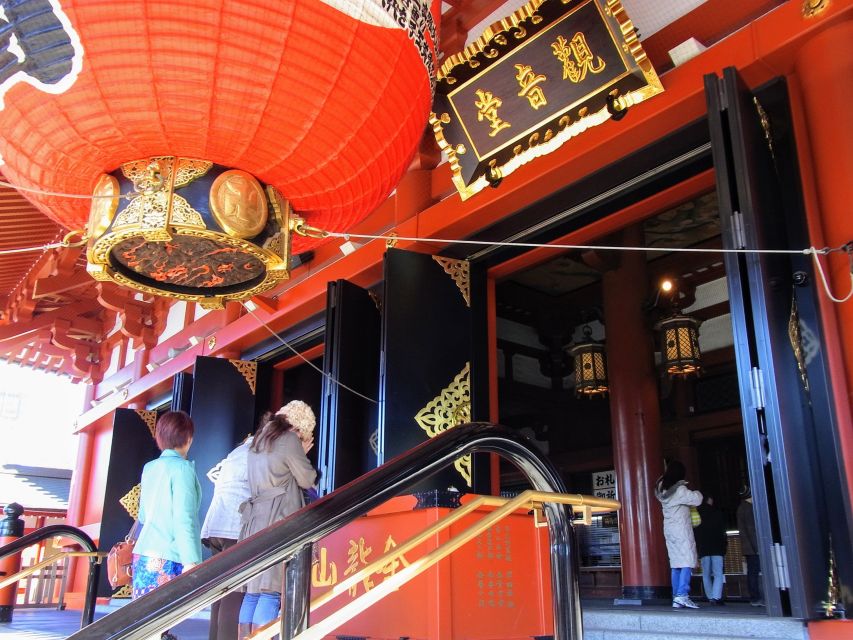
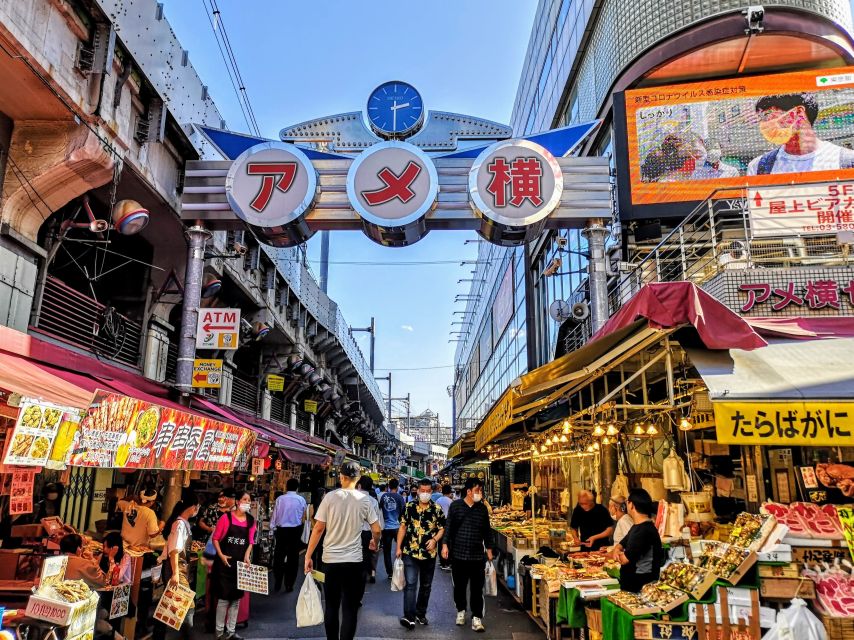
Asakusa is where the tour becomes more hands-on. This historic district is home to Senso-ji, one of Tokyo’s best-known Buddhist temples, and Nakamise Avenue, the shopping street leading toward it.
Your first photo should be at Kaminarimon Gate, marked by its huge red lantern. The gate is one of the city’s most recognizable sights, but do not stop at the first photograph. Walk along Nakamise and look at the small shops selling snacks, souvenirs, traditional goods, and other items.
The tour finishes at Senso-ji, leaving you in a useful part of Tokyo for the rest of the day. You can continue around the temple area, find lunch, or make your own way to another district. There is no extra drop-off service, so think of Asakusa as your afternoon base.
I like this ending because it avoids sending you back to the starting point just as the city is waking up. It also gives you more control. If you want to stay for lunch or keep shopping, you can. If you have a reservation elsewhere, check the timing before booking.
The Matcha Experience in Asakusa
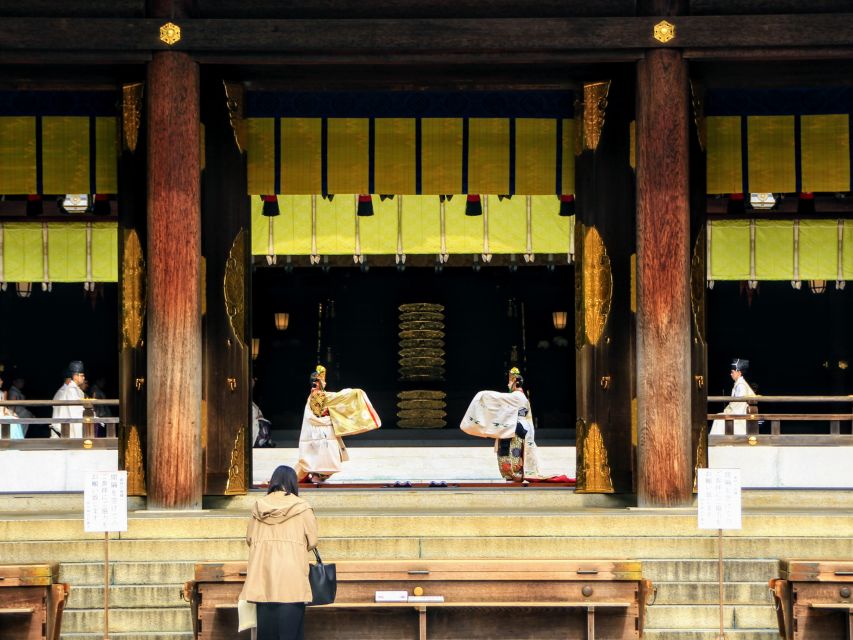
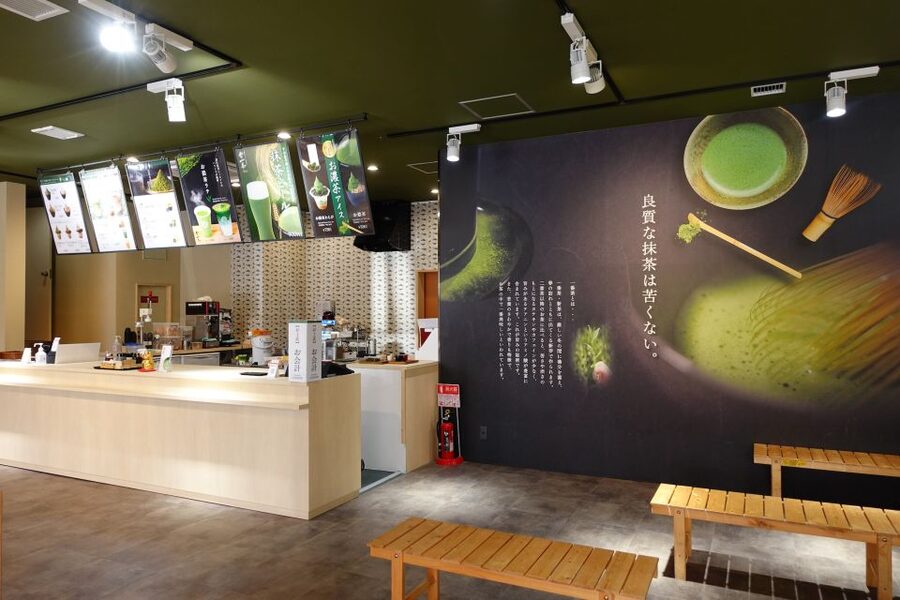
The included matcha stop adds a small but welcome taste of Japanese tea culture. You receive authentic Uji matcha from Kyoto, made with first-flush tea leaves known as ichibancha. The description specifically emphasizes a smooth, less bitter style called premium matcha.
You may also have the option of matcha gelato or matcha beer. Matcha gelato can be the safer choice if you are unsure about the taste of green tea. One booking praised the gelato, and another described the break as a useful pause during the morning.
This is not a formal tea ceremony. Think of it as a short cultural tasting within a sightseeing tour. It gives you a chance to sit or pause before continuing around Asakusa, but it does not replace a longer tea lesson.
The matcha shop is closed on May 14. On that date, the operator provides matcha souvenirs instead. If the tea tasting is a main reason for booking, check the date before paying.
Guides, Audio, and the Pace of the Morning
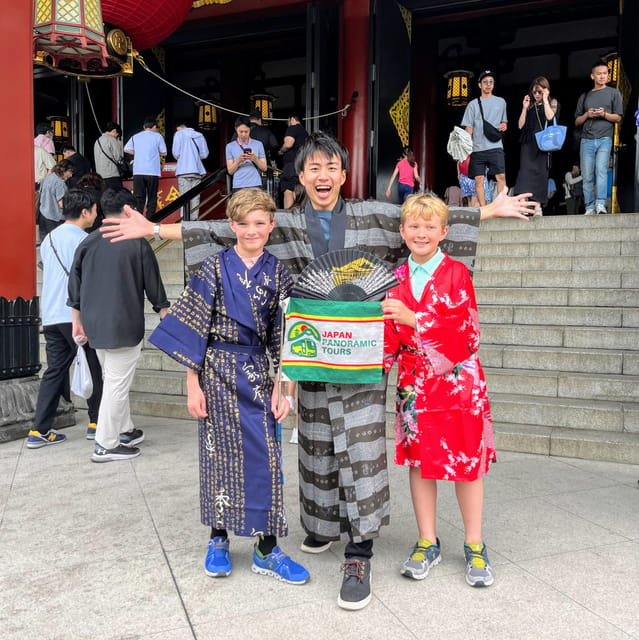
The live guide speaks English. Guides named Aoi, Taka, Angela, and Levin have received warm praise at different times for clear English, humor, friendliness, and useful explanations. Aoi was especially noted for explaining each part of the bus route clearly and answering questions with an upbeat manner.
You should still allow for variation. One past comment praised the guides but wanted more narration during the coach ride. The tour includes a multilingual audio guide in English, French, Italian, Spanish, German, Portuguese, and Ukrainian, with headsets available for the audio commentary. That is helpful if you prefer steady information while the coach is moving.
The route is organized, but it is not leisurely. You’ll need to return to the coach promptly, follow the meeting instructions, and accept that traffic, weather, or operational changes can alter the order. If a scheduled place closes, an alternative may be offered.
The coach has free Wi-Fi, but I would not plan your day around getting work done on board. Use the ride to watch Tokyo pass and gather ideas for places to return to later.
Who Will Get the Most From This Tour
I would recommend this tour to a first-time Tokyo visitor who wants a broad introduction without managing several train journeys. It is also a good fit if you have only about a day in the city, as one past booking found the half-day format ideal for getting an initial view.
Families and older visitors may appreciate the air-conditioned coach between stops, but the walking portions still require comfortable footwear. The tour does not provide hotel pickup or drop-off, and you must handle the loading and unloading of luggage from the coach trunk yourself, including strollers and wheelchairs.
This is less suitable if you want long shopping sessions in Harajuku, a detailed palace visit, or extended time in Akihabara. It is also not the best choice for anyone who dislikes fixed schedules. Heavy traffic can make the stops feel short.
Book it if you value coverage and convenience more than deep time at one site. Skip it if you already have Tokyo transport figured out and would rather spend a full morning at Meiji Shrine, the palace gardens, or Asakusa alone.
Should You Book the Tokyo Morning Tour?
At $90, this is a fair but not bargain-priced introduction to Tokyo. You are paying for a comfortable coach, citywide routing, a live English guide, audio support, and matcha, not simply admission to a series of attractions.
I would choose it for a first morning, a short stay, or a jet-lagged arrival when train changes sound unappealing. The best feature is the finish in Asakusa, where you can continue independently instead of riding back across the city.
Go in expecting a brisk overview. Watch the traffic, stay aware of meeting times, and treat the drive-by districts as orientation. With those expectations, this tour can give you a useful first look at Tokyo and help you decide where to spend the rest of your trip.
FAQ
Where does the Tokyo morning bus tour start?
The tour offers starting location options, including the Robert Indiana LOVE sculpture at 4-chome-1-2 Ginza. The meeting point may vary by booking option, so check your confirmation carefully.
How long does the tour last?
The tour lasts 210 minutes, or three and a half hours. It starts in the morning, with the listed departure time at 8 a.m.
Where does the tour finish?
The tour finishes at Senso-ji in Asakusa. There is no additional drop-off service after the tour.
Is lunch included?
No. Lunch is not included. Since the tour ends in Asakusa, you can arrange your own meal there afterward.
What languages are available?
A live guide provides commentary in English. Audio guides are available in English, French, Italian, Spanish, German, Portuguese, and Ukrainian.
Is matcha included?
Yes. The tour includes a matcha drink or matcha gelato. Matcha beer may also be available as an option. On May 14, the matcha shop is closed and matcha souvenirs are provided instead.
Can I cancel the booking?
You can cancel up to 24 hours before the tour for a full refund. The activity also offers a reserve-now, pay-later option.
More Morning Tours in Tokyo
- Tokyo: Sumo Morning Practice Viewing Tour
★ 4.8 · 570 reviews - Tokyo: Sumo Morning Training Visit
★ 4.4 · 370 reviews - Tokyo: Sumo Morning Practice Tour at Sumida City
★ 4.8 · 308 reviews - Tokyo Sumo Morning Practice Tour at Stable
★ 5.0 · 298 reviews
Just added around Tokyo
- Kawagoe Japanese Food Tour : Unagi Kaiseki and Sake near Tokyo★ 5.0 · 30 reviews
- Kawagoe 4hr Private Tour with Licensed Guide (Kawagoe Dep)★ 5.0 · 13 reviews
- Little EDO Sushi Making workshop in Kawagoe★ 5.0 · 18 reviews
- 【R34】Tokyo:Private Daikoku tour in Modified R34★ 4.9 · 92 reviews
- :Tokyo,Shibuya/ Pro Photography in Kimono / English-Friendly★ 5.0 · 26 reviews
- Tokyo:Celebrate Unique Japanese New Year Tradition Festivity★ 3.9 · 20 reviews
- Tokyo: Allstar Food Tour★ 4.7 · 29 reviews
- Tokyo: West-Side Cycling and Food Tour with Guide★ 5.0 · 37 reviews
Bus Tours, compared.
Mt Fuji and Hakone 1-Day Bus Tour Return by Bullet Train
Our verdict →
Peaceful Hiroshima & Miyajima UNESCO 1 Day Bus Tour
Our verdict →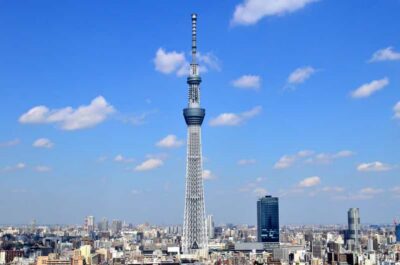
Meiji Shrine, Asakusa, Skytree Bus Tour and Cruise
Our verdict →
Kyoto/Osaka: Nara, Fushimi Inari Taisha, Arashiyama Bus Tour
Our verdict →
Mt.Fuji & Lake Kawaguchiko 1-Day Bus Tour w/Optional Lunch
Our verdict →
Open Top Panoramic Sightseeing Bus with Audio Guide
Our verdict →
[One-day bus tour departing from Kanazawa Station] Shirakawa-go and Gokayama – Two World Heritage Villages Enjoyable Bus Tour
Our verdict →Browse the lists this tour appears in