
Reviewed · BUS TOURS
Tokyo: Hop-On Hop-Off Sightseeing Bus Ticket
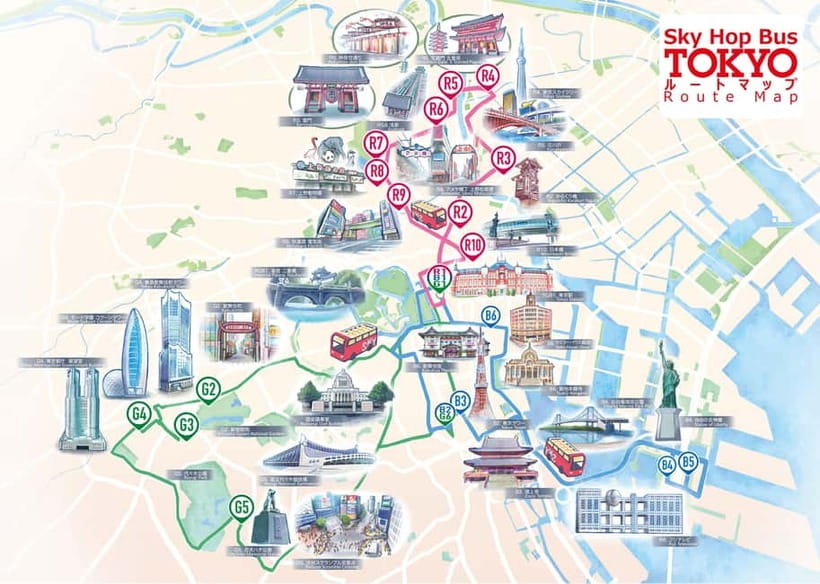
Tokyo makes far more sense from the top deck of a moving bus. In one sweep, you can pass the old lanes of Asakusa, the steel height of Tokyo SkyTree, the imperial area, Tokyo Tower, Tsukiji, Ginza, Shinjuku, and Shibuya. The three routes give you a fast first look at a huge city, especially if you have only a few days.
I like the clear city overview and the freedom to ride one route end to end, then return to a favorite area later. I also like the personal-device audio guide, which covers 10 languages and adds useful notes on Tokyo’s buildings, culture, and neighborhoods. The catch is that this is not a bus every few minutes. A 30 to 45-minute gap, or even longer on some sections, can change a relaxed hop-on plan into a wait.
Key points
- Three routes cover Tokyo’s main sightseeing zones: SkyTree and Asakusa, Tokyo Tower and Ginza, plus Shinjuku, Shibuya, and Harajuku.
- The open top deck gives you wide city views: It is excellent for photographs and orientation, but there is no air-conditioning.
- The QR code works at any listed bus stop: You do not have to begin at the main meeting point in front of the Mitsubishi Building.
- The audio guide works through your own phone or tablet: Bring earphones and expect possible data charges.
- A two-day ticket is the calmer choice: One day can work, but long loops and bus gaps make a second day useful.
- The bus is best for seeing Tokyo, not replacing the Metro: Use it to choose where you want to spend more time, then take trains for fast point-to-point travel.
Three bus routes for three different Tokyos
Sky Hop Bus Tokyo gives you unlimited access to all three routes for one or two days. Each route returns to the Marunouchi Mitsubishi Building, so you can ride a full loop for orientation or get off at a stop that suits your plans.
The routes are designed for sightseeing rather than quick transport. A full lap can take about two hours, and Tokyo traffic can add delays. That makes the bus a pleasant viewing platform, but not the fastest way to reach a particular temple, tower, or shopping street.
Here is what each course offers.
More Bus Tours in Tokyo
- 1-Day Tokyo Bus Tour
★ 5.0 · 14,250 reviews - Tokyo: Meiji Shrine, Asakusa, Skytree Bus Tour and Cruise
★ 4.7 · 1,986 reviews - Tokyo: Open Top Panoramic Sightseeing Bus with Audio Guide
★ 3.8 · 254 reviews
Tokyo SkyTree and Asakusa: old Tokyo beside the new
The Tokyo SkyTree course begins at the Marunouchi Mitsubishi Building and runs through Kodemmacho, Ryogoku, Tokyo SkyTree, Asakusa, Ueno, Akihabara, and Shin-Nihombashi before returning downtown.
The first useful stop is Ryogoku, the sumo district, with the Edo-Tokyo Museum listed along the route. The course then reaches Tokyo SkyTree, one of the easiest places to understand the scale of modern Tokyo. Even from the bus, the tower gives you a strong visual marker across the city.
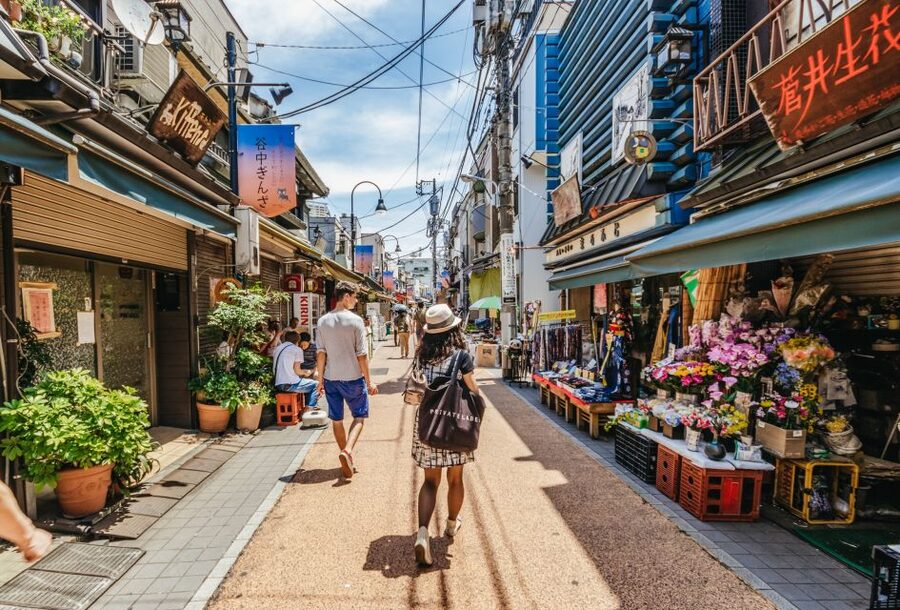
Asakusa is the most rewarding place to hop off on this route. The bus serves Asakusa Hanakawado and Asakusa Tawaramachi, giving you access to the area around Senso-ji, Nakamise shopping street, and the older temple quarter. You can spend a short time taking photographs, or make Asakusa the main stop of your day.
Ueno adds museums, parks, and a different feel from the polished shopping districts. Akihabara, reached near Suehirocho, is the stop for electronics, anime, manga, and brightly lit arcades. These areas are close enough in spirit to fit together, but different enough to show why Tokyo is difficult to summarize from one neighborhood.
I would ride this course in the morning if Asakusa is high on your list. The route gives you a useful progression from central Tokyo to the east side, and the open deck helps you spot streets and buildings that you would miss underground.
Tokyo Tower, Tsukiji, and Ginza: classic city views
The second course leaves Marunouchi for Tokyo Tower, Tokyo Prince Hotel and Zojo-ji Temple, Tokyo Teleport Station, Tsukiji, and Ginza.
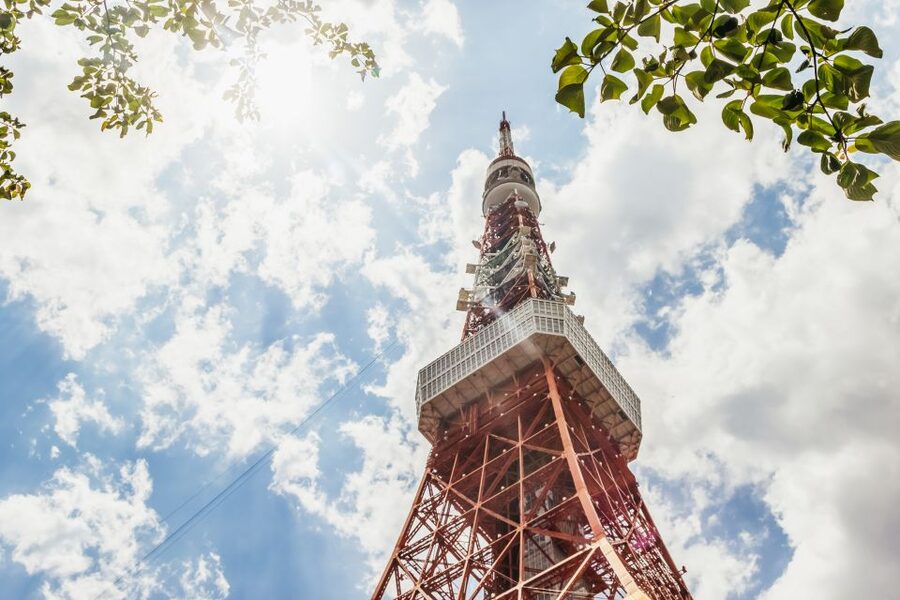
Tokyo Tower is still one of the best city landmarks for a first look at Tokyo. The stop near Tokyo Prince Hotel and Zojo-ji puts you close to a memorable contrast: the orange tower rising above a major Buddhist temple. If you get off here, check the next bus time before walking away. Missing one departure can mean a long wait.
Tsukiji is now best known for its outer-market food stalls, small shops, and seafood restaurants. The old wholesale market functions moved to Toyosu, but Tsukiji remains a handy place for a meal or a look at Tokyo’s food culture. Ginza then shifts the mood to department stores, major retail streets, polished storefronts, and wide avenues.
Tokyo Teleport Station connects this route with the waterfront district around Odaiba. The course includes a ride that can feel especially enjoyable from the open deck, with broad views and a sense of Tokyo spreading out around you. One useful tip from riders is to hold on to your hat on exposed bridges. Wind can arrive suddenly.
This is a good route for an afternoon into evening. Ginza and Tokyo Tower become more photogenic as the light fades, and the city lights begin to appear. If the schedule allows, an evening ride can be the best use of the ticket, but check the final departure carefully.
Shinjuku, Shibuya, Harajuku, and Meiji Jingu

The third course covers Tokyo’s western center. From Marunouchi, it runs to Shinjuku-gyoemmae, Shinjuku Station South Exit near Hotel Century Southern Tower, Shinjuku Mitsui Building in Nishi-Shinjuku, Shibuya City Hall, Harajuku, and Meiji Jingu Shrine.
Shinjuku gives you several sides of Tokyo in a small area. The station area is dense and high-rise, while Shinjuku Gyoen offers a quieter break nearby. Nishi-Shinjuku is the district of tall office towers and broad streets, a useful contrast to the smaller lanes of Asakusa.
The Shibuya and Harajuku section is useful for first-time orientation. You can see the areas around Shibuya City Hall, then continue toward Harajuku and Meiji Jingu. Shibuya suits people who want fashion, nightlife, and the famous crossing area. Harajuku has youth culture and shopping, while Meiji Jingu gives you a more spacious shrine setting close to the city center.
This route can become crowded, and the bus may move slowly through central traffic. Still, the upper deck gives you a practical sense of how Shinjuku, Harajuku, and Shibuya connect. I would use it to decide where to return on foot or by train, rather than trying to see every district in a single loop.
Same trip, a completely different kind of day:
- Tokyo: TOKYO SKYTREE® Admission ticket
★ 4.5 · 11,192 reviews - Tokyo: teamLab Planets TOKYO Digital Art Museum Entry Ticket
★ 4.6 · 9,779 reviews - Tokyo: Sumo Show Experience with Chicken Hot Pot and a Photo
★ 4.8 · 6,678 reviews - Tokyo: Shinjuku Food Tour (13 Dishes at 4 Local Eateries)
★ 5.0 · 6,603 reviews
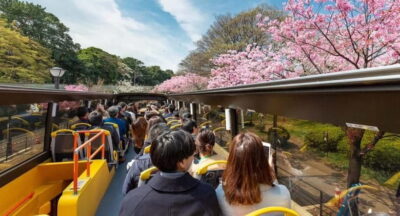
The open top deck is the main attraction
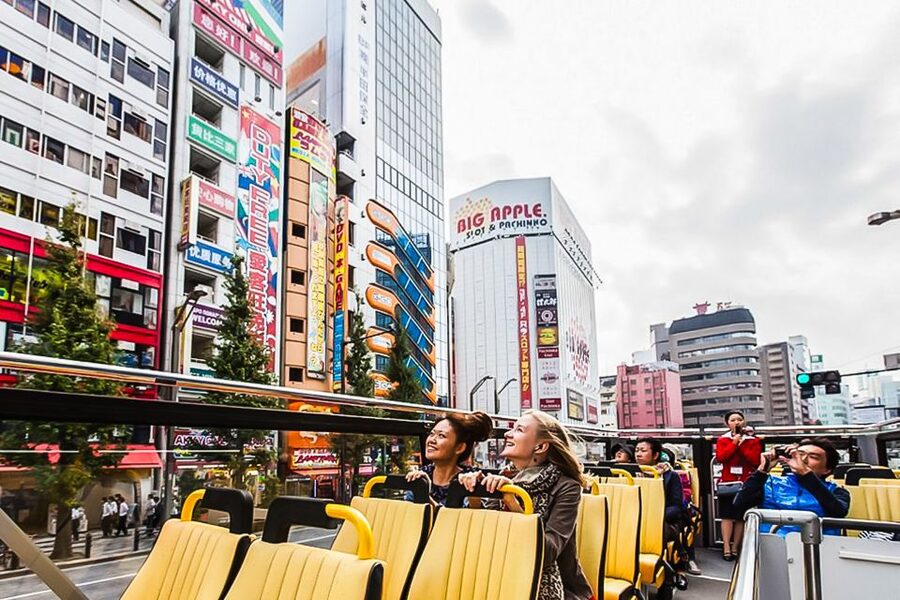
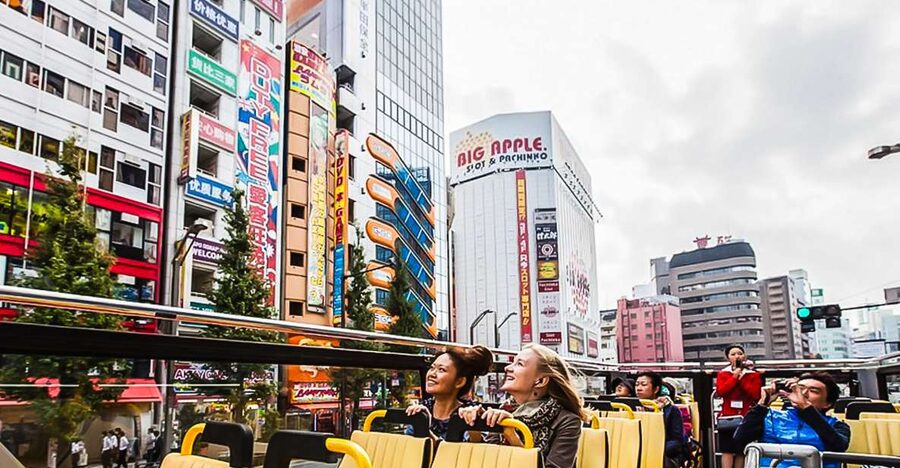
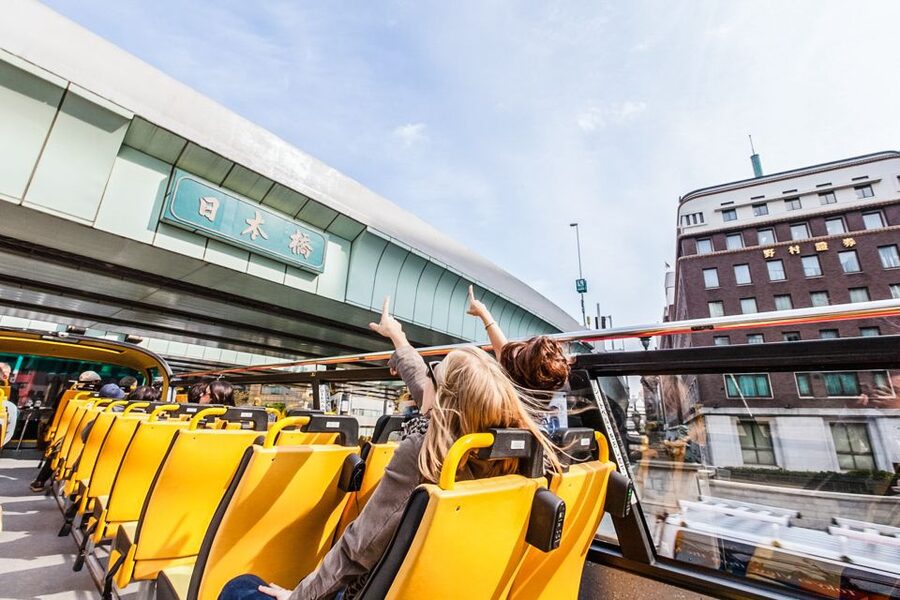
The upper deck is where you sit. The lower level is used for storage, so you should expect an exposed ride rather than an indoor coach with a backup seating area.
That design is excellent for photographs and orientation. You can look above signs, see rooflines, spot towers, and watch Tokyo’s streets change from one district to the next. It also makes the ride feel more like sightseeing than ordinary transportation.
The tradeoff is weather. There is no air-conditioning, and hot summer days can be very uncomfortable. In August heat, the sun can make a long ride tiring. Rain is easier to manage because raincoats or ponchos are distributed when needed, but umbrellas are not allowed on board.
Cold, wind, and sudden showers also matter. Check the forecast before you board and dress for exposure. If the weather becomes severe, including typhoons or thunderstorms, the service may not operate.
The open deck is most enjoyable in mild weather, especially in spring, autumn, or around sunset. At dusk, Tokyo Tower, Ginza, Shinjuku, and the expressway sections can look excellent. You get the city lights without committing to a separate night tour.
Audio guides, phones, and what you actually hear
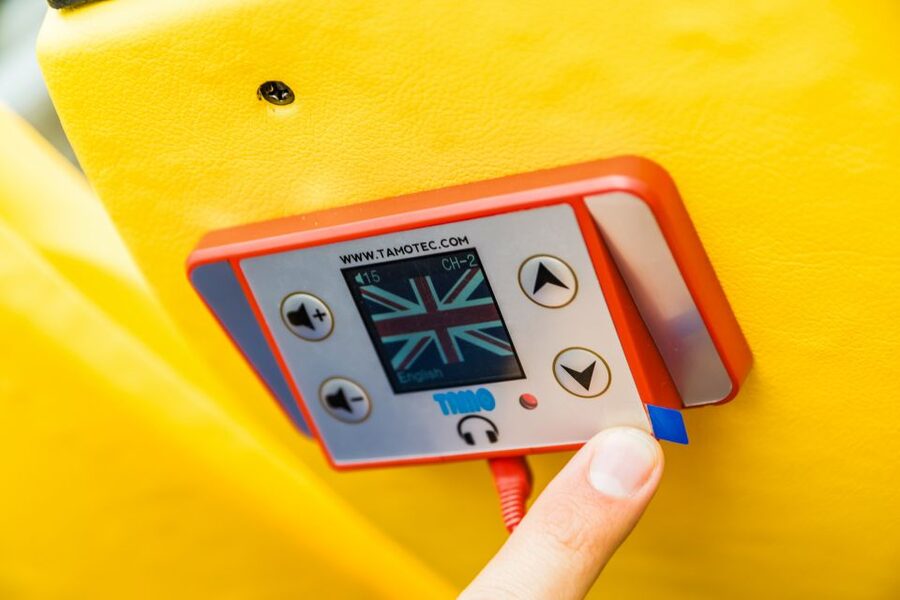
The new audio system lets you use your own smartphone or tablet. It supports Japanese, English, Korean, Chinese, French, German, Spanish, Thai, Vietnamese, and Indonesian. Bring earphones, since you are responsible for your own listening setup.
This is a useful improvement for anyone who needs a language beyond the seven commonly offered through the vehicle system. It also avoids depending entirely on a particular bus having working seat audio. The personal-device system may use mobile data, so any charges from your phone provider are yours.
The commentary is generally useful for identifying buildings, districts, and cultural details. It is not a live guide walking beside you, and there may be moments when a recording cuts off or does not match the view perfectly. A few buses may not have the vehicle-mounted system, so bring your phone and earphones even if you expect audio to be available on board.
The driver speaks English and Japanese. Staff are also a practical help at boarding points, particularly when you need to confirm a stop or route.
Timing matters more than the name hop-on hop-off suggests
The biggest planning issue is frequency. This is not the classic city bus system with a constant stream of vehicles. Buses can be 30 to 45 minutes apart, and some waits may be longer. If a bus is full, you must wait for the next one because this ticket does not reserve a seat.
That matters most when you get off mid-route. Before leaving, take a photograph of the timetable at the stop and mark the location on your phone map. A stop near Tokyo Tower, for example, may be easy to find, but missing a departure by 10 minutes can leave you waiting for more than an hour.
I suggest riding a full loop early in your visit if you have the time. You will see the major areas without the pressure of choosing the perfect stop. Then use the ticket to return to one or two places you want to explore.
A one-day ticket can work if you begin early and keep stops limited. Several riders managed all three routes in one day, but that leaves little time for temples, markets, shrines, or shopping. The two-day option is better if you want to get your bearings on day one and explore properly on day two.
Do not use the bus as your only transport plan. Tokyo’s JR lines and Metro are usually better for direct trips between distant areas. The bus earns its $30 price when you use it as a sightseeing ride and planning tool, not when you treat it like a cheap substitute for every train journey.
Is $30 good value in Tokyo?
At $30 per person, the ticket is fair value for a first day in Tokyo, particularly if you use several routes or ride at dusk. You are paying for open-air sightseeing, a city overview, and the freedom to board again after getting off.
The value drops if you only ride one short section. A single full loop can still be enjoyable, but Tokyo’s train network will usually move you faster and may cost less for individual journeys. The bus is most useful when you want to see the city between stops, not simply arrive at them.
The two-day ticket makes sense for a slower visit. You can ride one or two loops without rushing, get off at SkyTree or Asakusa, and return later for Tokyo Tower, Ginza, or Shibuya. If your schedule is tight, one day is enough when you plan around the timetable.
The service also includes a free shuttle service, though the supplied details do not specify its exact route or operating pattern. Confirm how it works when you receive your voucher.
Boarding with a QR code
The main meeting point is in front of the Mitsubishi Building in Marunouchi. You can also go directly to a listed bus stop with the QR code sent on your voucher, which saves you a trip back to the starting point.
That flexibility is helpful because the three courses cover a wide part of central Tokyo. Keep the QR code easy to open on your phone, and allow extra time at the stop. This is not a reserved seat. If all seats are taken, board the next bus.
Only the second floor has passenger seats, and standing is prohibited while the bus moves. The upper deck can fill up at busy times, so a ticket does not guarantee an immediate departure. The staff are generally described as helpful and punctual, but the schedule remains sensitive to traffic.
Free cancellation is available up to 24 hours before the activity for a full refund. You can also reserve and pay later, which helps if your Tokyo plans are still shifting.
Who should book this bus?
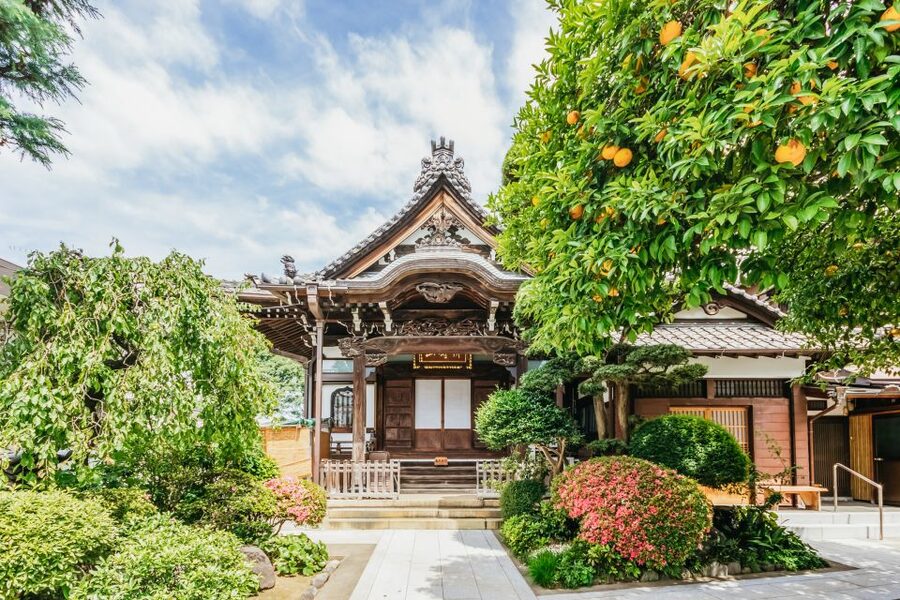
I would recommend it to first-time visitors who want a quick mental map of Tokyo. It is also a good fit if you have only one or two days, dislike planning every train transfer, or want a relaxed way to photograph major sights.
Families and older visitors may appreciate the simple route structure, but the open deck, stairs, heat, and lack of air-conditioning deserve careful thought. Anyone with limited tolerance for sun or long waits may prefer the Metro and indoor attractions.
Photography fans should aim for mild weather and sunset. The views across bridges, the Tokyo Tower area, and the city lights after dark can be the best part of the ride. If you want constant movement and frequent boarding, though, this may feel too slow.
Should you book the Sky Hop Bus?
Book it if you want orientation, open-air views, and a simple first look at Tokyo. Use the first loop to mark the neighborhoods you want to visit, then spend your real exploration time at Asakusa, Meiji Jingu, Tsukiji, Ginza, or Shibuya.
Choose two days if you want to hop off more than once or if your visit falls during a busy period. Choose one day if you can start early and mainly want the three routes as sightseeing loops.
Skip it if your main goal is fast transport or if you are visiting during extreme heat and expect to stay comfortable outdoors. For most first visits, though, the bus offers a useful introduction to a city that can feel overwhelming from street level. Just check the timetable, bring earphones, and remember that in Tokyo, hop off requires a little planning.
FAQ
How long is the Tokyo Sky Hop Bus ticket valid?
You can choose a ticket lasting one or two days. Check the available starting times when booking.
Which Tokyo areas do the routes cover?
The routes cover Tokyo SkyTree, Asakusa, Ueno, Akihabara, Tokyo Tower, Zojo-ji Temple, Tokyo Teleport, Tsukiji, Ginza, Shinjuku, Shibuya, Harajuku, and Meiji Jingu.
Can I board at a stop other than the Mitsubishi Building?
Yes. You can go directly to any listed bus stop in Tokyo using the QR code sent with your voucher.
Is a seat reserved for me?
No. This is not a reservation for a specific bus or seat. If the bus is full, you must board the next one.
Do I need to bring a smartphone and earphones?
Yes, bring your own smartphone or tablet and earphones for the personal-device audio guide. Mobile data charges may apply.
Is the bus air-conditioned?
No. The bus is open-air and has no air-conditioning. Passenger seats are on the second floor, while the first floor is used for storage.
What happens if it rains?
Raincoats or ponchos are distributed when needed, but umbrellas are not allowed on board. Service may stop during severe weather such as typhoons or thunderstorms.
More Hop-On Hop-Off Buses in Tokyo
- Kyoto: Hop-on Hop-off Sightseeing Bus Ticket
★ 3.9 · 2,034 reviews
Just added around Tokyo
- Kawagoe Japanese Food Tour : Unagi Kaiseki and Sake near Tokyo★ 5.0 · 30 reviews
- Kawagoe 4hr Private Tour with Licensed Guide (Kawagoe Dep)★ 5.0 · 13 reviews
- Little EDO Sushi Making workshop in Kawagoe★ 5.0 · 18 reviews
- 【R34】Tokyo:Private Daikoku tour in Modified R34★ 4.9 · 92 reviews
- :Tokyo,Shibuya/ Pro Photography in Kimono / English-Friendly★ 5.0 · 26 reviews
- Tokyo:Celebrate Unique Japanese New Year Tradition Festivity★ 3.9 · 20 reviews
- Tokyo: Allstar Food Tour★ 4.7 · 29 reviews
- Tokyo: West-Side Cycling and Food Tour with Guide★ 5.0 · 37 reviews
Bus Tours, compared.
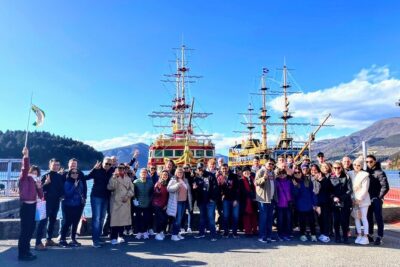
Mt Fuji and Hakone 1-Day Bus Tour Return by Bullet Train
Our verdict →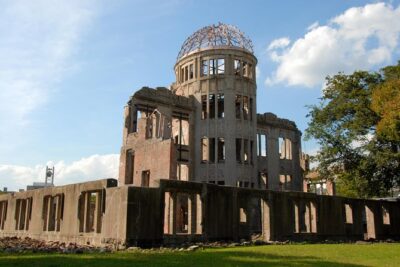
Peaceful Hiroshima & Miyajima UNESCO 1 Day Bus Tour
Our verdict →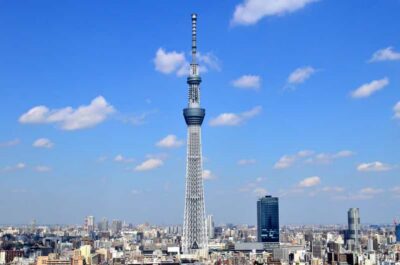
Meiji Shrine, Asakusa, Skytree Bus Tour and Cruise
Our verdict →
Kyoto/Osaka: Nara, Fushimi Inari Taisha, Arashiyama Bus Tour
Our verdict →
Mt.Fuji & Lake Kawaguchiko 1-Day Bus Tour w/Optional Lunch
Our verdict →
Open Top Panoramic Sightseeing Bus with Audio Guide
Our verdict →
[One-day bus tour departing from Kanazawa Station] Shirakawa-go and Gokayama – Two World Heritage Villages Enjoyable Bus Tour
Our verdict →Browse the lists this tour appears in