Reviewed · SUSHI EXPERIENCES
Tokyo: Sushi and Ramen Cooking Class with Sake Pairing Set
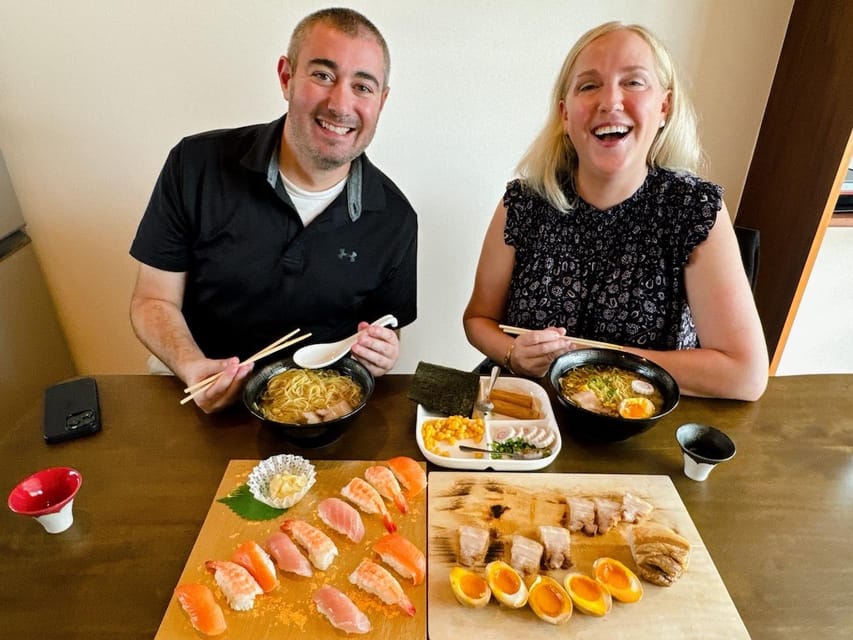
Tokyo’s best food lessons do more than show you how to roll rice. This three-hour sushi and ramen class near Tsukishima Station puts you to work with broth, chashu pork, and hand-formed nigiri, then gives you time to sit down and eat what you made.
I like the very small group size, which can mean as few as two people and no more than eight. I also like the practical follow-through: you receive recipes, ingredient tips, and chopsticks so the class can continue in your kitchen. The main consideration is that this is not a vegetarian activity, and some ramen and sushi preparation is handled ahead of time to fit the three-hour schedule.
Key points to know before you book
- Small classes feel personal: The usual limit is eight people, with some sessions becoming a private lesson when fewer people book.
- Two Japanese staples in one sitting: You learn ramen, chashu pork, and nigiri sushi instead of spending the whole class on a single dish.
- Sake comes with the meal: Three Japanese sakes are selected by a certified sake sommelier for tasting and pairing.
- English instruction is built in: Instructors such as Sato, Haruko, Risa, Alex, Misa, and Luna have guided classes in English.
- You leave with useful takeaways: A recipe booklet, ingredient substitution advice, and souvenir chopsticks help you repeat the dishes at home.
- The location is easy to reach: The class is a five-minute walk from Exit 4 of Tsukishima Station, in Chuo-ku.
Why this Tokyo cooking class is worth three hours
Tokyo offers plenty of food tours, but this one gives you a more active role. You are not simply watching a chef assemble a meal or eating at a restaurant. You learn the basic work behind two foods that can look simple on the plate but require care in the kitchen.
The format is especially useful for first-time cooks. The instructors break down the tasks, explain ingredients, and help you shape nigiri sushi by hand. You also learn how ramen broth and chashu pork fit together, which gives you a better sense of why a good bowl tastes balanced.
I like the pairing of sushi and ramen because the dishes teach different skills. Sushi asks for careful handling, neat shaping, and attention to rice and toppings. Ramen gives you more room to understand broth, pork, timing, and seasoning. You get variety without having to book two separate activities.
The class is also more than a recipe lesson. The schedule includes the origins and cultural background of sushi and ramen, along with advice on ingredients you can substitute outside Japan. That last point matters. A recipe is much more useful when you know what to do if a particular Japanese product is hard to find at home.
More Cooking Classes in Tokyo
- Ramen & Gyoza Cooking Class in Tokyo with Local Supermarket Visit
★ 5.0 · 823 reviews - Tokyo: Easy Ramen Cooking Experience in Kabukicho, Shinjuku
★ 4.6 · 321 reviews - Ramen and Sushi Cooking Class with Sake Pairing Set in Tokyo
★ 5.0 · 291 reviews
Arriving at HAUS Tsukishima
The meeting point is on the second floor of HAUS Tsukishima, at 2-13-5 Tsukuda, Chuo-ku, Tokyo. From Tsukishima Station, use Exit 4 and allow about five minutes to walk there.
The setting is in the Tsukishima area, a practical choice if you are planning time around central Tokyo. By taxi, the class is listed as about six minutes from Tsukiji Fish Market, nine minutes from Ginza, 10 minutes from Tokyo Station, and 11 minutes from teamLab Planets. Shinjuku is about 30 minutes away by taxi, so the class fits most easily into an east or central Tokyo day.
Arrive five minutes before the start. That sounds obvious, but a cooking class has a fixed rhythm. Arriving late can mean missing the opening explanation or an early preparation step.
If you use a taxi, show the driver this address:
東京都中央区佃2-13-5 HAUS Tsukishima 2階
Wear comfortable clothes that can tolerate a small splash or food stain. You will be handling ingredients and cooking, so this is not the place for your most delicate sightseeing outfit.
The opening lesson: sushi, ramen, and Japanese food culture
The instructors begin by setting the context for the meal. You learn about the origins of sushi and ramen, and the class connects those foods to broader Japanese cooking traditions.
This cultural part is not just filler between cooking tasks. It helps explain why the ingredients are treated in certain ways and gives you a better framework for understanding the food you will eat across Japan. The class also includes ingredient tips, which can be helpful if you want to recreate the dishes abroad.
English is the working language. Instructors named in class accounts include Sato, Haruko, Risa, Alex, Misa, and Luna, although the exact teaching team may vary. The tone is friendly and informal, with room for questions and conversation.
Some sessions have included small quizzes or group activities. These details suggest that the teaching is not purely a demonstration, but you should still expect a relaxed cooking lesson rather than a formal culinary-school course.
Making ramen broth and chashu pork
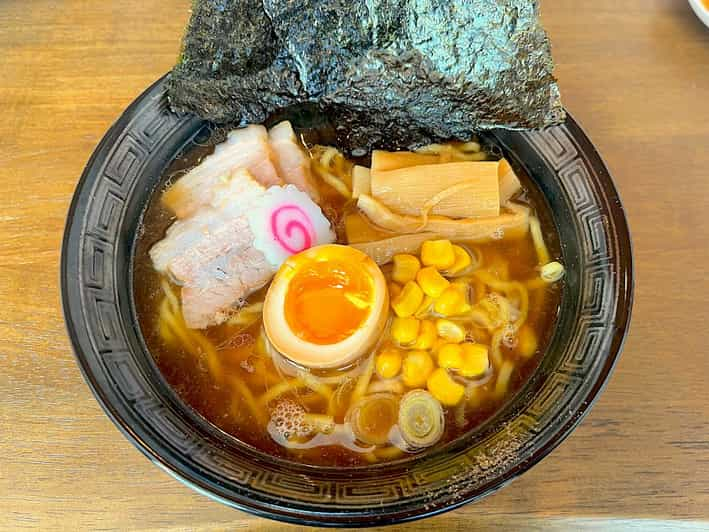
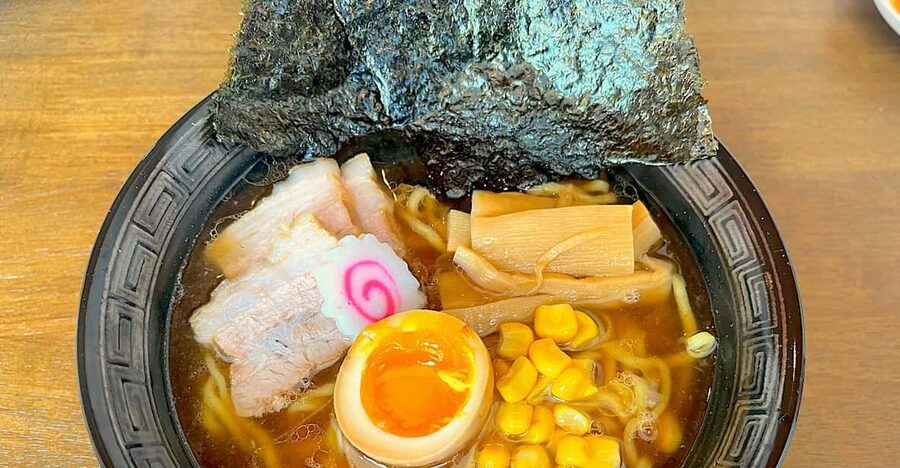
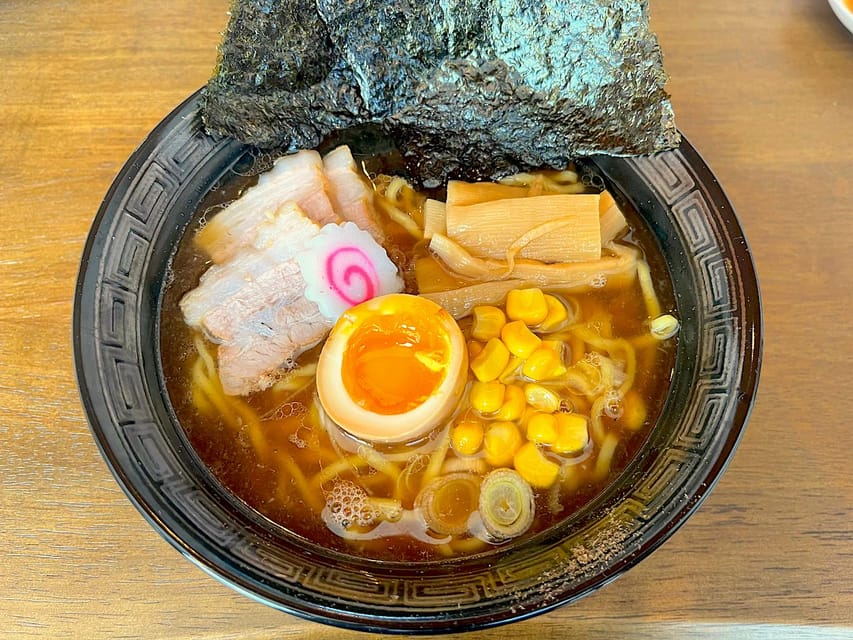
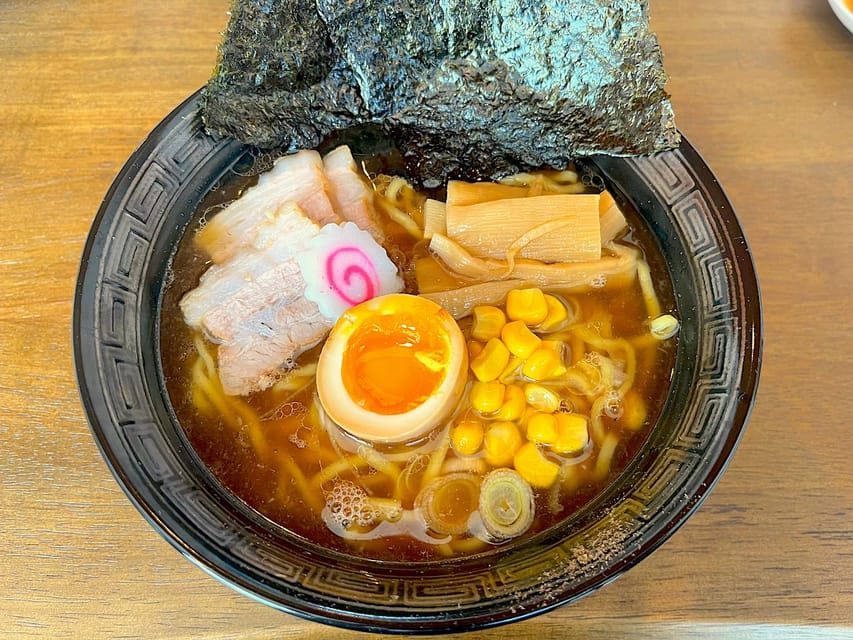
The ramen section focuses on the parts that make a bowl satisfying: soup, pork, and timing. You learn how to make flavorful ramen broth and prepare chashu, the tender pork belly commonly served on top.
The chashu lesson is a useful touch because many visitors know ramen mainly as noodles in soup. Pork brings richness and texture, and learning how it is prepared gives you a better understanding of the finished bowl.
The class does not pretend that every step can be completed from scratch in three hours. Some preparation is done ahead of time so the session can fit its schedule. That is a minor limitation if you want a full professional kitchen simulation, but it is a sensible choice for a compact activity. You still get hands-on practice without spending the entire afternoon waiting for long cooking times.
The timing between ramen and sushi is handled so that you can work on both dishes and still sit down to eat. This matters more than it may seem. Poorly timed cooking classes leave you eating one dish cold while rushing through another. Here, the structure is designed to give you cooking time followed by a proper meal.
The finished ramen is one of the strongest parts of the experience. You use fresh ingredients, and one class account specifically noted produce and supplies brought from the Toyosu market. Exact ingredients can vary, but the emphasis is on quality rather than a quick classroom shortcut.
More Drinking Tours in Tokyo
- Tokyo Bar Hopping Tour in Shinjuku (All-You-Can-Drink + Dinner)
★ 5.0 · 3,587 reviews - Best of Shinjuku: Izakaya Food Tour (4 Stops, 14+ Tastings)
★ 5.0 · 1,863 reviews - Tokyo: Shinjuku Local Bar and Izakaya Guided Walking Tour
★ 4.9 · 1,794 reviews - Shibuya Meltdown Nightlife Tour: All-You-Can-Drink Bar Hopping
★ 5.0 · 1,058 reviews
Shaping nigiri sushi by hand
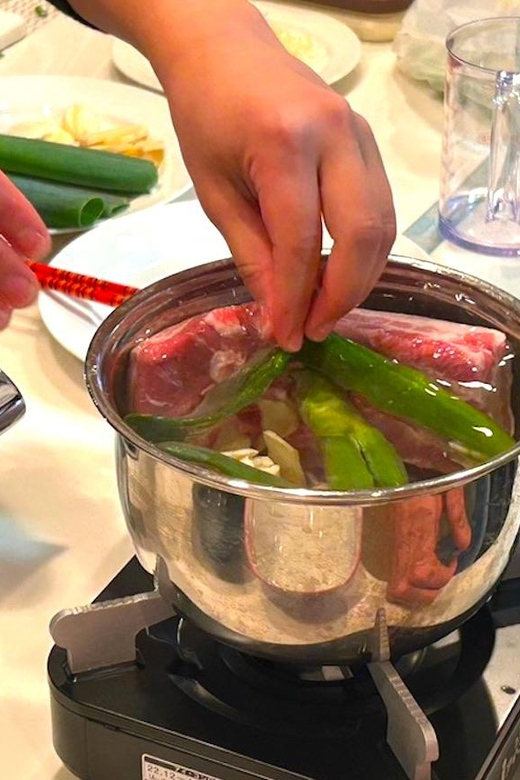
The sushi lesson teaches you how to form nigiri. You work with the provided ingredients and tools, then shape the rice and toppings by hand.
Nigiri looks easy until you try to make a piece that holds together without becoming heavy or misshapen. Personal guidance helps here. In a group of four or fewer, you can ask for corrections as you work, rather than trying to copy a demonstration from across a crowded room.
This is also a good activity for beginners who may feel nervous about handling sushi. The class is designed to build confidence, not test professional knife skills. You will not need to arrive with prior culinary training.
The sushi and ramen combination makes the meal generous. Several class accounts describe the portions as plentiful, with enough food that some people could not finish everything. That is good value for a hungry afternoon, though you may want to avoid booking immediately after a large meal.
Three sake pairings with the food

The experience includes three Japanese sakes chosen by a certified sake sommelier. One instructor is from a sake-brewing family, adding a personal connection to the tasting.
The sake component works best as a cultural introduction rather than a full tasting course. You can sample different styles alongside the food and learn how sake fits with Japanese dishes. It adds variety to the afternoon without requiring a separate bar visit.
A practical note: the activity description specifies three premium sakes, while some class accounts also mention beer and other drinks being available. Drink selections may vary by session, so book this for the cooking and food first, not on the assumption that every beverage mentioned elsewhere will be offered.
If you do not drink alcohol, confirm the available alternatives before booking. The supplied information does not specify a nonalcoholic pairing.
What the small group changes
The advertised maximum is eight participants, but the class can be much smaller. Some sessions have had only two people, creating a private-lesson feel without the cost of a full private booking.
That size is one of the experience’s clearest advantages. You have more chances to ask about ingredients, get help with sushi shaping, and talk with the instructors. Families and couples can work at their own pace, while solo participants have a better chance of connecting with the group.
Small does not mean silent. The mood is social, and the meal gives everyone time to talk. The cooking class has been used for family outings, anniversaries, solo visits, and casual afternoons with other people from around the world.
The tradeoff is simple: a small-group format depends on the people booked for your time. You might get a near-private class, or you might share the room with a full group of eight. Either way, the limit keeps the session from feeling like a large demonstration.
Recipes, chopsticks, and cooking at home
The recipe booklet is one of the most useful inclusions. It covers ramen, gyoza, and sushi, not only the dishes made during the class. You also receive practical advice on ingredient substitutions for overseas kitchens.
That makes the class more valuable than a meal that disappears when you leave. Japanese ingredients can be difficult to match exactly, and a good substitute can matter more than strict loyalty to one product. The booklet helps you understand what can change and what should remain central to the dish.
You also receive a pair of high-quality chopsticks. They are a modest souvenir, but a useful one. Unlike a decorative trinket, they can become part of your everyday kitchen routine and remind you of the class when you try the recipes again.
Keep your expectations sensible. One lesson will not turn you into a sushi chef or ramen specialist. It will give you a reliable starting point, basic techniques, and enough confidence to practice at home.
Is the $129 price fair?
At $129 per person, this is not a cheap lunch. It is priced as a hands-on cultural activity, with ingredients, English instruction, a three-hour session, sake tasting, recipes, and chopsticks included.
I think the value is strongest for couples, families, and people who would otherwise pay separately for a meal and a cultural activity. You get a substantial amount of food, and the class leaves you with skills rather than only photographs.
The small group also matters when judging the price. A large class with limited contact would feel less appealing at this rate. Here, the chance to receive direct help from instructors such as Sato, Haruko, Risa, or the other teaching staff makes the cost easier to justify.
It is less compelling for someone who simply wants an inexpensive bowl of ramen. Tokyo has cheaper meals everywhere. Book this if you want the food, the instruction, the cultural background, and the chance to recreate the dishes later.
The activity allows free cancellation up to 24 hours before the start, and you can reserve now and pay later. Those terms are useful if your Tokyo schedule is still shifting.
Who should book this class?
I would recommend it to first-time visitors who want a friendly introduction to Japanese food. It is also a strong choice for families, provided everyone in the group eats the ingredients served.
Beginners should feel comfortable here. The instruction is in English, the atmosphere is supportive, and you do not need to arrive with sushi-making experience.
Couples may like the class as an anniversary or shared afternoon activity. Solo participants can also fit in well because the small room encourages conversation and hands-on participation.
This is not suitable for vegans or vegetarians. The food centers on sushi, ramen, and chashu pork, so people with strict dietary needs should choose another activity unless the provider confirms an arrangement in advance.
Should you book the sushi and ramen class?
Book it if you want to do more than eat Japanese food in Tokyo. The strongest reasons are the small class size, the mix of ramen and nigiri sushi, the three-sake tasting, and the useful recipe booklet.
I would be cautious if you are seeking a fully from-scratch professional kitchen experience, since some preparation is completed before class. I would also check drink and dietary details before paying.
For most food-loving visitors, the balance is good. You cook enough to feel involved, learn enough to repeat the dishes, and eat enough to make the $129 price feel reasonable. This is a practical, warm introduction to Japanese home-style food culture, with a meal at the end that you helped create.
FAQ
How long does the Tokyo sushi and ramen class last?
The class lasts three hours, including cooking, cultural instruction, sake tasting, and time to eat the prepared food.
Where does the class meet?
It meets on the second floor of HAUS Tsukishima, at 2-13-5 Tsukuda, Chuo-ku, Tokyo 104-0051.
How far is the meeting point from Tsukishima Station?
The venue is about a five-minute walk from Exit 4 of Tsukishima Station, also identified as Exit Y21.
Is the class taught in English?
Yes. The instructor language is English, and English-speaking Japanese instructors lead the activity.
How many people can join the class?
It is a small-group class limited to eight participants. Some sessions may have fewer people.
Is sake included?
Yes. The experience includes three Japanese sakes selected by a certified sake sommelier. Additional drinks can vary by session.
Are ingredients and cooking equipment included?
Yes. The necessary ingredients for the sushi and ramen activity are included.
Is the class suitable for vegans or vegetarians?
No. The activity is not suitable for vegans or vegetarians.
What should I wear?
Wear comfortable clothing that you do not mind getting slightly dirty. Arrive five minutes before the scheduled start.
More Sake Tastings in Tokyo
- Sake Tasting Masterclass in Shinjuku (8+ Varieties with a Pro)
★ 5.0 · 271 reviews - Sake Omakase in Tokyo: Guided Tasting by Certified Sommeliers
★ 5.0 · 239 reviews - Tasting All Types of Sake with Sommelier
★ 5.0 · 151 reviews - Wagyu & Sake Pairing in Shinjuku – Steak, Shabu-Shabu & More
★ 5.0 · 112 reviews
More Ramen Tours in Tokyo
- Eat and Drink Like a Local: Tokyo Ueno Food Tour-Taverns&Ramen
★ 5.0 · 957 reviews - Tokyo: Ramen Tasting Tour with 6 Mini Bowls of Ramen
★ 4.9 · 432 reviews - Professional Ramen & Gyoza with Ramen Chef in a restaurant!
★ 5.0 · 223 reviews - Shibuya: Ramen Dojo Tokyo | Make All 3 (Tonkotsu/Shoyu/Miso)
★ 5.0 · 214 reviews
Just added around Tokyo
- Kawagoe Japanese Food Tour : Unagi Kaiseki and Sake near Tokyo★ 5.0 · 30 reviews
- Kawagoe 4hr Private Tour with Licensed Guide (Kawagoe Dep)★ 5.0 · 13 reviews
- Little EDO Sushi Making workshop in Kawagoe★ 5.0 · 18 reviews
- 【R34】Tokyo:Private Daikoku tour in Modified R34★ 4.9 · 92 reviews
- :Tokyo,Shibuya/ Pro Photography in Kimono / English-Friendly★ 5.0 · 26 reviews
- Tokyo:Celebrate Unique Japanese New Year Tradition Festivity★ 3.9 · 20 reviews
- Tokyo: Allstar Food Tour★ 4.7 · 29 reviews
- Tokyo: West-Side Cycling and Food Tour with Guide★ 5.0 · 37 reviews
Sushi Experiences, compared.
Sushi Making Tokyo Roll and Authentic Japanese Sushi Class
Our verdict →
Sake Omakase in Tokyo: Guided Tasting by Certified Sommeliers
Our verdict →