
Reviewed · FOOD TOURS
Tokyo: Night Foodie Tour in Shinjuku
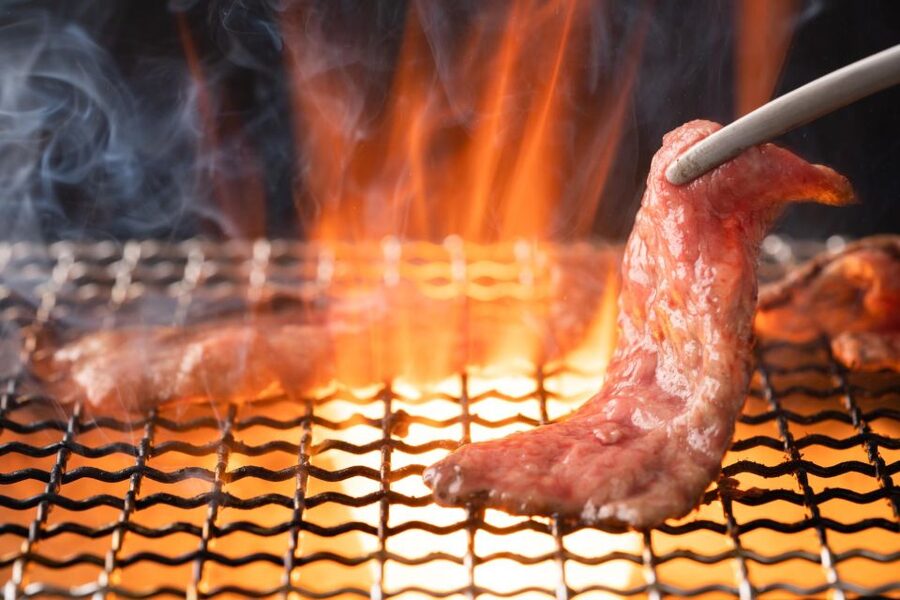
Shinjuku’s best food is often tucked above a shop, down a narrow lane, or behind a Japanese-only menu. This tour takes you straight to three local stops, beginning with chef-prepared sushi and moving on to Wagyu grilled at your table. I like that the food does the heavy lifting, while the guide helps you make sense of the neighborhood around it.
I also like the unusual finish: a Japanese snack stop or local bar in Kabukicho, rather than simply ending after dinner. Guides such as Tosh, Fuji, Amy, and Yuki have helped make the evening personal and easy to follow. The main drawback is price. At $127 per person, this is not a cheap way to eat, and the portions are described as high quality rather than enormous.
Key points to know before booking
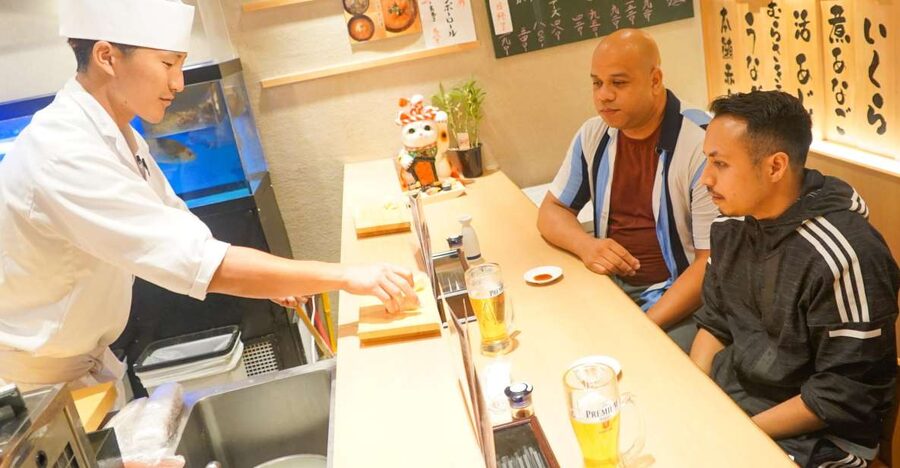
- Three distinct food stops: Expect seasonal sushi, Wagyu yakiniku, and a final dessert, snack, or alcoholic drink.
- Shinjuku after dark: You’ll walk through Kabukicho and near Golden Gai, with a guide explaining the area as you go.
- Small portions, premium ingredients: This suits you if you want carefully selected food, not a marathon meal.
- English-speaking local guide: Guides such as Max, Fuji, Ken, Amy, and Yuki have been praised for clear explanations and warm company.
- Vegetarian choices are available: Sushi and Wagyu stops list vegetarian menus, but allergy-free preparation and every dietary substitution cannot be guaranteed.
Why this Shinjuku food tour works
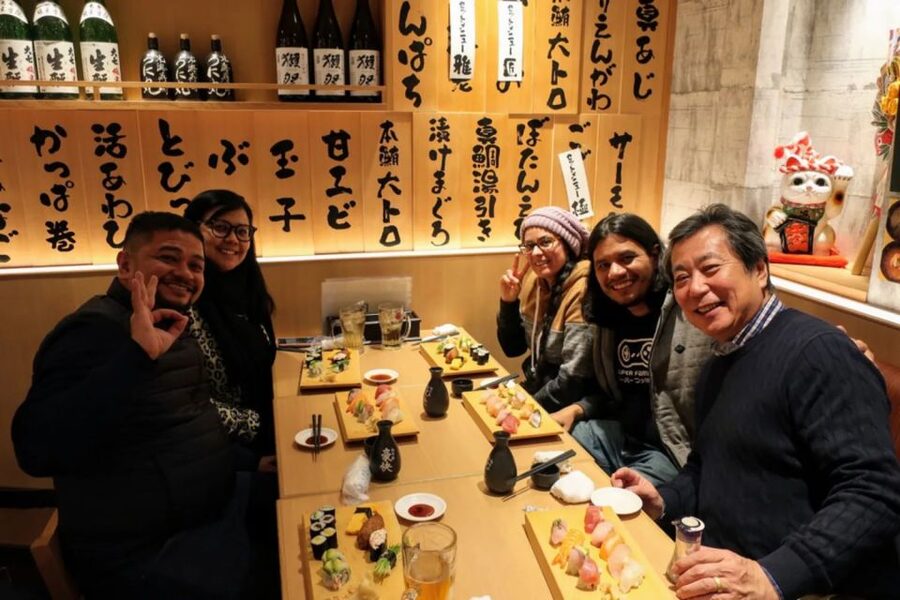
Shinjuku is easy to enjoy badly. You can spend an hour staring at restaurant signs, choose a place aimed at tourists, and still leave unsure what you ate. This three-stop evening solves that problem with a clear route and a guide who handles the practical details.
The tour begins near the west side of Shinjuku Station, then crosses into the restaurant streets and Kabukicho area. You get dinner, neighborhood orientation, food instruction, and a few photographs in one outing. That combination makes the $127 price easier to understand, though it still requires you to value guidance and food quality over sheer quantity.
I would consider it a strong first-night activity in Tokyo. It gives you a useful feel for Shinjuku and can point you toward places you may want to revisit later. It is also a good choice if you are traveling alone and would rather share dinner with a small group than work out every restaurant decision yourself.
The tone depends partly on your guide. Past guides have included Tosh, Kazu, Yohei, Yosh Aida, Yuki, Molly, Hiro, Fuji, Max, and many others. Their roles go beyond translating menus. They explain how to eat the dishes, describe Japanese customs, and help keep the group moving through a complicated part of town.
More Food Tours in Tokyo
- Tokyo: Shinjuku Food Tour (13 Dishes at 4 Local Eateries)
★ 5.0 · 6,603 reviews - Tokyo Tsukiji Fish Market Food and Culture Walking Tour
★ 5.0 · 3,184 reviews - Tokyo: Shinjuku Food Tour (15 Dishes and 4 Eateries)
★ 4.9 · 2,033 reviews
Meeting at the black pillar near Shinjuku Station
The meeting point is in front of the black pillar next to the Uniqlo Shinjuku Nishiguchi shop. From the JR Shinjuku Station West Exit, allow about seven to eight minutes on foot.
This detail matters. Shinjuku Station is famously large, and a rushed meeting point inside the station would be a poor start. Look for the guide carrying an orange MagicalTrip sign. I would arrive early, especially if this is your first time navigating the station.
Bring cash. Additional food and drinks are not included, and cash can still be useful at small Japanese restaurants and bars. The tour is conducted in English, and private or small-group formats are available.
The published duration is listed as three hours, while the inclusions also refer to three and a half hours with a guide. The stop times add up to roughly two hours and 40 minutes before allowing for walking, so check the exact start and end time when booking. In practice, expect a full evening rather than a quick meal.
First stop: seasonal sushi with an itamae
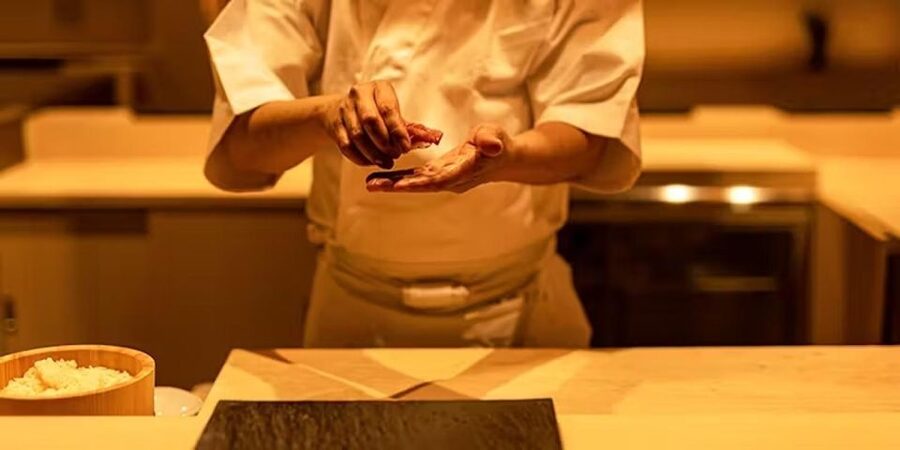
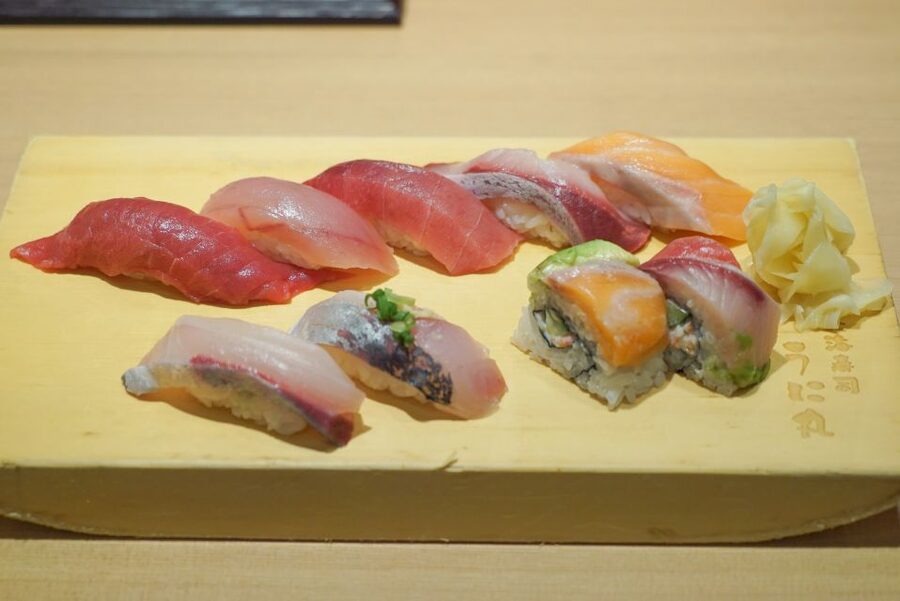
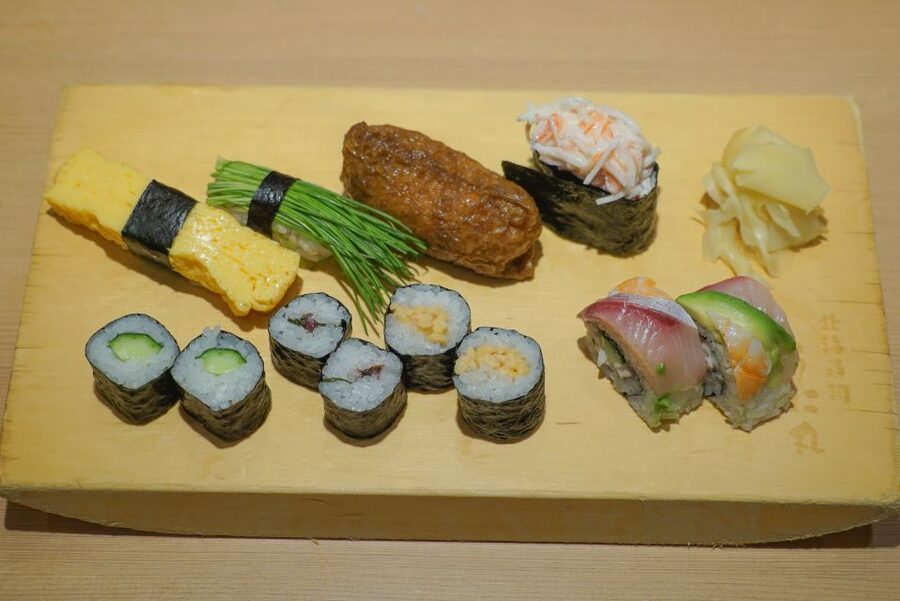
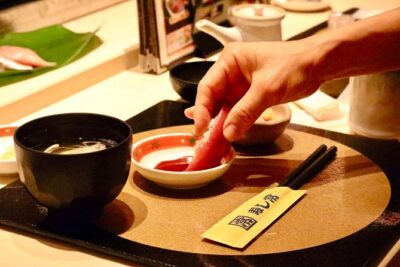
Your first meal is at a local sushi restaurant, where an itamae, or sushi chef, prepares nigiri in front of you. The course is seasonal and chef-selected, with an omakase-style option. That means you place trust in the chef rather than choosing every piece from a menu.
This is a good introduction to Japanese sushi etiquette and ingredients. Your guide can explain what you are eating, how to handle each piece, and which flavors or textures to notice. You are not simply handed a plate and left to guess.
The sushi portion is one of the main reasons to book this tour. Several people described it as exceptionally fresh and memorable, and one person said it changed their expectations for sushi afterward. That is praise, but it also hints at a practical point: the meal is refined and measured, not an all-you-can-eat spread.
Vegetarian sushi is listed as available. Still, you should tell the operator about your needs in advance and understand that the kitchens are independent businesses. Allergy-free food cannot be guaranteed, and substitutions may not always be possible.
The first restaurant visit lasts about 50 minutes. That is enough time for a focused course and conversation, but not a long leisurely dinner. If you prefer ordering many different dishes at your own pace, this stop may feel structured.
Walking through Kabukicho between meals
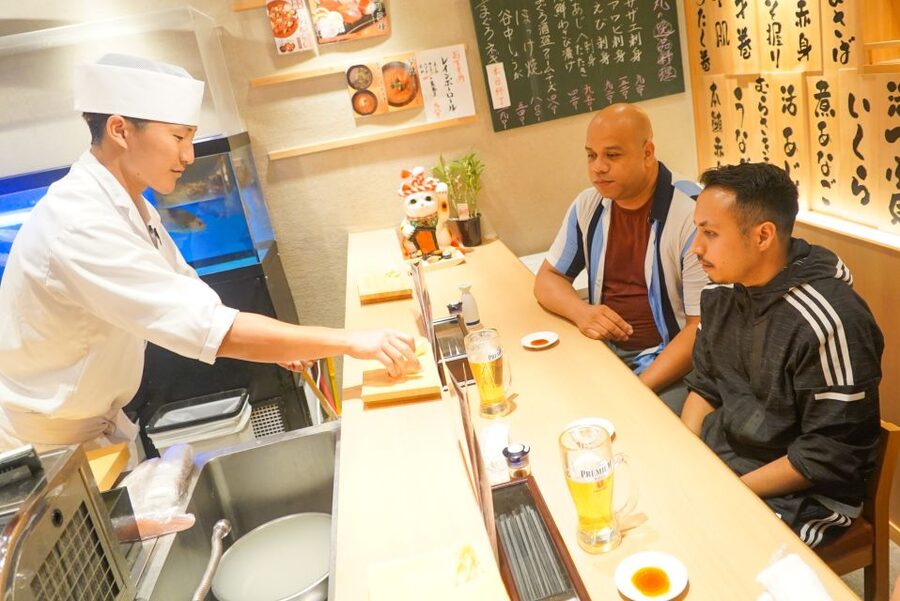
After sushi, the group spends time walking through Kabukicho, Shinjuku’s famous entertainment district. The route includes a guided visit of about 10 minutes, but the walking between restaurants adds to the feel of the evening.
This is where the tour becomes more than a restaurant crawl. Kabukicho can seem like a wall of neon, signs, crowds, bars, hotels, and narrow entrances. A local guide gives you a basic map of the area and helps separate ordinary dining streets from places that may not suit your plans.
The tour can also include nearby sights and a shrine, depending on the route your guide chooses. Fuji, for example, was praised for explaining the district, its food, customs, and local culture while walking. Amy was also noted for adding an unexpected light show during one evening.
Do not expect a long sightseeing tour. Food is the main event, and the neighborhood commentary is woven into the walk. That balance suits me. You get enough context to understand where you are without turning dinner into a lecture.
Kabukicho is a nightlife district, so the atmosphere can be loud and crowded. The itinerary may pass places where smoking rules apply, and the operator cannot always change venues for that reason. Families are welcome, but the setting is still an adult entertainment district after dark.
Same trip, a completely different kind of day:
- 1-Day Tokyo Bus Tour
★ 5.0 · 14,250 reviews - Tokyo: TOKYO SKYTREE® Admission ticket
★ 4.5 · 11,192 reviews - Tokyo: teamLab Planets TOKYO Digital Art Museum Entry Ticket
★ 4.6 · 9,779 reviews - Tokyo: Sumo Show Experience with Chicken Hot Pot and a Photo
★ 4.8 · 6,678 reviews
Second stop: grilling Wagyu at a yakiniku table
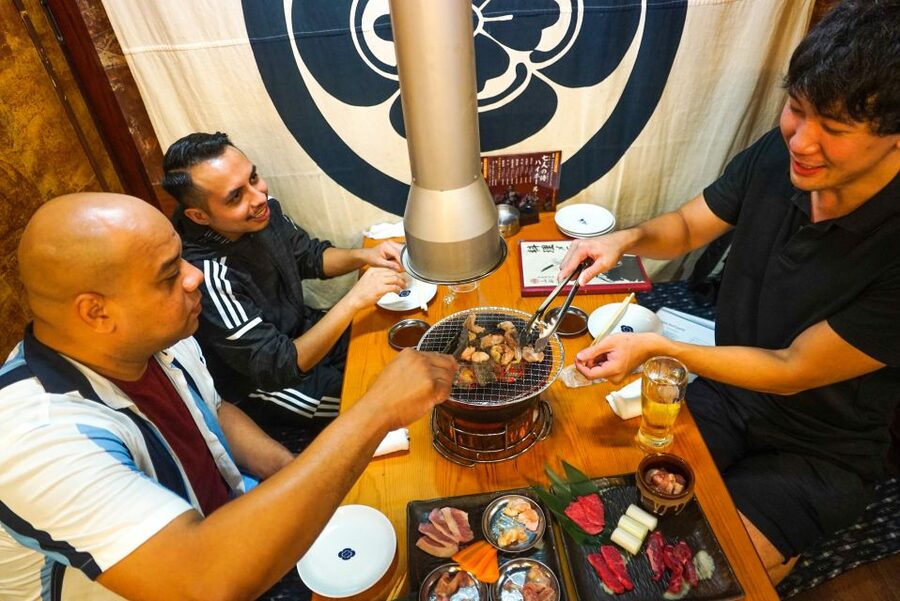
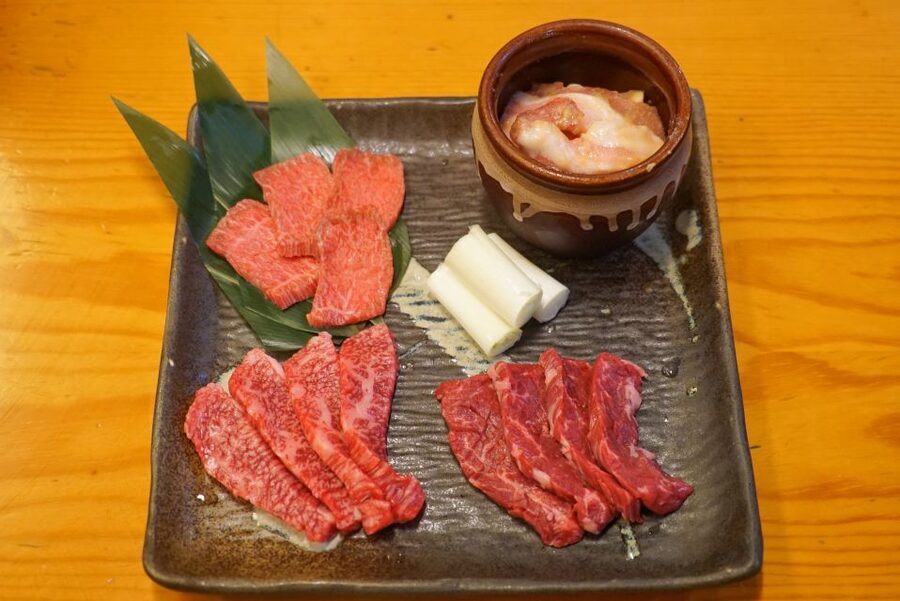
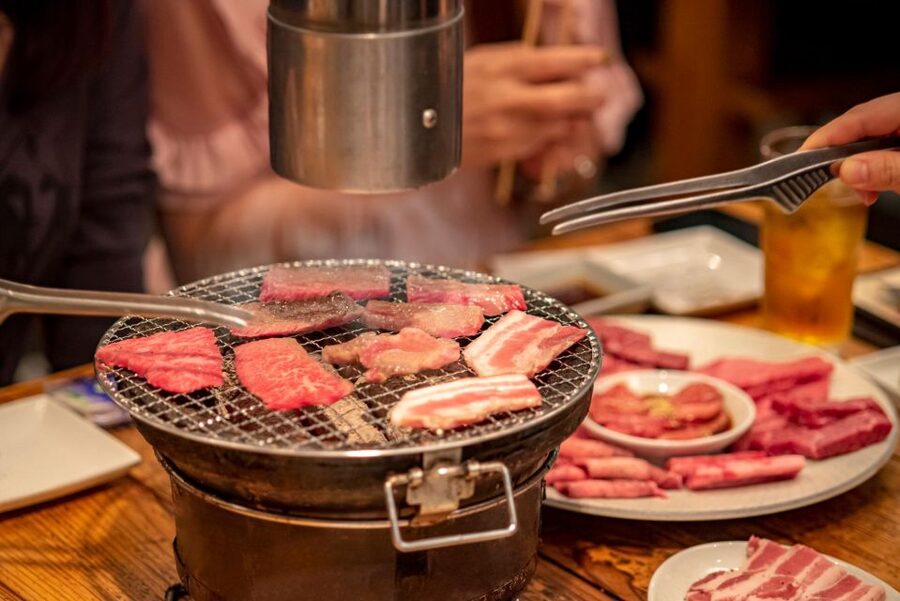
The second food stop is Japanese yakiniku, with thinly sliced Wagyu grilled by you at the table. The restaurant may be near Shinjuku West or Kabuki-cho, depending on the evening’s arrangements.
This is the most hands-on part of the tour. Rather than receiving a finished steak, you cook individual pieces on a traditional Japanese BBQ stove. Your guide explains timing and technique, which helps prevent the common mistake of overcooking expensive beef.
The Wagyu is the meal’s big luxury. Past diners particularly liked the quality of the meat and the chance to grill it themselves. One described rubbing the beef on a salt block, while another singled out the table cooking as a memorable part of the night. Exact serving details can vary, so treat those touches as possible rather than guaranteed.
The full Wagyu dinner is included, along with a vegetarian option. If you do not eat meat, confirm what the replacement course will contain before booking. The supplied information promises a vegetarian menu, but it does not promise that every ingredient can be adjusted for allergies or strict dietary rules.
Like the sushi stop, yakiniku is scheduled for about 50 minutes. That gives you time to cook and eat without making the night drag. It also means this is not the place to settle in for several rounds of extra cuts. Additional food and drinks cost extra.
I like the contrast between the first two stops. Sushi shows precision and restraint. Yakiniku asks you to participate and pay attention to heat, timing, and texture. Together, they give you two very different views of Japanese food culture in one evening.
The final stop: sweets, snacks, or a local drink
The last stop is in or near Kabukicho, at a local bar or snack restaurant. You may finish with a Japanese dessert, a drink, or, for families with children, a Japanese snack restaurant.
The details here are less fixed than at the sushi and Wagyu restaurants. Some evenings have included a sweet shop or a nostalgic snack setting with chocolate, crackers, and other small treats. Other groups have finished with alcohol or local drinks such as sake or shochu.
This stop is designed as a social finish rather than a third formal meal. You can cool down after the walk, talk with the guide, and enjoy something that feels distinctly Japanese but less ceremonial than sushi. It also gives families a workable alternative to a bar.
The final stop received more mixed reactions than the sushi and Wagyu. Some people loved the playful snack selection and unusual setting. Others found dessert less impressive than the two main courses. I would book this tour for the first two meals and the neighborhood walk, treating the last stop as a pleasant extra rather than the main reason to go.
The included drinks deserve a close look. The tour includes two drinks, and the final stop may include dessert or an alcoholic drink. Since the exact combination can vary, check the booking details if drink inclusions matter to your budget. Japan’s legal drinking age is 20.
The evening finishes with a guided look around Golden Gai before returning to the black pillar near the starting point. Golden Gai is known for its tiny bars and narrow lanes, so this short visit gives you a glimpse without requiring you to commit to a bar on your own.
What $127 buys you
At $127 per person, this tour sits at the expensive end of casual Tokyo food experiences. You are paying for more than three restaurant visits, but you are also not buying three large restaurant meals.
The price includes:
- A seasonal sushi course, with chef-selected pieces
- A full Wagyu yakiniku dinner
- Two drinks
- Dessert or an alcoholic drink at the final stop
- An English-speaking certified guide
- Tour photographs
- About three to three and a half hours of guiding
The strongest value comes from access and confidence. You do not need to find a suitable sushi restaurant, work out the ordering system, identify the right Wagyu cuts, or guess how to use the grill. You also get a guide who can explain customs and local geography as you go.
The weaker value is quantity. One person specifically advised that this is not a tour for anyone hoping to eat a huge amount. Think premium tasting evening, not food challenge.
I would compare the price to a private evening with a local friend who has already chosen the restaurants and can translate the experience. If you only want inexpensive neighborhood food, $127 is too much. If you want high-quality sushi, Wagyu, drinks, photos, and a structured introduction to Shinjuku, the cost is defensible.
Guides make the biggest difference
The food is fixed only in broad outline. The guide shapes the evening.
Strong guides on this experience have been praised for several practical habits: explaining dishes clearly, helping with ordering, keeping solo participants involved, taking photographs, and adding context about shrines, nightlife, customs, and local history. Max, Fuji, Amy, Yuki, Ken, Hiro, and Tosh are among the guides singled out for warmth and clear English at different times.
You should not assume you will receive a particular guide unless the booking specifically confirms one. The useful thing is that the operator uses English-speaking certified guides and offers small or private groups.
A small group matters here. Restaurant tables, grills, and narrow streets are easier to manage with fewer people. It also leaves more room for questions and conversation. A private tour gives you more control, but the price and availability may differ.
Who should book this evening
I would recommend the tour if you:
- Are visiting Tokyo for the first time
- Want to understand Shinjuku before exploring it alone
- Enjoy high-quality food in moderate portions
- Want to try sushi and Wagyu in the same evening
- Prefer a guide to handle restaurant choices and ordering
- Are traveling alone or as a couple and want company
- Like learning about food customs and neighborhood culture
It may not suit you if you:
- Want a very large dinner
- Prefer to choose every dish yourself
- Need guaranteed allergy-free meals
- Use a wheelchair or stroller
- Dislike nightlife districts, smoke, crowds, or walking
- Want a quiet, formal meal without sightseeing between stops
The route includes places that are not accessible by wheelchair or stroller, and the tour is not suitable for wheelchair users. Tokyo’s summer heat can reach 40 C, while winter lows can fall to about minus 5 C, so dress for the season. You will be outside between stops.
Practical details that matter
Free cancellation is available up to 24 hours before the tour for a full refund. You can also reserve now and pay later, which helps if your Tokyo plans are still shifting.
Vegetarian menus are available at the sushi and Wagyu stops, but the operator cannot guarantee allergy-free preparation. Tell the company about dietary needs early, and be ready for a substitution or compensation at another stop if a restaurant cannot adjust a dish.
The tour is open to all ages, though children’s final stop may be a snack restaurant instead of a bar. Anyone drinking alcohol must be at least 20.
Bring cash for extras. The included food and drinks should cover the planned evening, but additional dishes and drinks are available for purchase.
Should you book the Shinjuku Night Foodie Tour?
Book it if you want a polished first taste of Shinjuku, especially sushi and Wagyu, and you value a guide who can make a confusing district easier to understand. The best parts are the chef-prepared sushi, hands-on yakiniku, and the practical neighborhood commentary between meals.
Skip it if $127 feels steep for moderate portions or if you need strict control over ingredients. The final snack or dessert stop can be less impressive than the first two meals, and the schedule is structured.
For many first-time visitors, I would book this early in a Tokyo stay. You get a satisfying dinner, a look at Kabukicho and Golden Gai, and enough local advice to return to Shinjuku with more confidence. Just arrive hungry, wear comfortable shoes, and think of the evening as a premium tasting tour rather than three full restaurant dinners.
FAQ
How long does the Tokyo Shinjuku Night Foodie Tour last?
The activity is advertised as three hours, while the inclusions also refer to three and a half hours with a guide. Check the exact duration and start time when booking.
What food is included?
The tour includes a seasonal chef-selected sushi course, a full Wagyu yakiniku dinner, and dessert or an alcoholic drink at the final stop.
Are drinks included?
Yes. Two drinks are included, and the final stop includes dessert or an alcoholic drink. Additional drinks and food cost extra.
Is alcohol included for everyone?
Alcohol is available, but the legal drinking age in Japan is 20. Families with children may visit a Japanese snack restaurant for the final stop instead of a bar.
Are vegetarian options available?
Vegetarian menus are available at the sushi and Wagyu stops. Allergy-free preparation and every dietary substitution cannot be guaranteed.
Where does the tour meet?
The meeting point is in front of the black pillar next to the Uniqlo Shinjuku Nishiguchi shop. It is about a seven to eight-minute walk from the JR Shinjuku Station West Exit.
How do I find the guide?
The guide will be holding an orange sign marked MagicalTrip.
Is the tour offered in English?
Yes. The tour has a live English-speaking guide.
Is the tour suitable for children?
The tour is open to people of all ages. For families with children, the final stop will be a Japanese snack restaurant rather than an alcohol-focused venue.
Is the route wheelchair accessible?
No. Parts of the itinerary are not accessible by wheelchair or stroller, and the activity is not suitable for wheelchair users.
Can I cancel the booking?
You can cancel up to 24 hours in advance for a full refund. Reserve now and pay later is also available.
What should I bring?
Bring cash, particularly if you plan to buy extra food or drinks. Dress for the weather, since the tour includes walking outdoors in Shinjuku.
Just added around Tokyo
- Kawagoe Japanese Food Tour : Unagi Kaiseki and Sake near Tokyo★ 5.0 · 30 reviews
- Kawagoe 4hr Private Tour with Licensed Guide (Kawagoe Dep)★ 5.0 · 13 reviews
- Little EDO Sushi Making workshop in Kawagoe★ 5.0 · 18 reviews
- 【R34】Tokyo:Private Daikoku tour in Modified R34★ 4.9 · 92 reviews
- :Tokyo,Shibuya/ Pro Photography in Kimono / English-Friendly★ 5.0 · 26 reviews
- Tokyo:Celebrate Unique Japanese New Year Tradition Festivity★ 3.9 · 20 reviews
- Tokyo: Allstar Food Tour★ 4.7 · 29 reviews
- Tokyo: West-Side Cycling and Food Tour with Guide★ 5.0 · 37 reviews
Food Tours, compared.
Shinjuku Food Tour (13 Dishes at 4 Local Eateries)
Our verdict →
Kyoto Night Foodie Tour in Gion (9+ dishes + 6 Sake tastings)
Our verdict →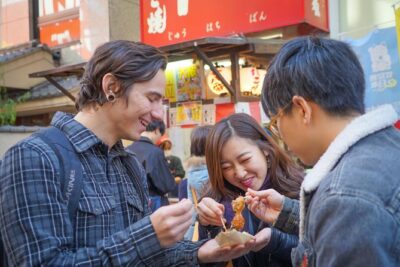
Osaka Local Foodie Walking Tour in Dotonbori and Shinsekai
Our verdict →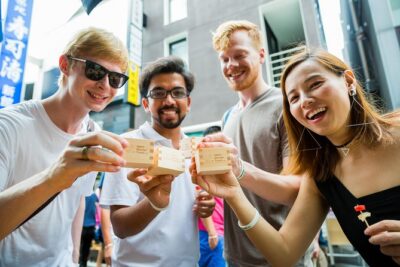
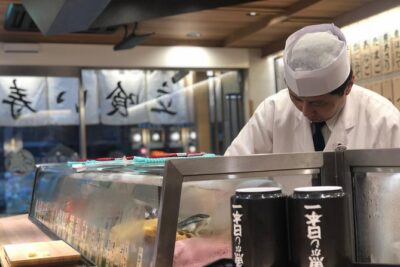
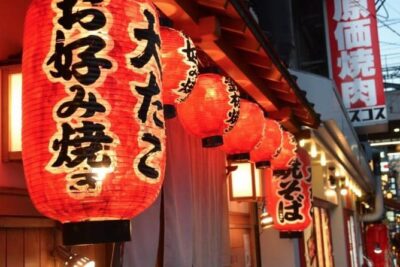
Food Tour in Ueno with 10+ Tastings of Japanese Classics
Our verdict →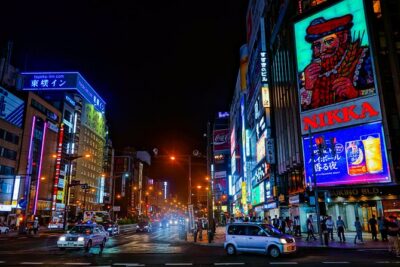
Browse the lists this tour appears in