
Reviewed · FISH MARKET TOURS
Tokyo Tsukiji Fish Market Tour and Sushi Making Lesson
Tokyo Tsukiji Fish Market Tour and Sushi Making Lesson brings two good morning activities together: a guided walk through Tsukiji Outer Market and a hands-on class at ABC Cooking Studio. You can look at tuna, sea urchin, octopus, dried seafood, sweets, and other Japanese ingredients, then learn to make sushi and tamagoyaki.
I like the English-speaking guide and the small groups, which make the market easier to understand and the cooking class less intimidating. I also like that you eat what you prepare, with wine, plum sake, or soft drinks available. The main drawback is value: some people find the cooking lesson basic, and the market ingredients are not necessarily the ones used in class.
- Tsukiji Outer Market: Explore seafood stalls, dried foods, snacks, and tasting spots with a local guide.
- Hands-on Japanese cooking: Prepare sushi, tamagoyaki, miso soup, and other seasonal dishes.
- Small maximum group: The tour is limited to six people, allowing more time for questions and help.
- English support: Guides help with signs, vendors, ingredients, and local food customs.
- Easy connection: Transportation between the market and ABC Cooking Studio is included.
- Family-friendly limits: Children must be at least 9 years old and 130 centimeters tall.
Starting at Tsukiji Hongwanji Temple
The tour begins outside Tsukiji Hongwanji Temple, at 3-chōme-15-1 Tsukiji. This is a useful meeting point because the temple is easy to recognize and offers a quick introduction to the area before the food portion begins.
You spend about five minutes here. The temple is Buddhist, but its architecture is unusual for Tokyo. The exterior has South Asian and Indian influences, while the interior has its own distinct look. It is not a long temple visit, so think of it as a brief orientation rather than a full sightseeing stop.
Arrive ready to walk. You will be moving through market lanes, standing at food stalls, and later taking transportation to the cooking studio. The tour ends somewhere different from the starting point, so do not plan to retrieve luggage from the meeting area afterward.
Finding the Best Parts of Tsukiji Outer Market
The market walk lasts about an hour, though the time spent in the shopping area can be around 70 minutes depending on the day. This is the heart of the first half of the experience.
Tsukiji is no longer Tokyo’s main wholesale fish market. The wholesale auction operations moved to Toyosu, but Tsukiji Outer Market remains a busy place for shops, prepared foods, seafood, kitchen goods, and small tastings. The experience focuses on this public shopping area, not the tuna auction.
That distinction matters. If your main goal is to watch the famous early-morning tuna auction, this is not the right tour. Tuna auction viewing is specifically excluded. If you want help making sense of Tsukiji’s smaller lanes and food counters, the guide adds real value.
On your own, it is easy to walk past a shop without knowing what is worth trying or how to ask about an unfamiliar ingredient. A guide can point out foods such as tamagoyaki on a stick, dried scallops, dried beans, mochi with strawberries, and small dried seafood snacks. One guide, Nobu, has taken groups through favorite stalls while allowing people to stop at foods that caught their eye.
You may see large tuna cuts, sea urchin, octopus, dried fish, seasonings, vegetables, and other ingredients used in Japanese home cooking. The market is visual and sometimes crowded, but the walk is not meant to be a formal lesson about every stall. It is a focused introduction with time for browsing and sampling.
The strongest part is the translation help. Guides including Akiko, Lucy, Yoko, Shitomi, Miho, and Nobu have received especially warm praise for explaining foods and helping people communicate. Names and guide assignments can change, but the format is consistent: an English-speaking guide leads the walk and answers questions as you go.
Bring an appetite, but not an enormous breakfast. You may want to try several small foods before class. At the same time, the cooking lesson ends with a proper meal, so pacing yourself is sensible. You pay for any market purchases yourself, as the tour price covers the guided experience rather than an open tasting budget.
More Market Tours in Tokyo
- Tokyo Tsukiji Fish Market Food and Culture Walking Tour
★ 5.0 · 3,184 reviews - Tokyo: Tsukiji Fish Market Food and Walking tour
★ 5.0 · 1,724 reviews - Tokyo: Tsukiji Fish Market Guided Walking Tour
★ 4.9 · 1,397 reviews
Taking the Bus Toward the Cooking Studio
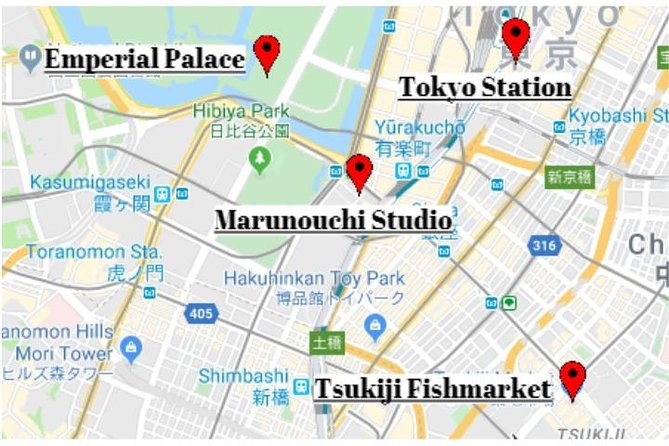
After the market, transportation to the cooking studio is included. The transfer is part of the appeal for visitors who do not want to figure out the route between Tsukiji and the class location.
The cooking school is ABC Cooking Studio, part of a large Japanese cooking-school network. The studio has been described as clean, bright, spacious, and well organized. Some people have enjoyed walking through the Ginza area on the way, but the main point is to reach the kitchen and begin the lesson.
The studio is not right beside the market. One person who enjoyed the tour still wished the kitchen were closer. That is a fair consideration if you prefer a compact walking tour with no transfer. The bus ride does, however, provide a clear break between the market visit and the cooking activity.
The maximum group size is six. That is small enough for the instructor to watch your technique and help when you roll sushi or prepare the omelet. The tour requires at least two people to operate, so a last-minute booking may be affected if the minimum is not reached.
Making Sushi, Tamagoyaki, and Japanese Side Dishes
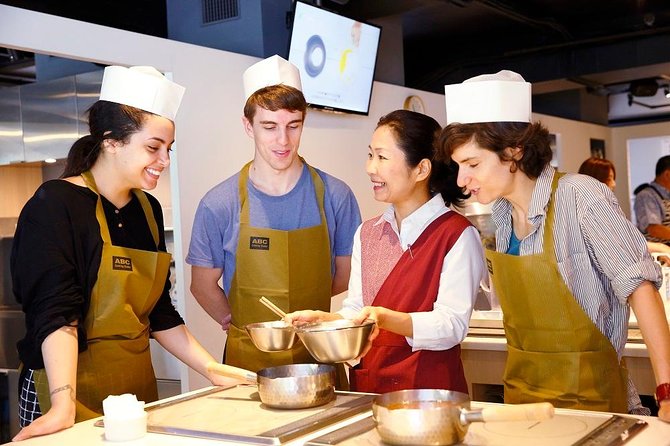
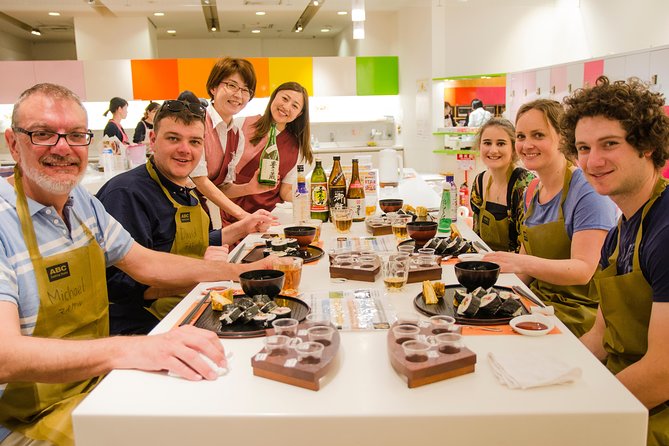
The cooking class lasts about 90 minutes. You wear an apron and receive drinking water at the studio. An experienced instructor leads the lesson, with the market guide sometimes assisting.
The exact menu changes with the season, ingredient availability, and the day’s supplies. The usual food includes sushi rolls, nigiri, Japanese omelet called tamagoyaki, miso soup, stock, and side dishes. Some sessions have included several kinds of rolled sushi and a full plate to eat at the end.
Tamagoyaki is a particularly useful dish to learn. It is made by building thin layers of seasoned egg in a pan, then rolling them into a neat omelet. It looks simple when finished, but the rolling technique takes practice. Several families have enjoyed this part because it is practical and easy to try again at home, assuming you have the right pan.
The sushi work is aimed at beginners. You may make a maki roll, nigiri, or both, depending on the menu. The instructor demonstrates each stage, then you work with the ingredients. This is not a professional sushi apprenticeship, and the class does not promise advanced knife work or a detailed study of sushi traditions.
That level suits a first-time cook. If you have never made sushi at home, you will likely get useful ideas about shaping rice, handling nori, and assembling a plate. If you already make sushi regularly, you may find the instruction too basic.
The class is also more than a demonstration. Hands-on work is a central part of the experience, though the amount of personal practice can vary. One critical account found the recipes too simple and wanted more time cooking directly with the instructor. That is worth keeping in mind if you want a serious culinary lesson rather than a friendly introduction.
Eating What You Prepare
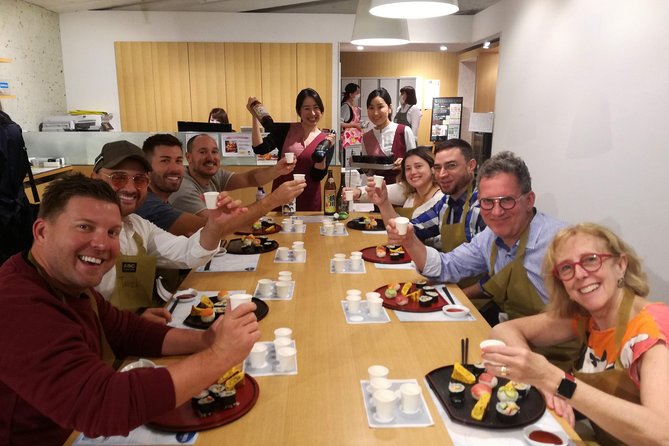
At the end, you sit down and eat the food you made. This gives the class a satisfying finish and lets you see how the separate steps fit together as a meal.
Drinks include your choice of wine, plum sake, or soft drinks. Water is also available at the studio. The menu changes, so do not book expecting a fixed photograph-perfect plate. The ingredients shown in promotional material may not match the food available on your date.
The meal is one reason the price feels more reasonable than a short demonstration. You get a market visit, a guide, transportation, ingredients, instruction, and lunch. Still, the value depends on your expectations. At $99.49 per person, this is not the cheapest way to walk through Tsukiji or eat sushi in Tokyo.
I would compare it with the cost of paying for a separate market guide and a cooking class. If you want both in one morning and value English help, the combined price is easier to justify. If you mainly want to sample food or simply stroll the market, you can probably get more freedom by visiting Tsukiji independently.
More Sushi Experiences in Tokyo
- Sushi Making Tokyo Roll and Authentic Japanese Sushi Class
★ 5.0 · 3,971 reviews - Tokyo: Roll and Authentic Sushi Making Class in Asakusa
★ 4.9 · 1,957 reviews - Make Sushi and Create Unforgettable Memories in Tokyo
★ 5.0 · 1,413 reviews - Tokyo: Sushi Making Class in a Happi Coat near a Famous Spot
★ 4.9 · 1,377 reviews
What the Guides Add
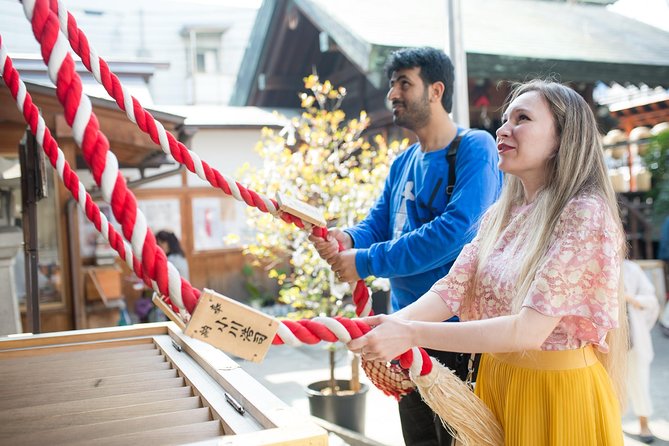
The market guide is more important here than the cooking-school setting. Tsukiji can be enjoyable on your own, but an English-speaking local guide helps you identify ingredients, understand food customs, and find places where small samples may be available.
Akiko has been praised for making the market approachable and for knowing where to stop. Lucy has helped families with children and teens move through the lanes without rushing them. Nobu has been described as warm and helpful while guiding groups through the market and nearby shopping streets. Shitomi has provided humor and clear English during the walk.
The cooking instructors also receive strong praise for patience and organization. Miwako, Miwa, Masayo, and Hiromi are among the instructors mentioned by name. Instructor assignments can change, but the useful pattern is clear: the best part of the class is the guided practice, not the complexity of the menu.
English ability may vary by guide and instructor. Most of the feedback is very positive, but one person found communication limited and wanted more explanation about Japanese food traditions. If detailed culinary history is important to you, keep your expectations modest and ask questions as you go.
Family Suitability and Practical Limits
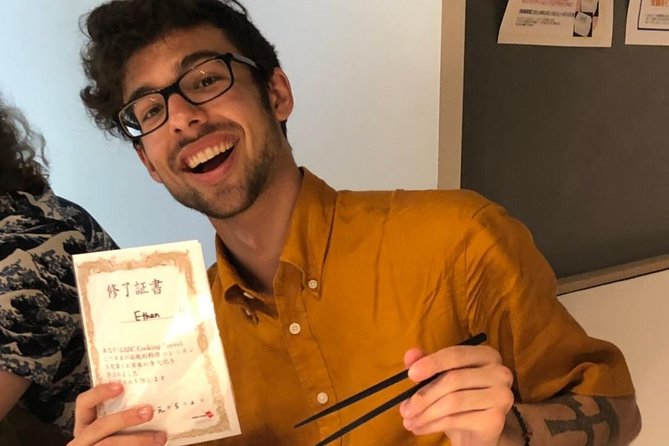
The minimum age is 9, and the minimum height is 130 centimeters. That makes the activity suitable for older children, teenagers, and adults, but not for young children or toddlers.
Families have particularly liked the mix of market sights and cooking. Children can taste unfamiliar foods, then make something familiar enough to enjoy at lunch. The sushi activity also gives young cooks a clear task, rather than asking them to listen to a long food lecture.
Strollers and luggage are not allowed. Leave large bags at your accommodation and bring only what you need for the morning. Wear comfortable shoes because the market portion involves walking and standing.
The tour requires reasonable weather. If poor weather forces a cancellation, you are offered another date or a full refund. A full refund is also available if the minimum number of participants is not met and the operator cancels.
You can cancel for a full refund up to 24 hours before the start time. Changes or cancellations inside that 24-hour window are not accepted for a refund. The activity may also photograph participants and use those images on its website, social media, or advertising.
Who Will Get the Most From This Tour
I would choose this experience if you want a guided first look at Tsukiji and a simple cooking class in the same outing. It works particularly well for families with older children, couples, and small groups who want an activity that mixes food, culture, and a sit-down meal.
It is also useful early in a Tokyo visit. The market walk introduces ingredients you may see elsewhere, while the class gives you a few Japanese dishes to recognize and perhaps recreate at home.
I would hesitate if you have already taken several sushi classes or want to select and buy the exact seafood used in your recipes. The market shopping and the cooking ingredients are separate, and the class menu changes with the season. You also should not book it for tuna auction viewing, since that is not included.
The strongest value comes from the combination of translation, guided tasting, transportation, and hands-on cooking. The weaker value appears when someone treats it as a premium sushi-making course. It is best understood as a friendly introduction to Japanese food, not advanced chef training.
Should You Book the Tsukiji and Sushi Class?
Book it if you want a structured, three-hour food experience with a small group, English support, market tastings, and a meal you help prepare. The 4.9 rating from 390 reviews and 97 percent recommendation reflect a very consistent level of satisfaction, especially for the guides, the clean cooking studio, and the approachable instruction.
Skip it if you prefer exploring Tsukiji alone, need a fixed menu, want the tuna auction, or already know the basics of sushi making. For everyone else, the best reason to book is simple: you get help understanding the market, then leave with a few Japanese techniques you can use at home.
FAQ
How long does the tour last?
The activity lasts approximately three hours. The itinerary includes about five minutes at Tsukiji Hongwanji Temple, about one hour at Tsukiji Outer Market, and about 90 minutes at ABC Cooking Studio.
Where does the tour begin?
You meet outside Tsukiji Hongwanji Temple at 3-chōme-15-1 Tsukiji, Chuo City, Tokyo 104-8435, Japan.
Does the tour include the tuna auction?
No. Tuna auction watching is not included. The tour visits Tsukiji Outer Market, including shopping and tasting areas.
Is transportation included?
Yes. Transportation between Tsukiji Market and the cooking studio is included.
What food will I make?
The menu commonly includes sushi rolls, nigiri, tamagoyaki, miso soup, stock, and side dishes. Ingredients and dishes can change with the season and availability.
Are drinks included?
Yes. At the cooking studio, you can choose wine, plum sake, or soft drinks. Drinking water is also provided.
What age must children be?
Participants must be at least 9 years old and at least 130 centimeters tall.
Can I bring a stroller or luggage?
No. Strollers and luggage are not allowed on the activity.
How many people are in the group?
The activity has a maximum of six participants. At least two guests are required for the tour to operate.
Can I cancel for a refund?
You can cancel at least 24 hours before the local start time for a full refund. Cancellations or changes made less than 24 hours before the start are not accepted for a refund.
More Fish Market Walks in Tokyo
- Tokyo Sushi Making Class in Tsukiji with Professional Chef
★ 5.0 · 1,177 reviews - Tsukiji Fish Market Guided Tour and Sushi Making with Pro Chef
★ 5.0 · 775 reviews - Tokyo: Tsukiji Fish Market Food and Culture Walking Tour
★ 4.7 · 757 reviews - Tsukiji Fish Market: Street Food & Culture Walking Tour
★ 5.0 · 669 reviews
Just added around Tokyo
- Kawagoe Japanese Food Tour : Unagi Kaiseki and Sake near Tokyo★ 5.0 · 30 reviews
- Kawagoe 4hr Private Tour with Licensed Guide (Kawagoe Dep)★ 5.0 · 13 reviews
- Little EDO Sushi Making workshop in Kawagoe★ 5.0 · 18 reviews
- 【R34】Tokyo:Private Daikoku tour in Modified R34★ 4.9 · 92 reviews
- :Tokyo,Shibuya/ Pro Photography in Kimono / English-Friendly★ 5.0 · 26 reviews
- Tokyo:Celebrate Unique Japanese New Year Tradition Festivity★ 3.9 · 20 reviews
- Tokyo: Allstar Food Tour★ 4.7 · 29 reviews
- Tokyo: West-Side Cycling and Food Tour with Guide★ 5.0 · 37 reviews
Fish Market Tours, compared.
Tokyo Sushi Making Class in Tsukiji with Professional Chef
Our verdict →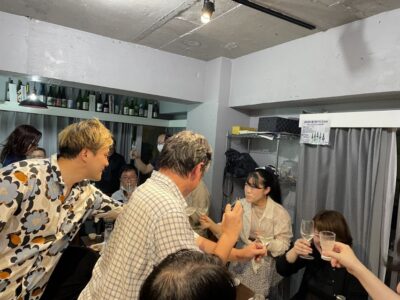

Wakayama Cat Train, Seafood market, Hot Springs Tour
Our verdict →
Awesome Private Tour: Tsukiji, Asakusa, Shinjuku, Shibuya
Our verdict →Browse the lists this tour appears in