
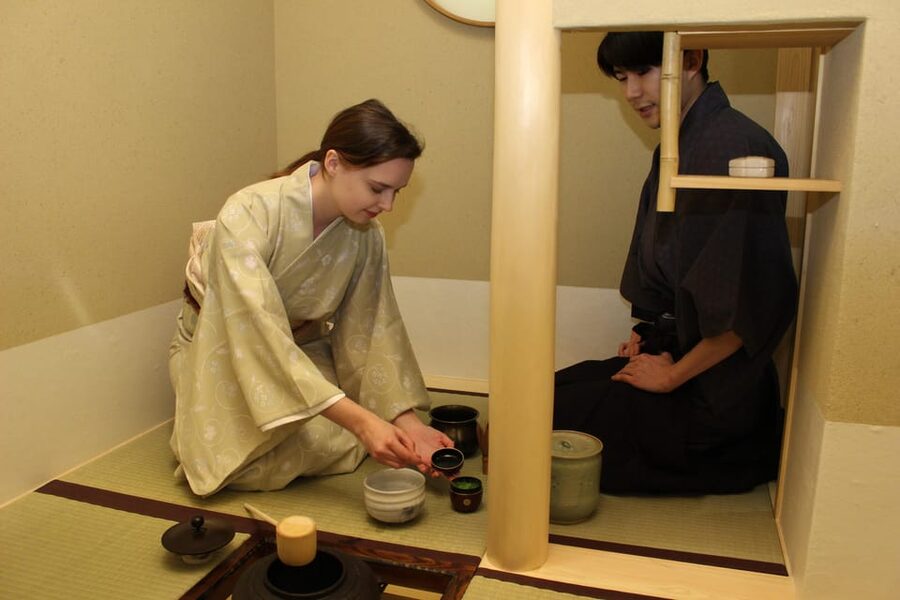
Reviewed · TEA CEREMONY EXPERIENCES
Tokyo: Tea Ceremony in Shibuya Tokyo
A quiet tea room in the middle of Shibuya gives this experience its appeal. You learn the meaning behind the gestures, watch an experienced teacher perform Otemae, then make your own matcha rather than simply sitting through a staged display. The lesson is taught in English, so you can follow the etiquette and cultural details as they unfold.
I like the private group format, which keeps the session personal for one to four people. I also like the chance to taste traditional sweets before preparing tea, since that small order of events helps you notice how the sweetness balances the bitter matcha. The main consideration is that the price of $81 per person is a serious spend for a short cultural activity, especially if you are booking for a family.
Key points
- Private tea room setting: Your group of one to four people does not join a mixed session.
- English-speaking instruction: An experienced teacher explains the ceremony, its customs, and its background in English.
- Hands-on matcha making: You watch Otemae, then prepare your own tea and drink it.
- Traditional sweets included: Sweets are served before your tea-making practice.
- Cultural shopping: Souvenirs can include Pokemon made from kimono fabric and tea items.
- Useful clothing provision: If needed, suitable trousers or a wrap skirt are lent free of charge.
A private tea lesson in busy Shibuya
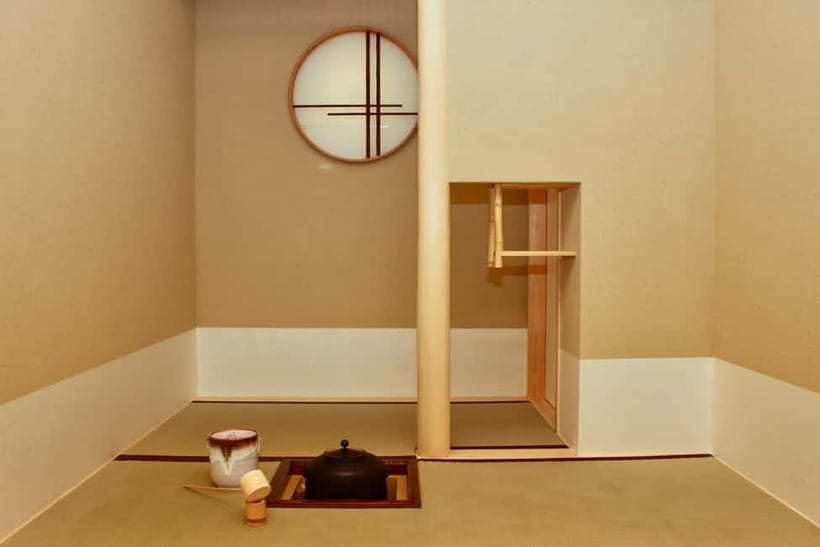
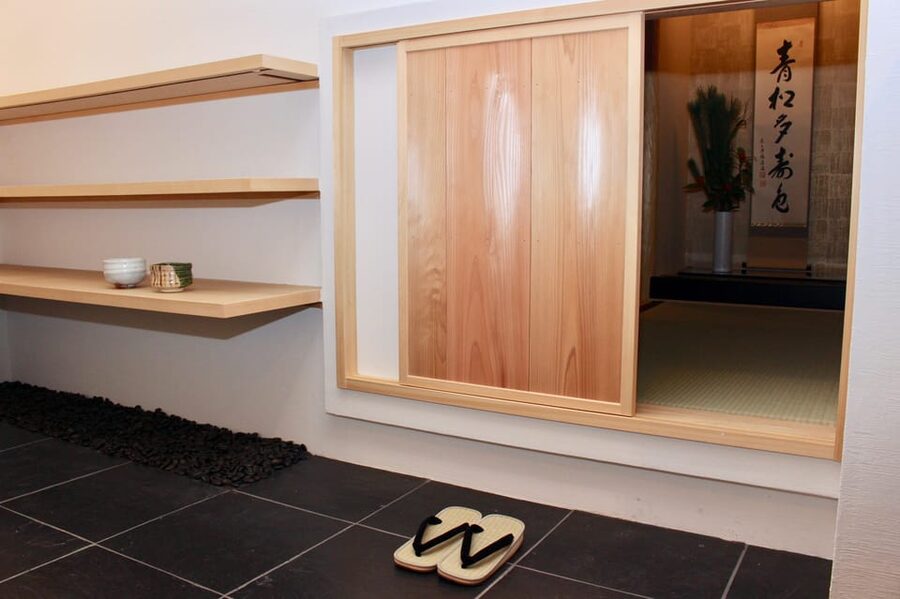
This is not a quick cup of matcha at a cafe. It is a structured tea ceremony class held in a prestigious tea room, with the setting and behavior of the ceremony treated as part of the lesson.
The private format matters. If you book for one person, you receive an individual session. If you book for a family or small group, you share the experience only with your own companions. That gives you room to ask questions, take turns, and make mistakes without feeling watched by strangers.
The group limit is four people per booking. That is a useful size for couples, parents with children, or a small circle of friends. Larger parties would need another arrangement, and the supplied details do not say whether several bookings can be combined.
The session is conducted in English by a teacher experienced in tea. Mako-san is specifically associated with the experience in guest feedback, and she is described as a charming and highly experienced host. You should confirm the teacher for your date if meeting a particular instructor matters to you.
More Tea Ceremony Experiences in Tokyo
- Matcha Making Class in Tokyo with Authentic Japanese Sweets Set
★ 5.0 · 744 reviews - Tokyo: Traditional Tea Ceremony with a Tea Master
★ 5.0 · 528 reviews - Tokyo: Matcha Making Experience with Mochi Sweets in Asakusa
★ 4.9 · 388 reviews
What happens before the first bowl of matcha
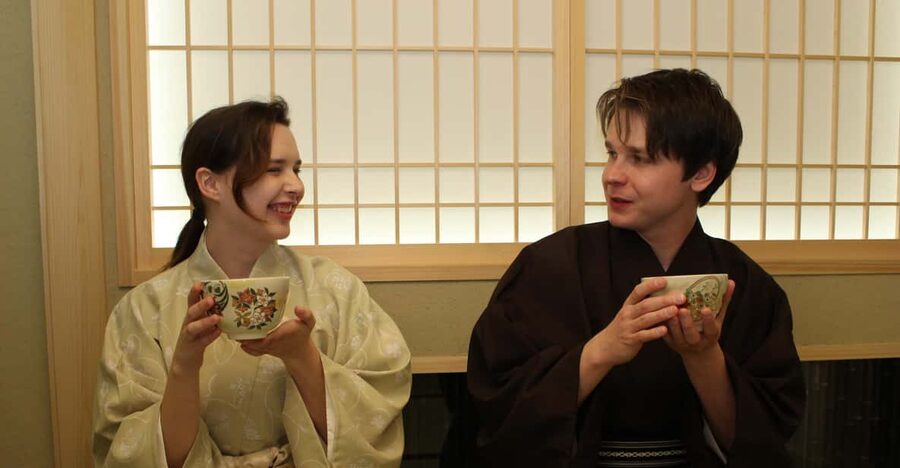
The class begins with an explanation of the tea ceremony, including its history and etiquette. This opening is important because tea ceremony can look slow and formal if you do not know what the movements mean. The teacher gives you a framework for understanding the room, the manners, and the order of events.
You can expect the lesson to cover how participants behave and what to watch during the ceremony. The supplied details do not list every rule, so do not assume you will receive a complete course in every school of Japanese tea. Think of it as a clear introduction designed for visitors who want context as well as a hands-on activity.
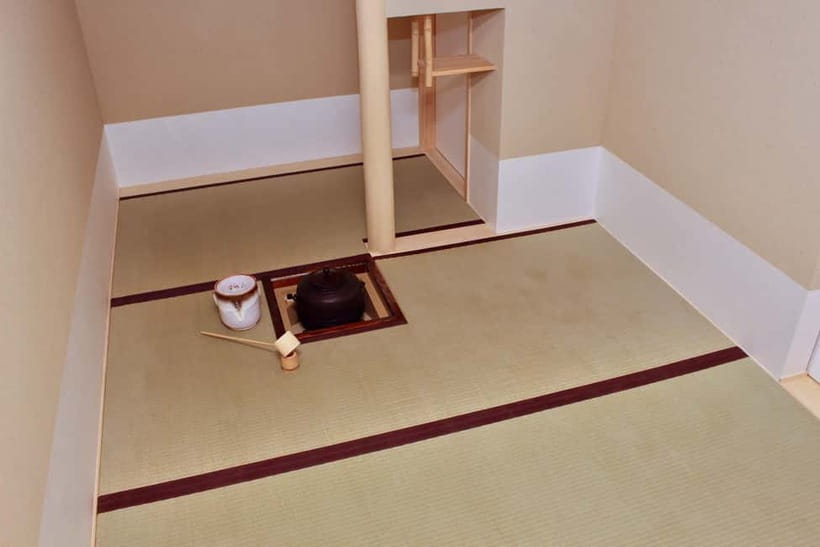
The room itself is part of the attraction. Previous descriptions point to decor that helped create a sense of stepping away from present-day Tokyo. That does not mean you are leaving Shibuya behind for the day, but the contrast is useful: a major city neighborhood provides the setting, while the tea room offers a slower rhythm.
Traditional sweets come before you make tea. This is more than a snack break. Japanese sweets are often served to prepare the palate for matcha, whose flavor can be grassy, earthy, and bitter. Eat the sweet first, then take the tea as instructed. You will notice the contrast much more clearly.
Tea and sweets are included in the price, so you do not need to budget separately for the tasting.
Watching Otemae in a formal tea room
The teacher then performs Otemae, the preparation and serving of matcha. Watch the sequence closely. The value here is not only the finished drink, but the care given to each movement and object.
For a first-time visitor, the demonstration makes the later practice far easier. You see how the teacher handles the utensils, prepares the tea, and maintains the order of the ceremony. The demonstration also gives you time to settle into the quiet pace before it becomes your turn.
You are not expected to arrive already familiar with Japanese tea customs. The teacher explains the process in English and guides you through it. That makes this a better choice than an observation-only presentation if you want to understand what you are seeing.
The atmosphere may appeal most to people who enjoy small details. If you prefer fast sightseeing and constant movement, the measured pace may feel too slow. That is not a flaw in the class, but it is a question of fit. Tea ceremony asks you to pay attention to gestures, silence, objects, and sequence.
Making your own matcha
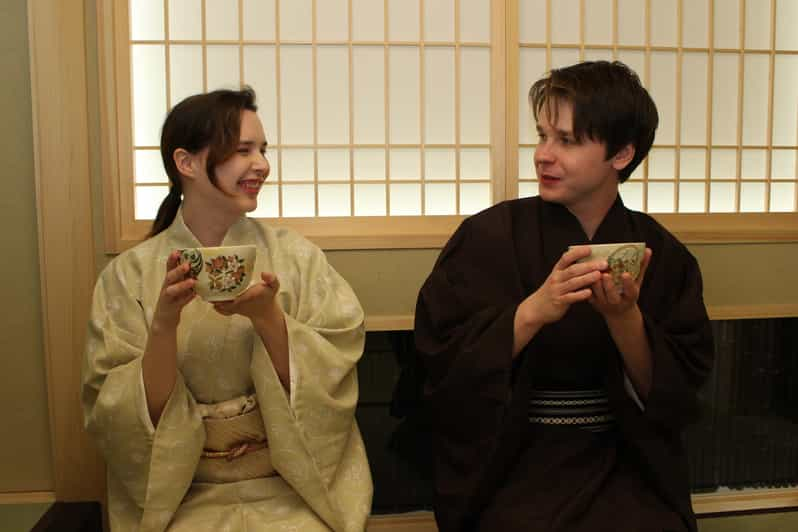
The hands-on part follows the demonstration. You prepare your own matcha, then taste it. This is where the class moves from cultural explanation to personal practice.
Do not worry about producing a perfect bowl. The point is to learn the process and understand how much attention goes into a drink that can seem simple from the outside. Your teacher can show you what to do, and the private setting gives you space to follow along at your own pace.
Making tea also helps explain why the ceremony is about more than drinking. The preparation creates a shared moment between host and guest, with manners and concentration built into the act. You get a small, practical sense of that idea without needing to study the full tradition.
Families should find this portion especially useful because each person can take a turn. Younger children may enjoy the activity, though the formal mood and quiet behavior may not suit every child. The supplied information does not set an age minimum, so contact the provider if you are booking for very young children.
The final tasting completes the sequence: learn the background, watch Otemae, eat the sweet, prepare matcha, and drink it. That order gives the session a clear shape rather than a loose demonstration followed by refreshments.
Same trip, a completely different kind of day:
- 1-Day Tokyo Bus Tour
★ 5.0 · 14,250 reviews - Tokyo: TOKYO SKYTREE® Admission ticket
★ 4.5 · 11,192 reviews - Tokyo: teamLab Planets TOKYO Digital Art Museum Entry Ticket
★ 4.6 · 9,779 reviews - Tokyo: Sumo Show Experience with Chicken Hot Pot and a Photo
★ 4.8 · 6,678 reviews
Kimono options and small souvenirs
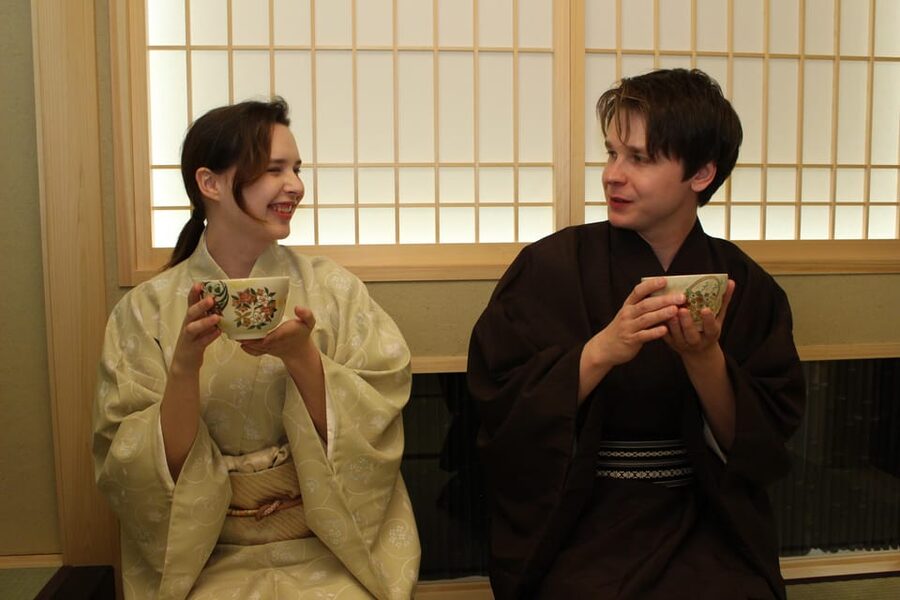
Kimono dress is available at an additional charge. One previous participant took part in kimono while making tea, which can add a stronger visual connection to the ceremony. Since the rental fee and exact clothing arrangements are not provided, ask about the current cost before booking.
The standard experience does not say that kimono dressing is included. Treat it as an optional extra, not part of the $81 price.
You may also find souvenirs made from kimono material, including Pokemon figures or items. This is a playful detail that links modern Japanese pop culture with older textile traditions. It may appeal to families and collectors, though the exact selection and prices are not stated.
Tea items may also be available for purchase. One participant bought a tea set and matcha at the end of the session. If you are interested in taking home more than a small souvenir, ask what is currently in stock rather than planning your budget around a particular item.
Is $81 per person a fair price?
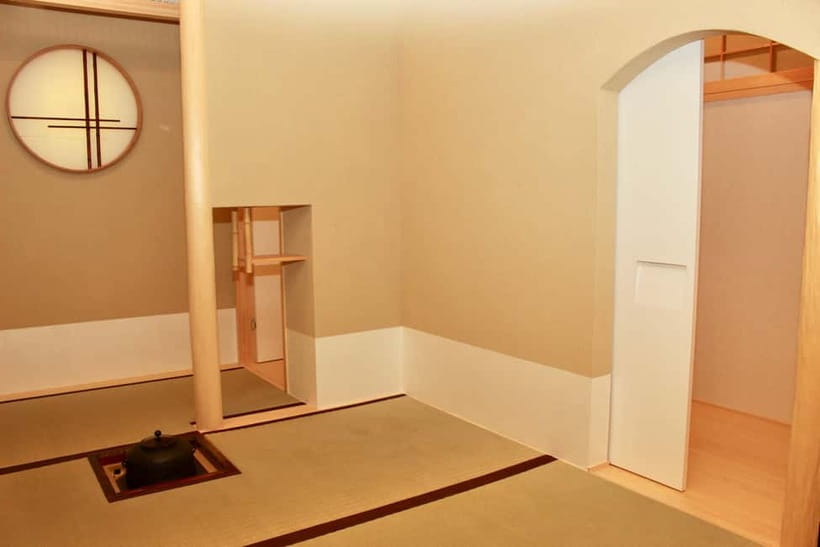
At $81 per person, this is not a bargain tea tasting. The price includes tea, sweets, facility charges, and taxes, which makes the total easier to judge. You are paying for a private class in a formal tea room, English instruction, the teacher’s demonstration, your own tea-making practice, and the setting.
For a solo visitor, the price buys a personal cultural lesson without the need to assemble a group. For four people, the overall cost is substantial, but the private arrangement can make sense if you value time with your own family or friends.
The strongest value comes from participation and explanation. If you only want to drink matcha, a cafe will cost much less. If you want to learn the basic structure of tea ceremony, handle the process yourself, and ask questions in English, this experience offers more.
Duration deserves attention. Different plans are available, and one shorter version lasts about one hour. The information provided does not give the duration for every plan. Check the exact option before paying, since the price can feel different for a one-hour introduction than for a longer class.
Who will get the most from this experience?
I would choose this for someone visiting Japan for the first time who wants a clear introduction to an important cultural practice. The English explanation removes much of the guesswork, while the hands-on section keeps the lesson from becoming a passive lecture.
It also suits:
- Couples looking for a calm activity in Shibuya
- Families who want a shared cultural experience
- Small groups of friends who prefer a private booking
- Visitors interested in Japanese etiquette and traditional arts
- People who want to wear kimono while preparing tea, for an added fee
- Pokemon fans who enjoy modern souvenirs made with kimono fabric
This may not be right for you if you want a long sightseeing program with several locations. There is no tour of Shibuya, no listed meal, and no series of attractions. The focus stays on the tea room and the ceremony.
It may also disappoint if you expect a full professional tea school course. You receive an introduction, demonstration, and guided practice. The available information does not promise advanced instruction or a certificate.
Practical details before you book
Wear a skirt or trousers long enough to cover your knees. If your clothing is not suitable, the provider can lend appropriate trousers or a wrap skirt free of charge. Even so, modest, comfortable clothing will make the session simpler.
You do not need to bring special equipment. Tea, sweets, the facility fee, and taxes are included.
Pickup service is listed as available if needed, but you should contact the provider by email before booking to discuss it. The contact address supplied is [email protected]. Do not assume pickup is automatic or included in every arrangement.
Booking and payment are required in advance. The booking terms also allow you to reserve now and pay later, which can help if your Tokyo schedule is still changing. Cancellation is free up to 24 hours before the experience for a full refund.
The experience is listed in English. If someone in your group needs another language, the supplied information does not confirm that one is available.
Why the private format makes a difference
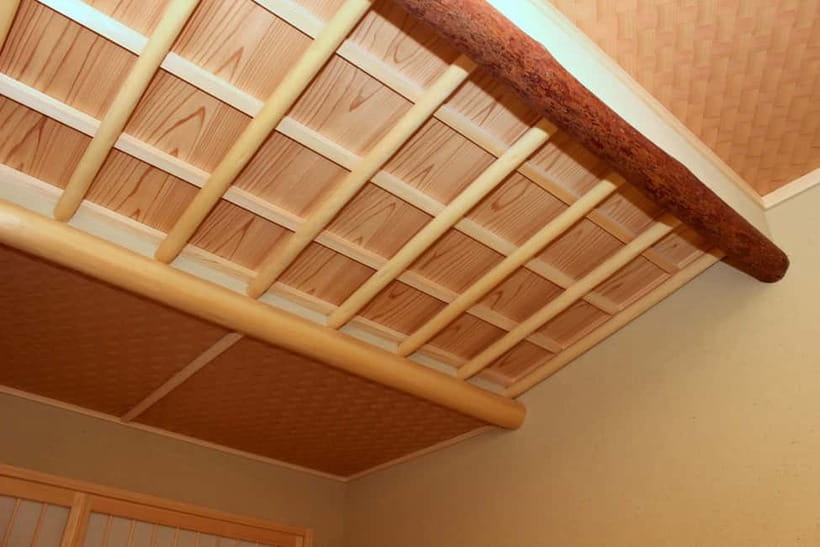
Tea ceremony depends on attention. A crowded room can make it harder to hear the explanation or watch the teacher’s hands. With only your own group present, you can ask about etiquette, repeat a step, and take turns without adding strangers to the room.
The private arrangement is also useful for mixed-age groups. One person may want the cultural background, another may be more interested in making matcha, and someone else may care most about kimono or souvenirs. A private class gives the teacher more room to respond to those different interests.
There is a tradeoff. Private activities often cost more per person than shared sessions, and this one does not offer a lower shared price. If you are alone or traveling with one other person, compare the cost with other tea experiences in Tokyo before committing.
Still, the format is one of the clearest reasons to choose this class. You are not squeezed into a large demonstration where your turn may be brief. Your group is the center of the lesson.
My recommendation for your Tokyo plans
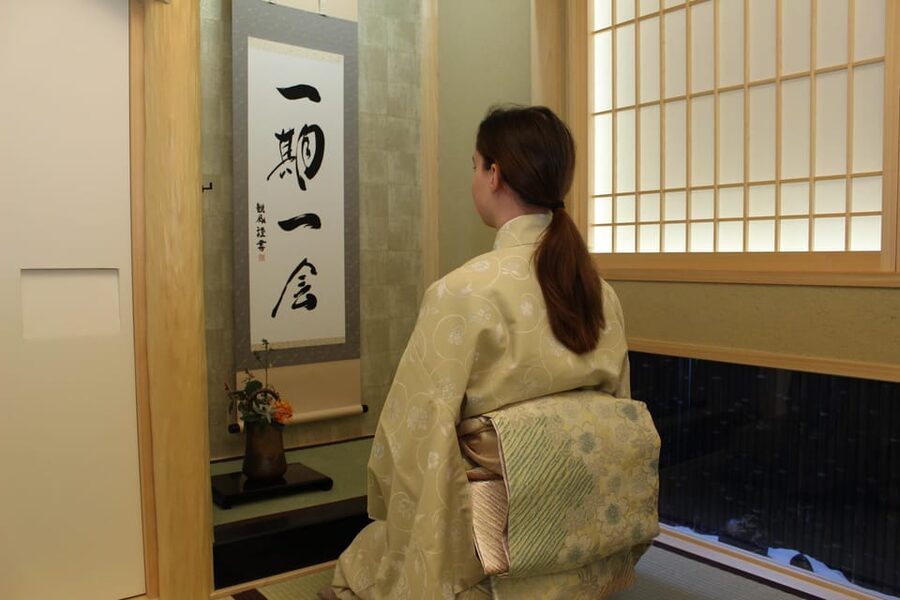
I would book this tea ceremony if you want a calm, well-explained cultural activity and can accept the $81 price. The combination of an English-speaking teacher, private group, traditional sweets, Otemae demonstration, and hands-on matcha preparation gives you more substance than a simple tea tasting.
Book it especially if you are traveling with up to three companions, since the private format then feels more useful. Ask in advance about the exact duration, pickup service, kimono pricing, and available souvenirs.
I would skip it if your main goal is cheap refreshments, a broad Shibuya tour, or a full-day program. But for a focused introduction to Japanese tea ceremony, this is a thoughtful choice with a clear cultural purpose and a manageable one-hour option.
FAQ
Where is the tea ceremony held?
The experience is held in Shibuya, Tokyo, on Honshu, in a prestigious tea room.
How many people can join one booking?
A booking can include from one to four people. Each experience is private for your group, with no mixed sessions.
Is the class taught in English?
Yes. The tea ceremony classes are taught by English-speaking teachers experienced in tea.
What does the class include?
The class includes an explanation of tea ceremony history and etiquette, an Otemae demonstration, guided matcha preparation, matcha tasting, and traditional Japanese sweets.
Are tea and sweets included in the price?
Yes. The price includes tea and sweets, facility charges, and taxes.
Do I need to bring anything?
No special items are required. You should wear a skirt or trousers long enough to cover your knees if possible.
What happens if my clothing does not cover my knees?
Suitable trousers or a wrap skirt can be lent to you free of charge.
Is kimono rental included?
No. Kimono wear is available at an additional charge.
Is pickup service available?
Pickup service is listed as available if needed. Contact the provider by email before booking to discuss it.
Can I cancel for a full refund?
Yes. You can cancel up to 24 hours in advance for a full refund.
Just added around Tokyo
- Kawagoe Japanese Food Tour : Unagi Kaiseki and Sake near Tokyo★ 5.0 · 30 reviews
- Kawagoe 4hr Private Tour with Licensed Guide (Kawagoe Dep)★ 5.0 · 13 reviews
- Little EDO Sushi Making workshop in Kawagoe★ 5.0 · 18 reviews
- 【R34】Tokyo:Private Daikoku tour in Modified R34★ 4.9 · 92 reviews
- :Tokyo,Shibuya/ Pro Photography in Kimono / English-Friendly★ 5.0 · 26 reviews
- Tokyo:Celebrate Unique Japanese New Year Tradition Festivity★ 3.9 · 20 reviews
- Tokyo: Allstar Food Tour★ 4.7 · 29 reviews
- Tokyo: West-Side Cycling and Food Tour with Guide★ 5.0 · 37 reviews
Tea Ceremony Experiences, compared.

Tea Ceremony in a Traditional Tea House in Kiyomizu
Our verdict →


World Heritage Kyoto & Nara Uji Authentic Matcha Experience
Our verdict →

Arashiyama Bamboo Forest, Monkeys, Matcha & Temple Tour
Our verdict →
Browse the lists this tour appears in