
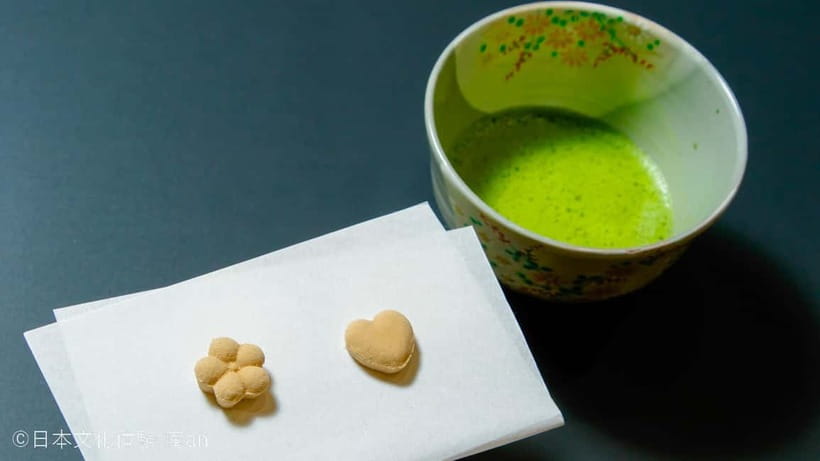
Reviewed · TEA CEREMONY EXPERIENCES
Tokyo: Tea Ceremony Experience
Tokyo’s tea ceremony can be formal, quiet, and time-consuming. This one takes a friendlier route: in 30 minutes, you learn the basic idea, watch matcha being ground, prepare your own bowl, and drink it with a traditional ohigashi sweet. At $7 per person, it is an easy cultural stop rather than a major half-day commitment.
I like the chance to make your own matcha instead of only watching a demonstration. I also like the use of single-origin special matcha and the included Japanese sweet, which gives the short session a little more substance. The main drawback is the language setup: the instructor is Japanese, and English translation is provided as much as possible, so explanations may be brief.
Key points at a glance
- Single-origin matcha: You taste a specified special matcha rather than an unnamed green tea powder.
- Your own bowl: The session includes hands-on preparation after a short lesson.
- Ohigashi included: A traditional Japanese dry sweet accompanies the tea.
- Fast Tokyo activity: The full experience lasts 30 minutes, making it easy to fit between sightseeing stops.
- Small practical caution: Late arrivals cannot be accommodated, and English support is available as much as possible.
- Strong value: At $7 per person, this is one of the lower-cost ways to add a Japanese cultural activity to your day.
A Short Introduction to Matcha in Tokyo
This experience gives you a simple entry point into Japanese tea culture. You are not expected to sit through a long ceremonial performance or already know the proper movements. After a brief explanation, you get to prepare matcha yourself and enjoy it in a relaxed setting.
That distinction matters. Some tea ceremonies are built around strict form, silence, and watching a host perform each step. Here, the focus is participation. You learn enough to understand what you are doing, then get on with making and drinking the tea.
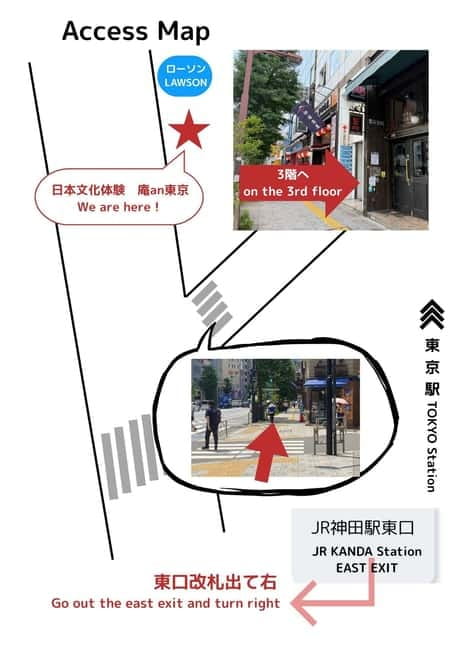
The session takes place at AN TOKYO Japanese Culture Experience in Honshu, at the meeting point listed as 35.6916541, 139.7715022. The experience provider is 日本文化体験 庵an東京, also written as AN TOKYO. Since the supplied directions do not give a neighborhood name or detailed landmarks, check the exact meeting instructions before leaving and allow enough time to find the entrance.
More Tea Ceremony Experiences in Tokyo
- Matcha Making Class in Tokyo with Authentic Japanese Sweets Set
★ 5.0 · 744 reviews - Tokyo: Traditional Tea Ceremony with a Tea Master
★ 5.0 · 528 reviews - Tokyo: Matcha Making Experience with Mochi Sweets in Asakusa
★ 4.9 · 388 reviews
What Happens During the 30-Minute Session
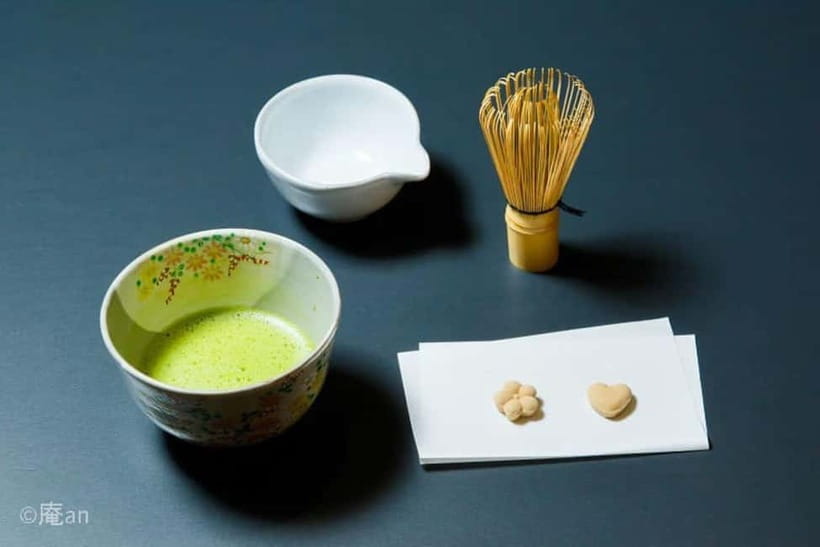
The program is laid out in a tidy sequence. The opening portion begins with an explanation of tea, followed by a matcha-grinding demonstration. You then take part in the tea-ceremony experience and have time for pictures.
The schedule marks the experience itself at about 20 minutes, followed by eating and drinking time before departure at the 30-minute point. In practical terms, this means you should not expect a long lecture. The first section moves quickly, with the tea preparation and photos taking up much of the visit.
That brisk pace is useful if your Tokyo schedule is packed. You can add the activity between major sights without giving up a full morning or afternoon. The tradeoff is that you will get an introduction, not an exhaustive lesson in tea history, utensils, etiquette, or regional traditions.
The opening tea explanation
The session starts with a short explanation of Japanese tea. The information is intended to give you enough context before you handle the matcha yourself.
Because the instructor is Japanese and English translation is provided as much as possible, you should keep your expectations sensible. You may receive the main points rather than a detailed English-language talk. If you want additional English support, contact the provider ahead of time.
For many people, this will be enough. The activity is built around seeing and doing, so the hand movements, tools, and preparation process carry part of the lesson. If you want a scholarly discussion of tea ceremony, this is not the right format. If you want a clear first taste of the custom, the short explanation should do the job.
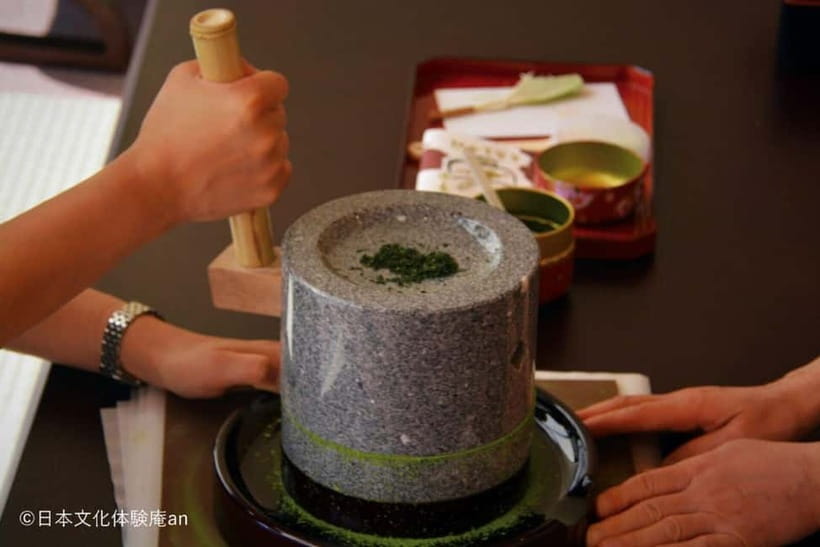
Watching the matcha being ground
The matcha-grinding demonstration adds a useful detail. You are not simply handed a bright green drink with no explanation. You see part of the process behind the powder before preparing your own tea.
The activity specifically uses single-origin special matcha. That does not turn a 30-minute introduction into a professional tasting, but it gives the drink a clearer identity. You can pay attention to the flavor and texture instead of treating the matcha as a generic souvenir of Japan.
The supplied details do not state the name or origin of the matcha, so you should not expect a farm-specific tasting lesson. Still, the single-origin element makes the cup more interesting than an entirely anonymous powder.
Same trip, a completely different kind of day:
- 1-Day Tokyo Bus Tour
★ 5.0 · 14,250 reviews - Tokyo: TOKYO SKYTREE® Admission ticket
★ 4.5 · 11,192 reviews - Tokyo: teamLab Planets TOKYO Digital Art Museum Entry Ticket
★ 4.6 · 9,779 reviews - Tokyo: Sumo Show Experience with Chicken Hot Pot and a Photo
★ 4.8 · 6,678 reviews
Preparing your own bowl
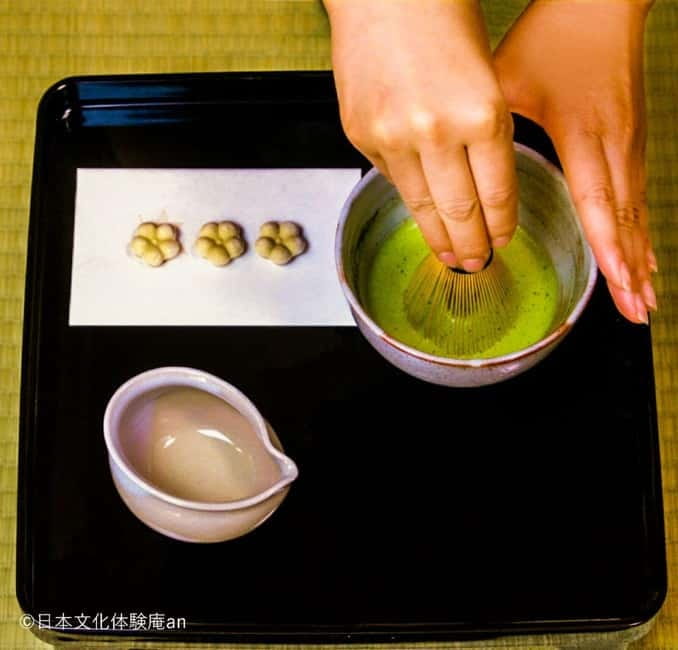
The hands-on part is the heart of the activity. After the demonstration and brief lecture, you make your own matcha.
This is where the experience earns its low price. You are not only sitting in front of an expert. You get to take part in the preparation, then drink the result. That makes the session more memorable for children, first-time visitors, and anyone who likes a practical activity more than a passive show.
The exact utensils and steps are not specified in the supplied information, so I would avoid promising a particular whisking method or a full set of formal movements. The safe expectation is that the instructor will guide you through the basic preparation and help you enjoy the tea casually.
You should also keep the pace in mind. With only 30 minutes, there is limited time for repeated attempts or a long question-and-answer period. Treat it as a compact introduction, not a private master class.
Tea, ohigashi, and picture time
The tea comes with ohigashi, a traditional Japanese dry sweet. This pairing is a small but worthwhile touch. Japanese tea sweets are often designed to balance the bitterness of matcha, and the sweet gives you something to eat during the final portion of the visit.
Picture time is part of the scheduled program. That makes the experience suitable for people who want a simple cultural photograph, though the details do not specify what props, backgrounds, or photography assistance are available. Bring your phone and ask before the session if there are any picture guidelines.
The eating and drinking time continues until departure at 30 minutes. Do not plan to linger long after the scheduled end, especially if another activity follows.
Why the $7 Price Makes Sense
At $7 per person, this is a strong budget option. The fee includes the tea-ceremony experience, your matcha preparation, the special matcha, and the ohigashi sweet. For the cost of a modest snack, you receive a guided cultural activity with a hands-on element.
The value depends on what you want. If you are hoping for a detailed ceremony lasting an hour or more, the experience will feel short. If you want a small, affordable introduction during a day of sightseeing, the price is easy to justify.
It is also useful for groups with different interests. One person can try a Japanese cultural activity without asking the rest of the group to commit to a long tour. The session is designed for one person or a group, so it can work for solo visitors, couples, and families.
Children under two who sit on a parent’s lap are free. Other participants need to be included in the reservation, and people who are not taking part cannot enter the experience area.
Who Will Enjoy This Tea Ceremony Most
I would point this experience toward first-time visitors who want to try matcha without making a large time commitment. It also suits anyone who has already seen Tokyo’s major sights and wants a quiet change of pace.
Families may find the hands-on format easier than a long explanation. Children can see the preparation, take part in making the tea, and finish with a sweet. The information does not provide a minimum age beyond the special policy for children under two, so contact the provider if you have questions about a particular child.
Solo visitors can book as well. The program does not require a large group, and the activity is structured so one person can participate. Couples can also use it as a compact cultural stop between other plans.
I would be more cautious if your main goal is fluent, detailed English instruction. Japanese is the stated language, with English translation provided as much as possible. You can contact the provider to request additional English support, but the details do not promise a fully English-led session.
Timing Matters More Than You Might Expect
The operation hours are 10:00 to 17:00. Reservations received after 17:00 are processed the next day, so do not assume an evening booking will be handled immediately.
Arrive early. The activity will not be held for late arrivals, regardless of the reason. This is especially important in Tokyo, where a short train delay, a confusing station exit, or a wrong turn can eat up ten minutes quickly.
One piece of booking feedback described a guide who was very kind when transportation trouble caused a late arrival. That is encouraging, but you should not treat it as permission to arrive late. The written policy is clear that the event cannot wait, and a friendly response in one case does not remove that risk.
Allow extra time to reach AN TOKYO and locate the meeting point. The supplied information gives coordinates but not a detailed route from a station. If you are coming directly from another attraction, leave a buffer rather than scheduling the tea ceremony immediately after a timed ticket.
English Support and the Pace of the Lesson
The language issue is the one area where the experience may vary most from person to person. Japanese is the listed language. English translation is offered as much as possible, and the provider asks you to contact them if you would like it added.
The practical lesson may be quick. That is not necessarily a flaw. Tea preparation is visual, and you can often follow a demonstration even when every spoken detail is not translated. Still, the session is more suitable for people comfortable with a short, basic introduction than for those seeking a long English lecture.
If you have questions about etiquette, the matcha’s origin, or the meaning of each movement, ask early. The schedule gives you a short window before the photo and drinking portion. A little preparation on your part can make the visit more satisfying.
The available booking feedback gives the activity an overall score of 4.1 out of 5 from 23 ratings. The strongest themes are good value, a pleasant activity, and helpful handling of a transportation problem. One French-language comment described the explanations as fast but interesting, which is a fair warning about the pace.
Cancellation and Reservation Details
You can cancel up to 24 hours in advance for a full refund. The reserve-now, pay-later option lets you keep your plans flexible and pay nothing at the time of booking.
Pay close attention to the timing rules. After the cancellation fee has been incurred, changing the date or time can bring another specified fee. If you cancel, transportation costs to the venue are not compensated.
The information also says to contact the provider if you would like to reserve the property, so use the booking contact if you need clarification about English support, group arrangements, or arrival instructions.
Is This Tea Ceremony Worth Booking?
Book it if you want a cheap, short, hands-on taste of Japanese culture. The single-origin matcha, included ohigashi, and chance to make your own tea give the $7 price real value. It is especially useful on a busy Tokyo day when you want something cultural but cannot spare several hours.
Skip it if you want a long, formal ceremony with extensive English commentary. The 30-minute format is deliberately compact, and the language support may be limited. Also skip it if you cannot arrive on time, since the experience will not wait for delayed arrivals.
For most visitors, this works best as a small cultural pause, not the centerpiece of a Tokyo itinerary. Add it when you are nearby, arrive early, and think of it as a friendly introduction to matcha rather than a complete education in tea ceremony.
FAQ
How long does the Tokyo tea ceremony experience last?
The full activity lasts 30 minutes. The scheduled program includes the explanation, matcha-grinding demonstration, tea preparation, picture time, and eating and drinking time.
What is included in the price?
The price includes the Japanese tea-ceremony experience, your matcha preparation, single-origin special matcha, and an ohigashi sweet.
How much does the experience cost?
The listed price is $7 per person.
Is English available during the activity?
Japanese is the listed language. English translation is provided as much as possible, and you should contact the provider if you would like additional English support.
Where is the meeting point?
The meeting point is AN TOKYO Japanese Culture Experience. The listed coordinates are 35.6916541, 139.7715022.
Can children attend for free?
Children under two years old who sit on a parent’s lap are free. Anyone else participating in the experience must be included in the booking.
Can I cancel for a full refund?
You can cancel up to 24 hours in advance for a full refund. Cancellation fees apply after that point, and changing the date or time after a fee has been incurred can also result in a specified charge.
Just added around Tokyo
- Kawagoe Japanese Food Tour : Unagi Kaiseki and Sake near Tokyo★ 5.0 · 30 reviews
- Kawagoe 4hr Private Tour with Licensed Guide (Kawagoe Dep)★ 5.0 · 13 reviews
- Little EDO Sushi Making workshop in Kawagoe★ 5.0 · 18 reviews
- 【R34】Tokyo:Private Daikoku tour in Modified R34★ 4.9 · 92 reviews
- :Tokyo,Shibuya/ Pro Photography in Kimono / English-Friendly★ 5.0 · 26 reviews
- Tokyo:Celebrate Unique Japanese New Year Tradition Festivity★ 3.9 · 20 reviews
- Tokyo: Allstar Food Tour★ 4.7 · 29 reviews
- Tokyo: West-Side Cycling and Food Tour with Guide★ 5.0 · 37 reviews
Tea Ceremony Experiences, compared.

Tea Ceremony in a Traditional Tea House in Kiyomizu
Our verdict →
World Heritage Kyoto & Nara Uji Authentic Matcha Experience
Our verdict →
Arashiyama Bamboo Forest, Monkeys, Matcha & Temple Tour
Our verdict →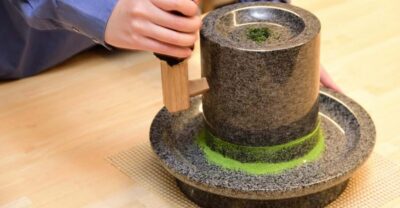
Browse the lists this tour appears in