
Reviewed · TEA CEREMONY EXPERIENCES
Tokyo: Tea Ceremony Experience in Asakusa
A bowl of matcha can tell you a lot about Japan when someone explains what you are doing. In this one-hour Asakusa session, you watch a traditional tea ceremony, learn why each gesture matters, then whisk your own tea and drink it at your own pace. Midori and Kaz are among the hosts who lead the experience in English.
I like the friendly, beginner-focused approach and the chance to make your own bowl instead of simply watching. I also like the small group size, capped at eight, which leaves room for questions and photos. The main consideration is that this is a relaxed introduction, not a strict, formal ceremony, and kimono rental is not included.
Key points to know before you book
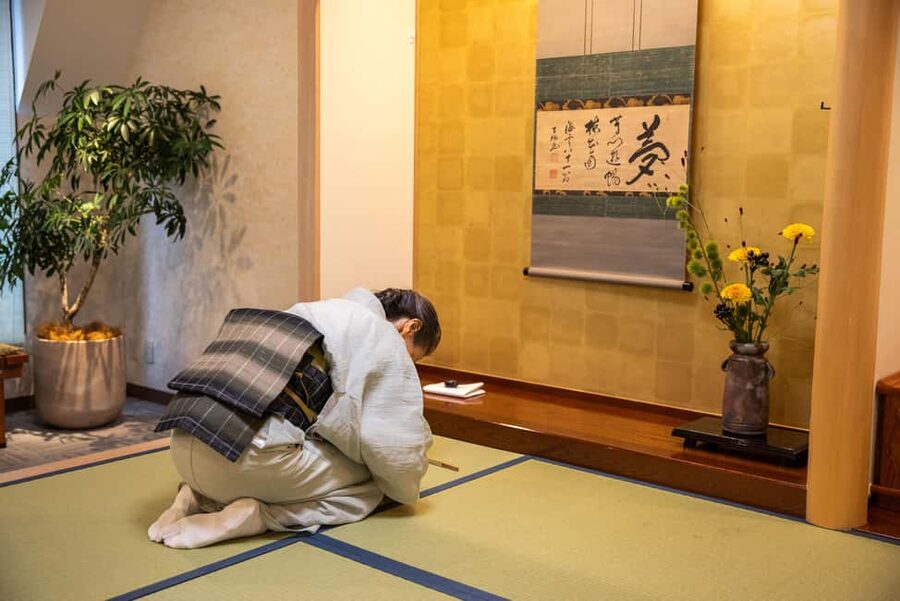
- You make your own matcha: The host shows you how to whisk powdered green tea, then lets you prepare a bowl yourself.
- Each gesture has a purpose: You learn about pouring, presenting, serving, and the ideas of harmony and hospitality.
- The tone is easygoing: You can ask questions and take photos during the session, a useful feature for first-time visitors.
- Traditional sweets are included: They provide a small taste of the food served with matcha.
- The group is limited to eight: That keeps the lesson personal without making it a private class.
- The meeting point is precise: Tokyo Tourist Lounge Asakusa is on the fifth floor, at 35.7103757, 139.796744.
A gentle introduction to tea ceremony in Asakusa
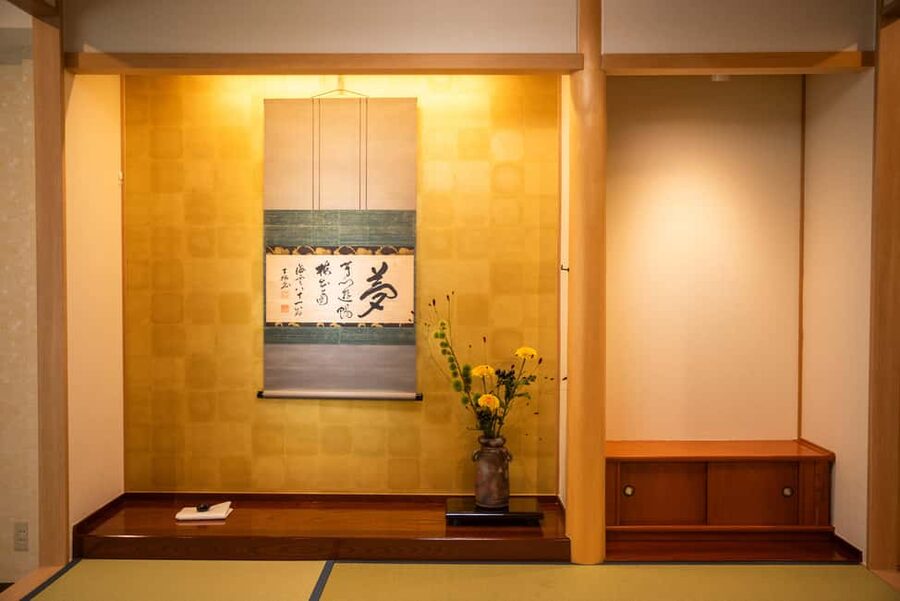
This experience gives you the shape of a Japanese tea ceremony without asking you to master every rule. You sit comfortably while an English-speaking host guides you through the process, explains the meaning of the movements, and prepares matcha for you to taste.
That balance matters. A formal tea ceremony can feel quiet and highly structured, with customs that take time to understand. Here, the host keeps the pace friendly and explains what is happening as it happens. You are not left wondering when to bow, how to hold the bowl, or why the tea is presented in a certain way.
The session is well suited to a first visit to Japan. It also works for repeat visitors who want an hour away from shopping, sightseeing, and crowded streets. Tea ceremony is not only about drinking green tea. It is also about attention, respect, simplicity, and the care given to a shared moment.
The format is deliberately relaxed. That makes it less intimidating, though anyone seeking a highly formal, old-school ceremony may find it too casual. Think of this as a clear and friendly cultural lesson with hands-on practice.
More Tea Ceremony Experiences in Tokyo
- Matcha Making Class in Tokyo with Authentic Japanese Sweets Set
★ 5.0 · 744 reviews - Tokyo: Traditional Tea Ceremony with a Tea Master
★ 5.0 · 528 reviews - Tokyo: Matcha Making Experience with Mochi Sweets in Asakusa
★ 4.9 · 388 reviews
What happens during the one-hour session
The experience begins with an explanation of matcha and its place in Japanese society and culture. One session included a short account of where the tea comes from, why it matters, and how it connects with Japanese customs. This background gives the activity more weight than a simple drink-making class.
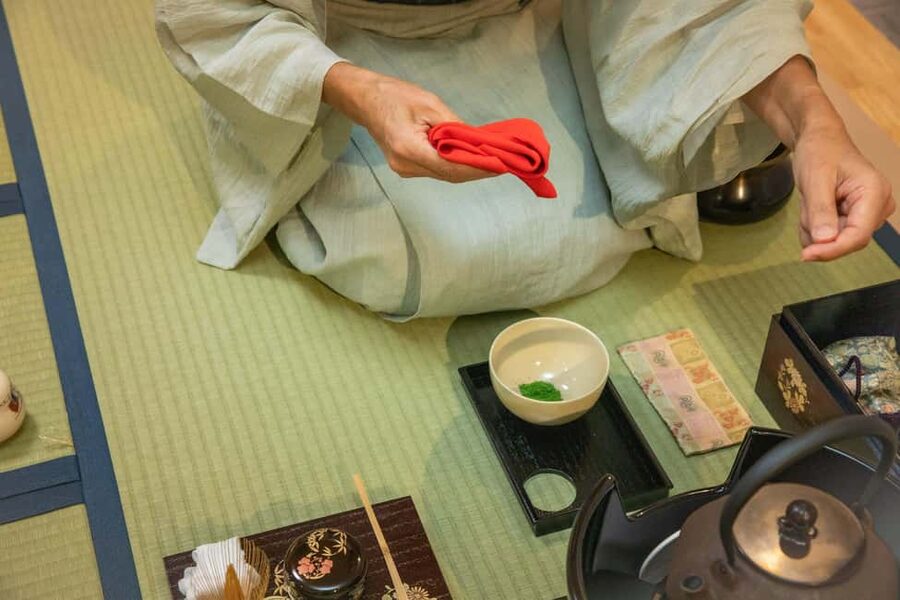
Next, the host demonstrates the ceremony. You see how water is poured, how the tea is prepared, and how the bowl is presented. The guide explains the meaning of each action instead of expecting you to copy a string of unfamiliar gestures.
That explanation is one of the strongest parts of the activity. The movements might look simple, but they carry ideas about hospitality and harmony. When you understand the reason behind them, the ceremony becomes easier to appreciate. You begin to notice the care in the order of the steps, the handling of the bowl, and the act of serving another person.
You then receive freshly prepared matcha and a traditional Japanese sweet. The sweet is important because matcha has a strong, grassy flavor that may surprise you if you normally drink mild tea. The two are meant to work together, with the sweetness balancing the tea.
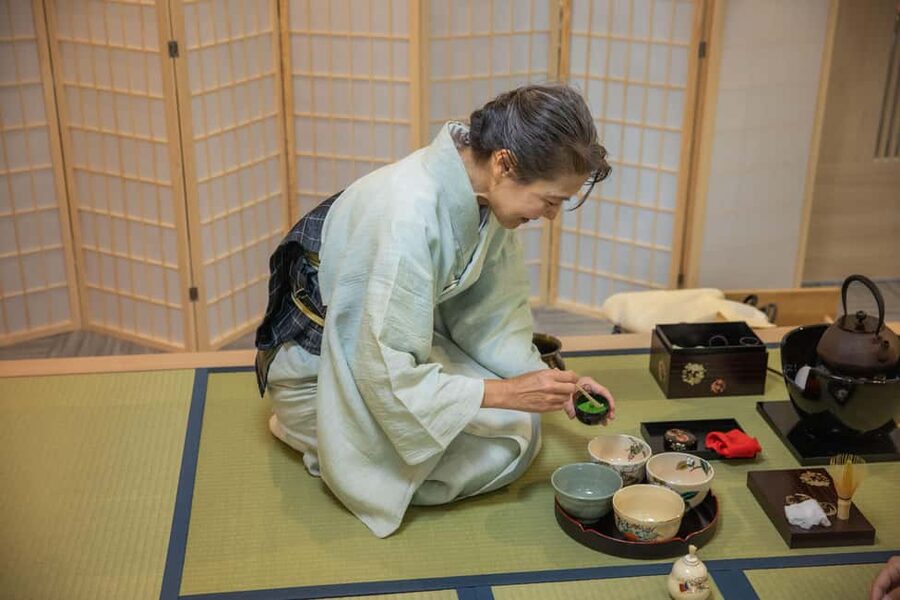
The final hands-on portion lets you prepare your own bowl. The host shows you how to whisk the powdered tea, and you follow the method yourself. You can then taste the matcha at your own pace rather than being rushed to the next part of the lesson.
This is not a pass or fail exercise. Your bowl does not need to look perfect. The value is in trying the movement, feeling the whisk work through the water, and learning how the drink is made from scratch. For many people, this is the part they remember best because it turns an observation into something personal.
Why the explanations matter
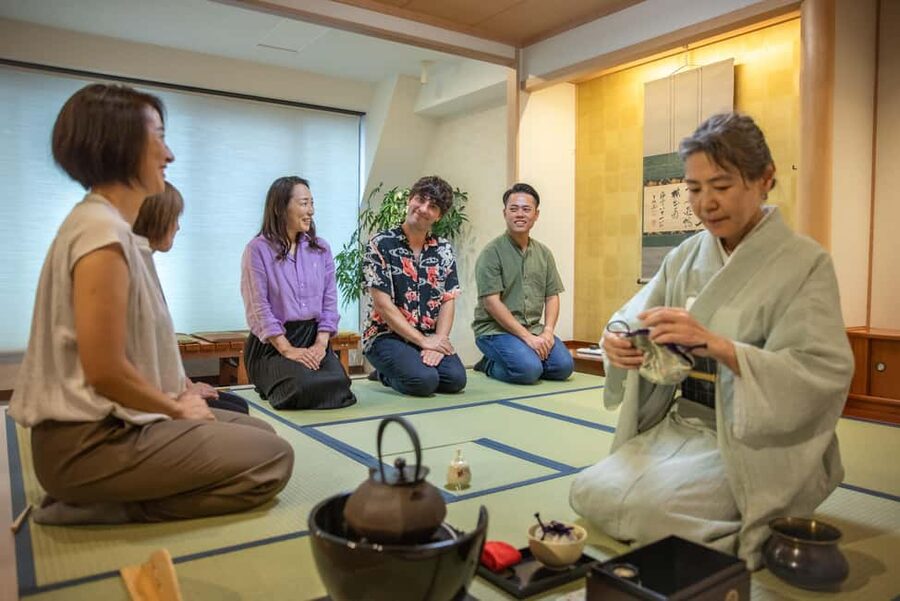
A tea ceremony can be easy to photograph but harder to understand. Without context, you may see a series of careful gestures and miss the ideas behind them. The English-language instruction helps connect the actions to Japanese culture.
The hosts explain the ceremony in plain terms and welcome questions. That makes the class useful for people who want more than a quick photo opportunity. You can ask about the tea, the tools, the steps, or the customs as they come up.
The atmosphere also leaves room for curiosity. You are allowed to take photos during the session, which is not always possible in a more formal setting. Still, I would keep your phone secondary. The best reason to book this activity is not simply to collect images. It is to pay attention to the preparation and try it yourself.
The hosts named in the feedback include Midori and Kaz. Midori is described as kind and clear in her teaching, while Kaz is praised as a strong instructor who gives people a chance to prepare matcha. Since hosts can vary by time and date, check your booking details if meeting a specific instructor matters to you.
The taste of matcha and the role of sweets
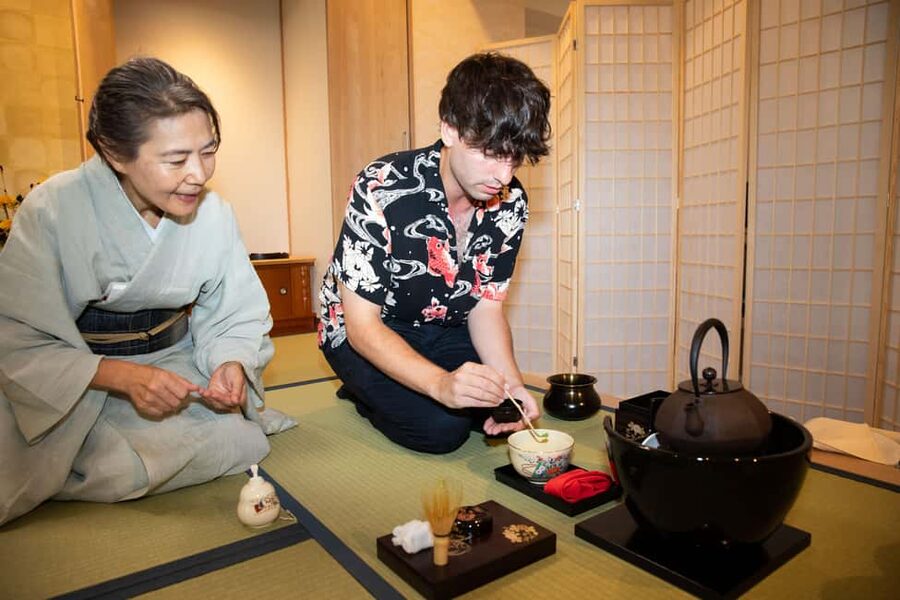
Matcha is powdered green tea, so you drink the tea leaf rather than steeping and removing it. That gives it a fuller taste and a texture different from ordinary green tea. The host prepares a bowl for you, then teaches you how to make your own.
You do not need prior knowledge. The class is designed for beginners and curious visitors, and the method is shown step by step. If you have never used a bamboo whisk, the first attempt may feel a little awkward. That is part of the fun, and the setting is meant to be friendly rather than judgmental.
The traditional sweet adds a small but useful lesson in Japanese food culture. It shows how tea service considers the entire experience, not just the drink. The sweetness prepares your palate for the matcha and gives the tasting a clear rhythm.
Do not book this expecting a large food tasting. The included sweet is a supporting part of the ceremony, not a meal. If you need lunch, plan that separately around your Asakusa sightseeing.
Same trip, a completely different kind of day:
- 1-Day Tokyo Bus Tour
★ 5.0 · 14,250 reviews - Tokyo: TOKYO SKYTREE® Admission ticket
★ 4.5 · 11,192 reviews - Tokyo: teamLab Planets TOKYO Digital Art Museum Entry Ticket
★ 4.6 · 9,779 reviews - Tokyo: Sumo Show Experience with Chicken Hot Pot and a Photo
★ 4.8 · 6,678 reviews
A small group makes the lesson more personal
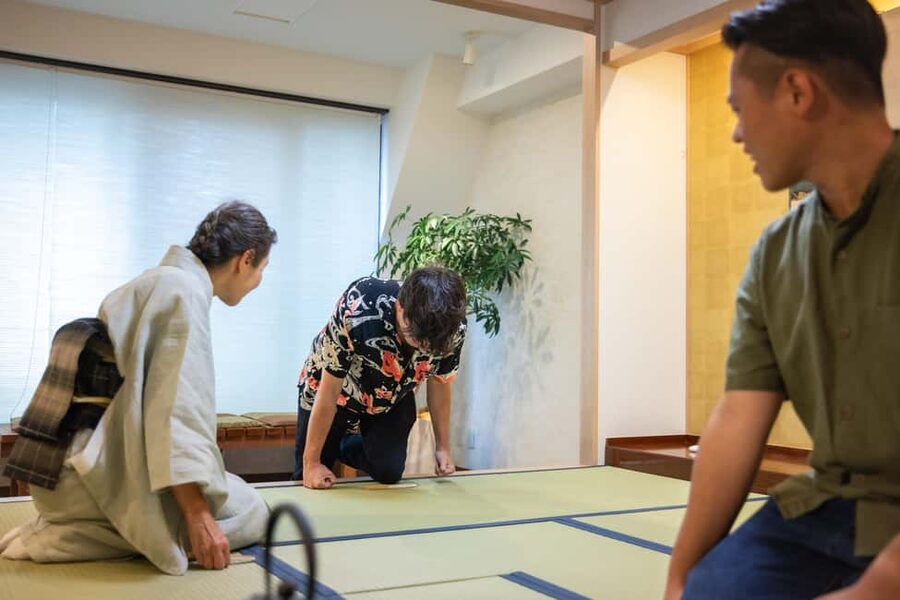
The group is limited to eight participants. That is large enough to create a shared experience but small enough for the host to demonstrate the whisking method and answer questions.
Group size matters here because the activity is hands-on. You want to see the demonstration clearly, and you want time to prepare your own tea. A very large class could turn the lesson into a performance with little personal guidance. Eight people is a sensible limit for this format.
The small group also helps the relaxed tone. You can ask a basic question without feeling that you are holding up a large tour. Families, couples, solo visitors, and small groups of friends should all find the format manageable, provided everyone is comfortable sitting through a cultural demonstration.
Wheelchair access is listed for the activity. If you need particular seating arrangements or other assistance, it is still wise to confirm the details when booking.
Finding Tokyo Tourist Lounge Asakusa
The meeting point is Tokyo Tourist Lounge Asakusa, on the fifth floor of the building. The clearest advice is to use the Google Maps app and type the full name rather than relying only on a nearby landmark.
The listed coordinates are 35.7103757, 139.796744. Have the location ready before you set out, especially if you are coming from another part of Tokyo and need to change trains or walk through an unfamiliar area.
The fifth-floor location is worth noting because you are not meeting at street level in a garden or temple. Give yourself enough time to identify the building and reach the correct floor. The activity lasts one hour, so arriving late could cut into the demonstration and your own practice.
Asakusa makes this an easy cultural add-on to a day of sightseeing, but the tea ceremony itself is indoors and focused. You are not touring the neighborhood as part of the session. Plan your temple visits, shopping, and meals before or after the class.
Is $25 a fair price?
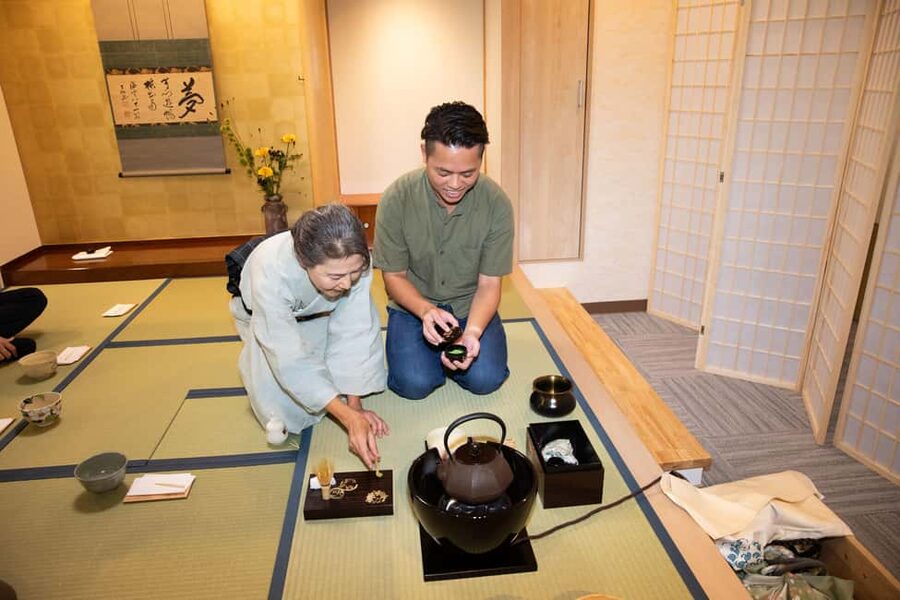
At $25 per person, the value is strongest if you want direct instruction rather than a short tasting. Your fee covers the ceremony, the matcha preparation lesson, traditional sweets, and an English-guided explanation in a small group.
You also get to make your own tea. That hands-on element makes the price more reasonable than a demonstration where you simply sit and watch someone else prepare the bowl. The one-hour length is short enough to fit into a busy Tokyo schedule, but long enough to include background, demonstration, tasting, and practice.
The price does not include kimono rental. That is useful to know before you book, since photographs of tea ceremonies often show participants in formal clothing. You will need to arrange that separately if wearing a kimono is important to your plan.
For a first introduction to matcha, $25 is a modest outlay. You are paying for cultural context and instruction, not just a cup of tea. If you already know the ceremony well or want an advanced study of tea practice, the relaxed beginner format may offer less value.
Who will enjoy this Asakusa activity?
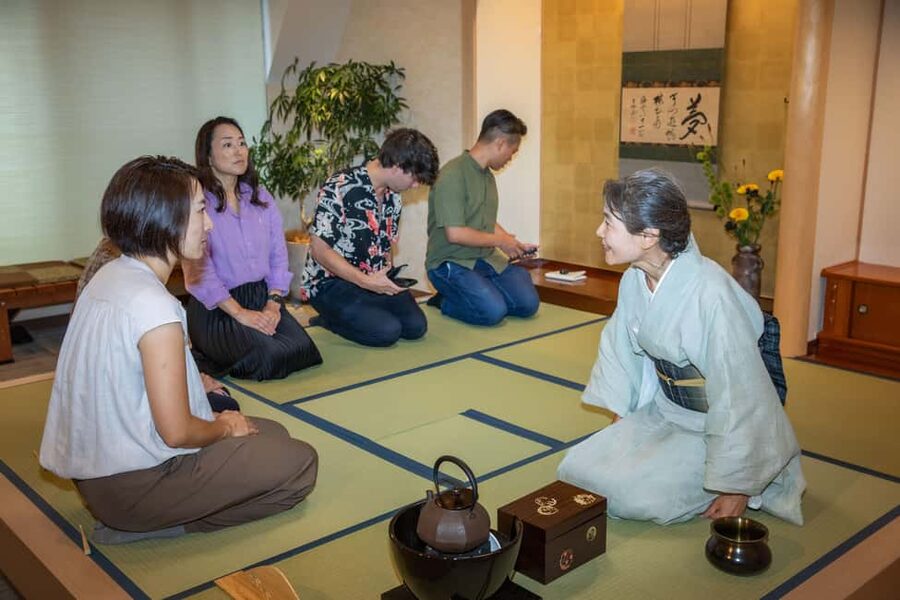
I would recommend it to you if you want a calm cultural stop that does not take half a day. The one-hour schedule fits neatly between major Tokyo sights, and the activity does not require previous experience.
It is especially suitable for:
- First-time visitors who want a simple introduction to Japanese customs
- Couples looking for a quiet shared activity
- Families with older children who can follow a guided demonstration
- Solo visitors who enjoy asking questions and learning by doing
- Repeat visitors who want a different side of Asakusa
- Anyone curious about matcha but unsure how it is prepared
The activity may be less suitable if you want a formal ceremony with strict etiquette, a full kimono experience, or a long session focused on advanced tea practice. It is also not a meal replacement, since the included food is a traditional sweet served with the tea.
Booking, timing, and cancellation details
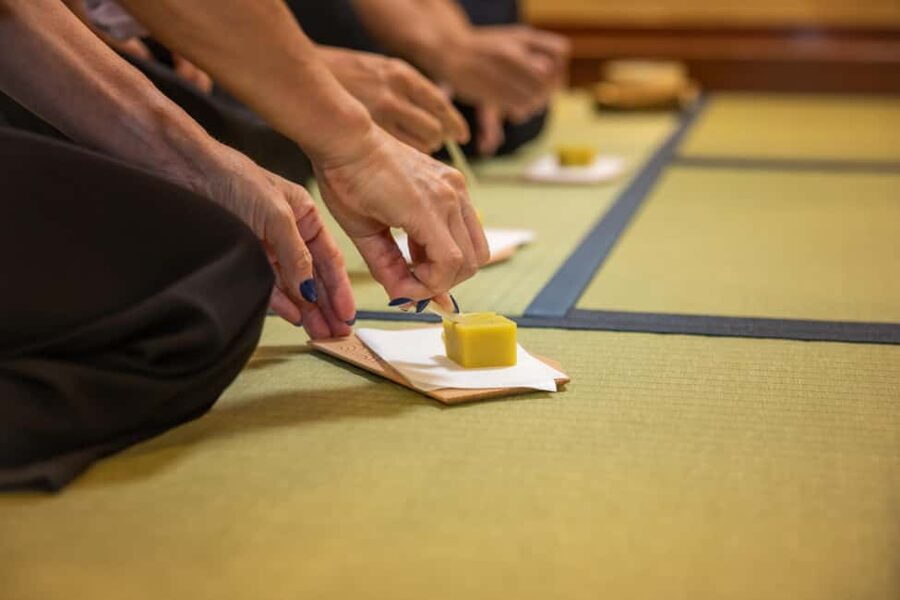
The session lasts one hour, with starting times shown according to availability. The instructor speaks English, and the group is limited to eight people.
You can reserve now and pay later, which helps if your Tokyo schedule is still changing. Free cancellation is available up to 24 hours in advance for a full refund. Read the final booking conditions carefully for your selected time, but the 24-hour rule gives you useful flexibility.
Since the meeting point is on the fifth floor, I would avoid arriving at the last minute. The activity depends on a shared sequence, and the opening explanation helps you understand everything that follows.
My take: should you book it?
Book this tea ceremony if you want a friendly, practical introduction to matcha and Japanese hospitality. The strongest reasons are the English explanations, the small group, the chance to whisk your own tea, and the time to ask questions without the pressure of a formal setting.
The $25 price is fair for a one-hour lesson that includes sweets and hands-on practice. Just keep your expectations in line with the format. This is a relaxed class, not a full kimono package or a strict ceremonial performance.
For a first tea ceremony in Tokyo, I think it is a smart choice. You leave with more than a taste of matcha. You understand why the tea is prepared with such care, and you have made a bowl yourself.
FAQ
Where does the tea ceremony take place?
It takes place at Tokyo Tourist Lounge Asakusa, on the fifth floor of the building. You can use Google Maps and search for Tokyo Tourist Lounge Asakusa.
What are the meeting point coordinates?
The listed coordinates are 35.7103757, 139.796744.
How long does the experience last?
The tea ceremony experience lasts one hour.
What language is the instruction in?
The instructor speaks English.
How many people are in the group?
The group is limited to eight participants.
Do I prepare my own matcha?
Yes. The host teaches you how to whisk powdered green tea, and you prepare your own bowl during the session.
Are traditional Japanese sweets included?
Yes. Traditional Japanese sweets are included with the tea ceremony.
Is kimono rental included?
No. Kimono rental is not included.
Can I take photos and ask questions?
Yes. The experience is designed to be relaxed, and you are welcome to take photos and ask questions during the session.
Is the activity wheelchair accessible?
Yes. The activity is listed as wheelchair accessible.
Just added around Tokyo
- Kawagoe Japanese Food Tour : Unagi Kaiseki and Sake near Tokyo★ 5.0 · 30 reviews
- Kawagoe 4hr Private Tour with Licensed Guide (Kawagoe Dep)★ 5.0 · 13 reviews
- Little EDO Sushi Making workshop in Kawagoe★ 5.0 · 18 reviews
- 【R34】Tokyo:Private Daikoku tour in Modified R34★ 4.9 · 92 reviews
- :Tokyo,Shibuya/ Pro Photography in Kimono / English-Friendly★ 5.0 · 26 reviews
- Tokyo:Celebrate Unique Japanese New Year Tradition Festivity★ 3.9 · 20 reviews
- Tokyo: Allstar Food Tour★ 4.7 · 29 reviews
- Tokyo: West-Side Cycling and Food Tour with Guide★ 5.0 · 37 reviews
Tea Ceremony Experiences, compared.

Tea Ceremony in a Traditional Tea House in Kiyomizu
Our verdict →


World Heritage Kyoto & Nara Uji Authentic Matcha Experience
Our verdict →

Arashiyama Bamboo Forest, Monkeys, Matcha & Temple Tour
Our verdict →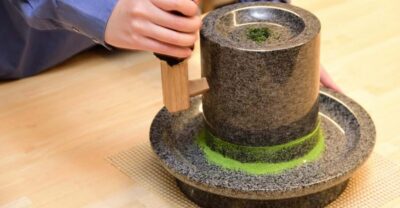
Browse the lists this tour appears in