
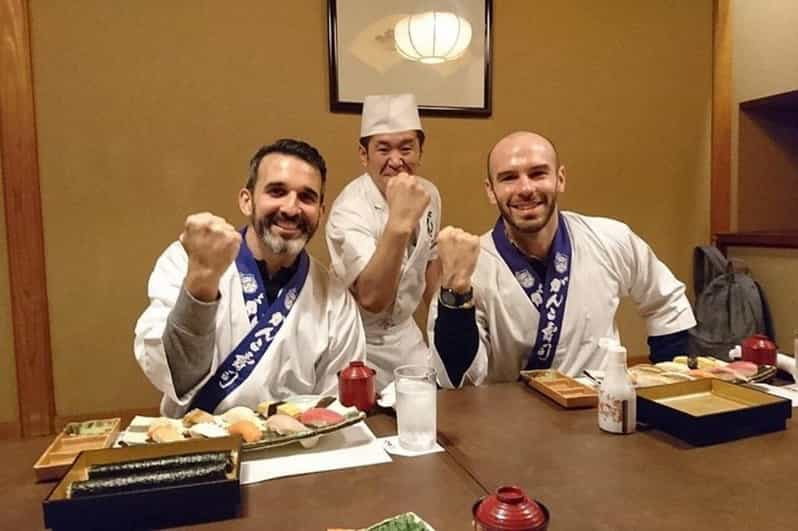
Reviewed · FISH MARKET TOURS
Tokyo: Sushi Making with Pro Chef & Tsukiji Fish Market Tour
Tokyo’s best food lesson may begin with a walk through Tsukiji Fish Market, where your guide helps you understand the ingredients before you handle them yourself. You’ll see where sushi chefs shop, sample foods beloved by Japanese cooks, and learn how the market fits into Tokyo life.
I like the small group of eight and the chance to ask questions without shouting over a crowd. I also like that lunch is the sushi you make, not a separate meal tacked onto the end. The main drawback is the food policy: this tour is not suitable for vegetarians, vegans, or people needing halal or gluten-free food, and toppings cannot be changed on the day.
Key points
- Tsukiji before sushi: Walk through the market with an English-speaking guide and see where ingredients come from.
- A real sushi lesson: A professional chef gives step-by-step instruction on preparing several sushi styles.
- Small group access: The tour is limited to eight people, making it easier to watch, ask questions, and get help.
- Temple meeting point: Meet at the front gate of Tsukiji Honganji Temple, not at the back shown by some map results.
- Lunch you prepare yourself: Your workshop sushi becomes the included meal.
- Strict food and mobility limits: Expect stairs, walking, raw seafood, and no vegetarian, vegan, halal, or gluten-free option.
Tsukiji begins at the temple gate
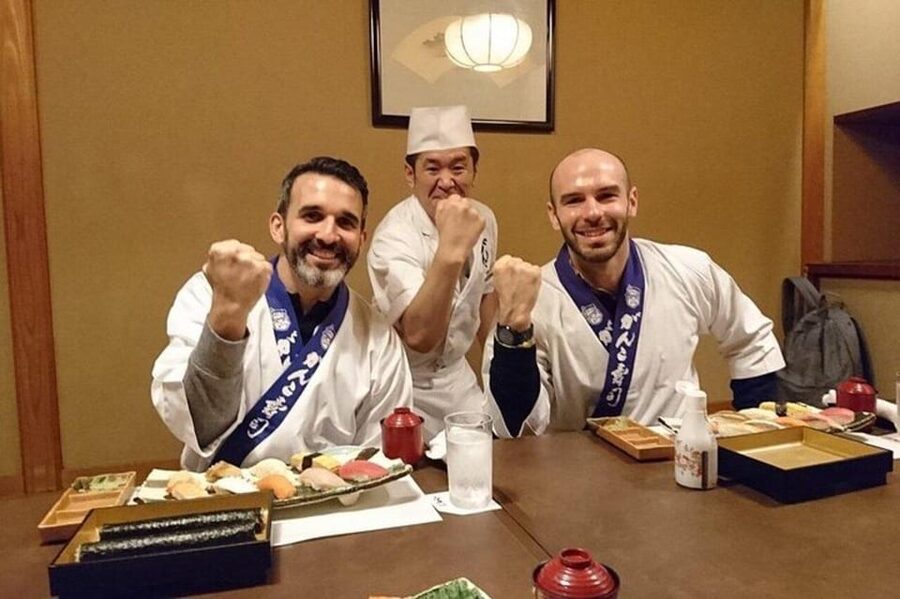
Your four-hour tour starts at the main gate of Tsukiji Honganji Temple, directly in front of the temple. This detail matters because Google Maps may guide you to the back. Go to the front gate and arrive early. If you arrive late, the tour cannot be extended, and same-day late arrivals do not receive a refund.
The temple gives the outing a useful opening. Before the food stalls and fish counters, you get a brief look at a major Buddhist site and, on some tours, an introduction to Buddhist customs and the temple’s place in the neighborhood. Guides such as Tadashi, also called Tad, have used the meeting point to explain local culture before leading the group into the market.
From here, expect a walking tour rather than a ride between stops. Comfortable shoes are essential. The market has plenty to hold your attention, so you may want a small amount of spending money for snacks or purchases, though the tour price does not include food bought independently.
More Market Tours in Tokyo
- Tokyo Tsukiji Fish Market Food and Culture Walking Tour
★ 5.0 · 3,184 reviews - Tokyo: Tsukiji Fish Market Food and Walking tour
★ 5.0 · 1,724 reviews - Tokyo: Tsukiji Fish Market Guided Walking Tour
★ 4.9 · 1,397 reviews
What you see around Tsukiji Fish Market
Tsukiji is best understood as two connected food worlds. The famous inner wholesale market moved to Toyosu, but Tsukiji still has a major food area where shops, suppliers, and specialists serve cooks and the public. The tour takes you through the fish market area and introduces the people, products, and customs that shape Japanese cooking.
The guide’s role makes a real difference here. Instead of simply walking past counters, you learn what you are seeing and where local food fans go to eat or shop. Guides have pointed out less familiar offerings, explained food traditions, and allowed time for photos and tastings. Some groups have sampled unusual foods, including whale meat, along with other market specialties.
That kind of tasting can be interesting, but it is also a reminder that Tsukiji is not a theme park built around one neat food story. Some offerings may be unfamiliar or challenging. If you prefer a tightly controlled tasting menu, this walk may feel a little open-ended. If you want a guide to help you make sense of what is in front of you, the format works well.
You should also allow for weather. One winter tour continued in snow, which made the walk less comfortable even though the guide kept the pace going. Rain can have the same effect. Wear shoes with good support and dress for the forecast, since part of the four hours takes place outdoors.
Learning the food culture behind sushi
The market walk gives the sushi class a useful foundation. You do not simply arrive at a kitchen, receive a tray of fish, and copy hand movements. You first see the ingredients in their market setting, then learn why freshness, knife work, rice, and presentation matter.
The guide explains sushi customs and the role of the market in Tokyo society. You may also learn how to eat sushi properly, how different fish are handled, and why certain products are prized by fine-cuisine restaurants. The focus is not only on recipes. It is on the chain that links the market counter to the sushi bar.
I especially like this connection because it gives the workshop more meaning. You can look at a piece of fish and understand that it is not just a topping. It has a season, a texture, a cut, and a place in Japanese cooking. The tour also gives you a chance to ask about foods you might otherwise pass without noticing.
Your exact guide can vary. Names associated with this experience include Tadashi, Yusei, Take, Kate, Yuko, and Matsayo. Their approach may differ, but the format remains an English-language small-group tour. Past groups have praised guides for giving them time to linger, take pictures, and sample food rather than rushing from one stall to the next.
Inside the professional sushi workshop
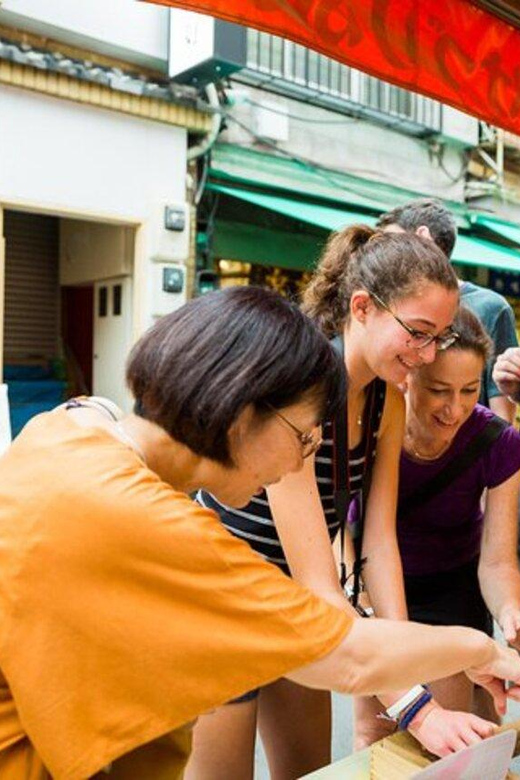
After the market portion, you head to the sushi classroom for the hands-on part of the day. The room is on the third floor, so you must climb stairs. That makes this tour unsuitable for wheelchair users and people with mobility impairments.
A professional sushi chef leads the class step by step. You watch preparation, learn about the fish, and then try the techniques yourself. The instruction is designed for beginners, so you do not need to arrive with knife skills or restaurant experience. The chef and instructors help correct your technique and give you confidence when your first pieces look less than perfect.
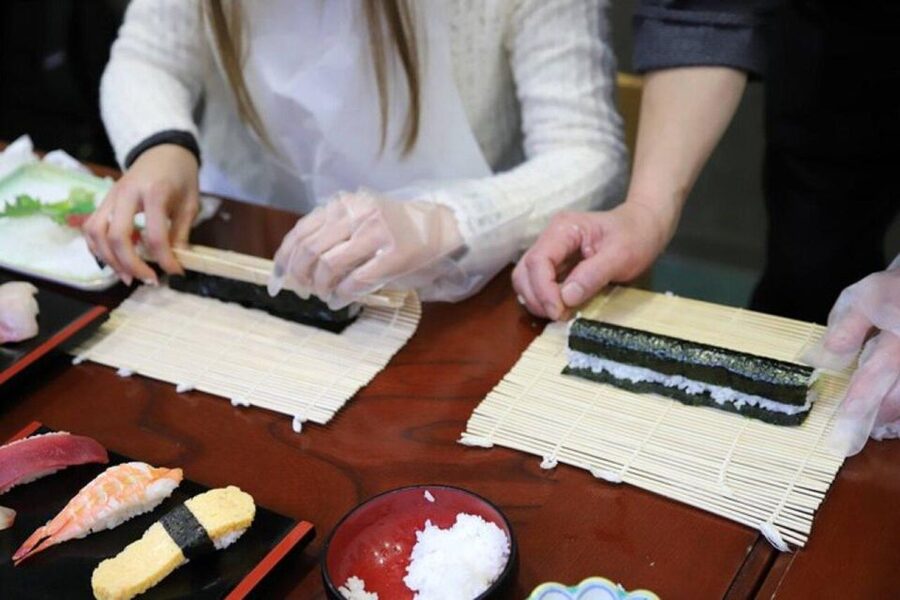
The class may include several varieties of sushi. One reported format had participants make five nigiri and one maki roll. Exact pieces can vary, so treat that as a useful example rather than a guaranteed menu. The key point is that you do more than shape one simple roll. You work with different forms and learn how they are assembled.
Nigiri demands more control than many people expect. You need the right amount of rice, a firm but gentle shape, and a topping that sits properly. Maki brings a different challenge, since the filling must be placed neatly and the roll tightened without crushing it. The chef’s live demonstration helps you see the small movements that are hard to learn from a recipe.
You also learn about sushi etiquette and how to eat the finished pieces. That is practical information you can use later at a sushi counter in Japan. The class is not just a photo opportunity, though you will likely have plenty to photograph once the plates are ready.
More Sushi Experiences in Tokyo
- Sushi Making Tokyo Roll and Authentic Japanese Sushi Class
★ 5.0 · 3,971 reviews - Tokyo: Roll and Authentic Sushi Making Class in Asakusa
★ 4.9 · 1,957 reviews - Make Sushi and Create Unforgettable Memories in Tokyo
★ 5.0 · 1,413 reviews - Tokyo: Sushi Making Class in a Happi Coat near a Famous Spot
★ 4.9 · 1,377 reviews
Lunch is the sushi you make
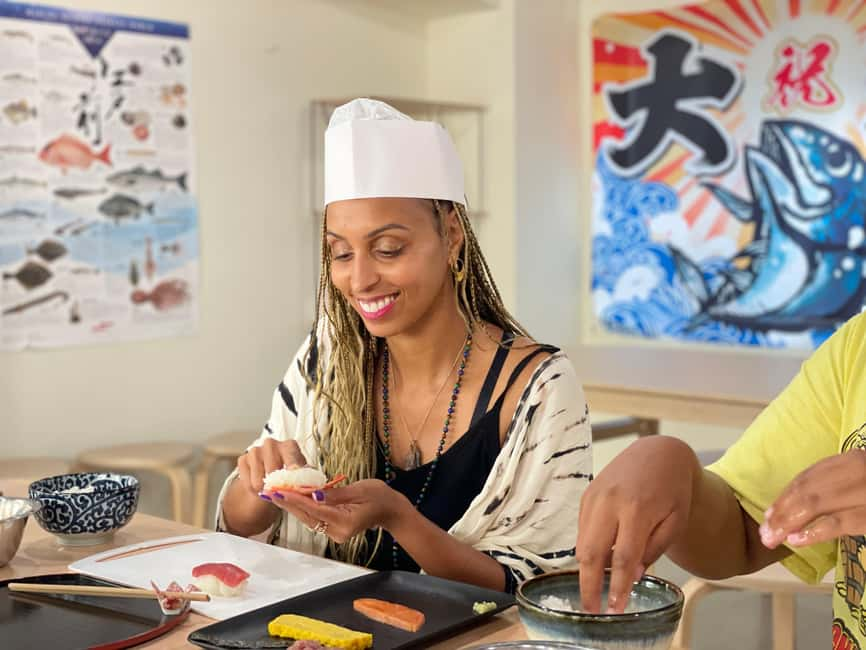
The sushi workshop doubles as lunch. You eat the pieces prepared during the class, which gives the meal a personal edge and lets you judge your own progress. Even an uneven-looking nigiri can taste good when the fish is fresh and the preparation has been explained.
The included meal is a good part of the $101 price because you receive both a guided market walk and a food lesson, not just a tasting. You also avoid paying separately for a sushi lunch during the same block of time. The value is strongest if you want instruction and context. If you mainly want a large meal or a quick market visit, another option may suit you better.
One small comfort note: bring your own expectations about drinks. One person wished there had been more green tea and soy sauce. That is not a major flaw, but it suggests that the meal is centered on the sushi-making lesson rather than a long restaurant-style lunch.
Why the small group matters
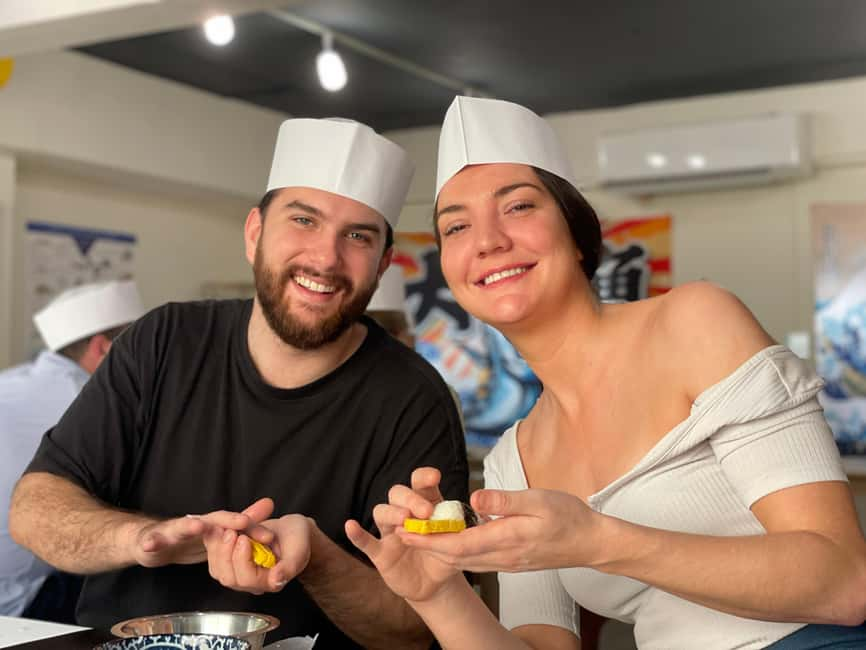
The group limit of eight is one of the tour’s practical strengths. A sushi lesson works better when you can see the chef’s hands and get help with your own rice and fish. In a large class, you might spend much of the session watching someone else. Here, the instructor has a better chance of noticing when your roll is loose or your nigiri needs reshaping.
The small size also helps in the market. Eight people can move more easily than a large crowd, stop at a stall, and hear the guide’s explanation. It does not mean the market will be quiet or empty. Tsukiji remains an active food district, and you need to stay close to the guide.
The pace has been described as relaxed enough for photos, tastings, and browsing. That is useful if you dislike tours that race through a neighborhood. The trade-off is that the four-hour schedule has limits. A late arrival cuts into your own tour, and weather can make the outdoor section feel longer.
Price, timing, and practical value
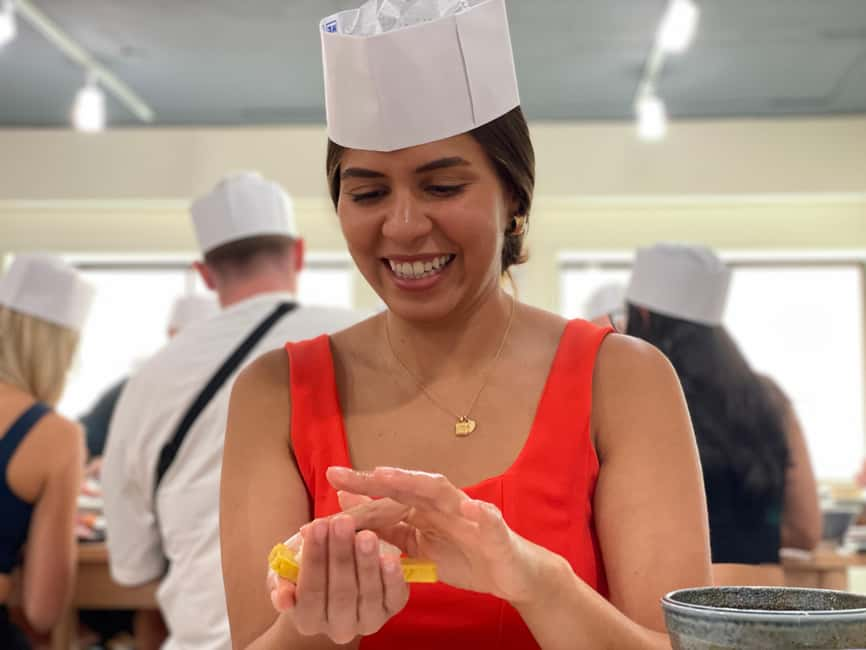
At $101 per person, this is not the cheapest way to eat at Tsukiji. You are paying for a four-hour program that combines an English-speaking guide, market access, tastings, a professional sushi class, and lunch. For a first visit to Tokyo, that combination can be good value because it removes much of the guesswork from the market and gives you a skill to take home.
The price makes less sense if you already know Tsukiji well, have taken a sushi class, or want a purely self-guided food crawl. You will have less freedom to choose every snack and shop because the class sets the day’s shape. The benefit is that you get explanation, translation, and instruction in one outing.
The tour offers free cancellation up to 24 hours before the start time, and you can reserve now and pay later. Those policies help if your Tokyo plans are still moving around. They do not protect you from a same-day cancellation or late arrival, so keep the start time firmly in your schedule.
The fish market’s wholesale section is closed on Wednesdays, Sundays, and other market closure days. Check the available date carefully before booking. The wider Tsukiji area may still have food shops open, but the market portion can change when the wholesale area is closed.
Who should book this sushi tour
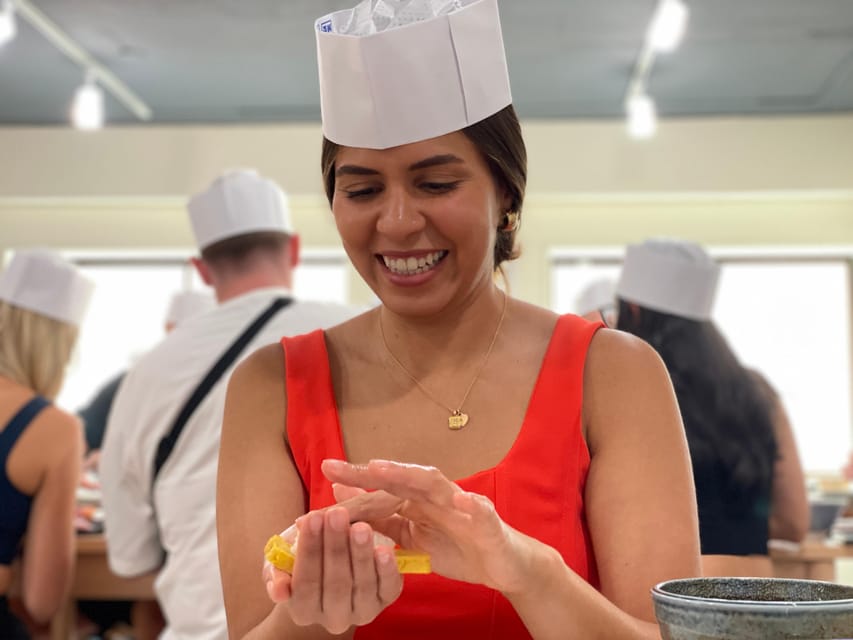
I would choose this for a first-time Tokyo visitor who wants food, culture, and a guided introduction to Tsukiji in one morning or afternoon. It also suits couples, families with older children, and groups of adult children who want an activity with a clear shared goal. Children under four are not suitable for the tour, and infants and toddlers are free, but they do not receive their own sushi kit if they want to participate.
You should be comfortable walking outdoors and climbing to a third-floor classroom. You should also be open to seafood and to the possibility of unfamiliar market samples. The tour cannot accommodate vegetarian, vegan, halal, or gluten-free requests. Allergy-related requests may be considered, but you must send them by 5:00 p.m. Japan time on the day before the tour, and accommodation is not guaranteed.
Toppings cannot be changed on the day. If you have a serious allergy or a strict diet, ask before booking rather than hoping the chef can adjust the class at the last minute.
Final call: a useful first taste of Tokyo food culture
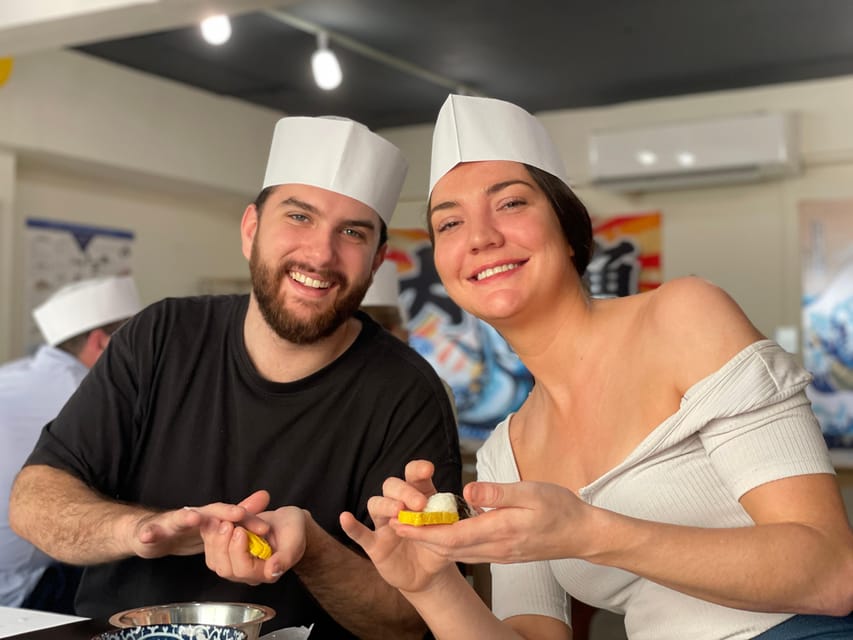
Book this tour if you want more than a meal. The best part is the link between the market and the classroom: you see the ingredients, hear how they fit Japanese food culture, then use them under a professional chef’s guidance. The eight-person limit, patient market pacing, and hands-on sushi lesson make the $101 fee reasonable for the right person.
Skip it if you need vegetarian or vegan food, cannot manage stairs, dislike raw seafood, or want complete freedom to browse Tsukiji at your own speed. For everyone else, this is a well-shaped introduction to the neighborhood, with enough structure to make Tokyo’s sushi traditions easier to understand and enjoy.
FAQ
How long does the Tsukiji and sushi tour last?
The experience lasts four hours. This includes the guided walk through Tsukiji Fish Market and the sushi-making workshop.
What is the meeting point?
Meet at the main gate of Tsukiji Honganji Temple, at the front of the temple. Google Maps may direct you to the back, so do not use that location as your meeting point.
Is the tour offered in English?
Yes. The tour includes a live English-speaking guide.
How many people are in the group?
The group is limited to eight participants.
Is lunch included?
Yes. Lunch consists of the sushi you prepare during the workshop.
What should I bring?
Wear comfortable shoes because the tour includes walking through the market. You also need to climb stairs to reach the third-floor classroom.
Can the sushi toppings be changed?
No. Sushi toppings cannot be changed on the day of the event. Tell the provider about food restrictions or allergies by 5:00 p.m. Japan time on the day before the tour.
Is the tour suitable for vegetarians or vegans?
No. The experience does not accommodate vegetarians or vegans. It also does not accommodate halal or gluten-free requests.
What happens if I arrive late or need to cancel?
The tour cannot be extended for late arrivals, and there is no refund for cancellations or late arrivals on the day. You can cancel up to 24 hours in advance for a full refund.
More Fish Market Walks in Tokyo
- Tokyo Sushi Making Class in Tsukiji with Professional Chef
★ 5.0 · 1,177 reviews - Tsukiji Fish Market Guided Tour and Sushi Making with Pro Chef
★ 5.0 · 775 reviews - Tokyo: Tsukiji Fish Market Food and Culture Walking Tour
★ 4.7 · 757 reviews - Tsukiji Fish Market: Street Food & Culture Walking Tour
★ 5.0 · 669 reviews
Just added around Tokyo
- Kawagoe Japanese Food Tour : Unagi Kaiseki and Sake near Tokyo★ 5.0 · 30 reviews
- Kawagoe 4hr Private Tour with Licensed Guide (Kawagoe Dep)★ 5.0 · 13 reviews
- Little EDO Sushi Making workshop in Kawagoe★ 5.0 · 18 reviews
- 【R34】Tokyo:Private Daikoku tour in Modified R34★ 4.9 · 92 reviews
- :Tokyo,Shibuya/ Pro Photography in Kimono / English-Friendly★ 5.0 · 26 reviews
- Tokyo:Celebrate Unique Japanese New Year Tradition Festivity★ 3.9 · 20 reviews
- Tokyo: Allstar Food Tour★ 4.7 · 29 reviews
- Tokyo: West-Side Cycling and Food Tour with Guide★ 5.0 · 37 reviews
Fish Market Tours, compared.
Tokyo Sushi Making Class in Tsukiji with Professional Chef
Our verdict →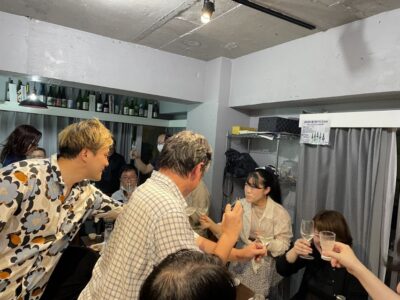

Wakayama Cat Train, Seafood market, Hot Springs Tour
Our verdict →
Awesome Private Tour: Tsukiji, Asakusa, Shinjuku, Shibuya
Our verdict →Browse the lists this tour appears in