
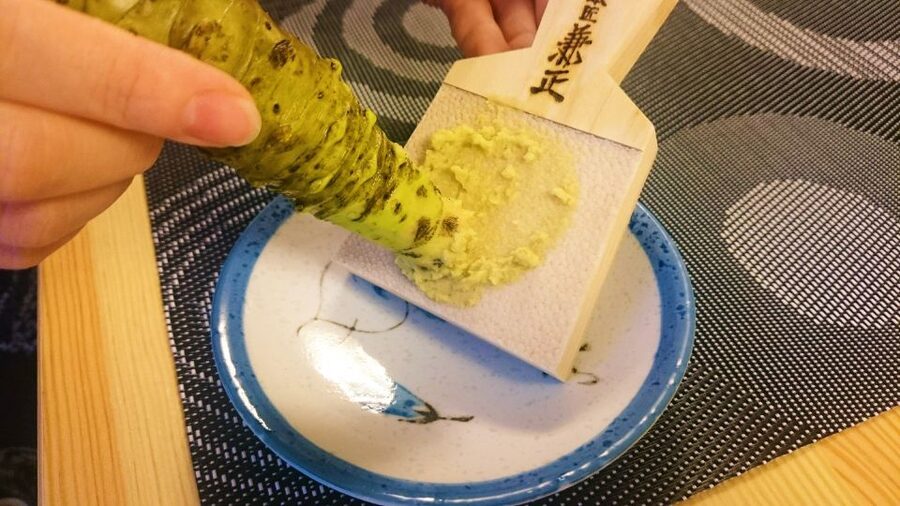
Reviewed · SUSHI EXPERIENCES
Tokyo: Sushi Making Class
Sushi is the star, but the real prize here is learning the small details that make it work: properly seasoned rice, neat hand-pressed nigiri, and rolls that hold together. You also make miso soup and tamagoyaki, so this is more than a quick roll-and-eat workshop.
I like the small group size, which gives the English-speaking instructors time to correct your technique without rushing you. I also like the generous meal at the end, plus recipe cards you can use at home. The main consideration is that fish comes pre-sliced, so this is not a knife-skills class.
Key points
- Small-group instruction: The class is limited to nine people, allowing plenty of help at the worktable.
- Several sushi styles: Make nigiri, inari, hosomaki, and California rolls rather than learning just one basic roll.
- Japanese kitchen basics: Learn sushi rice, miso soup, dashi, seasonings, and tamagoyaki.
- English-friendly teaching: Instructors explain each stage clearly and add cultural and language notes along the way.
- A full meal included: You eat the sushi and soup you prepare, with wasabi and pickled ginger on the side.
- Dietary substitutions available: Allergies, gluten-free needs, vegetarian preferences, and religious restrictions can be accommodated if reported when booking.
A sushi class that teaches the whole meal
Many cooking classes give you one dish, a quick demonstration, and just enough time to copy it. Cooking Sun Tokyo takes a broader approach. Over about three hours, you work through the building blocks of a Japanese meal, then prepare several forms of sushi and sit down to eat what you made.
That makes the $67 price easier to judge. You are not paying only for a plate of sushi. You receive instruction, ingredients, utensils, an apron and towel rental, recipes, and a substantial meal. For a first cooking class in Tokyo, it is a useful mix of food, practical skills, and cultural background.
The class is held in English and is designed for beginners. You do not need to know how to season rice, handle a bamboo mat, or shape nigiri before arriving. The instructors demonstrate first, then let you try, stepping in when your rice is too loose, your filling is too large, or your roll needs a little more pressure.
That step-by-step format also works for people who already cook. One participant who regularly cooks but had little sushi experience found enough technique to make the session worthwhile. You can follow the basics or ask more detailed questions as you go.
More Sushi Experiences in Tokyo
- Sushi Making Tokyo Roll and Authentic Japanese Sushi Class
★ 5.0 · 3,971 reviews - Tokyo: Roll and Authentic Sushi Making Class in Asakusa
★ 4.9 · 1,957 reviews - Make Sushi and Create Unforgettable Memories in Tokyo
★ 5.0 · 1,413 reviews
Finding Cooking Sun Tokyo in Shinanomachi
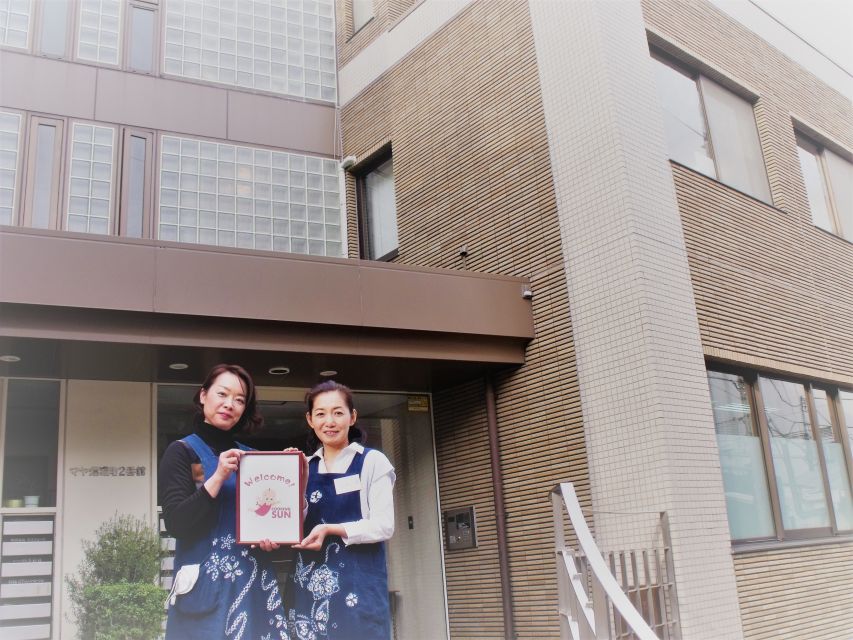
The studio is in Shinanomachi, in Shinjuku-ku, but it is not set up like a large commercial cooking school with a prominent street entrance. It is in a quiet residential area, on the second floor of a beige building.
That location gives the afternoon a more local feel, but it requires preparation. At the entrance, you will see two doors. Use the door on the right, then press 314 on the intercom to call the studio.
With mobile data, search Google Maps for Cooking Sun Tokyo at Shinanomachi 18-39, Shinjuku-ku, Tokyo. If you do not have Wi-Fi, check the detailed directions before leaving your hotel. This is one of those Tokyo arrival details worth handling early rather than trying to solve from a nearby street corner.
Private vehicles can drop participants off, but the building sits in a quiet neighborhood. Do not ask a driver to wait in front of the studio. A nearby coin-operated car park is the better place for a driver to pause.
There is no hotel pickup or transportation included, so you arrange your own route to the studio. Allow time to find the entrance, especially if you are coming straight from another Tokyo sight.
Starting with dashi, seasonings, and miso soup
The lesson begins with an introduction to Japanese ingredients and the flavors behind the dishes you will make. Dashi, traditional seasonings, and miso are explained before you start cooking.
This is useful context. Sushi is often reduced to raw fish and rice, but the rice seasoning, soup, and side dishes depend on a wider set of Japanese kitchen habits. Learning what dashi does, how miso is used, and how different seasonings fit together gives you a better sense of the meal as a whole.
You also make miso soup. It is a simple dish, but it helps you understand how a few carefully chosen ingredients can create a complete accompaniment to sushi. The soup is served with your finished meal, so you do not just watch a demonstration and move on.
The instruction includes cultural and historical notes, along with some Japanese language information. Several participants particularly valued these additions because they made the cooking feel connected to daily life in Japan rather than like an isolated craft lesson.
Making tamagoyaki without losing your nerve
Next comes tamagoyaki, the slightly sweet Japanese rolled omelet. The instructors break the process into manageable stages and guide you through the folding and rolling.
This can be the trickiest early task for beginners. The omelet needs attention while it cooks, and the rolling process looks more complicated than it is. Expect the instructors to show you the movement first, then help you adjust as you work.
Tamagoyaki also gives the class a useful change of pace. You are not handling sushi rice for the entire afternoon, and you learn a dish that can be served on its own or used as part of a Japanese meal.
If you cook often, you may find this section especially worthwhile because the technique is easy to repeat at home. If you rarely cook, the patient demonstrations keep it from becoming intimidating.
Same trip, a completely different kind of day:
- 1-Day Tokyo Bus Tour
★ 5.0 · 14,250 reviews - Tokyo: TOKYO SKYTREE® Admission ticket
★ 4.5 · 11,192 reviews - Tokyo: teamLab Planets TOKYO Digital Art Museum Entry Ticket
★ 4.6 · 9,779 reviews - Tokyo: Sumo Show Experience with Chicken Hot Pot and a Photo
★ 4.8 · 6,678 reviews
Preparing sushi rice and toppings
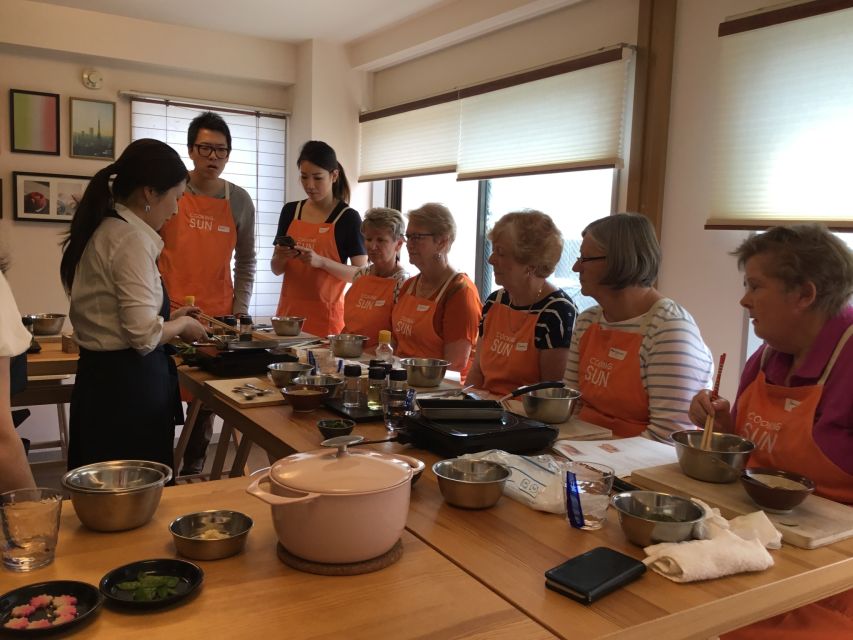
Sushi rice is the foundation of the class, and the instructors spend time showing you how to prepare it properly. This is one of the most practical parts of the afternoon because good sushi depends as much on the rice as on the topping.
You learn about the rice and its seasoning before moving into shaping. The goal is not simply to produce something that looks like sushi. You are shown how the texture should feel and how much rice to use for different styles.
The toppings are prepared for you to assemble, including shrimp and other ingredients. The fish is pre-sliced, which keeps the class focused on rice preparation, shaping, and presentation. It also means you are not learning how to break down a whole fish or cut sashimi.
That limitation matters if you booked the class hoping to practice Japanese knife work. This is a sushi assembly and cooking lesson, not a raw-fish butchery course. For most beginners, the choice is sensible because it leaves more time for making several types of sushi.
The ingredients are prepared before the hands-on work begins, and the instructors keep utensils available and the kitchen orderly. Hand-washing breaks and pauses are built into the pace, which helps the session feel calm rather than crowded.
Making four kinds of sushi
Once the rice and toppings are ready, the main workshop begins. You make four styles:
- Nigiri, the hand-pressed rice topped with an ingredient
- Inari, sushi rice placed inside a sweet tofu pouch
- Hosomaki, a thin roll
- California roll
Each style calls for a slightly different touch. Nigiri teaches you how gently to shape rice without compacting it too much. Inari is more forgiving and gives you a quick success. Hosomaki requires control over the amount of filling, while the California roll introduces a fuller roll with a different shape and texture.
The instructors demonstrate each form before you try it. That order is important. Sushi-making can look simple until you attempt to keep rice from sticking, prevent a roll from bursting, and make each piece roughly the same size.
You are encouraged to experiment once you understand the basic forms. Local ingredients provide room for personal combinations, but the class still gives you a clear structure to follow. You can be creative without spending the whole afternoon guessing what to do next.
The small group is a real advantage here. With a maximum of nine participants, the instructors can watch your hands and offer corrections. Families and first-time cooks benefit from that close help, and children can take part with adult support. A seven-year-old sushi fan and a family with a toddler were both able to participate successfully, according to the experience details provided.
Sitting down to a very generous meal
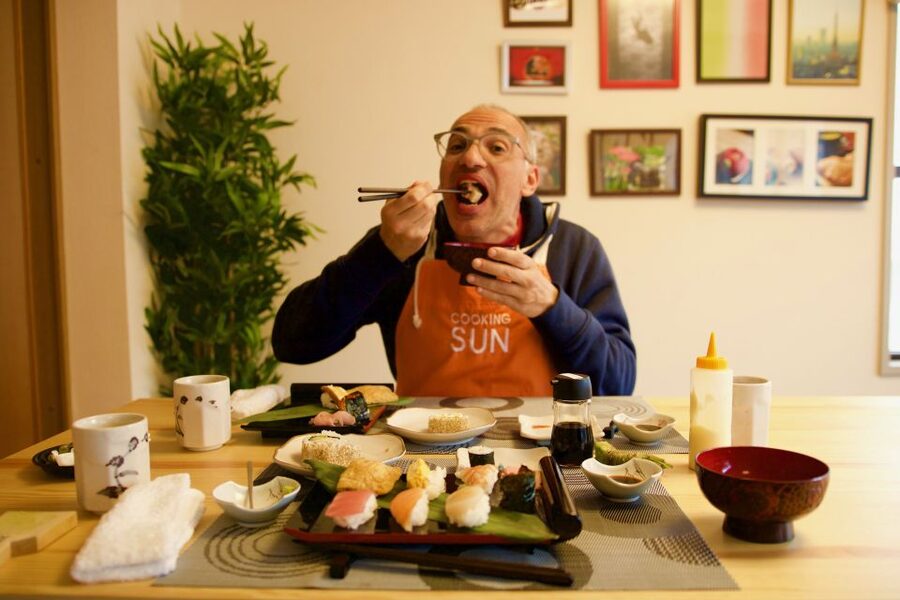
The final stage is the reward for all the careful work. You sit down to eat the sushi you prepared, along with miso soup, fresh wasabi, and pickled ginger.
Plan to arrive hungry. The amount of food is repeatedly described as enough for a full meal, and one participant specifically advised skipping dinner afterward. That makes the price look better than a short demonstration followed by a tiny tasting plate.
The meal also gives you a chance to see the results of the techniques you practiced. Your nigiri may not look identical to the instructor’s, and your first roll may be a little uneven, but that is part of the fun. The class is about learning a repeatable method, not producing restaurant-perfect pieces on the first attempt.
Tea or sake is not listed as part of the meal. If a drink pairing matters to you, set expectations accordingly. The focus is on the food you make and the cooking lessons around it.
Friendly teaching with useful cultural context
The strongest part of this class is the teaching style. Names mentioned in the experience feedback include Mika, Miki, Yuko, Aya, Koyotama, and Yuki, though the instructor lineup may vary by date. The consistent point is clear English, warm guidance, and a willingness to help without taking over.
The instructors explain ingredients, food traditions, and some history while keeping the work moving. You get demonstrations, hands-on practice, and corrections in a practical rhythm. That balance matters more than a long lecture, especially when your rice is waiting and your omelet needs attention.
The atmosphere is informal and friendly. Participants have described the studio as welcoming, calm, and well organized, with instructors who are patient when someone falls behind. One person arrived late and found the staff accommodating rather than flustered. You should still aim to arrive on time, but the teaching style appears forgiving.
The class also works well for mixed groups. Experienced home cooks can ask detailed questions, while people who rarely cook can follow the basic steps. Families, couples, and solo participants can all fit into the small-group format.
Dietary needs and ingredient substitutions
Tell the provider about dietary needs when you book. Substitutions can be made for food allergies, gluten-free diets, vegetarian preferences, religious restrictions, and other requirements.
This is particularly important for celiac disease and serious allergies. The class can explain which ingredients are gluten-free and where substitutions have been made, but you should provide the information in advance so the kitchen can prepare safely.
Do not assume that every sushi item will be prepared in its standard form if you request a substitution. The purpose is to let you take part in the same cooking process with suitable ingredients. Ask about specific concerns when booking rather than waiting until the class begins.
Is $67 good value?
At $67 per person, this is not the cheapest food activity in Tokyo. You may find shorter sushi workshops at a lower price, but the difference is often time and group size.
Here you receive three hours of instruction, several sushi styles, miso soup, tamagoyaki, ingredient lessons, hands-on practice, the finished meal, recipes, utensils, and apron and towel rental. The meal alone is substantial, but the lasting value is the method you can repeat at home.
The recipes strengthen the deal. One participant had already remade the dishes at home after returning from Japan. That is a good test of a cooking class: you leave with more than a pleasant afternoon and a few photographs.
The price is easiest to justify if you enjoy food, want a rainy-day activity, or prefer a small class over a large demonstration. It is less compelling if you only want to eat sushi or if your main goal is professional knife training.
Who should book this class?
I would recommend it to first-time sushi makers, families with older children, couples, and anyone who wants a structured activity away from Tokyo’s major sightseeing areas. It is also a good choice for people who already make sushi at home but want better rice technique and a clearer understanding of Japanese ingredients.
You should book it if you want to learn by doing. The instructors explain enough to give the food context, but the afternoon is centered on your hands, your rice, your rolls, and your final meal.
Think twice if you dislike group activities, have no interest in preparing your own food, or expect to cut raw fish. The studio is in a residential building and requires careful directions, so it does not offer the instant ease of a centrally located restaurant.
Cancellation is free up to 24 hours before the start time, and reserve-now, pay-later booking is available. Those options help if your Tokyo schedule is still shifting.
Should you book Cooking Sun Tokyo?
Book this class if you want a friendly, practical introduction to Japanese sushi rather than a quick photo opportunity. The combination of four sushi styles, tamagoyaki, miso soup, cultural notes, a small group, and a generous meal gives the afternoon real substance.
The one clear boundary is the pre-sliced fish. You will learn how to prepare rice, shape sushi, roll, season, and assemble, but not how to cut raw fish. For most beginners, that is a fair trade and keeps the class focused.
If you can follow detailed directions to the Shinanomachi studio and arrive ready to cook, this is a strong choice for a food-centered afternoon in Tokyo.
FAQ
How long does the sushi-making class last?
The listed duration is three hours. Starting times vary, so check availability when booking. One participant described spending about three and a half hours, so leaving some flexibility in your schedule is sensible.
Is the class taught in English?
Yes. The instructor language is English, and the class is designed for English-speaking participants.
What types of sushi will I make?
You will make nigiri, inari, hosomaki, and California rolls. The class also includes tamagoyaki and miso soup.
Does the class teach how to cut raw fish?
No. The fish is pre-sliced, and the class does not include instruction on cutting raw fish.
Can dietary requirements be accommodated?
Yes. Ingredient substitutions can be arranged for allergies, gluten-free diets, religious dietary restrictions, vegetarian preferences, and other needs. Tell the provider about your requirements when making the booking.
Where is the studio located?
Cooking Sun Tokyo is at Shinanomachi 18-39 in Shinjuku-ku, in a beige residential building on the second floor. Use the right-hand entrance door and press 314 on the intercom. Search for Cooking Sun Tokyo on Google Maps if you have Wi-Fi.
Just added around Tokyo
- Kawagoe Japanese Food Tour : Unagi Kaiseki and Sake near Tokyo★ 5.0 · 30 reviews
- Kawagoe 4hr Private Tour with Licensed Guide (Kawagoe Dep)★ 5.0 · 13 reviews
- Little EDO Sushi Making workshop in Kawagoe★ 5.0 · 18 reviews
- 【R34】Tokyo:Private Daikoku tour in Modified R34★ 4.9 · 92 reviews
- :Tokyo,Shibuya/ Pro Photography in Kimono / English-Friendly★ 5.0 · 26 reviews
- Tokyo:Celebrate Unique Japanese New Year Tradition Festivity★ 3.9 · 20 reviews
- Tokyo: Allstar Food Tour★ 4.7 · 29 reviews
- Tokyo: West-Side Cycling and Food Tour with Guide★ 5.0 · 37 reviews
Sushi Experiences, compared.
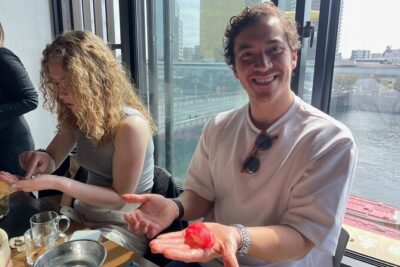
Sushi Making Tokyo Roll and Authentic Japanese Sushi Class
Our verdict →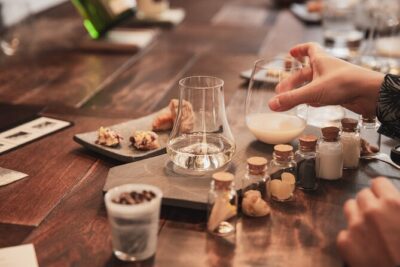
Sake Omakase in Tokyo: Guided Tasting by Certified Sommeliers
Our verdict →
Browse the lists this tour appears in